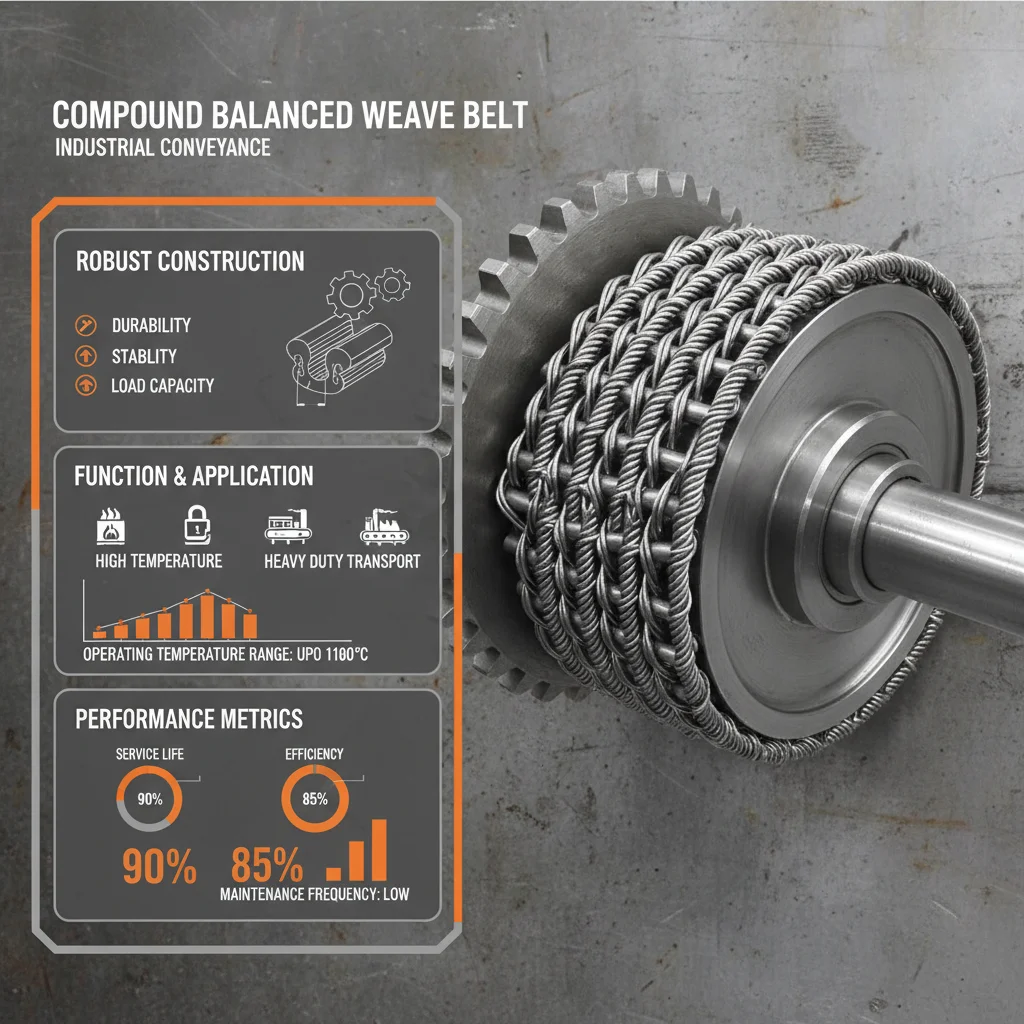
Look, I’ve been elbows-deep in construction for over 15 years, and let me tell you, the backbone of any serious heat treatment operation is the mesh belt. It’s not glamorous, no one’s writing songs about it, but if your furnace belt fails, everything grinds to a halt. We're talking serious downtime, scrapped parts, and a whole heap of frustration. A good Heat treatment furnace mesh belt isn’t just a component; it's a critical path item. It’s the thing that lets you move parts safely and consistently through the heat, impacting quality and throughput. Understanding this system isn’t just about specs and materials; it’s about recognizing how it impacts the entire process on the shop floor.
I’ve seen a lot of belts in my time - cheap ones that stretch and warp, expensive ones that still can’t handle the load, and a few that just…fail spectacularly. That’s why getting the right heat treatment furnace mesh belt is key. It's about minimizing downtime, maximizing efficiency, and ultimately, delivering a quality product. It's not something you want to skimp on, believe me. The cost of a failure far outweighs the initial investment in a solid, reliable belt.
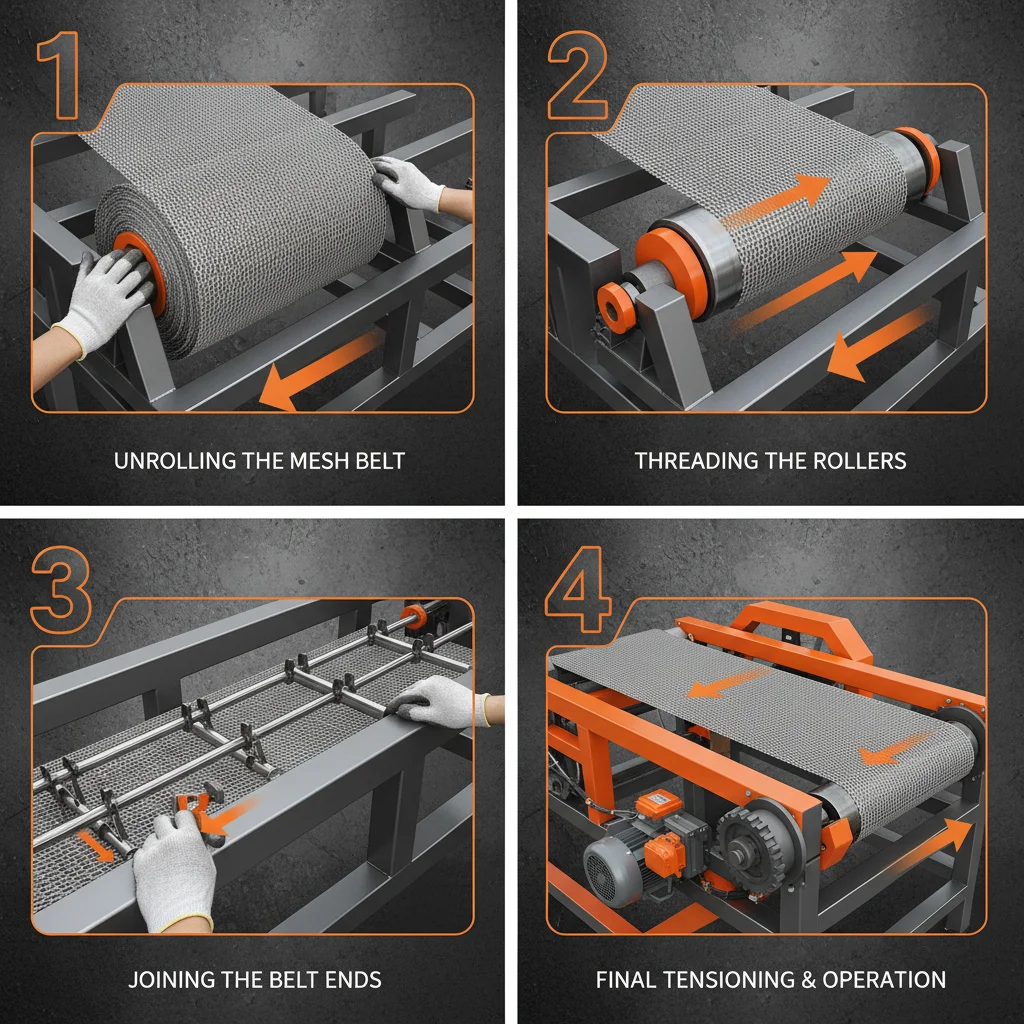
The thing that often gets overlooked is the integration. It's not just about buying a belt; it's about making sure it fits your specific furnace, your part load, and your temperature requirements. A lot of companies sell you the belt, but don't give you the support to make sure it's working for you. That's where having a supplier that understands the entire heat treatment process, not just the mesh, makes all the difference.
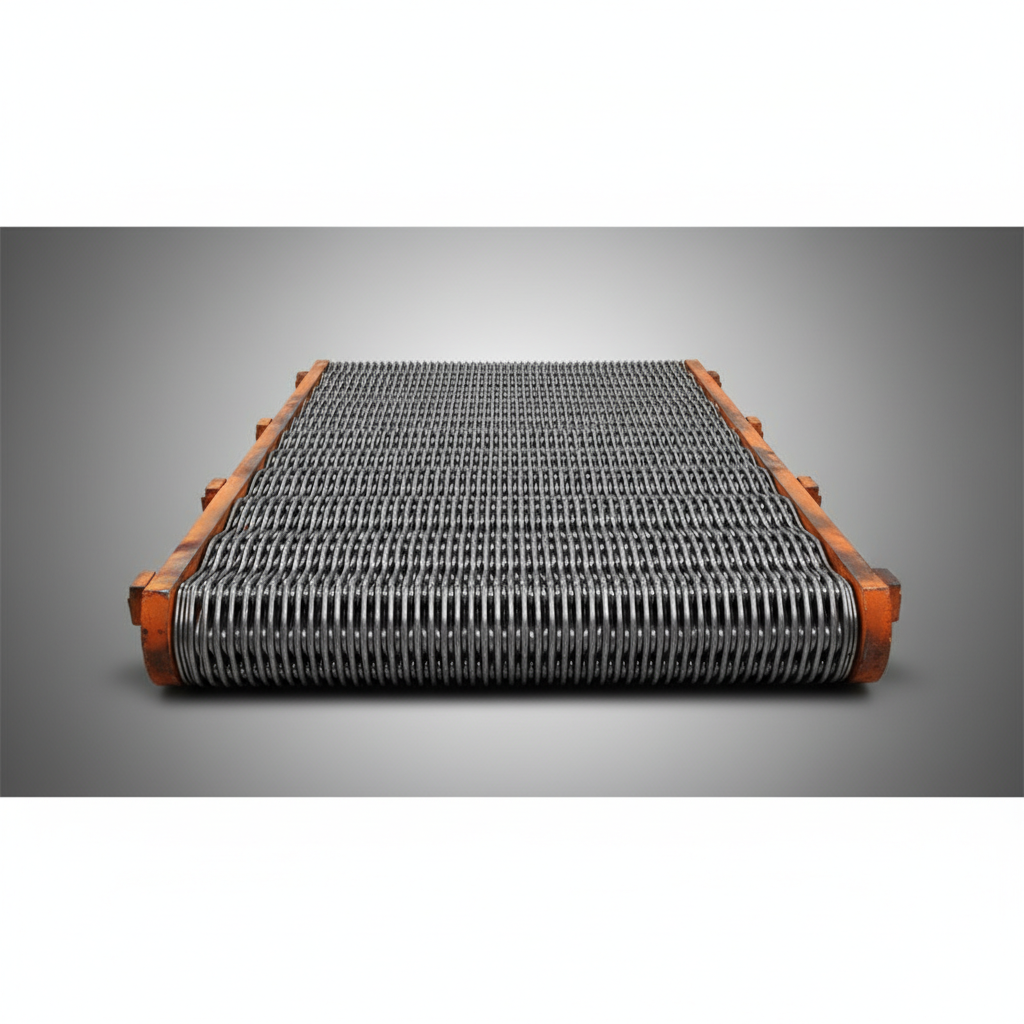
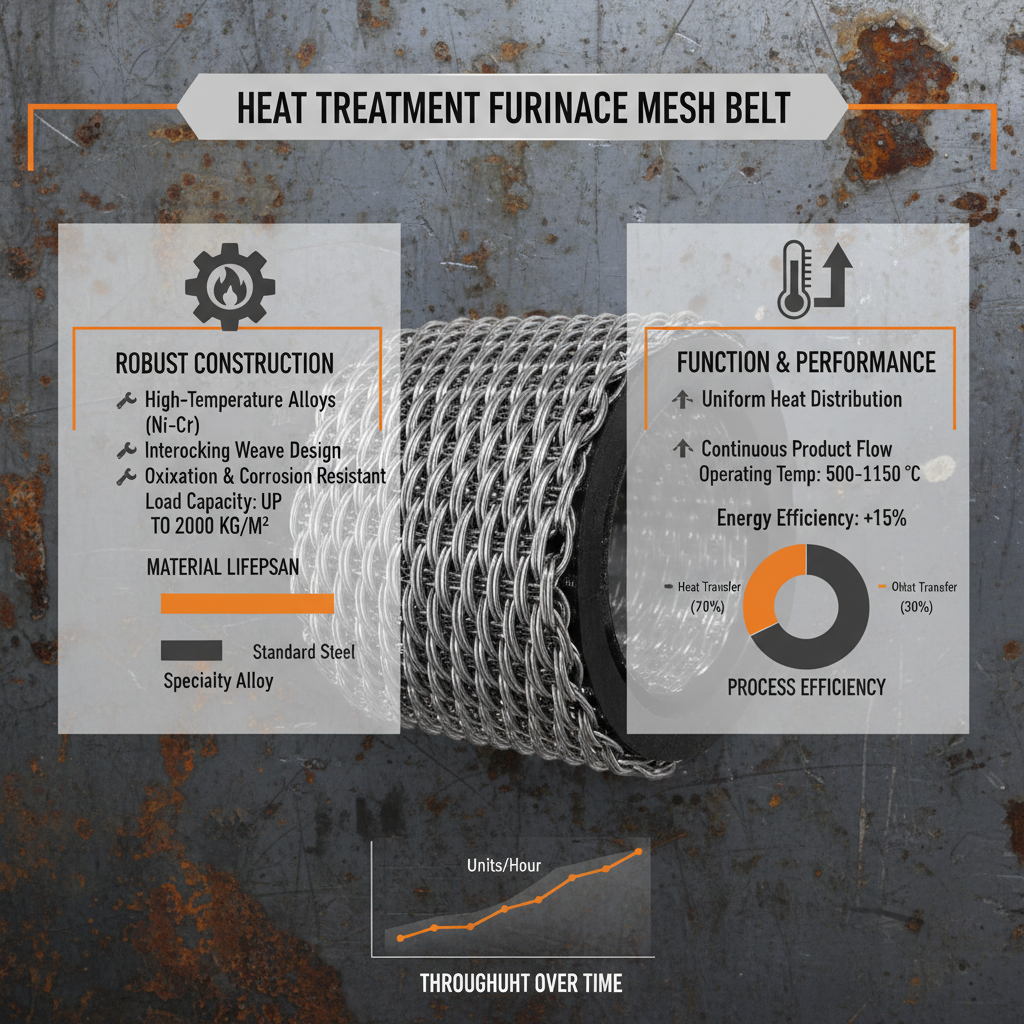
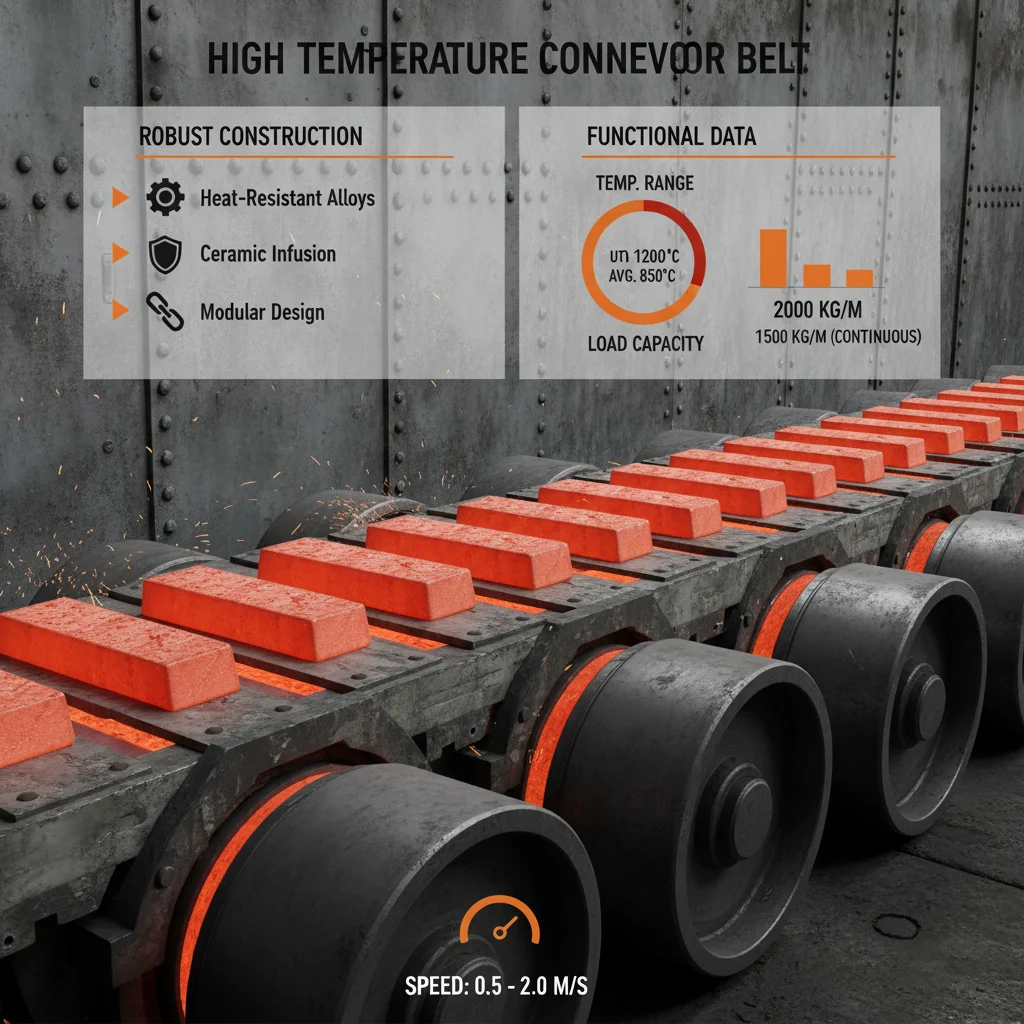
In heat treatment, a Heat treatment furnace mesh belt is the unsung hero. It’s the continuous transport system that allows for efficient and uniform heating and cooling of metal components. Without a reliable belt, you're looking at inconsistent results, increased scrap rates, and a whole lot of headaches. The demand for high-quality heat-treated parts is driven by industries like aerospace, automotive, and medical, which directly impacts the need for durable and precise mesh belt systems.
From a practical standpoint, I’ve seen how a properly selected and maintained belt can significantly increase throughput. It's all about keeping the process flowing smoothly. A disrupted process means lost productivity, and in this business, time is money. The quality of the belt material – stainless steel, wire diameter, mesh size – all affect how well it can withstand high temperatures, heavy loads, and corrosive environments.
The lifespan of a Heat treatment furnace mesh belt varies significantly based on operating temperature, load, material, and maintenance. Generally, a well-maintained belt can last between 12 months to several years. Regular inspection and proper tensioning are key to maximizing its service life. Alloy choices also greatly influence lifespan – higher alloy content typically equates to longer durability. We typically see 18-24 months for 310 stainless steel belts in moderate applications.
Selecting the correct mesh size depends on the size and shape of the parts you're heat treating. The mesh openings need to be large enough to allow for adequate airflow, but small enough to prevent parts from falling through. A general rule of thumb is that the smallest dimension of the part should be at least 1.5 times larger than the mesh opening. We always recommend consulting with a mesh belt specialist to ensure optimal selection.
Tracking issues can stem from several factors, including uneven loading, improper tensioning, misalignment of rollers, and debris buildup. Regularly inspect the belt and rollers for wear and tear. Ensure even distribution of parts on the belt. Proper tensioning is vital; too loose or too tight can both cause tracking problems. A quick visual check and adjustment can often resolve minor tracking issues.
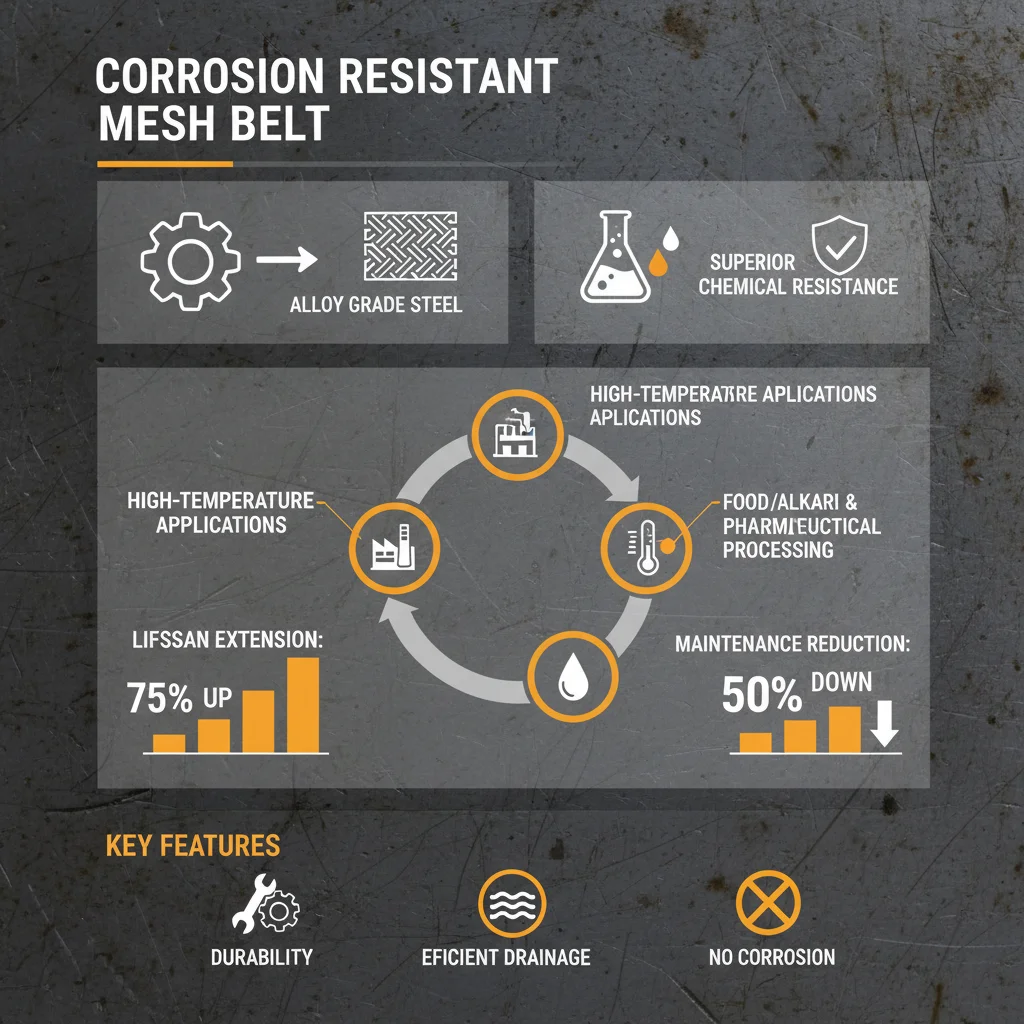
Material selection is critical. The operating temperature, the atmosphere within the furnace (oxidizing, reducing, neutral), and the type of metal being heat treated all influence the best material choice. Stainless steels are common, but higher-temperature applications often require nickel-based alloys like Inconel. Ignoring material compatibility can lead to premature failure and costly downtime. It's a good idea to consult a materials engineer.
Regular maintenance includes visual inspections for wear and tear, cleaning to remove debris and buildup, checking and adjusting tension, and lubricating bearings. Periodic inspection for corrosion is also important. Keeping a log of maintenance activities helps track belt performance and identify potential issues early on. Preventative maintenance will always save you money in the long run.
Minor damage, like broken wires in localized areas, can sometimes be repaired by skilled technicians. However, extensive damage usually necessitates a full belt replacement. Attempting to repair a severely damaged belt can compromise its structural integrity and lead to further failures. A qualified professional assessment is always recommended before attempting any repairs.
Ultimately, a Heat treatment furnace mesh belt isn’t just a piece of equipment; it’s a vital component of a smooth, efficient, and profitable heat treatment process. Choosing the right belt, maintaining it properly, and understanding its limitations are essential for maximizing its lifespan and ensuring consistent results.
Looking ahead, we’ll continue to see innovations in materials and design, driven by the demand for higher temperatures, heavier loads, and greater reliability. Investing in a high-quality mesh belt system and partnering with a knowledgeable supplier is a smart move for any company serious about heat treatment. For more information and to discuss your specific needs, visit our website: www.jymeshbelt.com