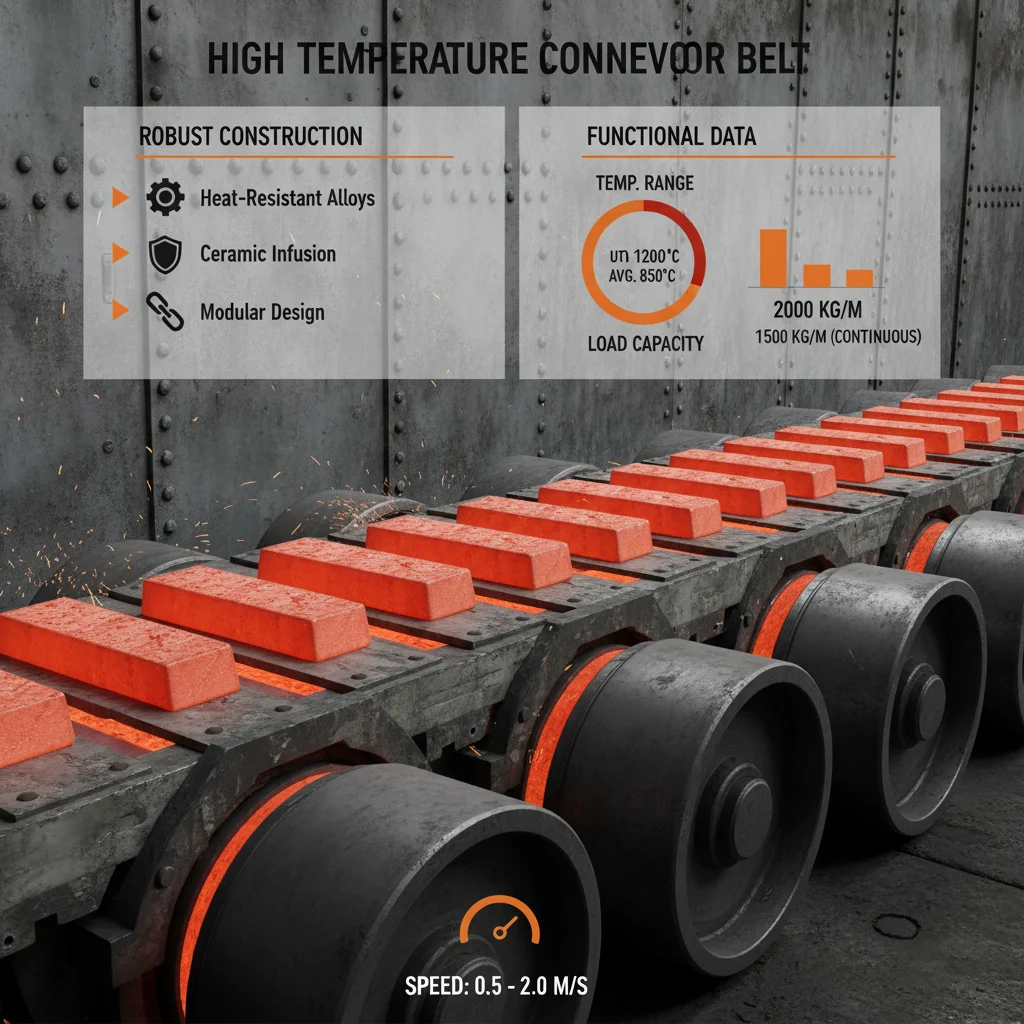
Look, I've spent years in the dirt, watching things get built – everything from simple warehouses to massive processing plants. And let me tell you, moving material is always the bottleneck. It's not glamorous, it's not sexy, but it's where projects live or die. That's where a solid Dryer Mesh Belt comes in. It's not just a conveyor; it’s the backbone of efficiency, and frankly, a sanity saver for everyone on site. We're talking about consistent, reliable material handling, which translates directly into schedules kept and budgets met.
I’ve seen too many projects bogged down by cheap belts that stretch, tear, or just plain stop working when you need them most. That's downtime, and downtime is money – plain and simple. The right Dryer Mesh Belt isn't about saving a few bucks upfront; it’s about protecting the entire investment. It's a critical piece of equipment, often overlooked, but absolutely essential.
And it's not just about big industrial projects. I’ve seen these things work wonders in smaller operations, like aggregate processing, recycling facilities, even grain handling. Anywhere you need to move bulk materials consistently and reliably, a good dryer mesh belt is a game changer. You need something that can hold up, something you can depend on.
The Importance of Dryer Mesh Belt in Material Handling
I’ve seen a lot of fancy equipment come and go, but the core principle remains the same: get the materials where they need to be, efficiently and reliably. A Dryer Mesh Belt does exactly that. It's a workhorse, consistently moving materials in environments where other systems would fail. We're talking about everything from hot, abrasive materials to delicate granules.
The real value isn’t just in the movement itself; it's in the consistency. You can control the flow, optimize the process, and reduce material loss. That consistency translates to better product quality, reduced waste, and ultimately, a more profitable operation. It allows you to predict and manage your workflow in a way that's just not possible with manual handling or less reliable systems.
Understanding Dryer Mesh Belt Technology
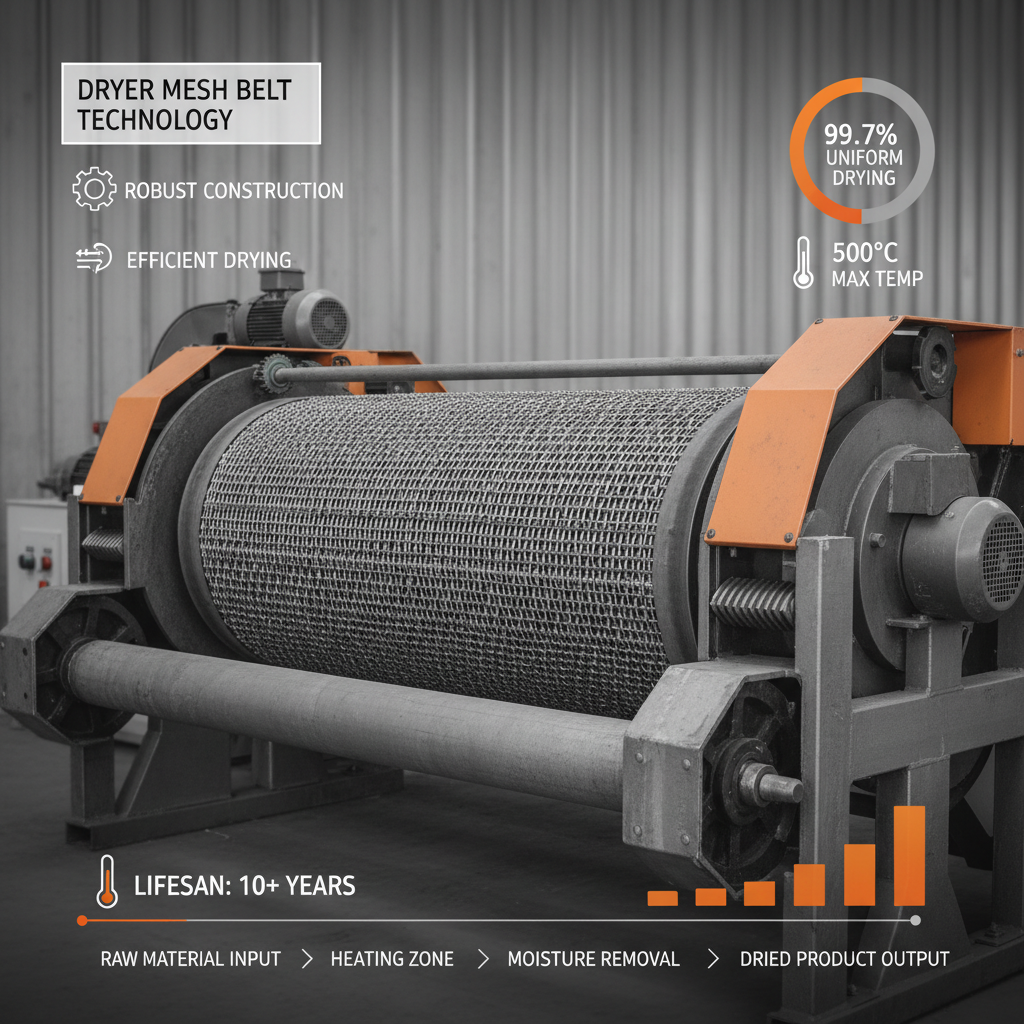
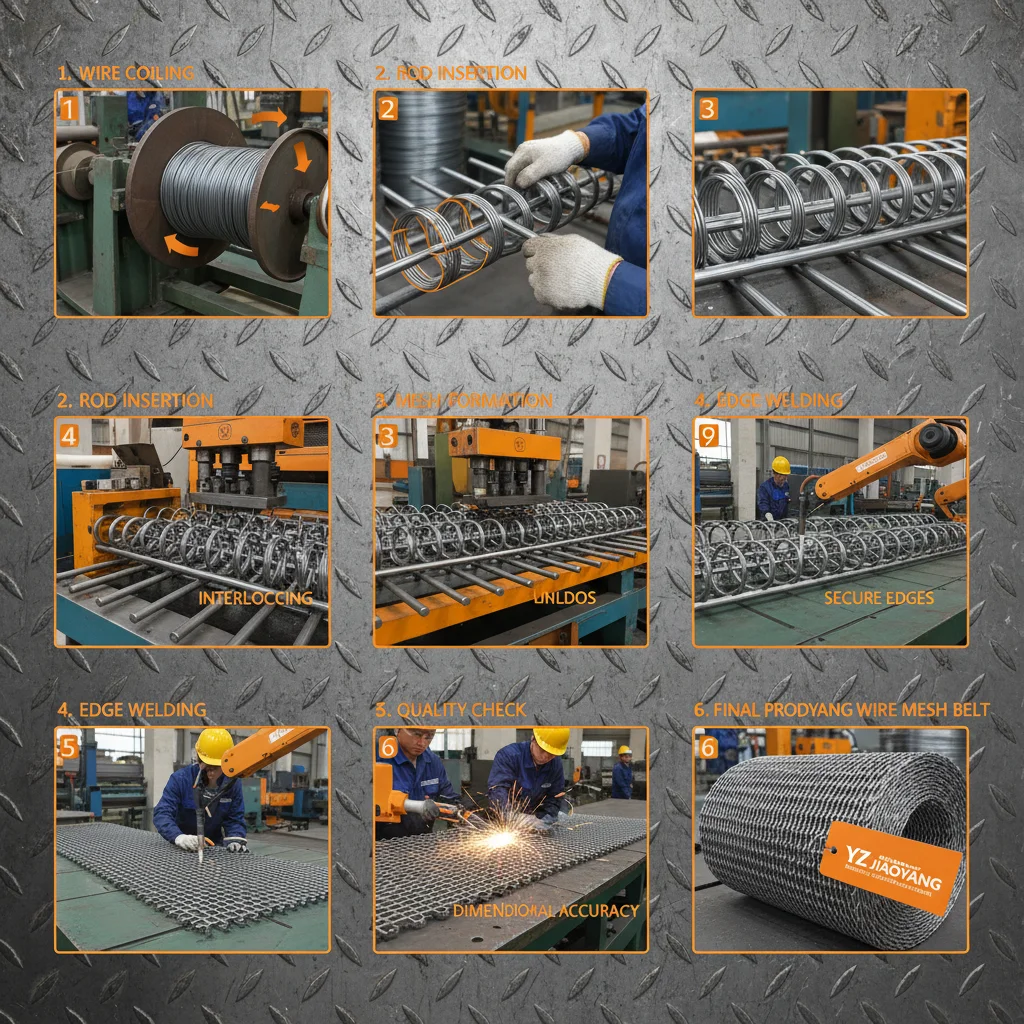
These aren't your grandpa's conveyor belts. Modern Dryer Mesh Belts are engineered with specific materials and construction techniques to withstand harsh conditions. We're talking about high-tensile strength alloys, specialized coatings, and precisely woven mesh patterns. It's all about maximizing durability and minimizing downtime.
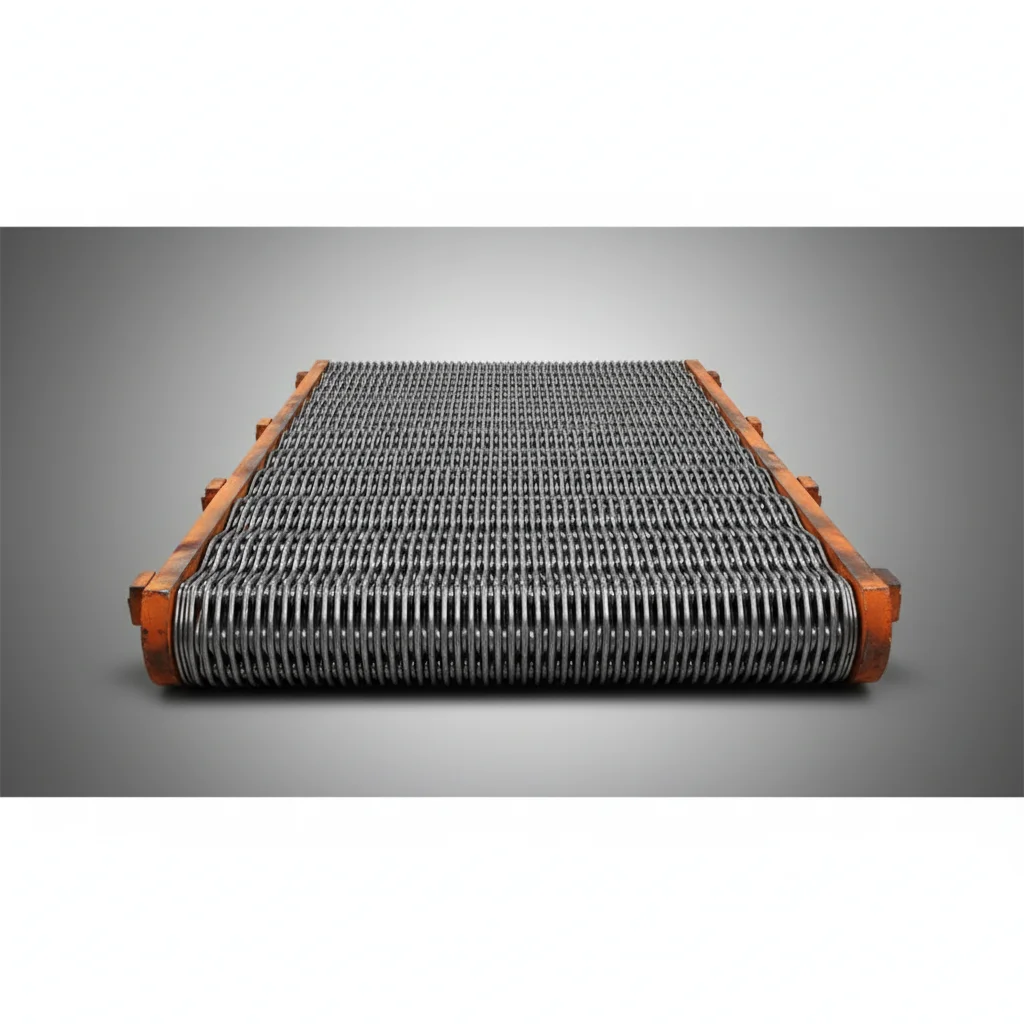
The mesh itself is crucial. The weave density, wire diameter, and overall pattern determine the belt's load capacity, airflow characteristics, and resistance to abrasion. Choosing the right mesh for the specific application is paramount. You wouldn't use a fine mesh for large aggregate, and you wouldn't use a coarse mesh for fine powders.
And it’s not just the mesh; the tracking and tensioning systems are equally important. A well-designed system ensures the belt stays centered, maintains consistent tension, and prevents premature wear. Those little things add up to significant savings over the life of the belt.
Key Features of High-Quality Dryer Mesh Belts
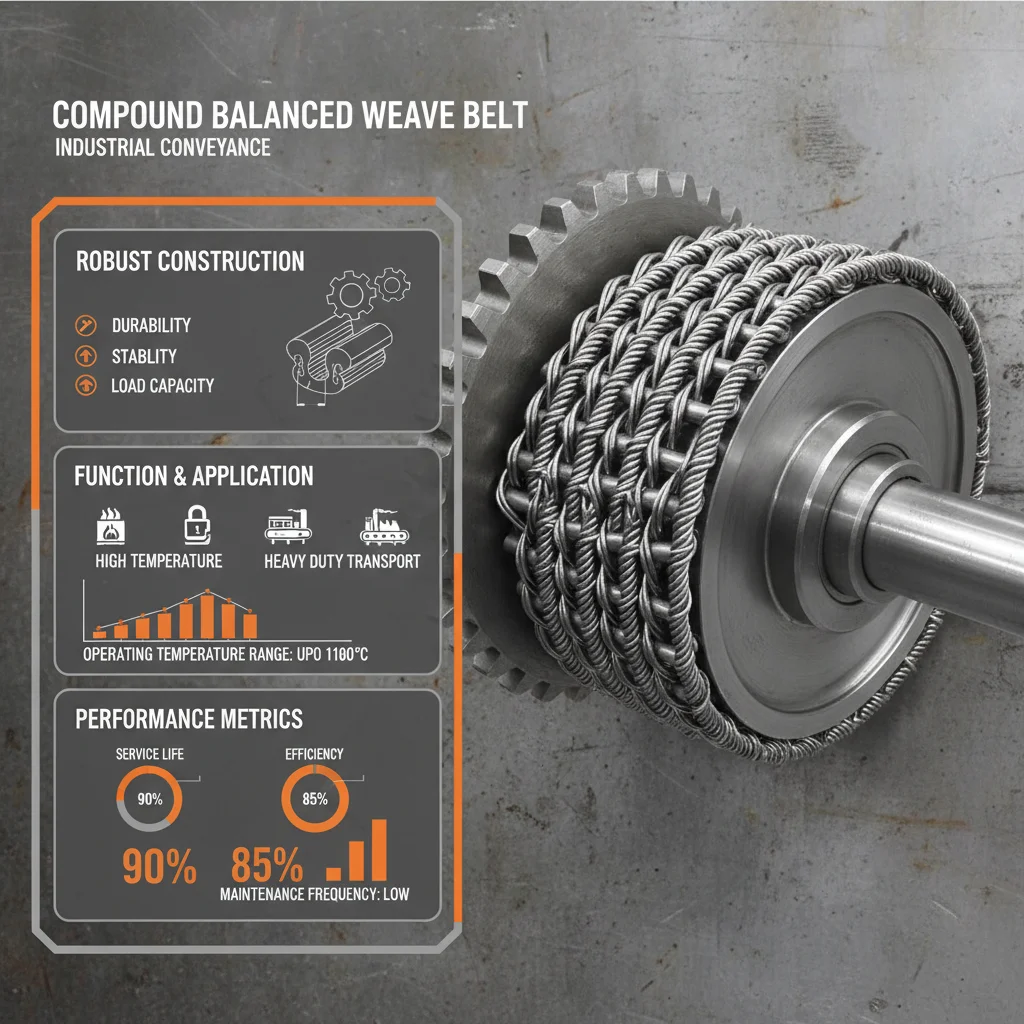
When I’m spec'ing out a belt, I'm looking for three things: durability, reliability, and ease of maintenance. A high-quality Dryer Mesh Belt will have all three. That means using the right materials, like stainless steel or specialized alloys, and employing robust construction techniques.
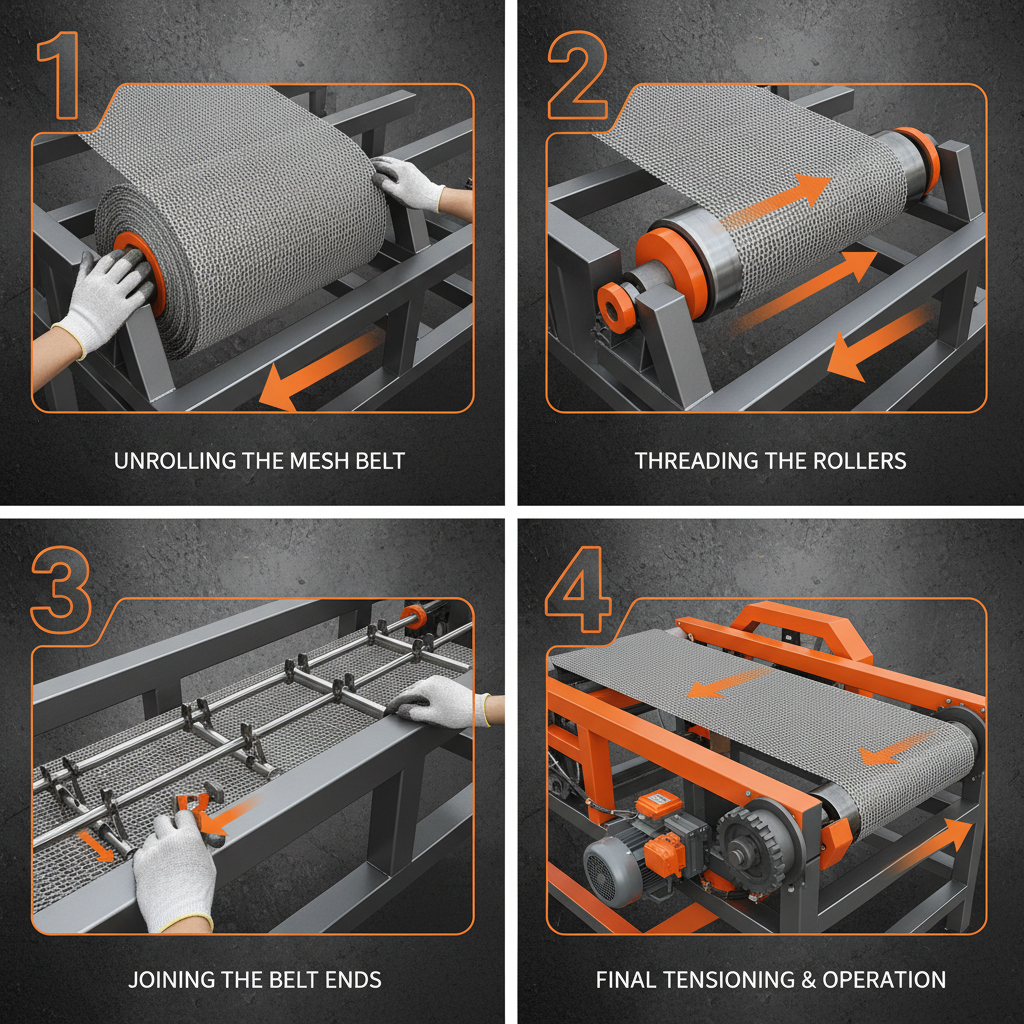
Proper tensioning is critical. A belt that’s too loose will wander and wear prematurely. One that’s too tight will put excessive strain on the rollers and bearings. A good system allows for easy adjustment and consistent tensioning. And don't underestimate the importance of good tracking – keeping the belt centered prevents costly spills and downtime.
Finally, ease of maintenance is huge. Can you easily inspect the belt for wear and tear? Can you quickly replace a damaged section? A belt that's difficult to maintain is a belt that will end up costing you more in the long run.
Dryer Mesh Belt Applications Across Industries
I've seen these belts used in a crazy variety of applications. In the wood processing industry, they’re used for drying lumber. In the food processing industry, they're used for conveying and cooling products. In the aggregate industry, they’re used for moving gravel, sand, and stone.
They’re even becoming more common in recycling facilities for separating materials. And, increasingly, we’re seeing them used in renewable energy applications, like biomass processing. The versatility of a Dryer Mesh Belt is one of its biggest strengths.
Dryer Mesh Belt Performance by Industry
Advantages and Return on Investment
Let's talk about ROI. A good Dryer Mesh Belt pays for itself quickly. Reduced downtime, lower maintenance costs, and increased efficiency all contribute to a significant return on investment. It's not just about the initial cost; it's about the total cost of ownership.
Beyond the financial benefits, there's also the safety aspect. A reliable belt reduces the risk of accidents and injuries. It also improves the overall working environment, making it a more pleasant place to be. And in today's world, that's a big deal.
Future Trends in Dryer Mesh Belt Technology
We’re seeing a lot of innovation in this space. New materials are constantly being developed that offer even greater durability and resistance to wear. We're also seeing more sophisticated monitoring systems that can predict potential failures and allow for proactive maintenance.
There's a growing emphasis on sustainability, too. Manufacturers are looking for ways to reduce the environmental impact of their products, and that includes developing more energy-efficient and recyclable belts. And automation is playing a bigger role, with integrated systems that can automatically adjust belt tension and tracking.
I think we’ll see more customization in the future, too. Belts tailored to specific applications and industries. It’s a good time to be in this business, and a good time to be a customer.
Common Challenges and Solutions
Look, no system is perfect. One of the biggest challenges with Dryer Mesh Belts is abrasion, especially when handling abrasive materials. Proper material selection and regular inspection are key to mitigating this issue.
Another challenge is tracking. If the belt wanders, it can quickly damage itself and surrounding equipment. A good tracking system, combined with regular maintenance, can prevent this. And, of course, proper installation is critical. A poorly installed belt is a disaster waiting to happen.
Finally, environmental factors can play a role. Extreme temperatures, humidity, and exposure to chemicals can all degrade the belt over time. Choosing a belt that’s specifically designed for the operating environment is essential.
Summary of Dryer Mesh Belt Challenges & Solutions
| Challenge |
Impact on Operation |
Recommended Solution |
Estimated Cost |
| Abrasion from Material |
Reduced Belt Lifespan |
Select Abrasion-Resistant Materials |
$50 - $200 |
| Belt Tracking Issues |
Spillage, Damage to Belt & Rollers |
Implement Advanced Tracking System |
$100 - $500 |
| Improper Installation |
Premature Wear, System Failure |
Professional Installation & Alignment |
$300 - $1000 |
| Environmental Degradation |
Corrosion, Weakening of Belt |
Select Environmentally-Resistant Materials |
$75 - $300 |
| Inadequate Tensioning |
Belt Slippage, Uneven Wear |
Regular Tension Adjustment |
$20 - $100 |
| Lack of Preventative Maintenance |
Unforeseen Failures & Downtime |
Scheduled Inspections & Cleaning |
$50 - $150 (per inspection) |
FAQS
That really depends on the application, the material being conveyed, and how well it’s maintained. But a well-chosen and properly maintained Dryer Mesh Belt can easily last 3-5 years, and sometimes even longer. We’ve seen belts go 7-8 years with diligent care. It's all about preventative maintenance and recognizing when it's time for a repair or replacement.
That’s a great question! You need to consider the particle size of your material. You want a mesh that will effectively support the load without allowing material to fall through. Too small a mesh can restrict airflow, while too large a mesh can lead to product loss. I always recommend consulting with a mesh belt specialist to get their advice based on your specific needs.
Regular inspections are key. Look for signs of wear and tear, like frayed edges, broken wires, or excessive stretching. Keep the belt clean and free of debris. Regularly check the tension and tracking. And lubricate the rollers and bearings as needed. A little preventative maintenance can go a long way in extending the life of the belt.
Yes, in many cases. Minor damage, like small tears or broken wires, can often be repaired by a qualified technician. However, extensive damage may require a complete belt replacement. It really depends on the severity and location of the damage. I've seen some impressive repairs over the years, but there's a limit to what can be fixed.
The most common materials are stainless steel, carbon steel, and various alloys. Stainless steel is a good choice for applications where corrosion is a concern. Carbon steel is more affordable but less resistant to corrosion. Alloys offer a combination of strength, durability, and corrosion resistance. The best material depends on your specific application and budget.
If you’re seeing consistent problems, like frequent repairs, significant stretching, or excessive material loss, it’s probably time for a replacement. Don’t keep patching up a belt that’s beyond its useful life. It’s safer and more cost-effective to replace it and avoid a catastrophic failure that could disrupt your entire operation.
Conclusion
Ultimately, a Dryer Mesh Belt isn't just a piece of equipment; it's a critical component of a smooth-running, efficient operation. From durability and reliability to ease of maintenance and future innovation, the right belt can make all the difference. I’ve seen firsthand how a quality belt can save time, money, and headaches.
Don’t underestimate the importance of investing in a good dryer mesh belt. It's a decision that will pay dividends in the long run. If you’re looking for a reliable partner who understands your needs and can provide the right solution, I recommend checking out www.jymeshbelt.com. They know their stuff.