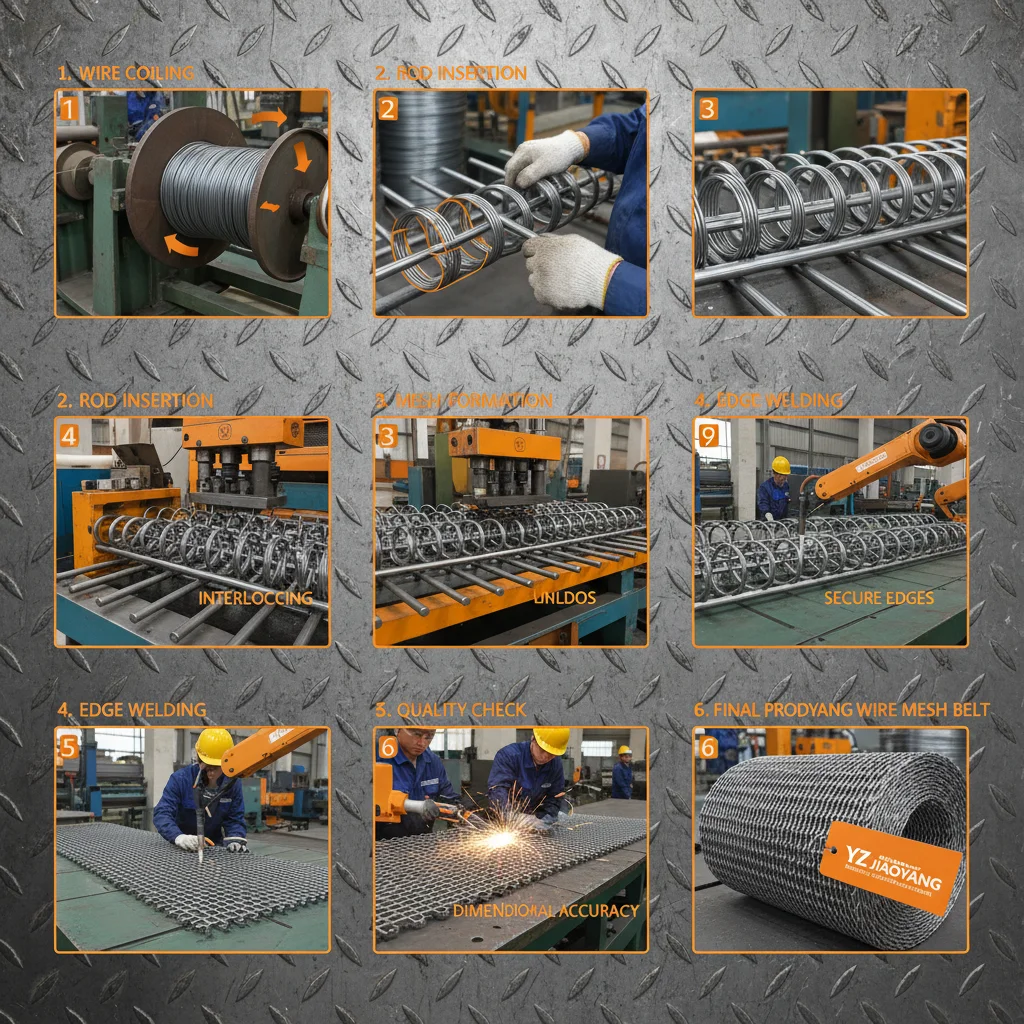
In the modern landscape of industrial automation, the selection of a high-performance mesh belt is often the deciding factor between operational efficiency and costly downtime. These engineered components serve as the backbone for countless production lines, providing a stable, breathable, and durable surface for transporting materials through extreme temperature gradients and corrosive environments.
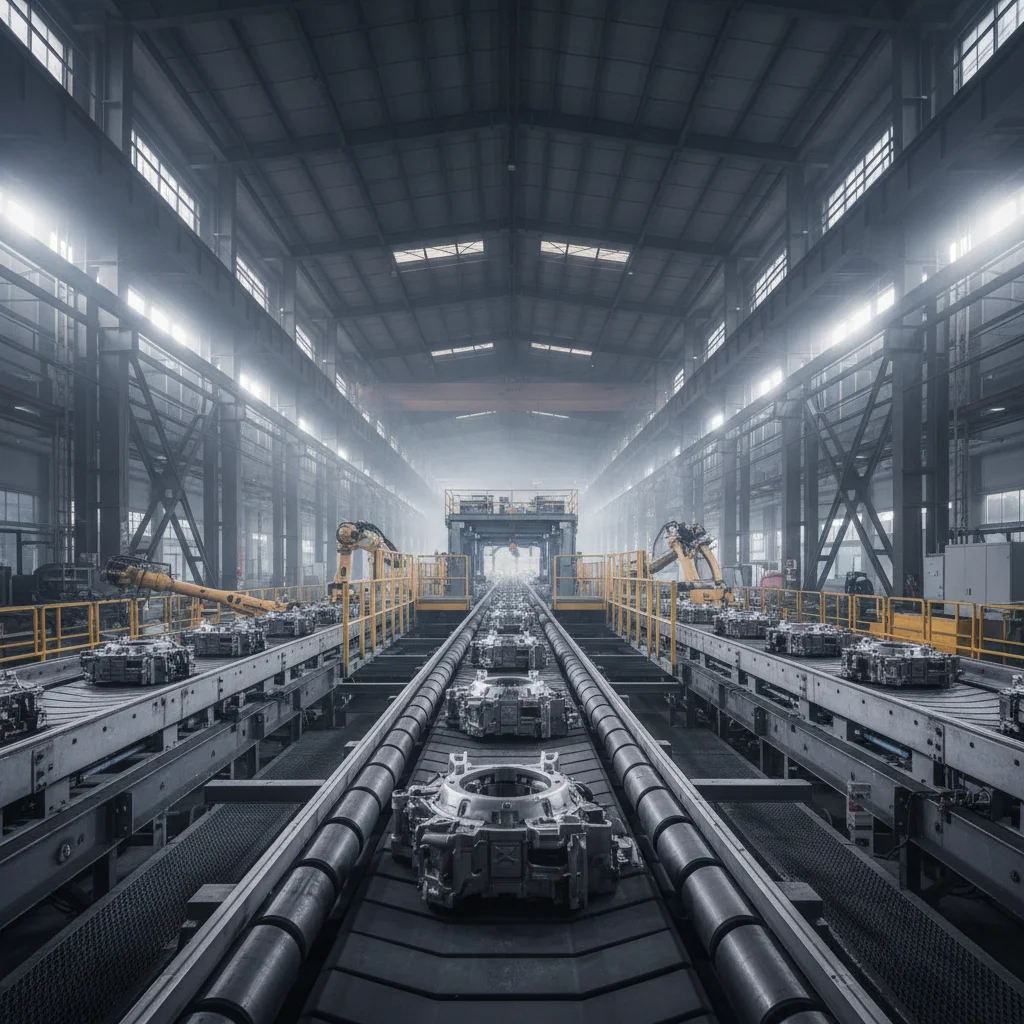
Understanding the nuances of conveyor technology is essential for engineers and plant managers globally, as the shift toward Industry 4.0 demands hardware that can integrate seamlessly with automated sensors and high-speed drives. By optimizing the weave, material grade, and tensioning of a metal conveyor system, industries can significantly reduce product waste and energy consumption.
Whether it is utilized in food processing, pharmaceutical manufacturing, or heavy-duty metallurgy, the application of a precision-engineered mesh belt ensures that throughput is maximized while maintaining the highest standards of hygiene and safety. This guide explores the technical depth and strategic advantages of implementing these systems in a competitive global market.
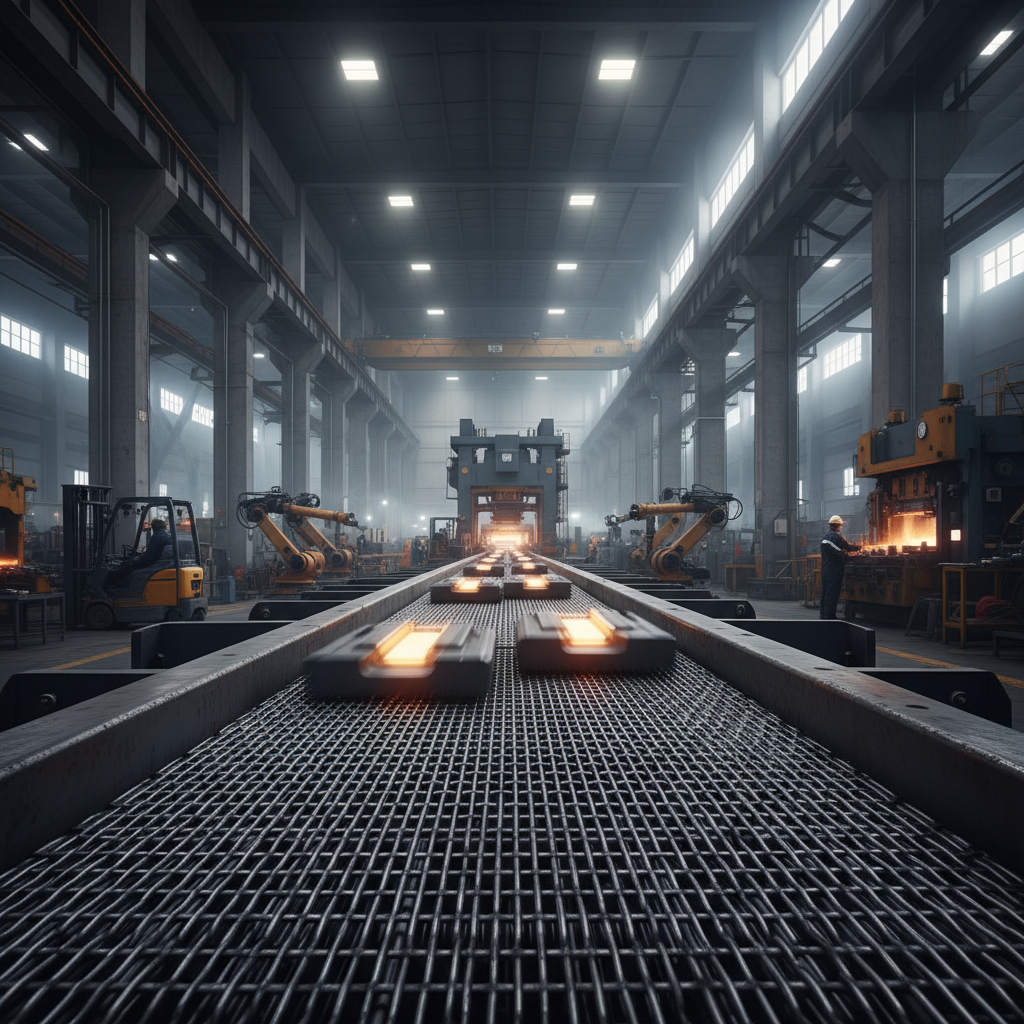
The Global Relevance of Mesh Belt Technology
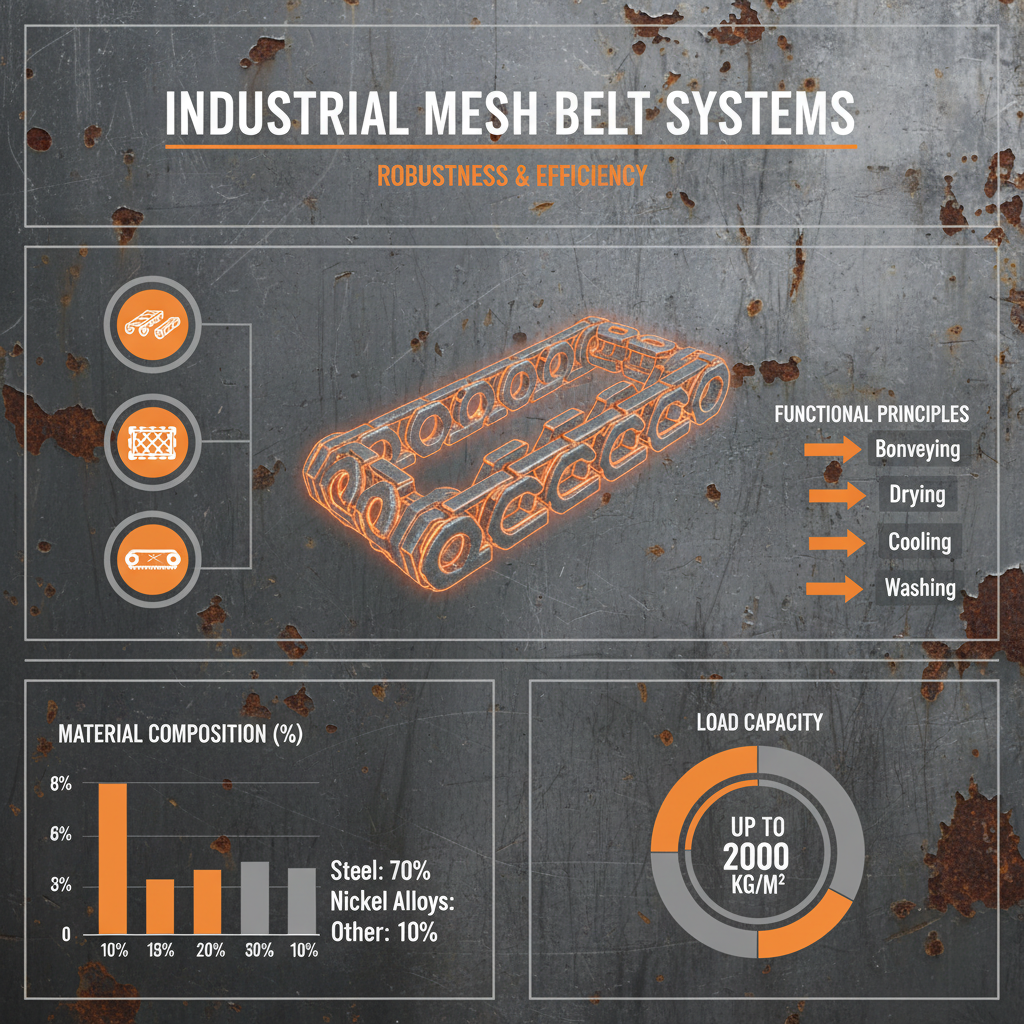
On a global scale, the demand for precision conveying solutions has surged as manufacturing hubs in Asia and North America transition toward highly automated production. According to industrial ISO standards, the reliability of material handling systems directly correlates with a plant's overall equipment effectiveness (OEE). The mesh belt has emerged as a critical solution for industries that require simultaneous transport and processing, such as heating, cooling, or washing.
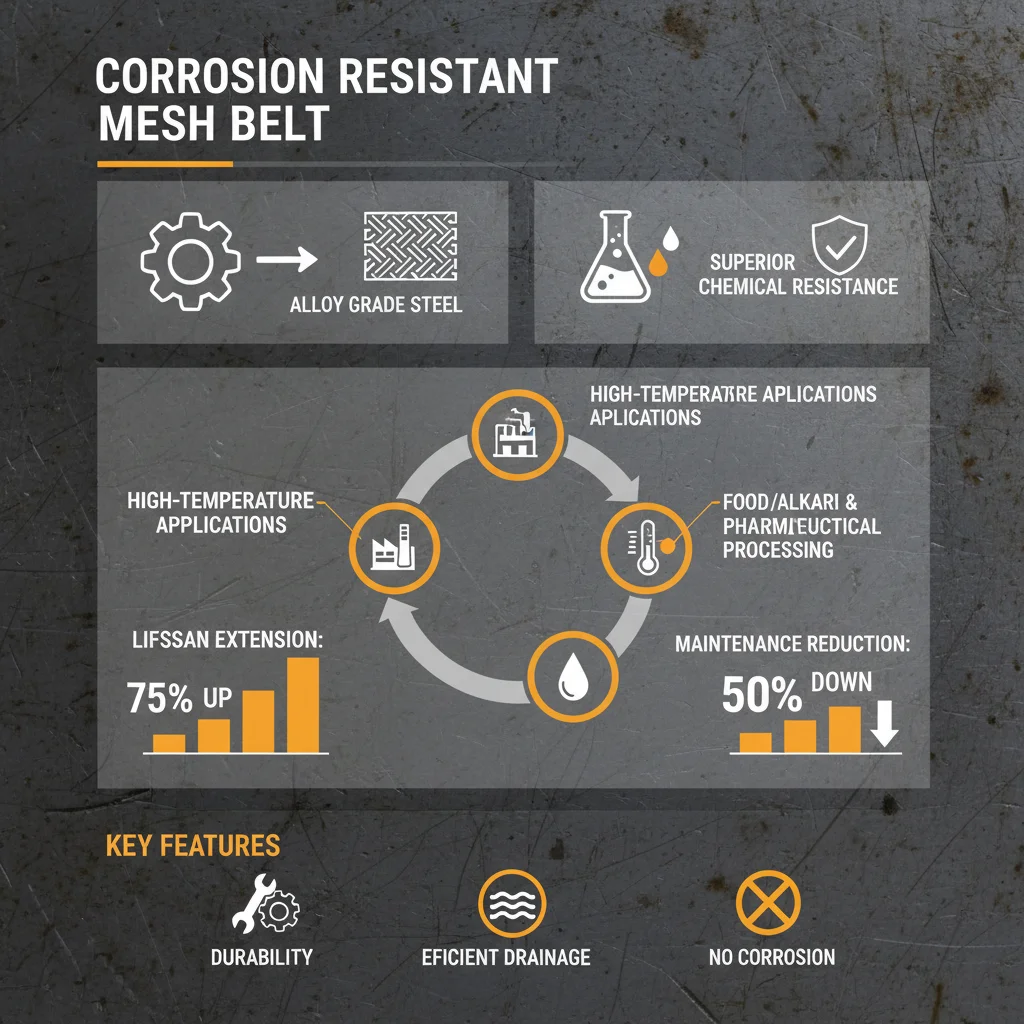
The primary challenge addressed by these systems is the failure of traditional rubber or plastic belts under extreme conditions. In environments where temperatures exceed 500°C or where caustic chemicals are present, only a specialized metal mesh can maintain structural integrity without stretching or degrading, thereby preventing catastrophic line failures.
Defining the Modern Mesh Belt System
In simple technical terms, a mesh belt is an intricately woven or linked metallic fabric designed to transport materials across a production line. Unlike solid belts, the "mesh" structure allows for the passage of air, liquids, or small debris, making it indispensable for drying, frying, or freezing processes where airflow is paramount.
Beyond mere transport, these systems are integral to humanitarian and industrial needs, such as the large-scale production of sterile medical supplies and food security initiatives. By enabling continuous processing, they allow for the mass production of essential goods with a level of consistency that manual handling simply cannot match.
The connection between the belt and the drive components—such as sprockets and rollers—creates a synchronized system. This synergy ensures that the belt remains tracking-true even under heavy loads, which is essential for maintaining the precision required in high-end mechanical transmission components.
Core Components for Maximum Durability
The longevity of a mesh belt depends heavily on the material selection. Stainless steel (304, 316) is the industry standard for food and pharma due to its corrosion resistance, while nickel alloys are reserved for extreme high-temperature furnace applications to prevent oxidation.
Scalability and weave density are equally critical. A tight weave provides a smoother surface for fragile items, whereas an open mesh maximizes drainage and air penetration. This versatility allows the same basic technology to be scaled from small laboratory conveyors to massive industrial tunnel ovens.
Finally, the integration of precision drive components ensures cost efficiency over the long term. By reducing friction and wear through high-grade lubrication and exact sprocket alignment, operators can extend the service life of the mesh belt, reducing the frequency of expensive replacements and unplanned outages.
Operational Efficiency and Performance Metrics
Evaluating the performance of a conveyor system requires a deep dive into load-bearing capacity and thermal stability. A high-quality mesh belt must resist "elongation" (stretching) over time, as even a few millimeters of slack can lead to misalignment and product spillage.
Modern facilities now use comparative data to choose between different weave patterns based on the specific needs of their product, balancing the trade-off between stability and airflow.
Performance Comparison of Mesh Belt Weave Types
Global Industrial Applications and Use Cases
In the food and beverage sector, particularly across Europe and Southeast Asia, the mesh belt is the gold standard for commercial baking and frying. Its ability to withstand high temperatures while allowing oil to drain away from the product ensures consistent quality and reduced fat content in finished goods.
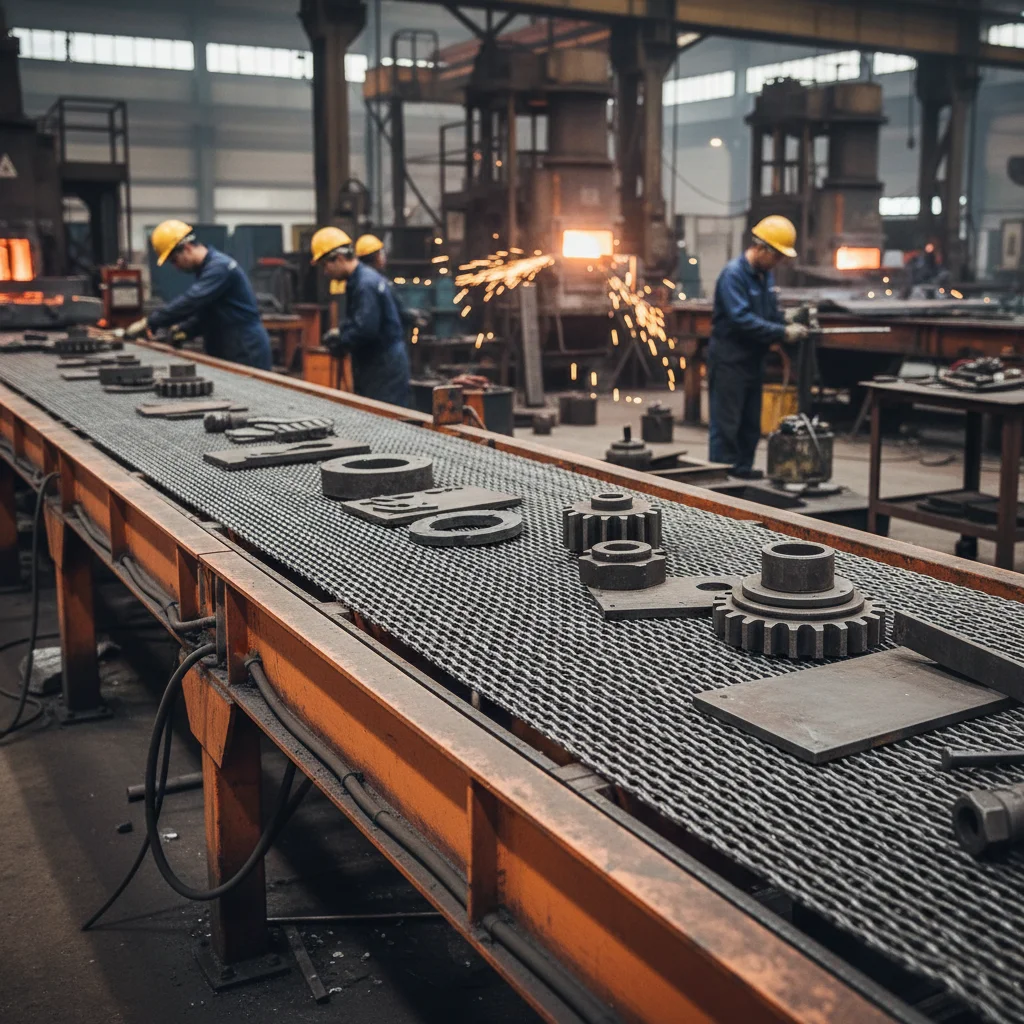
Beyond food, these belts are vital in remote industrial zones for metallurgy and chemical processing. For example, in heavy-duty tempering ovens used for automotive parts, the mesh belt carries components through precise heat cycles, ensuring that the metal reaches the required hardness without warping.
Long-Term Value and Sustainability Benefits
The investment in a premium mesh belt yields tangible financial returns through drastically reduced replacement cycles. Unlike synthetic belts that degrade and enter landfills, stainless steel mesh is almost 100% recyclable, aligning with global corporate sustainability goals and "green" manufacturing initiatives.
From a logical standpoint, the reliability of these systems reduces the risk of workplace accidents associated with belt snaps or mechanical jams. This enhances the safety and dignity of the workforce, fostering a culture of trust in the machinery they operate.
Furthermore, the ability to precisely control the movement of products leads to a reduction in energy waste. Optimized airflow through the mesh means that industrial ovens and freezers can reach target temperatures faster, slashing electricity and gas consumption across the entire plant.
Future Trends in Conveyor Innovations
The future of conveyor technology is moving toward "smart" belts. We are seeing the integration of embedded sensors within the mesh belt drive system that can detect tension changes or wear in real-time, allowing for predictive maintenance before a failure occurs.
Materials science is also evolving, with the introduction of nano-coatings that provide even greater non-stick properties and corrosion resistance. These innovations will allow the mesh belt to be used in even more aggressive chemical environments, expanding its utility in the pharmaceutical and aerospace sectors.
As automation continues to evolve, the transition toward modular, quickly interchangeable belt sections will reduce downtime during product changeovers. This flexibility is key for "just-in-time" manufacturing, where production lines must adapt rapidly to varying order sizes and specifications.
Technical Comparison of Mesh Belt Material Performance
| Material Type |
Temp Resistance |
Corrosion Grade |
Lifespan Score (1-10) |
| SS 304 |
Moderate (up to 800°C) |
Good |
7 |
| SS 316 |
Moderate (up to 850°C) |
Excellent |
9 |
| Nickel Alloy |
Extreme (up to 1100°C) |
Superior |
10 |
| Galvanized Steel |
Low (up to 400°C) |
Fair |
5 |
| Titanium Mesh |
High (up to 900°C) |
Immune |
10 |
| Carbon Steel |
Moderate (up to 600°C) |
Poor |
4 |
FAQS
Metal mesh belts offer vastly superior heat resistance and hygiene. While rubber belts can melt or off-gas at high temperatures and are difficult to sanitize, a stainless steel mesh belt can withstand extreme heat and be steam-cleaned, making it the only viable choice for food-grade ovens and sterile medical environments.
Tracking issues are usually caused by uneven tension or worn drive sprockets. To resolve this, ensure that the belt is tensioned equally on both sides and check for any debris buildup on the rollers. Regular alignment checks and using high-precision drive components can permanently eliminate tracking drift.
While the initial investment is higher than plastic alternatives, the long-term TCO (Total Cost of Ownership) is much lower. Because of its durability and lack of need for frequent replacement, the mesh belt pays for itself by reducing downtime and maintenance labor costs.
Yes, mesh belts are highly customizable. You can specify the weave pattern (tight vs. open), the material grade, and the total width and length. Custom edges and reinforced borders can also be added to ensure compatibility with your existing drive components and product dimensions.
Depending on the environment, a high-quality stainless steel belt can last several years. In moderate conditions, they can operate for a decade with minimal maintenance. In extreme high-heat or corrosive settings, the lifespan is shorter, but still significantly exceeds that of any polymer-based conveyor.
Consider three factors: temperature, chemistry, and budget. For standard food use, SS 304 is sufficient. For salty or acidic environments, SS 316 is required. For furnace applications exceeding 900°C, nickel-based alloys are the only safe and durable option to prevent oxidation.
Conclusion
In summary, the mesh belt represents a critical intersection of materials science and mechanical engineering. From its ability to survive extreme thermal stress to its role in enhancing global food and medical safety, this component is far more than a simple transport tool—it is a catalyst for industrial efficiency. By prioritizing the right weave and material, businesses can secure a reliable production flow that minimizes waste and maximizes output.
As we move toward a more automated and sustainable industrial future, the adoption of smart, durable conveyor solutions will be paramount. We suggest that plant managers conduct a comprehensive audit of their current conveyor systems to identify bottlenecks that could be solved with a transition to high-grade metal mesh. For those seeking to elevate their production standards and reduce long-term operational costs, investing in precision-engineered conveyor technology is the most strategic move. Visit our website: www.jymeshbelt.com