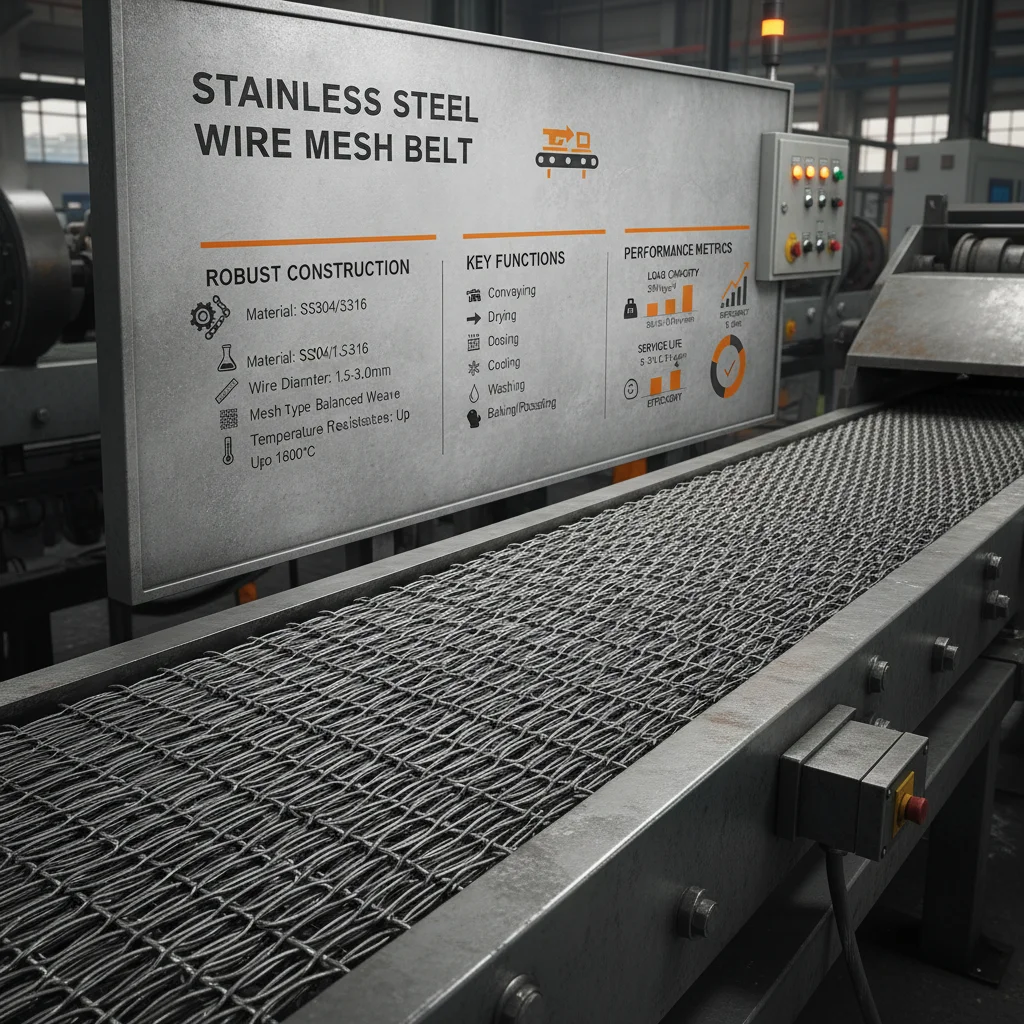
Metal mesh belt technology stands as a cornerstone of modern material handling, playing a vital role in countless industries across the globe. From food processing and pharmaceutical manufacturing to heat treatment and metalworking, these belts offer a reliable, efficient, and hygienic solution for conveying a wide range of products. Understanding the intricacies of metal mesh belt design, materials, and applications is crucial for optimizing operational efficiency and ensuring product quality in today’s competitive landscape.
The global demand for efficient and durable conveyor systems is steadily increasing, driven by factors like automation, growing production volumes, and stringent hygiene regulations. Metal mesh belts, known for their robustness and ability to withstand harsh environments, are particularly well-suited to address these challenges. According to industry reports, the conveyor systems market is projected to reach significant growth in the coming years, with metal mesh belts holding a substantial share due to their versatile applicability.
Investing in the right metal mesh belt solution offers businesses a multitude of benefits, including reduced downtime, enhanced product protection, and improved overall productivity. These belts aren't simply components; they are integral to streamlined processes and efficient workflows, ultimately contributing to a stronger bottom line.
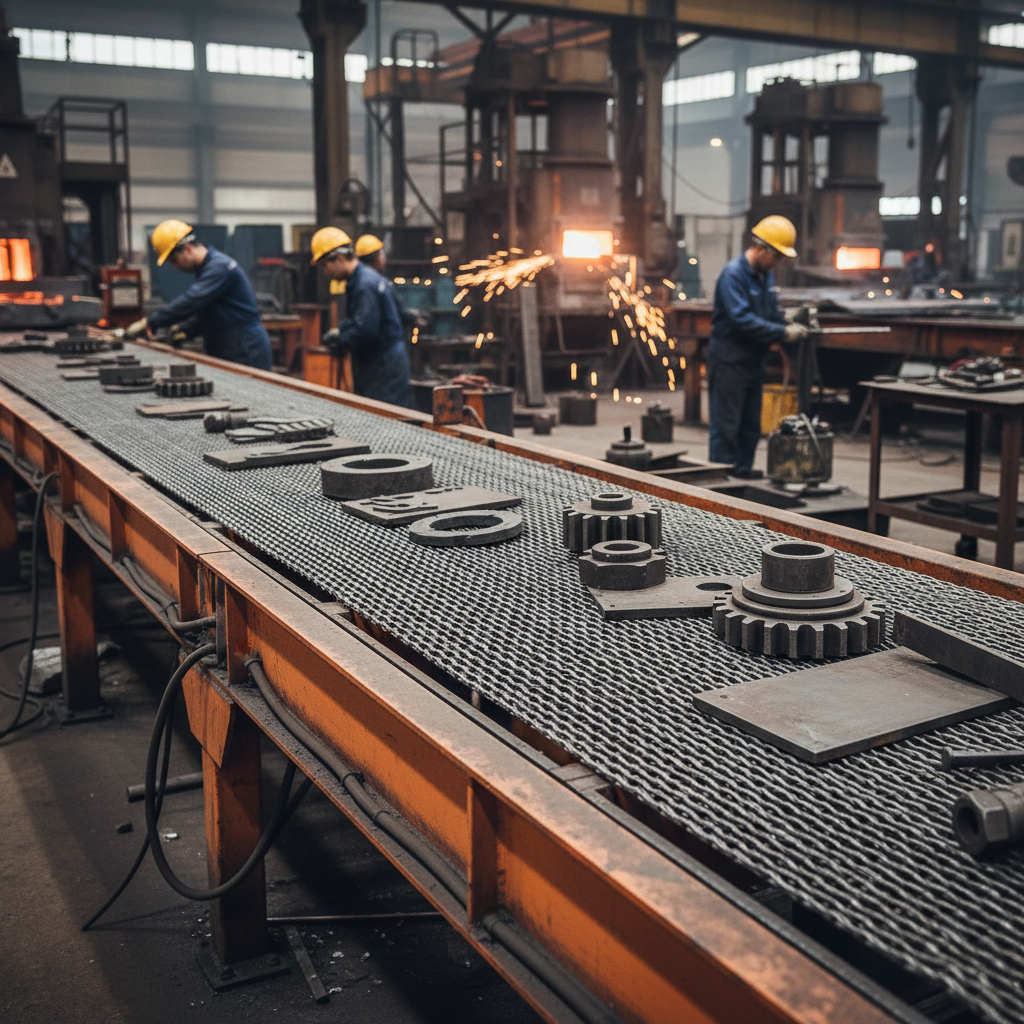
The Significance of Metal Mesh Belts
Metal mesh belts have become indispensable in numerous industries, offering a robust and adaptable solution for material handling. Their ability to withstand high temperatures, corrosive environments, and heavy loads makes them ideal for applications where traditional conveyor belts fall short. The increasing demand for automation and process optimization further emphasizes the importance of these belts in modern manufacturing.
From streamlining production lines to ensuring product integrity, metal mesh belt systems contribute directly to improved efficiency and reduced operational costs. Choosing the right mesh belt, considering factors like material, mesh size, and belt width, is paramount to achieving optimal performance and longevity.
Defining Metal Mesh Belts
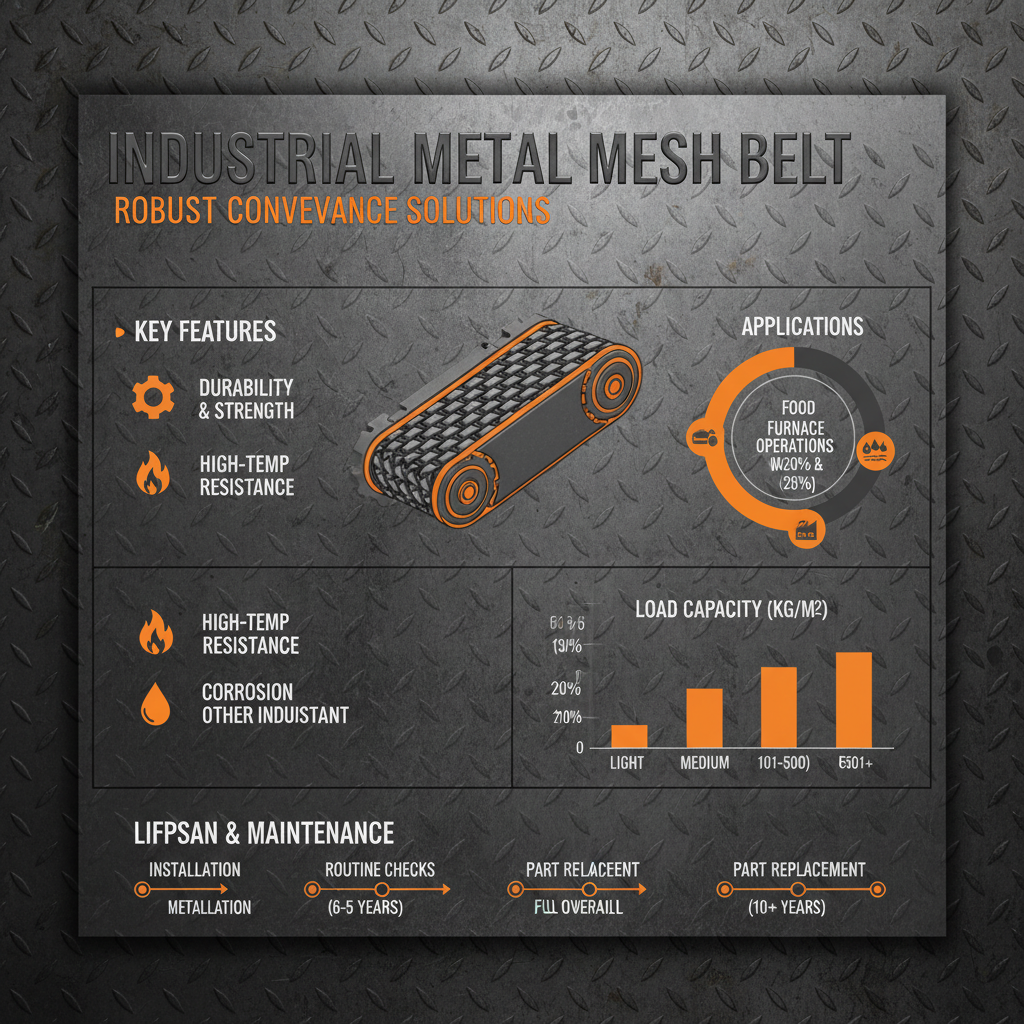
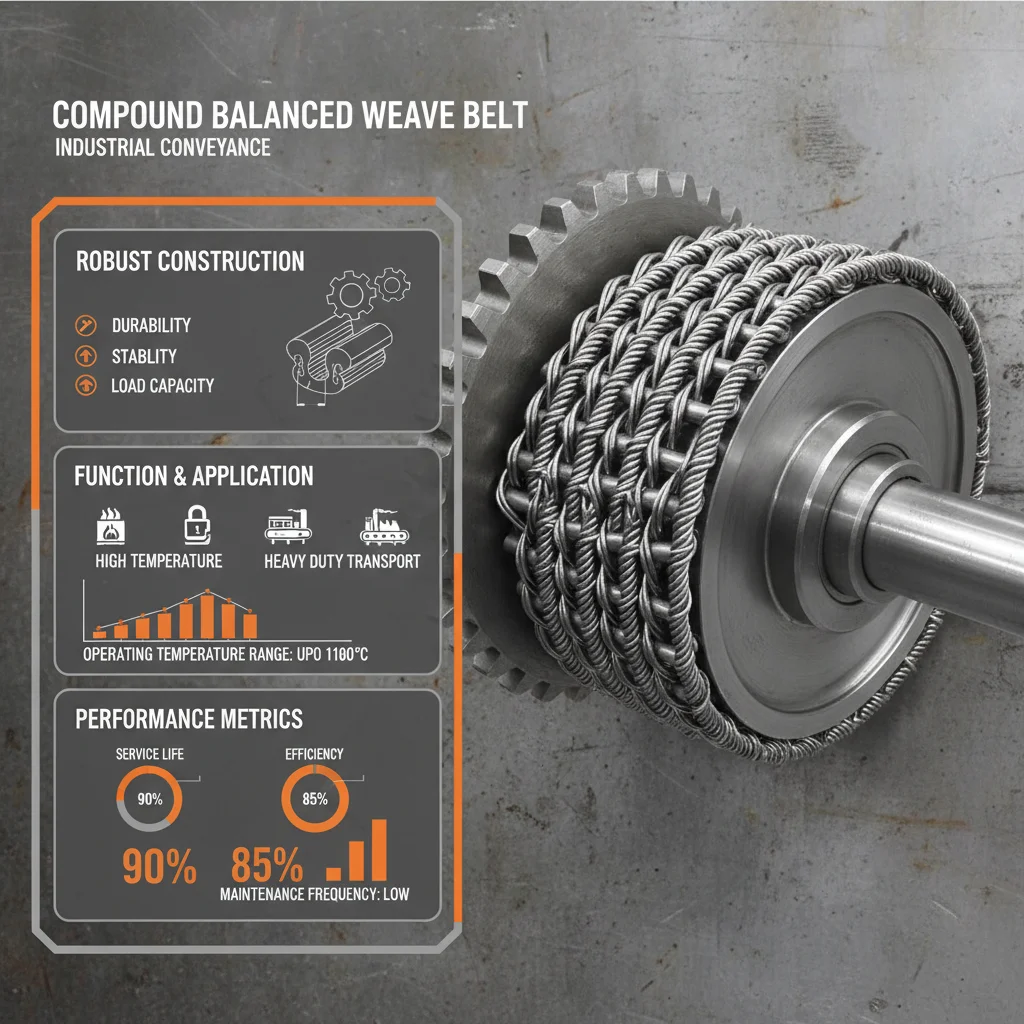
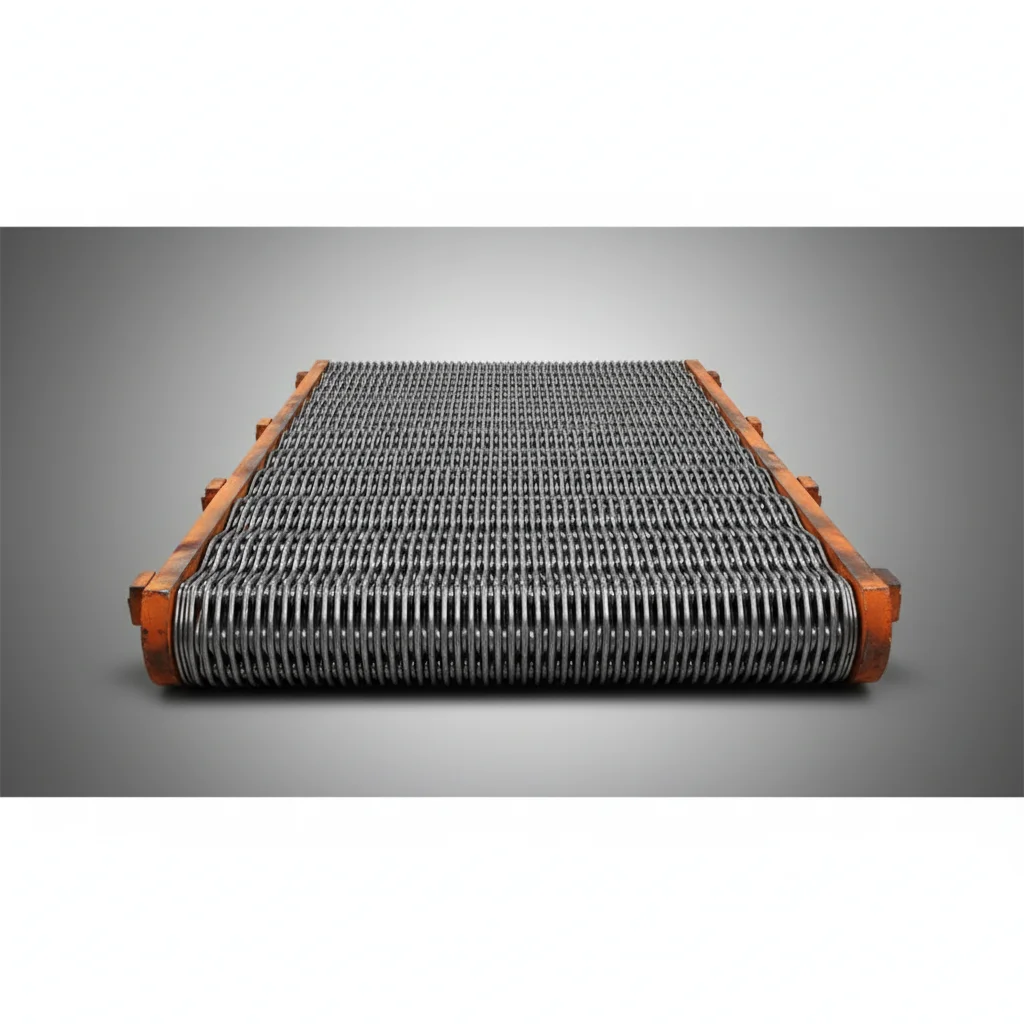
A metal mesh belt is a continuous, flexible loop constructed from interconnected metal wires or strips. This construction creates a durable and permeable surface, allowing for airflow or drainage during conveyance. These belts are typically made from stainless steel, carbon steel, or other alloys, depending on the specific application and environmental conditions.
Unlike solid belts, the open weave of a metal mesh belt offers several advantages, including reduced weight, increased air permeability, and easy cleaning. They are designed to handle a wide range of product types, from small components to large, heavy items, with varying degrees of fragility and temperature sensitivity.
The inherent strength and durability of metal mesh belts make them a critical component in processes requiring continuous, reliable operation. They are seamlessly integrated into industrial systems worldwide, demonstrating their crucial role in modern production and logistics.
Key Characteristics of Metal Mesh Belts
Durability is perhaps the most defining characteristic of metal mesh belts. Constructed from high-quality metals, they are engineered to withstand continuous use in demanding environments. They resist wear and tear, corrosion, and deformation, ensuring a long service life and minimizing the need for frequent replacements.
Another critical characteristic is their versatility. Metal mesh belts can be customized in terms of material, mesh size, width, and seam type to suit a wide array of applications. This adaptability makes them suitable for handling products of various shapes, sizes, and weights.
Air permeability is a significant advantage, particularly in processes like heat treatment and drying. The open weave allows for efficient airflow, ensuring even heating or cooling of products as they move along the belt. This controlled environment leads to consistent and high-quality results.
Advantages of Utilizing Metal Mesh Belts
Employing metal mesh belts yields several benefits, starting with enhanced operational efficiency. Their durability minimizes downtime for repairs or replacements, contributing to uninterrupted production cycles. This reliability translates into significant cost savings over the long term.
Moreover, the hygienic nature of metal mesh belts makes them ideal for food processing and pharmaceutical applications. The open structure allows for easy cleaning and sanitation, preventing the build-up of bacteria and contaminants. This is crucial for maintaining product safety and complying with stringent industry regulations.
Metal Mesh Belt Performance Comparison
Global Applications of Metal Mesh Belts
Metal mesh belts find extensive use in the food processing industry, particularly in applications like baking, confectionery, and fruit and vegetable handling. Their hygienic properties and ability to withstand high temperatures make them ideal for these processes. They are used for conveying baked goods, frozen foods, and packaged products with ease.
In the heat treatment industry, metal mesh belts are crucial for processes like annealing, hardening, and tempering. Their open structure allows for uniform heat distribution, ensuring consistent and predictable results. They contribute to the efficient production of high-quality metal components.
Long-Term Value and Benefits
Investing in a high-quality metal mesh belt translates into significant long-term cost savings. Reduced downtime, minimized maintenance, and extended service life contribute to a lower total cost of ownership. This economic advantage makes them a wise investment for businesses of all sizes.
Beyond cost savings, metal mesh belts offer substantial environmental benefits. Their durability reduces the need for frequent replacements, minimizing waste and conserving resources. Their efficiency also contributes to lower energy consumption, further reducing their environmental footprint.
Furthermore, the reliability and safety of these belts enhance workplace conditions. They provide a consistent and predictable conveying system, minimizing the risk of accidents and injuries. This improved safety promotes a more positive and productive work environment.
Future Trends and Innovations in Metal Mesh Belt Technology
The future of metal mesh belt technology is focused on enhancing performance, sustainability, and integration with smart manufacturing systems. Researchers are exploring new materials and coatings to improve corrosion resistance, reduce weight, and enhance durability.
Another emerging trend is the integration of sensors and data analytics into metal mesh belts. These smart belts can provide real-time insights into belt condition, load distribution, and process performance. This data-driven approach enables predictive maintenance and optimization of conveying systems.
The rise of Industry 4.0 and the Internet of Things (IoT) is driving the development of fully automated metal mesh belt systems. These systems can be seamlessly integrated into broader manufacturing processes, enabling greater efficiency, flexibility, and responsiveness.
Summary of Key Innovations in Metal Mesh Belt Technology
| Innovation Area |
Technology Description |
Impact on Performance |
Potential Applications |
| Advanced Materials |
Development of new alloys with enhanced corrosion resistance and strength |
Increased belt lifespan and reduced maintenance |
Chemical processing, food industry |
| Smart Sensors |
Integration of sensors to monitor belt tension, temperature, and wear |
Predictive maintenance and reduced downtime |
Heavy-duty conveying systems |
| Coating Technologies |
Application of specialized coatings for non-stick and easy-clean surfaces |
Improved hygiene and reduced product build-up |
Food processing, pharmaceutical manufacturing |
| Automated Seaming |
Robotic seaming processes for increased precision and speed |
Enhanced belt integrity and reduced manufacturing costs |
Large-scale production facilities |
| Data Analytics Integration |
Connecting belt sensors to data analytics platforms for real-time monitoring and optimization |
Improved process control and reduced energy consumption |
Industrial automation, smart factories |
| Sustainable Materials |
Exploring recycled or bio-based materials for belt construction |
Reduced environmental impact and enhanced sustainability |
Eco-conscious industries |
FAQS
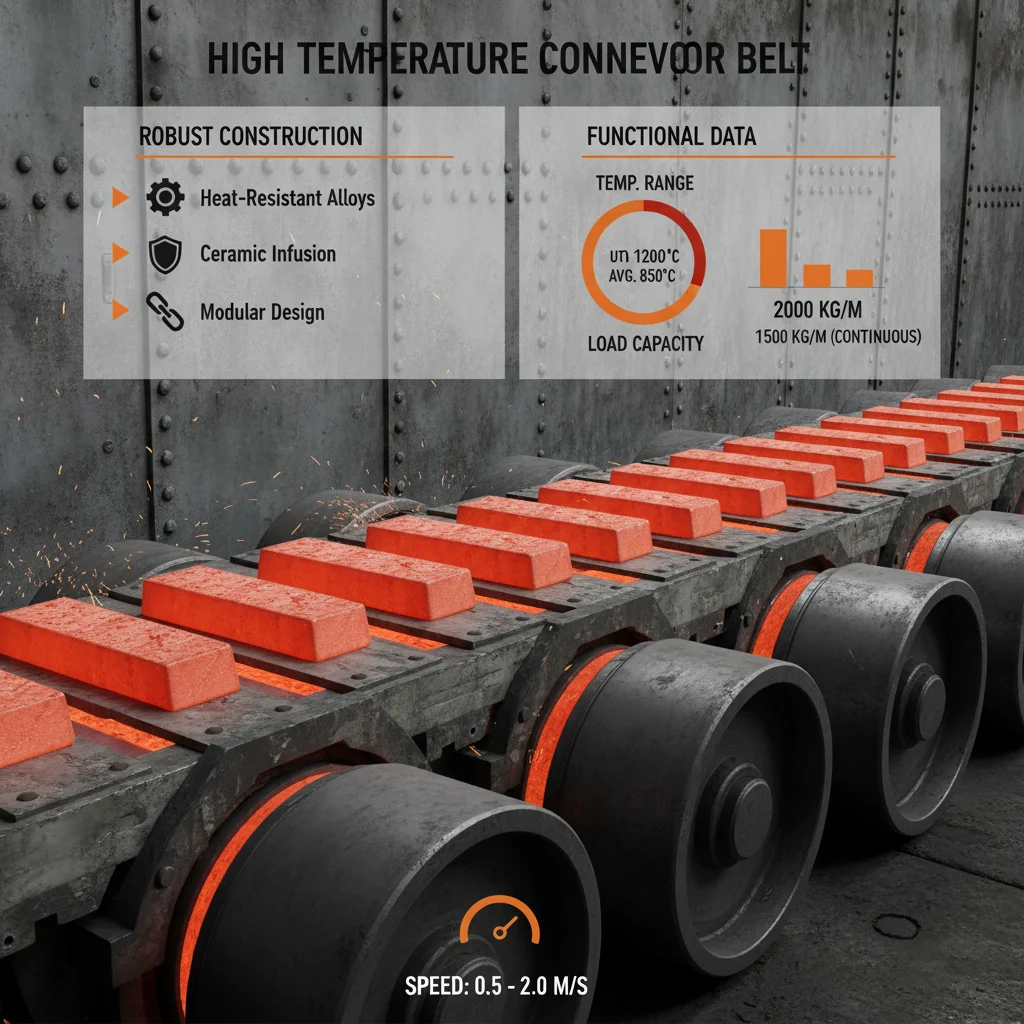
When choosing a metal mesh belt for high-temperature applications, material selection is crucial. Stainless steel alloys with high nickel and chromium content are generally preferred for their resistance to oxidation and scaling. Consider the specific temperature range, the presence of corrosive atmospheres, and the load requirements. Belt width, mesh size, and seam type also influence performance, ensuring consistent and reliable operation at elevated temperatures. Thoroughly evaluate these factors with a qualified metal mesh belt supplier.
The frequency of inspection depends on the application and operating conditions. However, a visual inspection should be conducted at least monthly, and more frequently for heavily loaded or abrasive applications. Look for signs of wear such as broken wires, stretched mesh, corrosion, or seam damage. Regular preventative maintenance, including cleaning and lubrication, can significantly extend the belt's lifespan. Documenting inspection results allows for tracking trends and predicting potential failures.
Metal mesh belts offer superior hygiene, durability, and temperature resistance compared to rubber belts in food processing. Their open structure allows for easy cleaning and sanitation, preventing bacterial build-up. They withstand high-temperature washing and sterilization processes without degradation. Furthermore, metal mesh belts are less likely to contaminate food products with debris or odors, meeting stringent food safety regulations.
Depending on the extent of the damage, metal mesh belts can often be repaired. Minor damage, such as broken wires, can be addressed through welding or patching. More significant damage, like seam separation, may require professional repair services. However, severely damaged belts may need to be replaced to ensure continued safe and reliable operation. Regular inspection and timely repairs can minimize downtime and extend the belt’s service life.
The lead time for custom-designed metal mesh belts varies depending on the complexity of the design, material availability, and current production schedule. Generally, it ranges from 4 to 8 weeks. Providing detailed specifications, including belt dimensions, mesh size, material requirements, and seam type, will help expedite the process. It’s best to consult with a reputable metal mesh belt manufacturer for an accurate lead time estimate.
Regular cleaning is crucial for maintaining the performance and lifespan of your metal mesh belt. Use appropriate cleaning agents based on the application and material. Avoid abrasive cleaners that could damage the belt surface. Periodic lubrication of the belt edges can reduce friction and wear. Inspect for and remove any debris or buildup regularly. Proper maintenance, combined with regular inspections, ensures optimal performance and prevents costly downtime.
Conclusion
Metal mesh belts represent a versatile and reliable solution for a wide range of material handling challenges across diverse industries. Their durability, adaptability, and hygienic properties make them an essential component in modern manufacturing, food processing, and beyond. Understanding the key characteristics and emerging trends in metal mesh belt technology allows businesses to optimize their operations and achieve greater efficiency.
As technology continues to advance, metal mesh belts are poised to play an even more significant role in the future of industrial automation. Embracing innovations in materials, sensors, and data analytics will unlock new levels of performance and sustainability. To explore tailored solutions and discuss your specific needs, visit our website at www.jymeshbelt.com today.