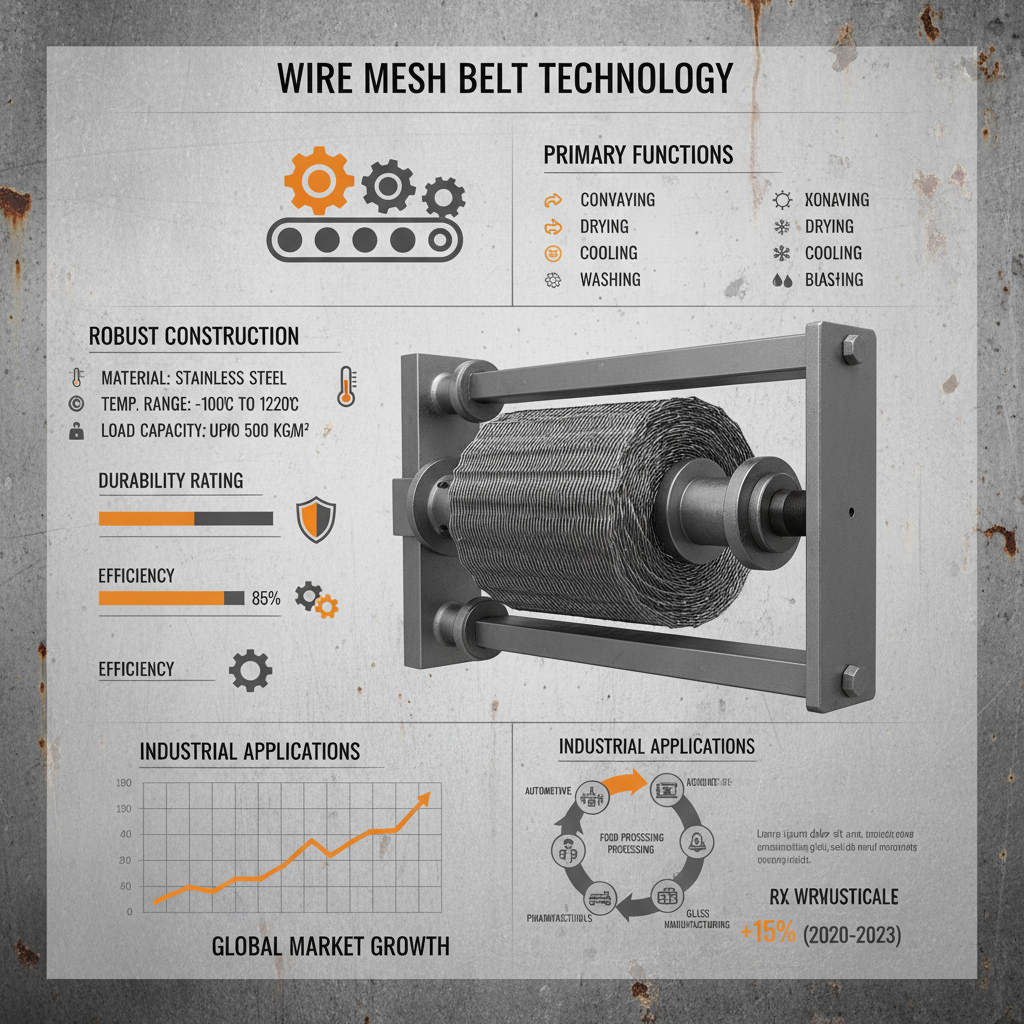
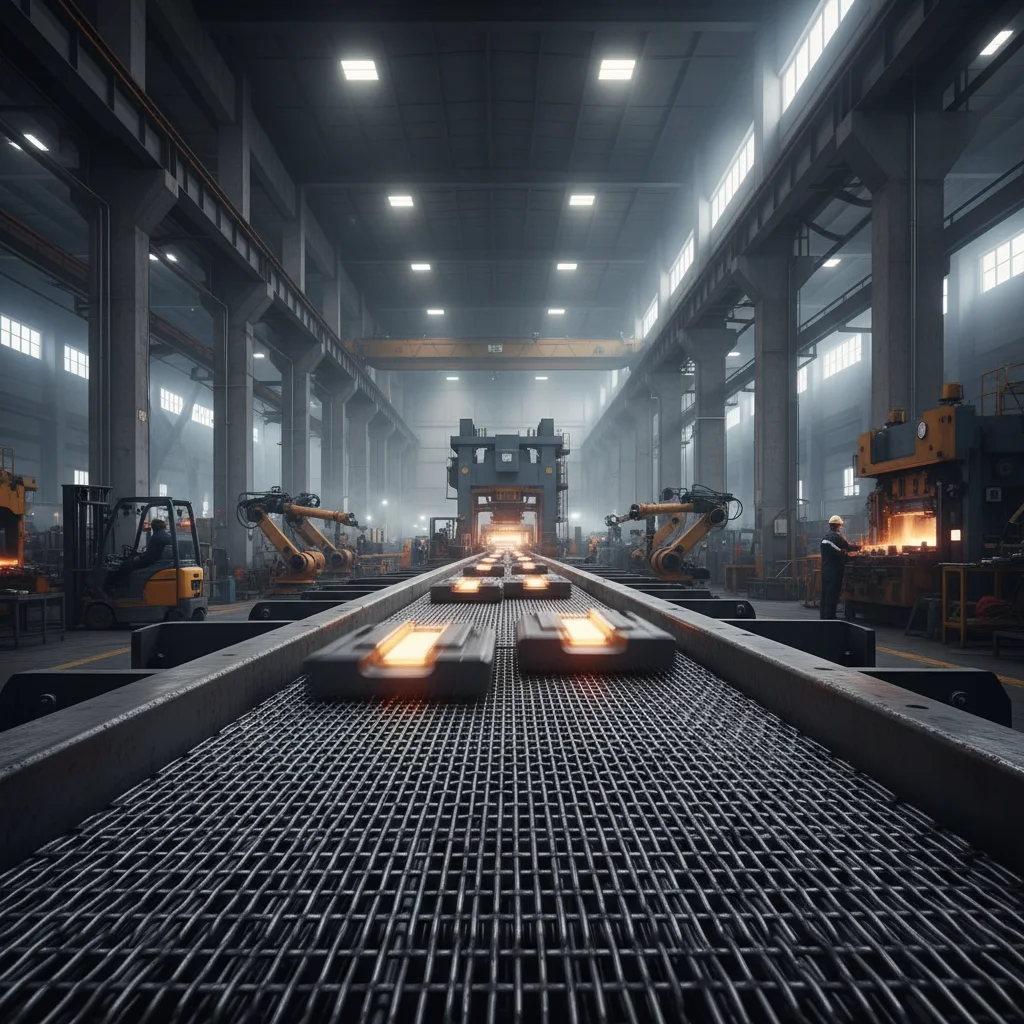
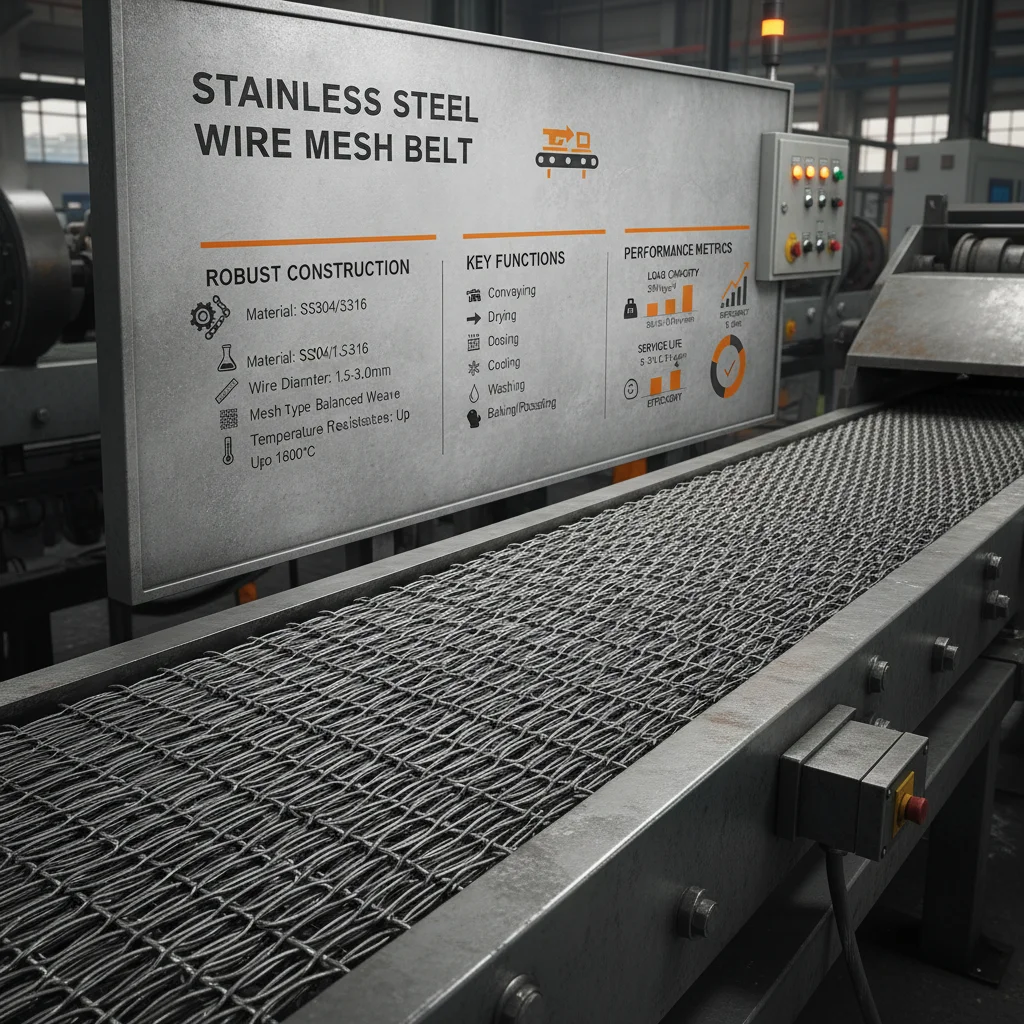
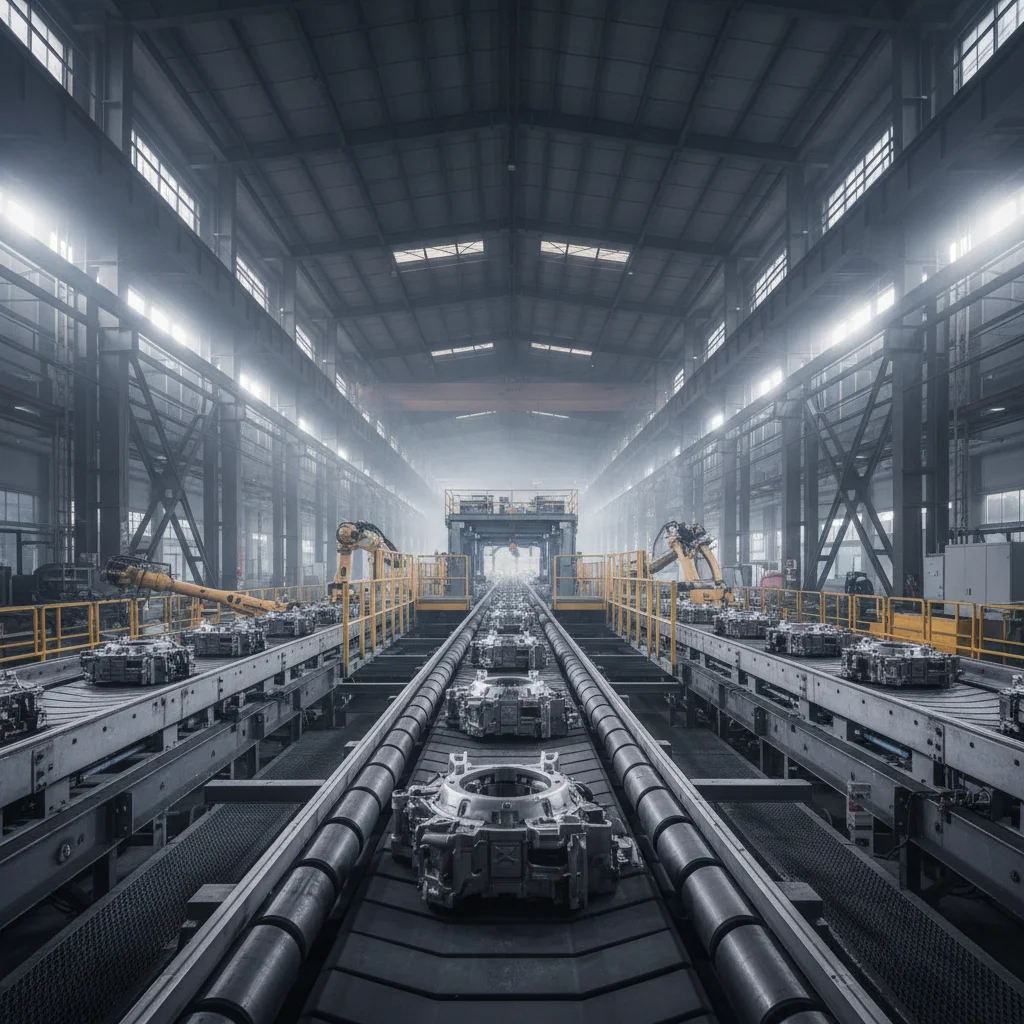
Wire mesh belt technology has become indispensable in modern industrial processes, offering a versatile and robust solution for material handling across a multitude of sectors. From food processing and pharmaceuticals to metalworking and automotive manufacturing, the demand for efficient and reliable conveyor systems is constantly increasing. This drive for optimization has cemented the wire mesh belt as a cornerstone of contemporary production lines, enabling businesses to streamline operations, enhance product quality, and boost overall productivity.
Globally, the conveyor belt market is experiencing significant growth, driven by factors such as automation, the rise of e-commerce, and the increasing complexity of supply chains. According to recent reports, the global conveyor belts market size was valued at USD 4.5 billion in 2023 and is projected to reach USD 6.2 billion by 2030, growing at a CAGR of 4.8% from 2024 to 2030. This demonstrates the critical role these systems play in facilitating global trade and industrial output, with wire mesh belt specifically gaining traction due to their superior durability and adaptability.
The efficient transport of goods is paramount in today's fast-paced world. Wire mesh belts address this need by providing a continuous, reliable, and hygienic solution for moving products through various stages of production. They overcome challenges associated with traditional conveyor systems – like product damage or contamination – offering a cleaner, more efficient, and ultimately more profitable option for businesses worldwide.
The Significance of Wire Mesh Belts in Modern Industry
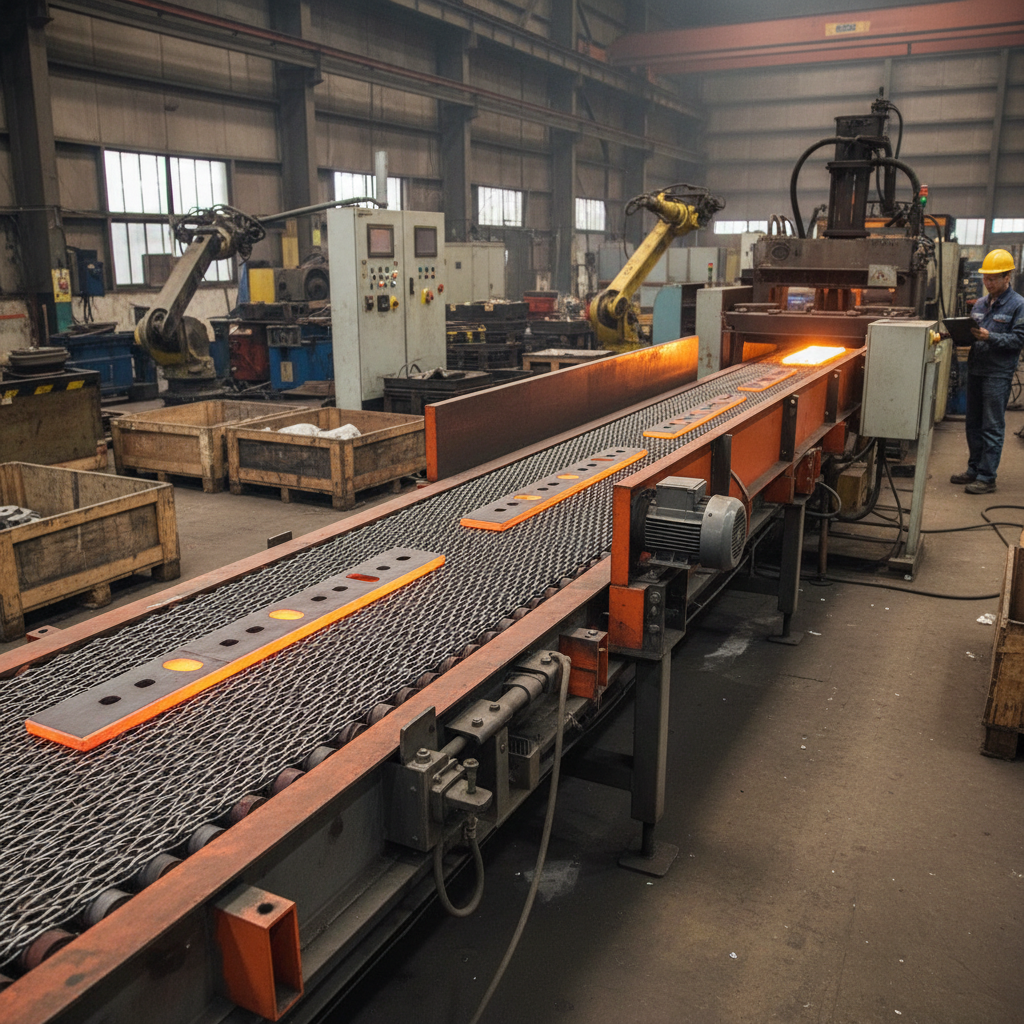
Wire mesh belts have emerged as a vital component in numerous manufacturing and processing operations due to their unique combination of strength, flexibility, and durability. Unlike solid belts, the open structure of wire mesh allows for airflow and drainage, crucial in applications like food processing, where maintaining hygiene and preventing product buildup are essential. They seamlessly integrate into automated systems, significantly increasing efficiency and reducing labor costs.
The versatility of these belts extends beyond simple conveyance. They can withstand high temperatures, corrosive environments, and heavy loads, making them suitable for demanding applications such as heat treatment, forging, and metal casting. The ability to customize mesh size and material further enhances their adaptability, allowing for precise control over product handling and processing.
Defining Wire Mesh Belts: A Comprehensive Overview
A wire mesh belt is a continuous, flexible conveyor surface constructed from interlocking metal wires. These wires are typically made of stainless steel, carbon steel, or other alloys, chosen based on the specific application requirements. The wires are woven, welded, or otherwise joined to create a mesh pattern that provides both strength and permeability. The mesh openings vary in size and shape, influencing the belt's ability to handle different product types and sizes.
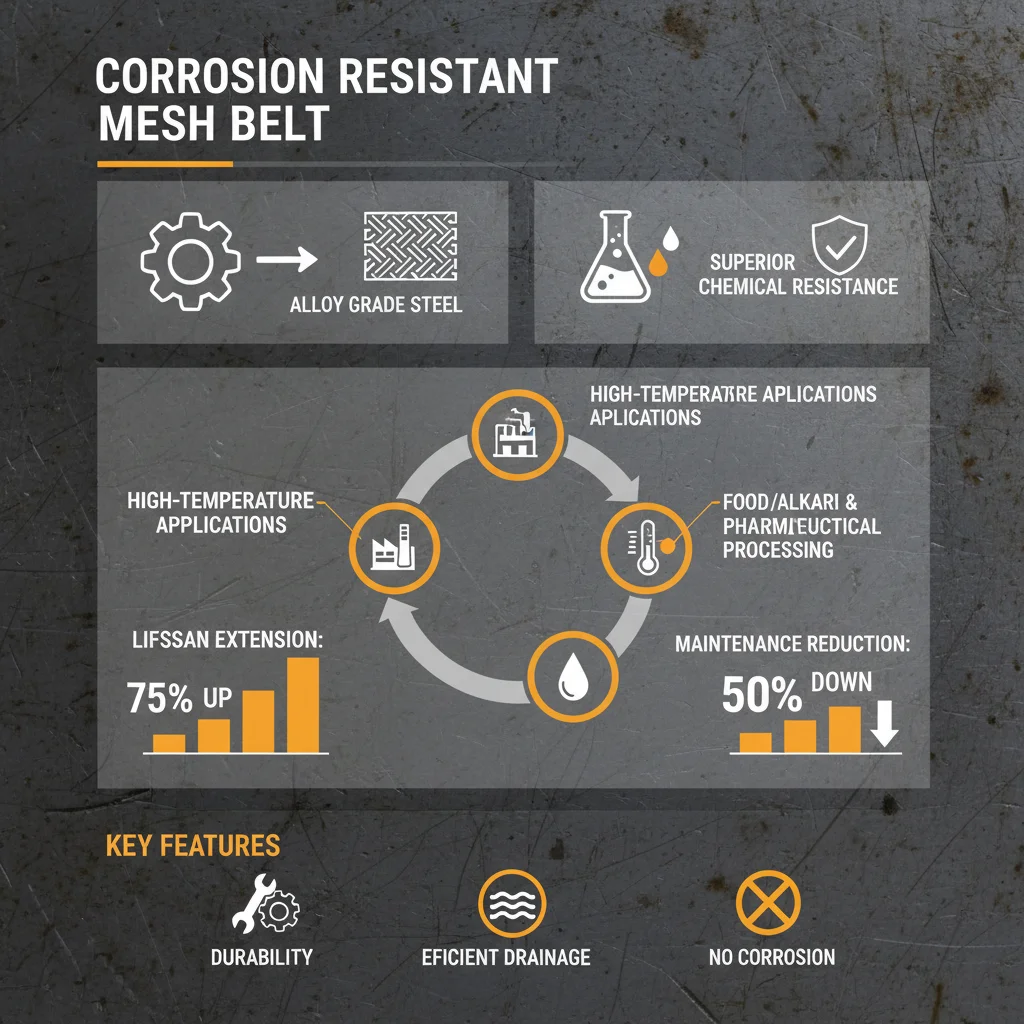
Unlike traditional fabric or rubber belts, wire mesh belts offer superior resistance to abrasion, corrosion, and high temperatures. This makes them ideally suited for harsh industrial environments where reliability and longevity are paramount. They are often used in applications where maintaining product integrity and preventing contamination are critical, such as in the food and pharmaceutical industries.
The fundamental purpose of a wire mesh belt is to provide a continuous and efficient means of transporting materials throughout a manufacturing or processing facility. They connect various stages of production, streamlining workflows and minimizing manual handling, contributing to a more productive and cost-effective operation.
Key Factors Contributing to Wire Mesh Belt Performance
Durability: The robust construction of wire mesh belts, typically utilizing stainless steel, ensures exceptional resistance to wear and tear, even under heavy loads and in challenging environments. This translates to a longer service life and reduced replacement costs.
Airflow & Drainage: The open mesh design allows for excellent airflow and drainage, crucial for applications where cooling, drying, or preventing product buildup are essential. This is particularly important in the food processing and pharmaceutical industries.
Temperature Resistance: Wire mesh belts can withstand a wide range of temperatures, making them suitable for processes involving heating, cooling, or freezing. This versatility expands their applicability across diverse industries.
Flexibility & Adaptability: These belts can navigate curves and bends, allowing for complex conveyor layouts. They also come in various mesh sizes and materials, enabling customization to meet specific product handling requirements.
Hygienic Properties: The smooth, non-porous surface of wire mesh belts is easy to clean and sanitize, reducing the risk of contamination and ensuring compliance with strict hygiene standards.
Strength-to-Weight Ratio: Wire mesh belts offer a high strength-to-weight ratio, meaning they can support substantial loads without being overly heavy, contributing to energy efficiency and reduced strain on conveyor systems.
Global Applications and Diverse Use Cases of Wire Mesh Belts
The versatility of wire mesh belts makes them indispensable across a wide spectrum of industries. In the food processing sector, they are used for conveying baked goods, frozen foods, fruits, and vegetables, ensuring hygienic transport and efficient cooling. The pharmaceutical industry relies on them for sterile product handling and packaging.
Metalworking and automotive manufacturing leverage wire mesh belts for heat treatment, forging, and conveying metal parts. They are also prevalent in glass manufacturing, wood processing, and the production of textiles. In regions with advanced manufacturing sectors, such as China, Germany, and the United States, the demand for high-quality wire mesh belts continues to grow.
Furthermore, innovative applications are emerging in areas like environmental control, where wire mesh belts are used in air purification systems and wastewater treatment facilities. These belts demonstrate a capacity to adapt to diverse challenges, solidifying their position as a crucial element in numerous industrial landscapes globally.
Wire Mesh Belt Application by Industry
Advantages and Long-Term Value of Utilizing Wire Mesh Belts
Investing in wire mesh belts yields significant long-term benefits. Reduced downtime due to their durability translates to increased production output and profitability. The minimized need for maintenance and replacement lowers operational costs, enhancing the overall return on investment.
Beyond the financial advantages, wire mesh belts contribute to enhanced workplace safety by providing a stable and reliable conveying surface, reducing the risk of accidents and injuries. Furthermore, their hygienic properties and ease of cleaning promote a healthier work environment. The inherent sustainability of these belts—through their long lifespan and potential for recycling—aligns with growing environmental concerns.
Future Trends and Innovations in Wire Mesh Belt Technology
The future of wire mesh belt technology is focused on enhanced performance and integration with smart manufacturing systems. Research and development efforts are concentrated on creating belts with improved wear resistance, increased strength-to-weight ratios, and advanced coatings for specific applications.
The incorporation of sensors and data analytics is also gaining traction, allowing for real-time monitoring of belt performance, predictive maintenance, and optimized conveyor system control. These advancements will further streamline production processes, reduce waste, and improve overall efficiency.
Furthermore, there is a growing emphasis on sustainable materials and manufacturing processes, aiming to minimize the environmental impact of wire mesh belt production and disposal. These innovations will contribute to a more eco-friendly and responsible industrial landscape.
Challenges and Solutions in Wire Mesh Belt Implementation
While wire mesh belts offer numerous advantages, certain challenges can arise during implementation. Proper belt selection is crucial, requiring careful consideration of factors such as load capacity, temperature requirements, and product characteristics. Incorrect selection can lead to premature wear or failure.
Maintaining proper belt tension and alignment is also essential to prevent tracking issues and ensure smooth operation. Regular inspection and maintenance are necessary to identify and address potential problems before they escalate.
To overcome these challenges, it is recommended to collaborate with experienced wire mesh belt suppliers who can provide expert guidance on belt selection, installation, and maintenance. Implementing predictive maintenance programs based on data analytics can also help prevent unexpected downtime and extend belt life.
Key Considerations for Successful Wire Mesh Belt Implementation
| Application Requirements |
Belt Material |
Maintenance Frequency |
Potential Issues |
| Food Processing (High Hygiene) |
304/316 Stainless Steel |
Daily Cleaning, Weekly Inspection |
Product Buildup, Corrosion |
| Heat Treatment (High Temperature) |
Alloy Steel |
Monthly Inspection, Lubrication |
Thermal Fatigue, Oxidation |
| Metalworking (Heavy Loads) |
High-Carbon Steel |
Bi-Weekly Inspection, Tension Adjustment |
Belt Stretching, Fatigue Cracks |
| Pharmaceutical (Sterile Environment) |
Electropolished Stainless Steel |
Sterilization After Each Use |
Contamination, Surface Damage |
| Automotive (Oils & Solvents) |
Corrosion-Resistant Alloy |
Weekly Cleaning, Visual Inspection |
Chemical Degradation, Wear |
| Glass Manufacturing (Abrasion) |
Hardened Stainless Steel |
Daily Inspection, Replacement as Needed |
Abrasive Wear, Wire Breakage |
FAQS
When selecting a wire mesh belt for food processing, prioritize materials certified food-grade, like 304 or 316 stainless steel. Consider mesh size for product size and prevent sticking. Hygiene is crucial – ensure easy cleaning and sanitization. Belt tension and tracking are also essential to avoid product contamination or downtime. Resistance to food acids and cleaning agents is paramount.
Mesh size directly affects product support and drainage. Smaller mesh sizes provide greater support for smaller items, preventing them from falling through, but they can impede airflow and drainage. Larger mesh sizes allow for better airflow and drainage, ideal for washing or cooling products, but may not be suitable for small or fragile items. Selecting the right mesh size is crucial for optimal performance.
Regular maintenance includes cleaning to prevent buildup, inspection for wear and tear (broken wires, corrosion), tension adjustment to maintain proper tracking, and lubrication of moving parts. More frequent cleaning may be needed in harsh environments. Addressing minor issues promptly can prevent costly downtime and extend the belt’s lifespan.
Stainless steel offers superior corrosion resistance, hygiene, and temperature resistance compared to carbon steel or plastic. It’s ideal for food processing, pharmaceutical, and chemical applications where cleanliness and durability are paramount. While potentially more expensive upfront, the longevity and reduced maintenance of stainless steel belts often result in lower long-term costs.
Yes, many types of damage to wire mesh belts can be repaired. Broken wires can be re-woven or welded, and minor corrosion can be addressed with surface treatments. However, extensive damage may require belt replacement. Professional repair services are recommended to ensure the repair is structurally sound and meets safety standards.
Belt width should accommodate the widest product dimension with sufficient clearance. Length is determined by the conveyor path, considering inclines, declines, and curves. It’s crucial to factor in the drive and take-up mechanisms. Consulting with a wire mesh belt supplier is highly recommended for accurate calculations and optimal belt sizing.
Conclusion
In conclusion, wire mesh belts represent a crucial advancement in material handling technology, offering unparalleled durability, versatility, and hygiene. Their widespread adoption across diverse industries underscores their critical role in modern manufacturing processes and supply chains. The benefits extend beyond operational efficiency, encompassing enhanced safety, reduced maintenance costs, and a commitment to sustainable practices.
Looking ahead, continuous innovation in materials, design, and integration with smart technologies will further solidify the position of wire mesh belts as a cornerstone of industrial automation. Businesses that invest in high-quality wire mesh belt solutions and prioritize proper maintenance will be well-positioned to thrive in an increasingly competitive global market. Visit our website at www.jymeshbelt.com to learn more and explore our comprehensive range of wire mesh belt solutions.