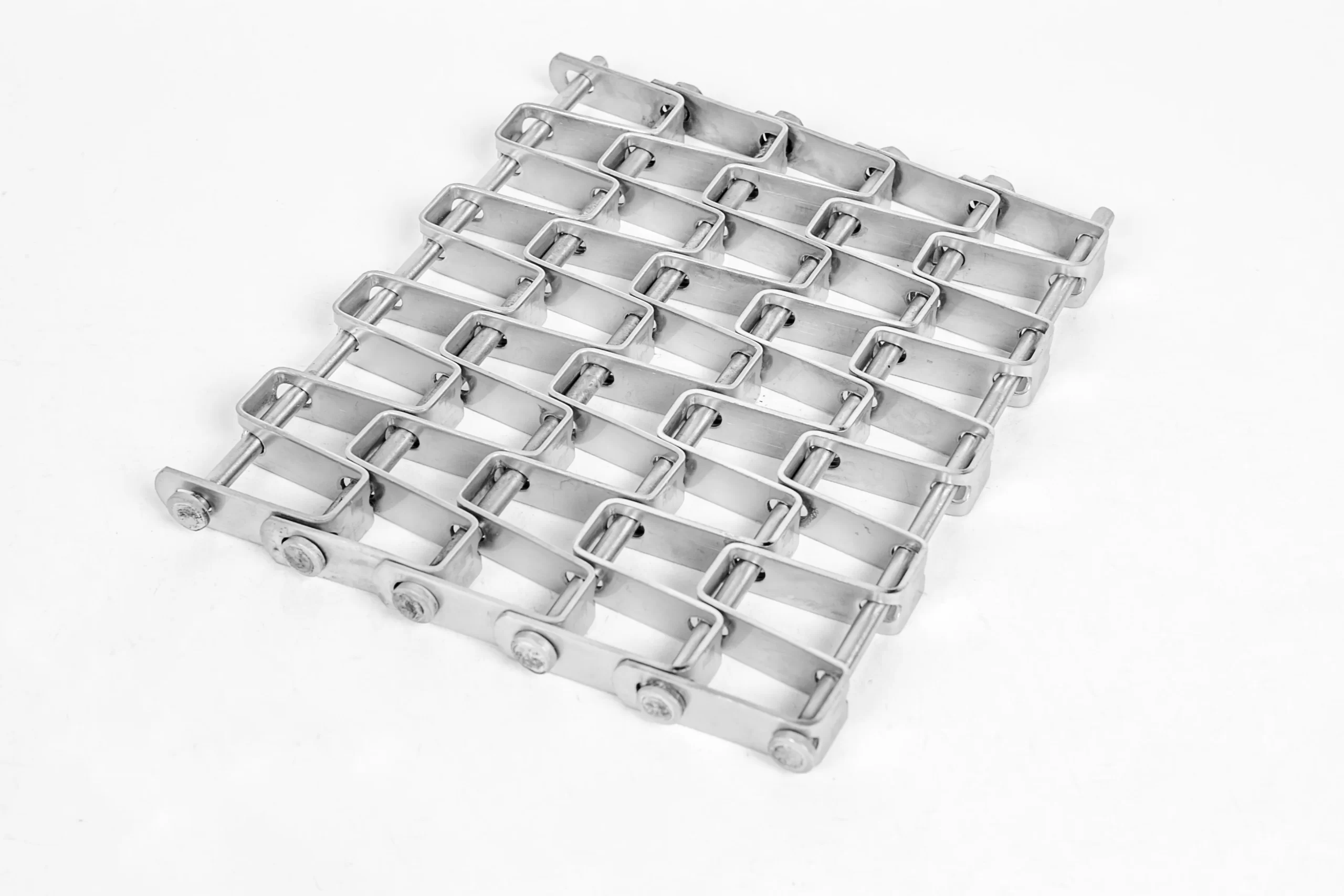
Industrial Conveying Solutions with Compound Balanced Weave Belt in Egypt

  • Home
  • Global Service
  • Industrial Conveying Solutions with Compound Balanced Weave Belt in Egypt

Industrial Conveying Solutions with Compound Balanced Weave Belt in Egypt

Providing high-performance mechanical transmission components for Egypt's expanding manufacturing sector, ensuring durability in arid climates and extreme industrial conditions.

Industrial Conveying Solutions with Compound Balanced Weave Belt in Egypt

Integrating precision-engineered mesh belts to optimize production efficiency and heat resistance for Egyptian industrial plants.

Current State of Mechanical Transmission in Egypt

Analyzing the challenges of material handling in North Africa's industrial hub.

Egypt's manufacturing sector, particularly in food processing and chemicals, faces significant challenges due to high ambient temperatures and airborne dust. The reliance on traditional Stainless Steel Wire Mesh Belt systems has become critical to prevent corrosion and ensure hygienic transport in these harsh conditions.

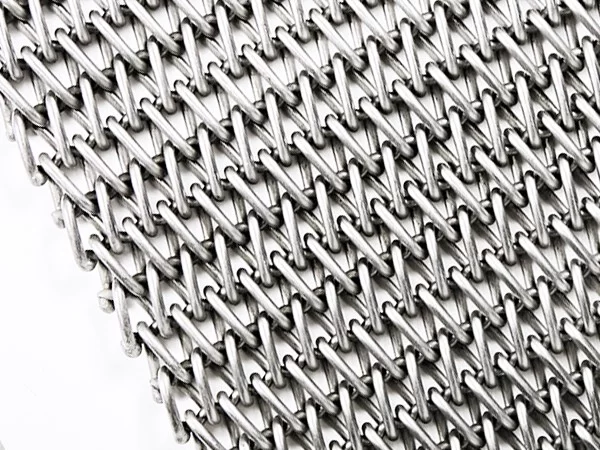
Local industries are currently transitioning from low-grade carbon steel to high-grade alloys. The demand for Balanced Spiral Conveyor Belt technology is rising as plants in Cairo and Alexandria seek to optimize space and increase throughput in vertical cooling and frying processes.

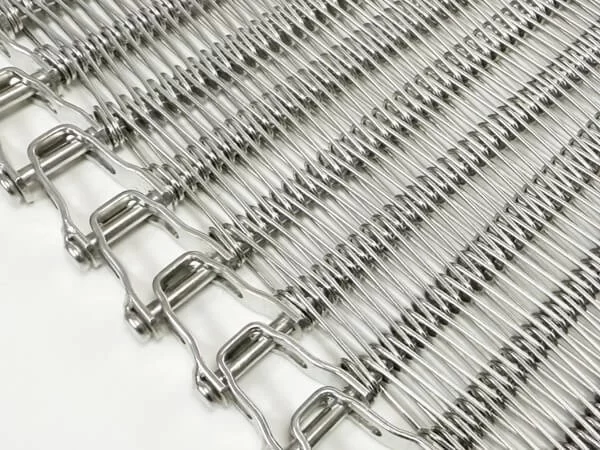
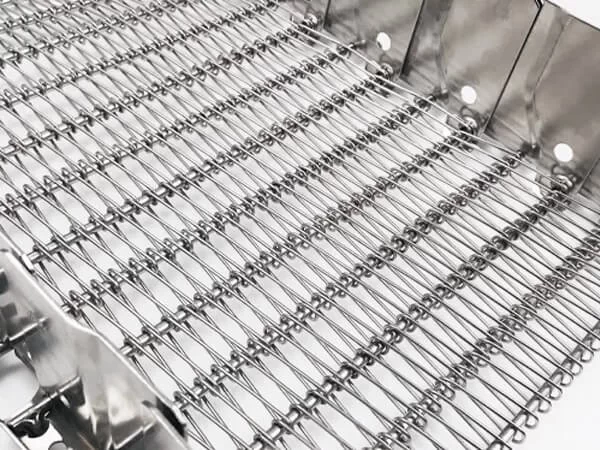
Despite the growth, many facilities still struggle with belt tracking and premature wear. The adoption of specialized Flat Wire Conveyor Belt solutions is helping Egyptian operators reduce downtime and maintenance costs in high-load mechanical transmission environments.
Evolution and Technical Trajectory of Mesh Belts

From basic weaving to advanced compound geometric structures.

Market Development History

In the early 2000s, Egypt's transmission components were dominated by simple chain-driven belts. These lacked the precision required for modern automated lines, leading to frequent slippage and product damage during transport.

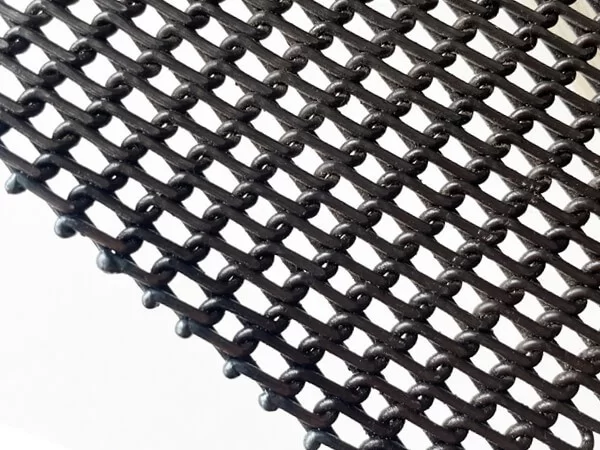
By 2010-2015, the introduction of Honeycomb Conveyor Belts revolutionized the baking and drying sectors. The unique hexagonal structure allowed for superior airflow and heat distribution, aligning with the region's focus on agricultural export processing.

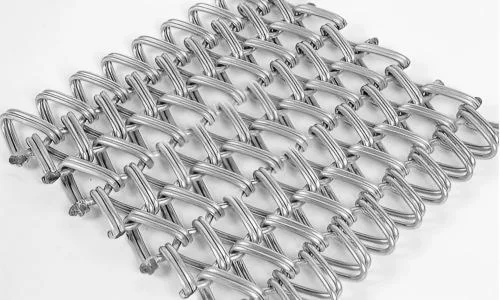
From 2018 to the present, the market has shifted toward "Balanced" technologies. The integration of compound weaves has solved the chronic issue of belt "wandering" on the conveyor, ensuring a straight path even under varying thermal loads.

Future Development Trends

AI-Driven Predictive Maintenance

Integration of IoT sensors into belt frames to monitor tension and wear in real-time, reducing unplanned outages in Egyptian factories.

Advanced Nano-Coatings

Application of non-stick and anti-corrosive nano-coatings to stainless steel wires to extend the lifespan of belts in saline coastal environments.

Ultra-High Temperature Alloys

Development of belts capable of withstanding temperatures above 1000°C for the Egyptian metallurgy and ceramics industries.

Industry Outlook for Egyptian Conveying Systems

Strategic directions for the next 3-5 years in mechanical transmission.

Energy Efficiency Shift
Transitioning to lightweight mesh materials to reduce motor torque and energy consumption in large-scale plants.
Automation Integration
Syncing conveyor speeds with PLC systems for precision handling of pharmaceutical and food products.
Sustainability Focus
Implementing recyclable alloy components to meet new environmental regulations in Egyptian industrial zones.
Modular Design
Rapidly deployable modular belt sections to minimize installation time during facility expansions.

Industry Outlook

Based on Google search trends for "industrial automation Egypt," there is a significant surge in queries related to hygienic conveyor systems. This indicates a pivot toward higher food safety standards in the Egyptian export market.

We anticipate that by 2027, the demand for high-precision mechanical transmission parts will increase by 25%, driven by the digitalization of the "Made in Egypt" initiative.

Local Application Scenarios in Egypt

Practical deployment of mesh belts across diverse Egyptian industries.

1. Date and Fruit Processing in Upper Egypt

Using Honeycomb Conveyor Belts for uniform drying and sorting of dates, ensuring maximum airflow and minimal skin damage.

2. Industrial Bakeries in Greater Cairo

Implementation of balanced weave systems to ensure stable transport of dough through high-temperature ovens without belt warping.

3. Pharmaceutical Plants in 6th of October City

Utilizing high-polish Stainless Steel Wire Mesh Belt for sterile transport of blister packs, meeting strict WHO hygiene standards.

4. Seafood Processing in Alexandria

Deployment of corrosion-resistant spiral belts for freezing and thawing cycles of shrimp and fish exports.

5. Ceramic and Glass Manufacturing

Applying Flat Wire Conveyor Belt for high-heat tempering processes where structural rigidity is paramount.

Brand Story

Global Development Journey of Yangzhou Jiao Yang Mesh Belt Manufacturing Co., Ltd.

Foundational Precision

Started with a mission to solve the basic problem of belt slippage in industrial ovens, focusing on weave consistency.

Material Innovation

Expanded research into specialized stainless steel alloys to combat corrosive environments in chemical plants.

Global Expansion

Entered the African market, tailoring products to the specific heat and dust challenges of Egypt and Morocco.

Technological Leadership

Developed the patented Balanced Spiral technology, reducing installation time by 30% for global clients.

Sustainable Future

Now committed to "Green Manufacturing," reducing energy waste in the production of mechanical transmission components.

Complete Conveying Portfolio for the Egyptian Market

High-durability transmission components engineered for North African industrial demands.

Frequently Asked Questions in Egypt

Expert answers to common mechanical transmission queries.

How does a Balanced Spiral Conveyor Belt perform in high-heat Egyptian bakeries?

Our balanced belts are designed with a symmetrical weave that prevents expansion and contraction unevenness, ensuring a straight track even at 300°C+.

What is the best material for mesh belts in salty coastal regions like Alexandria?

We recommend AISI 316 stainless steel for all mesh belts in coastal areas to provide maximum resistance against chloride-induced stress corrosion.

Can Honeycomb Conveyor Belts be used for heavy industrial parts?

While primarily used for food and drying, customized heavy-gauge honeycomb weaves are available for industrial cooling of mechanical parts.

How often should a Flat Wire Conveyor Belt be tensioned in a 24/7 factory?

For heavy-duty Egyptian industrial lines, we recommend a tension check every 15 days to maintain optimal alignment and motor efficiency.

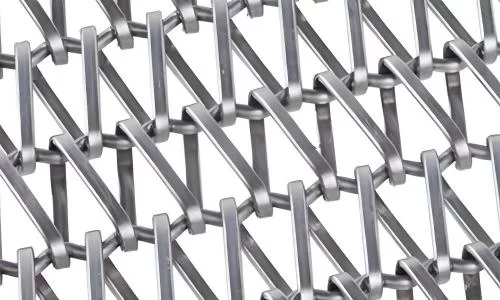
What are the advantages of compound balanced weaves over standard mesh?

Compound weaves offer superior dimensional stability and higher load-bearing capacity, significantly reducing the frequency of belt replacements.

Do you provide custom widths for Egyptian industrial conveyors?

Yes, we provide precision-engineered belts tailored to any width and length requirement to fit existing Egyptian machinery footprints.

Request a Technical Consultation

Optimize your production line with world-class mechanical transmission components in Egypt.

Contact Us Now

If you are interested in our products, you can choose to leave your information here, and we will be in touch with you shortly.