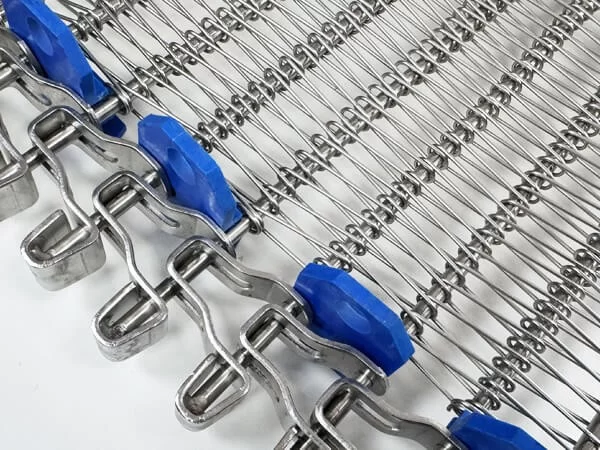
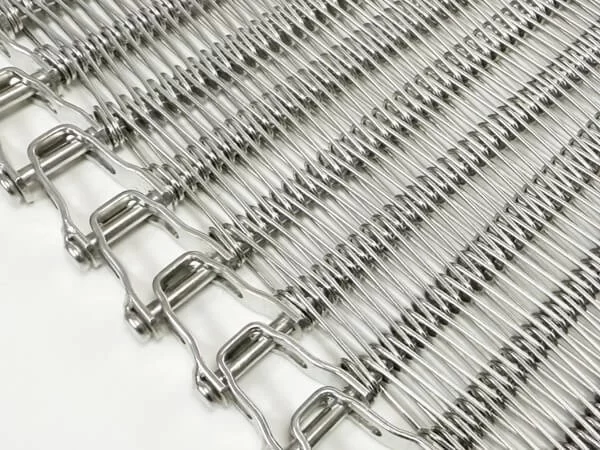
Industrial Conveying Solutions for Uganda Balanced Spiral Conveyor Belt

Industrial Conveying Solutions for Uganda: Balanced Spiral Conveyor Belt

High-performance mechanical transmission components engineered for the rigorous demands of Uganda's expanding manufacturing sector.

Industrial Conveying Solutions for Uganda: Balanced Spiral Conveyor Belt

Providing specialized stainless steel mesh solutions to optimize production lines in East Africa's fastest-growing industrial hubs.

The Current State of Manufacturing Components in Uganda

Analyzing the demand for durable transmission parts in the Pearl of Africa.

Uganda's manufacturing landscape is currently undergoing a significant transition. With a humid tropical climate and a push toward agricultural value-addition, the need for corrosion-resistant Stainless Steel Wire Mesh Belt has surged, particularly in the food processing and beverage industries in Kampala and Entebbe.

However, many local factories still rely on outdated rubber belts or low-grade carbon steel, which suffer from rapid degradation due to high humidity and inadequate lubrication. This has led to increased downtime and higher operational costs in the general equipment manufacturing sector.

The emergence of a more structured industrialization policy in Uganda is driving a shift toward high-precision Flat Wire Conveyor Belt systems, as local enterprises seek to align with international hygiene and efficiency standards for export markets.
Evolution and Trajectory of Conveying Technology

From manual labor to automated precision transmission.

Market Development History

In the early 2000s, Ugandan manufacturing relied heavily on basic mechanical drives and manual handling. Conveying was simplistic, often using fabric belts that were prone to tearing and contamination in agricultural processing.

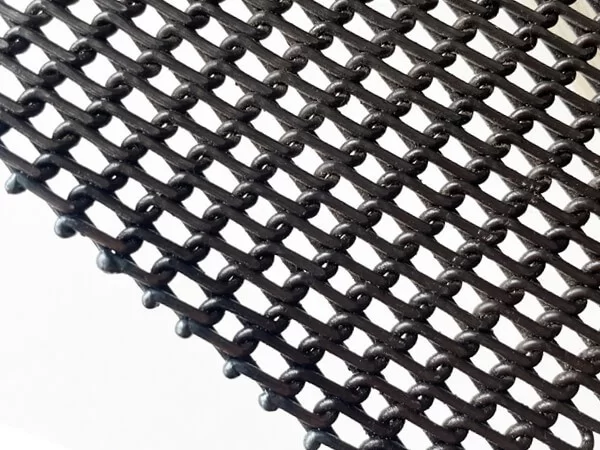
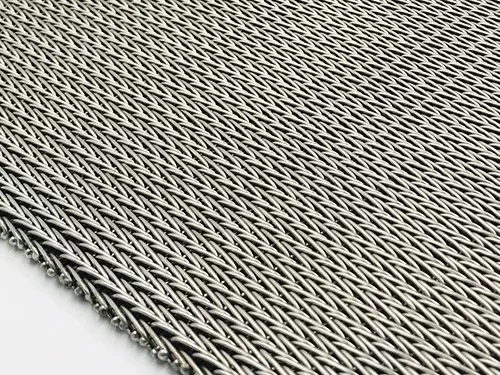
Between 2010 and 2020, the introduction of semi-automated lines saw the first wave of Compound Balanced Weave Belt applications. This period marked a shift toward "balanced" technology to reduce belt drift and increase the lifespan of mechanical transmission parts.

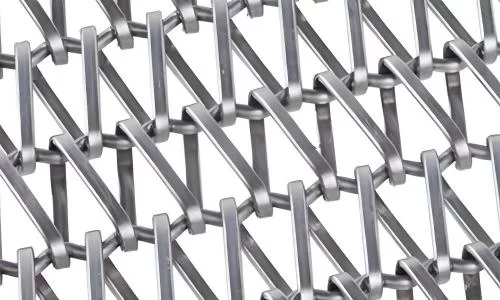
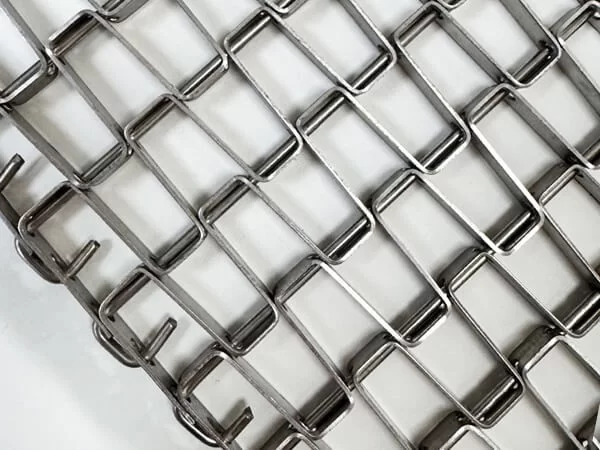
Since 2021, there has been a rapid acceleration toward specialized geometry. The adoption of Honeycomb Conveyor Belts has become evident in industrial frying and cooling applications, reflecting a move toward energy efficiency and optimized airflow.

Future Development Trends

Integration of Smart Monitoring

Future systems in Uganda will likely integrate IoT sensors into the conveyor frame to monitor the tension and wear of the mesh in real-time, reducing unplanned outages.

Sustainable Material Science

There is a growing trend toward higher-grade alloys (316L) to combat the specific corrosive elements found in Ugandan tropical industrial environments.

Modular Customization

We predict a shift toward modular "plug-and-play" conveyor sections that allow local factories to scale their production lines without complete system overhauls.

Industrial Trends and Future Outlook

Strategic forecasting for the Ugandan general equipment manufacturing sector.

Hyper-Efficiency in Cooling
Increased adoption of open-weave structures to maximize heat dissipation in tropical climates.
Anti-Corrosive Standard
Transitioning from galvanized to full 304/316 stainless steel for all food-grade lines.
Space-Saving Spirals
Utilizing vertical space in small-footprint Ugandan factories via spiral conveyor technology.
Automated Tensioning
Implementing self-adjusting systems to reduce belt tracking errors in heavy-duty belts.

Industry Outlook

Based on Google search trends for "Industrial Automation Africa," we observe a 25% year-on-year increase in queries related to stainless steel conveying solutions in the East African Community. This indicates a strong desire for modernization among Ugandan SMEs.

Over the next 3-5 years, the focus will shift from mere procurement to "Life Cycle Management," where the longevity and maintainability of the conveyor belt become the primary KPIs for procurement managers in Uganda.

Local Application Scenarios in Uganda

Real-world deployment of mechanical transmission belts across diverse Ugandan sectors.

1. Coffee Bean Drying and Sorting

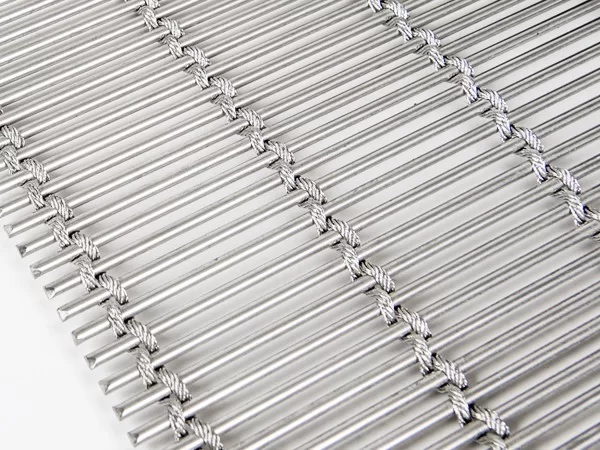
Utilizing Flat Wire Conveyor Belt for the gentle transport of Ugandan Arabica coffee beans through roasting and cooling tunnels to ensure uniform quality.

2. Tropical Fruit Processing Plants

Implementing Stainless Steel Wire Mesh Belt in pineapple and mango canning lines to prevent oxidation and ensure high sanitary standards.

3. Industrial Bakery and Pastry Lines

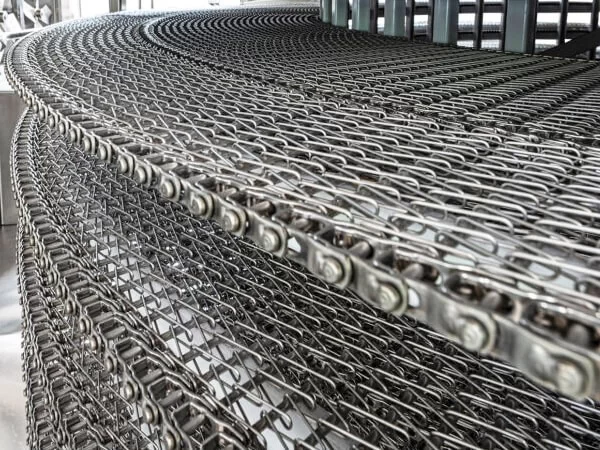
Using Balanced Spiral Conveyor Belt for vertical cooling of baked goods, maximizing limited floor space in Kampala's urban bakeries.

4. Oil Palm Kernel Processing

Deploying Compound Balanced Weave Belt for the heavy-duty transport of oil seeds, providing the necessary strength to resist abrasion.

5. Poultry and Meat Processing

Applying Honeycomb Conveyor Belts in blast freezing and thawing sections to optimize air circulation around the product.

Brand Story

Global Development History of Yangzhou JiaoYang Mesh Belt Manufacturing Co., Ltd.

The Foundation of Precision

Founded with a commitment to solve the "wear and tear" pain point in mechanical transmission, we began by mastering the art of stainless steel weaving.

Technological Breakthroughs

We pioneered the balanced weave technology, eliminating the common issue of belt tracking drift that plagued early industrial conveyors.

Global Market Expansion

Expanding our footprint beyond Asia, we began tailoring solutions for the specific environmental challenges of the African market.

Commitment to Sustainability

Developing energy-efficient mesh designs that reduce the power consumption of drive motors for our global partners.

Vision for Industry 4.0

Now leading the transition toward smart conveying systems, combining material science with digital monitoring for total reliability.

Complete Product Portfolio for Uganda

A comprehensive range of transmission components for every industrial requirement.

Common Questions from Ugandan Manufacturers

Expert answers to technical queries regarding mesh belt installations.

Which stainless steel wire mesh belt grade is best for Uganda's humidity?

For most Ugandan applications, SS304 is sufficient; however, for high-salinity or acidic food processing, we strongly recommend SS316L to prevent pitting corrosion.

How do I prevent tracking issues with a Balanced Spiral Conveyor Belt?

Tracking issues are minimized by using our balanced weave technology. Regular inspection of the sprocket alignment and ensuring consistent belt tension is key.

Can Compound Balanced Weave Belt handle heavy agricultural loads?

Yes, the compound structure is specifically designed for high tensile strength and impact resistance, making it ideal for seed and kernel processing in Uganda.

What is the lifespan of Honeycomb Conveyor Belts in a bakery?

Depending on the temperature and cleaning chemicals used, our honeycomb belts typically last 3-5 years with proper maintenance and periodic lubrication of the drive system.

Are Flat Wire Conveyor Belt systems easy to install locally?

Yes, they are designed for straightforward installation. We provide detailed technical drawings and remote support to assist Ugandan engineers during the setup.

How do I choose between different mesh weaves for my factory?

The choice depends on the product's weight, required airflow, and temperature. We recommend a consultation based on your specific production throughput and product dimensions.

Get Expert Technical Support Now

Ready to modernize your production line in Uganda? Our engineers are available to provide custom mesh belt specifications tailored to your local needs.

Contact Us Now

If you are interested in our products, you can choose to leave your information here, and we will be in touch with you shortly.