Advanced Thermal Processing Solutions with Balanced Spiral Conveyor Belt in Finland

  • Home
  • Global Service
  • Advanced Thermal Processing Solutions with Balanced Spiral Conveyor Belt in Finland

Advanced Thermal Processing Solutions with Balanced Spiral Conveyor Belt in Finland

Engineered for Nordic industrial precision, our high-durability conveyor systems optimize throughput for Finland's most demanding manufacturing environments.

Advanced Thermal Processing Solutions with Balanced Spiral Conveyor Belt in Finland

Providing specialized mechanical transmission components that withstand extreme temperature fluctuations and rigorous sanitary standards across the Finnish industrial landscape.

Industrial Conveying Landscape in Finland

Navigating the challenges of high-latitude manufacturing and strict EU compliance.

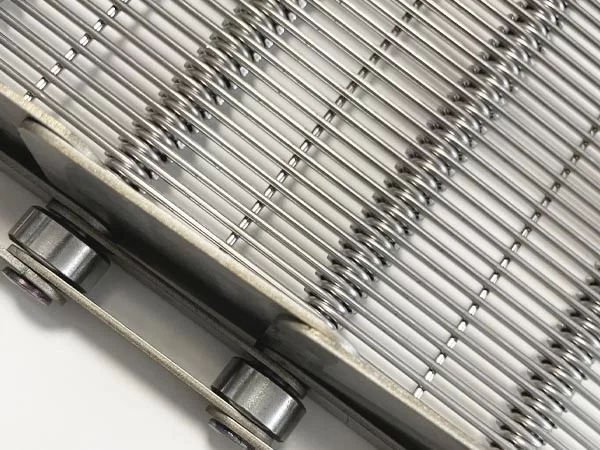
Finland's manufacturing sector is characterized by a high degree of automation and a commitment to sustainable energy. Due to the cold climate and high humidity in coastal regions, the demand for Stainless Steel Wire Mesh Belt systems is paramount to prevent oxidation and ensure structural integrity in food processing and metallurgical plants.

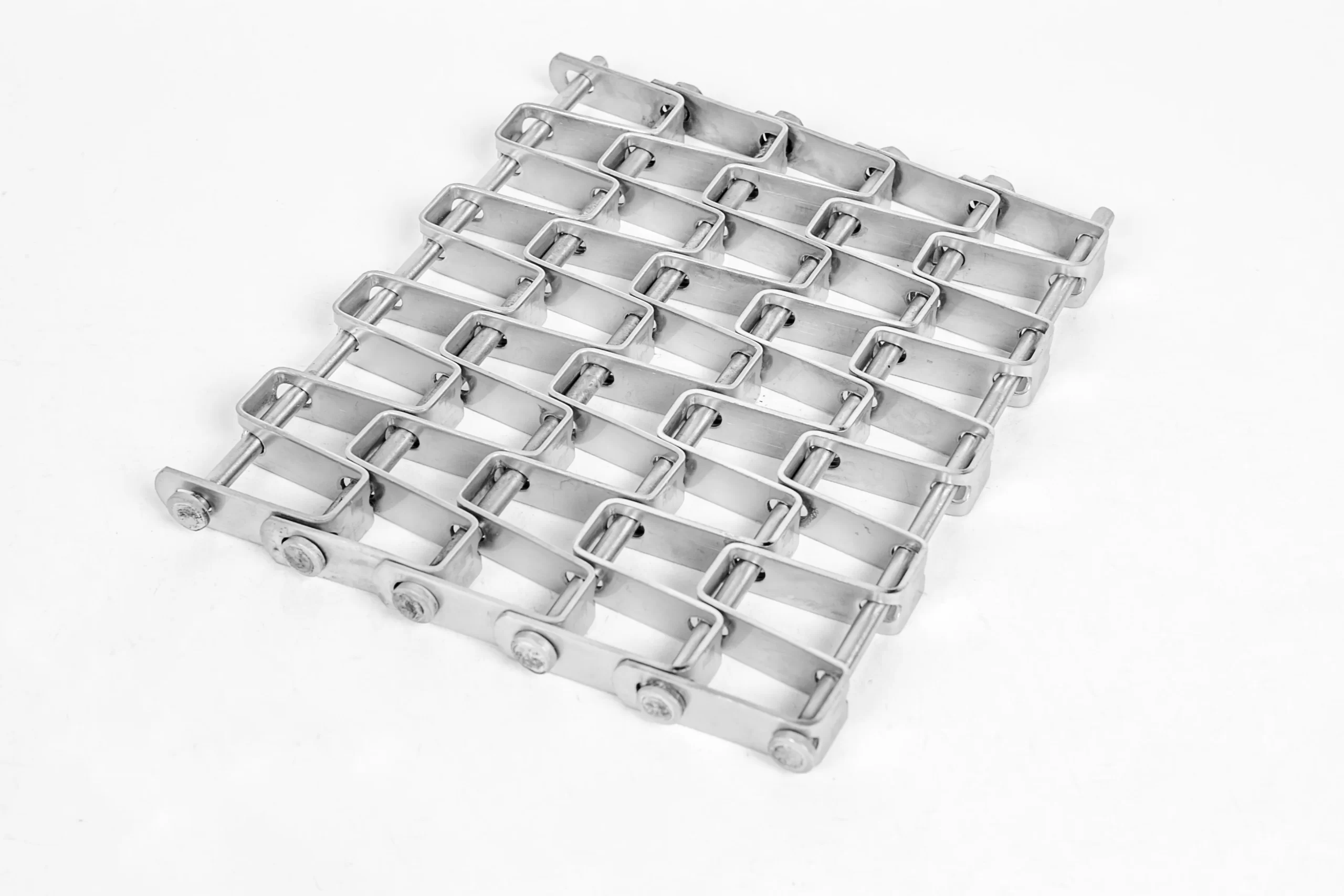
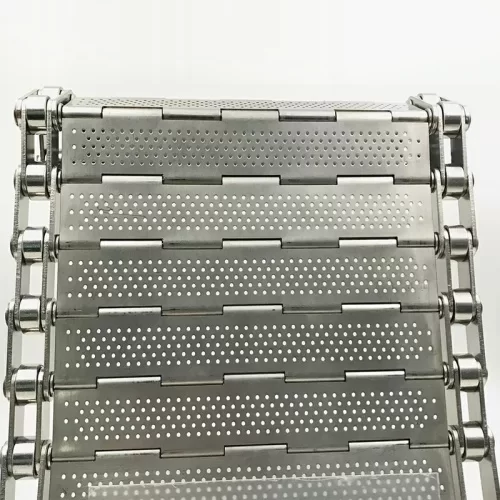
The local market prioritizes E-E-A-T principles, valuing technical expertise and proven longevity. Finnish engineers typically seek conveyor solutions that reduce downtime and minimize friction, leading to a surge in the adoption of Flat Wire Conveyor Belt designs for linear precision and ease of maintenance.

Furthermore, the stringent hygiene regulations of the Nordic region drive the need for open-weave structures. This has made Honeycomb Conveyor Belts a preferred choice for air-cooling and washing applications, ensuring that residue is eliminated effectively to meet health safety standards.
Evolution of Conveying Technology in Finland

From heavy-duty steel chains to precision-engineered balanced weaves.

Market Development History

In the 1980s and 90s, Finnish industrial belts were primarily basic carbon steel, which suffered from rapid corrosion in the humid Baltic air. The transition to stainless alloys began in the early 2000s, focusing on basic durability for the pulp and paper industry.

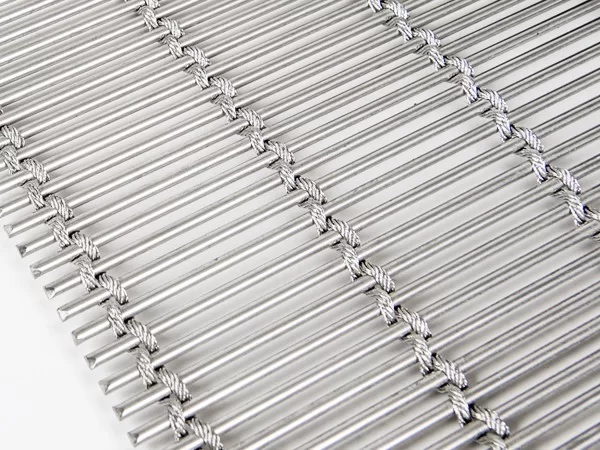
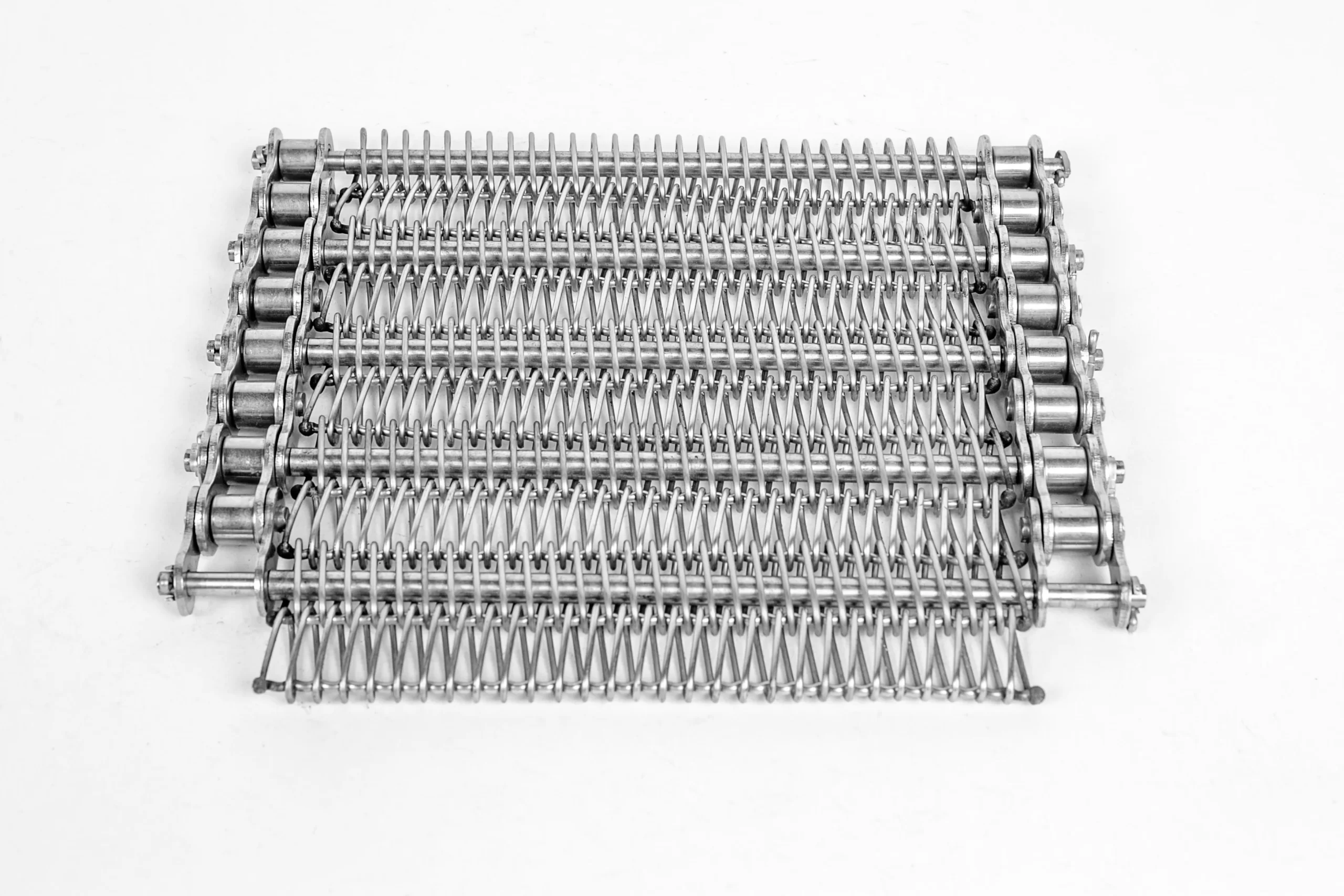
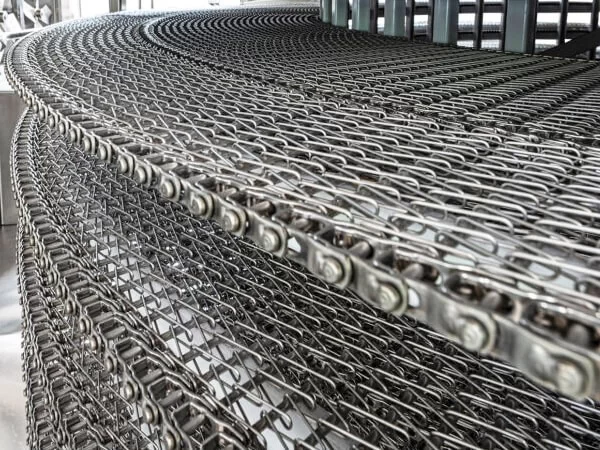
By 2010, the shift toward "precision transmission" occurred. This era saw the introduction of the Compound Balanced Weave Belt, which solved the problem of belt tracking and edge wear in high-speed spiral applications, significantly reducing operational costs.

Today, the industry has moved toward "Smart Conveying." Current iterations focus on metallurgical optimization, where belts are treated for extreme cryogenic or high-heat resistance, tailored specifically for Finland's specialized chemical and food-tech sectors.

Future Development Trends

Integration of IoT Monitoring

Future systems will integrate embedded sensors within the weave to monitor tension and wear in real-time, aligning with Finland's Industry 4.0 roadmap.

Nano-Coating for Friction Reduction

We expect a shift toward nano-ceramic coatings on wire surfaces to further reduce energy consumption during belt movement.

Circular Material Economy

Increasing focus on 100% recyclable high-grade alloys to meet Finland's 2035 carbon neutrality goals.

Industry Outlook and Technical Projection

Analyzing the trajectory of mechanical transmission parts for the next 5 years.

Automated Tracking Systems
Reducing manual adjustment through AI-driven belt alignment sensors.
Hyper-Durable Alloys
Developing alloys that resist high-salinity and cryogenic extremes common in Finland.
Energy-Efficient Weaves
Reducing belt mass without compromising strength to lower motor energy use.
Modular Customization
Fast-swap belt modules to reduce maintenance downtime in 24/7 facilities.

Industry Outlook

Google search trends indicate a rising demand for "sustainable industrial transmission" in Northern Europe. This suggests that the next generation of belts will be judged not just by their tensile strength, but by their total lifecycle carbon footprint.

We anticipate a convergence between conveyor hardware and software, where the physical properties of the mesh are optimized via simulation software before manufacturing to ensure a perfect fit for Finnish industrial layouts.

Localized Applications in the Finnish Market

Real-world deployment of high-performance conveyor belts across diverse sectors.

1. Salmon Processing in coastal Finland

Utilizing Honeycomb Conveyor Belts for high-efficiency drainage and rapid cooling of seafood, ensuring food safety in humid environments.

2. Heavy Machinery Component Drying

Implementing Flat Wire Conveyor Belt systems for the drying of precision-machined mechanical parts in Helsinki's equipment hubs.

3. Industrial Bakery Automation

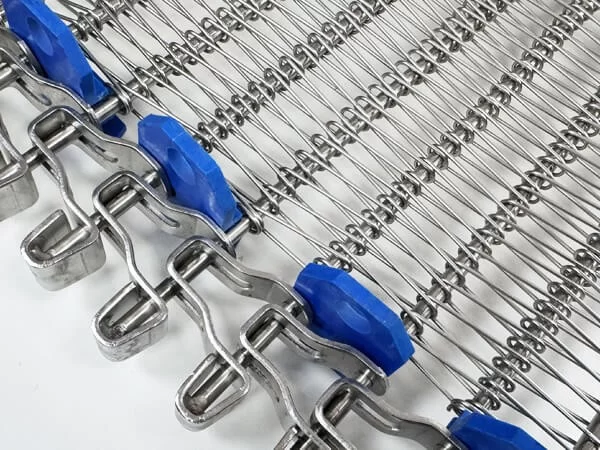
Using Balanced Spiral Conveyor Belt technology to maximize space in urban Finnish bakeries through vertical cooling processes.

4. Metallurgical Heat Treatment

Deploying Stainless Steel Wire Mesh Belt for continuous furnace transport, resisting the extreme heat of Finland's steel processing plants.

5. Complex Parts Conveying

Applying Compound Balanced Weave Belt for the stable transport of irregular-shaped transmission components in automotive supply chains.

Brand Story

Global Development Journey of Yangzhou JiaoYang Mesh Belt Co., Ltd.

Foundational Excellence

Established as a specialist in wire mesh, focusing on solving the fundamental problem of belt elongation and tracking instability.

Technical Breakthroughs

Pioneered the balanced weave technique, enabling the creation of belts that remain stable under extreme thermal expansion.

European Market Entry

Expanded operations to meet EU standards, bringing precision-engineered mesh belts to the rigorous markets of Northern Europe.

Nordic Adaptation

Customized product lines specifically for the Finnish climate, emphasizing corrosion resistance and extreme temperature stability.

Vision for the Future

Leading the industry toward a zero-maintenance future through advanced metallurgical research and smart conveyor integration.

Complete Product Portfolio for the Finnish Industrial Market

A comprehensive range of mechanical transmission components designed for efficiency and longevity.

Common Inquiries from Finnish Industrial Partners

Technical answers to the most frequent questions regarding conveyor belt selection.

How does a Balanced Spiral Conveyor Belt improve space efficiency in small factories?

By utilizing vertical space for cooling or proving, these belts allow production to continue in a compact footprint, which is ideal for the high land costs in Finnish urban industrial zones.

Which Stainless Steel Wire Mesh Belt grade is best for high-salinity coastal environments?

We recommend AISI 316 or 316L stainless steel for Finnish coastal facilities to ensure maximum resistance against chloride-induced pitting corrosion.

What are the maintenance advantages of a Compound Balanced Weave Belt?

The compound weave prevents lateral drifting, meaning less frequent manual alignment and reduced wear on the conveyor guides.

Can Honeycomb Conveyor Belts handle extreme temperature swings in Nordic winters?

Yes, the open-structure design allows for rapid thermal equalization, preventing the structural stress that often causes solid belts to crack in extreme cold.

How do I choose between a Flat Wire Conveyor Belt and a mesh belt?

Choose Flat Wire for high-precision transport and heavy loads; choose mesh belts for applications requiring superior airflow or drainage.

What is the typical lifespan of a conveyor belt in Finnish food processing plants?

Depending on the grade of stainless steel and the cleaning chemicals used, our high-performance belts typically last 3-5 years before requiring significant overhaul.

Get an Expert Consultation for Your Facility

Our engineers are ready to optimize your production line in Finland with cutting-edge conveyor solutions.

Contact Us Now

If you are interested in our products, you can choose to leave your information here, and we will be in touch with you shortly.