- Tel: +86 15252586600 / +86 13705250816
- Email: 527966138@qq.com / 1026520412@qq.com

High Temperature Flat Flex Rod Network Conveyor Belts Factory and Suppliers in China


High Temperature Flat Flex Rod Network Conveyor Belts Factory and Suppliers in China
Contact Us Now >
Download
Rod Network Conveyor Belts, also known as Flat Flex Conveyor Belts, are high-performance industrial solutions engineered for the most demanding conveying environments. Utilizing a sophisticated "Y"-shaped wave structure created by cross-woven spiral wires, these belts form a precision rhombus or hexagonal mesh that provides an unmatched balance of high tensile strength, superior air permeability, and exceptional structural stability.
Designed to outperform traditional woven mesh alternatives, the specialized wave architecture effectively disperses mechanical stress, resulting in a tensile strength increase of over 30%. Whether operating in ultra-high temperature automotive heat treatment zones or sterile food processing lines, these belts ensure stable, low-friction transport and high efficiency for cooling, frying, baking, and drying processes.
Detailed Parameters
| Common Names | Rod Network Belt / Flat Flex Belt | Mesh Structure | Rhombus or Hexagonal "Y"-wave |
|---|---|---|---|
| Permeability | ≥60% Open Area | Tensile Strength | >30% higher than ordinary mesh |
| Material Options | SS304, SS316, SS310S, Inconel Alloy | Max Temperature | Up to 1200°C (Inconel) |
| Noise Level | Reduced by >20% vs traditional belts | Surface Type | Smooth, low-adhesion surface |
| Application | Heavy load & Precision conveying | Cleaning Method | High-pressure water / Ultrasonic |
Key Advantages
High Stress Resistance
The specialized wave structure disperses tension efficiently, offering 30% more tensile strength than standard industrial belts.
Exceptional Heat Stability
Available in high-grade Inconel alloys to withstand extreme industrial temperatures reaching up to 1200°C.
Enhanced Airflow
With a permeability of ≥60%, it ensures rapid cooling, heating, and drying efficiency for all processed products.
Ultra-Low Noise
Smooth sprocket engagement reduces operational noise by over 20%, significantly improving the workplace environment.
Anti-Deviation Design
The stable wave structure minimizes the risk of belt drift, keeping the conveying track perfectly aligned during operation.
Easy Maintenance
The smooth, low-adhesion surface prevents material buildup, allowing for fast cleaning via ultrasonic or water jets.
Product Gallery


Management Platforms
Material Selection
Choose from SS304, 316, 310S or Inconel based on your specific temperature and corrosion requirements.
Precision Engineering
Custom-woven rhombus or hexagonal mesh tailored to match your machine's sprocket and width specifications.
Thermal Optimization
Engineered for high-heat zones, ensuring total belt integrity even at 1200°C peak operating temperatures.
Hygiene Compliance
Designed to meet food and pharma standards, ensuring easy sterilization and zero residue accumulation.
Load Balancing
Engineered to handle heavy industrial loads without stretching or losing its structural geometry.
Stability Control
Integrated anti-deviation design for seamless, straight-track conveying without the need for manual adjustment.
Investment Return Comparison
| Performance Metric | Standard Woven Mesh | Rod Network Belt |
|---|---|---|
| Tensile Strength | Baseline | +30% Increase |
| Operational Noise | Standard | 20% Lower |
| Air Permeability | Moderate | High (≥60%) |
| Maintenance Cycle | Frequent Adjustments | Extended Intervals |
| Max Temp Limit | Low/Medium | Ultra-High (1200°C) |
Frequently Asked Questions
Q: What is the main difference between a Rod Network Belt and a standard mesh belt?
The Rod Network Belt features a specialized "Y"-shaped wave structure that provides 30% higher tensile strength and significantly lower noise levels compared to standard woven mesh belts.
Q: Can these conveyor belts be used in food processing environments?
Yes, they are ideal for food processing. Made from high-grade stainless steel (304/316), they are easy to clean with high-pressure water and are widely used in baking, frying, and cooling equipment.
Q: What is the maximum temperature the Rod Network Belt can withstand?
Depending on the material, temperatures vary. While stainless steel handles high heat, our Inconel alloy options can withstand extreme temperatures up to 1200°C.
Q: How does the belt prevent deviation during operation?
The unique wave structure provides inherent stability and reduces the risk of the belt shifting off-track, ensuring a consistent and straight conveying path.
Q: Is the mesh permeability suitable for rapid drying applications?
Absolutely. With a mesh permeability of ≥60%, it allows for maximum airflow and heat penetration, making it highly efficient for drying gypsum boards, pharmaceuticals, and food products.
Q: Which industries typically utilize Rod Network Conveyor Belts?
They are predominantly used in food processing, pharmaceutical sterilization, automotive heat treatment, and the building materials industry, such as cement and gypsum board production.
Ready to Optimize Your Production Line with Precision Mesh Belts?
Contact Us-
 High Strength Rod Network Conveyor Belts China Factory SuppliersLooking for high-performance Rod Network Conveyor Belts? As leading China factory suppliers, we provide durable Flat Flex belts with 60 permeability and heat resistance up to 1200C for food and industrial use.
-
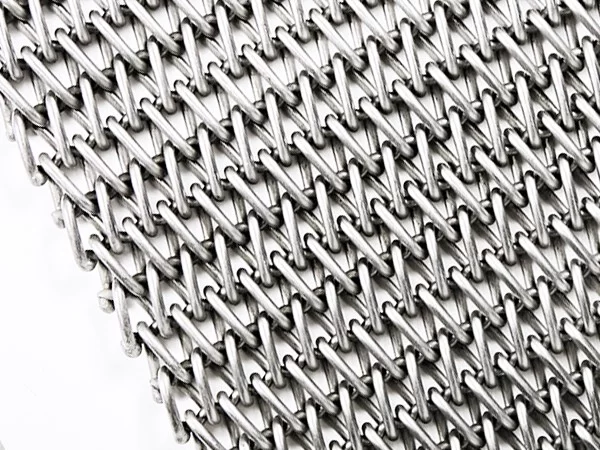 Wire Mesh Lehr Belts
Lehr Belts feature a balanced weave wire construction, composed of alternating right- and left-hand flattened spirals securely seated in crimped connector rods. The belt edges are welded to enhance durability and stability.
-
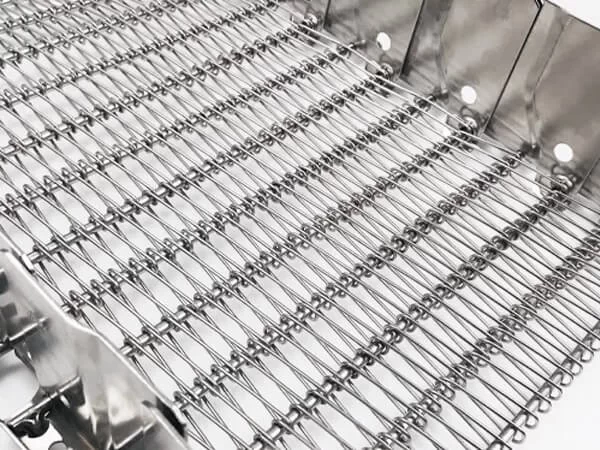 Self-Stacking Spiral Freezer Belts
Self-Stacking Spiral Freezer Belts are innovative conveyor solutions designed specifically for use in spiral freezers. With a unique stacking mechanism that eliminates the need for external support, these belts help maximize vertical space, reduce energy consumption, and improve overall freezing efficiency.
Engineered for high-performance food processing environments, these belts offer superior product handling, longer service life, and minimal maintenance — all while maintaining food quality and system hygiene.
-
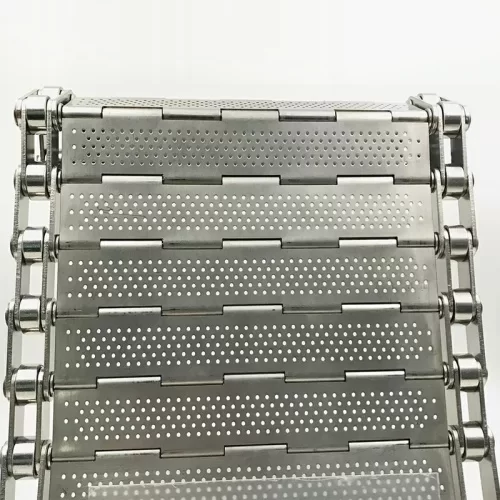 Plate Link Conveyor Belt
Plate conveyor belts are composed of hinged slats with or without holes. Hinge ……
-
 High Temperature Wire Mesh Lehr Belts China Factory and SuppliersPremium Wire Mesh Lehr Belts from a leading China factory. Featuring a balanced weave of alternating flattened spirals and welded edges for maximum stability. Trusted suppliers of high-temperature glass annealing solutions.
-
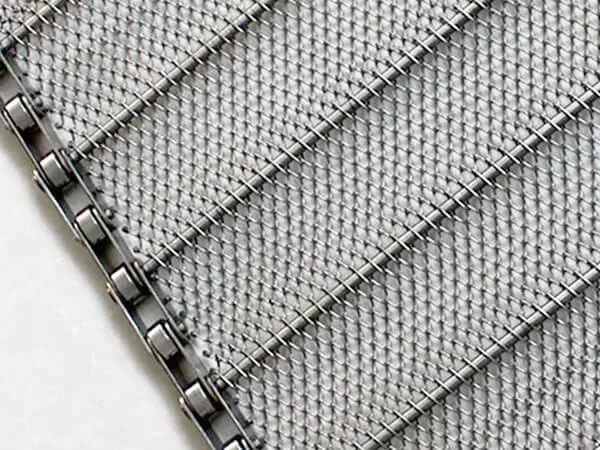 Chain Link Conveyor Belts
Chain Link Conveyor Belt, also known as stainless steel wire mesh belt or conventional mesh belt, features a simple design with interwoven spiral coils creating an open mesh. Available with knuckled or welded edges, PFM Screen’s Chain Link belt is an economical and lightweight solution for low load conveying, ideal for light-duty drying and cooling applications. With its large open area, it is perfect for energy-efficient processes like drying, cooling, and heating.
-
 Double Balanced Weave Conveyor Belt China Factory and SuppliersPremium Double Balanced Weave Conveyor Belts from a leading China factory. Featuring double wire wrap construction and interlocking spiral design for enhanced durability. Reliable suppliers of high-tensile industrial mesh belts for extreme temperatures.
-
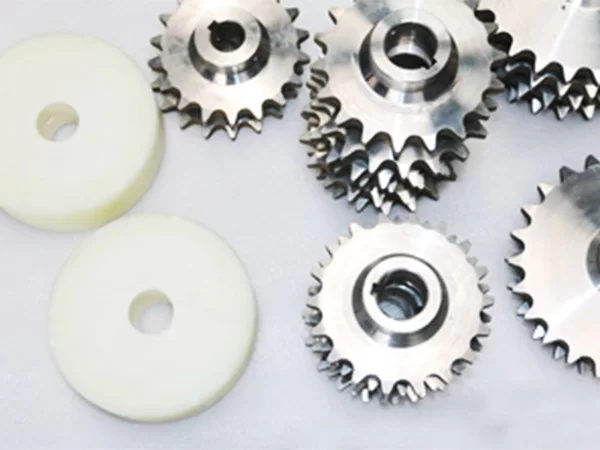 Sprockets
Jiaoyang offers a comprehensive range of standard sprockets and can also manufacture to order sprockets for new or replacement applications to suit any specified belt.
-
 May 18, 2026High Performance Sintering Mesh Belt for Industrial FurnacesIn the demanding world of high-temperature industrial processing, the Sintering Mesh Belt stands as a critical component for ensuring operational stability and product quality. These specialized conveyor systems are engineered to withstand extreme thermal stress while maintaining dimensional stability, making them indispensable for powder metallurgy and advanced ceramics manufacturing. By providing a seamless transition of materials through sintering furnaces, they bridge the gap between raw compressed powder and high-performance finished components. The global shift toward precision engineering and the miniaturization of mechanical parts has placed an unprecedented premium on the reliability of heat-treatment equipment.
-
 October 19, 2026High Quality Wholesale Metal mesh belt for Industrial SystemsIndustrial transport systems rely heavily on the stability and endurance of their conveying media, especially when dealing with extreme temperatures or corrosive environments. Selecting the right metal mesh configuration is not merely a purchase but a strategic decision that impacts production uptime and product quality. This article provides a comprehensive technical guide on evaluating high-performance belts for industrial heat treatment and food processing. For procurement managers and engineers, understanding the intersection of metallurgy and mechanical wave structures is critical. In high-demand sectors like powder metallurgy and pharmaceutical drying, the difference between a standard woven belt and a precision-engineered rod network belt can result
-
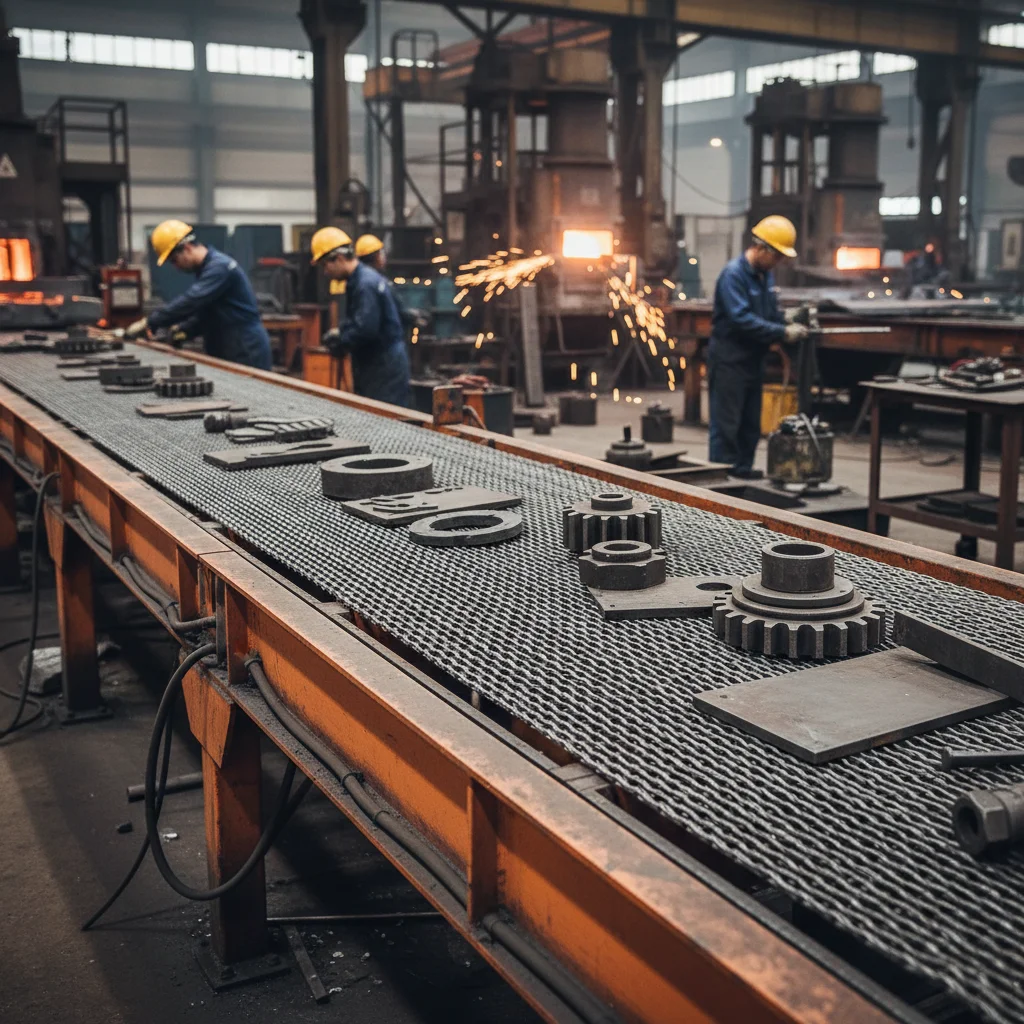 April 08, 2026Exploring the Versatility and Benefits of Metal Mesh Belt SystemsMetal mesh belt technology stands as a cornerstone of modern material handling, playing a vital role in countless industries across the globe. From food processing and pharmaceutical manufacturing to heat treatment and metalworking, these belts offer a reliable, efficient, and hygienic solution for conveying a wide range of products. Understanding the intricacies of metal mesh belt design, materials, and applications is crucial for optimizing operational efficiency and ensuring product quality in today’s competitive landscape.
-
 October 12, 2026High Efficiency Industrial Wholesale Dryer Mesh Belt GuideHigh-efficiency industrial drying requires a precise balance between material transport and thermal exposure. The selection of a conveyor medium, specifically the Wholesale Dryer Mesh Belt, determines the uniformity of the drying process and the overall throughput of the production line. This guide examines the technical requirements for selecting mesh belts that can withstand extreme temperatures while maintaining structural integrity. In B2B procurement, the challenge lies in matching the metallurgy of the belt with the chemical properties of the product being dried. Whether in powder metallurgy, chemical fibers, or glass processing, the conveyor must facilitate maximum airflow and heat penetration.
-
 June 08, 2026High Efficiency Industrial Ceramic Sintering Mesh Belt SolutionsThe industrial landscape of high-temperature processing has been fundamentally transformed by the introduction of the Ceramic Sintering Mesh Belt , a critical component in the production of advanced ceramics and technical glass. As global demand for high-performance materials in aerospace, automotive, and medical sectors grows, the need for conveying systems that can withstand extreme thermal stress without compromising structural integrity has become paramount. Understanding the mechanics of these belts is essential for manufacturers aiming to optimize their throughput and ensure product consistency. Integrating a high-quality Ceramic Sintering Mesh Belt into a production line does more than just move materials
-
 June 18, 2026High Performance TunnelType Copper Brazing Furnace mesh beltIn the demanding environment of high-temperature industrial processing, the selection of a reliable transport system is critical for maintaining throughput and product quality. The Tunnel-Type Copper Brazing Furnace mesh belt represents a sophisticated engineering solution designed to move components through rigorous thermal cycles without compromising structural integrity. By integrating high-strength metal flat wires into a stable honeycomb configuration, these belts ensure that heat distribution remains uniform and movement stays consistent. Globally, the precision of brazing and heat treatment processes directly impacts the reliability of automotive and electronic components. The challenge lies in finding a conveyor medium that can withstand intense heat
-
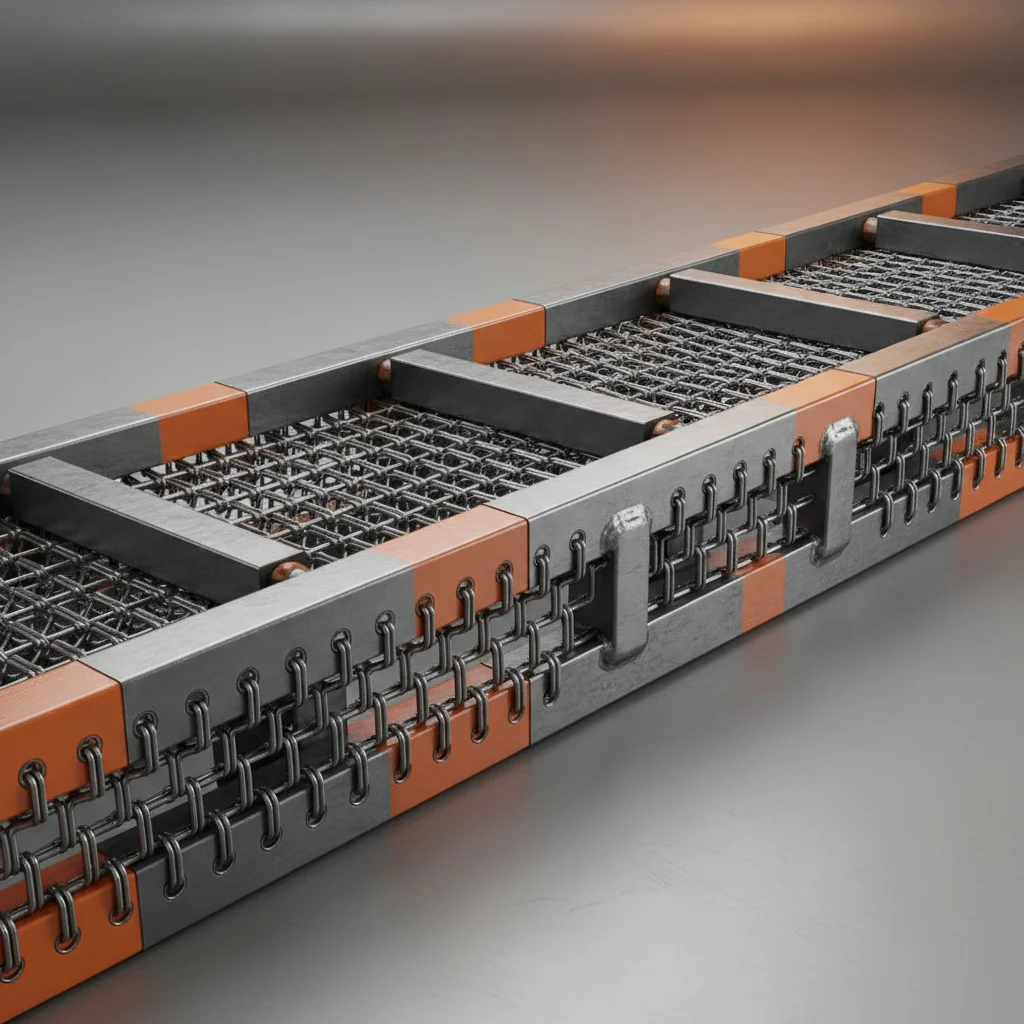 April 09, 2026Industrial Mesh Belt Guide for Production Line EfficiencyIn the world of industrial processing, the efficiency of your production line often depends on the smallest components. A high-quality mesh belt serves as the backbone for countless operations, from food baking and pharmaceutical processing to heavy-duty metal heat treatment. Choosing the right belt material and weave can mean the difference between seamless operation and costly downtime. This comprehensive guide will walk you through everything you need to know about selecting, maintaining, and optimizing your conveyor systems to ensure maximum productivity and longevity.
-
 June 27, 2026Industrial Knuckled Edge mesh belt for High Temperature ConveyingComprehensive Guide to Knuckled Edge Mesh Belt for Industrial Conveying In the demanding world of industrial manufacturing, the stability and durability of conveyor systems are critical to operational efficiency. The Knuckled Edge mesh belt offers a sophisticated engineering solution designed to prevent tracking issues and enhance the longevity of the belt. By utilizing a specialized edge folding technique, these belts provide superior flexibility and strength, making them indispensable in high-temperature and heavy-load environments. Whether you are operating in the food processing industry or heavy metallurgy, selecting the right edge structure can significantly reduce downtime and maintenance costs.
Get Your Custom Solution
Facing challenges with high-temperature conveying? Contact us now.
Our engineers will provide you with expert product consultation and tailored solutions.
Sign up
for our Newsletter
Subscribe to the weekly newsletter for all the latest updates


