
Industrial Mesh Belt Guide for Production Line Efficiency
Industrial Mesh Belt Guide for Production Line Efficiency
The Ultimate Guide to Choosing the Right Mesh Belt for Industrial Use
In the world of industrial processing, the efficiency of your production line often depends on the smallest components. A high-quality mesh belt serves as the backbone for countless operations, from food baking and pharmaceutical processing to heavy-duty metal heat treatment. Choosing the right belt material and weave can mean the difference between seamless operation and costly downtime. This comprehensive guide will walk you through everything you need to know about selecting, maintaining, and optimizing your conveyor systems to ensure maximum productivity and longevity.
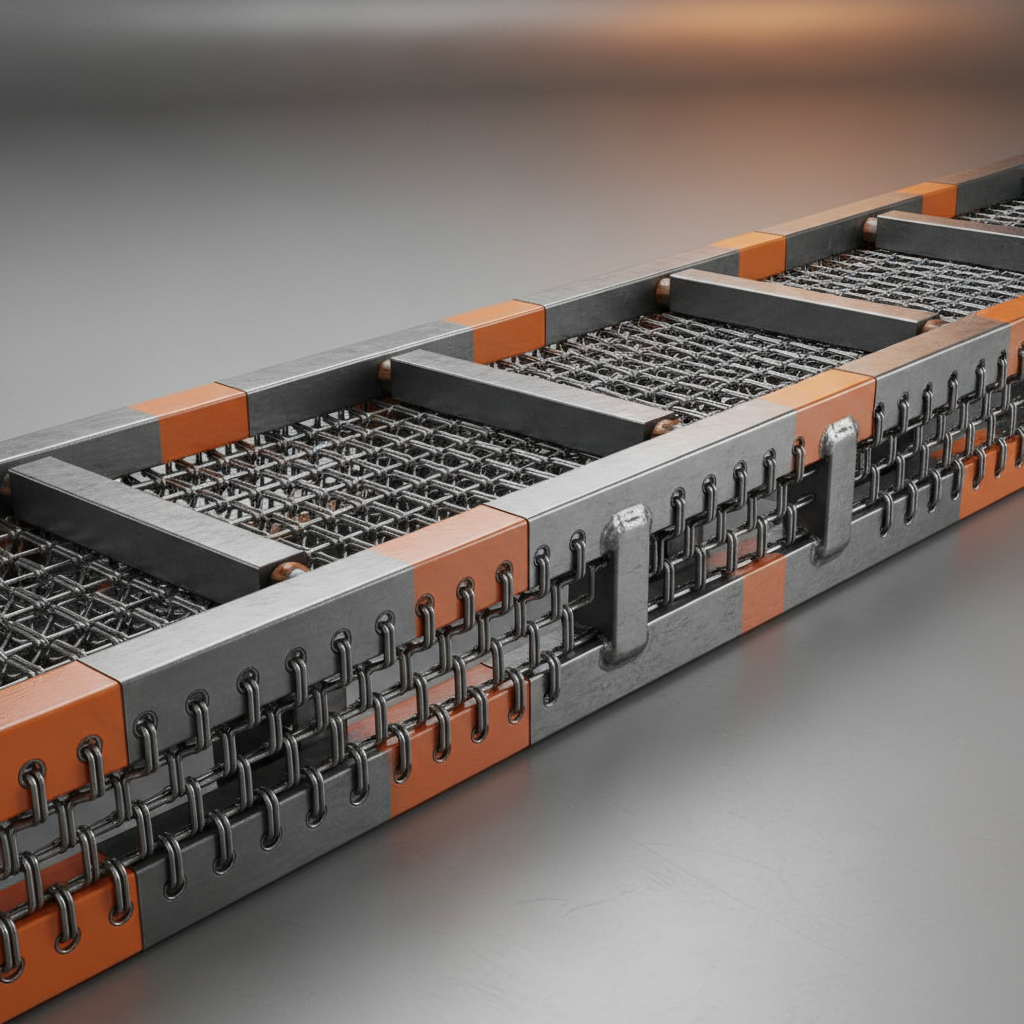
Why Quality Mesh Belt Materials Matter
Material selection is the most critical step in procurement. Depending on your environment, you might require Stainless Steel for its corrosion resistance in food-grade environments, or Nickel-plated Carbon Steel for specific industrial heat treatments. A premium mesh belt must be able to withstand extreme temperature fluctuations without warping or stretching. When the material matches the application, you reduce friction, lower energy consumption, and significantly extend the replacement cycle of your equipment.
Industry Tip: For environments involving high acidity or alkaline chemicals, always opt for 316 Stainless Steel over 304 to prevent premature pitting and oxidation.
Comparing Mesh Belt Weaves and Their Performance
Not all mesh patterns are created equal. The "weave" determines the belt's permeability, strength, and stability. For instance, a tight weave provides better support for small parts, while an open weave is ideal for drainage or air circulation during cooling processes. By selecting a specialized mesh belt design, you can optimize the airflow in ovens or the liquid runoff in washing stations, directly impacting the quality of your final product.
Key Applications of the Industrial Mesh Belt
From the food industry to automotive manufacturing, the application of a mesh belt is incredibly diverse. In food production, they are essential for baking trays and cooling tunnels where hygiene and heat resistance are non-negotiable. In the metallurgical sector, these belts transport components through high-temperature furnaces without losing structural integrity. Their ability to handle diverse environments makes them an indispensable asset for any facility looking to automate its transport process.
Technical Specifications for Mesh Belt Selection
When ordering your equipment, precision is everything. Specifying the wire diameter, mesh opening, and overall width ensures that the belt fits your existing machinery perfectly. A poorly specified mesh belt can lead to tracking issues, where the belt drifts to one side, causing wear and tear on the conveyor frames. Below is a typical specification table used for industrial ordering.
Maintenance Strategies to Extend Belt Life
Even the most durable mesh belt requires consistent care to avoid premature failure. Regular lubrication of drive sprockets and checking for wire fraying can prevent sudden breaks that halt production. Furthermore, ensuring that the belt is tensioned correctly avoids unnecessary strain on the motor and the belt edges. Implementing a scheduled inspection routine allows you to identify wear patterns early and perform minor repairs before they become major expenses.
Maintenance Checklist:
• Weekly inspection for broken wires or oxidation
• Monthly verification of belt tracking and alignment
• Quarterly lubrication of all moving mechanical parts
• Immediate cleaning after exposure to corrosive materials
Integrating Mesh Belts into Smart Factories
As Industry 4.0 evolves, the integration of smart sensors with the traditional mesh belt system is becoming common. Predictive maintenance sensors can now detect vibrations or temperature spikes in the belt drive, alerting operators before a failure occurs. This synergy of robust mechanical hardware and digital intelligence minimizes waste and maximizes uptime, ensuring that your conveyor system remains a high-performance asset rather than a bottleneck in your supply chain.
Conclusion: Optimize Your Production with JY Mesh Belt
Choosing the right mesh belt is not just about buying a piece of metal; it is about investing in the reliability of your entire production line. By carefully considering materials, weave patterns, and maintenance schedules, you can ensure a seamless flow of goods and a higher return on investment. Whether you are in the food, pharma, or metal industry, quality engineering makes the difference. Trust in professional solutions to keep your business moving forward.
Frequently Asked Questions (FAQs)
How do I know which material is best for my mesh belt?
The best material depends entirely on your operating environment. If you are working with food or pharmaceuticals, 304 or 316 Stainless Steel is mandatory due to hygiene and corrosion standards. For high-temperature industrial furnaces (up to 1000°C+), specialized alloys or nickel-plated steels are preferred. We recommend analyzing your temperature range and the chemicals your belt will encounter before making a choice. Our experts at JY Mesh Belt can provide a customized recommendation based on your specific technical data.
What causes a mesh belt to track off-center?
Belt tracking issues are typically caused by three things: uneven tensioning, misalignment of the drive rollers, or uneven wear on the belt itself. If one side of the belt stretches more than the other due to overload, it will naturally pull to one side. To fix this, ensure that the tensioning bolts are adjusted equally on both sides and check that the conveyor frame is perfectly level. Regular maintenance and using a high-precision manufactured belt can significantly reduce these tracking problems.
How often should I replace my industrial mesh belt?
There is no one-size-fits-all answer, as lifespan varies from 6 months to several years. However, you should replace your belt immediately if you notice significant "wire thinning," frequent breaks in the weave, or if the belt has stretched beyond the adjustment capacity of your machine. For high-intensity environments, we suggest a comprehensive audit every six months. Investing in a premium mesh belt from a reputable supplier will generally extend this replacement interval by 30-50%.
Can a mesh belt be repaired, or must it be fully replaced?
Minor damage, such as a few broken wires, can often be repaired through professional re-weaving or splicing techniques without replacing the entire belt. However, if the belt has suffered "structural stretch" or widespread oxidation, a full replacement is safer and more cost-effective in the long run. Patching a heavily worn belt often leads to uneven tension, which can damage your drive motors. Always consult with a technical specialist to determine if a repair is viable for your specific application.
-
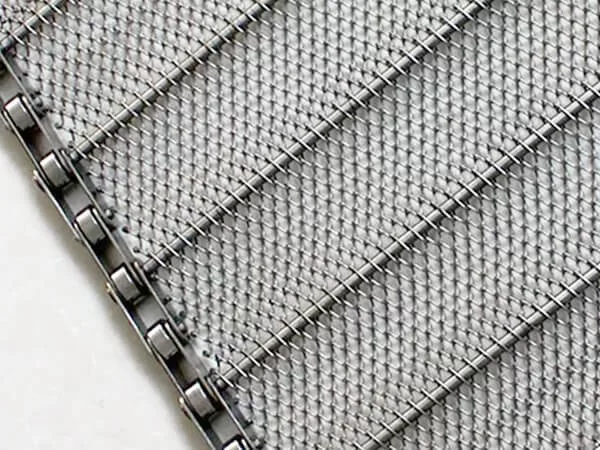 Chain Link Conveyor Belts
Chain Link Conveyor Belt, also known as stainless steel wire mesh belt or conventional mesh belt, features a simple design with interwoven spiral coils creating an open mesh. Available with knuckled or welded edges, PFM Screen’s Chain Link belt is an economical and lightweight solution for low load conveying, ideal for light-duty drying and cooling applications. With its large open area, it is perfect for energy-efficient processes like drying, cooling, and heating.
-
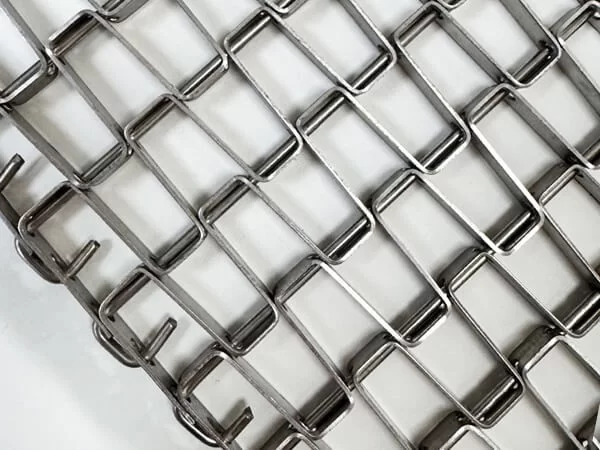 Honeycomb (Flat Wire) Conveyor Belts
Honeycomb conveyor belt, also called flat wire conveyor belt. The honeycomb belt is constructed of cross rods and a flat metal strip.
At the sides of the belt the cross rods have a welded ring (welded edges). In a number of dimensions it is possible to give the sides of the belt a clinged edge.
There are a number of predefined belt executions with different pitches and material dimensions. The belt can also be provided with side plates or flights. The flat wires are arranged in the form of lattice and jointed with the straight round rods. The material of flat wire belt are commonly high carbon steel, galvanized steel, stainless steel and other materials.
-
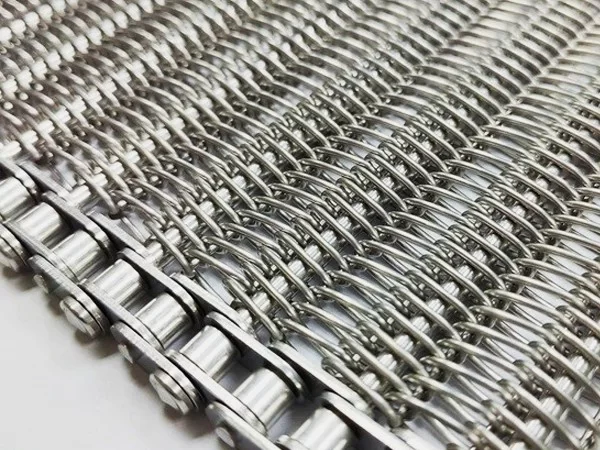 Balanced Spiral Woven Conveyor Belts
Balanced Weave Conveyor Belts are also known as spiral wire link conveyor belts, is the most commonly used belt for wire mesh conveyor belts.
PFM Screen’ Balanced Weave Conveyor Belts have been successfully used in the food industry, the heat treatment industry, the chemical industry and the glass industry, etc. Its simple design, the big range of dimensions (wire diameters and pitches) and the various ranges of belt materials are the main reason for its success.
-
 Biscuit Baking Belts | Rolled Baking Band
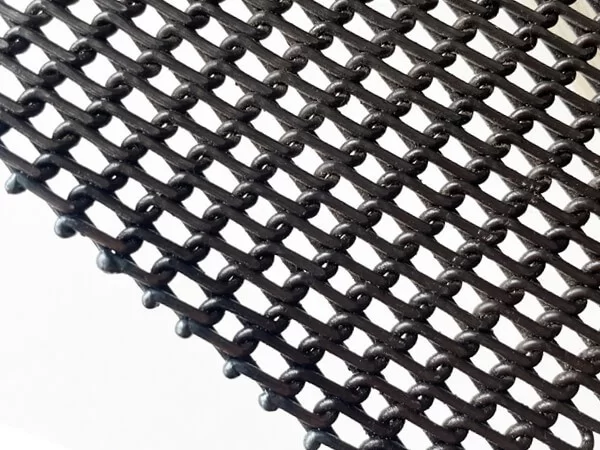
Biscuit Baking Belt also is known as Rolled Baking Band, Flat Rolled Baking Belt, Z Belts, Its name is based on the Z shape of the flattened spirals. The Biscuit Baking Belt is a highly usable conveyor belt for the bakery industry. The belt has been designed especially for baking biscuits directly on the belt in straight feed through ovens.
The Biscuit Baking Belt is a stratified metal spiral belt with a lightweight and a reduced thickness. Its design gives the belt low heat inertia, high strength, and good air circulation through the belt. This woven and stratified belt gives a superposition of the wires and an open mesh. The edges are looped.
-
 Flexible Rod Conveyor Belts
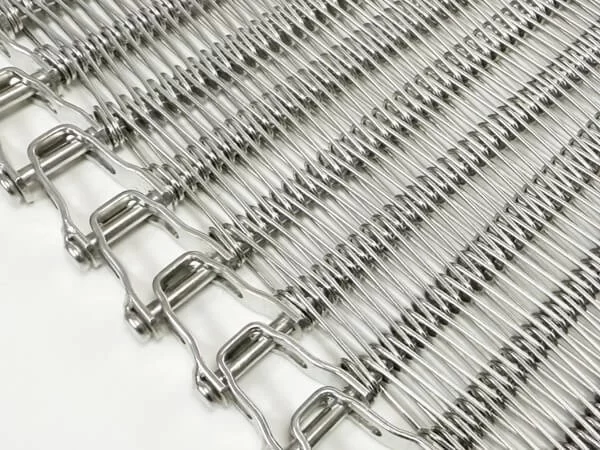
A Flexible Rod Belt is constructed from 3 components.
1. Alternating spirals take care of the belt overlay.
2. These spirals are connected to each other by means of smooth cross rods.
3. Special chain links are mounted at the outer sides, which are locked by means of button heads.
-
 Chain Driven Conveyor Belts
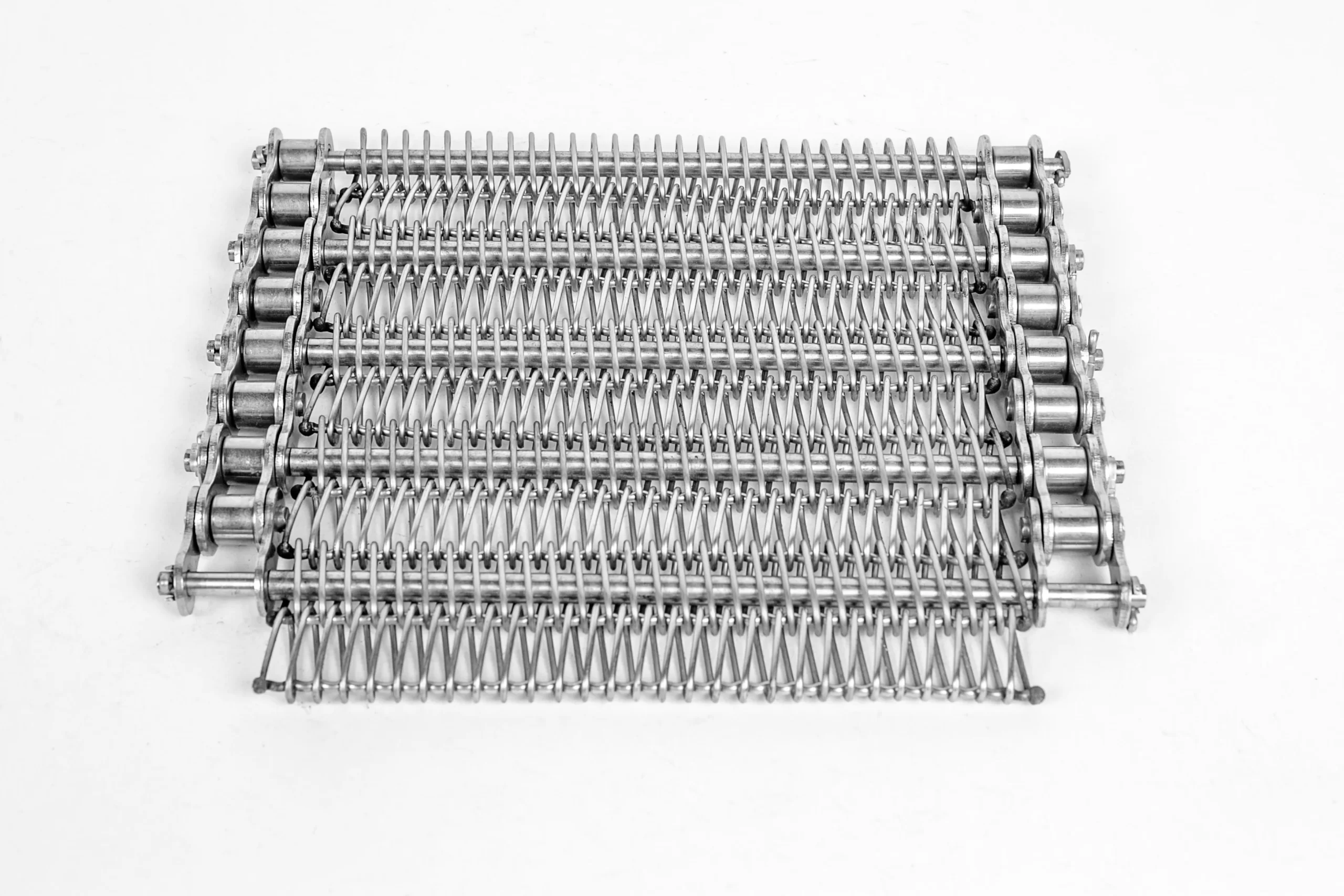
Stainless steel chain link belt with precision-driven rollers
-
 Compound Weave Conveyor Belts
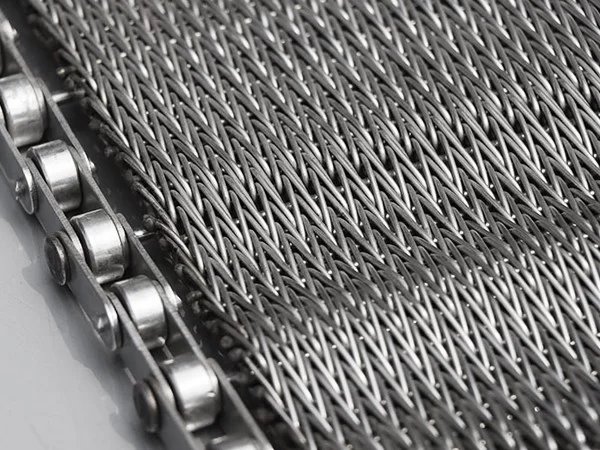
Compound Weave Conveyor Belt, also named Stainless Steel Cordweave Conveyor Belt, Compound Balanced Woven Belt,V-shaped Conveyor Belt or Baking Band Conveyor Belt, have right-hand and left-hand spirals interconnecting by straight cross rods.
The compound belt is a high-density, balanced spiral belt with multiple spirals and cross rods per pitch, resulting in minimal apertures and a flat surface. This structure ensures a close and flat mesh, ideal for conveying very small items. Its uniform heat transfer and smooth surface make it perfect for applications like biscuit baking and sorting small mechanical components. Popular for its durability and efficiency, the compound weave is a top choice in various industries, including food processing and precision manufacturing.
-
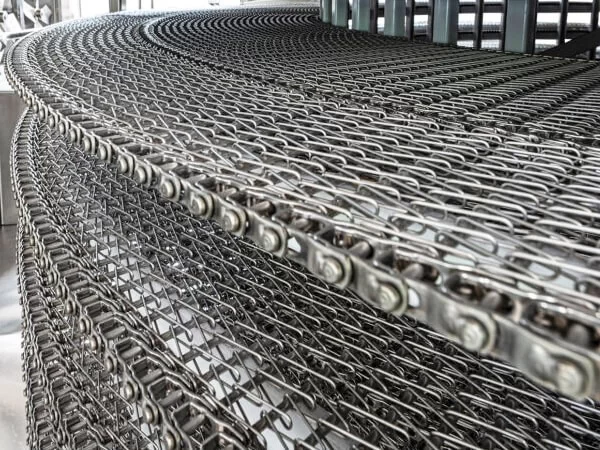 Spiral Freezer Belts
Spiral Freezer Belts also known as Spiral Cooler Belts or Spiral Cage Belts are specialized conveyor belts widely used in spiral freezing and cooling systems in food processing industries. They provide continuous product transport with high efficiency, optimized airflow, and minimal footprint.
-
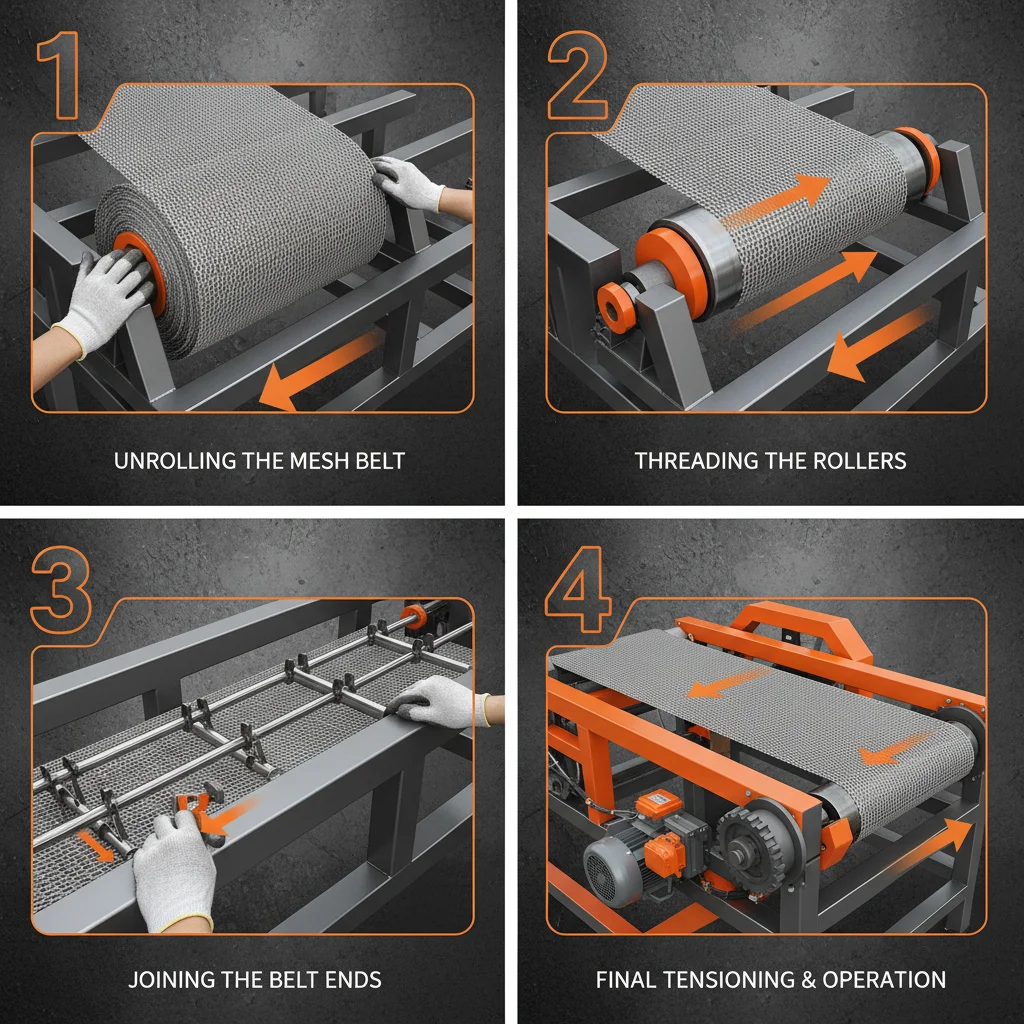 March 30, 2026Investing in a Reliable Dryer Mesh Belt for Efficient Material HandlingLook, I've spent years in the dirt, watching things get built – everything from simple warehouses to massive processing plants. And let me tell you, moving material is always the bottleneck. It's not glamorous, it's not sexy, but it's where projects live or die. That's where a solid Dryer Mesh Belt comes in. It's not just a conveyor; it’s the backbone of efficiency, and frankly, a sanity saver for everyone on site.
 -
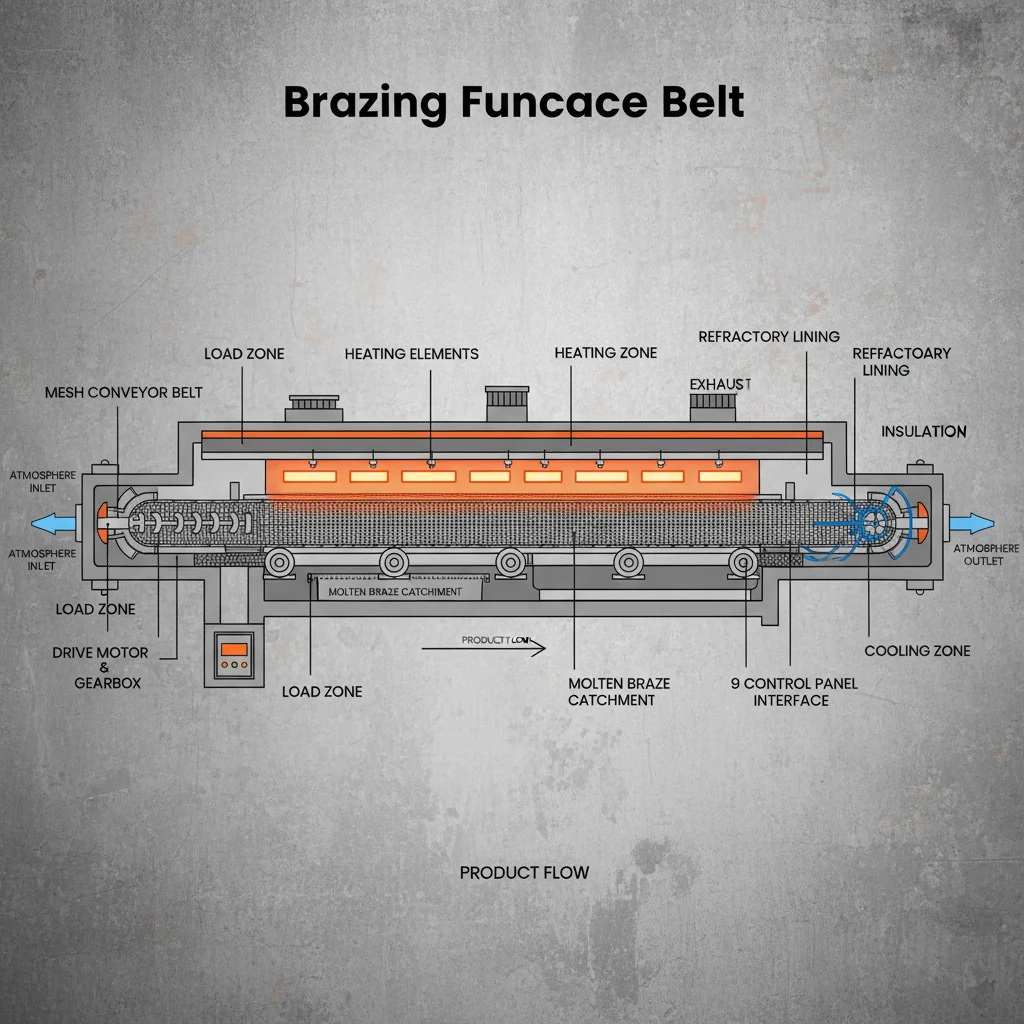 March 26, 2026Optimizing Brazing Processes with the Right Brazing Furnace Belt SelectionBrazing is a critical process in numerous industries, from automotive and aerospace to HVAC and manufacturing. Ensuring consistent and reliable operation of brazing furnaces is paramount, and a key component in achieving this is the brazing furnace belt. This article delves into the world of brazing furnace belts, exploring their function, types, materials, maintenance, and how to select the right belt for your specific brazing application. We'll cover everything you need to know to optimize your brazing process and maximize efficiency. A brazing furnace belt, also known as a mesh belt, is a continuous loop of metal mesh that serves as the conveyor system within a brazing furnace. It transports parts through the controlled atmosphere and heat, facilitating the brazing process. Its importance lies in providing a consistent and controlled method for part conveyance, ensuring uniform heating and cooling, and ultimately, the quality of the brazed joints.
 -
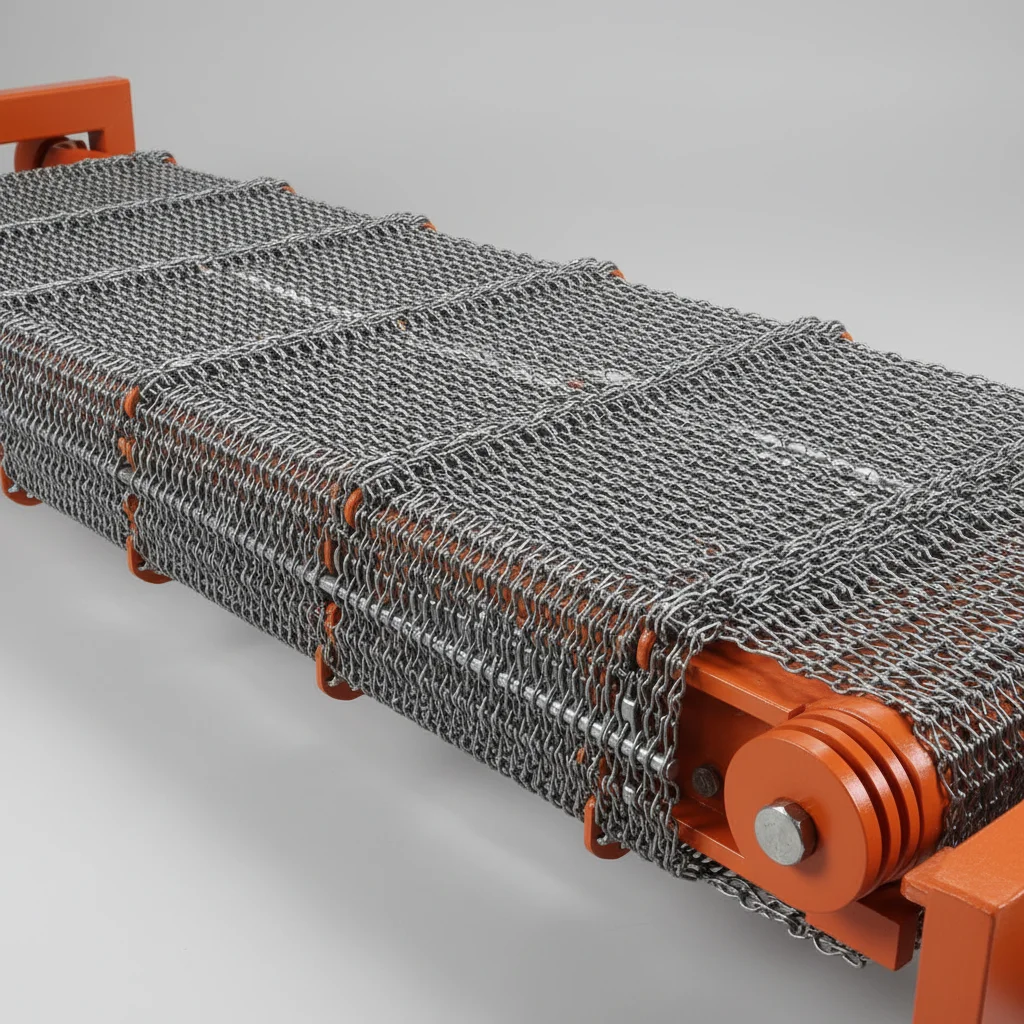 March 31, 2026Comprehensive Guide to Dryer Mesh Belt Technology and Industrial ApplicationsIn various industrial processes, efficient drying is critical. Dryer mesh belts play a vital role in achieving optimal results. These belts facilitate continuous drying processes, offering a robust and reliable solution for a wide range of materials. This article explores the intricacies of dryer mesh belts, their benefits, types, applications, and considerations for selecting the right belt for your specific needs. From food processing to chemical manufacturing, we'll cover how these belts enhance efficiency and product quality.
 -
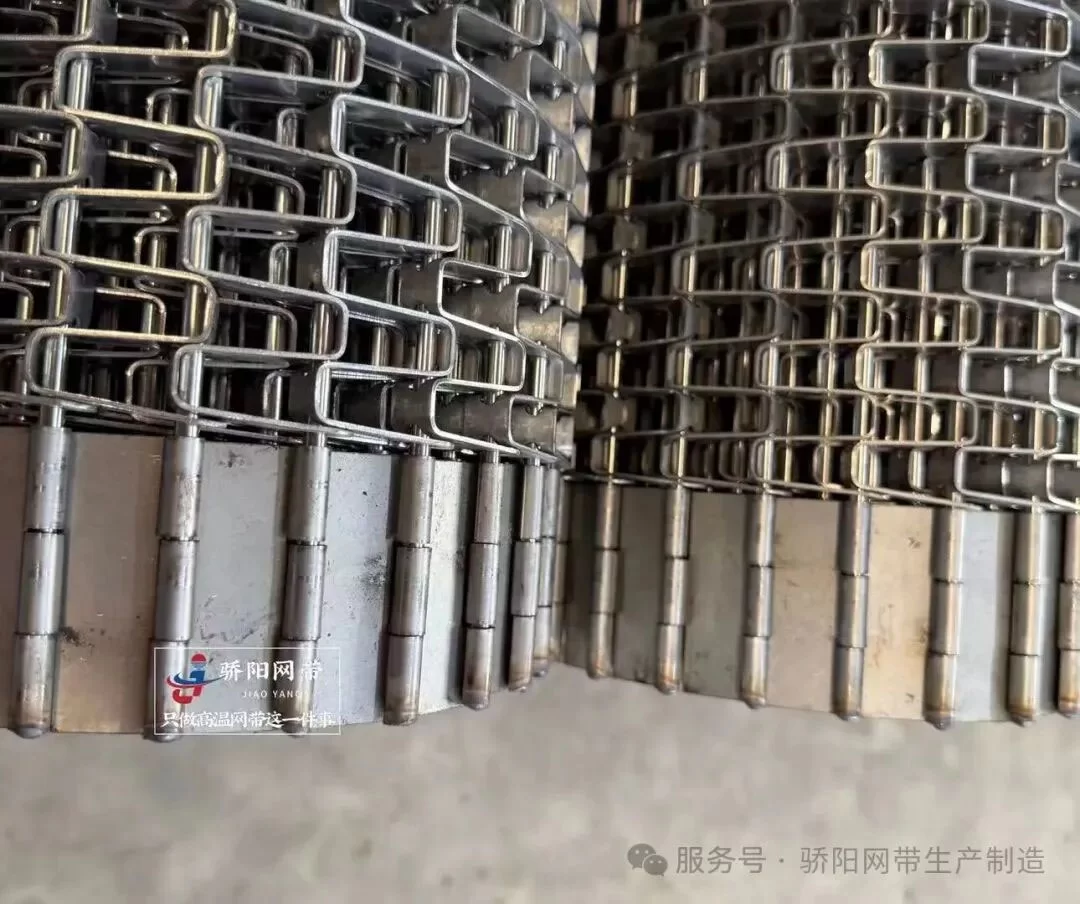 February 01, 2026What Are The Advantages Of The Great Wall Mesh Belt And Jiaoyang Products?
Jiaoyang selects excellent stainless steel materials, which meet the standards for strength, corrosion resistance, and wear resistance. Each batch of materials supports traceability.
-
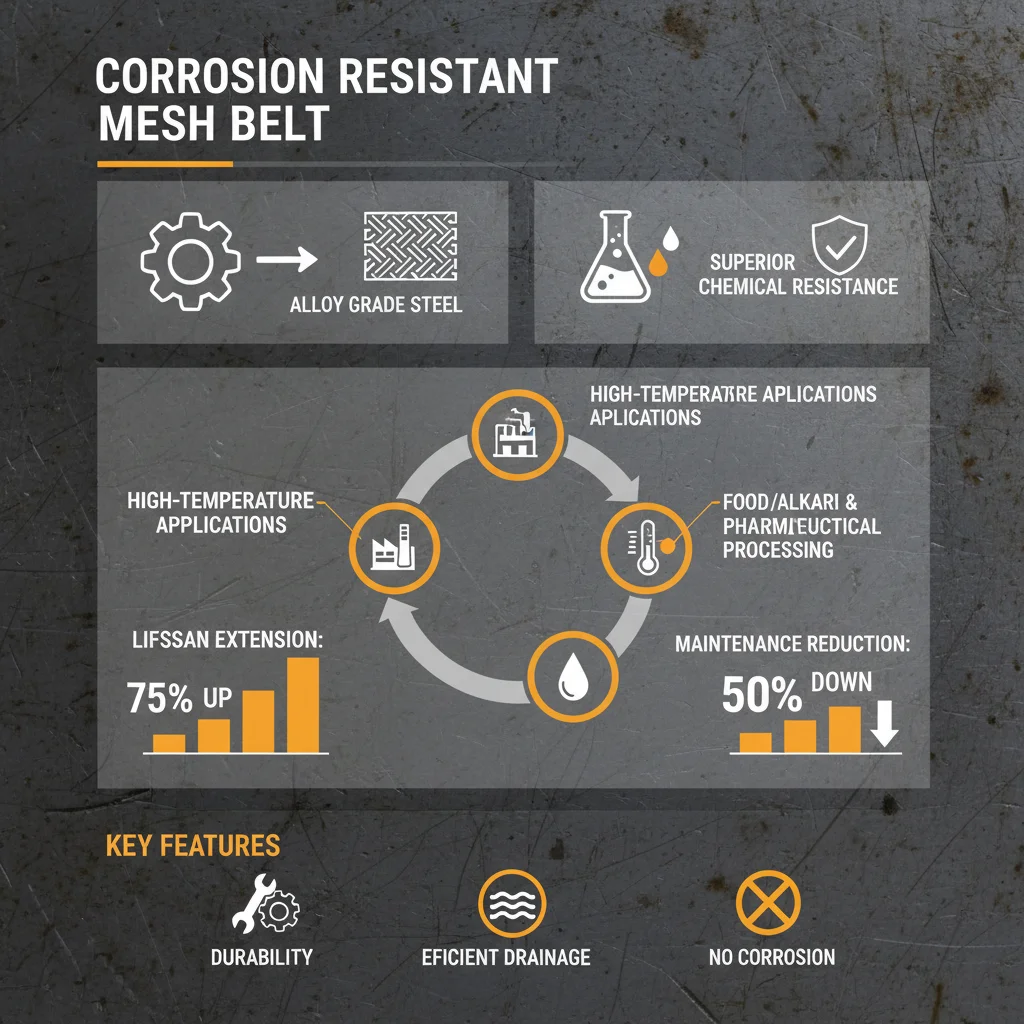 March 16, 2026Corrosion Resistant Mesh Belt SolutionsEngineered for durability, efficiency, and reliability in corrosive environments. Serving industries worldwide. Our corrosion resistant mesh belt solutions are at the forefront of materials science, offering exceptional resistance to acids, alkalis, and other corrosive agents. These belts are crucial for maintaining process integrity and minimizing downtime. We leverage advanced weaving techniques and specialized alloys to deliver superior performance, extended service life, and reduced total cost of ownership.
 -
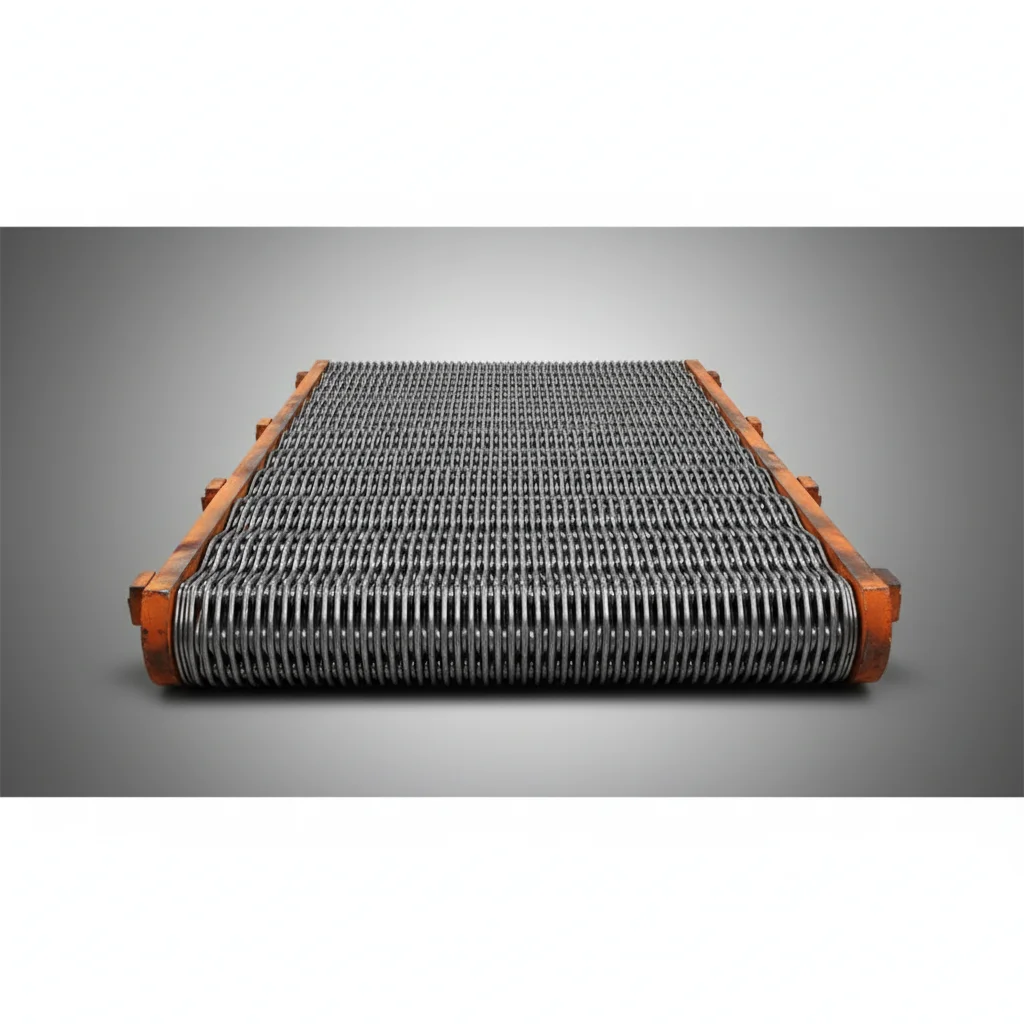 March 27, 2026Optimizing Heat Treatment Processes with Durable Mesh Belt FurnacesLook, I’ve been elbows-deep in construction for over 15 years, and let me tell you, the backbone of any serious heat treatment operation is the mesh belt. It’s not glamorous, no one’s writing songs about it, but if your furnace belt fails, everything grinds to a halt. We're talking serious downtime, scrapped parts, and a whole heap of frustration. A good Heat treatment furnace mesh belt isn’t just a component; it's a critical path item. It’s the thing that lets you move parts safely and consistently through the heat, impacting quality and throughput. Understanding this system isn’t just about specs and materials; it’s about recognizing how it impacts the entire process on the shop floor. I’ve seen a lot of belts in my time - cheap ones that stretch and warp, expensive ones that still can’t handle the load, and a few that just…fail spectacularly. That’s why getting the right heat treatment furnace mesh belt is key. It's about minimizing downtime, maximizing efficiency, and ultimately, delivering a quality product. It's not something you want to skimp on, believe me. The cost of a failure far outweighs the initial investment in a solid, reliable belt. The thing that often gets overlooked is the integration. It's not just about buying a belt; it's about making sure it fits your specific furnace, your part load, and your temperature requirements. A lot of companies sell you the belt, but don't give you the support to make sure it's working for you. That's where having a supplier that understands the entire heat treatment process, not just the mesh, makes all the difference.
 -
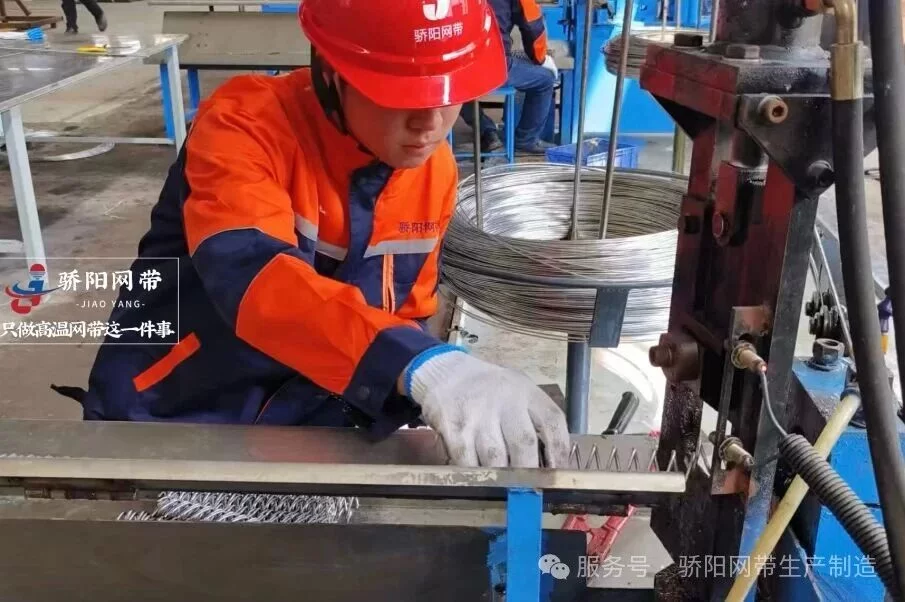 October 01, 2025After Laba Festival, It’s The New Year! It’s The Right Time To Prepare Goods For Online Shopping!
"Children, children, don't be greedy. After Laba, it's New Year", a well-known proverb, fully captures the special significance of the Laba Festival. Today is Laba, and a bowl of steaming hot Laba Congee, simmering with the warmth of the years, also awakens the deep longing for the New Year. Jiaoyang.com wishes all our new and old customers a healthy Laba Festival, warmth always with you, and all things go smoothly!
-
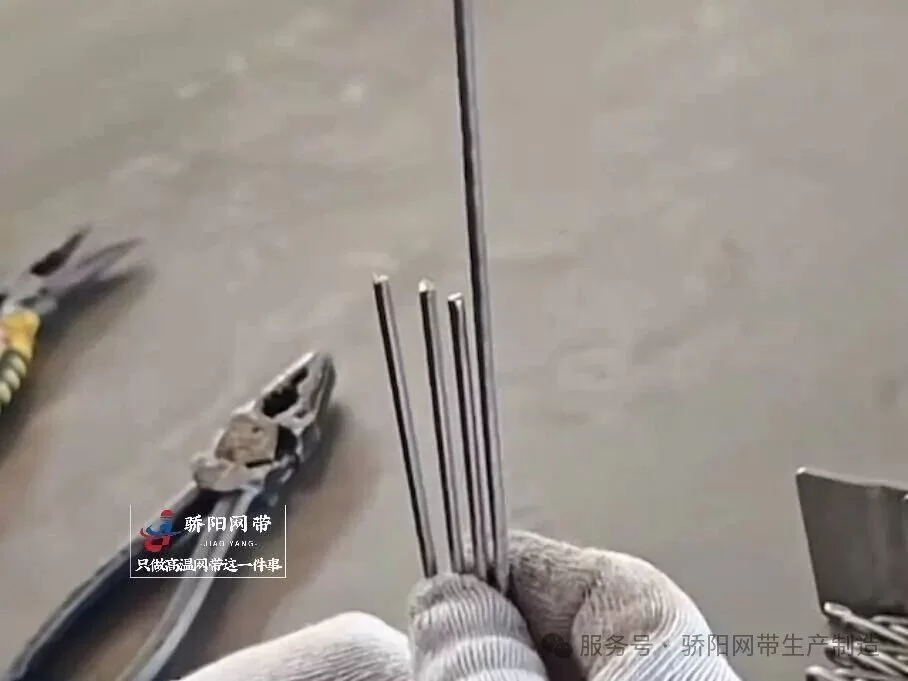 December 01, 2025How To Accurately Connect The Herringbone Mesh Belt And Blocking Plate?
In industries such as heat treatment, catalysts, and food baking, herringbone mesh belts with blocking plates are used to ensure a smooth surface and prevent material leakage.
Get Your Custom Solution
Facing challenges with high-temperature conveying? Contact us now.
Our engineers will provide you with expert product consultation and tailored solutions.
Sign up
for our Newsletter
Subscribe to the weekly newsletter for all the latest updates


