
Industrial Stainless steel conveyor belt Guide for Manufacturing
Industrial Stainless steel conveyor belt Guide for Manufacturing
The Ultimate Guide to Choosing a Stainless Steel Conveyor Belt
In the demanding world of industrial manufacturing, the efficiency of your production line often hinges on the quality of your transport systems. A high-performance stainless steel conveyor belt is more than just a moving surface; it is a critical component that ensures hygiene, durability, and seamless operation. Whether you are dealing with extreme temperatures in a food processing plant or corrosive chemicals in a pharmaceutical lab, selecting the right belt material can drastically reduce downtime and maintenance costs. In this guide, we will explore why stainless steel is the gold standard for industrial conveying and how to optimize your selection for maximum ROI.
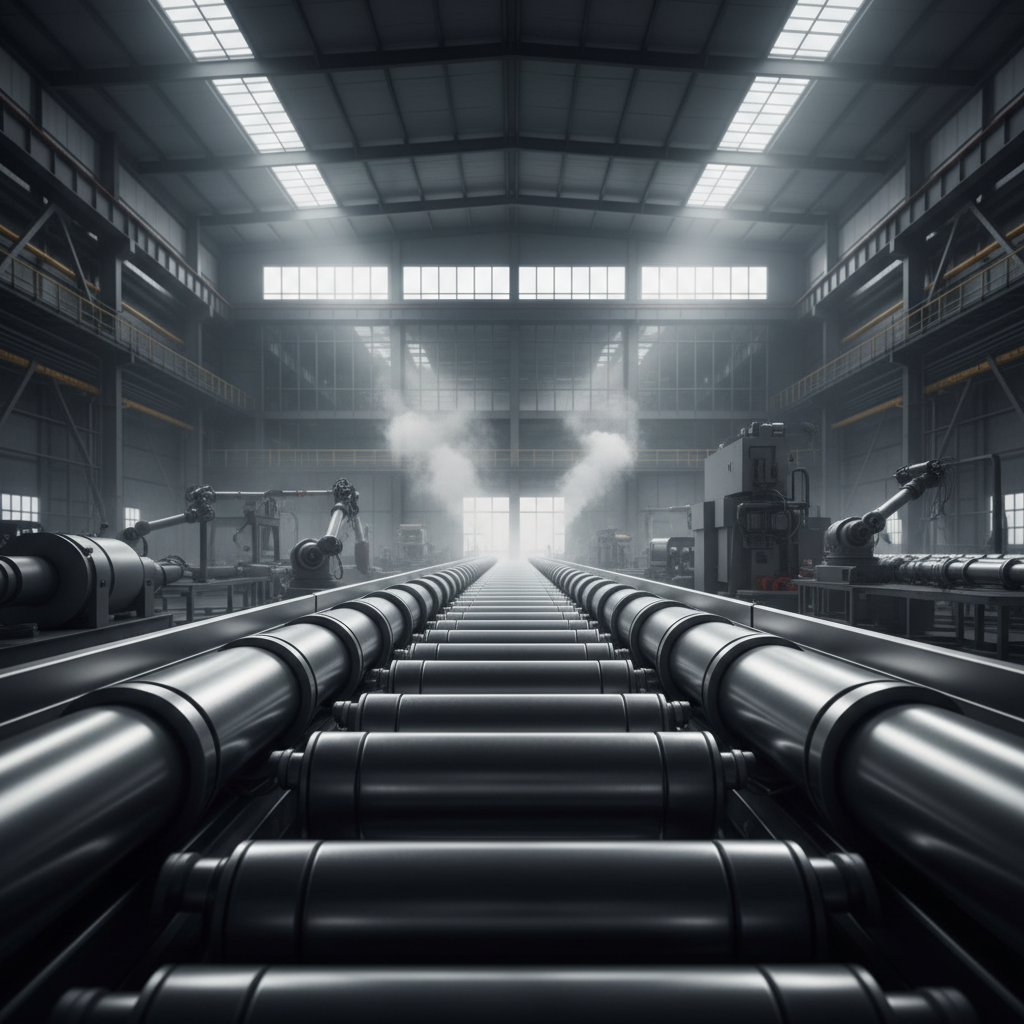
Unmatched Durability of the Stainless Steel Conveyor Belt
The primary reason industries pivot toward a stainless steel conveyor belt is its exceptional resilience. Unlike rubber or plastic belts, stainless steel does not fray, stretch, or degrade when exposed to high heat or abrasive materials. This makes it indispensable for heavy-duty applications. The inherent strength of the alloy allows for the transport of heavier loads without risking structural failure, ensuring that your facility maintains a steady throughput. Furthermore, the material's resistance to oxidation prevents rust, which is a critical requirement for maintaining a professional and safe industrial environment.
Pro Tip: For environments with high salt content or extreme humidity, consider Grade 316 stainless steel over Grade 304 for superior corrosion resistance.
Hygiene and Sanitation in Food Processing
In the food and beverage industry, sanitation is non-negotiable. A stainless steel conveyor belt provides a non-porous surface that prevents the buildup of bacteria and food particles. Unlike synthetic belts that can develop microscopic cracks where pathogens hide, polished stainless steel can be aggressively cleaned and sanitized using high-pressure water and chemical agents. This ensures full compliance with FDA and HACCP standards, protecting both the consumer and the brand from contamination risks. The open-mesh design also allows for efficient drainage and airflow, which is essential for cooling or drying products during transport.
Comparing Stainless Steel Conveyor Belt Types
Not all metal belts are created equal. Depending on the product you are moving, you might require a balanced weave, a spiral weave, or a wire mesh design. Selecting the wrong type can lead to product slippage or premature wear of the belt edges. When evaluating a stainless steel conveyor belt, it is vital to balance the "open area" percentage with the load-bearing capacity. A higher open area allows for better cleaning and airflow but may not support very small or heavy items as effectively.
Temperature Resistance and Thermal Stability
One of the most significant advantages of a stainless steel conveyor belt is its ability to operate in extreme thermal environments. While polymer belts melt or become brittle, stainless steel maintains its structural integrity from cryogenic freezing temperatures to scorching industrial furnaces. This thermal stability prevents the belt from warping or expanding unevenly, which ensures that the tracking remains precise and the product alignment stays consistent. This is particularly vital in automated lines where even a few millimeters of shift can cause a system jam.
Technical Specifications for Custom Belts
To maximize the lifespan of your equipment, you must specify the exact technical requirements of your stainless steel conveyor belt. Factors such as wire diameter, pitch, and edge reinforcement play a huge role in the belt's performance. For example, reinforced edges are essential for belts that must navigate tight radii or operate under high tension. Below is a typical specification table used for industrial procurement to ensure the belt meets the operational demands of the factory floor.
Conclusion: Optimizing Production with Stainless Steel
Choosing a stainless steel conveyor belt is a strategic decision that pays off through reduced maintenance, enhanced hygiene, and unparalleled longevity. By understanding the specific needs of your industry—whether it be the high-heat requirements of a furnace or the stringent cleanliness of a food plant—you can select a belt configuration that optimizes your workflow. Investing in quality stainless steel materials ensures that your production line remains robust, reliable, and ready for the challenges of modern industrial scale.
Frequently Asked Questions (FAQs)
How do I maintain my stainless steel conveyor belt to extend its life?
Maintenance for a stainless steel belt is significantly simpler than for synthetic alternatives, but it still requires attention. First, ensure that the conveyor tracking is regularly checked; a misaligned belt can cause the edges to rub against the frame, leading to premature wear. Second, implement a regular cleaning schedule using approved detergents to prevent the buildup of corrosive residues. Finally, inspect the drive sprockets for wear and tear, as a worn sprocket can cause "jumping" and stress the weave of the belt. Proper tensioning is also key to preventing sag and ensuring smooth product transport.
What is the difference between 304 and 316 stainless steel for belts?
The primary difference lies in the chemical composition, specifically the addition of molybdenum in Grade 316. Grade 304 is the most common "food grade" stainless steel and is excellent for most industrial applications. However, Grade 316 offers significantly higher resistance to chlorides (salts) and stronger acids. If your conveyor belt will be exposed to saltwater, brine, or harsh chemical cleaning agents, Grade 316 is the recommended choice to prevent pitting and corrosion, whereas 304 is more cost-effective for standard environments.
Can these belts handle extreme heat without warping?
Yes, one of the greatest strengths of the stainless steel conveyor belt is its thermal stability. Depending on the grade of steel used, these belts can withstand temperatures from sub-zero freezing up to 1100°C. Because stainless steel has a predictable coefficient of thermal expansion, the belts maintain their shape and tension much better than rubber or plastic. This makes them the only viable choice for applications like industrial baking, metal heat-treating, and cryogenic freezing tunnels.
Are stainless steel belts louder than plastic belts?
Generally, metal-on-metal contact can produce more noise than plastic. However, modern engineering has mitigated this. By using high-precision weaving and incorporating specialized wear strips (such as UHMW-PE) on the conveyor bed, the noise levels of a stainless steel belt can be significantly reduced. The trade-off for a slight increase in sound is a massive increase in durability, heat resistance, and hygiene. For most industrial settings, the performance benefits far outweigh the acoustic differences.
Prev:
-
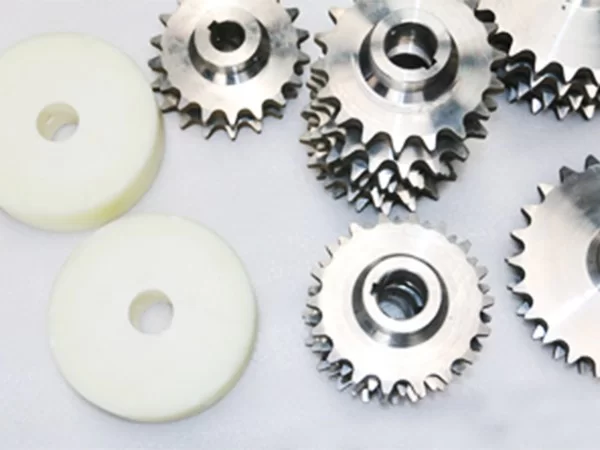 Sprockets
Jiaoyang offers a comprehensive range of standard sprockets and can also manufacture to order sprockets for new or replacement applications to suit any specified belt.
-
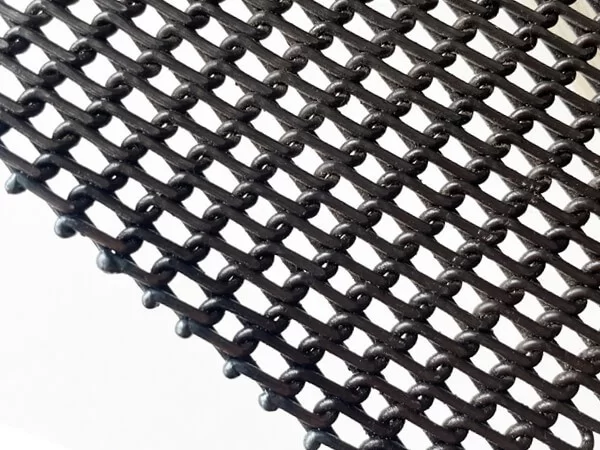 Biscuit Baking Belts | Rolled Baking Band
Biscuit Baking Belt also is known as Rolled Baking Band, Flat Rolled Baking Belt, Z Belts, Its name is based on the Z shape of the flattened spirals. The Biscuit Baking Belt is a highly usable conveyor belt for the bakery industry. The belt has been designed especially for baking biscuits directly on the belt in straight feed through ovens.
The Biscuit Baking Belt is a stratified metal spiral belt with a lightweight and a reduced thickness. Its design gives the belt low heat inertia, high strength, and good air circulation through the belt. This woven and stratified belt gives a superposition of the wires and an open mesh. The edges are looped.
-
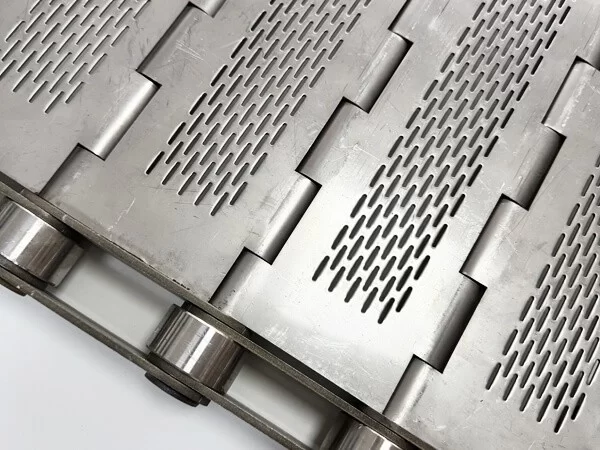 Plate Link Conveyor Belts
Plate Link Conveyor Belt is very strong, driven by stainless steel chain, made of stainless steel plate, and very suited to heavy load applications, running smoothly in the conveying process, easy to install and replace, and long in service life. Its self-supporting structure makes it be used over large widths without any support. PFM Screen’s Plate Link belt features an extremely robust design and high load capacity, making it the perfect choice for arduous engineering processes such as presswork, die-casting and forging.
-
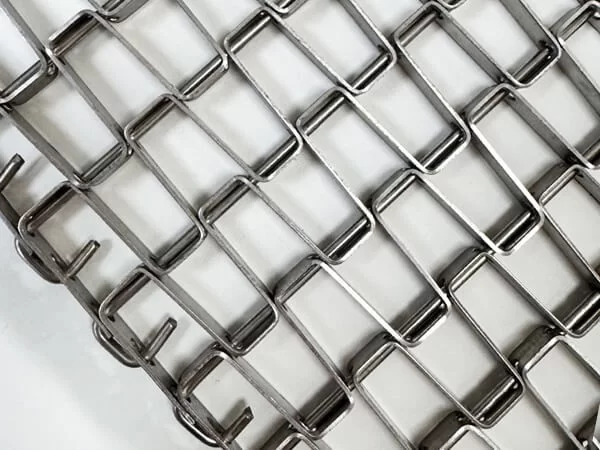 Honeycomb (Flat Wire) Conveyor Belts
Honeycomb conveyor belt, also called flat wire conveyor belt. The honeycomb belt is constructed of cross rods and a flat metal strip.
At the sides of the belt the cross rods have a welded ring (welded edges). In a number of dimensions it is possible to give the sides of the belt a clinged edge.
There are a number of predefined belt executions with different pitches and material dimensions. The belt can also be provided with side plates or flights. The flat wires are arranged in the form of lattice and jointed with the straight round rods. The material of flat wire belt are commonly high carbon steel, galvanized steel, stainless steel and other materials.
-
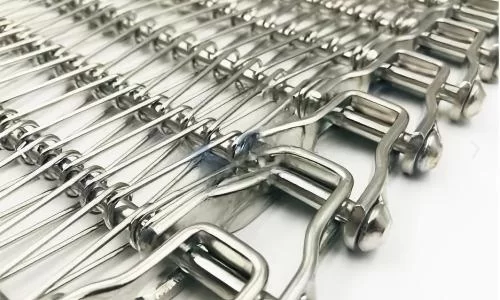 Flexible Rod Conveyor Belts
Flexible Rod Conveyor Belts :Also known as Grid Link Conveyor Belts.It is ……
-
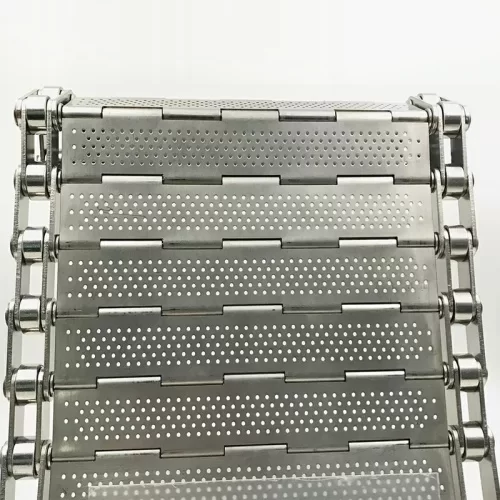 Plate Link Conveyor Belt
Plate conveyor belts are composed of hinged slats with or without holes. Hinge ……
-
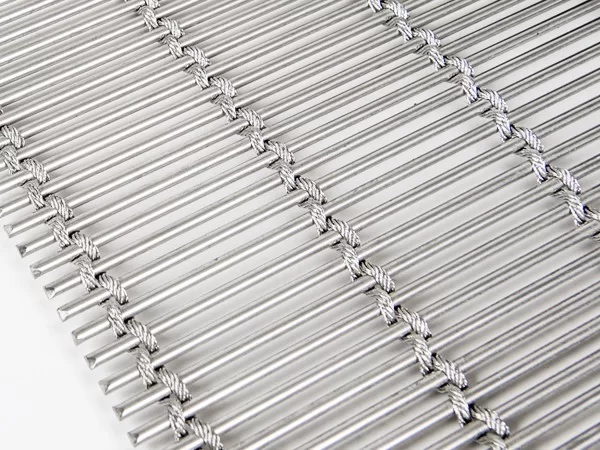 Woven Rod Bar Conveyor Belts
The woven rod bar belt is a specialized conveyor belt known for its durability, heat resistance, and versatile design, making it ideal for various industrial drying and conveying applications, especially in the food, agricultural, and chemical industries.
-
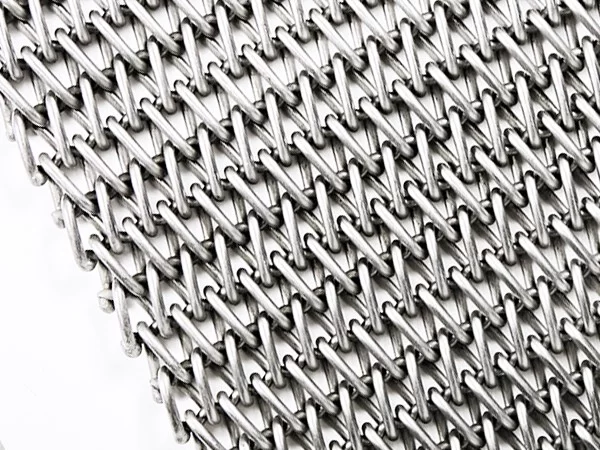 Wire Mesh Lehr Belts
Lehr Belts feature a balanced weave wire construction, composed of alternating right- and left-hand flattened spirals securely seated in crimped connector rods. The belt edges are welded to enhance durability and stability.
-
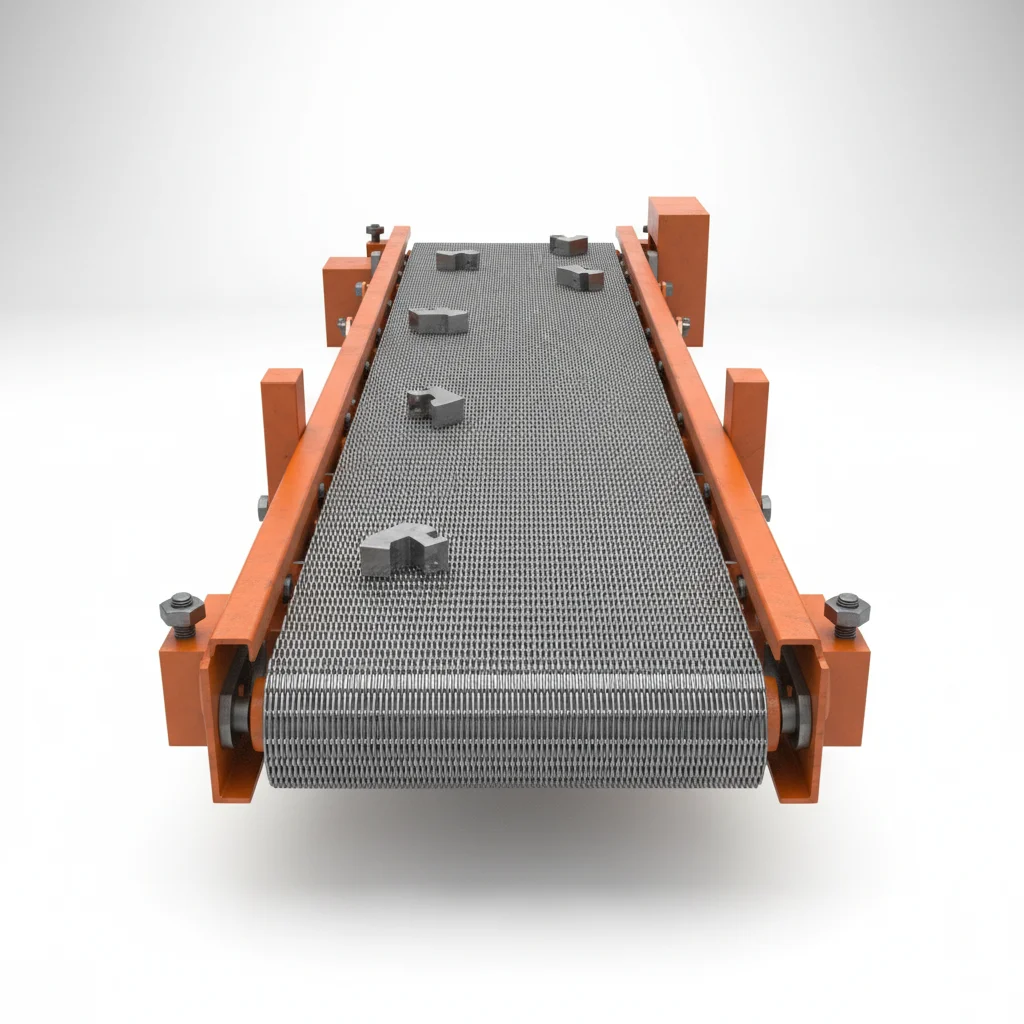 March 21, 2026Optimizing Material Handling with Durable Flat Flex Conveyor Belt SystemsIn the world of material handling, efficiency and reliability are paramount. Flat Flex Conveyor Belts have emerged as a versatile solution for a wide range of industries. This article will explore the benefits, applications, and key considerations when selecting a flat flex conveyor belt, focusing on how JY Mesh Belt can meet your specific needs. From food processing to logistics, we’ll cover how these belts optimize your operations. Flat Flex Conveyor Belts, also known as modular plastic belts, are constructed from small, interlocking plastic modules. These modules are typically made from materials like polypropylene, offering excellent strength, durability, and resistance to chemicals and temperature extremes. Unlike traditional belts, flat flex belts can be easily disassembled and reassembled, making them ideal for complex conveyor systems with curves, inclines, and declines.
 -
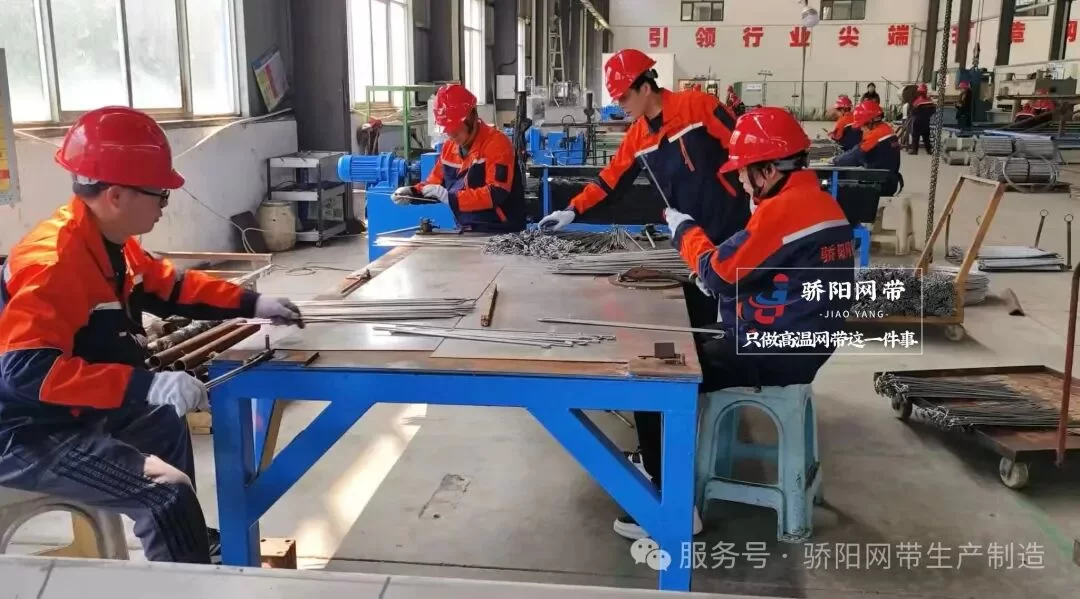 January 01, 2026What Are The Advantages Of Choosing A Photovoltaic Panel Pyrolysis Furnace Mesh Belt From Jiaoyang Products?
In the photovoltaic panel debris recycling industry, the stability of the pyrolysis furnace mesh belt affects production efficiency.
-
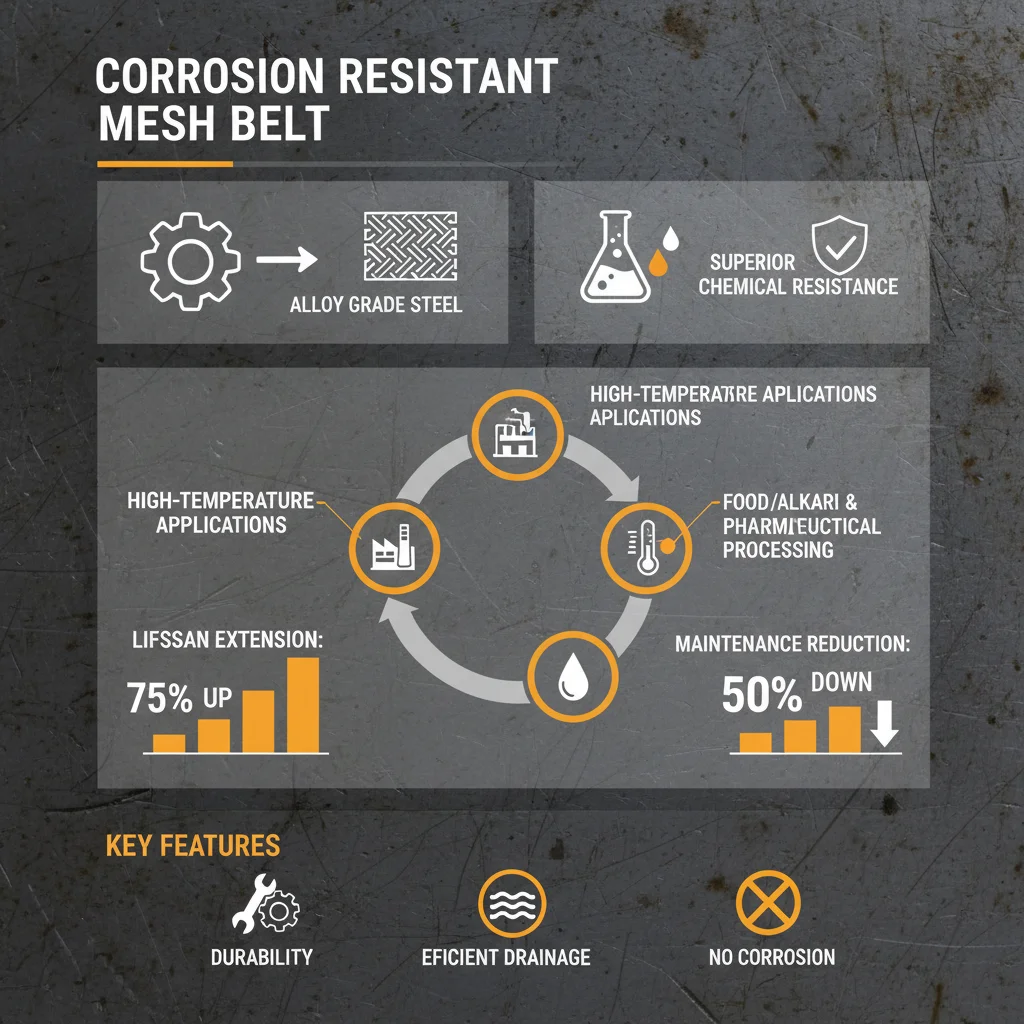 March 16, 2026Corrosion Resistant Mesh Belt SolutionsEngineered for durability, efficiency, and reliability in corrosive environments. Serving industries worldwide. Our corrosion resistant mesh belt solutions are at the forefront of materials science, offering exceptional resistance to acids, alkalis, and other corrosive agents. These belts are crucial for maintaining process integrity and minimizing downtime. We leverage advanced weaving techniques and specialized alloys to deliver superior performance, extended service life, and reduced total cost of ownership.
 -
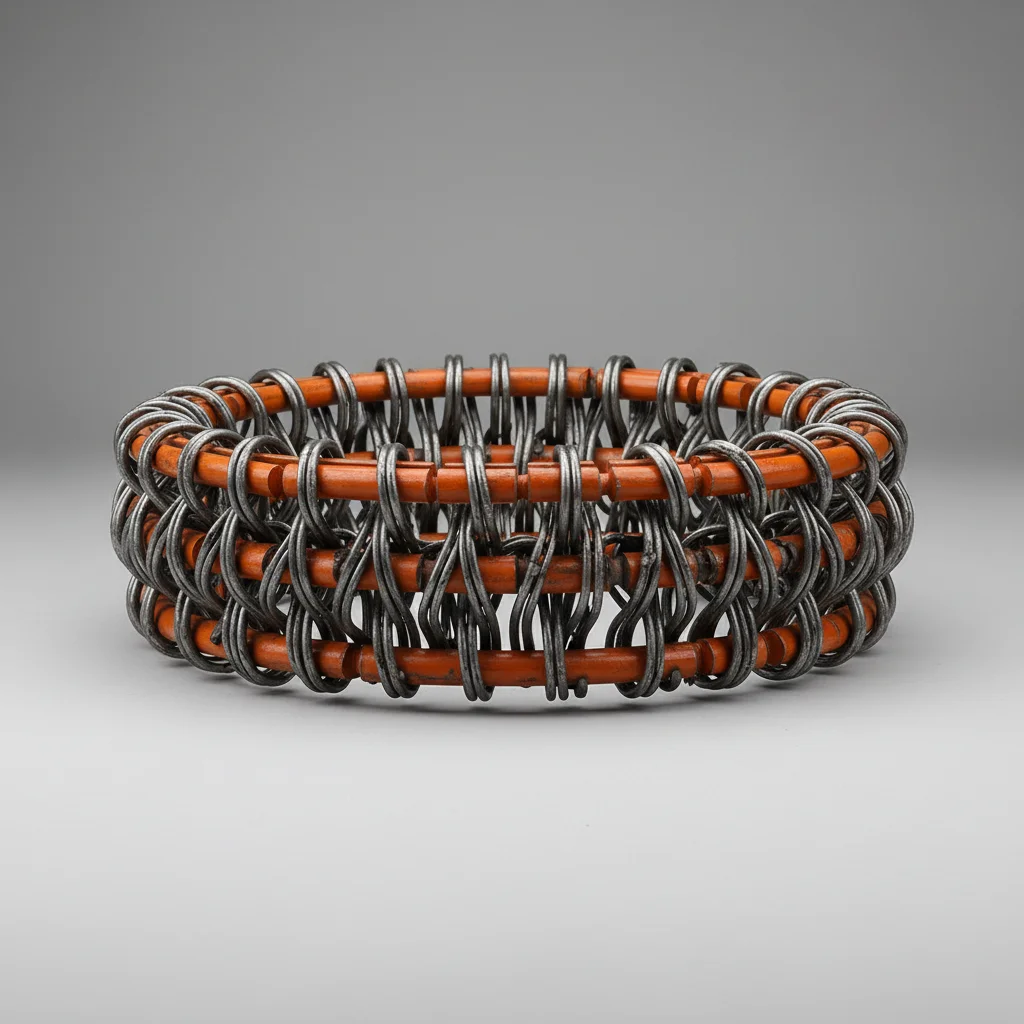 March 12, 2026Comprehensive Guide to Compound Balanced Weave Belt Technology and ApplicationsIn the world of industrial material handling, the efficiency and reliability of conveyor belts are paramount. Among the various types available, the Compound Balanced Weave Belt stands out as a robust and versatile solution. This article delves into the specifics of these belts, exploring their construction, benefits, applications, and why choosing the right weave is crucial for optimal performance. We'll examine how these belts contribute to streamlined operations and reduced downtime. A Compound Balanced Weave Belt is a type of conveyor belt constructed from interwoven strands of materials – typically stainless steel or other high-strength alloys. The “compound” aspect refers to the use of multiple strands combined to create a belt with increased strength and durability. The "balanced weave" design ensures the belt maintains stability during operation, preventing lateral movement and ensuring consistent tracking.
 -
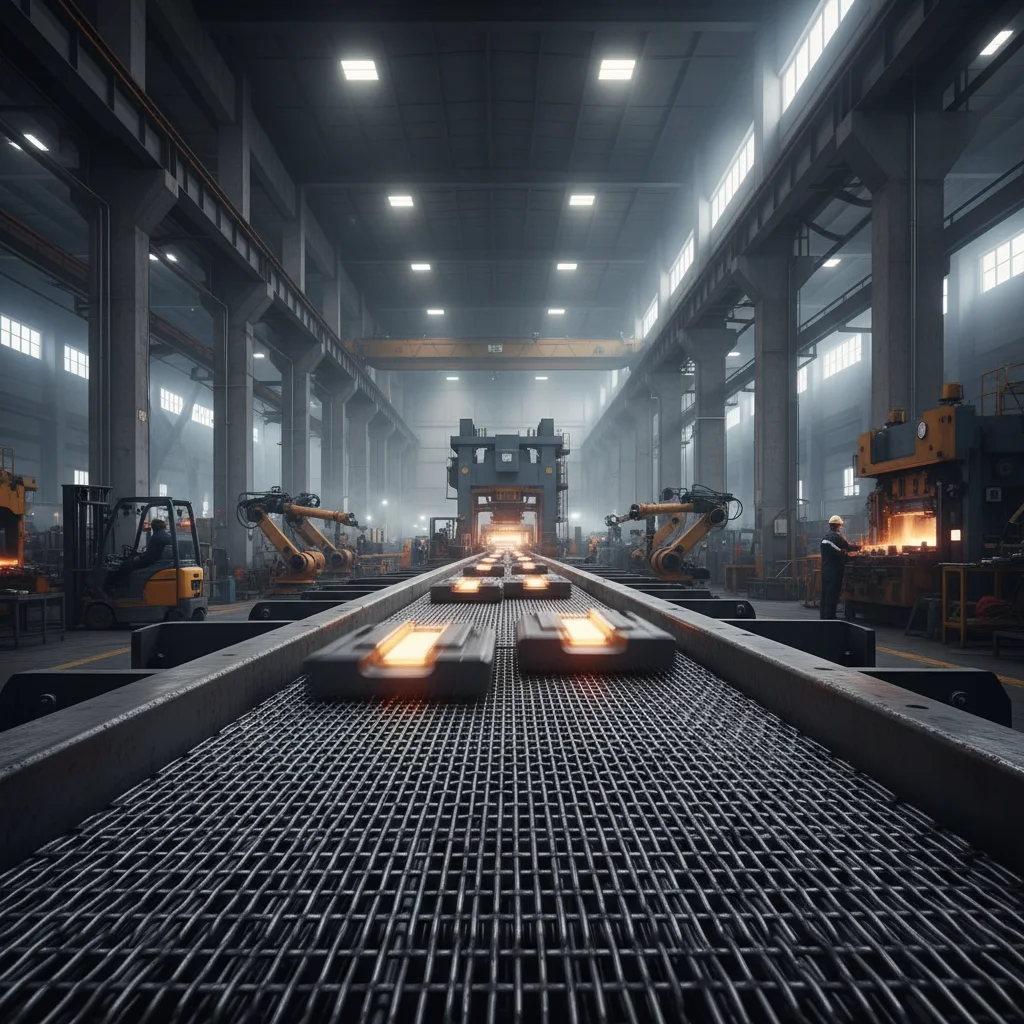 April 17, 2026High Performance Industrial Mesh Belt for Automation EfficiencyIn the modern landscape of industrial automation, the selection of a high-performance mesh belt is often the deciding factor between operational efficiency and costly downtime. These engineered components serve as the backbone for countless production lines, providing a stable, breathable, and durable surface for transporting materials through extreme temperature gradients and corrosive environments. Understanding the nuances of conveyor technology is essential for engineers and plant managers globally, as the shift toward Industry 4.0 demands hardware that can integrate seamlessly with automated sensors and high-speed drives.
 -
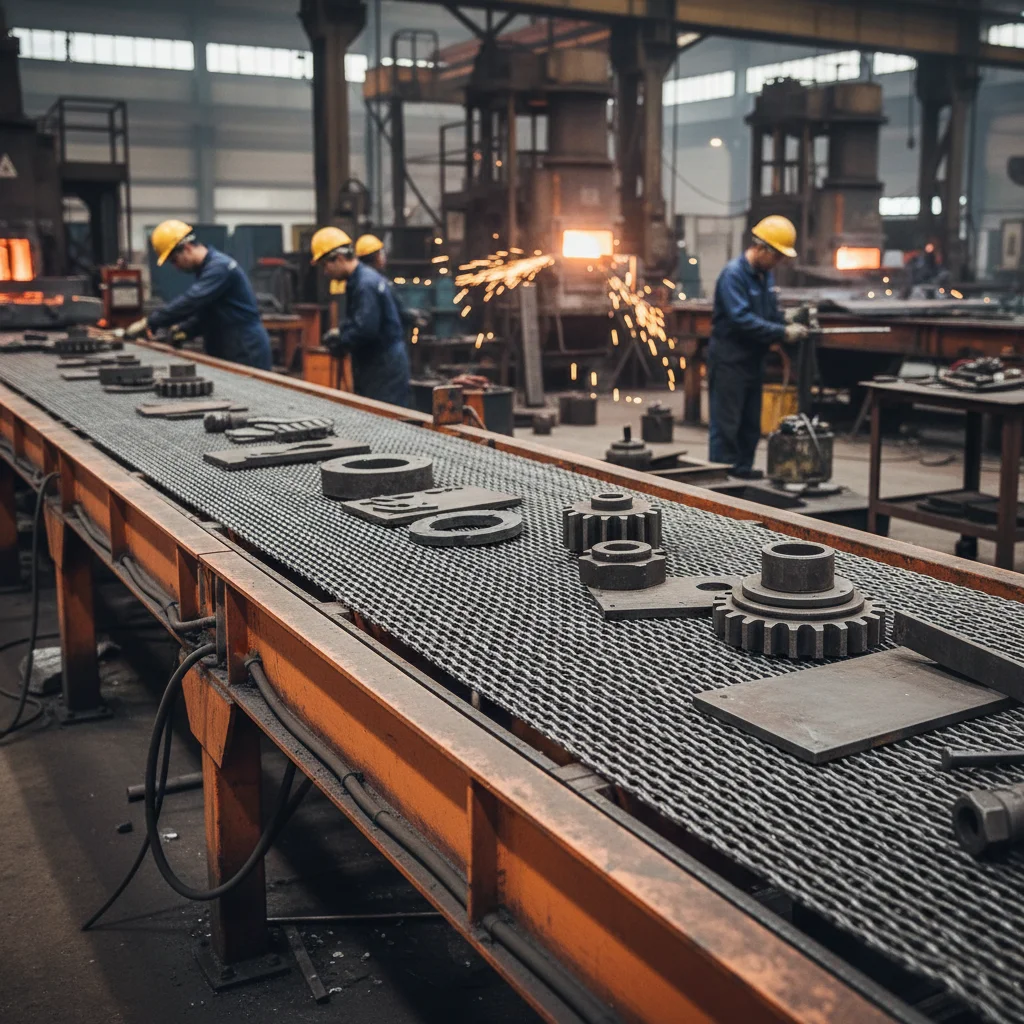 April 08, 2026Exploring the Versatility and Benefits of Metal Mesh Belt SystemsMetal mesh belt technology stands as a cornerstone of modern material handling, playing a vital role in countless industries across the globe. From food processing and pharmaceutical manufacturing to heat treatment and metalworking, these belts offer a reliable, efficient, and hygienic solution for conveying a wide range of products. Understanding the intricacies of metal mesh belt design, materials, and applications is crucial for optimizing operational efficiency and ensuring product quality in today’s competitive landscape.
 -
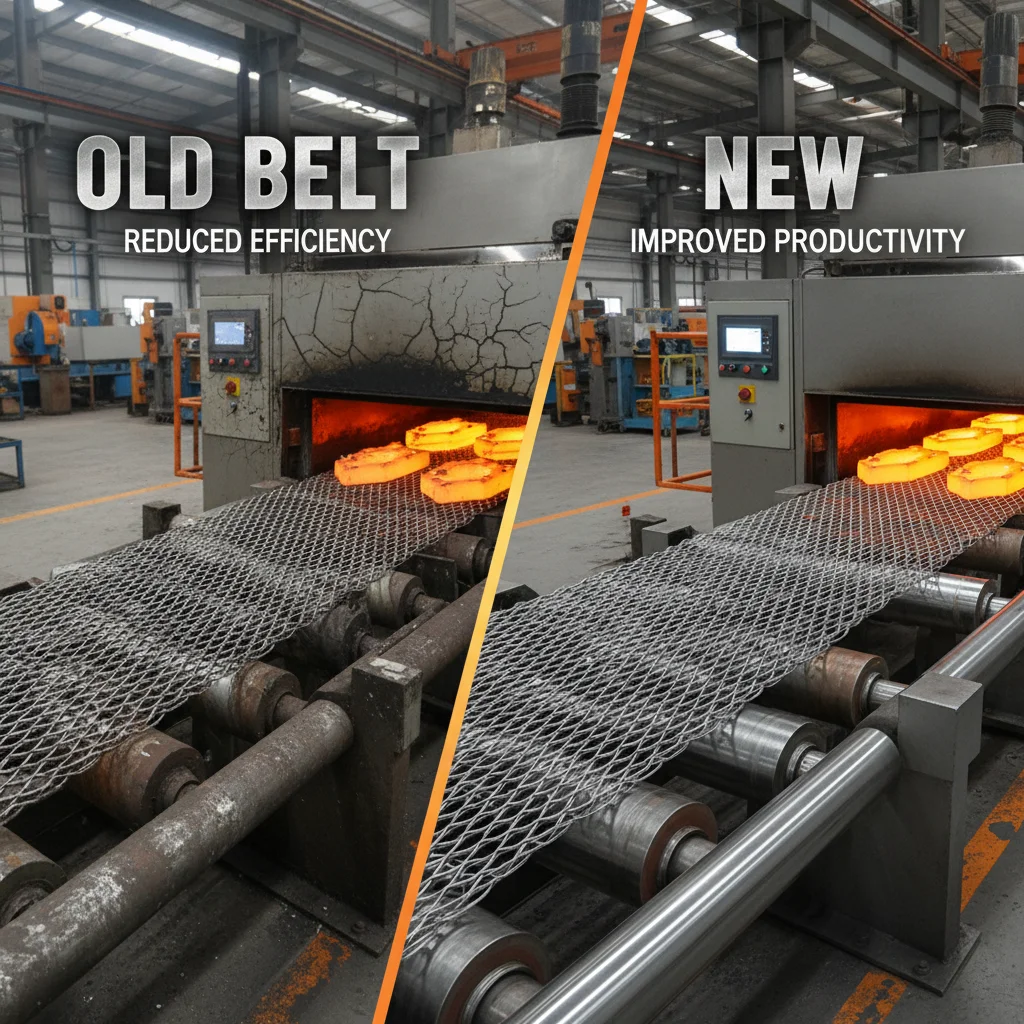 March 10, 2026Comprehensive Guide to Stainless Steel Wire Mesh Belt Applications and SelectionStainless Steel Wire Mesh Belt: A Comprehensive Guide I […]
 -
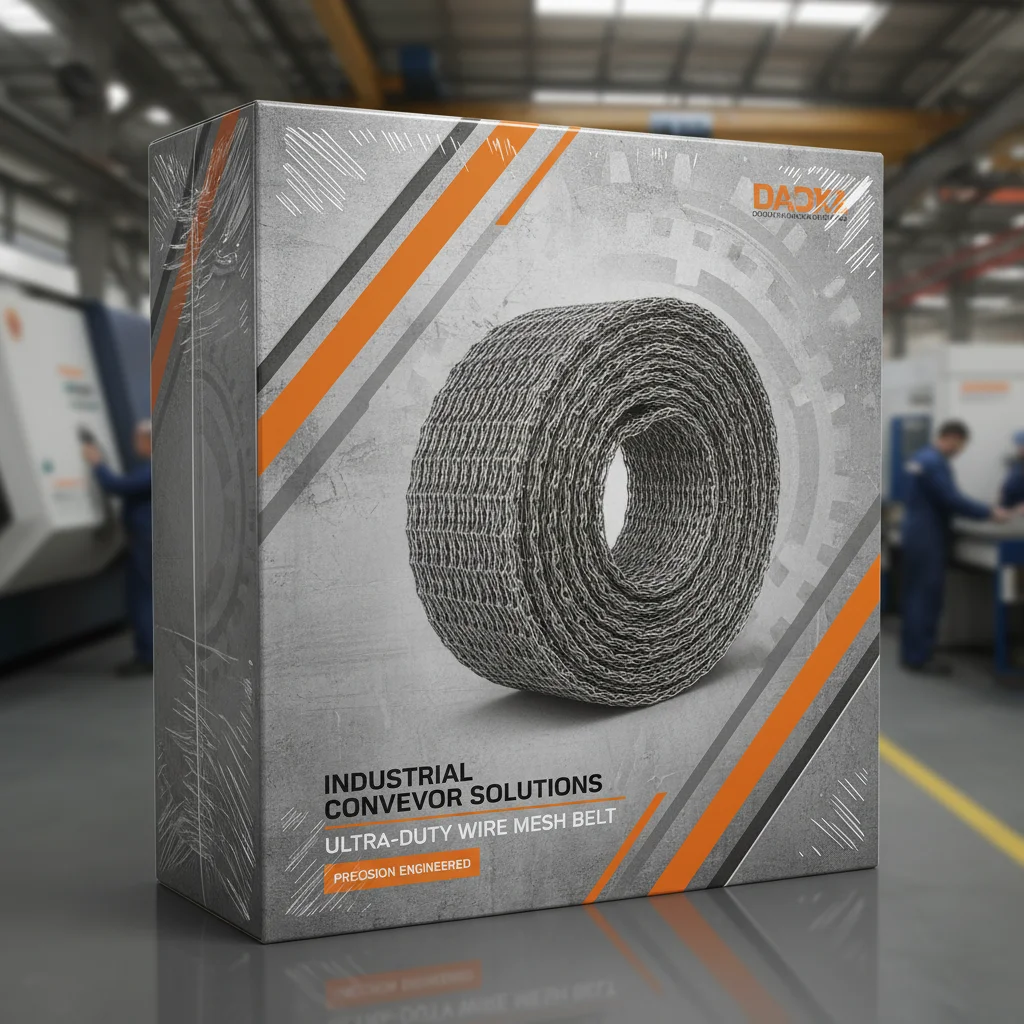 April 04, 2026Comprehensive Guide to Wire Mesh Belt Systems and Their ApplicationsIn numerous industries, efficient material handling is paramount. Wire mesh belts provide a robust and versatile solution for conveying a wide variety of products through various processes. This article delves into the world of wire mesh belts, covering their applications, benefits, types, and crucial considerations for selecting the right system for your specific needs. Whether you're involved in food processing, heat treatment, or any other industry requiring continuous conveying, understanding wire mesh belts is essential for optimizing your operations.
Get Your Custom Solution
Facing challenges with high-temperature conveying? Contact us now.
Our engineers will provide you with expert product consultation and tailored solutions.
Sign up
for our Newsletter
Subscribe to the weekly newsletter for all the latest updates


