
Woven Rod Bar Conveyor Belts
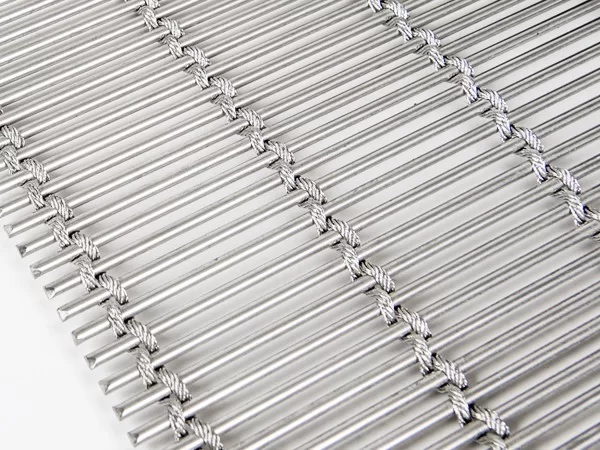
Woven Rod Bar Conveyor Belts
Contact Us Now >
Download
Design and Structure
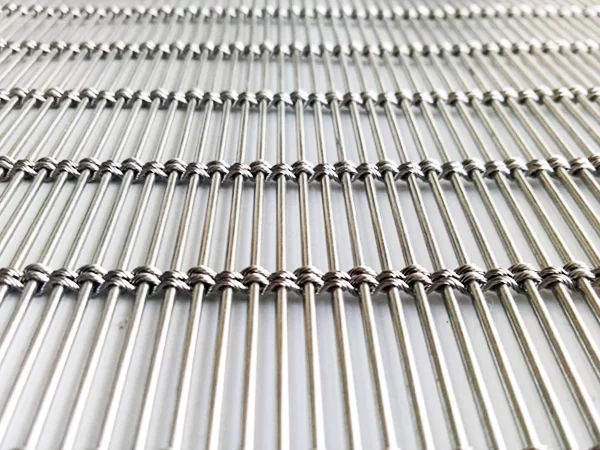
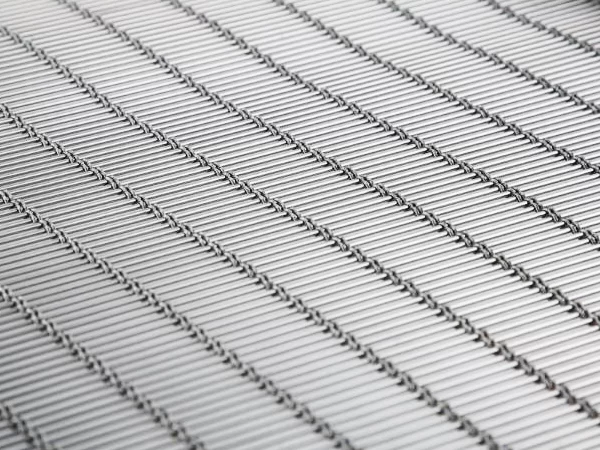
The woven rod bar belt is composed of smooth, solid crossbars, typically made from heat-resistant and corrosion-resistant metal, arranged in a woven pattern and interconnected by wire strands. These interwoven rods create an open, stable mesh that supports product movement while allowing for excellent airflow and uniform heat distribution—essential for drying processes.
The design is versatile, with two edge options:
Cut Edges: Ideal for applications that require more flexibility.
Reinforced Edges: Adds durability to the belt, preventing wear and providing a longer service life under heavy usage.
Material and Temperature Resistance
Constructed from high-temperature-resistant alloys such as stainless steel, the woven rod bar belt can withstand temperatures of up to 400°C, making it suitable for demanding environments. The belt's materials are also designed to resist corrosion, which ensures consistent performance and longevity in both dry and humid conditions.
Standard Sizes and Customization
This belt can be produced in various widths, up to 3,500 mm, which enables compatibility with a wide range of industrial conveyors. The option to customize the belt width and select materials makes it adaptable to specific processing needs, from small-scale production lines to large industrial setups.
Advantages of Woven Rod Bar Conveyor Belts
Customization: Can be tailored to specific needs with variations in rod diameter, spacing, and materials to meet diverse industrial requirements.
Ventilation and Drainage: The mesh structure provides excellent ventilation and drainage, ideal for applications needing airflow or liquid drainage, like food processing and drying.
Flexible Design: The flexible structure adapts to various shapes and contours, suitable for conveyor systems navigating curves or irregular surfaces.
Temperature Resistance: With appropriate materials, these belts can withstand high temperatures, making them suitable for heat treatments and other high-temperature processes.
High Flexibility: The flexibility in the running direction significantly improves metal fatigue resistance, even at high speeds on small diameter pulleys.
Easy Cleaning and Maintenance: The open structure facilitates easy cleaning, while inspections and repairs are relatively straightforward.
Belt Types
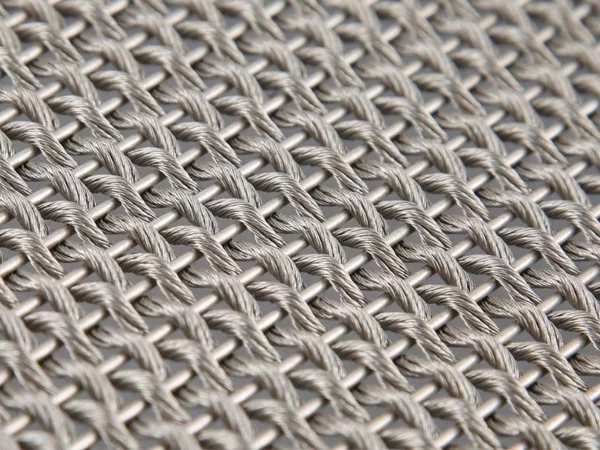
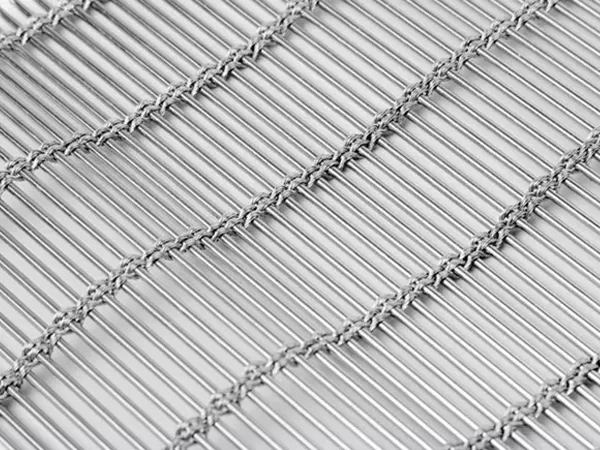
Woven Rod Bar Conveyor Belts is a simple woven wire fabric with square and rectangular grids. It is made of single wires with circular cross-section in the weft direction and one or more wire ropes in the warp direction on a heavy-duty loom.
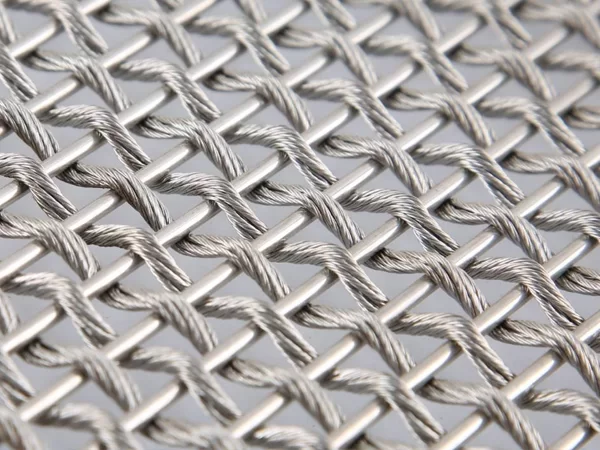
One warp wire rope
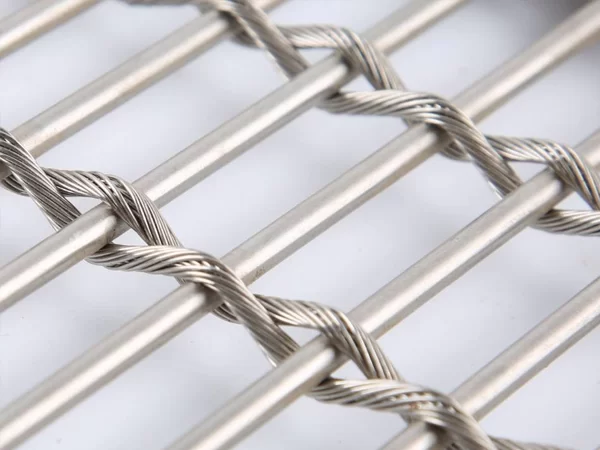
Two warp wire ropes
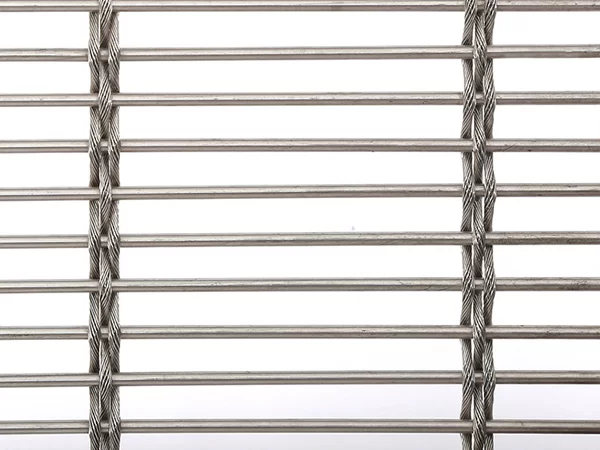
Three warp wire ropes
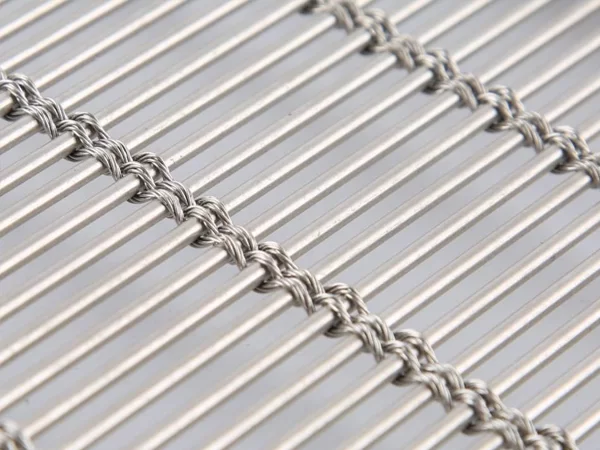
Four warp wire ropes
Edge Availability
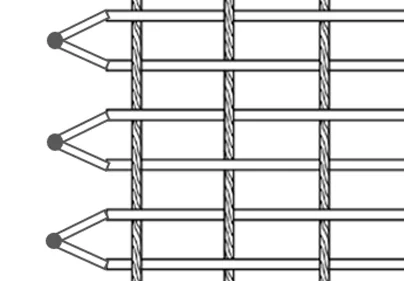
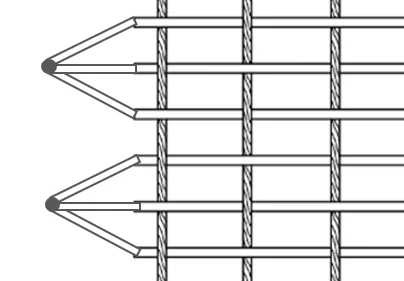
The weft wires are plasma-welded into groups of 2 or 3, which prevents them from shifting and protects the edges from damage.
Joining Methods
Pin-Joint
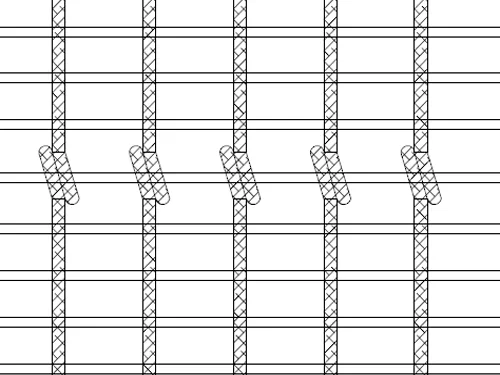
This is the preferred joining method. The belt’s leading and trailing ends are designed with pre-formed loops, allowing a pin to be inserted through them. This system enables quick and easy assembly and disassembly directly on the machine.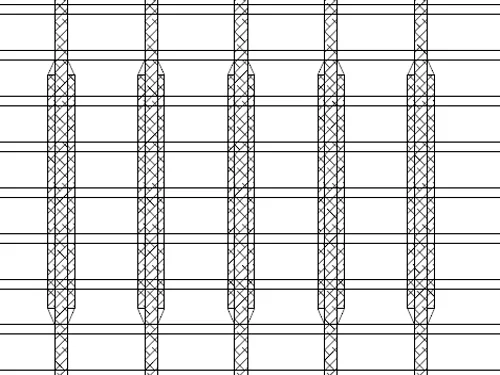
Endless Seam
The belt is supplied as an endless loop, with warp cables interwoven to form a seamless join. This method is ideal for applications requiring consistent openings along the belt’s length. Since this joining requires the belt to be installed from the side, it necessitates a specially designed machine setup.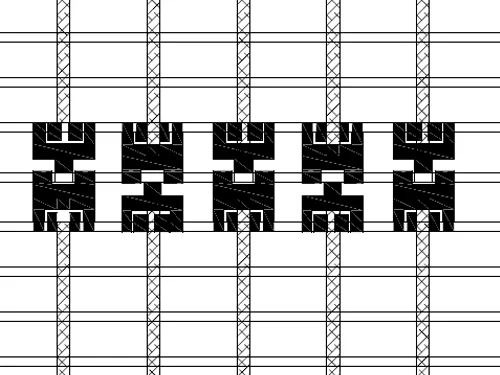
Staple Fastener Clipper
This joint uses staple fasteners, allowing quick and secure assembly of the belt. The clipper-style connection is durable and can withstand various applications, making it suitable for situations where the belt may need frequent assembly and disassembly.
Specifications
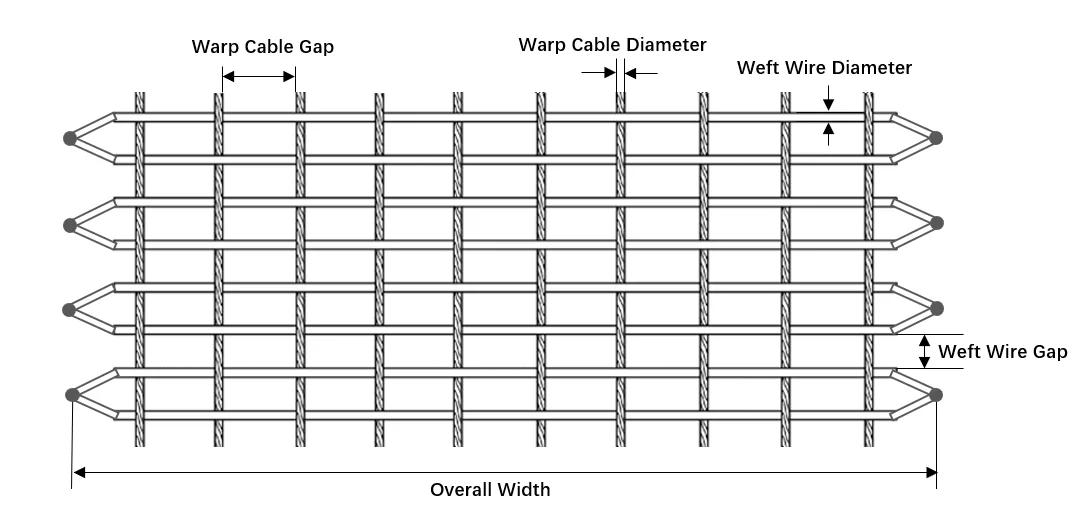
Stranded Warp Cable Diameter: 0.7 – 1.2 mm
Weft Wire Diameter: 1.5 – 2.5 mm
Weft Wire Gap: 1.0 – 3.0 mm
Warp Cable Gap: 8.0 – 24.0 mm
Note: The above are general belt data, special data can be customized.
The woven rod bar belt is particularly popular in industries where products need to be conveyed and dried efficiently. Typical uses include:
Food Processing: Commonly used for drying and conveying vegetables, fruits, and mushrooms due to its gentle handling and effective drying properties.
Agriculture: Efficiently dries green fodder, hops, and tobacco, ensuring even drying without product damage.
Chemical Processing: Suitable for high-temperature chemical drying and conveying processes, where robust, corrosion-resistant materials are necessary.

Woven Rod Bar Conveyor Belts for Fish Freezing
Woven Rod Bar Conveyor Belts for Baking
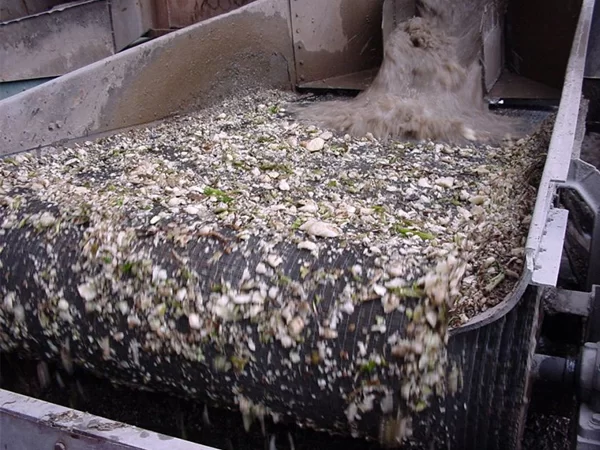
Woven Rod Bar Conveyor Belts for Dewatering
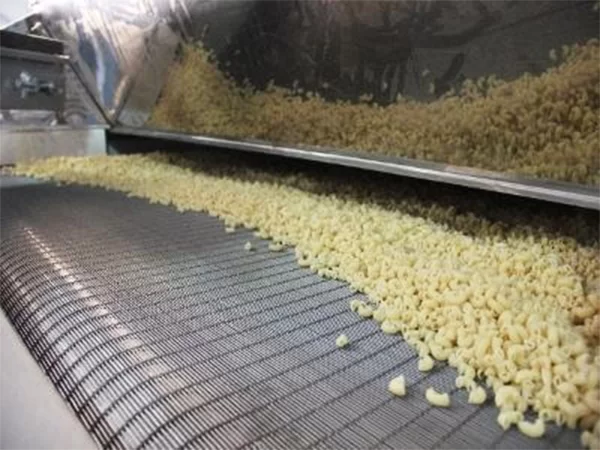
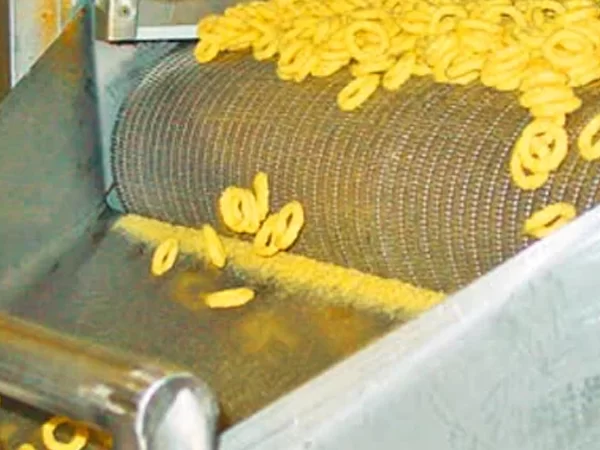
Woven Rod Bar Conveyor Belts for Pasta Drying
-
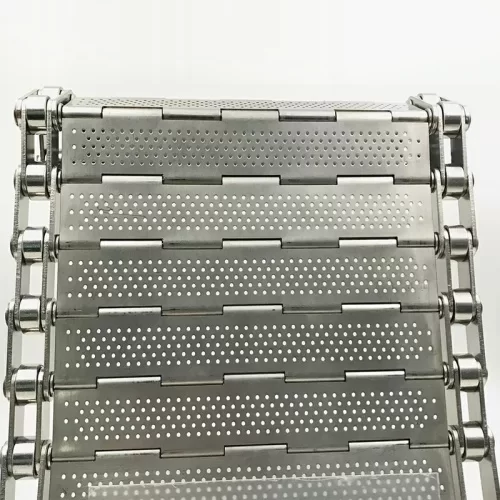 Plate Link Conveyor Belt
Plate conveyor belts are composed of hinged slats with or without holes. Hinge ……
-
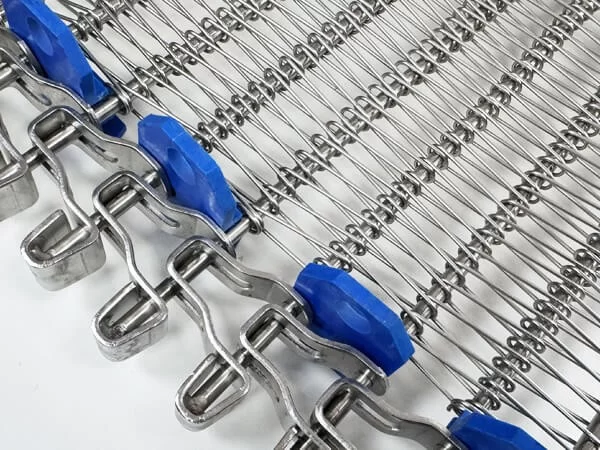 Edge Drive Spiral Freezer Belts
Edge Drive Spiral Freezer Belts are precision-engineered stainless steel conveyor belts used in spiral freezers across the food processing industry. Designed for edge-driven systems, these belts provide stable, hygienic, and efficient transport of food products during the freezing process. They are ideal for high-capacity operations where product integrity, airflow, and hygiene are critical.
-
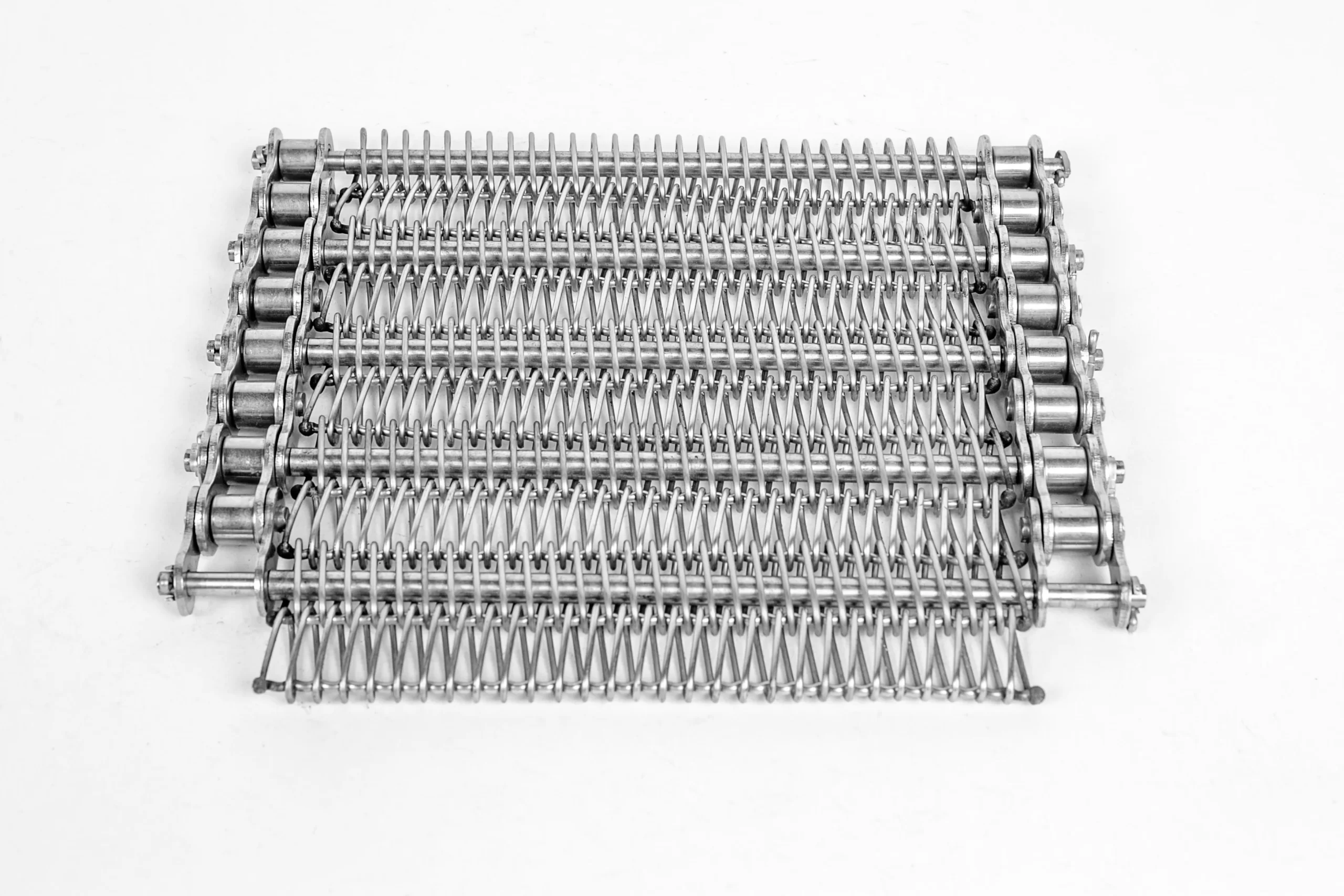 Chain Driven Conveyor Belts
Stainless steel chain link belt with precision-driven rollers
-
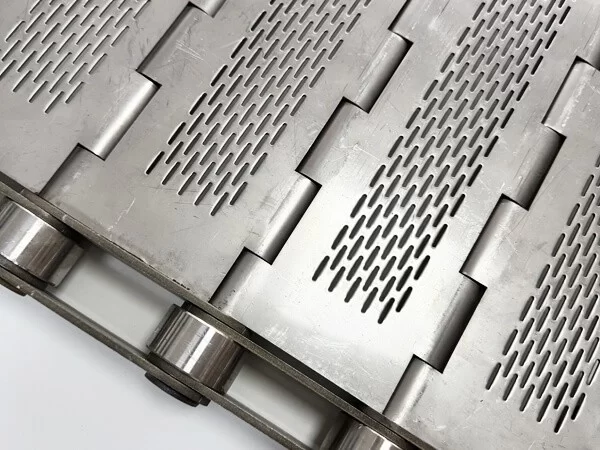 Plate Link Conveyor Belts
Plate Link Conveyor Belt is very strong, driven by stainless steel chain, made of stainless steel plate, and very suited to heavy load applications, running smoothly in the conveying process, easy to install and replace, and long in service life. Its self-supporting structure makes it be used over large widths without any support. PFM Screen’s Plate Link belt features an extremely robust design and high load capacity, making it the perfect choice for arduous engineering processes such as presswork, die-casting and forging.
-
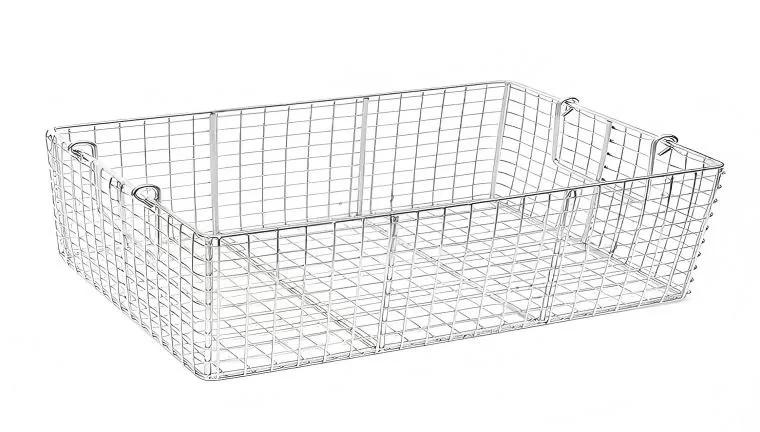 Stainless steel basket
Personalized customization service: If you have special requirements, whether it is material, sty……
-
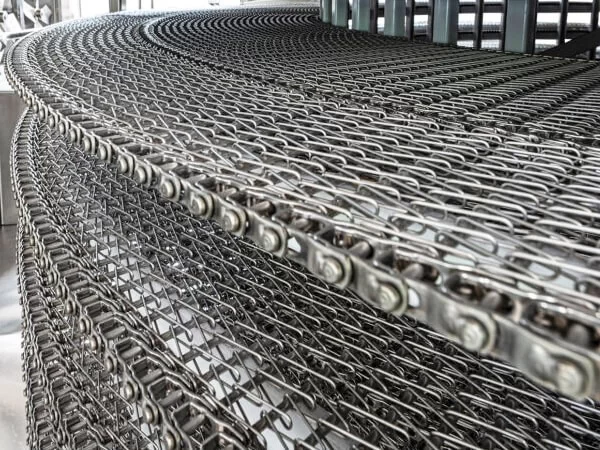 Spiral Freezer Belts
Spiral Freezer Belts also known as Spiral Cooler Belts or Spiral Cage Belts are specialized conveyor belts widely used in spiral freezing and cooling systems in food processing industries. They provide continuous product transport with high efficiency, optimized airflow, and minimal footprint.
-
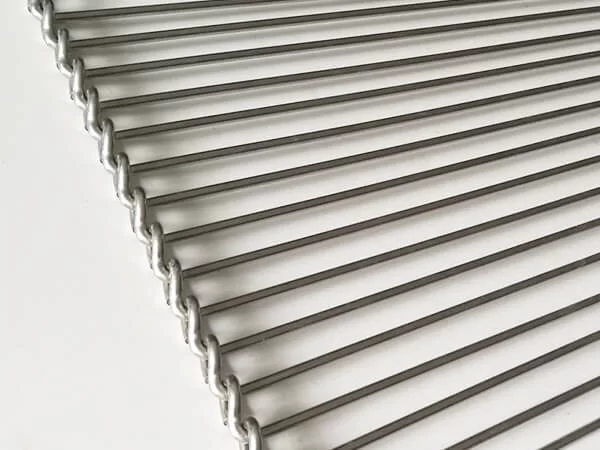 Ladder Conveyor Belts
Ladder Conveyor Belt is a simple but effective style of conveyor belt, generally used belt for common processes and common product loads. Its open design provides efficient operation with minimum maintenance as well as facilitating easy and thorough cleaning. Its lightweight and basic configuration make it a very economic and cost-effective style of belting for many different environments. The ladder belts are used in production processes with temperatures of -100ºC to +450ºC in food and other industries.
-
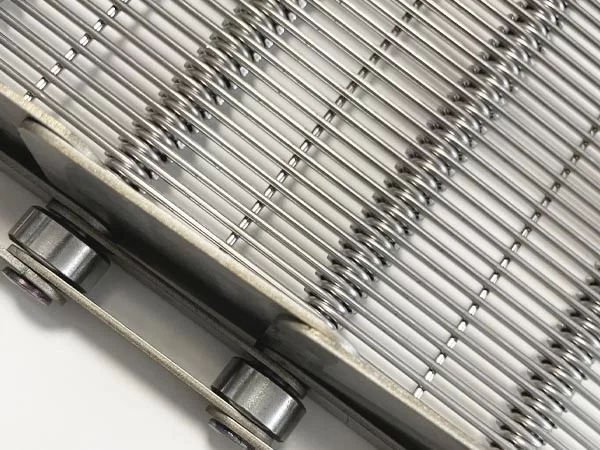 Eye Link Conveyor Belts
Eye Link Conveyor Belts, also named Wire Link Conveyor Belts, Eye-Flex Conveyor Belt, Wire Loop Belt. Eye link belts are produced of stainless steel or other alloys. They consist of a series of eye links or eye link modules. Joined with cross rods they form a flat, simple surface, which is extremely stable and durable. The qualities of this versatile conveyor belt form a combination of advantages that make it particularly suitable for the most demanding applications in the food, chemical, pharmaceutical and packaging industries.
-
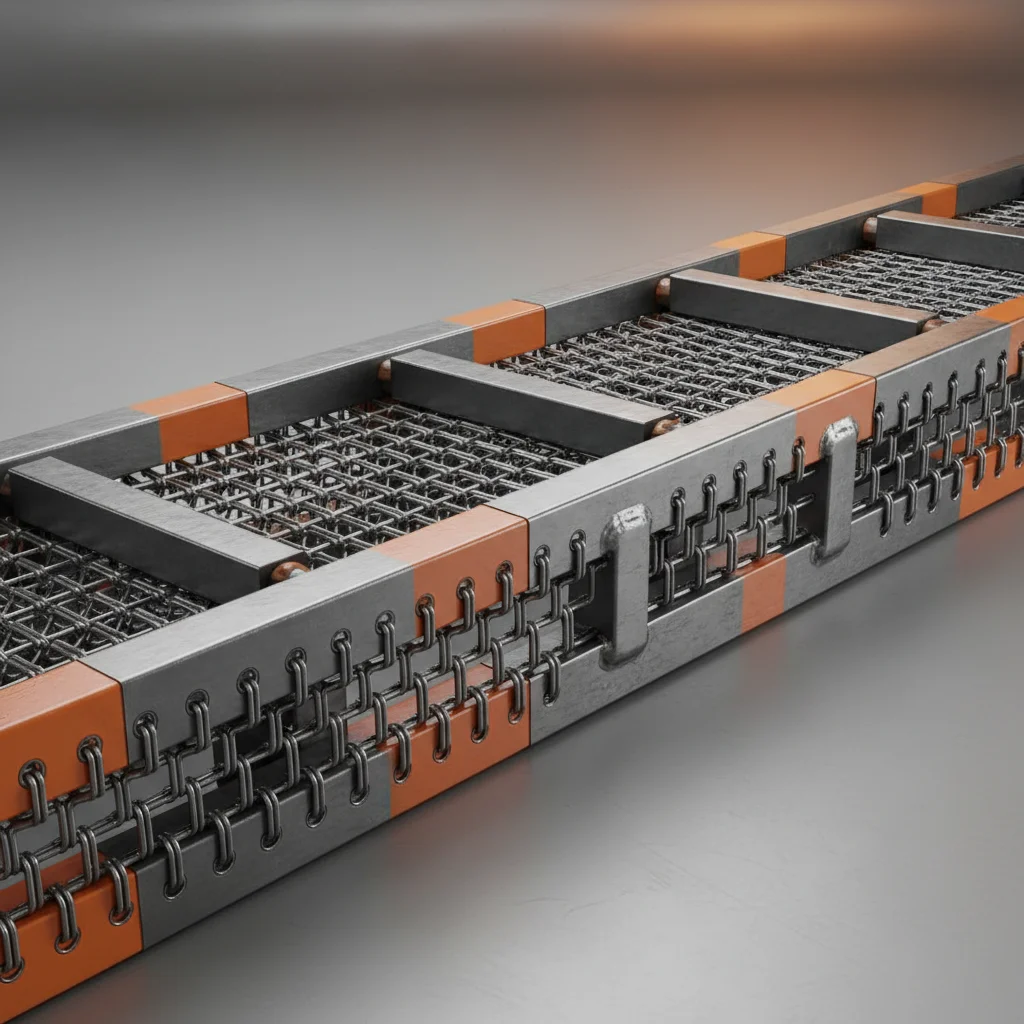 April 09, 2026Industrial Mesh Belt Guide for Production Line EfficiencyIn the world of industrial processing, the efficiency of your production line often depends on the smallest components. A high-quality mesh belt serves as the backbone for countless operations, from food baking and pharmaceutical processing to heavy-duty metal heat treatment. Choosing the right belt material and weave can mean the difference between seamless operation and costly downtime. This comprehensive guide will walk you through everything you need to know about selecting, maintaining, and optimizing your conveyor systems to ensure maximum productivity and longevity.
 -
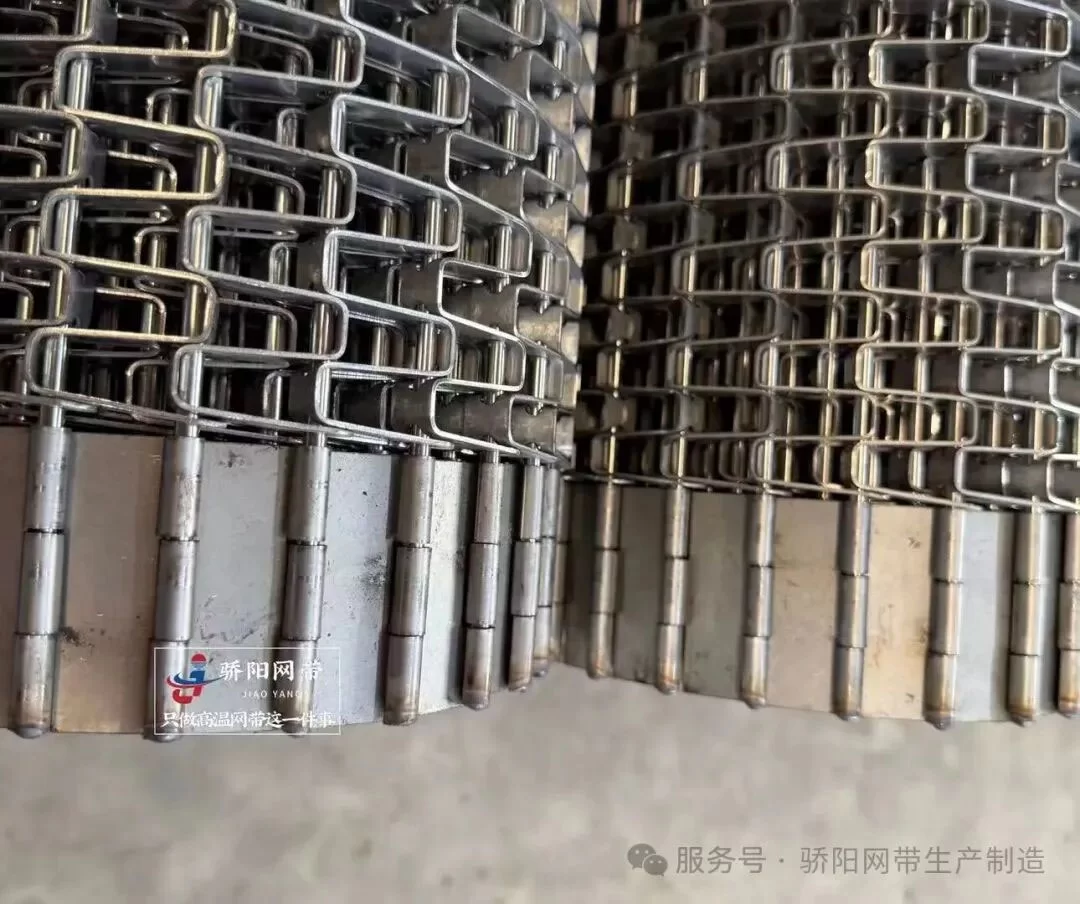 February 01, 2026What Are The Advantages Of The Great Wall Mesh Belt And Jiaoyang Products?
Jiaoyang selects excellent stainless steel materials, which meet the standards for strength, corrosion resistance, and wear resistance. Each batch of materials supports traceability.
-
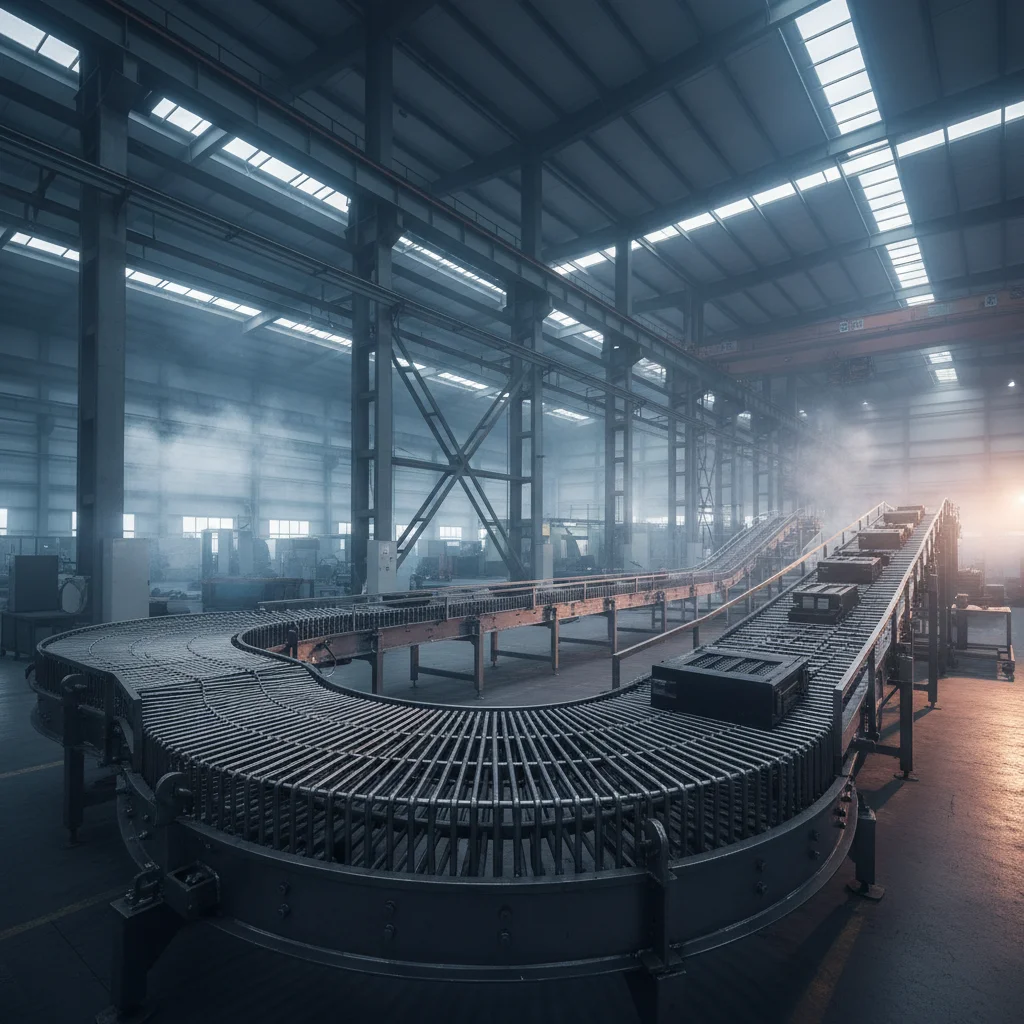 March 19, 2026Optimizing Industrial Processes with Durable Rod Network Conveyor BeltsRod Network Conveyor Belts are crucial components in various industrial processes, offering efficient and reliable material handling solutions. These belts are known for their unique construction, providing excellent air permeability, smooth operation, and extended service life. This article will explore the benefits, applications, types, and considerations when choosing rod network conveyor belts, offering valuable insights for engineers and procurement professionals. Understanding these belts can optimize your operations and reduce downtime. Rod network conveyor belts are constructed using a series of interconnected rods, typically made of stainless steel or other corrosion-resistant materials. These rods are welded or mechanically joined to form a continuous belt surface. The open structure of the mesh allows for excellent air flow, making them ideal for processes like cooling, drying, and washing. The specific design of the rods and the mesh pattern can be customized to meet the requirements of different applications. This robust construction leads to superior durability and performance compared to traditional conveyor belts.
 -
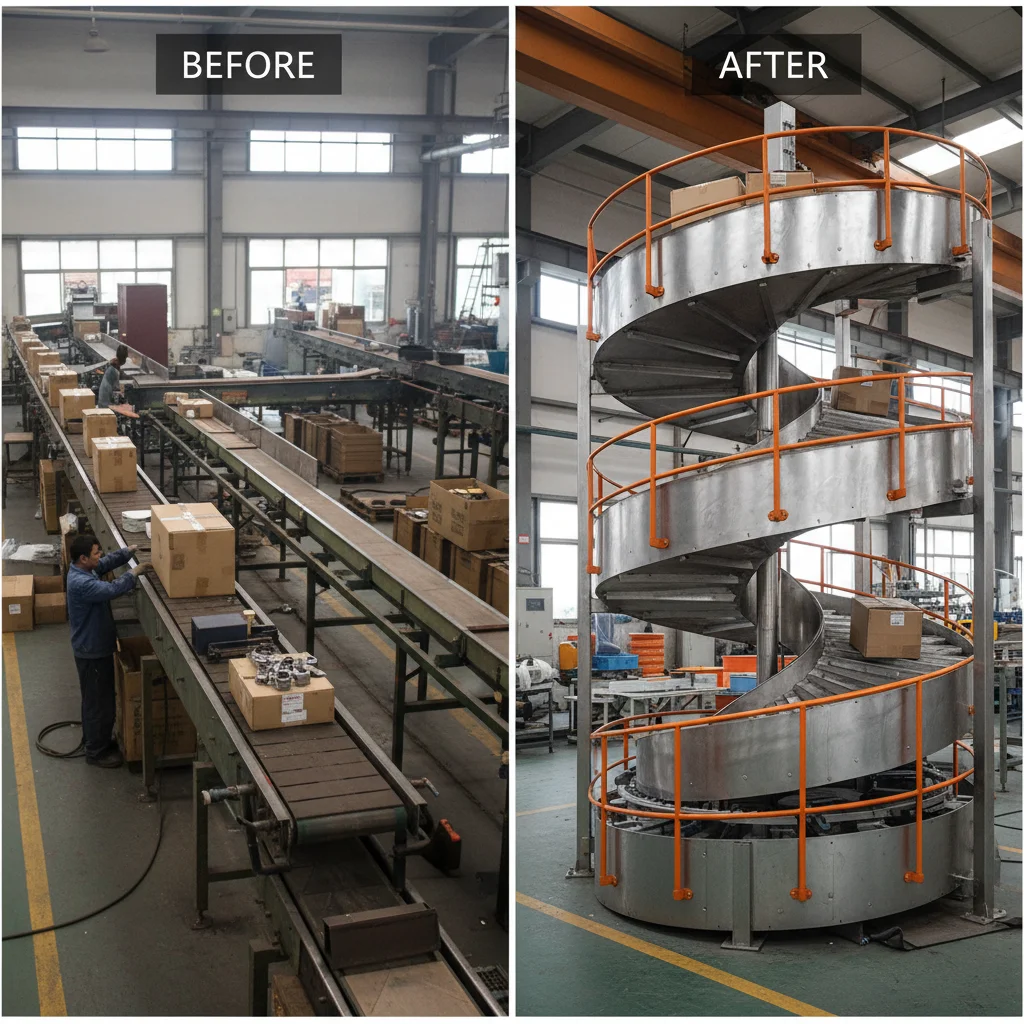 March 11, 2026Understanding the Benefits of the Balanced Spiral Conveyor Belt SystemIn the world of material handling, efficiency and reliability are paramount. The Balanced Spiral Conveyor Belt has emerged as a leading solution for vertical conveying, offering a compact design and consistent performance. This article will delve into the workings, benefits, applications, and specifications of this essential component in modern logistics and manufacturing. Whether you’re looking to optimize space, improve throughput, or reduce maintenance, understanding the nuances of balanced spiral conveyor belts is key. The balanced spiral conveyor belt uses a continuous belt arranged in a spiral pattern around a drum or series of drums. This configuration allows for a significant vertical lift in a relatively small footprint. The "balanced" aspect refers to the even distribution of weight around the spiral, minimizing stress on the belt and drive components. This ensures smoother operation, longer belt life, and reduced energy consumption. The belt is typically constructed from durable materials like polyester or nylon, reinforced with supporting elements to handle a variety of product loads. The system requires careful engineering to maintain belt tracking and prevent tilting or shifting of the conveyed materials.
 -
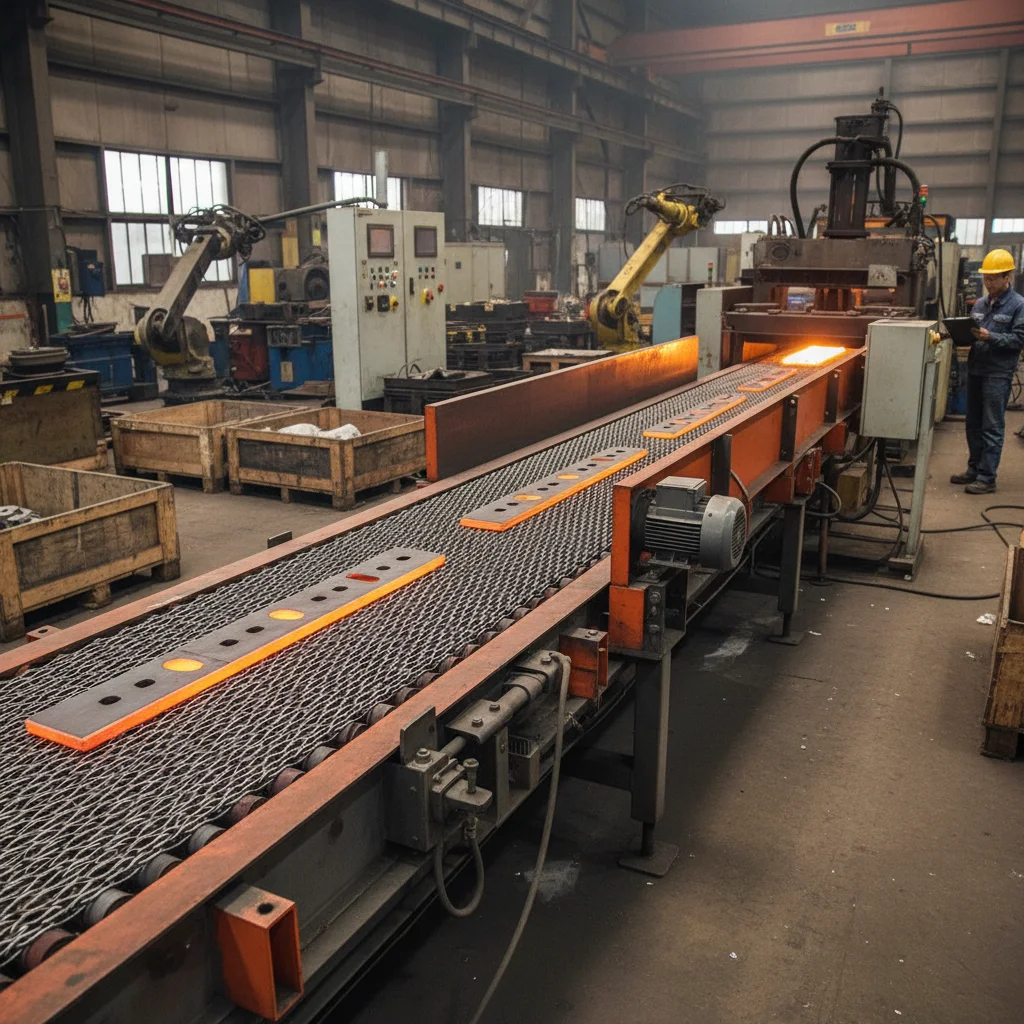 April 06, 2026The Indispensable Role of Wire Mesh Belt Technology in Modern IndustriesWire mesh belt technology has become indispensable in modern industrial processes, offering a versatile and robust solution for material handling across a multitude of sectors. From food processing and pharmaceuticals to metalworking and automotive manufacturing, the demand for efficient and reliable conveyor systems is constantly increasing. This drive for optimization has cemented the wire mesh belt as a cornerstone of contemporary production lines, enabling businesses to streamline operations, enhance product quality, and boost overall productivity.
 -
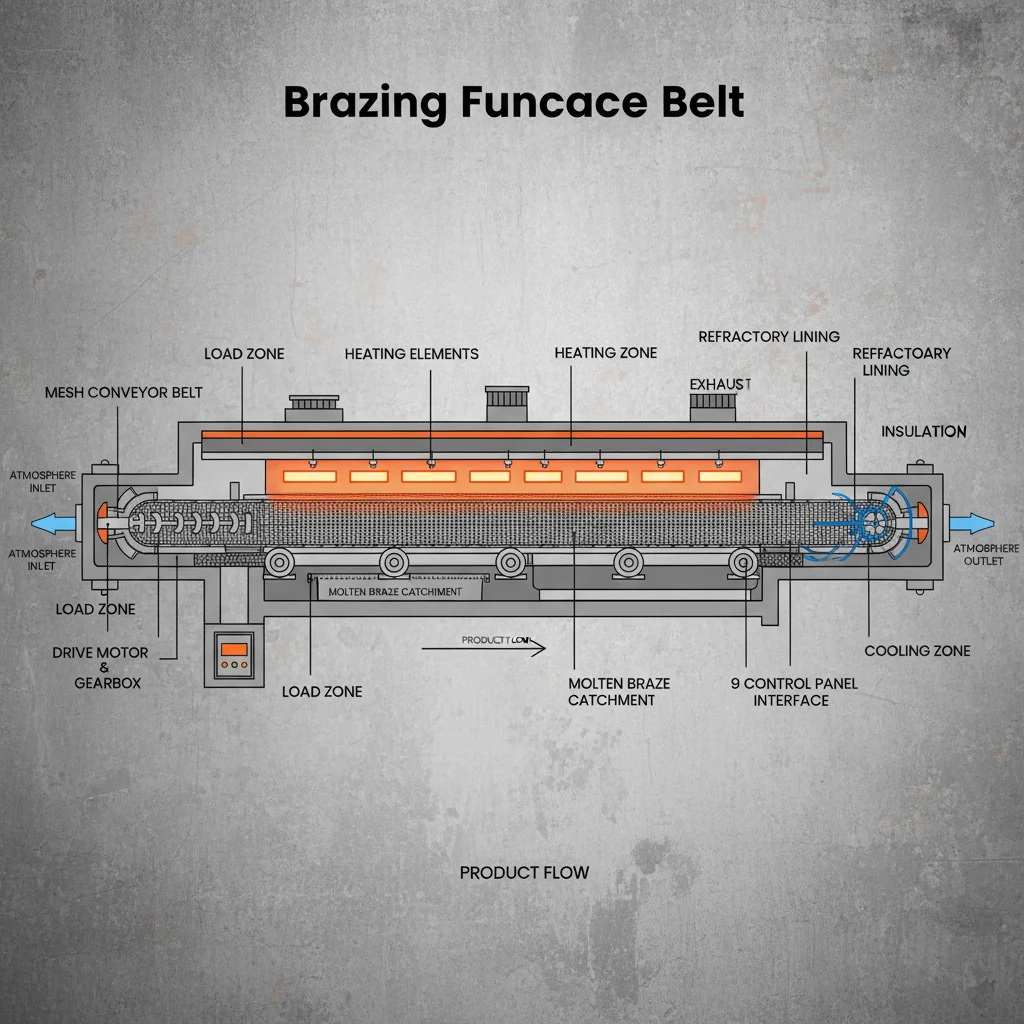 March 26, 2026Optimizing Brazing Processes with the Right Brazing Furnace Belt SelectionBrazing is a critical process in numerous industries, from automotive and aerospace to HVAC and manufacturing. Ensuring consistent and reliable operation of brazing furnaces is paramount, and a key component in achieving this is the brazing furnace belt. This article delves into the world of brazing furnace belts, exploring their function, types, materials, maintenance, and how to select the right belt for your specific brazing application. We'll cover everything you need to know to optimize your brazing process and maximize efficiency. A brazing furnace belt, also known as a mesh belt, is a continuous loop of metal mesh that serves as the conveyor system within a brazing furnace. It transports parts through the controlled atmosphere and heat, facilitating the brazing process. Its importance lies in providing a consistent and controlled method for part conveyance, ensuring uniform heating and cooling, and ultimately, the quality of the brazed joints.
 -
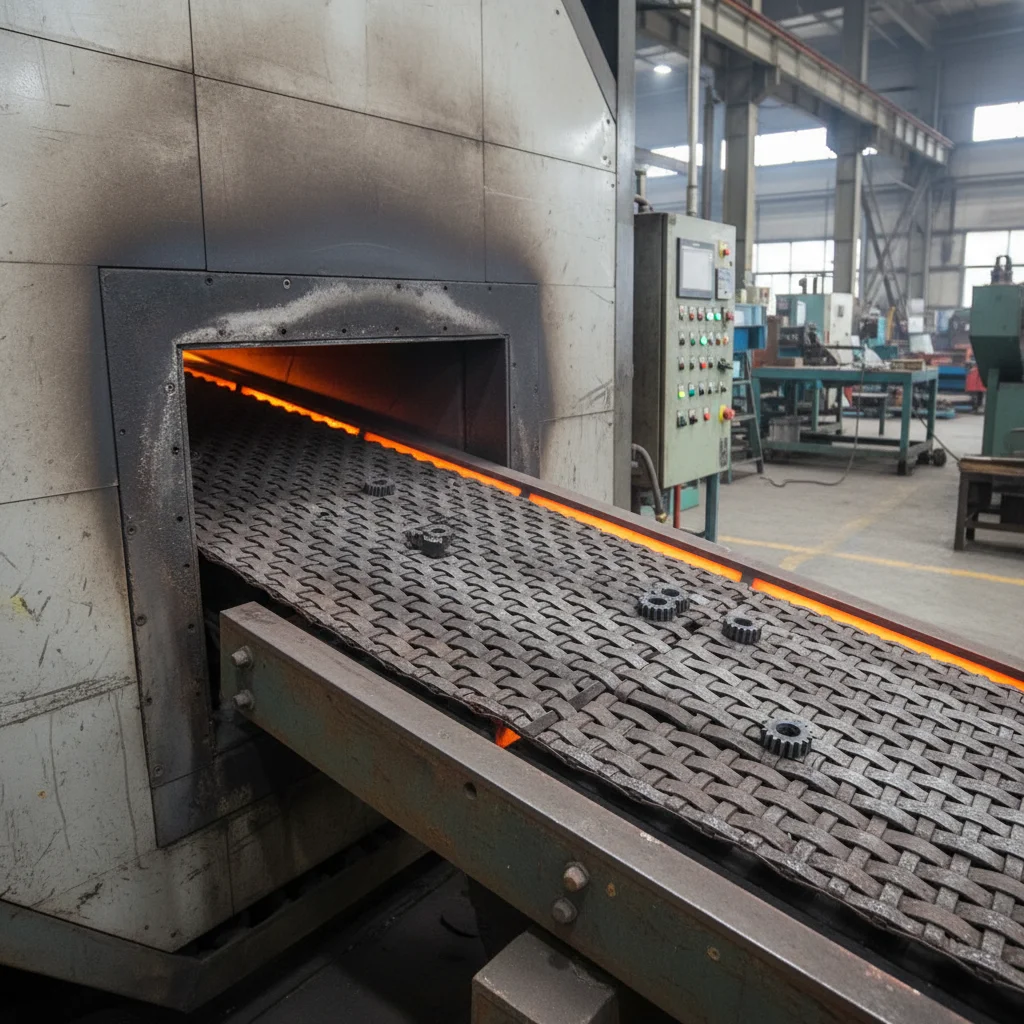 March 24, 2026Optimizing Sintering Processes with High Performance Sintering Furnace Mesh Belt SolutionsIn the realm of heat treatment processes, particularly sintering, the efficiency and reliability of the material handling system are crucial. A sintering furnace mesh belt plays a pivotal role in ensuring consistent product quality and maximizing throughput. This article will delve into the intricacies of these belts, exploring their construction, benefits, applications, maintenance, and future trends. We will also examine how selecting the right mesh belt can significantly impact your sintering process and overall operational costs. A high-quality belt means reduced downtime and a more consistent final product. A sintering furnace mesh belt is a continuous belt made of interwoven metal wires, designed to transport materials through a high-temperature sintering furnace. Sintering is a heat treatment process used to bond particles together without melting them, creating a solid mass. The mesh belt provides a stable and consistent surface for the parts to travel on, ensuring uniform heating and preventing damage. These belts are engineered to withstand extreme temperatures, resist oxidation, and maintain their shape under load.
 -
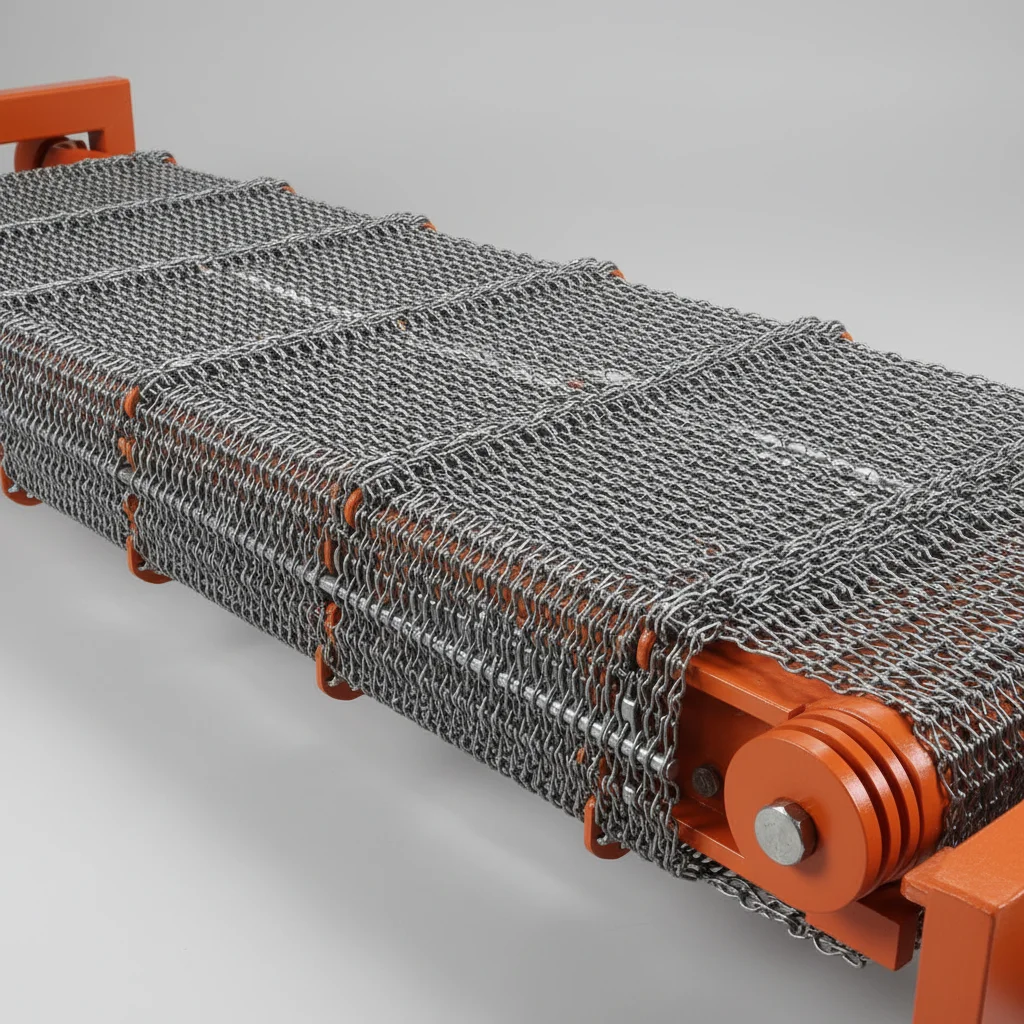 March 31, 2026Comprehensive Guide to Dryer Mesh Belt Technology and Industrial ApplicationsIn various industrial processes, efficient drying is critical. Dryer mesh belts play a vital role in achieving optimal results. These belts facilitate continuous drying processes, offering a robust and reliable solution for a wide range of materials. This article explores the intricacies of dryer mesh belts, their benefits, types, applications, and considerations for selecting the right belt for your specific needs. From food processing to chemical manufacturing, we'll cover how these belts enhance efficiency and product quality.
Get Your Custom Solution
Facing challenges with high-temperature conveying? Contact us now.
Our engineers will provide you with expert product consultation and tailored solutions.
Sign up
for our Newsletter
Subscribe to the weekly newsletter for all the latest updates


