- Tel: +86 15252586600 / +86 13705250816
- Email: 527966138@qq.com / 1026520412@qq.com

Industrial Powder Metallurgy Mesh Belt for High Temperature Efficiency
Industrial Powder Metallurgy Mesh Belt for High Temperature Efficiency
Powder Metallurgy Mesh Belt: The Ultimate Guide to Industrial Efficiency
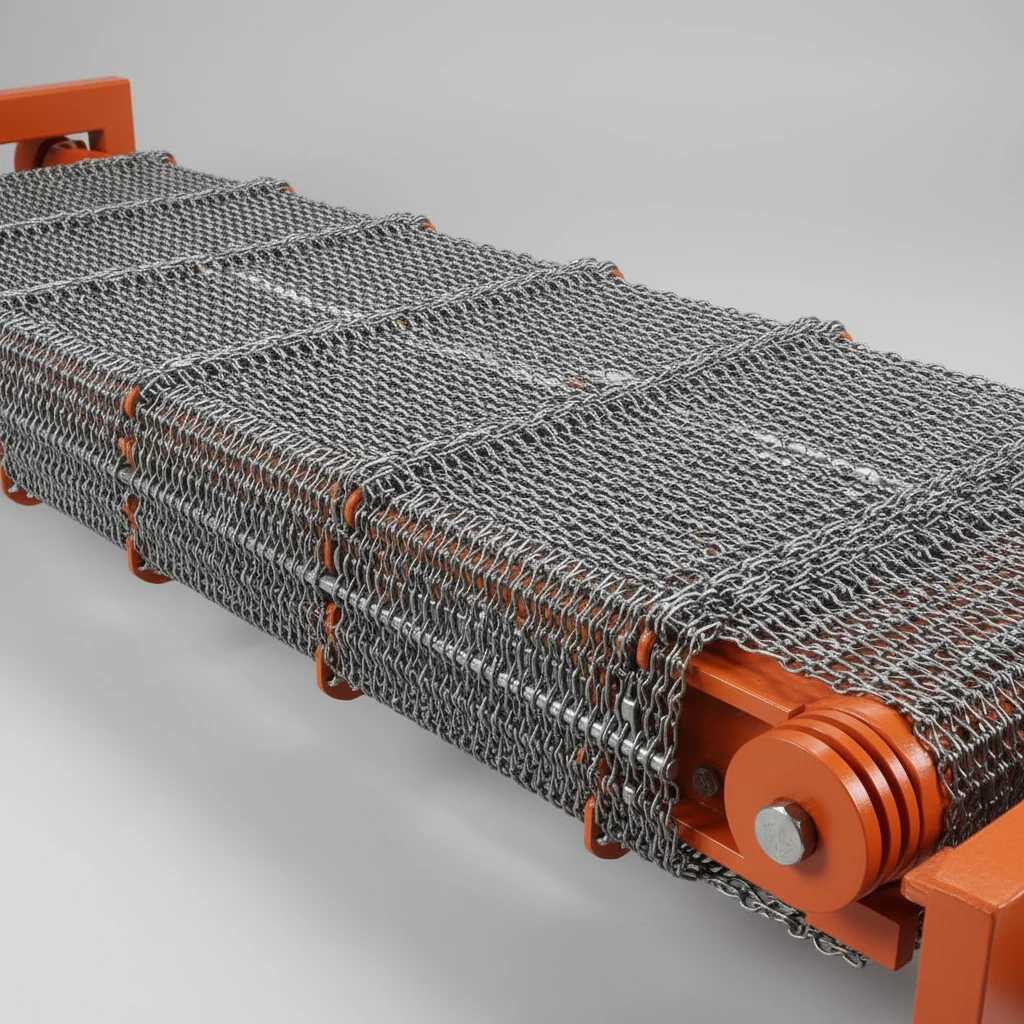
In the demanding world of industrial heat treatment and sintering, the choice of conveyor material can make or break your production efficiency. The Powder Metallurgy Mesh Belt has emerged as a critical component for manufacturers seeking a balance between high-temperature stability and mechanical strength. These specialized belts are engineered to withstand extreme thermal environments while ensuring a smooth, consistent transport of delicate powder metallurgy parts. In this guide, we will explore the technical intricacies, material advantages, and practical applications that make this mesh belt an indispensable asset for modern industrial lines.

The Engineering Behind Powder Metallurgy Mesh Belt Design
The structural integrity of a Powder Metallurgy Mesh Belt is achieved through precision weaving and advanced metallurgy. Unlike standard conveyor belts, these are often constructed from high-grade stainless steel or nickel-based alloys to prevent oxidation and deformation at scorching temperatures. The open-mesh design is not merely for aesthetics; it allows for maximum airflow and uniform heat distribution, which is vital for the sintering process where temperature gradients can lead to product defects. By optimizing the weave density, manufacturers can control the stability of the parts being transported, reducing slippage and vibration.
Technical Highlight: The use of interlocking weaves ensures that the belt maintains its width and tension even after thousands of thermal cycles, significantly reducing the frequency of costly maintenance shutdowns.
Material Selection for High-Temperature Environments
Selecting the right material for your Powder Metallurgy Mesh Belt depends entirely on the atmospheric conditions of your furnace. For most standard applications, 304 or 316 stainless steel provides excellent corrosion resistance. However, for vacuum sintering or hydrogen-rich atmospheres, specialized alloys are required to prevent "hydrogen embrittlement." The goal is to minimize the coefficient of thermal expansion to ensure the belt doesn't stretch or warp, which could lead to misalignment and potential system failure.
Material Performance Comparison:
• Stainless Steel 304: Ideal for general oxidizing atmospheres; cost-effective.
• Stainless Steel 316: Superior resistance to chlorides and acidic environments.
• Inconel/Nickel Alloys: Maximum strength at extreme temperatures (>1000°C).
Powder Metallurgy Mesh Belt vs. Traditional Solid Belts
When comparing a Powder Metallurgy Mesh Belt to traditional solid metal plates or rubber-based belts, the advantages in thermal processing are clear. Solid belts often create "hot spots" and hinder the escape of combustion gases, whereas the mesh structure facilitates a breathable environment. Furthermore, the flexibility of the mesh allows for easier installation and tracking over rollers. The following table illustrates the stark difference in performance metrics:
Key Applications of Powder Metallurgy Mesh Belts
The versatility of the Powder Metallurgy Mesh Belt allows it to serve multiple roles across various high-tech industries. In the automotive sector, it is widely used for transporting sintered gears and bushings through cooling tunnels. In the medical device industry, it ensures that surgical implants are processed in a sterile, high-temperature environment without surface contamination. Additionally, these belts are essential in the production of cutting tools and hard metals, where precision and stability are non-negotiable.

Technical Specifications for Customization
Every industrial line is unique, which is why customization is key for a Powder Metallurgy Mesh Belt. Parameters such as wire diameter, mesh opening size, and belt width must be carefully calculated to match the weight of the load and the speed of the conveyor. A mesh that is too open may allow small parts to fall through, while a mesh that is too tight may impede the flow of sintering gases. Below are the common technical specifications available for industrial procurement:
Maintenance Tips for Prolonging Belt Life
To maximize the ROI of your Powder Metallurgy Mesh Belt, a proactive maintenance schedule is essential. The primary enemy of mesh belts is "uneven tension," which can cause the belt to drift and fray at the edges. Regular inspections of the drive sprockets and rollers for wear are necessary to prevent snagging. Additionally, since these belts operate in high-heat environments, periodic cleaning to remove accumulated sintering dust prevents "caking," which can restrict airflow and create uneven heat zones. Using high-temperature lubricants on the bearing assemblies will further ensure smooth operation.
Conclusion: Optimizing Your Production with Premium Mesh Belts
The Powder Metallurgy Mesh Belt is more than just a conveyor; it is a precision tool that ensures the quality and consistency of sintered components. By choosing the right material, optimizing the mesh specifications, and adhering to a strict maintenance routine, manufacturers can significantly reduce downtime and improve product yield. Investing in a high-quality mesh belt is a strategic move toward operational excellence in any powder metallurgy facility.
Frequently Asked Questions (FAQs)
How do I choose the right mesh size for my powder metallurgy parts?
Choosing the correct mesh size requires a balance between stability and airflow. As a general rule, the mesh opening should be small enough to support the smallest dimension of your parts to prevent them from tipping or falling through, but large enough to allow sintering gases and heat to circulate freely. We recommend analyzing your part's footprint and weight; for very small, light parts, a tighter weave is necessary. Consulting with a specialist at JY Mesh Belt can help you determine the optimal ratio for your specific product.
Can these belts be used in vacuum furnaces?
Yes, Powder Metallurgy Mesh Belts can be used in vacuum furnaces, provided the material is correctly selected. Standard stainless steels may be sufficient for some applications, but for high-vacuum environments, alloys like Inconel or specialized molybdenum-based metals are often used to prevent outgassing and maintain structural integrity at extreme temperatures. The lack of oxygen in a vacuum furnace prevents oxidation, but the belt must still be able to withstand the mechanical stress of transporting the load without sagging.
What causes a mesh belt to track off-center?
Belt tracking issues are typically caused by three factors: uneven tensioning, worn-out rollers, or contaminated belt surfaces. If one side of the belt is tighter than the other, it will naturally pull toward the loose side. Additionally, if sintering dust builds up unevenly on the rollers, it creates a "crown" effect that pushes the belt sideways. Regular cleaning and the use of precision alignment tools during installation are the best ways to prevent tracking problems and ensure a long service life for your conveyor system.
How long does a typical Powder Metallurgy Mesh Belt last?
The lifespan of a mesh belt varies wildly based on the operating temperature and the corrosiveness of the atmosphere. In a well-maintained system with moderate temperatures, a high-grade stainless steel belt can last several years. However, in extreme high-heat or chemically aggressive environments, belts may need replacement every 12 to 24 months. The key to longevity is avoiding "shock loading" (sudden heavy weights) and ensuring that the belt is not run at tension levels that exceed the material's yield strength.
-
 High Strength Rod Network Conveyor Belts | Leading China Factory SuppliersLooking for high-performance Flat Flex belts? Our China factory provides premium Rod Network Conveyor Belts with 60 permeability and heat resistance up to 1200C. Contact the top industrial suppliers for durable food and pharmaceutical processing solutions.
-
 Industrial Biscuit Baking Belts Factory High Quality Rolled Baking Band Suppliers in ChinaLooking for reliable Biscuit Baking Belt suppliers in China? Our factory provides premium Rolled Baking Bands and Z Belts designed for tunnel ovens. These stratified metal spiral belts offer low heat inertia and high strength for optimal industrial baking efficiency.
-
 Double Balanced Weave Conveyor Belt China Factory and SuppliersPremium Double Balanced Weave Conveyor Belts from a leading China factory. Featuring double wire wrap construction and interlocking spiral design for enhanced durability. Reliable suppliers of high-tensile industrial mesh belts for extreme temperatures.
-
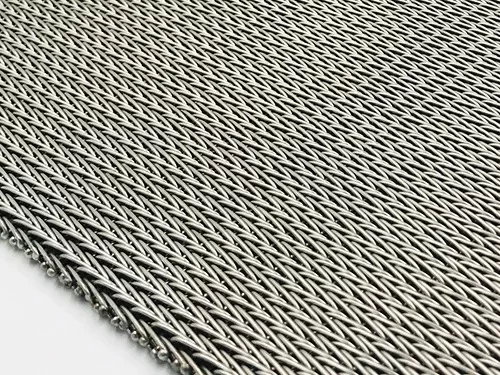 Compound Balanced Weave Conveyor Belt With Welded Edge
aka chevron conveyor belt with welded edge aka Compound weave mesh belt with welded edge
Compound Balanced Weave Belts with Welded Edge.The standard available type of edge finish for this application is welding, facilitated by the close meshing of both the crimp and cross wire.
-
 Premium Veneer Dryer Wire Mesh Belts China Factory and Reliable SuppliersLooking for high-performance veneer dryer wire mesh belts? As a top China factory and trusted suppliers, we offer heat-resistant stainless and galvanized steel belts stable up to 600C to ensure uniform drying and eliminate defects in plywood manufacturing.
-
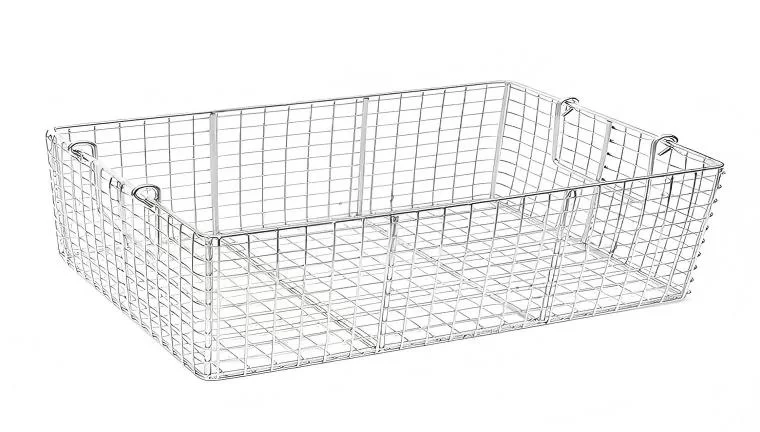 Stainless steel basket
Personalized customization service: If you have special requirements, whether it is material, sty……
-
 Custom Industrial Sprockets China Suppliers | High Performance Sprocket FactoryLooking for reliable sprocket China suppliers? Our factory offers a comprehensive range of standard and custom manufactured sprockets for new or replacement applications to suit any specified belt and industrial environment.
-
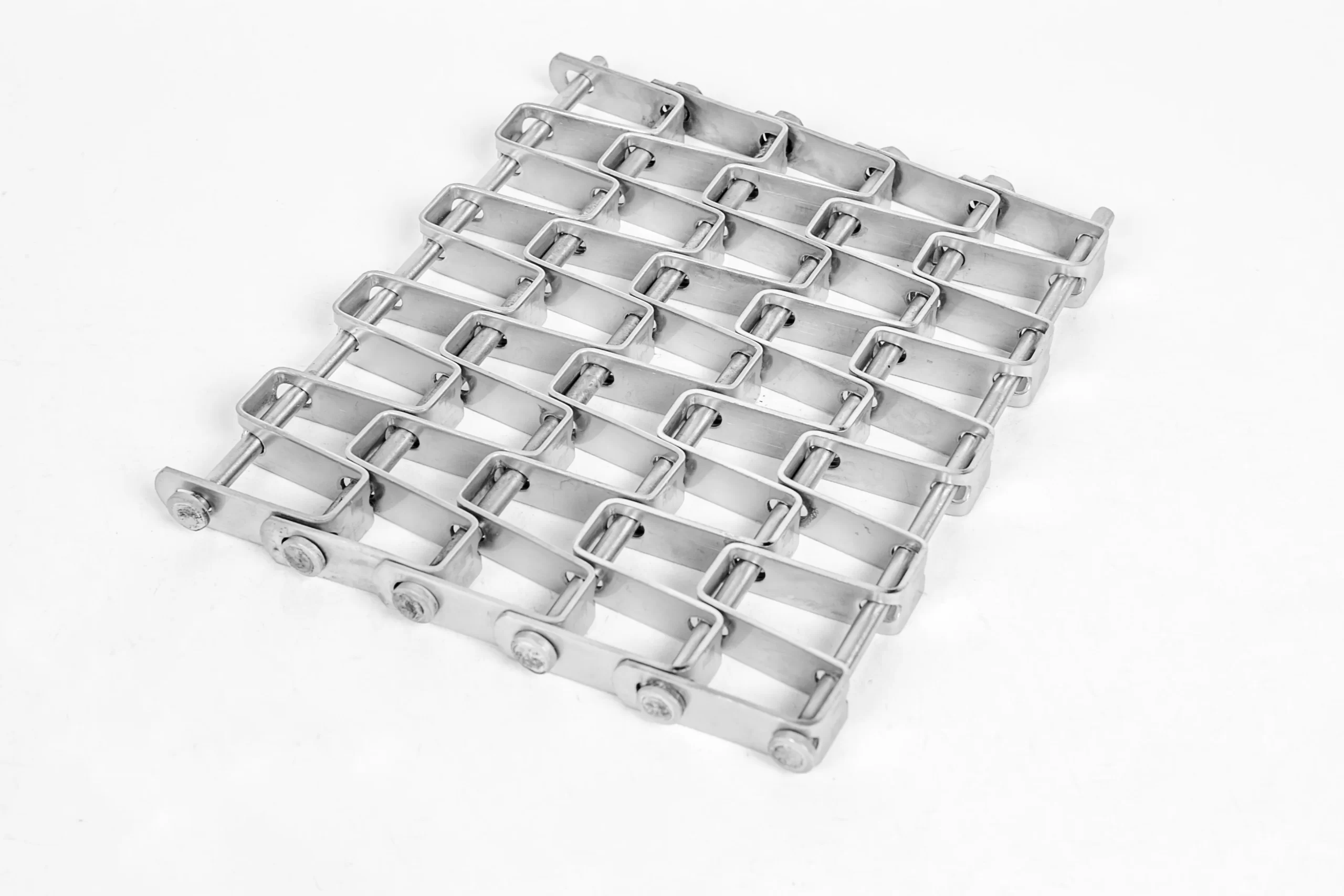 Honeycomb Conveyor Belts
Customize the butterfly pressure plate as needed
-
 October 23, 2026Rod Network Conveyor Belts Price Comparison & Supplier ReviewCompare rod network conveyor belts pricing by aligning quotes with stainless steel 304, 316, 310S, and Inconel materials across food, pharmaceutical, and automotive applications.
-
 September 16, 2026High Quality Wholesale Balanced Spiral Conveyor Belt SystemsIndustrial material handling requires a delicate balance between structural rigidity and fluid movement, especially when transporting heavy components through complex production stages. For operations needing high-precision positioning and robust conveying capabilities, the Plate Link system offers a sophisticated alternative to standard mesh. By utilizing a hinged slat design, these belts provide exceptional stability and strength, ensuring that materials remain secure even in challenging environments. Whether you are optimizing a pharmaceutical sorting line or an automotive assembly plant, the ability to customize plate height and thickness is critical for aligning the conveyor with existing machinery.
-
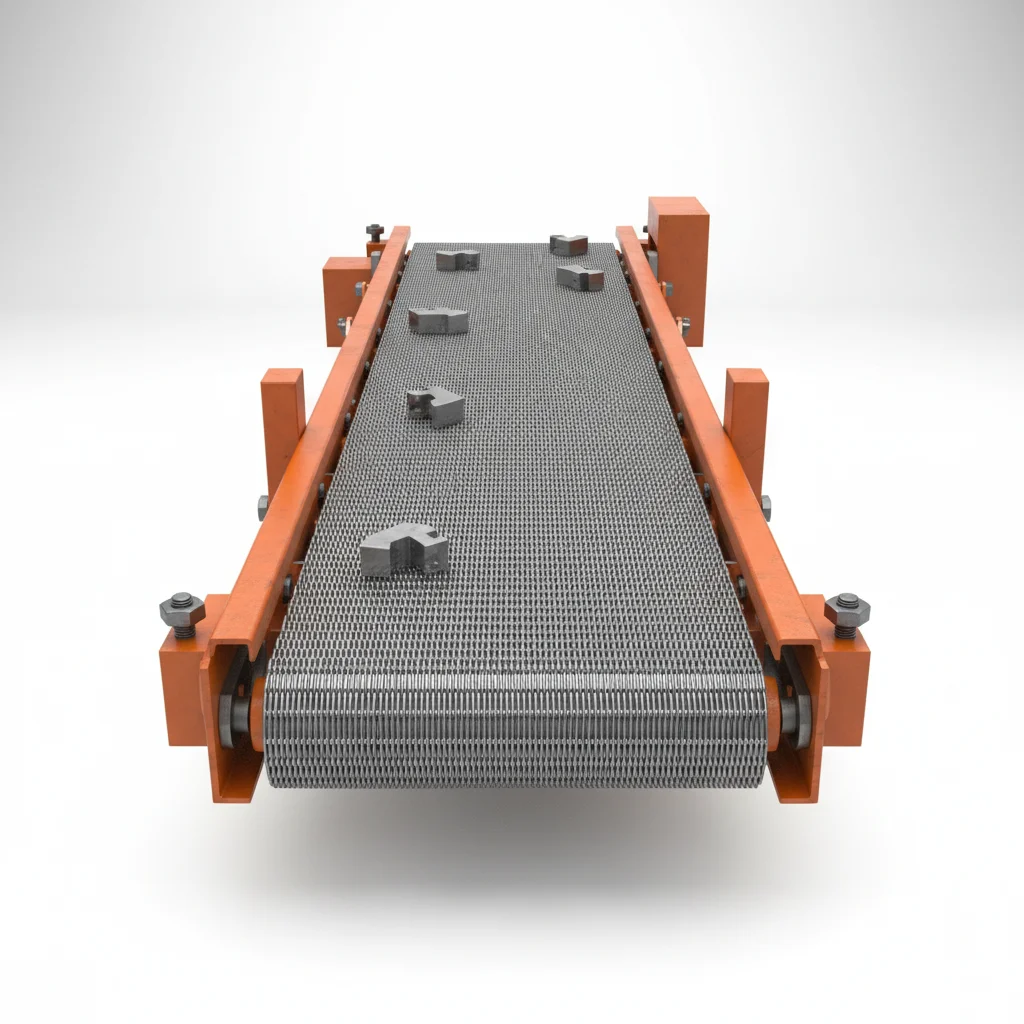 March 21, 2026Optimizing Material Handling with Durable Flat Flex Conveyor Belt SystemsIn the world of material handling, efficiency and reliability are paramount. Flat Flex Conveyor Belts have emerged as a versatile solution for a wide range of industries. This article will explore the benefits, applications, and key considerations when selecting a flat flex conveyor belt, focusing on how JY Mesh Belt can meet your specific needs. From food processing to logistics, we’ll cover how these belts optimize your operations. Flat Flex Conveyor Belts, also known as modular plastic belts, are constructed from small, interlocking plastic modules. These modules are typically made from materials like polypropylene, offering excellent strength, durability, and resistance to chemicals and temperature extremes. Unlike traditional belts, flat flex belts can be easily disassembled and reassembled, making them ideal for complex conveyor systems with curves, inclines, and declines.
-
 March 31, 2026Comprehensive Guide to Dryer Mesh Belt Technology and Industrial ApplicationsIn various industrial processes, efficient drying is critical. Dryer mesh belts play a vital role in achieving optimal results. These belts facilitate continuous drying processes, offering a robust and reliable solution for a wide range of materials. This article explores the intricacies of dryer mesh belts, their benefits, types, applications, and considerations for selecting the right belt for your specific needs. From food processing to chemical manufacturing, we'll cover how these belts enhance efficiency and product quality.
-
 July 12, 2026Efficient Industrial Solutions Yangzhou Jiaoyang Wire Mesh BeltIn the modern landscape of industrial automation and material handling, the demand for reliable and cost-effective conveying solutions has never been higher. The integration of specialized metal components ensures that production lines remain efficient, especially in sectors requiring heat resistance and hygiene. Among these solutions, the Yangzhou Jiaoyang Wire Mesh Belt stands out as a critical component for industries that prioritize lightweight yet durable performance. Global manufacturing standards, including ISO certifications, emphasize the importance of material compatibility and structural integrity in conveyor systems. For businesses operating in drying, cooling, or light-duty lifting, selecting a belt that minimizes friction while maximizing airflow is essential.
-
 June 08, 2026Solar Photovoltaic Mesh Belt for High Efficiency Solar PanelsThe global transition toward sustainable energy has placed an unprecedented demand on the precision and durability of manufacturing components, particularly within the production of high-efficiency solar panels. The Solar Photovoltaic Mesh Belt emerges as a critical industrial solution, utilizing balanced weave stainless steel technology to ensure the stable transport of delicate photovoltaic cells through extreme thermal processing environments. Integrating a balanced weave conveyor system into solar manufacturing addresses the dual challenge of maintaining structural integrity under high heat while preventing mechanical stress on fragile silicon wafers. By employing a symmetrical spiral design with alternating left and right-hand wound spirals, these belts eliminate
-
 July 03, 2026High Strength Upin Joint mesh belt for Industrial ConveyorsIn the demanding landscape of modern industrial automation, the efficiency of material transport often determines the overall productivity of a manufacturing plant. The U-pin Joint mesh belt represents a critical evolution in conveyor technology, offering a robust solution for transporting heavy components with surgical precision. By integrating high-strength materials with a flexible joint system, these belts ensure that production lines remain fluid and resilient against the stresses of continuous operation. Globally, the shift toward Industry 4.0 has placed an increased emphasis on durability and minimal downtime. Industries ranging from automotive assembly to food processing are facing the challenge of transporting diverse loads
-
 June 16, 2026High Performance Copper Brazing Furnace Mesh Belt SystemsThe efficiency of modern industrial thermal processing relies heavily on the precision and durability of its transport systems. A Copper Brazing Furnace Mesh Belt serves as the critical backbone in these environments, ensuring that components are moved through intense heat zones with absolute stability. By integrating high-performance chain links and precision-engineered edges, these systems minimize downtime and maximize throughput in demanding metallurgical applications. Globally, the demand for specialized conveyor components has surged as industries shift toward automation and tighter quality control. Whether in the automotive or electronics sector, the ability of a Copper Brazing Furnace Mesh Belt to maintain structural integrity
Get Your Custom Solution
Facing challenges with high-temperature conveying? Contact us now.
Our engineers will provide you with expert product consultation and tailored solutions.
Sign up
for our Newsletter
Subscribe to the weekly newsletter for all the latest updates


