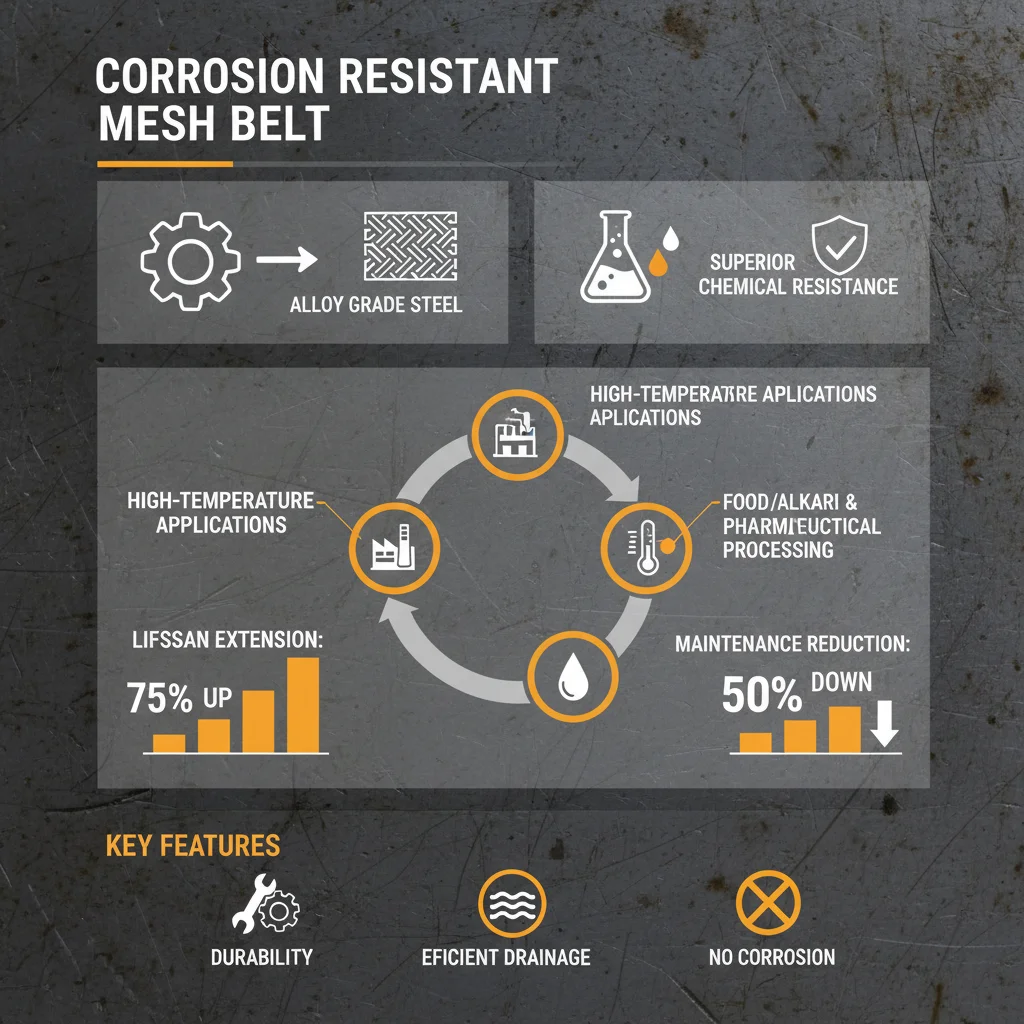
The efficiency of modern industrial thermal processing relies heavily on the precision and durability of its transport systems. A Copper Brazing Furnace Mesh Belt serves as the critical backbone in these environments, ensuring that components are moved through intense heat zones with absolute stability. By integrating high-performance chain links and precision-engineered edges, these systems minimize downtime and maximize throughput in demanding metallurgical applications.
Globally, the demand for specialized conveyor components has surged as industries shift toward automation and tighter quality control. Whether in the automotive or electronics sector, the ability of a Copper Brazing Furnace Mesh Belt to maintain structural integrity under extreme thermal stress is what separates high-yield production from costly operational failure. Understanding the synergy between material science and mechanical transmission is key to optimizing these systems.
This comprehensive guide explores the technical nuances of conveyor belt edges and the driving components that power these furnaces. By examining the role of premium alloy and stainless steel chain links, we will uncover how precision matching and customized parameters contribute to the longevity of the Copper Brazing Furnace Mesh Belt, ultimately reducing the total cost of ownership for manufacturers worldwide.

Material Science in Copper Brazing Furnace Mesh Belt
The integrity of a Copper Brazing Furnace Mesh Belt starts with the raw materials used in its edge components. To withstand the corrosive and high-heat environments of brazing furnaces, premium options such as stainless steel and high-grade alloy steel are utilized. These materials prevent oxidation and thermal deformation, ensuring that the belt maintains its geometry even after thousands of heat cycles.
Carbon steel remains a viable and cost-effective choice for dry, low-corrosion environments, but for maximum strength, alloy steels are preferred. The selection of material directly impacts the wear resistance and the frequency of replacement cycles, making the choice of metallurgy a strategic decision for operational longevity in any Copper Brazing Furnace Mesh Belt setup.
Operational Efficiency and Power Transmission
Efficiency in a Copper Brazing Furnace Mesh Belt system is largely determined by the interaction between the chain links and the sprocket wheels. When these components are precision-matched, they create a positive drive mechanism that eliminates slippage. This synchronization is vital for maintaining consistent conveyor speeds, which ensures that parts are exposed to heat for the exact duration required for a perfect braze.
Low-friction conveying is achieved through the optimization of the interface between the drive components and the belt edges. By reducing the internal friction of the transmission, the energy required to move heavy loads is decreased, and the mechanical stress on the motor is minimized. This leads to a smoother flow of materials and a significant reduction in vibration.
Ultimately, the functional role of the edge guidance system is to ensure that the Copper Brazing Furnace Mesh Belt remains perfectly centered. Any deviation in tracking can lead to belt jamming or damage to the furnace interior, highlighting the importance of using high-performance chain links engineered for stability.
Precision Customization for Industrial Fitment
Achieving a flawless fit for a Copper Brazing Furnace Mesh Belt requires more than off-the-shelf parts; it demands custom engineering based on specific belt parameters. Factors such as pitch, width, thickness, and pin diameter must be meticulously calculated to match existing machinery.
Our approach to the Copper Brazing Furnace Mesh Belt involves a streamlined customization portal where clients submit precise measurements or samples. This ensures that the new chain links integrate seamlessly with existing sprocket wheels, eliminating the gap that often leads to premature wear and vibration.
By offering fully customizable parameters, we guarantee a matching effect that maximizes the operational lifespan of the equipment. This precision-matched interface is the secret to reducing maintenance intervals for the Copper Brazing Furnace Mesh Belt, as it distributes tension evenly across the entire length of the conveyor.
Performance Metrics of Belt Edge Components
Evaluating the success of a Copper Brazing Furnace Mesh Belt depends on a few critical KPIs: wear resistance, operational stability, and the total cost of ownership. While standard components may offer initial savings, premium alloy links significantly extend the replacement cycle.
When comparing standard versus premium components, the difference in stability is stark. Premium links eliminate the occasional vibration found in generic sizes, providing a smooth, high-efficiency transition that protects the delicate products being brazed.
Comparison of Copper Brazing Furnace Mesh Belt Component Performance
Global Applications and Sector Integration
The application of a Copper Brazing Furnace Mesh Belt spans multiple high-precision industries. In the automotive sector, these belts are used to transport complex cooling manifolds and heat exchangers through brazing ovens, where consistent movement is required to ensure uniform joint strength.
Beyond automotive, the electronics and aerospace industries utilize these systems for specialized alloy bonding. In remote industrial zones or high-output factories, the reliability of these conveyor edges ensures that production lines can run 24/7 without the risk of sudden mechanical failure or belt misalignment.
Long-Term Value and Maintenance Reduction
Investing in high-grade materials for a Copper Brazing Furnace Mesh Belt yields a significant return on investment over time. By utilizing alloy and stainless steel, companies can extend their service intervals, reducing the frequency of furnace shutdowns for belt replacement.
The reduction in friction not only protects the belt edges but also extends the life of the sprocket wheels. This symbiotic relationship between components means that the entire mechanical transmission system operates under less stress, lowering the total cost of ownership through decreased parts consumption.
Furthermore, our lifecycle monitoring services provide expert guidance on wear analysis. By tracking the degradation of the Copper Brazing Furnace Mesh Belt, operators can schedule replacements during planned downtime rather than reacting to emergency failures.
Technical Evolution of Conveyor Drive Systems
The future of the Copper Brazing Furnace Mesh Belt is leaning toward smarter, more sustainable materials. Innovations in coating technology are further enhancing anti-corrosion properties, allowing belts to operate in even more aggressive chemical environments without compromising strength.
Digital transformation is also playing a role, with the integration of real-time tracking of chain link wear. By using sensors to monitor tension and alignment, the Copper Brazing Furnace Mesh Belt can be adjusted dynamically, ensuring optimal performance throughout its entire lifecycle.
As industries move toward green energy, the efficiency of power transmission becomes paramount. Low-friction, precision-engineered links reduce the energy footprint of the conveyor system, aligning industrial productivity with global sustainability goals.
Technical Analysis of Copper Brazing Furnace Mesh Belt Material Performance
| Material Type |
Heat Resistance |
Wear Longevity |
Cost Efficiency |
| Stainless Steel |
Exceptional |
Very High |
Medium |
| Alloy Steel |
High |
High |
Medium-High |
| Carbon Steel |
Moderate |
Moderate |
Very High |
| Nickel-Plated Steel |
Moderate-High |
High |
Medium |
| Custom Hybrid Alloy |
Exceptional |
Exceptional |
Low |
| Standard Mild Steel |
Low |
Low |
High |
FAQS
For high-temperature applications, stainless steel or specific alloy steels are highly recommended. These materials possess superior thermal stability and oxidation resistance, which prevents the belt edges from becoming brittle or warping under intense heat, ensuring the Copper Brazing Furnace Mesh Belt remains operational for longer periods.
Yes, full customization is available. We specialize in adjusting the pitch, width, thickness, and pin diameter of the chain links to ensure they match your specific conveyor belt parameters perfectly, allowing the Copper Brazing Furnace Mesh Belt to fit any non-standard furnace configuration.
The chain links serve as the primary drive interface. When they are precision-matched with the sprocket teeth, they ensure a positive drive without slipping. This synchronization is critical for the Copper Brazing Furnace Mesh Belt to deliver consistent timing and speed, which is essential for quality control in brazing.
Stainless steel links offer a significantly longer lifespan, especially in corrosive, wet, or high-heat environments. While carbon steel is cost-effective for dry, low-corrosion use, stainless steel reduces the frequency of replacement for the Copper Brazing Furnace Mesh Belt, lowering long-term maintenance costs.
Because we offer full parameter customization, our chain links can be engineered to be compatible with almost any brand of metal conveyor belt system. By providing the current specifications or a sample, we can ensure a perfect match for your Copper Brazing Furnace Mesh Belt.
The most accurate way is to provide the pitch, width, thickness, and pin diameter of your current belt edges. Alternatively, you can send us a physical sample of the link. Our engineering team will then measure it to ensure the new components for your Copper Brazing Furnace Mesh Belt are a precision fit.
Conclusion
In summary, the reliability of a Copper Brazing Furnace Mesh Belt is fundamentally tied to the quality and precision of its edge components. By selecting premium materials like alloy and stainless steel and ensuring a precision-matched fit with sprocket wheels, manufacturers can achieve higher operational stability, reduced wear, and a significantly lower total cost of ownership. The synergy between customizable mechanical transmission and high-grade metallurgy is what enables modern furnaces to operate at peak efficiency.
Looking forward, the integration of smarter materials and predictive maintenance will continue to redefine the performance of the Copper Brazing Furnace Mesh Belt. We encourage industrial operators to move away from generic components and embrace custom-engineered solutions to ensure their production lines remain competitive and sustainable. For more information on optimizing your conveyor performance, visit our website: www.jymeshbelt.com.