
Veneer Dryer Wire Mesh Belts
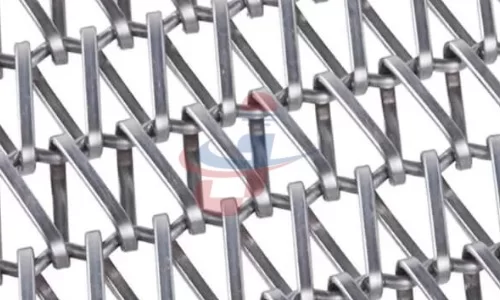
Veneer Dryer Wire Mesh Belts
Contact Us Now >
Download
What Is Veneer Dryer Wire Mesh Belts?
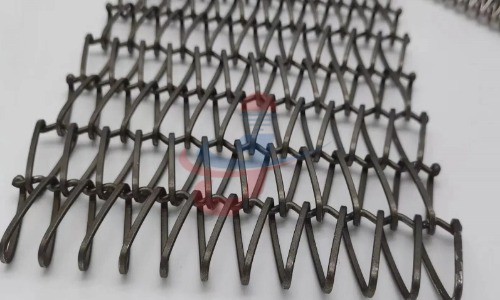
Constructed from heat-resistant materials such as stainless steel or galvanized steel, veneer dryer belts are engineered to withstand operating temperatures up to 600°C, while maintaining structural integrity and minimal elongation. Their open mesh design allows for optimal hot air circulation across the surface of the veneer, which is crucial for achieving uniform drying, minimizing moisture variation, and reducing defects such as warping, checking, or resin burn.
Depending on the dryer configuration and veneer characteristics, two primary belt constructions are used: spiral wire belts for superior flexibility and airflow, and rod-reinforced flat wire belts for enhanced strength and load-bearing capability.
These belts are custom-manufactured to fit various dryer sizes and layout requirements. They are available in different mesh densities, wire diameters, spiral pitches, and reinforcement types to suit the specific needs of face veneer, core veneer, and back veneer processing.
By delivering reliable performance under extreme conditions, veneer dryer wire mesh belts help manufacturers improve drying speed, energy efficiency, and veneer surface quality, ultimately contributing to higher production output and product consistency.
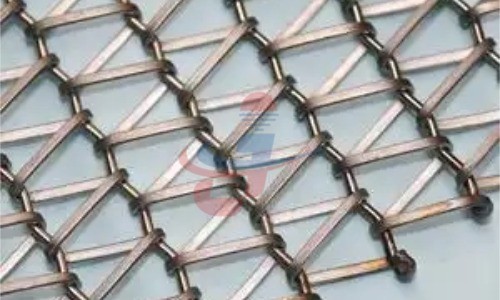
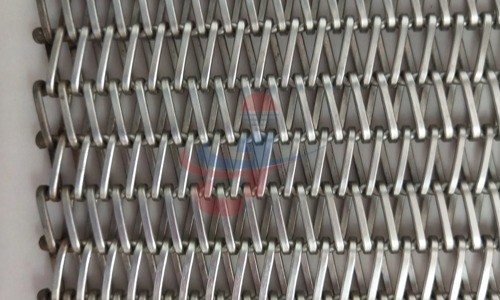
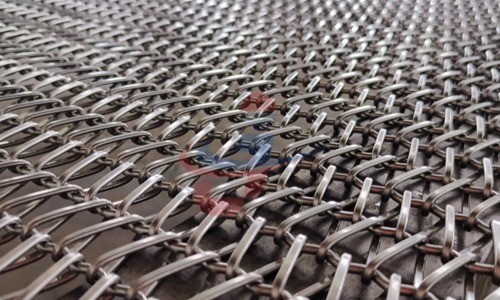
Veneer Dryer Wire Mesh Belts Key Features and Benefits
High Thermal Resistance: Withstand continuous temperatures up to 600°C without deformation or fatigue.
Excellent Airflow: Open mesh structure allows maximum hot air penetration for fast and even drying.
Dimensional Stability: Reinforced design ensures flat surface transport, minimizing veneer curling or cupping.
Clean Surface Contact: Smooth belt texture helps prevent marking, resin buildup, or contamination.
Low Maintenance: Corrosion-resistant materials and rugged construction ensure long-lasting performance in harsh environments.
Custom Configurations: Available in multiple mesh types, widths, and edge treatments to suit different drying line layouts.
Veneer Dryer Wire Mesh Belts Technical Construction
Veneer dryer belts are available in two primary structural designs, each tailored to specific application needs:
1. Spiral Wire Mesh Belts
– Constructed from interlinked pre-formed spirals and cross rods
- Offers high tensile strength and excellent flexibility
- Ideal for wide belt conveyors due to minimal distortion
- High porosity for efficient ventilation and drying speed
2. Rod-Reinforced Flat Wire Belts
- Features flat metal strips held together by solid cross rods
- Often reinforced with side chains for stable tracking
- Designed for heavy-duty drying lines with large veneer loads
- Durable under long-span or dual-deck dryer conditions
Edge Availability for Veneer Dryer Wire Mesh Belts
The edge type of a veneer dryer wire mesh belt plays a crucial role in determining its performance, durability, and compatibility with specific dryer systems. Choosing the right edge style helps ensure proper belt tracking, reduces wear and tear, and minimizes the risk of damage to the veneer.
Here are the three commonly available edge finishes:
1. Welded Edge
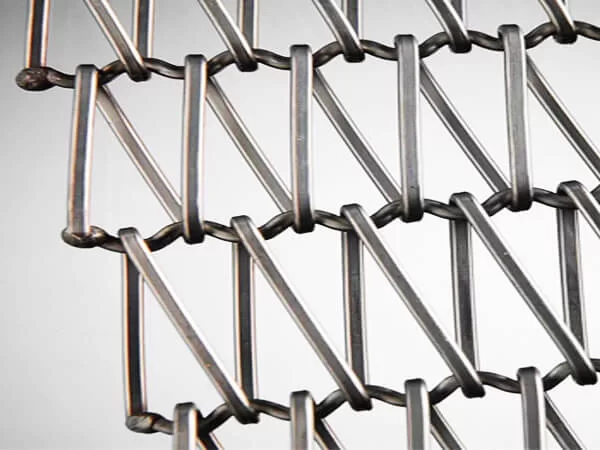
Structure:
The cross rods and spirals or flat strips are firmly welded at both sides of the belt. The wire ends are fused to create a clean, flat, and sealed edge.
Advantages:
– Prevents fraying and unraveling
- Offers a smooth edge for better safety and handling
- Ideal for high-speed or high-temperature operations
- Strong and durable under tension and frequent usage
Applications:
- Standard in most roller or jet dryers
- Suitable for wide belts or long drying lines
- Recommended for operations requiring long service life and minimal maintenance
2. Laddered Edge
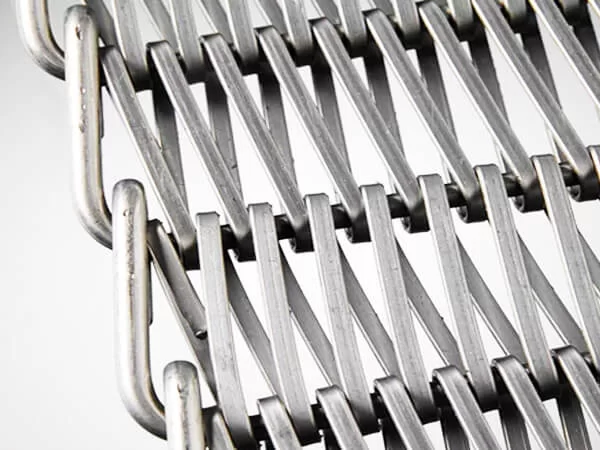
Structure:
The cross rods extend slightly beyond the spirals or flat wires and are bent into a ladder-like pattern to form open loops at the edge, without welding.
Advantages:
- Lightweight and flexible
- Easy to repair or replace individual sections
- Allows for limited stretching or shrinkage
- More economical than welded edge
Applications:
- Medium-duty veneer dryers
- Situations where periodic belt maintenance or section replacement is needed
- Suitable for manual belt installation or adjustment
Note: Less resistant to fraying over time compared to welded edges.
3. Hook Edge
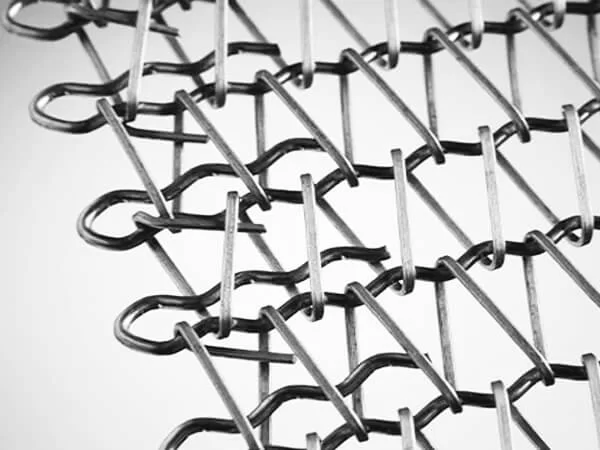
Structure:
The belt ends are bent into "hooks" or loops that interlock during installation. Often used when the belt must be joined or disconnected easily.
Advantages:
- Easy to install and uninstall without specialized tools
- Allows for quick belt replacement and cleaning
- Common in modular or segmented belt systems
Applications:
- Dryers where frequent belt change is required
- Ideal for maintenance-intensive environments
- Common in older veneer dryer models or custom conveyors
Note: Not as secure or long-lasting as welded edge under high-tension loads.
4. Laddered and Welded Edge
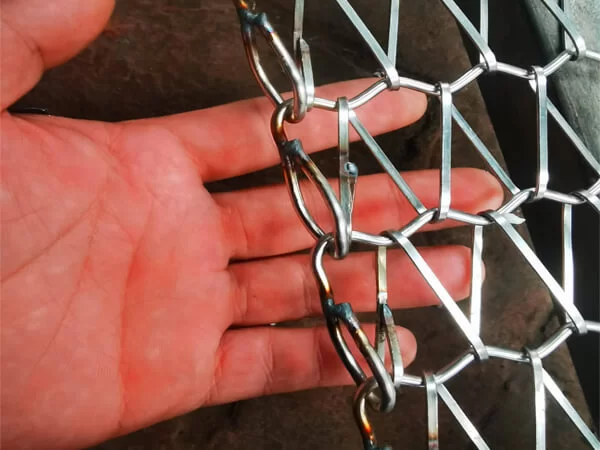
Structure:
A hybrid design where cross rods form ladder-style loops, but the wire ends are also welded for added strength. This combines the benefits of both laddered and welded edges.
Advantages:
- Enhanced durability over standard laddered edges
- Maintains flexibility while preventing wire shift
- Balanced strength and ease of repair
- Provides good edge sealing without compromising handling convenience
Applications:
- Medium to heavy-duty veneer drying systems
- Scenarios requiring a balance of stability and flexibility
- Applications where minor field repair is expected
- Custom or hybrid dryer systems with moderate tension
Spiral Wire Type for Veneer Dryer Wire Mesh Belts
Spiral wire mesh belts are widely used in veneer dryer systems due to their excellent flexibility, air permeability, and structural stability. The spiral structure is formed by interconnecting coiled wires (spirals) with straight cross rods, creating a balanced mesh ideal for high-temperature drying environments.
Two main spiral wire styles are commonly used:
1. Spiral Flat Wire
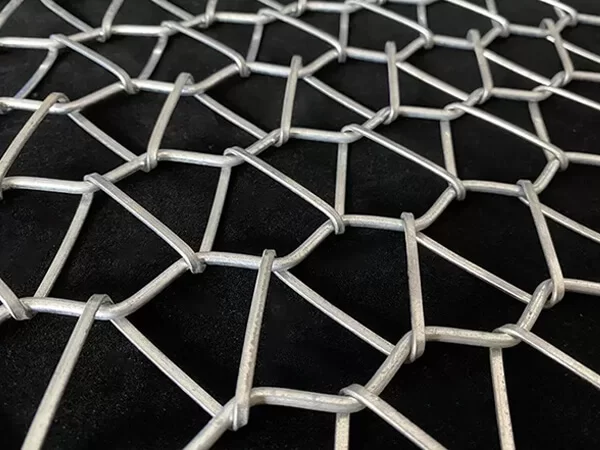
This design uses flat-shaped spiral wires interlinked with cross rods. The flat wire has a rectangular cross-section, offering a wider surface contact and enhanced structural strength.
Advantages:
- Provides a smoother and flatter belt surface
- Better load distribution—ideal for heavier veneer sheets
- Reduces marking or indentation on delicate veneer
- Improved lateral stability and resistance to deformation
- Higher thermal mass can retain and transfer heat more evenly
2. Spiral Round Wire
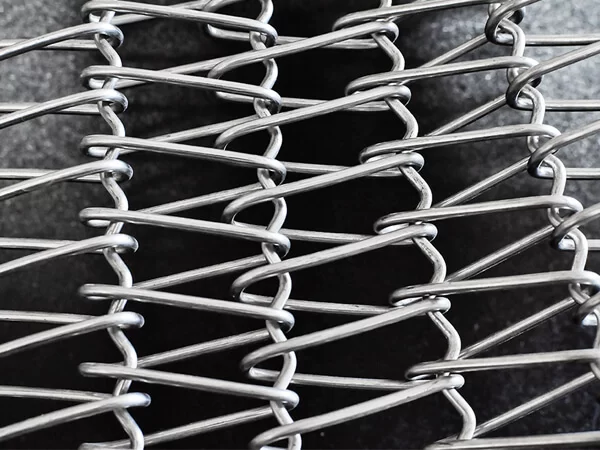
Uses round cross-section spiral wires wound and linked by cross rods. This is a more flexible and lightweight configuration compared to flat wire.
Advantages:
- Lighter weight reduces drive load and energy consumption
- Higher flexibility—better adaptability to roller tensioning systems
- Easier to install and align, especially in narrow or small dryers
- More open mesh structure for enhanced airflow and drying efficiency
- Lower material cost compared to flat wire
Veneer Dryer Wire Mesh Belts Material Options
| Material Type | Properties & Applications |
| Stainless Steel 304 | Good corrosion resistance and temperature performance, cost-effective for general veneer dryers |
| Stainless Steel 316/316L | Enhanced resistance to acid, moisture, and high temperature; suitable for harsh resin-heavy environments |
| Galvanized Steel | Affordable option for medium-temperature drying applications |
| Carbon Steel | High strength and rigidity, used in heavy-duty drying systems |
All materials are available with different wire gauges and mesh densities based on specific drying equipment configurations.
Veneer Dryer Wire Mesh Belt Specifications
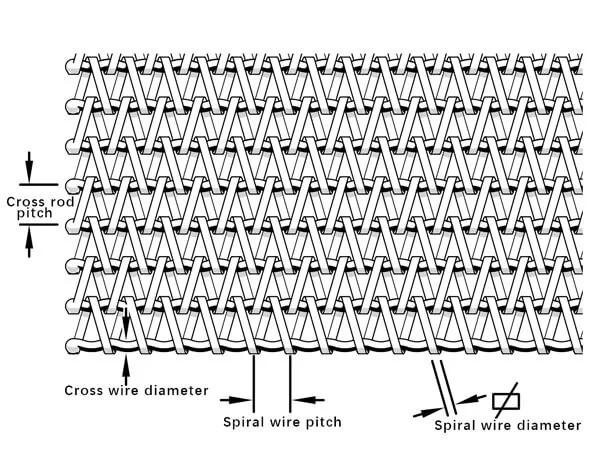
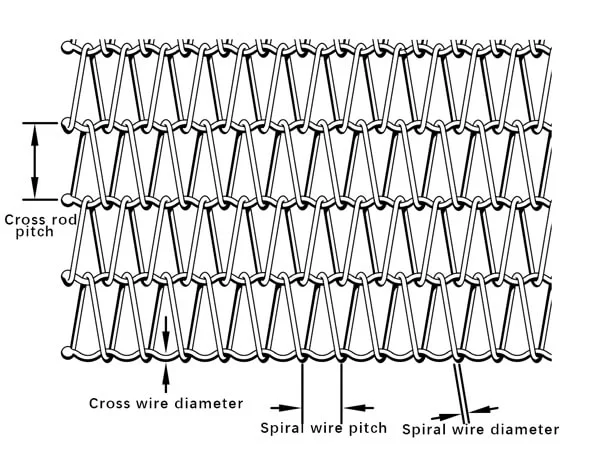
| Veneer Dryer Wire Mesh Belt Specifications | ||||
| Item No. | Spiral wire pitch | Cross rod pitch | Spiral wire diameter | Cross wire diameter |
| mm | mm | mm | mm | |
| with flat spiral wire | ||||
| VDB-F-001 | 25 | 35.0 | 2.5 x 1.2 | 3.1 |
| VDB-F-002 | 33.3 | 35.0 | 2.5 x 1.2 | 3.1 |
| VDB-F-003 | 20 | 25.0 | 2.5 x 1.2 | 3.1 |
| VDB-F-004 | 25 | 25.0 | 2.5 x 1.2 | 3.1 |
| VDB-F-005 | 15 | 25.0 | 2.5 x 1.2 | 3.1 |
| VDB-F-006 | 20 | 25.0 | 2.5 x 1.2 | 3.1 |
| VDB-F-007 | 8.5 | 16.0 | 2.0 x 1.0 | 2.8 |
| VDB-F-008 | 15 | 20.0 | 2.0 x 1.0 | 2.8 |
| VDB-F-009 | 6.5 | 15.0 | 2.0 x 1.0 | 1.8 |
| VDB-F-010 | 8.5 | 17.0 | 2.0 x 1.0 | 1.8 |
| VDB-F-011 | 6.5 | 10.0 | 1.8 x 1.1 | 2.0 |
| VDB-F-012 | 7.5 | 12.0 | 1.8 x 1.1 | 2.0 |
| VDB-F-013 | 6.5 | 10.0 | 1.8 x 1.1 | 1.8 |
| VDB-F-014 | 5.5 | 10.0 | 1.8 x 1.1 | 1.8 |
| VDB-F-015 | 5.1 | 6.4 | 1.4 x 0.7 | 1.6 |
| VDB-F-016 | 4.5 | 6.0 | 1.4 x 0.7 | 1.6 |
| with round spiral wire | ||||
| VDB-R-001 | 8.5 | 15.0 | 1.6 | 2.0 |
| VDB-R-002 | 12 | 15.0 | 1.6 | 2.0 |
| VDB-R-003 | 6.5 | 17.0 | 1.4 | 1.6 |
| VDB-R-004 | 8.5 | 17.0 | 1.4 | 1.6 |
| Note: Custom specification is available if you can't find the suitable size. | ||||
Applications of Veneer Dryer Wire Mesh Belts
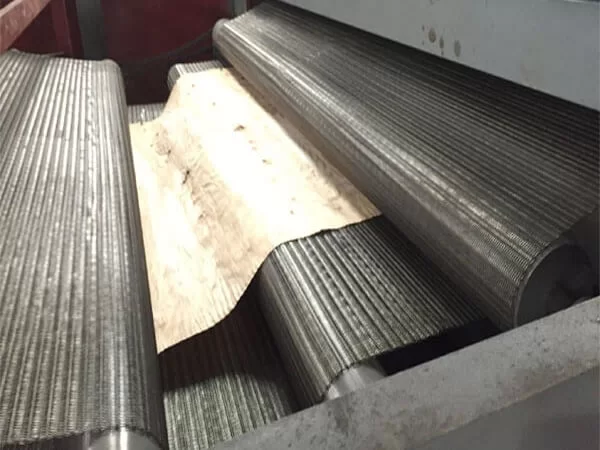
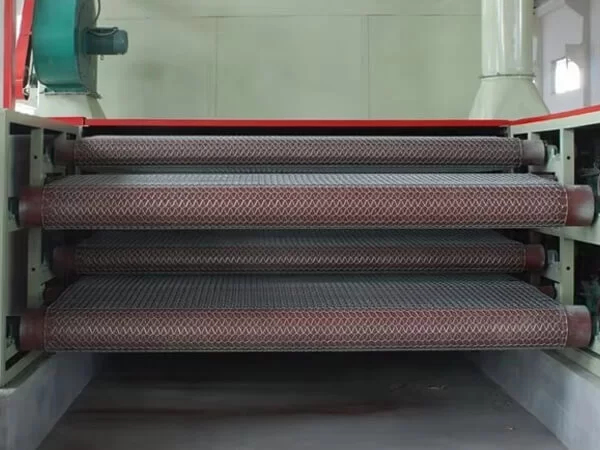
Veneer dryer wire mesh belts are widely used in the wood processing industry, especially in the drying stage of veneer-based panel production. These belts play a critical role in the continuous, uniform, and efficient drying of thin wood veneers under high-temperature and high-speed conditions.
– Plywood Manufacturing
- LVL (Laminated Veneer Lumber) Production
- LVB / LVB Panels (Laminated Veneer Boards)
- Particleboard and MDF Pre-drying
- Decorative Veneer Processing
- Engineered Wood Panels
-
 Spiral Freezer Belts
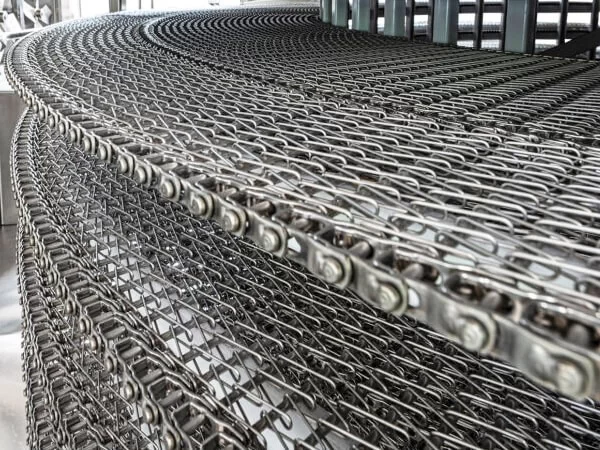
Spiral Freezer Belts also known as Spiral Cooler Belts or Spiral Cage Belts are specialized conveyor belts widely used in spiral freezing and cooling systems in food processing industries. They provide continuous product transport with high efficiency, optimized airflow, and minimal footprint.
-
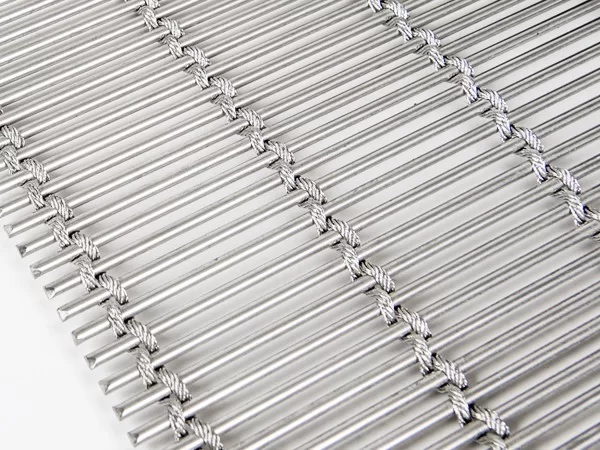 Woven Rod Bar Conveyor Belts
The woven rod bar belt is a specialized conveyor belt known for its durability, heat resistance, and versatile design, making it ideal for various industrial drying and conveying applications, especially in the food, agricultural, and chemical industries.
-
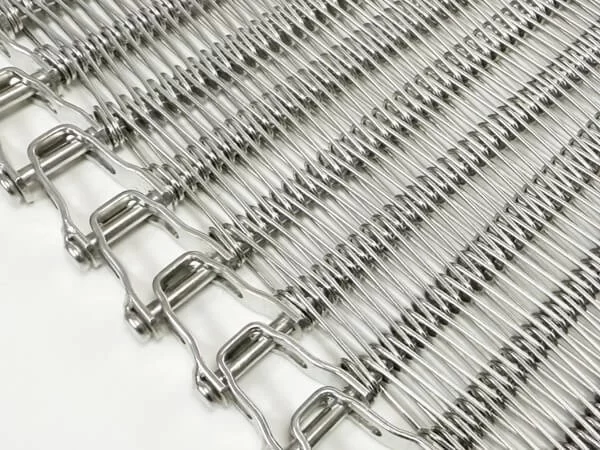 Flexible Rod Conveyor Belts
A Flexible Rod Belt is constructed from 3 components.
1. Alternating spirals take care of the belt overlay.
2. These spirals are connected to each other by means of smooth cross rods.
3. Special chain links are mounted at the outer sides, which are locked by means of button heads.
-
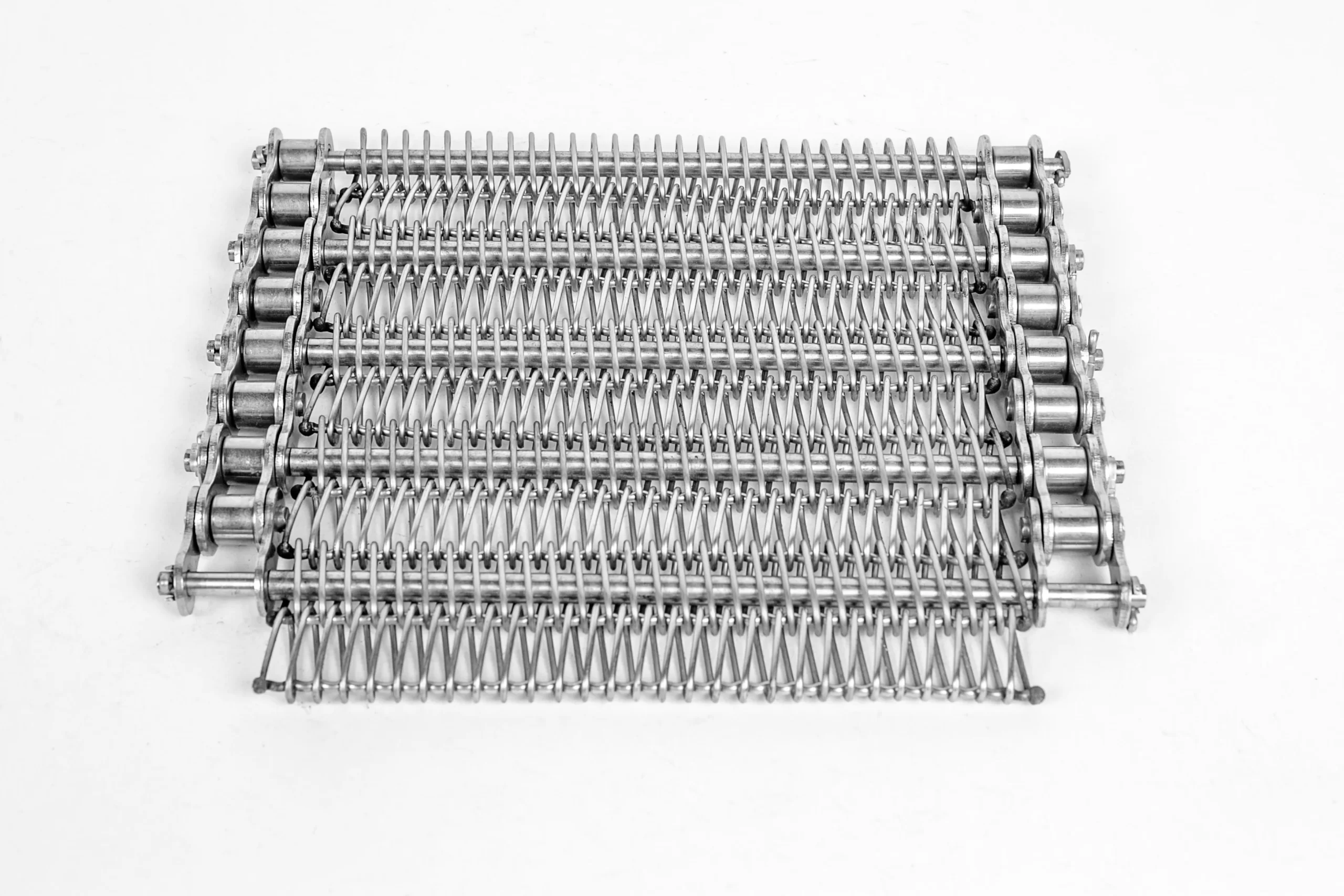 Chain Driven Conveyor Belts
Stainless steel chain link belt with precision-driven rollers
-
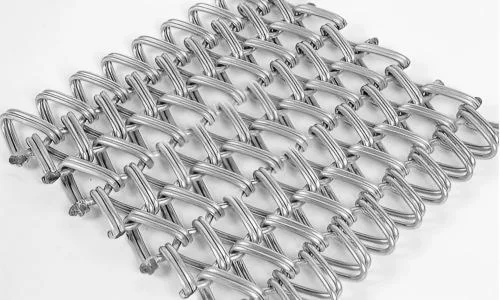 Double Balanced Weave Conveyor Belt
Double Wire Wrap Construction – Enhanced durability with interlocking spiral design……
-
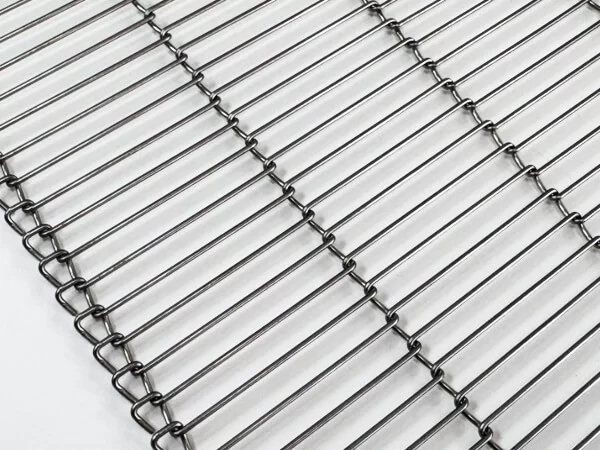 Flat Flex Conveyor Belts
Flat Flex Conveyor Belts also known as Enrober Conveyor Belts, Rod Network Conveyor Belts are distinguished by their unique construction and versatile applications. These belts are constructed from a series of looped wires that interlock with one another, creating a flexible and robust mesh. The simple structure makes it economical and lightweight. It can help to save costs and reduce downtime.
-
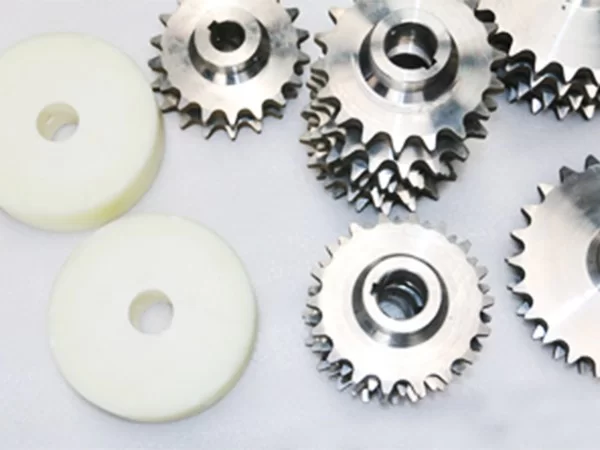 Sprockets
Jiaoyang offers a comprehensive range of standard sprockets and can also manufacture to order sprockets for new or replacement applications to suit any specified belt.
-
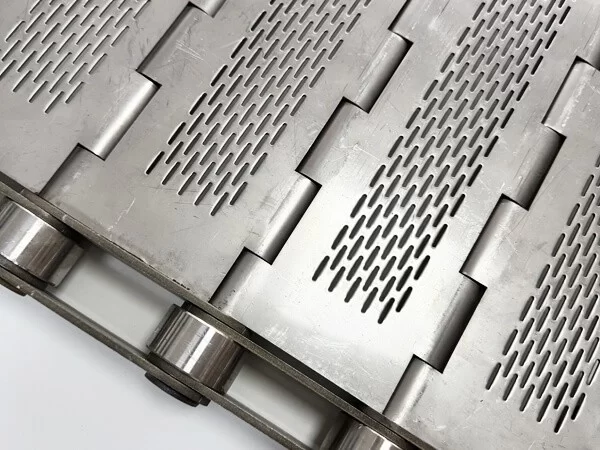 Plate Link Conveyor Belts
Plate Link Conveyor Belt is very strong, driven by stainless steel chain, made of stainless steel plate, and very suited to heavy load applications, running smoothly in the conveying process, easy to install and replace, and long in service life. Its self-supporting structure makes it be used over large widths without any support. PFM Screen’s Plate Link belt features an extremely robust design and high load capacity, making it the perfect choice for arduous engineering processes such as presswork, die-casting and forging.
-
 April 16, 2026Industrial Stainless steel conveyor belt Guide for ManufacturingIn the demanding world of industrial manufacturing, the efficiency of your production line often hinges on the quality of your transport systems. A high-performance stainless steel conveyor belt is more than just a moving surface; it is a critical component that ensures hygiene, durability, and seamless operation. Whether you are dealing with extreme temperatures in a food processing plant or corrosive chemicals in a pharmaceutical lab, selecting the right belt material can drastically reduce downtime and maintenance costs. In this guide, we will explore why stainless steel is the gold standard for industrial conveying and how to optimize your selection for maximum ROI.
 -
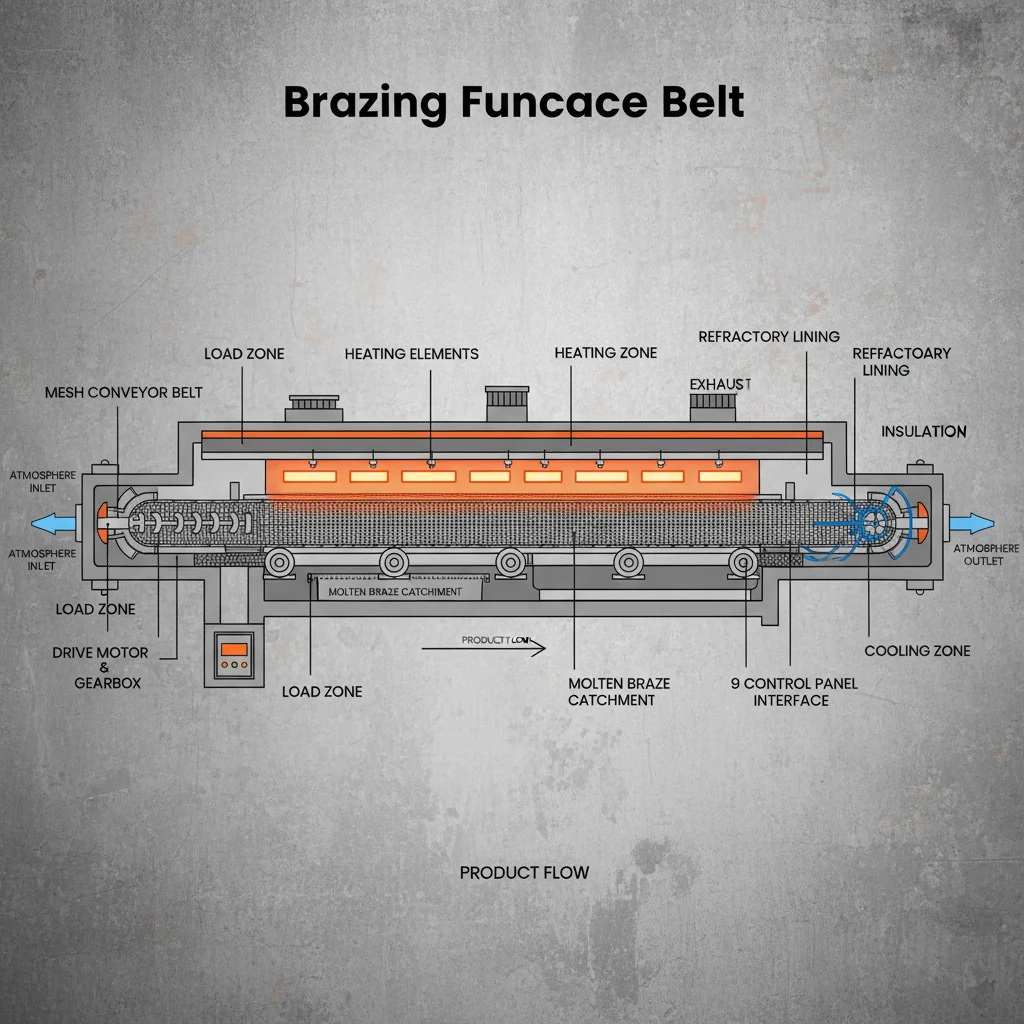 March 26, 2026Optimizing Brazing Processes with the Right Brazing Furnace Belt SelectionBrazing is a critical process in numerous industries, from automotive and aerospace to HVAC and manufacturing. Ensuring consistent and reliable operation of brazing furnaces is paramount, and a key component in achieving this is the brazing furnace belt. This article delves into the world of brazing furnace belts, exploring their function, types, materials, maintenance, and how to select the right belt for your specific brazing application. We'll cover everything you need to know to optimize your brazing process and maximize efficiency. A brazing furnace belt, also known as a mesh belt, is a continuous loop of metal mesh that serves as the conveyor system within a brazing furnace. It transports parts through the controlled atmosphere and heat, facilitating the brazing process. Its importance lies in providing a consistent and controlled method for part conveyance, ensuring uniform heating and cooling, and ultimately, the quality of the brazed joints.
 -
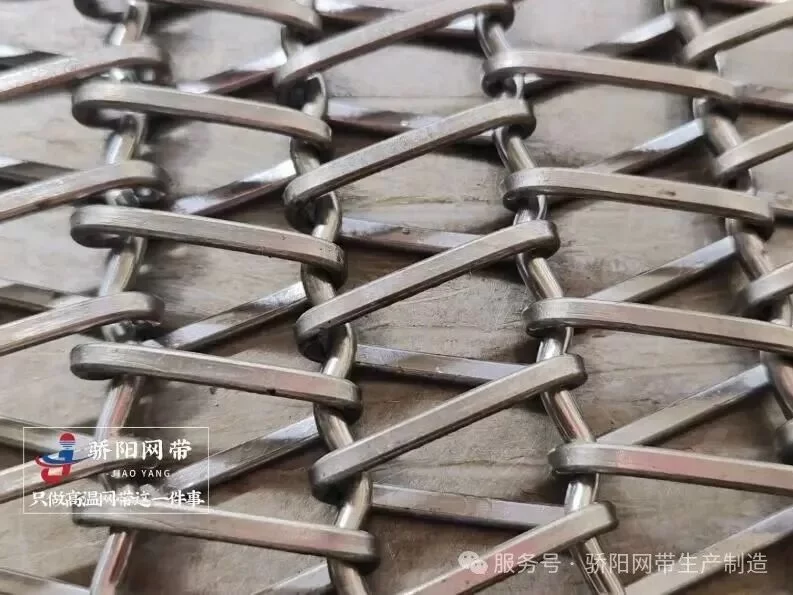 September 01, 2025Improve Material Indentation, Starting With The “Wire” Of The Mesh Belt
To avoid scratching issues on the surface of workpieces, today Jiaoyang will share with you a precision process that combines efficiency and durability - round wire flattening.
-
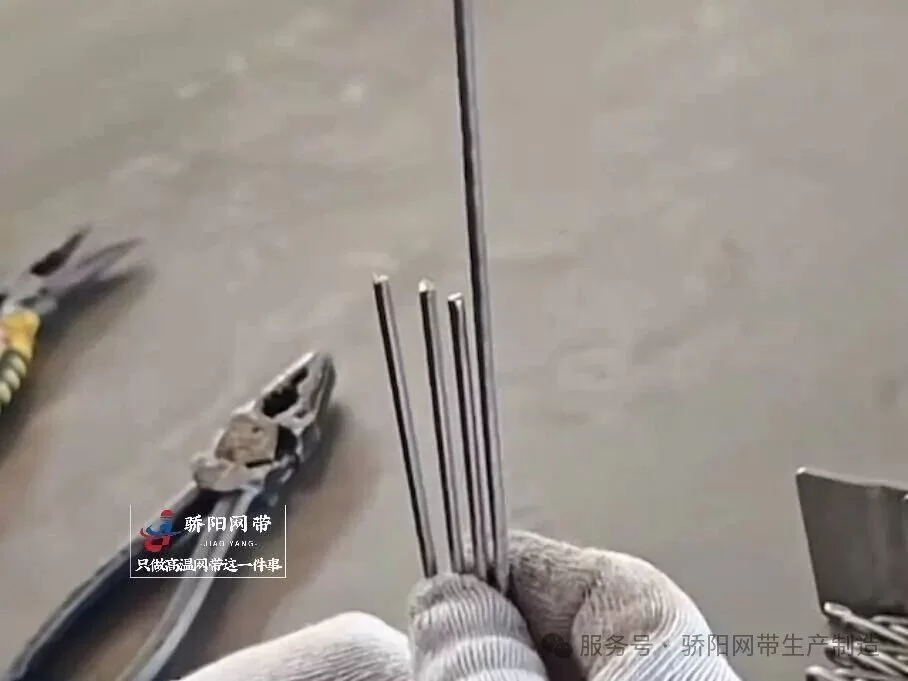 December 01, 2025How To Accurately Connect The Herringbone Mesh Belt And Blocking Plate?
In industries such as heat treatment, catalysts, and food baking, herringbone mesh belts with blocking plates are used to ensure a smooth surface and prevent material leakage.
-
 March 25, 2026The Versatile Flat Flex Conveyor Belt for Efficient Material HandlingLet me tell you, after years on construction sites, knee-deep in dust and dealing with all sorts of conveyor headaches, a good, reliable system is worth its weight in gold. We’re talking about moving materials – everything from aggregates to finished goods – and time is absolutely money. That’s where the Flat Flex Conveyor Belt comes in. It’s not just another piece of equipment; it’s a productivity booster, a safety enhancer, and frankly, a sanity saver. I’ve seen projects grind to a halt because of conveyor issues, and a robust, easily maintained system like this can prevent a lot of trouble. What I appreciate most, having spent countless hours troubleshooting on-site, is simplicity. Complicated systems mean more downtime and the need for specialized technicians. The beauty of a well-designed Flat Flex Conveyor Belt is its straightforward design. It's easy to install, even in tight spaces, and maintenance is minimal.
 -
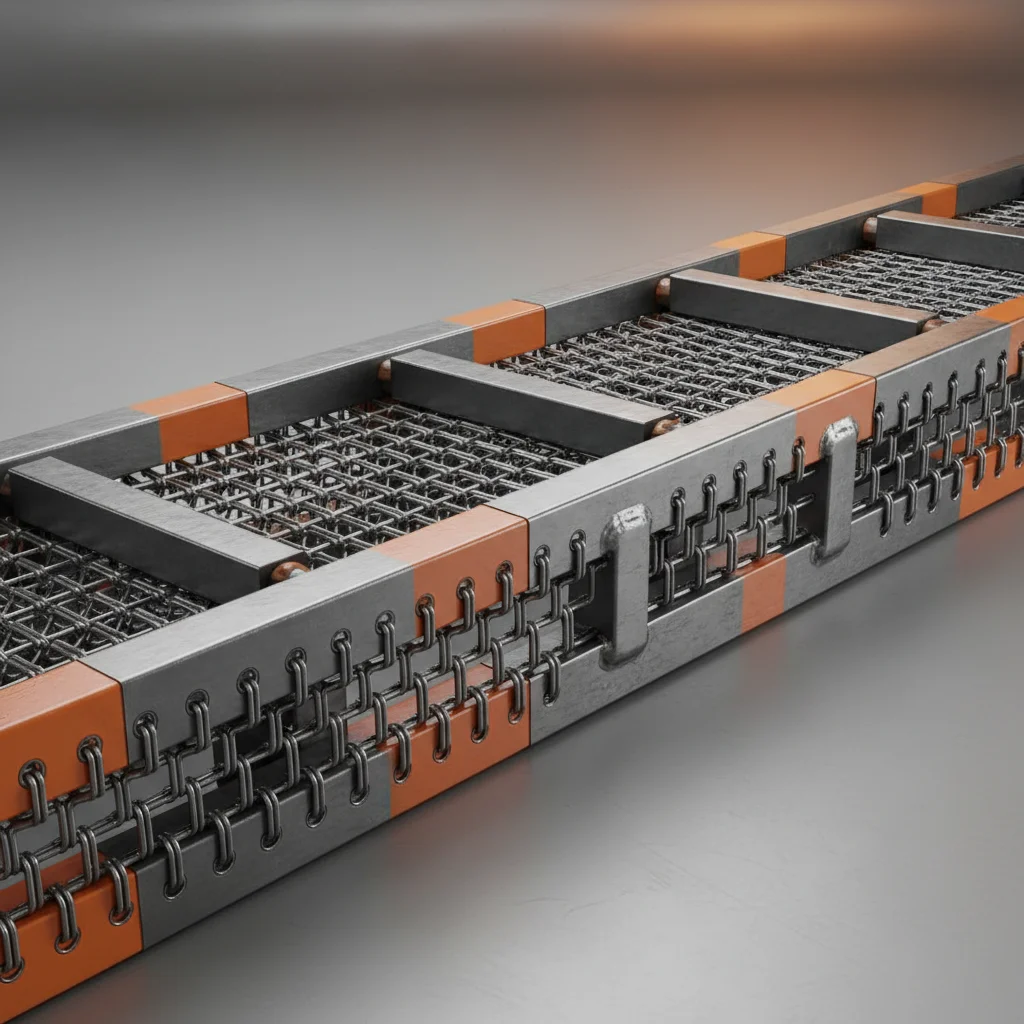 April 09, 2026Industrial Mesh Belt Guide for Production Line EfficiencyIn the world of industrial processing, the efficiency of your production line often depends on the smallest components. A high-quality mesh belt serves as the backbone for countless operations, from food baking and pharmaceutical processing to heavy-duty metal heat treatment. Choosing the right belt material and weave can mean the difference between seamless operation and costly downtime. This comprehensive guide will walk you through everything you need to know about selecting, maintaining, and optimizing your conveyor systems to ensure maximum productivity and longevity.
 -
 April 04, 2026Comprehensive Guide to Wire Mesh Belt Systems and Their ApplicationsIn numerous industries, efficient material handling is paramount. Wire mesh belts provide a robust and versatile solution for conveying a wide variety of products through various processes. This article delves into the world of wire mesh belts, covering their applications, benefits, types, and crucial considerations for selecting the right system for your specific needs. Whether you're involved in food processing, heat treatment, or any other industry requiring continuous conveying, understanding wire mesh belts is essential for optimizing your operations.
 -
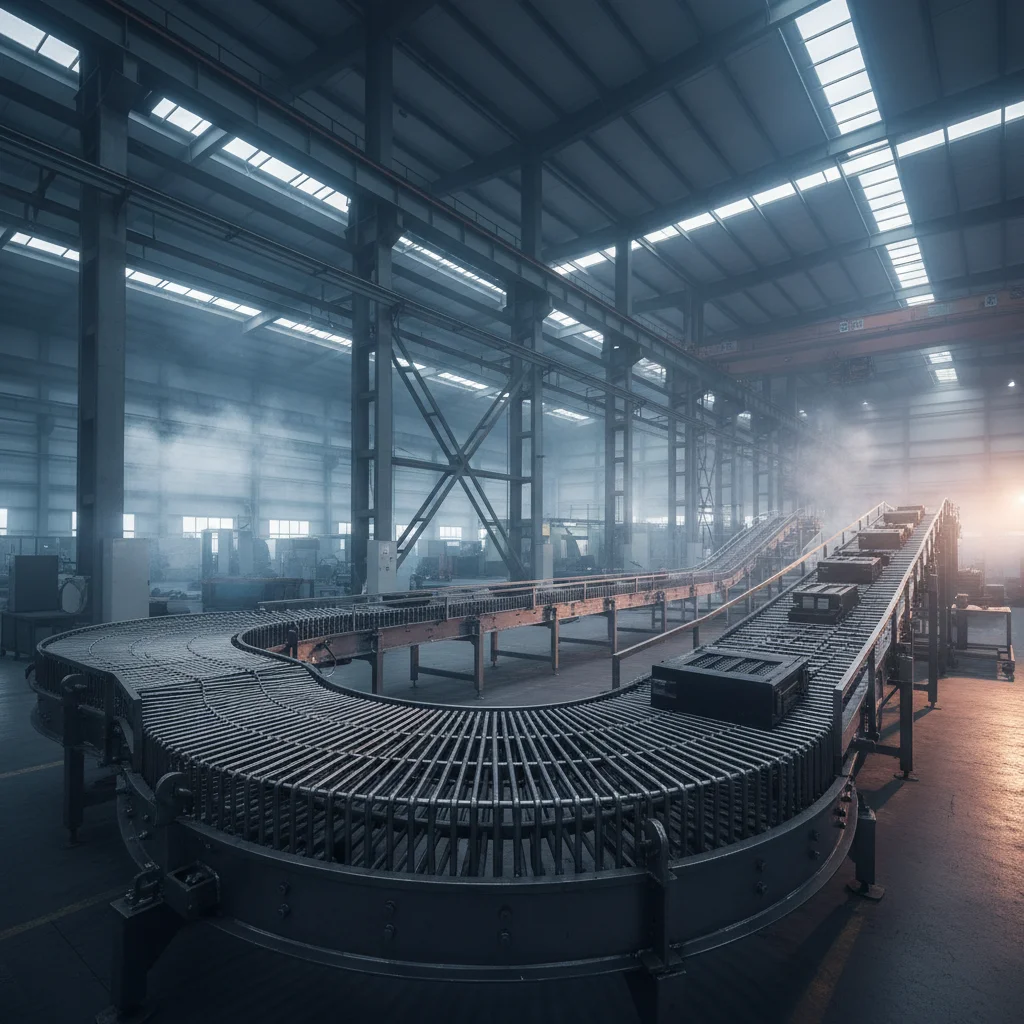 March 19, 2026Optimizing Industrial Processes with Durable Rod Network Conveyor BeltsRod Network Conveyor Belts are crucial components in various industrial processes, offering efficient and reliable material handling solutions. These belts are known for their unique construction, providing excellent air permeability, smooth operation, and extended service life. This article will explore the benefits, applications, types, and considerations when choosing rod network conveyor belts, offering valuable insights for engineers and procurement professionals. Understanding these belts can optimize your operations and reduce downtime. Rod network conveyor belts are constructed using a series of interconnected rods, typically made of stainless steel or other corrosion-resistant materials. These rods are welded or mechanically joined to form a continuous belt surface. The open structure of the mesh allows for excellent air flow, making them ideal for processes like cooling, drying, and washing. The specific design of the rods and the mesh pattern can be customized to meet the requirements of different applications. This robust construction leads to superior durability and performance compared to traditional conveyor belts.
Get Your Custom Solution
Facing challenges with high-temperature conveying? Contact us now.
Our engineers will provide you with expert product consultation and tailored solutions.
Sign up
for our Newsletter
Subscribe to the weekly newsletter for all the latest updates


