
Optimizing Industrial Processes with Durable Rod Network Conveyor Belts
Optimizing Industrial Processes with Durable Rod Network Conveyor Belts
Rod Network Conveyor Belts: A Comprehensive Guide
Rod Network Conveyor Belts are increasingly vital in various industries, offering a robust and efficient solution for material handling. These belts, known for their exceptional strength and airflow capabilities, are ideal for applications requiring the transport of granular, hot, or delicate materials. This article will delve into the characteristics, benefits, applications, and specifications of rod network conveyor belts, providing a detailed understanding for engineers, procurement professionals, and anyone involved in material handling processes. Choosing the right conveyor belt can dramatically improve operational efficiency and reduce costs.
Understanding Rod Network Conveyor Belt Construction
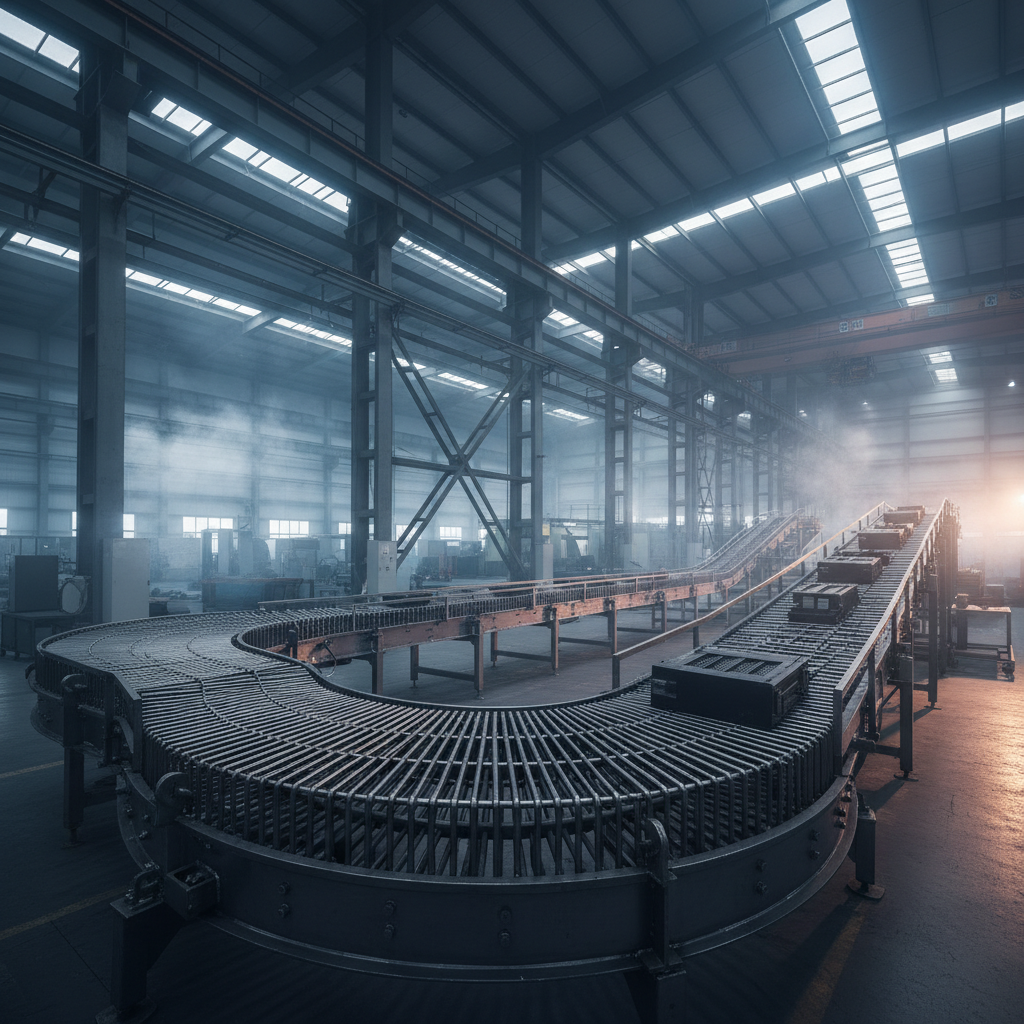
Rod network conveyor belts are constructed using a unique interwoven pattern of metal rods, typically stainless steel, creating a strong and stable surface. This design allows for excellent airflow, making them perfect for cooling or drying materials during transport. Unlike solid belts, the open structure minimizes material buildup and is easy to clean. The rods are welded together at the intersections, forming a continuous and durable belt surface. Different rod diameters and mesh sizes are available to cater to specific material characteristics and application requirements. JY Mesh Belt specializes in the production of high-quality rod network conveyor belts tailored to diverse industrial needs.
Key Advantages: Excellent airflow, robust construction, easy cleaning, minimal material buildup, suitable for hot or abrasive materials.
Key Applications of Rod Network Conveyor Belts
The versatility of rod network conveyor belts lends them to a wide array of applications. Common industries utilizing these belts include: food processing (cooling baked goods, drying snacks), plastics (transporting hot molded parts), metalworking (removing hot metal shavings), and environmental control (drying sludge). They are also frequently used in applications requiring precise material positioning or alignment. The open structure prevents product damage and ensures efficient throughput.
Common Industry Uses:
• Food Processing: Cooling, drying, and conveying food products.
• Plastics Industry: Transporting hot molded plastics.
• Metalworking: Removing metal shavings and debris.
• Environmental Control: Drying industrial sludge.
Rod Network Conveyor Belts: Material Options and Considerations
The most common material for rod network conveyor belts is stainless steel (304 or 316), offering excellent corrosion resistance and durability. However, other materials such as carbon steel are available for specific applications where corrosion is less of a concern. Selecting the appropriate material is crucial for ensuring the belt’s longevity and performance. Factors to consider include the material being conveyed, the operating temperature, and the presence of corrosive substances.
Comparing Rod Network Belts to Other Conveyor Belt Types
Compared to solid belts, rod network conveyor belts excel in applications requiring airflow or the transport of hot materials. While modular plastic belts offer versatility, they often lack the strength and temperature resistance of metal rod belts. Wire mesh belts are similar but may not provide the same level of airflow or stability. Careful consideration of the application requirements is essential when selecting the most appropriate conveyor belt type.
Technical Specifications and Customization Options
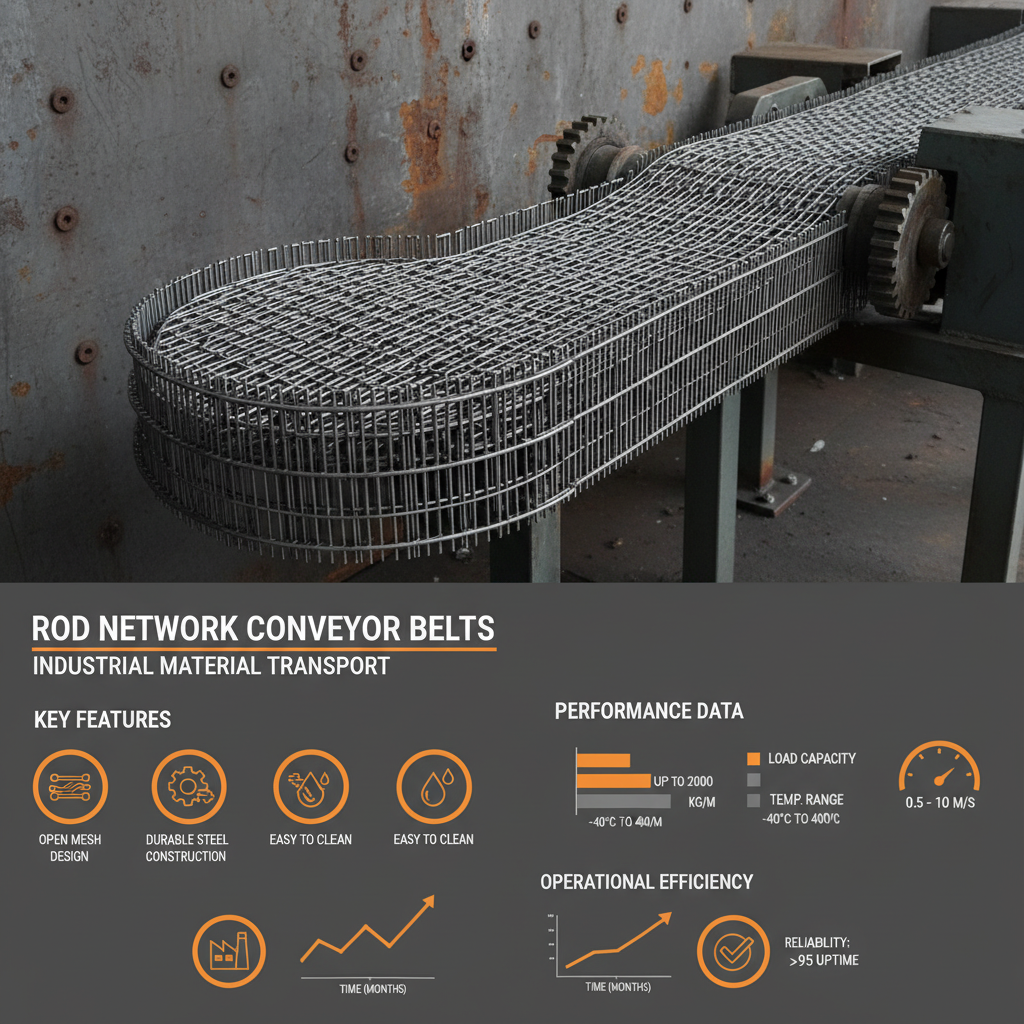
JY Mesh Belt offers a range of customization options to meet specific application requirements. Rod diameter, mesh size, belt width, and material are all customizable. Our belts are engineered for durability and precise operation. Typical specifications include rod diameters ranging from 3mm to 12mm, mesh openings from 6mm to 50mm, and belt widths up to 3 meters. We also offer specialized coatings and finishes to enhance corrosion resistance or reduce material buildup.
Conclusion: Optimizing Material Handling with Rod Network Belts
Investing in high-quality rod network conveyor belts is a strategic decision for businesses seeking to enhance operational efficiency and reduce material handling costs. With their robust construction, excellent airflow, and customizable options, these belts are well-suited for a wide range of industrial applications. JY Mesh Belt is your trusted partner for delivering reliable and durable conveyor belt solutions.
Frequently Asked Questions (FAQs)
What is the typical service life of a rod network conveyor belt?
The service life of a rod network conveyor belt varies depending on the application, material conveyed, and maintenance practices. However, with proper care, a well-maintained belt can last for several years. Factors affecting lifespan include abrasion, corrosion, and fatigue. Regular inspections for wear and tear, cleaning to prevent buildup, and adherence to recommended operating parameters will maximize belt longevity. JY Mesh Belt offers repair services to extend the life of your belts, saving you on replacement costs.
Can rod network belts handle abrasive materials?
Yes, rod network conveyor belts are well-suited for handling abrasive materials due to their robust construction. The interwoven rod design distributes the load, minimizing wear and tear. Using hardened stainless steel or abrasion-resistant coatings can further enhance durability in particularly abrasive environments. Regularly inspect the belt for signs of wear and replace worn rods as needed to maintain optimal performance.
What maintenance is required for rod network conveyor belts?
Regular maintenance is crucial for maximizing the lifespan and performance of rod network conveyor belts. This includes visual inspections for wear and tear, cleaning to remove material buildup, lubrication of moving parts, and tension adjustments. Promptly address any issues such as broken or worn rods. JY Mesh Belt offers maintenance training and support to help customers keep their belts operating efficiently.
Do you offer custom belt designs?
Yes, JY Mesh Belt specializes in custom belt designs. We work closely with our clients to understand their specific application requirements and develop a tailored solution. We can customize rod diameter, mesh size, belt width, material, and coatings to meet your exact needs. Contact our engineering team to discuss your custom belt requirements.
-
 Ladder Conveyor Belts
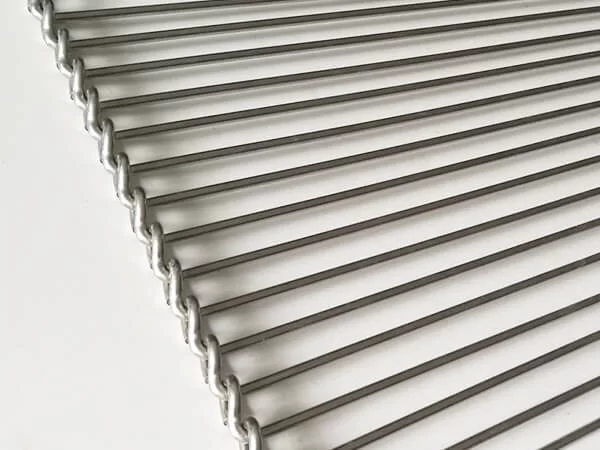
Ladder Conveyor Belt is a simple but effective style of conveyor belt, generally used belt for common processes and common product loads. Its open design provides efficient operation with minimum maintenance as well as facilitating easy and thorough cleaning. Its lightweight and basic configuration make it a very economic and cost-effective style of belting for many different environments. The ladder belts are used in production processes with temperatures of -100ºC to +450ºC in food and other industries.
-
 Wire Mesh Lehr Belts
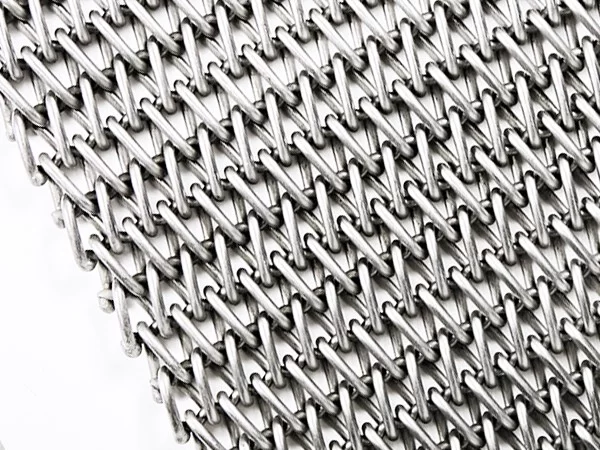
Lehr Belts feature a balanced weave wire construction, composed of alternating right- and left-hand flattened spirals securely seated in crimped connector rods. The belt edges are welded to enhance durability and stability.
-
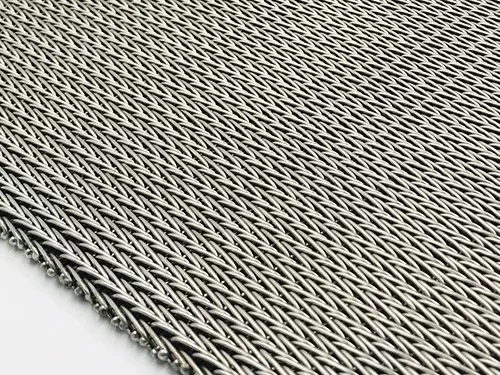 Compound Balanced Weave Conveyor Belt With Welded Edge
aka chevron conveyor belt with welded edge aka Compound weave mesh belt with welded edge
Compound Balanced Weave Belts with Welded Edge.The standard available type of edge finish for this application is welding, facilitated by the close meshing of both the crimp and cross wire.
-
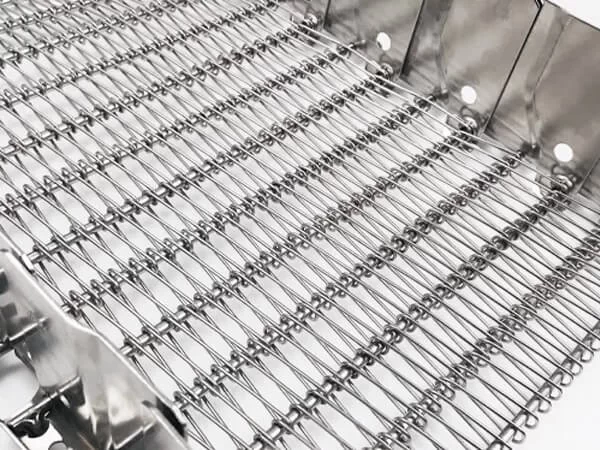 Self-Stacking Spiral Freezer Belts
Self-Stacking Spiral Freezer BeltsSelf-Stacking Spiral Freezer Belts are innovative conveyor solutions designed specifically for use in spiral freezers. With a unique stacking mechanism that eliminates the need for external support, these belts help maximize vertical space, reduce energy consumption, and improve overall freezing efficiency.
Engineered for high-performance food processing environments, these belts offer superior product handling, longer service life, and minimal maintenance — all while maintaining food quality and system hygiene.
-
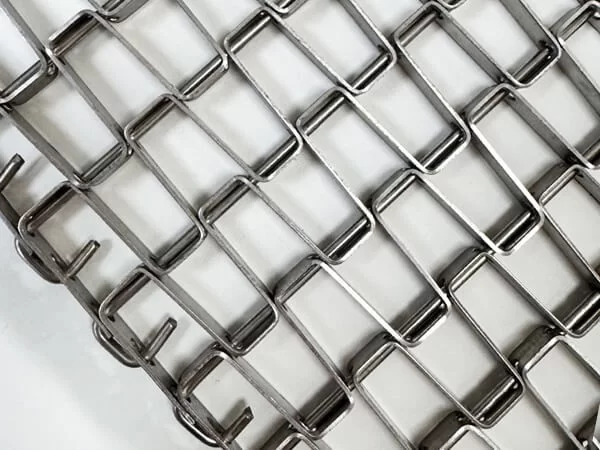 Honeycomb (Flat Wire) Conveyor Belts
Honeycomb conveyor belt, also called flat wire conveyor belt. The honeycomb belt is constructed of cross rods and a flat metal strip.
At the sides of the belt the cross rods have a welded ring (welded edges). In a number of dimensions it is possible to give the sides of the belt a clinged edge.
There are a number of predefined belt executions with different pitches and material dimensions. The belt can also be provided with side plates or flights. The flat wires are arranged in the form of lattice and jointed with the straight round rods. The material of flat wire belt are commonly high carbon steel, galvanized steel, stainless steel and other materials.
-
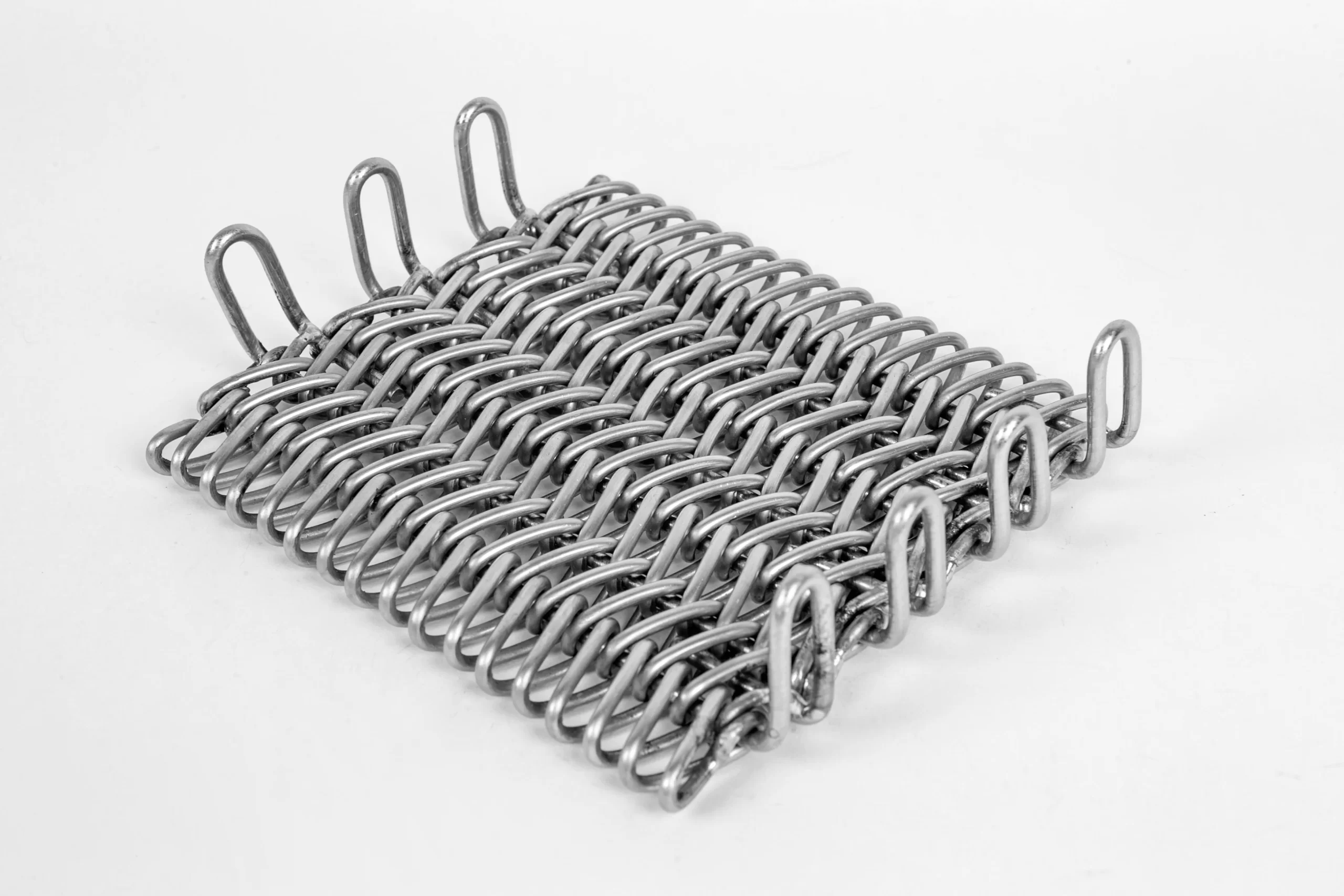 Balanced Weave Conveyor Belt
Direct Edge Welding – Provides maximum structural integrity and durability
U-Shaped Edge……
-
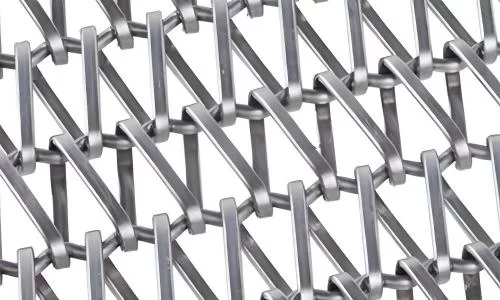 Veneer Dryer Wire Mesh Belts
Veneer dryer wire mesh belts are essential components in continuous veneer drying systems, widely used in plywood and panel manufacturing. These belts are designed to withstand high temperatures, provide stable transport, and allow optimal air circulation, ensuring uniform drying of wood veneer sheets. Made from high-quality metal or heat-resistant synthetic materials, these belts contribute to energy efficiency, reduce product defects, and enhance drying line productivity.
-
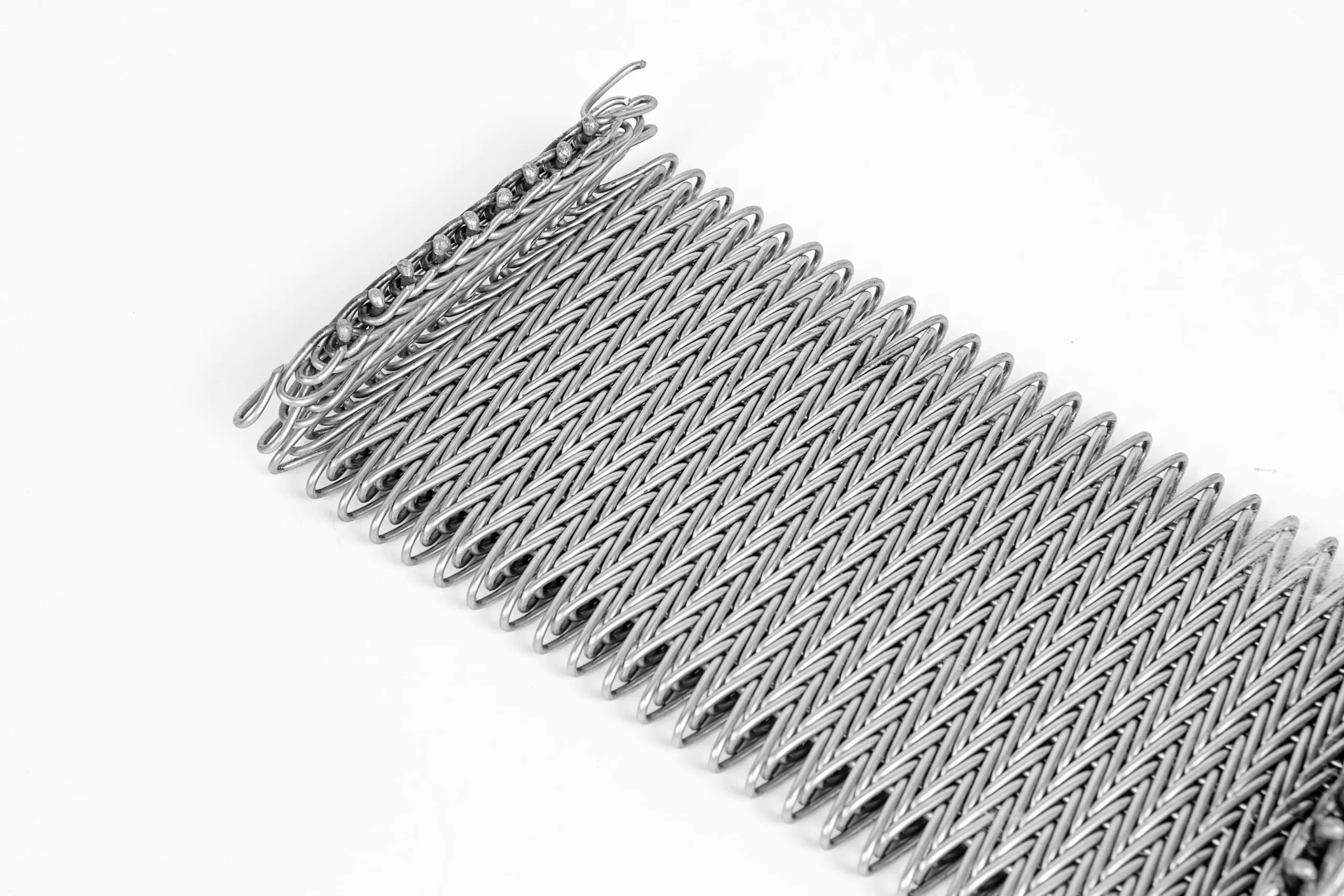 Compound Balanced Weave Conveyor Belt
aka cord weave conveyor belt
aka v shaped conveyor belt
aka chevron conveyor belt
Compound Balanced Weave Conveyor Belt: Also known as Chevron Conveyor Belt.It is a metal mesh belt with a special structure. It is woven by left and right spiral wires. It has a tight and strong structure. Its mesh holes are evenly arranged in a "herringbone" shape (also called "V" or "fishbone" shape). The edges can be welded, crimped or chain-reinforced to improve strength and stability.
This design gives it unique performance advantages and is widely used in industries that require high strength, high temperature resistance and stable transportation. It is usually made of stainless steel (such as stainless steel 314, stainless steel 316L, stainless steel 304), heat-resistant steel or other alloy materials.
-
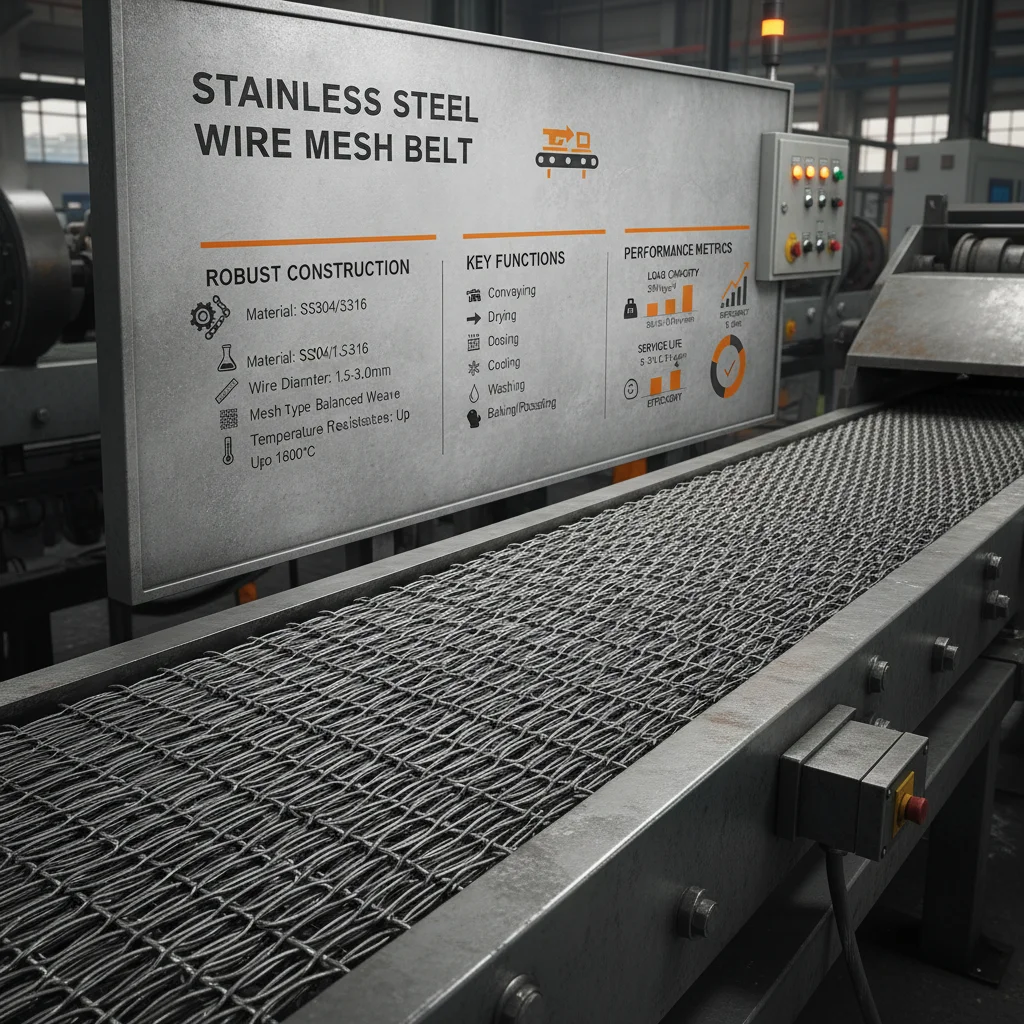 March 18, 2026Precision Engineered Solutions for Demanding IndustriesWe deliver robust and reliable wire mesh belt solutions, optimized for performance and longevity. As a leading manufacturer, we specialize in delivering high-quality Stainless Steel Wire Mesh Belt solutions engineered for a wide spectrum of industrial applications. Our belts are renowned for their exceptional strength, durability, and resistance to corrosion, ensuring optimal performance and a prolonged service life. Stainless Steel Wire Mesh Belt provide efficient conveying and processing solutions across diverse sectors.
 -
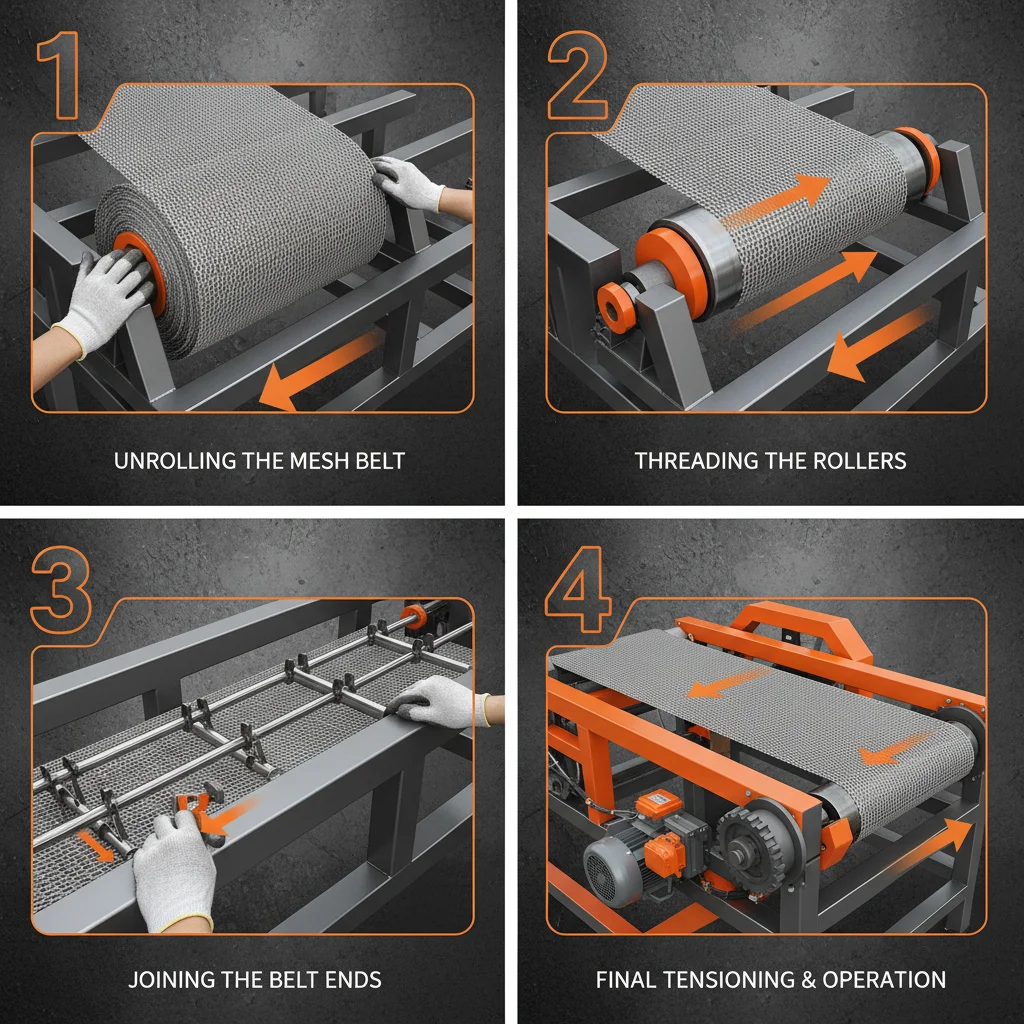 March 30, 2026Investing in a Reliable Dryer Mesh Belt for Efficient Material HandlingLook, I've spent years in the dirt, watching things get built – everything from simple warehouses to massive processing plants. And let me tell you, moving material is always the bottleneck. It's not glamorous, it's not sexy, but it's where projects live or die. That's where a solid Dryer Mesh Belt comes in. It's not just a conveyor; it’s the backbone of efficiency, and frankly, a sanity saver for everyone on site.
 -
 April 16, 2026Industrial Stainless steel conveyor belt Guide for ManufacturingIn the demanding world of industrial manufacturing, the efficiency of your production line often hinges on the quality of your transport systems. A high-performance stainless steel conveyor belt is more than just a moving surface; it is a critical component that ensures hygiene, durability, and seamless operation. Whether you are dealing with extreme temperatures in a food processing plant or corrosive chemicals in a pharmaceutical lab, selecting the right belt material can drastically reduce downtime and maintenance costs. In this guide, we will explore why stainless steel is the gold standard for industrial conveying and how to optimize your selection for maximum ROI.
 -
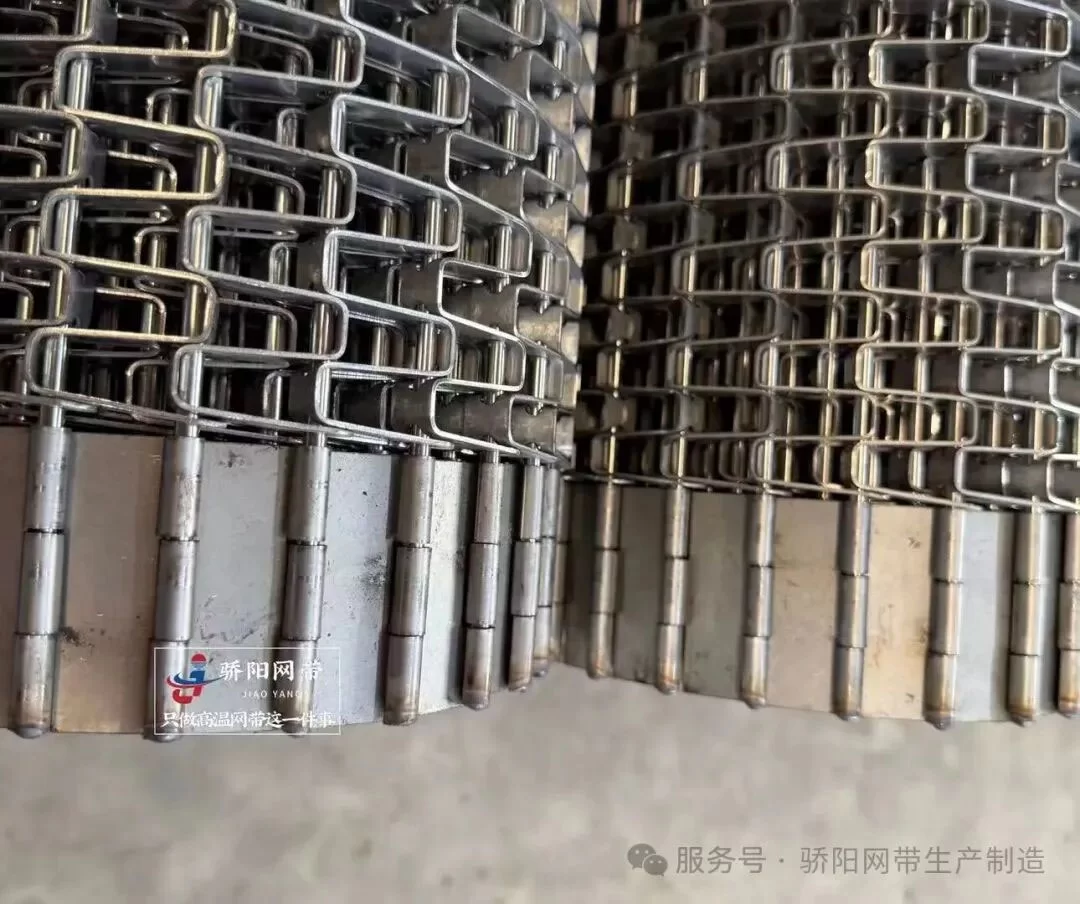 February 01, 2026What Are The Advantages Of The Great Wall Mesh Belt And Jiaoyang Products?
Jiaoyang selects excellent stainless steel materials, which meet the standards for strength, corrosion resistance, and wear resistance. Each batch of materials supports traceability.
-
 March 25, 2026The Versatile Flat Flex Conveyor Belt for Efficient Material HandlingLet me tell you, after years on construction sites, knee-deep in dust and dealing with all sorts of conveyor headaches, a good, reliable system is worth its weight in gold. We’re talking about moving materials – everything from aggregates to finished goods – and time is absolutely money. That’s where the Flat Flex Conveyor Belt comes in. It’s not just another piece of equipment; it’s a productivity booster, a safety enhancer, and frankly, a sanity saver. I’ve seen projects grind to a halt because of conveyor issues, and a robust, easily maintained system like this can prevent a lot of trouble. What I appreciate most, having spent countless hours troubleshooting on-site, is simplicity. Complicated systems mean more downtime and the need for specialized technicians. The beauty of a well-designed Flat Flex Conveyor Belt is its straightforward design. It's easy to install, even in tight spaces, and maintenance is minimal.
 -
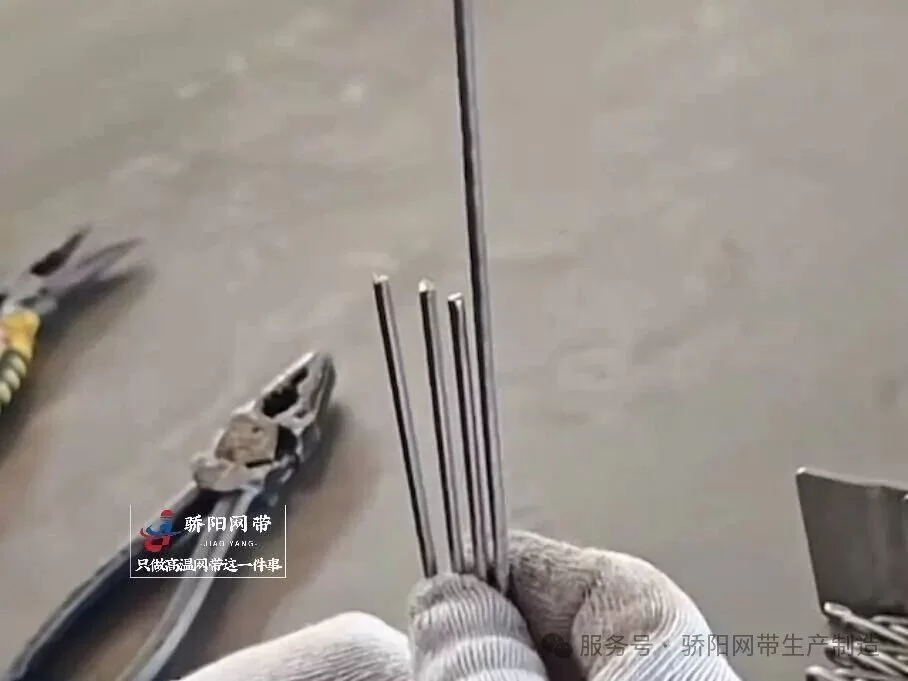 December 01, 2025How To Accurately Connect The Herringbone Mesh Belt And Blocking Plate?
In industries such as heat treatment, catalysts, and food baking, herringbone mesh belts with blocking plates are used to ensure a smooth surface and prevent material leakage.
-
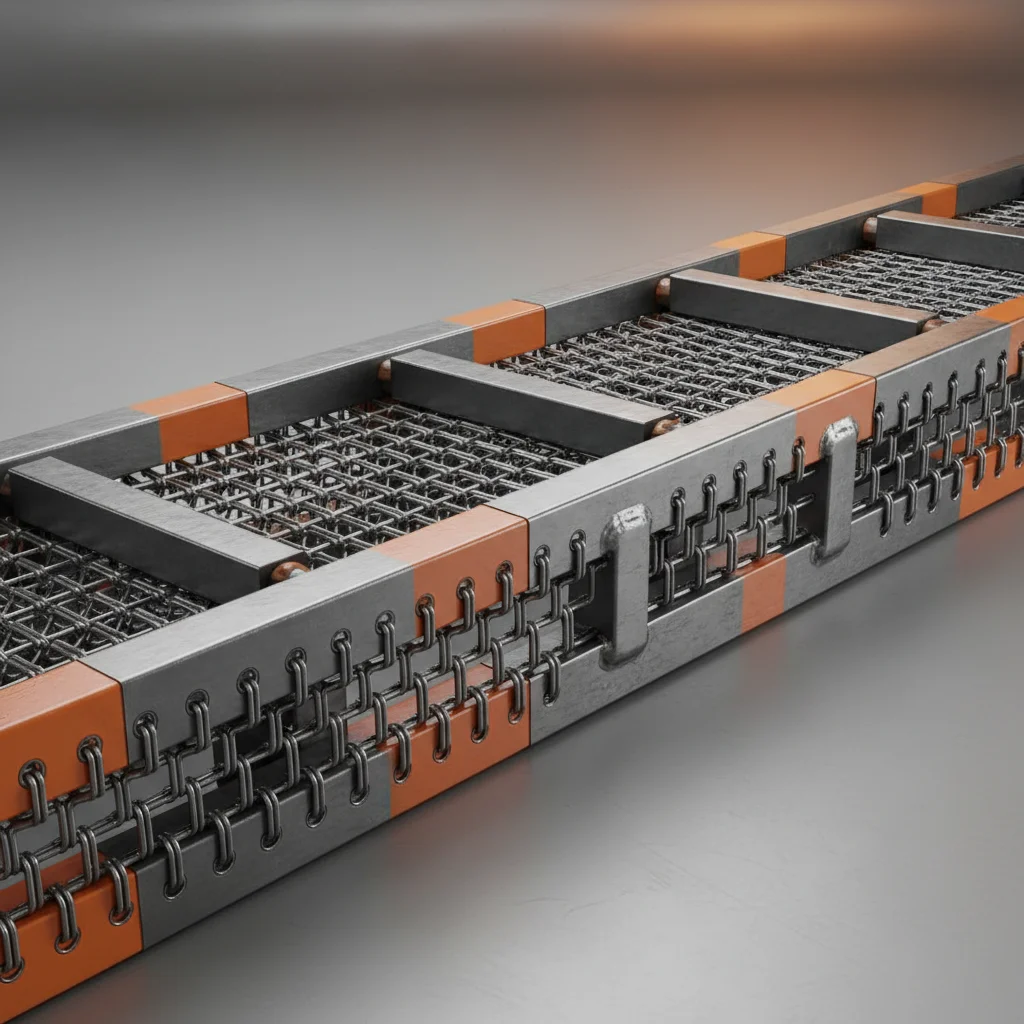 April 09, 2026Industrial Mesh Belt Guide for Production Line EfficiencyIn the world of industrial processing, the efficiency of your production line often depends on the smallest components. A high-quality mesh belt serves as the backbone for countless operations, from food baking and pharmaceutical processing to heavy-duty metal heat treatment. Choosing the right belt material and weave can mean the difference between seamless operation and costly downtime. This comprehensive guide will walk you through everything you need to know about selecting, maintaining, and optimizing your conveyor systems to ensure maximum productivity and longevity.
 -
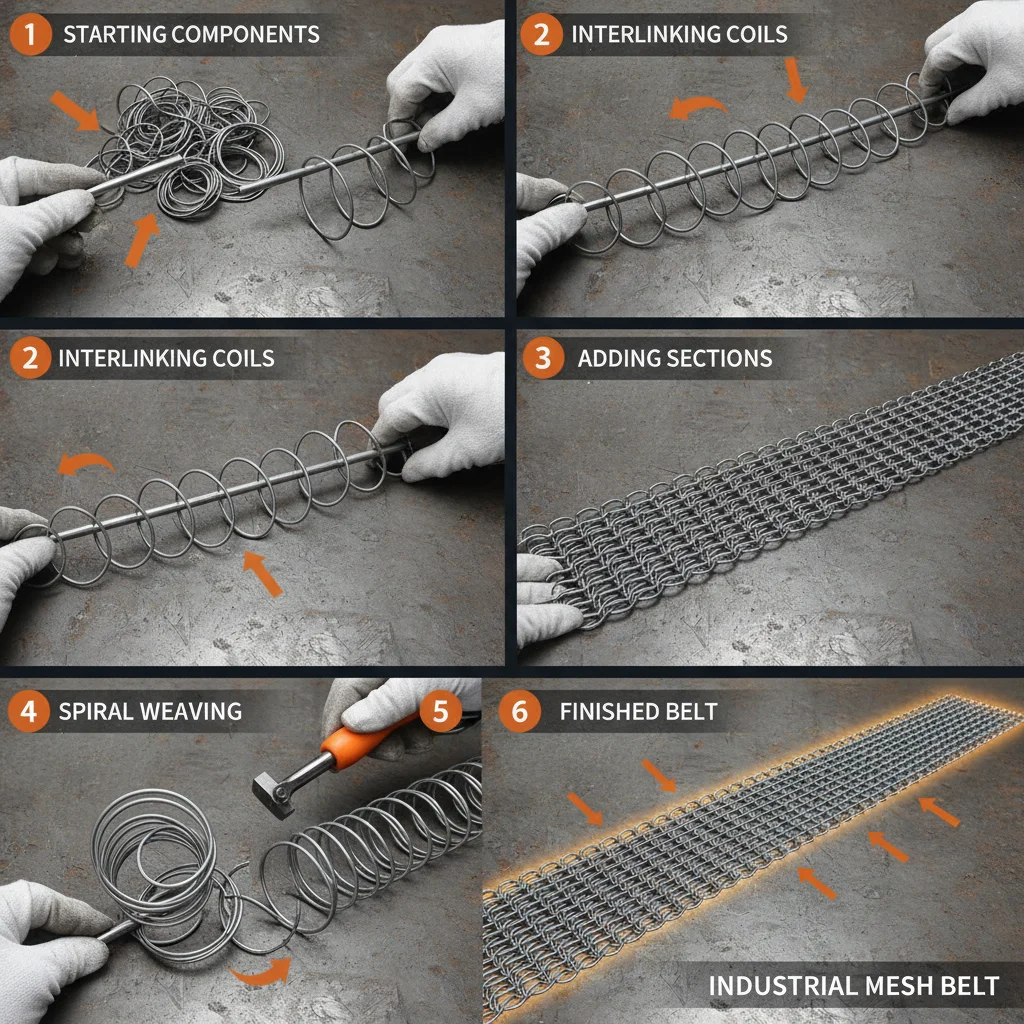 April 07, 2026Comprehensive Guide to Metal Mesh Belt Types Benefits and Industrial ApplicationsMetal mesh belts are indispensable components in a vast range of industrial processes, offering reliable and efficient conveyance solutions. From heat treatment and forging to food processing and packaging, these belts excel in demanding environments. This article explores the types, benefits, applications, and considerations for selecting the right metal mesh belt for your specific needs. Understanding their construction and properties is key to optimizing your production line.
Get Your Custom Solution
Facing challenges with high-temperature conveying? Contact us now.
Our engineers will provide you with expert product consultation and tailored solutions.
Sign up
for our Newsletter
Subscribe to the weekly newsletter for all the latest updates


