
Comprehensive Guide to Flat Wire Conveyor Belt Technology and Applications
Comprehensive Guide to Flat Wire Conveyor Belt Technology and Applications
Understanding Flat Wire Conveyor Belt Technology
In the realm of material handling, efficiency and reliability are paramount. Flat wire conveyor belts have emerged as a versatile solution for a wide range of industries, offering a smooth, consistent surface for transporting products. This article provides an in-depth look at flat wire conveyor belts, their benefits, applications, and key considerations when selecting the right belt for your needs. We'll explore why they've become a preferred choice for many companies seeking to optimize their processes.
What are Flat Wire Conveyor Belts?
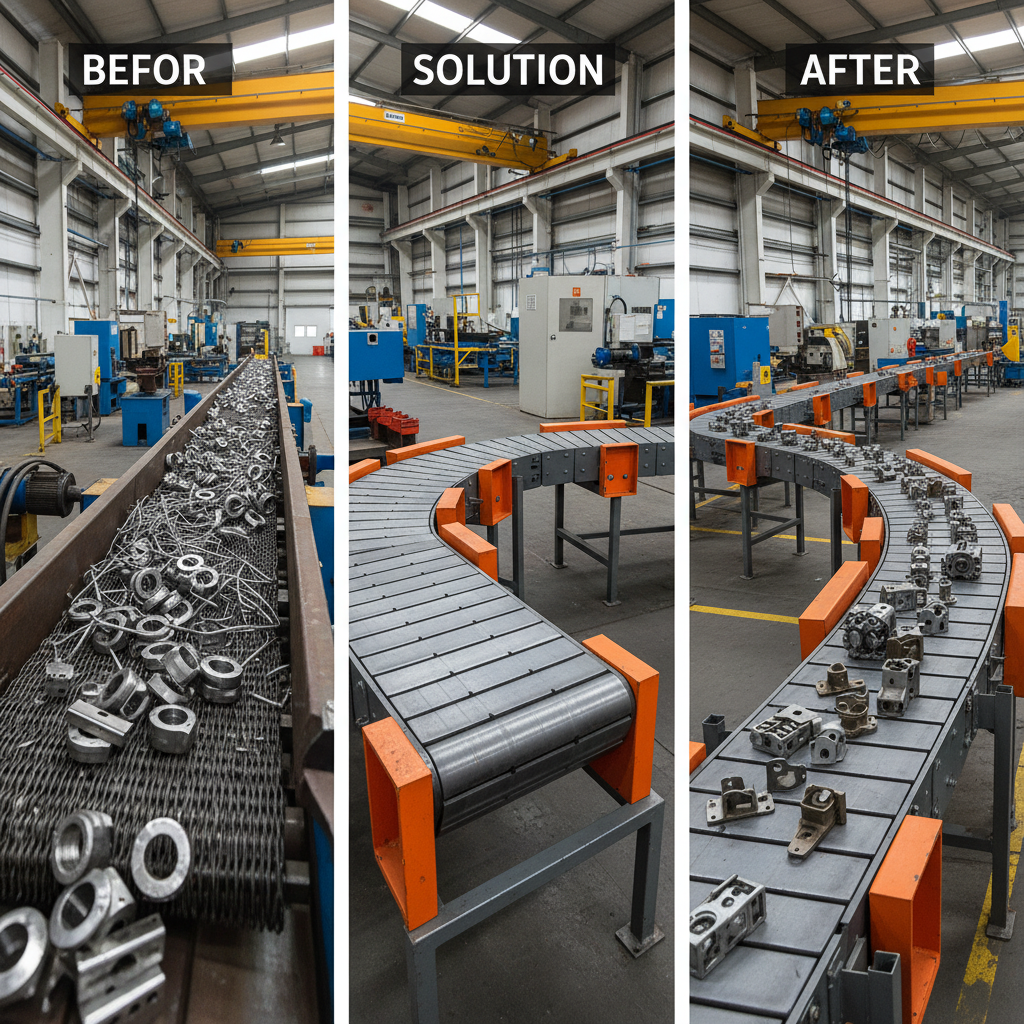
Flat wire conveyor belts are constructed from a series of flat wires, typically made of stainless steel, interwoven or welded together to form a continuous belt. Unlike traditional fabric belts, flat wire belts offer a consistently stable and smooth surface, making them ideal for applications requiring precise product tracking and minimal marking. They are known for their durability, resistance to corrosion, and ability to withstand high temperatures. These belts are easily cleanable and require minimal maintenance, offering long-term cost savings. JYMeshBelt specializes in manufacturing high-quality flat wire conveyor belts for diverse industrial applications.
Key Highlights: Constructed from interwoven or welded flat wires, typically stainless steel, offering a stable and smooth surface. Known for durability, corrosion resistance, and easy maintenance.
Applications of Flat Wire Conveyor Belts
The versatility of flat wire conveyor belts makes them suitable for a multitude of industries. They are widely used in the food processing industry for conveying baked goods, confectionery, and frozen products due to their hygienic properties and ease of cleaning. In the electronics industry, they are used for precise product handling during assembly and inspection processes. Other common applications include heat treatment, metal finishing, and the transportation of lightweight components. The ability to withstand high temperatures also makes them ideal for cooling or heating applications.
Industry Applications:
• Food Processing
• Electronics Manufacturing
• Heat Treatment
• Metal Finishing
Flat Wire vs. Traditional Conveyor Belts: A Comparative Analysis
When considering a conveyor belt solution, understanding the differences between flat wire and traditional belts is crucial. Traditional belts, often made of rubber or PVC, can stretch and wear more quickly, leading to alignment issues and potential product damage. Flat wire belts maintain their shape and tension over time, offering greater accuracy and consistency. They also offer superior resistance to chemicals and high temperatures, making them a more durable and long-lasting investment. Choosing the right belt depends on your specific application requirements.
Choosing the Right Flat Wire Conveyor Belt: Key Considerations
Selecting the appropriate flat wire conveyor belt requires careful consideration of several factors. The type of product being conveyed, the operating temperature, the load weight, and the required belt width are all important parameters. The material of the wire (stainless steel 304, 316, etc.) should be chosen based on the environment and potential exposure to corrosive substances. JYMeshBelt offers expert guidance to help you select the optimal belt for your specific application.
Product Specifications
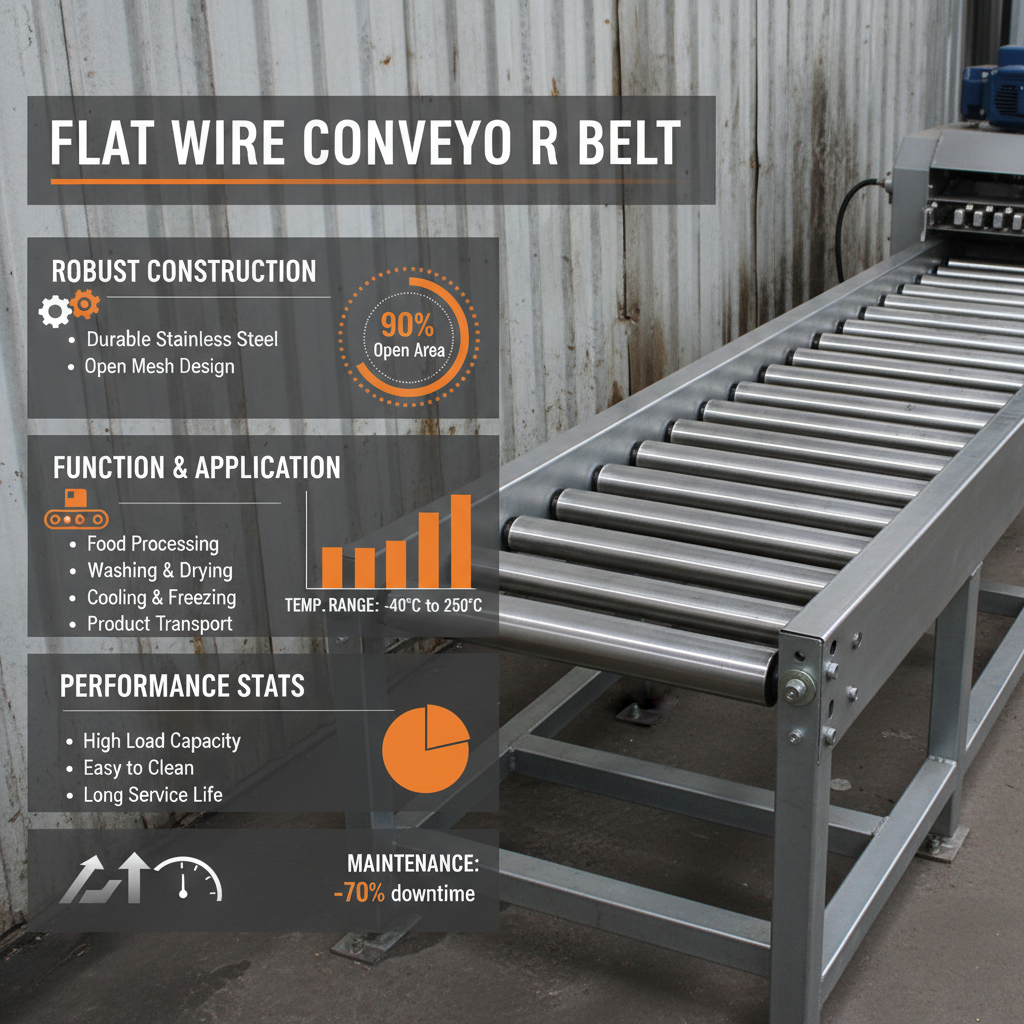
Here's a general overview of the specifications offered by JYMeshBelt. Customizations are available to meet specific needs.
Conclusion: Optimizing Your Processes with Flat Wire Conveyor Belts
Investing in a flat wire conveyor belt from JYMeshBelt can significantly enhance your operational efficiency, reduce downtime, and improve product quality. Their durability, versatility, and hygienic properties make them a valuable asset for businesses across various industries. Contact us today to discuss your specific needs and find the perfect conveyor belt solution for your application.
Frequently Asked Questions (FAQs)
What is the typical lifespan of a flat wire conveyor belt?
The lifespan of a flat wire conveyor belt varies depending on the application, the materials being conveyed, and the maintenance schedule. However, with proper care and operation, a well-maintained flat wire belt can last for several years. Factors that affect lifespan include abrasion, corrosion, and temperature fluctuations. Regularly cleaning the belt and inspecting it for damage will significantly extend its service life. JYMeshBelt provides guidance on best practices for belt maintenance to maximize its longevity.
Can flat wire conveyor belts be used with abrasive materials?
Yes, flat wire conveyor belts can be used with abrasive materials, but selecting the appropriate wire material is crucial. Stainless steel 316 offers superior corrosion resistance and abrasion resistance compared to 304. Additionally, the wire pitch and belt construction can be optimized to minimize wear and tear. JYMeshBelt offers customized belt solutions designed to withstand abrasive environments, ensuring a long service life and minimal downtime.
Are flat wire conveyor belts suitable for food processing applications?
Absolutely! Flat wire conveyor belts are widely used in the food processing industry due to their hygienic design and easy cleanability. Stainless steel construction prevents bacterial growth and contamination. The smooth surface minimizes product sticking and ensures efficient conveying. JYMeshBelt offers belts that comply with food safety regulations, providing a safe and reliable solution for food handling applications.
What maintenance is required for flat wire conveyor belts?
Regular maintenance is key to maximizing the lifespan of a flat wire conveyor belt. This includes routine cleaning to remove debris and buildup, visual inspection for wear and tear, and periodic tension adjustments. Lubrication of moving parts may also be necessary. JYMeshBelt provides comprehensive maintenance guidelines and support to help customers keep their belts operating at peak performance.
-
 Edge Drive Spiral Freezer Belts
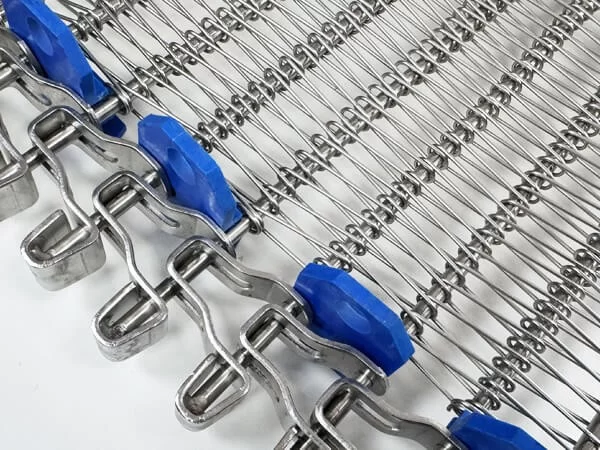
Edge Drive Spiral Freezer Belts are precision-engineered stainless steel conveyor belts used in spiral freezers across the food processing industry. Designed for edge-driven systems, these belts provide stable, hygienic, and efficient transport of food products during the freezing process. They are ideal for high-capacity operations where product integrity, airflow, and hygiene are critical.
-
 Double Balanced Weave Conveyor Belt
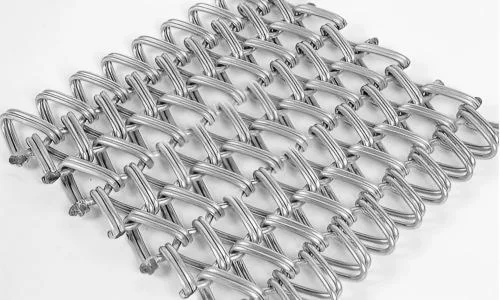
Double Wire Wrap Construction – Enhanced durability with interlocking spiral design……
-
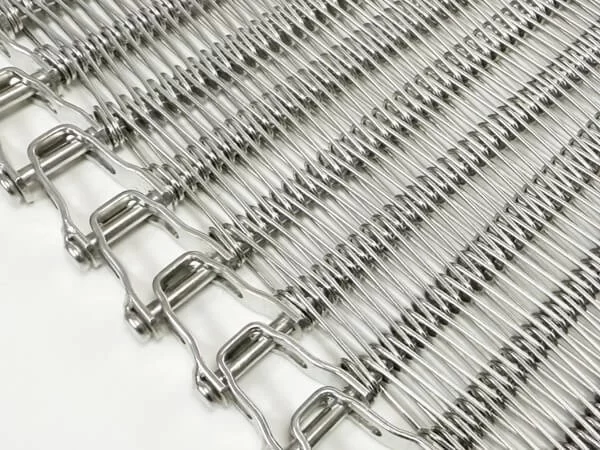 Flexible Rod Conveyor Belts
A Flexible Rod Belt is constructed from 3 components.
1. Alternating spirals take care of the belt overlay.
2. These spirals are connected to each other by means of smooth cross rods.
3. Special chain links are mounted at the outer sides, which are locked by means of button heads.
-
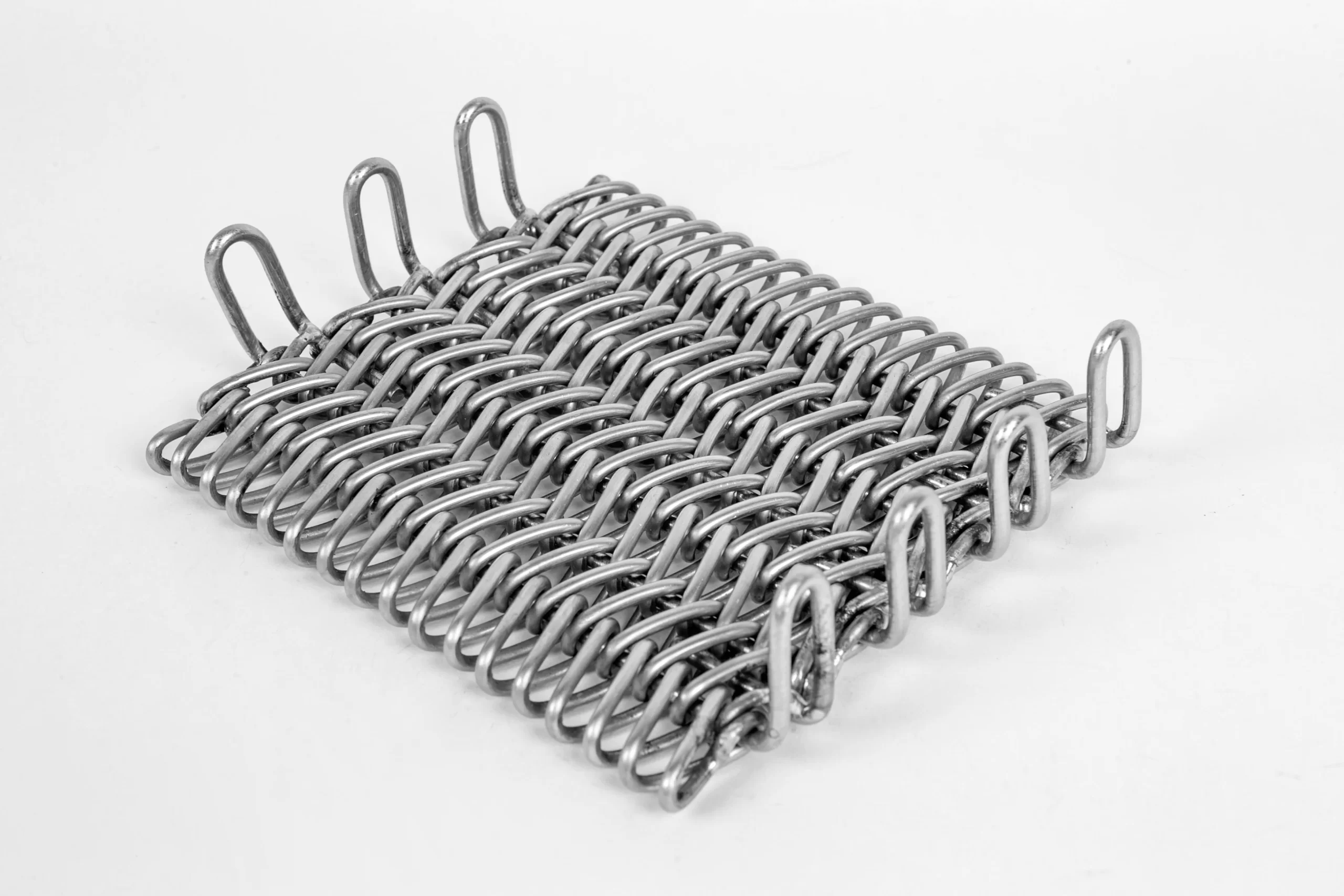 Balanced Weave Conveyor Belt
Direct Edge Welding – Provides maximum structural integrity and durability
U-Shaped Edge……
-
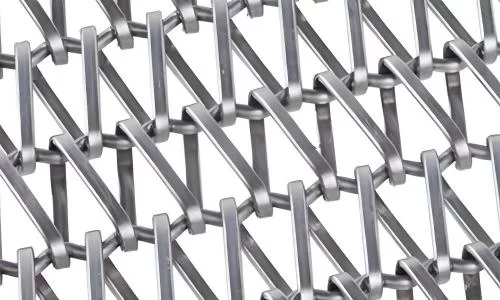 Veneer Dryer Wire Mesh Belts
Veneer dryer wire mesh belts are essential components in continuous veneer drying systems, widely used in plywood and panel manufacturing. These belts are designed to withstand high temperatures, provide stable transport, and allow optimal air circulation, ensuring uniform drying of wood veneer sheets. Made from high-quality metal or heat-resistant synthetic materials, these belts contribute to energy efficiency, reduce product defects, and enhance drying line productivity.
-
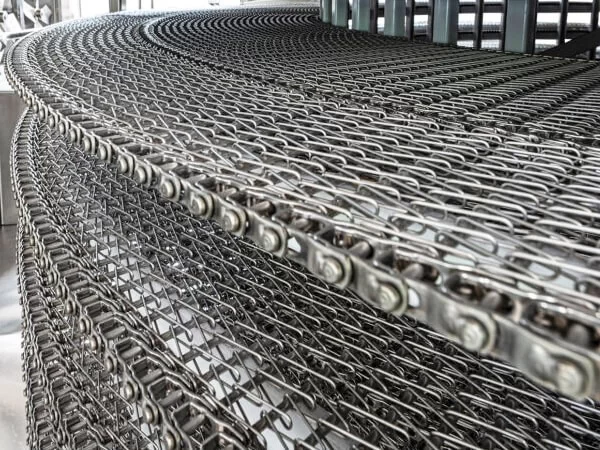 Spiral Freezer Belts
Spiral Freezer Belts also known as Spiral Cooler Belts or Spiral Cage Belts are specialized conveyor belts widely used in spiral freezing and cooling systems in food processing industries. They provide continuous product transport with high efficiency, optimized airflow, and minimal footprint.
-
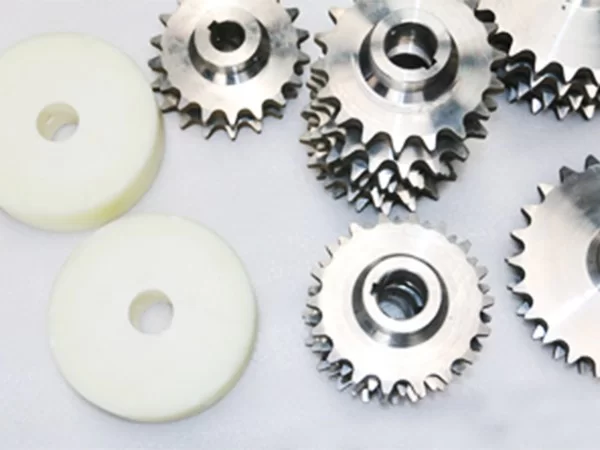 Sprockets
Jiaoyang offers a comprehensive range of standard sprockets and can also manufacture to order sprockets for new or replacement applications to suit any specified belt.
-
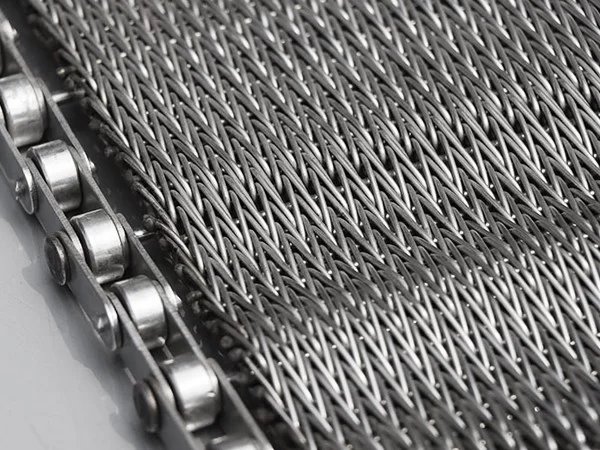 Compound Weave Conveyor Belts
Compound Weave Conveyor Belt, also named Stainless Steel Cordweave Conveyor Belt, Compound Balanced Woven Belt,V-shaped Conveyor Belt or Baking Band Conveyor Belt, have right-hand and left-hand spirals interconnecting by straight cross rods.
The compound belt is a high-density, balanced spiral belt with multiple spirals and cross rods per pitch, resulting in minimal apertures and a flat surface. This structure ensures a close and flat mesh, ideal for conveying very small items. Its uniform heat transfer and smooth surface make it perfect for applications like biscuit baking and sorting small mechanical components. Popular for its durability and efficiency, the compound weave is a top choice in various industries, including food processing and precision manufacturing.
-
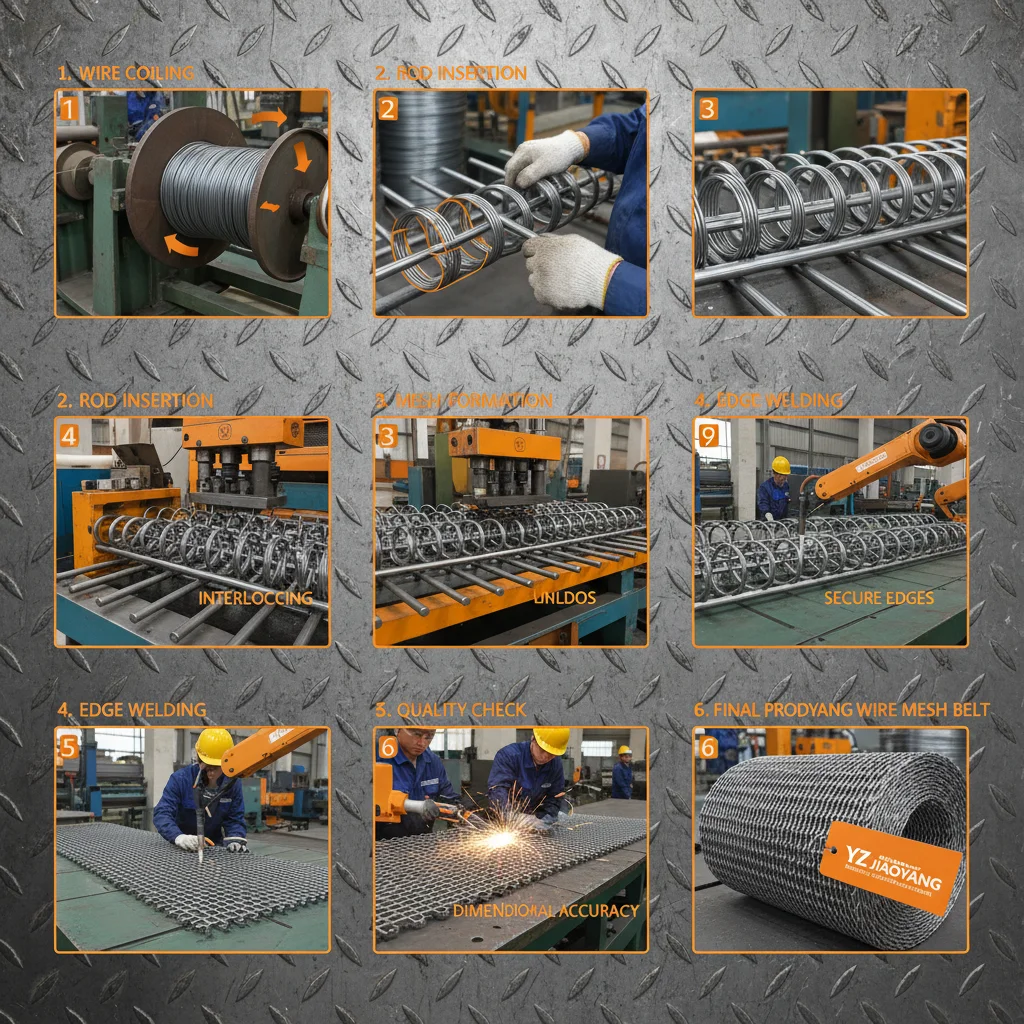 March 11, 2026Yangzhou Jiaoyang Wire Mesh Belt Optimizing Industrial Material Handling SolutionsYangzhou Jiaoyang Wire Mesh Belt represents a critical component in modern industrial processes, offering solutions for material handling across a diverse range of sectors. Its robust construction and adaptable design make it indispensable in industries demanding continuous operation and efficient conveyance. Understanding the nuances of these belts—from their material composition to their specific applications—is vital for optimizing operational efficiency and reducing downtime. Globally, the demand for high-quality wire mesh belts is steadily increasing, driven by growth in food processing, heat treatment, and other manufacturing industries. According to recent industry reports, the wire mesh belt market is projected to reach significant growth in the coming years, fueled by advancements in materials science and a greater emphasis on automation. Yangzhou Jiaoyang Wire Mesh Belt actively contributes to this growth by delivering innovative and reliable solutions. A key challenge faced by many manufacturers is the need for durable, reliable, and cost-effective material handling systems. Traditional conveyor methods often fall short in demanding environments.
 -
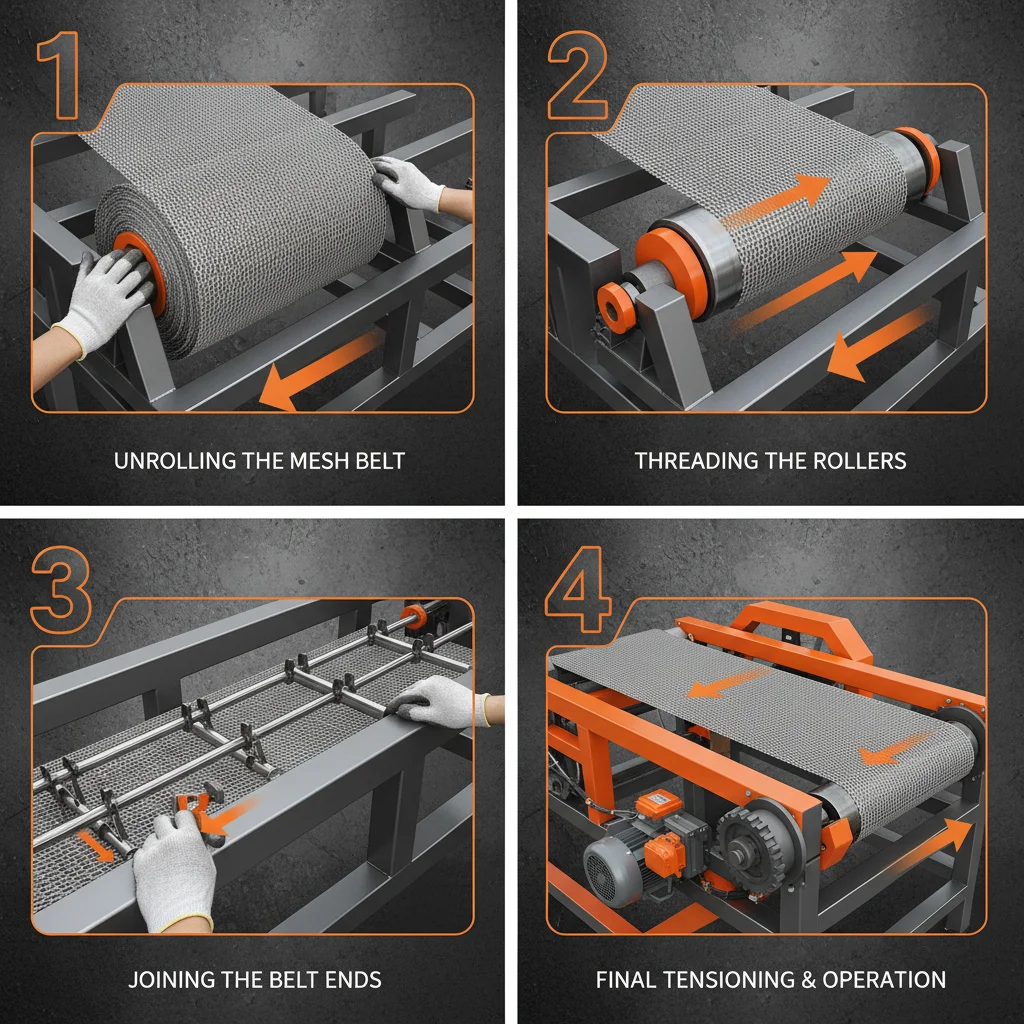 March 30, 2026Investing in a Reliable Dryer Mesh Belt for Efficient Material HandlingLook, I've spent years in the dirt, watching things get built – everything from simple warehouses to massive processing plants. And let me tell you, moving material is always the bottleneck. It's not glamorous, it's not sexy, but it's where projects live or die. That's where a solid Dryer Mesh Belt comes in. It's not just a conveyor; it’s the backbone of efficiency, and frankly, a sanity saver for everyone on site.
 -
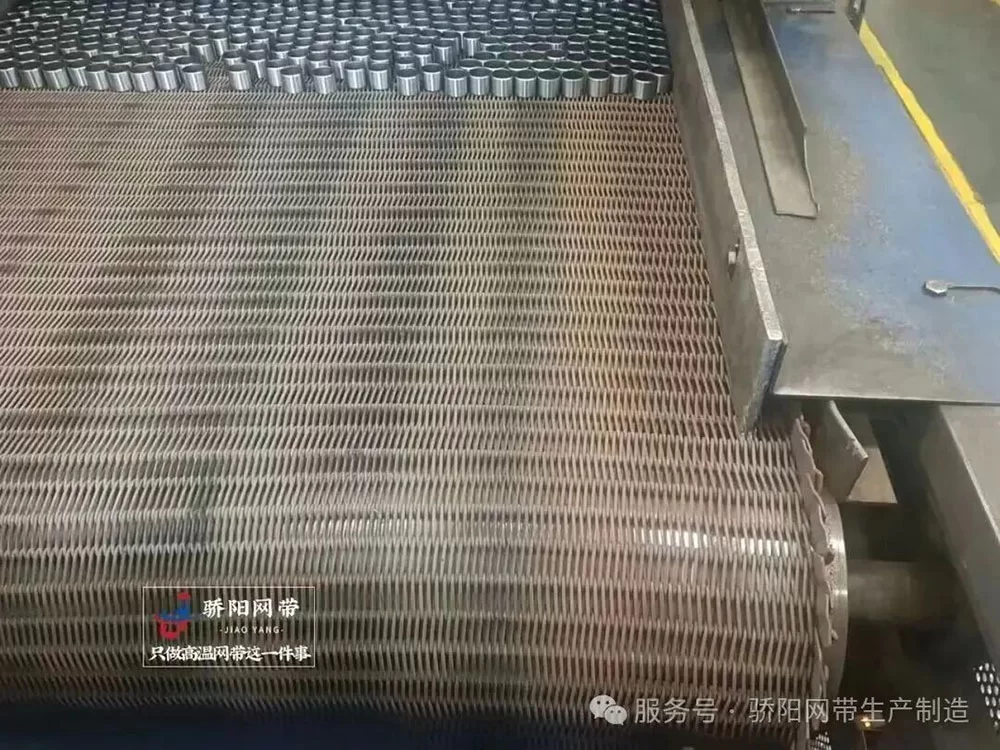 November 01, 2025Is The Mesh Belt Of The Heat Treatment Normalizing Furnace Prone To Hydrogen Embrittlement? What Causes This?
Key Considerations for Oil Pipeline Construction Worldwide3
-
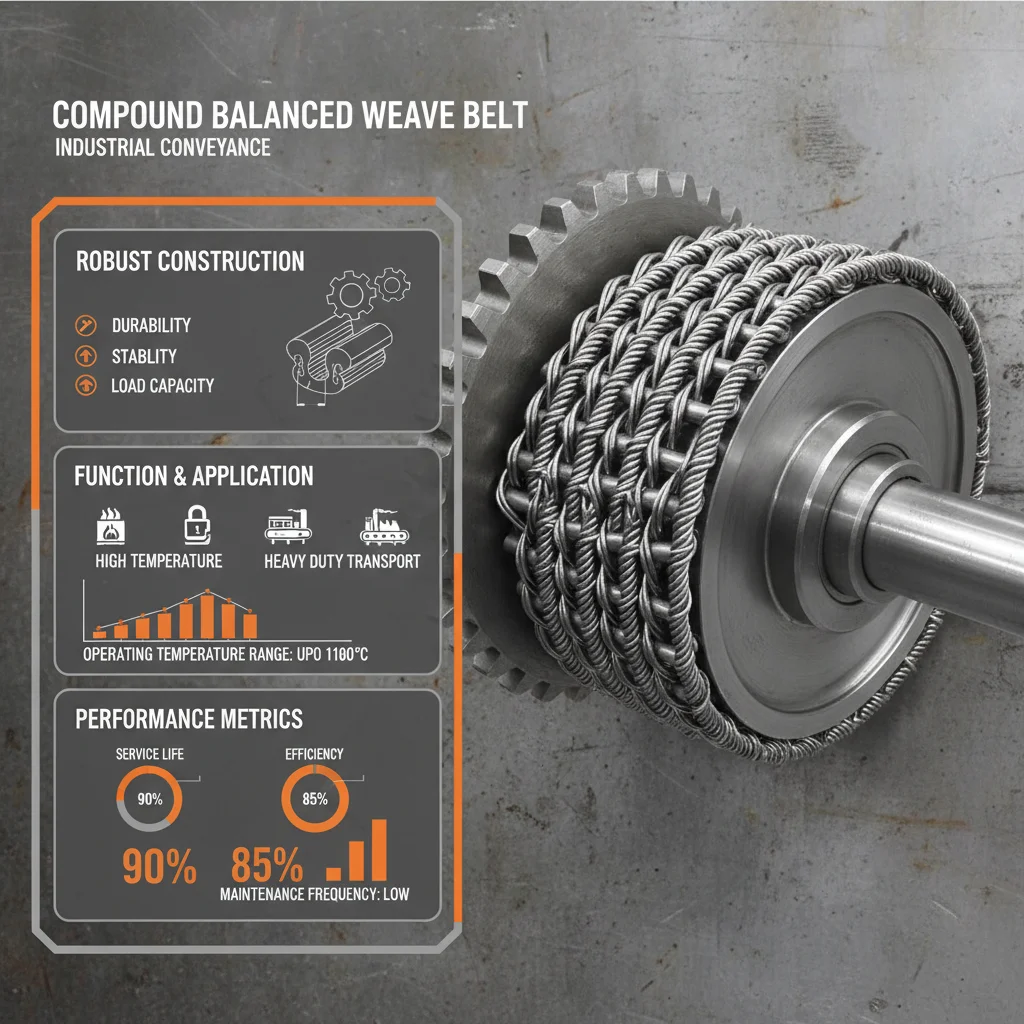 March 23, 2026HighPerformance Conveyor BeltsEngineered solutions for optimal power transmission and reliable performance in diverse industrial applications. Our Compound Balanced Weave Belt combines high-strength materials with exceptional weaving precision, delivering unparalleled performance and reliability. It is engineered to meet the demands of the most challenging industrial environments. We offer belts crafted from premium materials, withstanding heavy loads and extreme conditions without compromising performance.
 -
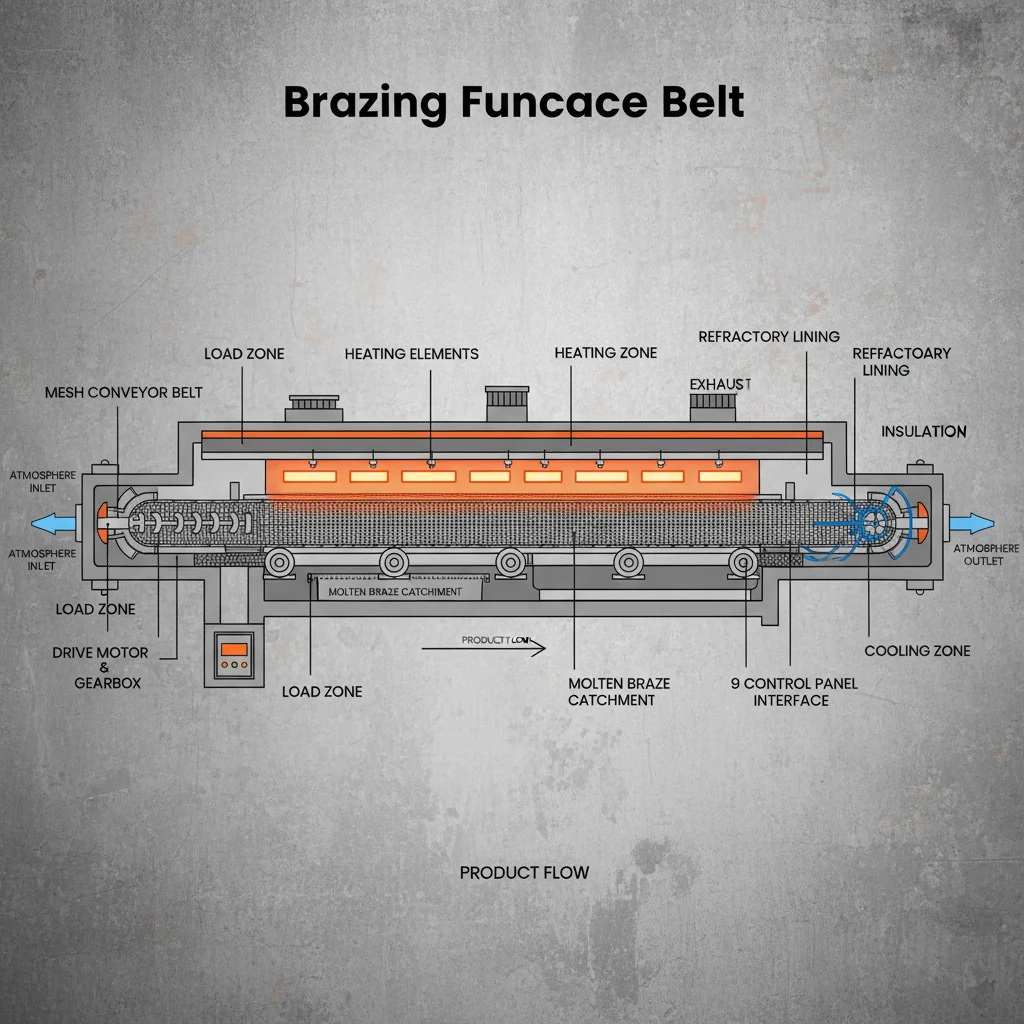 March 26, 2026Optimizing Brazing Processes with the Right Brazing Furnace Belt SelectionBrazing is a critical process in numerous industries, from automotive and aerospace to HVAC and manufacturing. Ensuring consistent and reliable operation of brazing furnaces is paramount, and a key component in achieving this is the brazing furnace belt. This article delves into the world of brazing furnace belts, exploring their function, types, materials, maintenance, and how to select the right belt for your specific brazing application. We'll cover everything you need to know to optimize your brazing process and maximize efficiency. A brazing furnace belt, also known as a mesh belt, is a continuous loop of metal mesh that serves as the conveyor system within a brazing furnace. It transports parts through the controlled atmosphere and heat, facilitating the brazing process. Its importance lies in providing a consistent and controlled method for part conveyance, ensuring uniform heating and cooling, and ultimately, the quality of the brazed joints.
 -
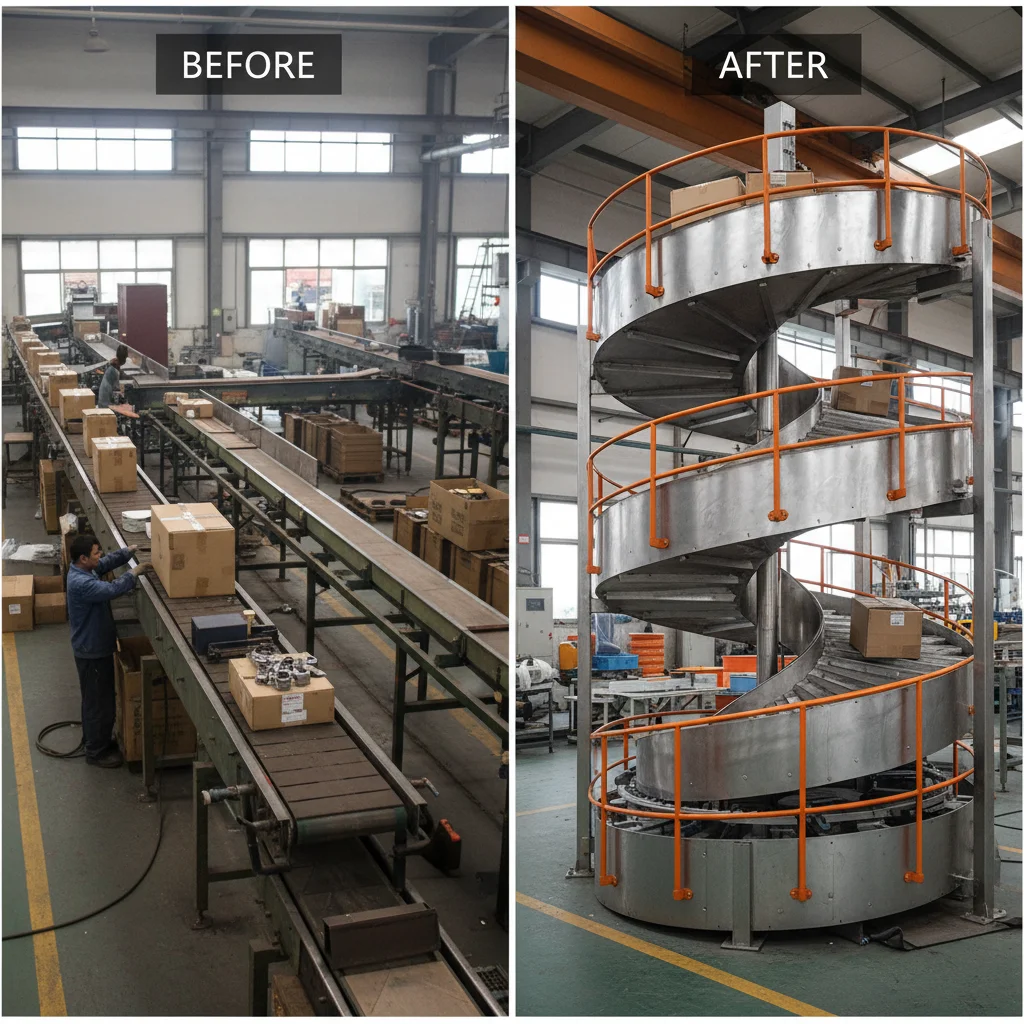 March 11, 2026Understanding the Benefits of the Balanced Spiral Conveyor Belt SystemIn the world of material handling, efficiency and reliability are paramount. The Balanced Spiral Conveyor Belt has emerged as a leading solution for vertical conveying, offering a compact design and consistent performance. This article will delve into the workings, benefits, applications, and specifications of this essential component in modern logistics and manufacturing. Whether you’re looking to optimize space, improve throughput, or reduce maintenance, understanding the nuances of balanced spiral conveyor belts is key. The balanced spiral conveyor belt uses a continuous belt arranged in a spiral pattern around a drum or series of drums. This configuration allows for a significant vertical lift in a relatively small footprint. The "balanced" aspect refers to the even distribution of weight around the spiral, minimizing stress on the belt and drive components. This ensures smoother operation, longer belt life, and reduced energy consumption. The belt is typically constructed from durable materials like polyester or nylon, reinforced with supporting elements to handle a variety of product loads. The system requires careful engineering to maintain belt tracking and prevent tilting or shifting of the conveyed materials.
 -
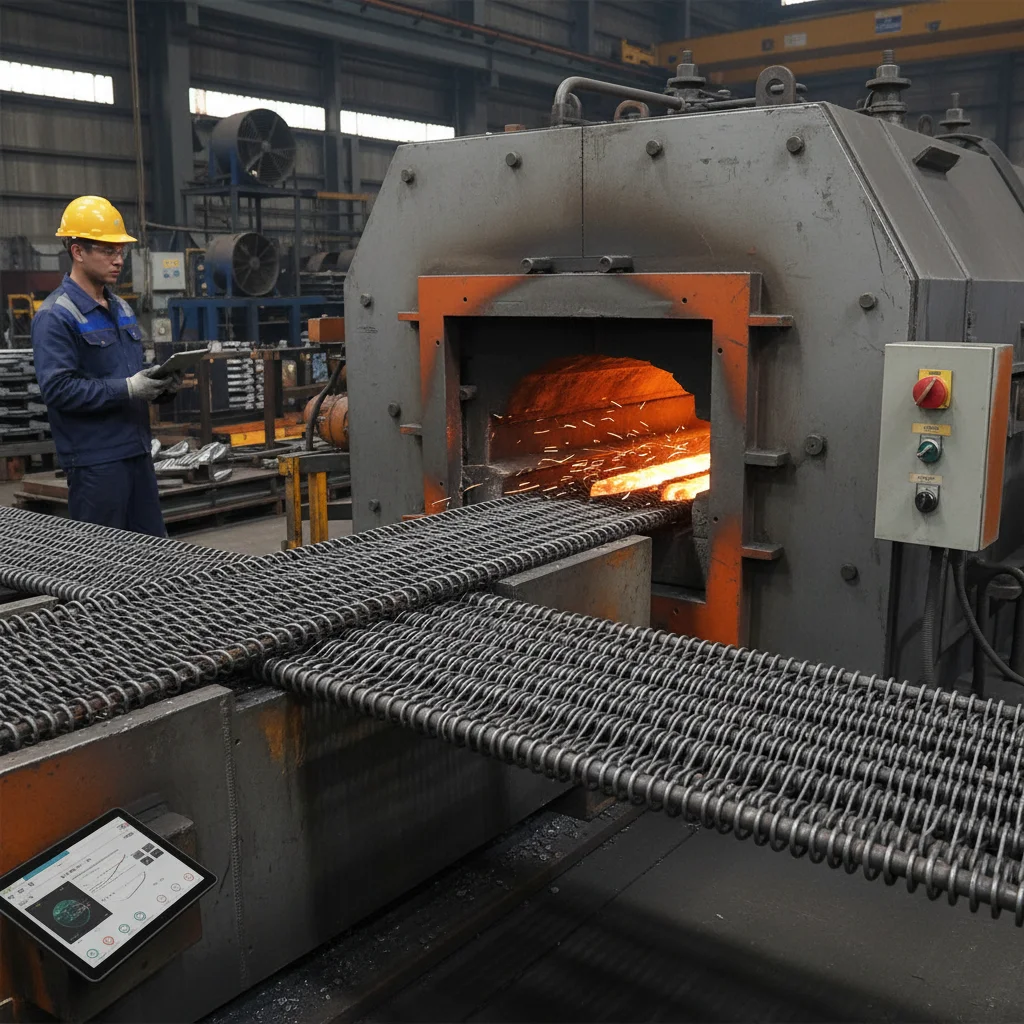 March 28, 2026Comprehensive Guide to Heat Treatment Furnace Mesh Belt Selection and ApplicationsIn the demanding world of heat treatment, achieving consistent and efficient results relies heavily on the quality of components used. A critical element in many heat treatment processes is the heat treatment furnace mesh belt. These specialized belts play a vital role in transporting materials through the furnace, ensuring uniform heating and cooling. This article explores the various aspects of heat treatment furnace mesh belts, including their types, materials, applications, and key considerations for selection.
 -
 April 16, 2026Industrial Stainless steel conveyor belt Guide for ManufacturingIn the demanding world of industrial manufacturing, the efficiency of your production line often hinges on the quality of your transport systems. A high-performance stainless steel conveyor belt is more than just a moving surface; it is a critical component that ensures hygiene, durability, and seamless operation. Whether you are dealing with extreme temperatures in a food processing plant or corrosive chemicals in a pharmaceutical lab, selecting the right belt material can drastically reduce downtime and maintenance costs. In this guide, we will explore why stainless steel is the gold standard for industrial conveying and how to optimize your selection for maximum ROI.
Get Your Custom Solution
Facing challenges with high-temperature conveying? Contact us now.
Our engineers will provide you with expert product consultation and tailored solutions.
Sign up
for our Newsletter
Subscribe to the weekly newsletter for all the latest updates


