
Comprehensive Guide to Honeycomb Conveyor Belts and Their Applications
Comprehensive Guide to Honeycomb Conveyor Belts and Their Applications
Honeycomb Conveyor Belts: A Comprehensive Guide
Honeycomb conveyor belts are a specialized type of conveyor system renowned for their lightweight design, high strength, and excellent airflow properties. These belts are gaining prominence across various industries, offering significant advantages over traditional belt materials. This article provides an in-depth look at honeycomb conveyor belts, their applications, benefits, and considerations for choosing the right belt for your specific needs. From food processing to logistics, understanding the capabilities of honeycomb belts is crucial for optimizing your operations. Learn how these innovative belts can enhance efficiency and reduce costs. JY Mesh Belt offers a wide range of high-quality honeycomb belts tailored to diverse industrial applications.
What are Honeycomb Conveyor Belts?
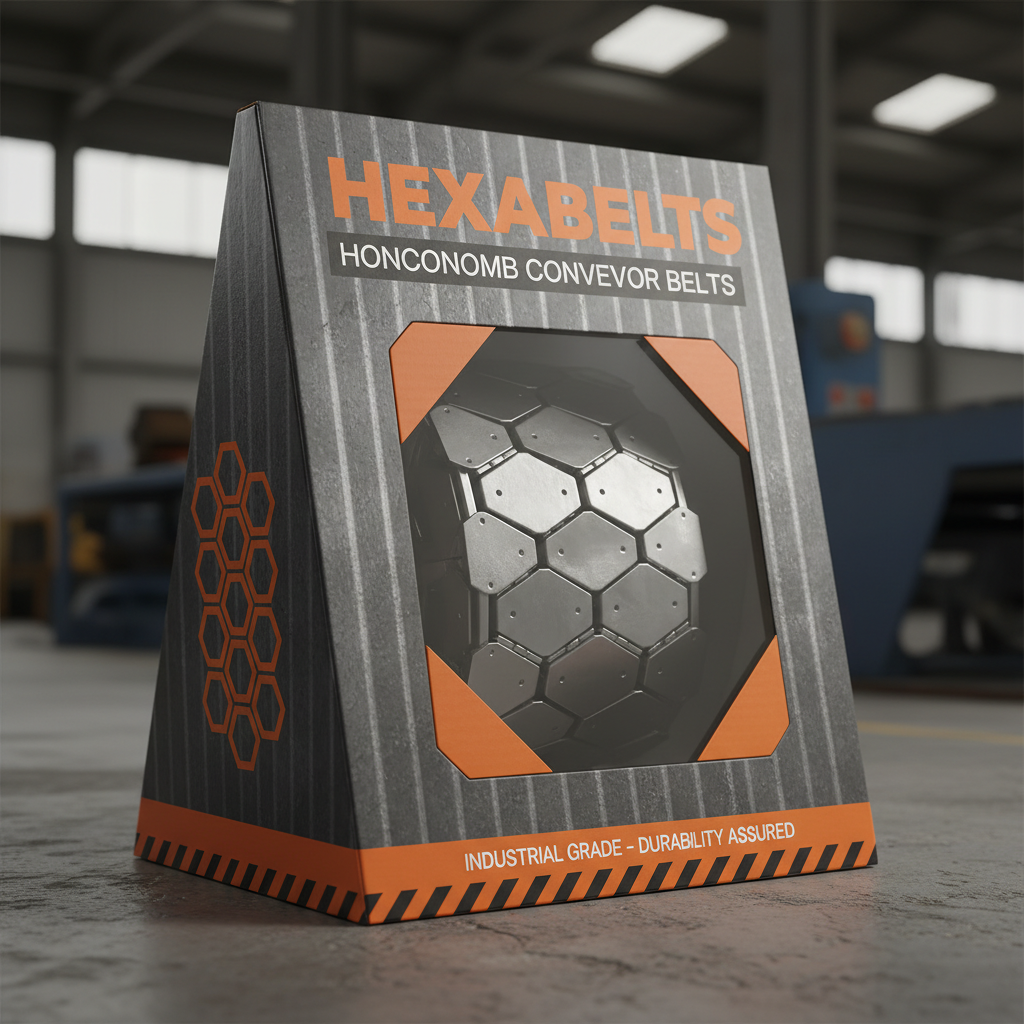
Honeycomb conveyor belts, as the name suggests, are constructed with a honeycomb core sandwiched between two solid surfaces. This core structure provides exceptional strength and rigidity while minimizing weight. The materials used in construction typically include engineered plastics like polypropylene (PP), polyethylene (PE), or polyvinyl chloride (PVC), chosen for their durability, chemical resistance, and food-grade properties. The open structure of the honeycomb core allows for free airflow, making these belts ideal for applications requiring cooling, drying, or ventilation. Their lightweight nature also reduces energy consumption and strain on conveyor machinery.
Key Benefits of Using Honeycomb Conveyor Belts
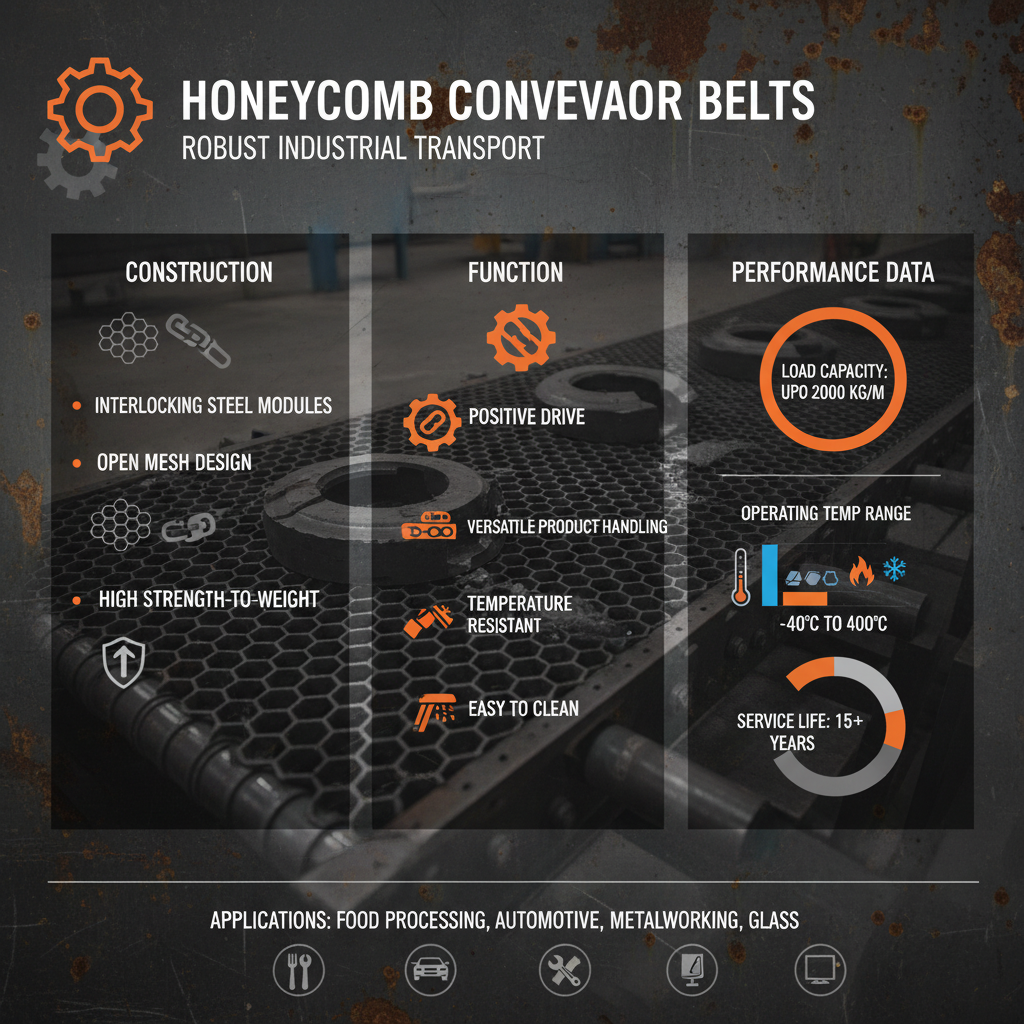
The adoption of honeycomb conveyor belts brings a multitude of advantages to various industrial processes. Reduced weight translates to lower energy costs and less wear and tear on equipment. The superior airflow characteristics are crucial for applications like cooling baked goods or drying materials. Their inherent strength-to-weight ratio surpasses many traditional belt materials, allowing for longer spans between supports. Furthermore, the smooth, non-stick surface of many honeycomb belts simplifies cleaning and reduces product buildup, maintaining hygiene standards and minimizing downtime.
Key Highlights: Lightweight construction, superior airflow, high strength-to-weight ratio, easy to clean, and reduced energy consumption.
Applications of Honeycomb Conveyor Belts
Honeycomb conveyor belts are employed in a wide spectrum of industries, thanks to their versatile properties. In the food processing industry, they are used for cooling, drying, and conveying baked goods, snacks, and confectionery. The open structure ensures even cooling and prevents sticking. The logistics and packaging sectors benefit from their lightweight nature and ability to handle a variety of package sizes and shapes. They are also used in textile manufacturing for drying fabrics and in the plastics industry for cooling molded parts. JY Mesh Belt provides customized honeycomb belts tailored for specific applications within these industries.
Industry Applications:
• Food Processing (cooling, drying)
• Logistics & Packaging (handling various package sizes)
• Textile Manufacturing (fabric drying)
• Plastics Industry (cooling molded parts)
Honeycomb Conveyor Belts vs. Traditional Belts: A Comparative Analysis
Comparing Honeycomb Conveyor Belts to traditional solid plastic or rubber belts reveals significant differences. While traditional belts offer good durability, they often lack the airflow benefits and lightweight characteristics of honeycomb designs. Honeycomb belts generally outperform solid belts in applications requiring cooling or drying. They also tend to be more resistant to stretching and deformation under load. However, the initial cost of honeycomb belts can be higher, although this is often offset by reduced energy consumption and maintenance costs over the long term.
Choosing the Right Honeycomb Conveyor Belt
Selecting the ideal honeycomb conveyor belt requires careful consideration of several factors. The type of material being conveyed, the operating temperature, the load capacity, and the desired airflow rate are all crucial parameters. The material of the belt itself should be compatible with the product and the environment. For example, food-grade materials are essential for food processing applications. Consulting with a reputable supplier like JY Mesh Belt can provide expert guidance in choosing the right belt for your specific requirements.
Conclusion: Enhancing Efficiency with Honeycomb Technology
Investing in honeycomb conveyor belts represents a strategic move towards enhanced efficiency, reduced energy consumption, and improved product quality. Their lightweight design, superior airflow, and versatility make them a valuable asset in a wide range of industrial applications. JY Mesh Belt is dedicated to providing innovative and reliable honeycomb belting solutions tailored to meet your specific needs.
Don't hesitate to contact us today to discuss your requirements and discover how honeycomb technology can optimize your operations.
Frequently Asked Questions (FAQs)
What is the typical lifespan of a honeycomb conveyor belt?
The lifespan of a honeycomb conveyor belt varies based on factors like usage intensity, the type of material conveyed, operating temperature, and maintenance practices. Generally, a well-maintained belt can last between 3 to 7 years. However, regular inspections are crucial to identify any signs of wear and tear, such as cracks, core damage, or delamination of the surface layers. Replacing the belt proactively prevents unexpected downtime and potential product contamination. JY Mesh Belt offers expert advice on belt maintenance and replacement schedules.
Are honeycomb belts suitable for conveying abrasive materials?
Honeycomb belts can be used for conveying abrasive materials, but the choice of belt material is critical. Selecting a belt made from a highly wear-resistant polymer, such as a reinforced PP or PE, can significantly extend the belt's lifespan. It's also important to consider the shape and size of the abrasive particles. Rounded particles cause less wear than sharp, angular ones. Proper tensioning and regular cleaning of the belt are essential to minimize abrasion. JY Mesh Belt offers specialized honeycomb belts designed for handling abrasive materials.
What temperature ranges can honeycomb belts withstand?
The temperature range that honeycomb belts can withstand depends on the material used in their construction. Polypropylene (PP) typically handles temperatures between -20°C and 80°C. Polyethylene (PE) can operate between -40°C and 60°C. PVC belts generally have a wider range, from -30°C to 90°C. Higher or lower temperatures can affect the belt's mechanical properties and lifespan. It's crucial to select a belt material that is compatible with the operating temperature of your application. JY Mesh Belt can advise you on the appropriate material for your specific temperature requirements.
-
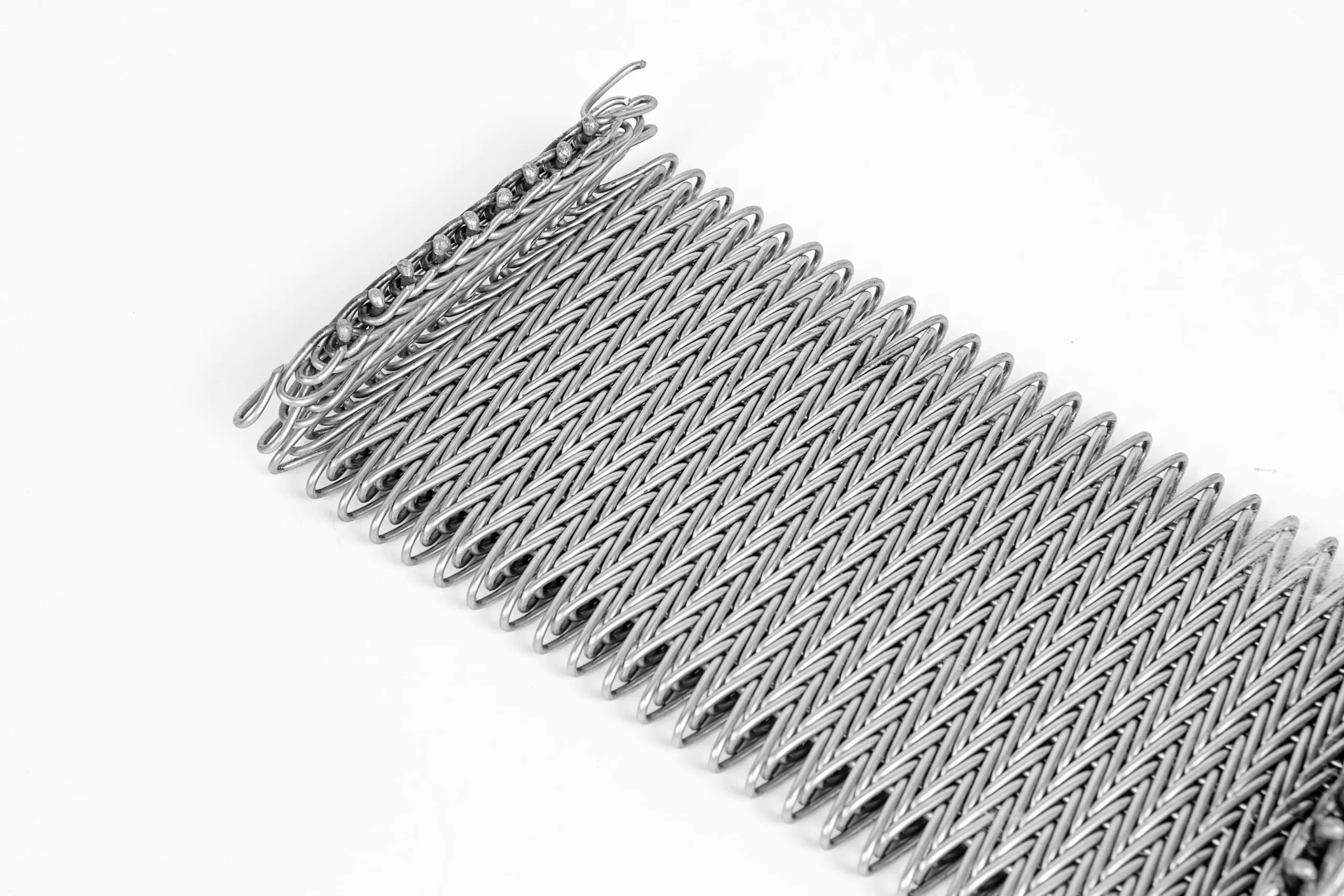 Compound Balanced Weave Conveyor Belt
aka cord weave conveyor belt
aka v shaped conveyor belt
aka chevron conveyor belt
Compound Balanced Weave Conveyor Belt: Also known as Chevron Conveyor Belt.It is a metal mesh belt with a special structure. It is woven by left and right spiral wires. It has a tight and strong structure. Its mesh holes are evenly arranged in a "herringbone" shape (also called "V" or "fishbone" shape). The edges can be welded, crimped or chain-reinforced to improve strength and stability.
This design gives it unique performance advantages and is widely used in industries that require high strength, high temperature resistance and stable transportation. It is usually made of stainless steel (such as stainless steel 314, stainless steel 316L, stainless steel 304), heat-resistant steel or other alloy materials.
-
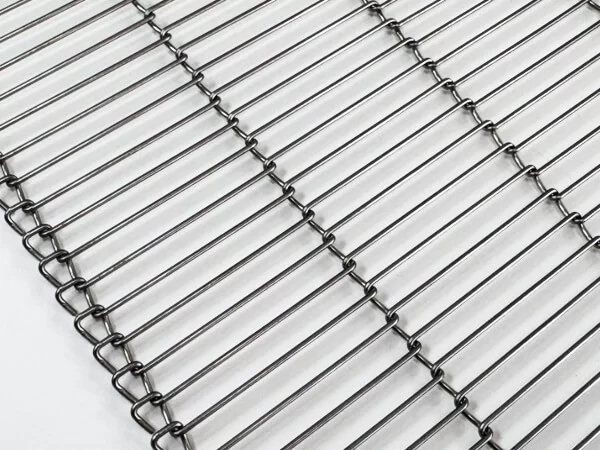 Flat Flex Conveyor Belts
Flat Flex Conveyor Belts also known as Enrober Conveyor Belts, Rod Network Conveyor Belts are distinguished by their unique construction and versatile applications. These belts are constructed from a series of looped wires that interlock with one another, creating a flexible and robust mesh. The simple structure makes it economical and lightweight. It can help to save costs and reduce downtime.
-
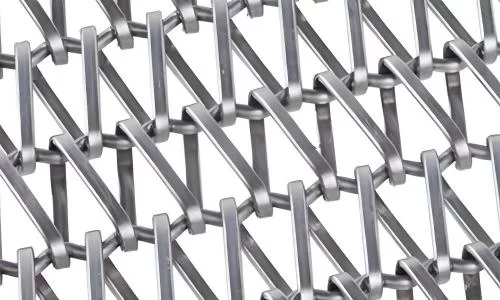 Veneer Dryer Wire Mesh Belts
Veneer dryer wire mesh belts are essential components in continuous veneer drying systems, widely used in plywood and panel manufacturing. These belts are designed to withstand high temperatures, provide stable transport, and allow optimal air circulation, ensuring uniform drying of wood veneer sheets. Made from high-quality metal or heat-resistant synthetic materials, these belts contribute to energy efficiency, reduce product defects, and enhance drying line productivity.
-
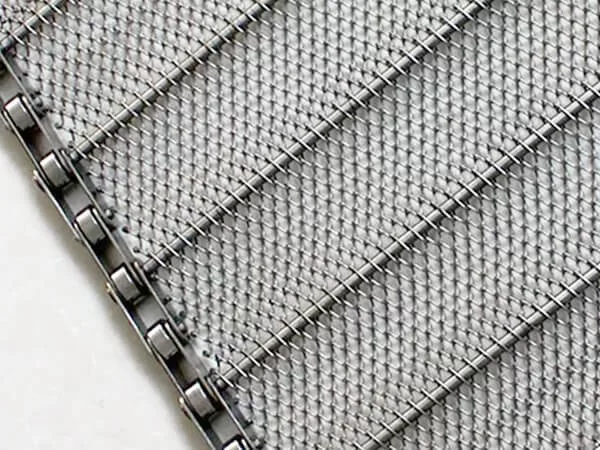 Chain Link Conveyor Belts
Chain Link Conveyor Belt, also known as stainless steel wire mesh belt or conventional mesh belt, features a simple design with interwoven spiral coils creating an open mesh. Available with knuckled or welded edges, PFM Screen’s Chain Link belt is an economical and lightweight solution for low load conveying, ideal for light-duty drying and cooling applications. With its large open area, it is perfect for energy-efficient processes like drying, cooling, and heating.
-
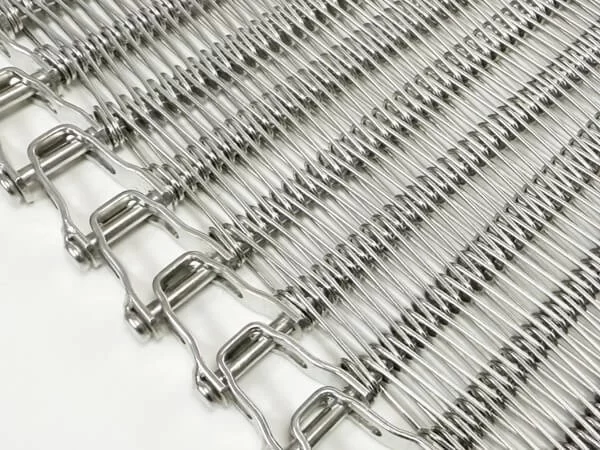 Flexible Rod Conveyor Belts
A Flexible Rod Belt is constructed from 3 components.
1. Alternating spirals take care of the belt overlay.
2. These spirals are connected to each other by means of smooth cross rods.
3. Special chain links are mounted at the outer sides, which are locked by means of button heads.
-
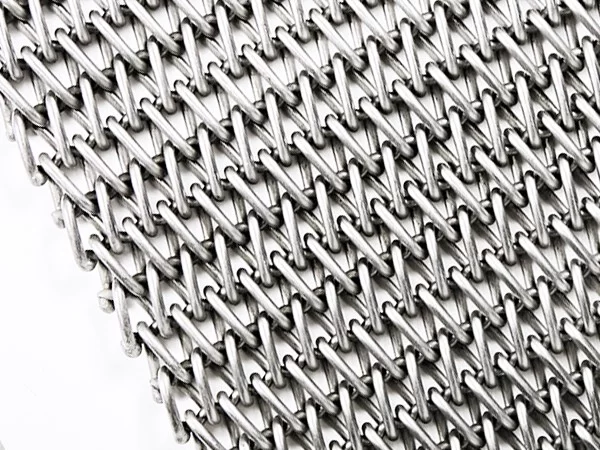 Wire Mesh Lehr Belts
Lehr Belts feature a balanced weave wire construction, composed of alternating right- and left-hand flattened spirals securely seated in crimped connector rods. The belt edges are welded to enhance durability and stability.
-
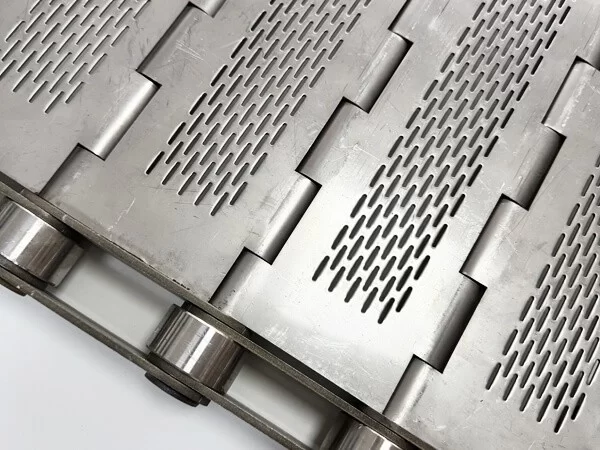 Plate Link Conveyor Belts
Plate Link Conveyor Belt is very strong, driven by stainless steel chain, made of stainless steel plate, and very suited to heavy load applications, running smoothly in the conveying process, easy to install and replace, and long in service life. Its self-supporting structure makes it be used over large widths without any support. PFM Screen’s Plate Link belt features an extremely robust design and high load capacity, making it the perfect choice for arduous engineering processes such as presswork, die-casting and forging.
-
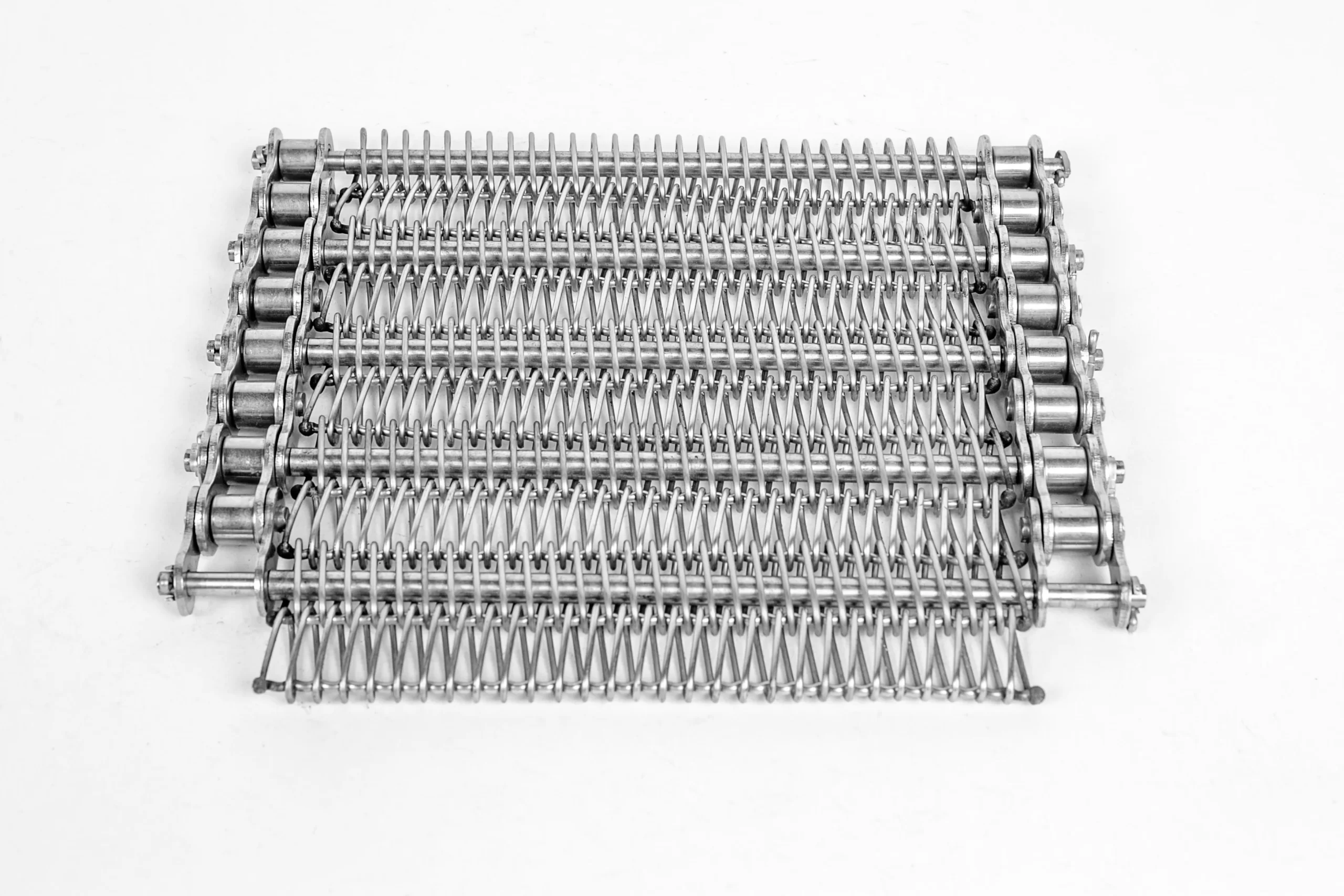 Chain Driven Conveyor Belts
Stainless steel chain link belt with precision-driven rollers
-
 April 04, 2026Comprehensive Guide to Wire Mesh Belt Systems and Their ApplicationsIn numerous industries, efficient material handling is paramount. Wire mesh belts provide a robust and versatile solution for conveying a wide variety of products through various processes. This article delves into the world of wire mesh belts, covering their applications, benefits, types, and crucial considerations for selecting the right system for your specific needs. Whether you're involved in food processing, heat treatment, or any other industry requiring continuous conveying, understanding wire mesh belts is essential for optimizing your operations.
 -
 April 03, 2026The Indispensable Role of a Conveyor Belt System in Modern Construction ProjectsLook, I’ve spent the last 20 years knee-deep in dust and concrete on construction sites, and let me tell you, a reliable conveyor belt system isn't just a convenience, it's a backbone. We’re talking about moving materials efficiently, safely, and consistently. It’s the difference between a project that runs smoothly and one that spirals into costly delays. It’s a tool that impacts every single phase, from initial groundwork to the final finishing touches.
 -
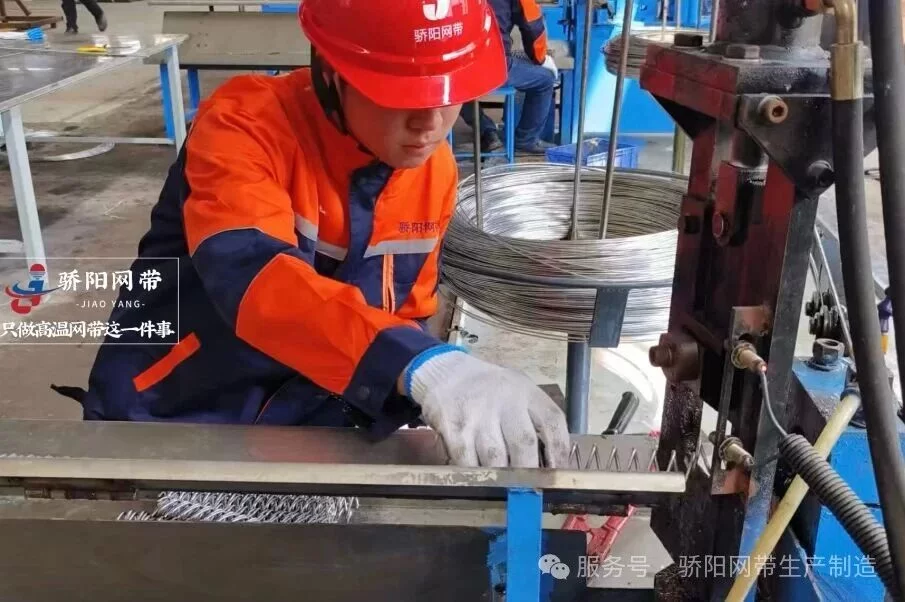 October 01, 2025After Laba Festival, It’s The New Year! It’s The Right Time To Prepare Goods For Online Shopping!
"Children, children, don't be greedy. After Laba, it's New Year", a well-known proverb, fully captures the special significance of the Laba Festival. Today is Laba, and a bowl of steaming hot Laba Congee, simmering with the warmth of the years, also awakens the deep longing for the New Year. Jiaoyang.com wishes all our new and old customers a healthy Laba Festival, warmth always with you, and all things go smoothly!
-
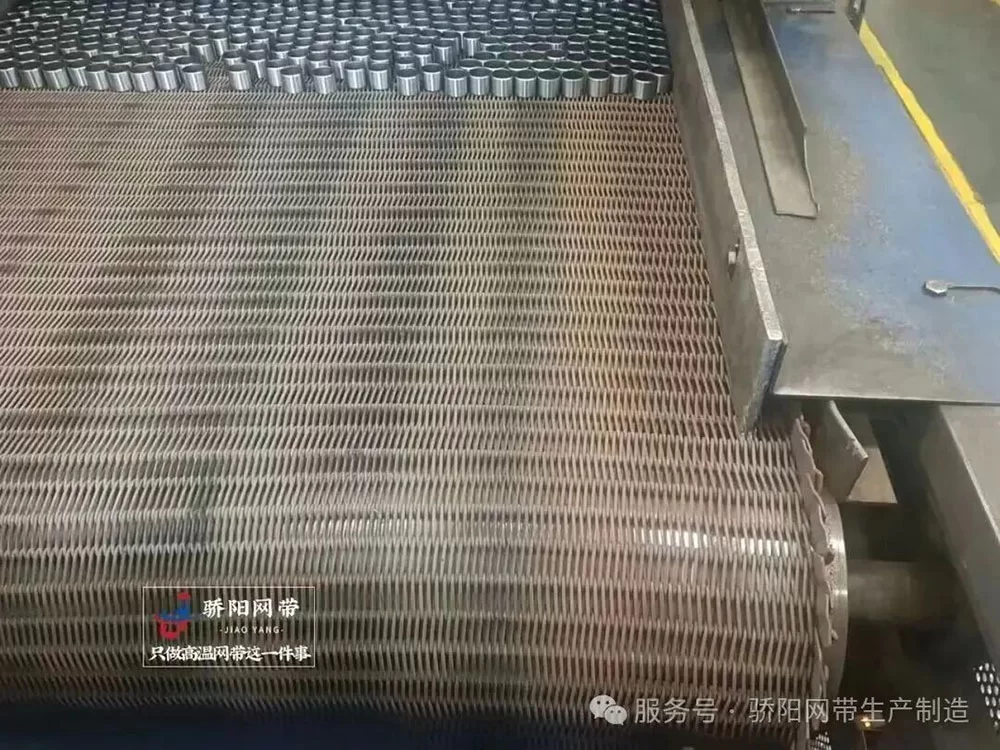 November 01, 2025Is The Mesh Belt Of The Heat Treatment Normalizing Furnace Prone To Hydrogen Embrittlement? What Causes This?
Key Considerations for Oil Pipeline Construction Worldwide3
-
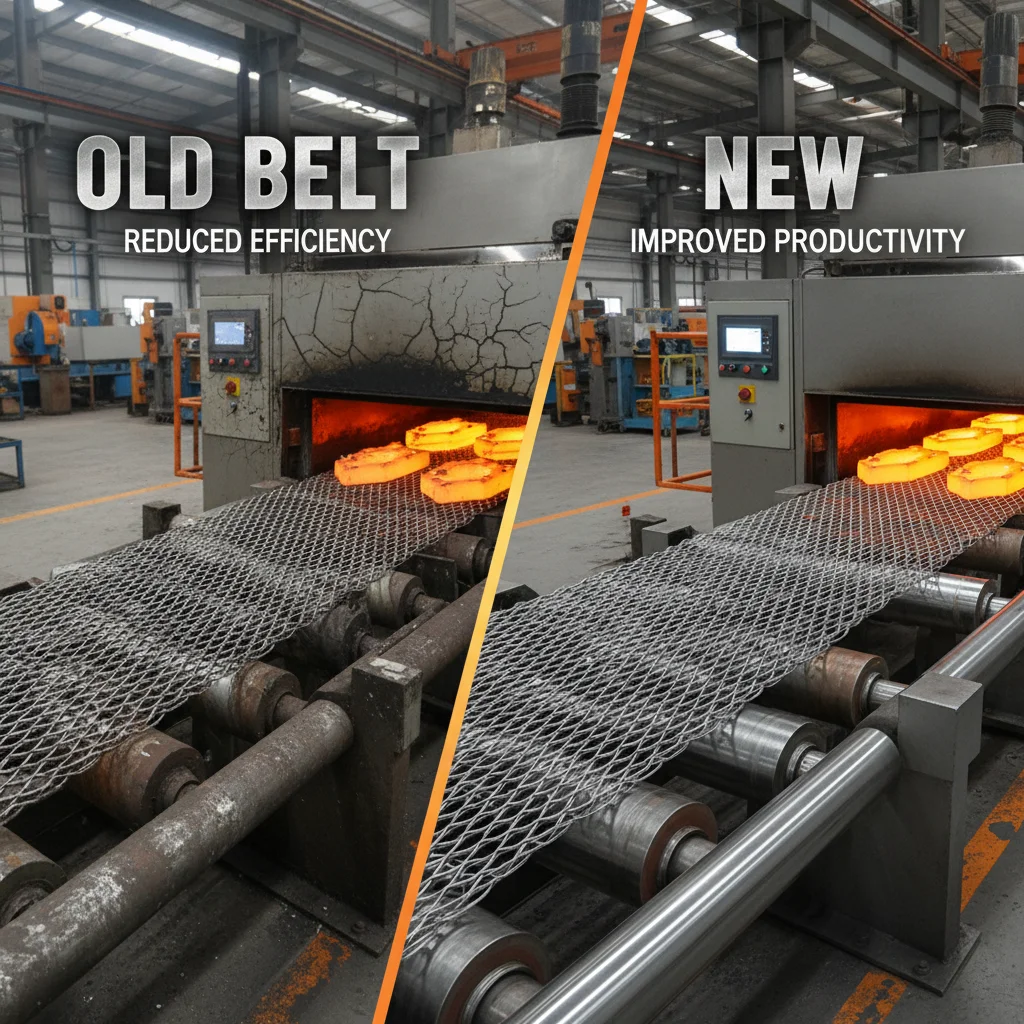 March 10, 2026Comprehensive Guide to Stainless Steel Wire Mesh Belt Applications and SelectionStainless Steel Wire Mesh Belt: A Comprehensive Guide I […]
 -
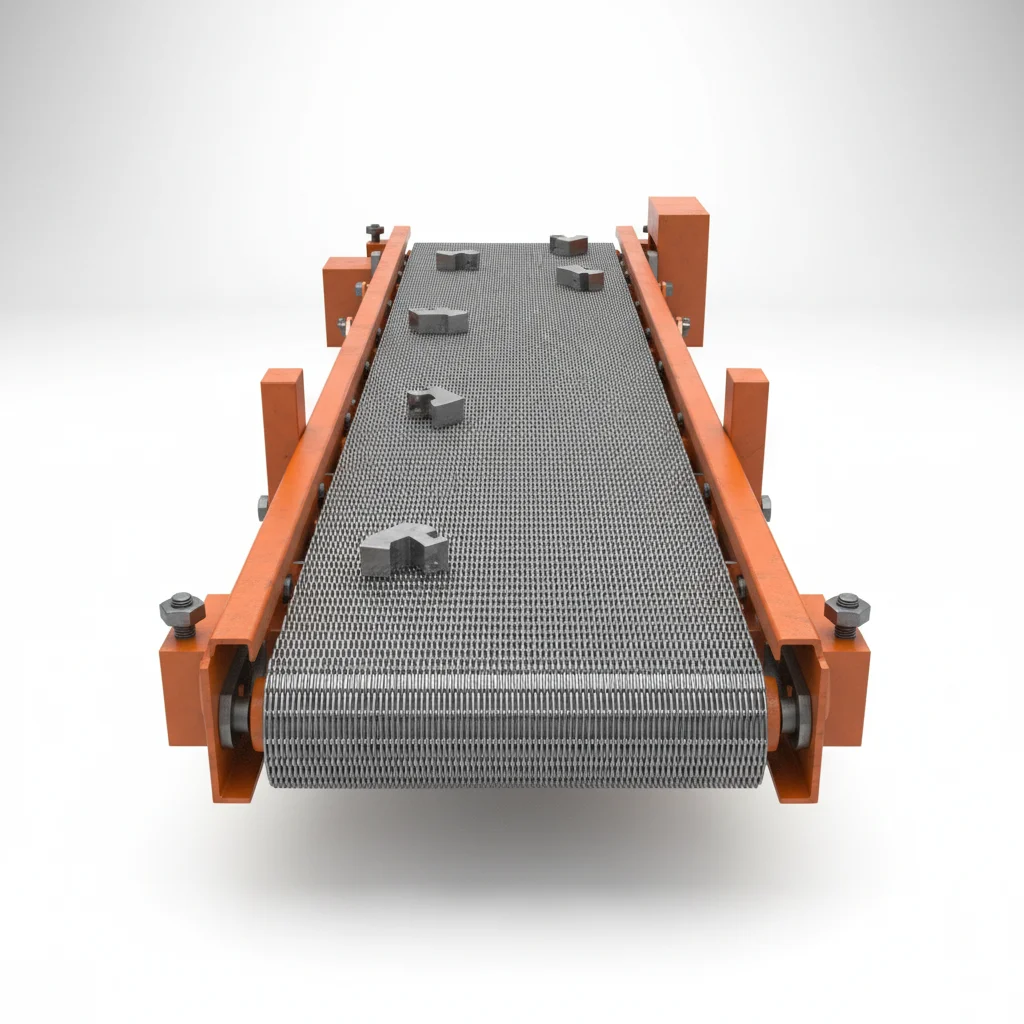 March 21, 2026Optimizing Material Handling with Durable Flat Flex Conveyor Belt SystemsIn the world of material handling, efficiency and reliability are paramount. Flat Flex Conveyor Belts have emerged as a versatile solution for a wide range of industries. This article will explore the benefits, applications, and key considerations when selecting a flat flex conveyor belt, focusing on how JY Mesh Belt can meet your specific needs. From food processing to logistics, we’ll cover how these belts optimize your operations. Flat Flex Conveyor Belts, also known as modular plastic belts, are constructed from small, interlocking plastic modules. These modules are typically made from materials like polypropylene, offering excellent strength, durability, and resistance to chemicals and temperature extremes. Unlike traditional belts, flat flex belts can be easily disassembled and reassembled, making them ideal for complex conveyor systems with curves, inclines, and declines.
 -
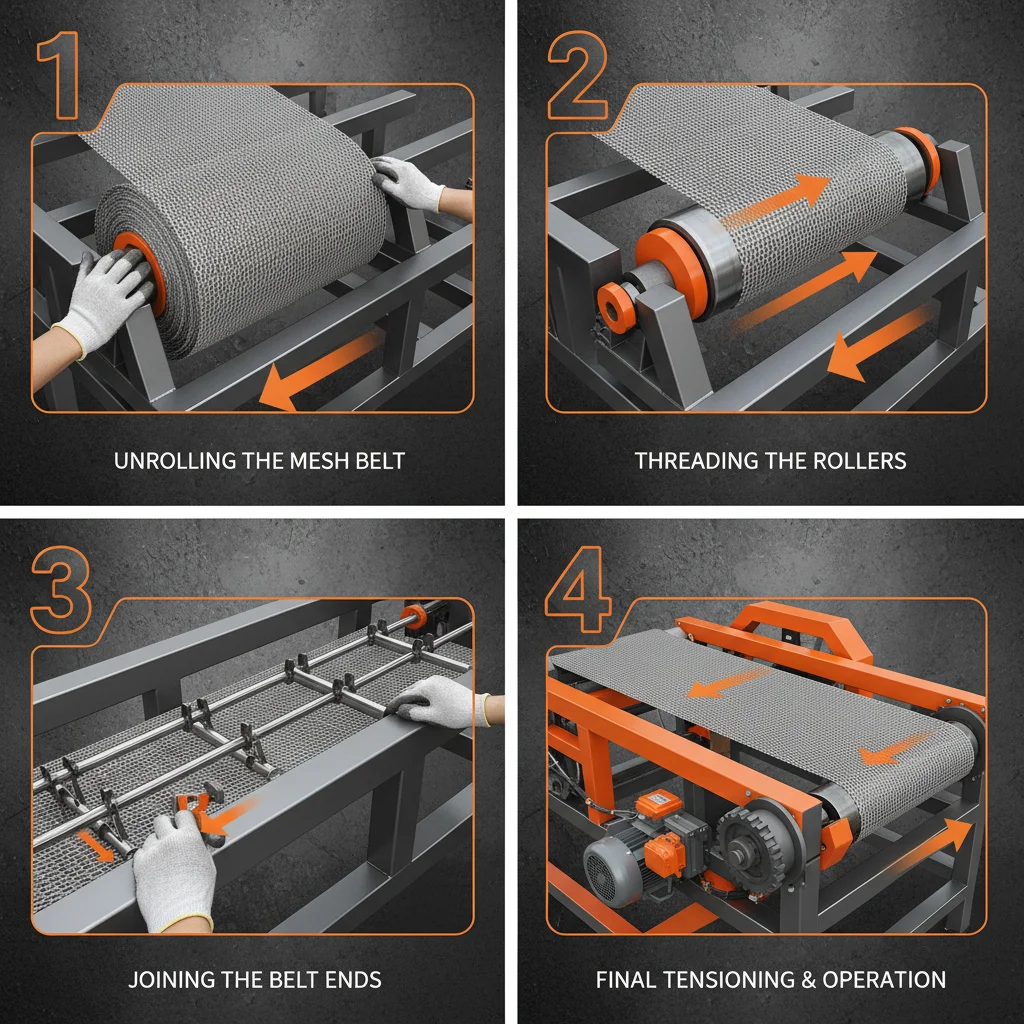 March 30, 2026Investing in a Reliable Dryer Mesh Belt for Efficient Material HandlingLook, I've spent years in the dirt, watching things get built – everything from simple warehouses to massive processing plants. And let me tell you, moving material is always the bottleneck. It's not glamorous, it's not sexy, but it's where projects live or die. That's where a solid Dryer Mesh Belt comes in. It's not just a conveyor; it’s the backbone of efficiency, and frankly, a sanity saver for everyone on site.
 -
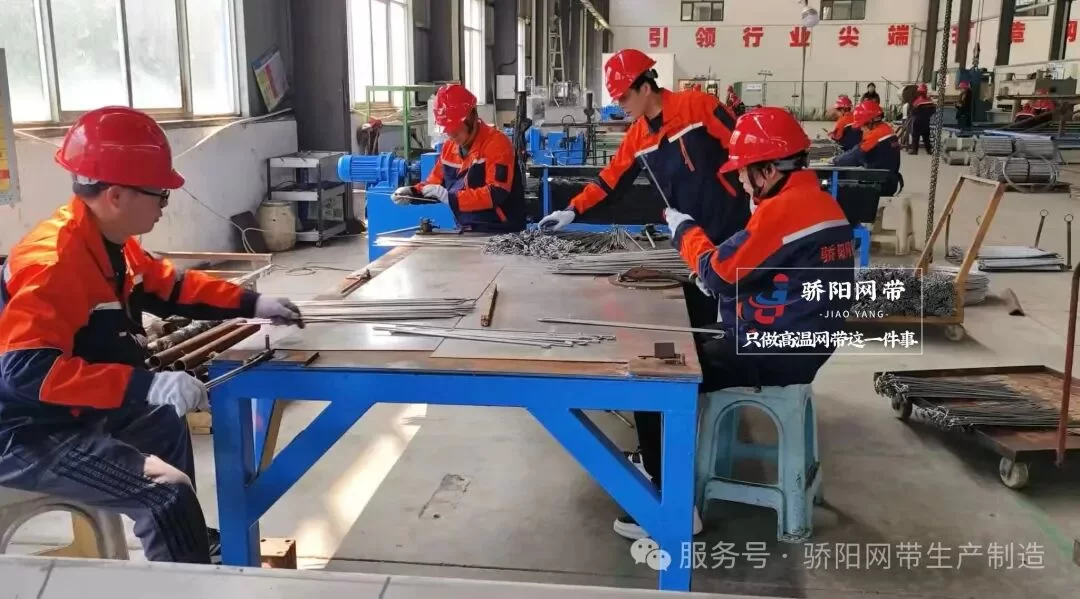 January 01, 2026What Are The Advantages Of Choosing A Photovoltaic Panel Pyrolysis Furnace Mesh Belt From Jiaoyang Products?
In the photovoltaic panel debris recycling industry, the stability of the pyrolysis furnace mesh belt affects production efficiency.
Get Your Custom Solution
Facing challenges with high-temperature conveying? Contact us now.
Our engineers will provide you with expert product consultation and tailored solutions.
Sign up
for our Newsletter
Subscribe to the weekly newsletter for all the latest updates


