
Comprehensive Guide to Compound Balanced Weave Belt Technology and Applications
Comprehensive Guide to Compound Balanced Weave Belt Technology and Applications
Understanding the Compound Balanced Weave Belt: A Comprehensive Guide
In the world of industrial material handling, the efficiency and reliability of conveyor belts are paramount. Among the various types available, the Compound Balanced Weave Belt stands out as a robust and versatile solution. This article delves into the specifics of these belts, exploring their construction, benefits, applications, and why choosing the right weave is crucial for optimal performance. We'll examine how these belts contribute to streamlined operations and reduced downtime.
What is a Compound Balanced Weave Belt?
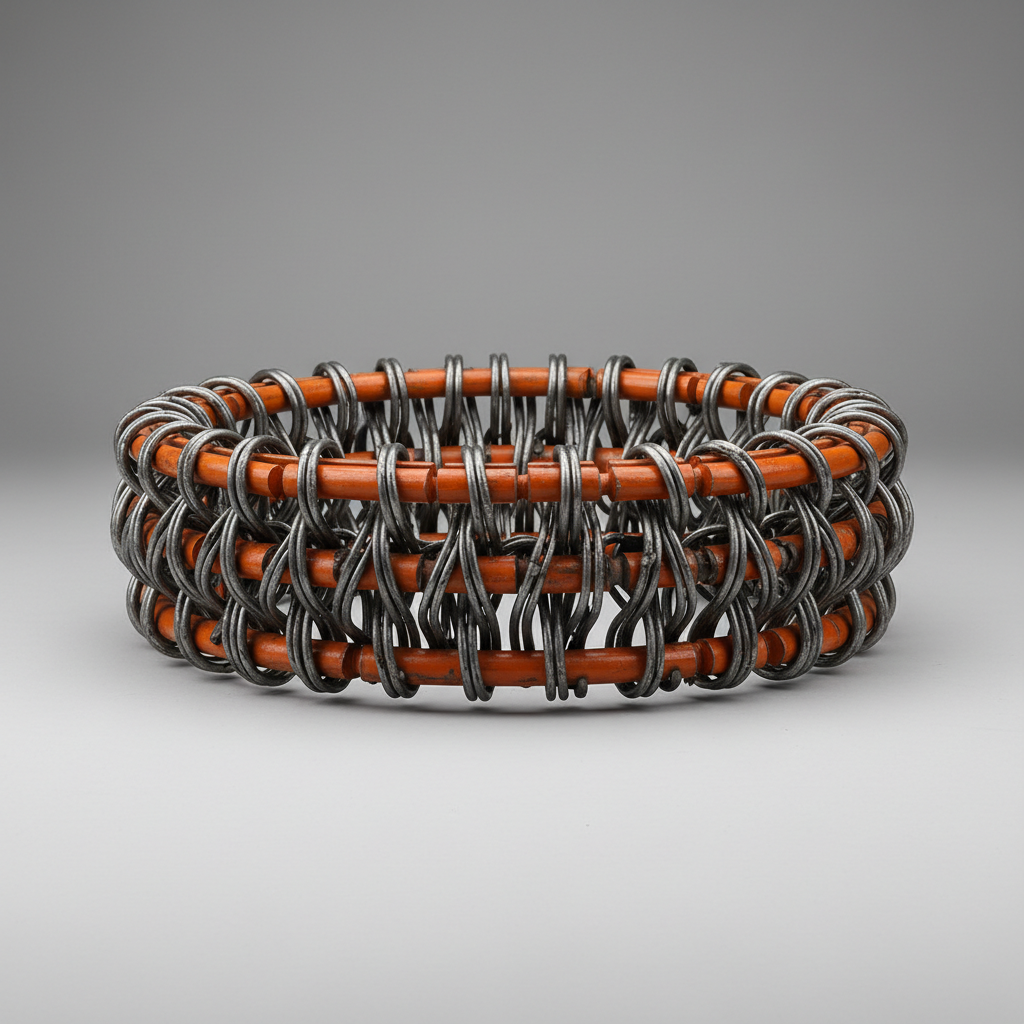
A Compound Balanced Weave Belt is a type of conveyor belt constructed from interwoven strands of materials – typically stainless steel or other high-strength alloys. The “compound” aspect refers to the use of multiple strands combined to create a belt with increased strength and durability. The "balanced weave" design ensures the belt maintains stability during operation, preventing lateral movement and ensuring consistent tracking. This specific configuration is designed for applications requiring a high degree of dimensional stability and resistance to stretching or skewing. It's a preferred choice where precise product positioning is essential.
Key Highlights: Constructed from interwoven strands of high-strength alloys, offering exceptional durability and dimensional stability. Balanced weave design ensures consistent tracking and prevents lateral movement.
The Benefits of Using a Compound Balanced Weave Belt
Employing a Compound Balanced Weave Belt offers several advantages over other conveyor belt types. Firstly, their exceptional strength and durability translate to a longer lifespan, reducing the frequency of replacements and minimizing downtime. Secondly, their dimensional stability ensures accurate product transport, crucial in industries like food processing and pharmaceuticals. Furthermore, these belts are resistant to corrosion and extreme temperatures, making them suitable for harsh operating environments. They also require minimal maintenance compared to some other belt types.
Key Benefits:
• Long lifespan and reduced downtime
• Dimensional stability for accurate product transport
• Resistance to corrosion and extreme temperatures
• Minimal maintenance requirements
Compound Balanced Weave Belt Applications Across Industries
The versatility of the Compound Balanced Weave Belt makes it ideal for a wide range of industries. In the food processing industry, their hygienic properties and resistance to cleaning agents are highly valued. They're also commonly used in heat treatment processes due to their temperature resistance. Furthermore, they are essential in the foundry industry for transporting hot castings and in the paper industry for dewatering processes. The ability to handle abrasive materials makes them well-suited for aggregate and mineral processing.
Key Specifications of Compound Balanced Weave Belts
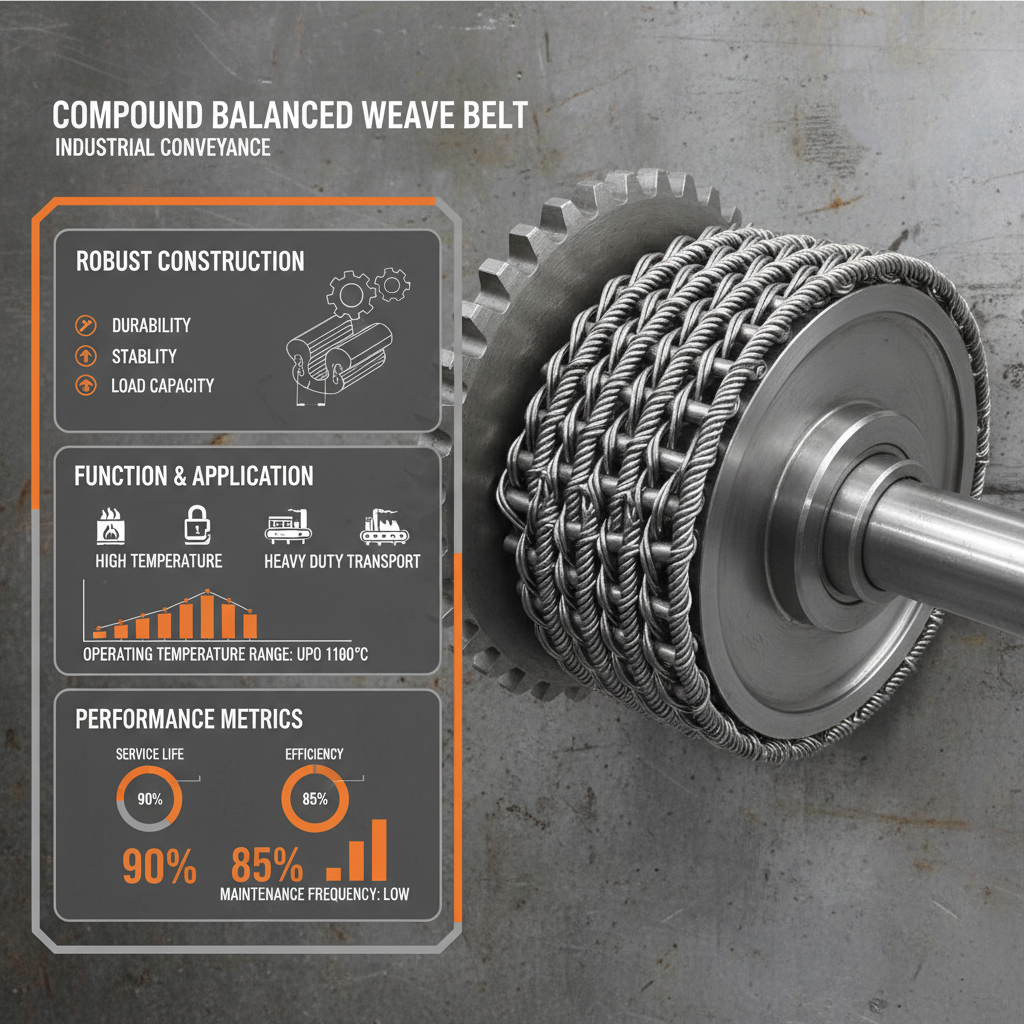
Understanding the specifications of a Compound Balanced Weave Belt is essential for choosing the right belt for your application. Key parameters include the aperture size (the opening between the wires), wire diameter, and belt width. These factors influence the belt’s capacity, the size of materials it can handle, and its overall strength. Below is a typical specification table:
Choosing the Right Compound Balanced Weave Belt: A Detailed Approach
Selecting the optimal Compound Balanced Weave Belt requires careful consideration of several factors. First, analyze the type of material you'll be conveying – its size, weight, and abrasiveness. Next, evaluate the operating temperature and any potential exposure to corrosive substances. The belt width must accommodate the product width with sufficient margin. Finally, consider the conveyor system's speed and tension requirements. Consulting with a reputable supplier like JY Mesh Belt will ensure you select a belt that meets your specific needs and maximizes performance.
Conclusion: Investing in Reliable Conveying Solutions
The Compound Balanced Weave Belt represents a robust and reliable solution for a wide range of industrial conveying applications. Its exceptional durability, dimensional stability, and resistance to harsh environments make it a valuable asset for optimizing operations and minimizing downtime. Choosing the right belt, with the help of experienced professionals, is crucial for maximizing its benefits and ensuring a long-term return on investment.
Frequently Asked Questions (FAQs)
What materials are Compound Balanced Weave Belts typically made from?
These belts are primarily constructed from stainless steel alloys, such as 304 and 316L. These materials are chosen for their exceptional strength, corrosion resistance, and ability to withstand high temperatures. The specific alloy selected depends on the application's requirements. For example, 316L offers superior corrosion resistance in particularly harsh environments. Other alloys may be used for specialized applications, but stainless steel remains the most common choice.
How do I determine the correct aperture size for my application?
The aperture size is crucial for preventing product loss and ensuring smooth conveying. A general rule is to select an aperture size that is approximately one-third to one-half the size of the smallest particle being conveyed. If you're handling a mix of sizes, choose an aperture size that accommodates the smallest particles. Consider the shape of the material as well – irregularly shaped items may require a larger aperture. Contacting a belt specialist at JY Mesh Belt can help you determine the optimal aperture size for your specific needs.
What maintenance is required for a Compound Balanced Weave Belt?
While these belts require minimal maintenance, regular inspection is essential. Check for signs of wear, corrosion, or damage to the wires. Periodically clean the belt to remove any buildup of debris that could affect its performance. Lubrication may be necessary for certain applications to reduce friction and extend the belt's lifespan. Following the manufacturer’s recommendations and addressing any issues promptly will maximize the belt's service life.
Are Compound Balanced Weave Belts suitable for food-grade applications?
Yes, absolutely. Stainless steel 304 and 316L, commonly used in these belts, are FDA-approved for food contact applications. The belts' smooth, non-porous surface is easy to clean and sanitize, preventing bacterial growth and ensuring food safety. However, it's crucial to select a belt specifically designated for food-grade use and follow proper cleaning and sanitation procedures.
-
 Rod Network Conveyor Belts
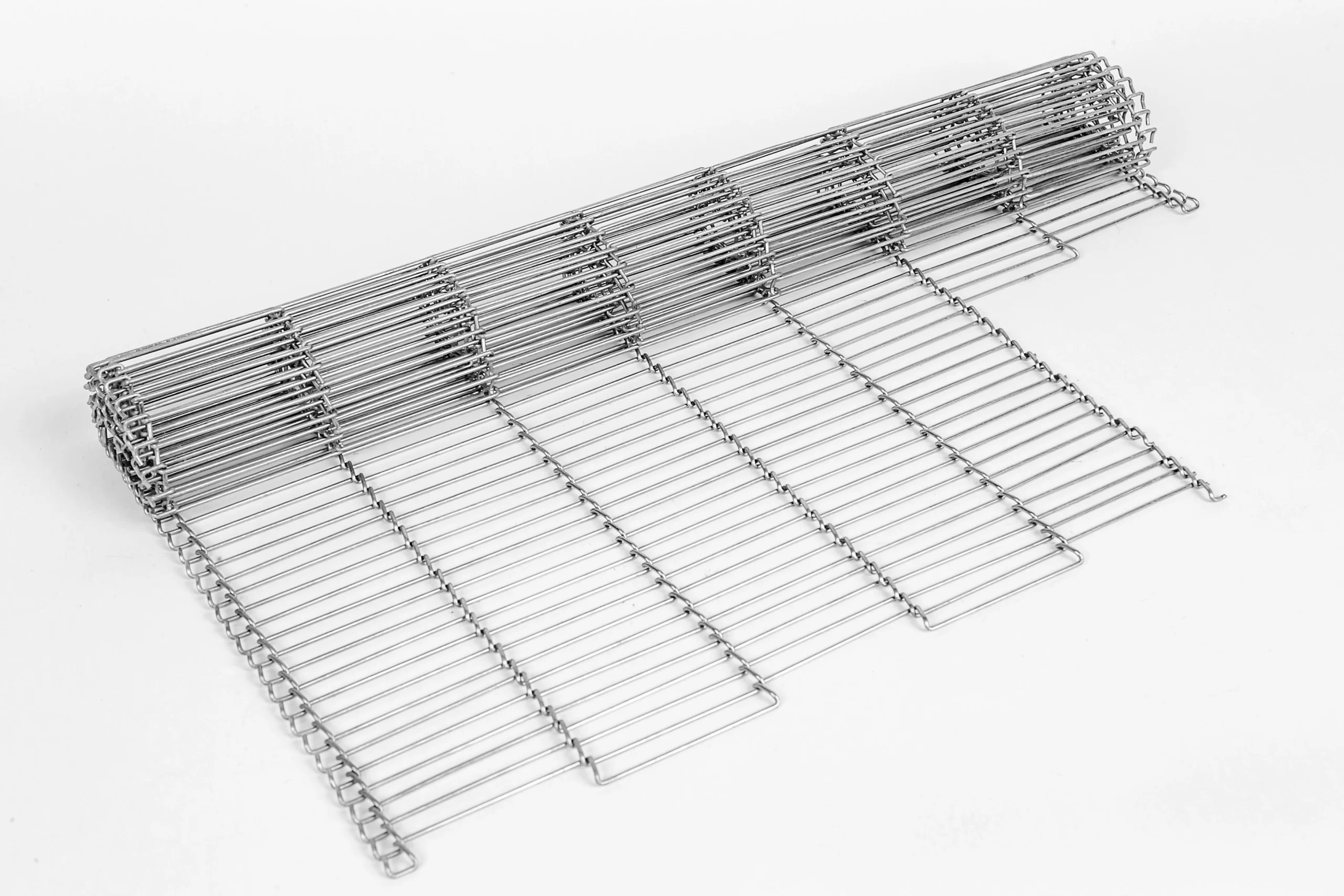
Rod Network Conveyor Belts:Also known as Flat Flex Conveyor Belt.It is made of left and right spir……
-
 Flat Flex Conveyor Belts
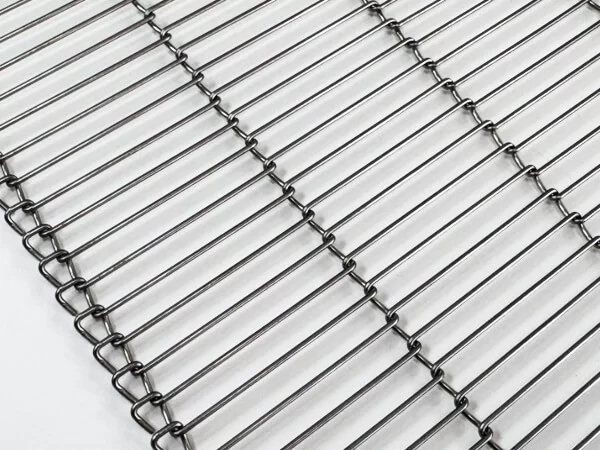
Flat Flex Conveyor Belts also known as Enrober Conveyor Belts, Rod Network Conveyor Belts are distinguished by their unique construction and versatile applications. These belts are constructed from a series of looped wires that interlock with one another, creating a flexible and robust mesh. The simple structure makes it economical and lightweight. It can help to save costs and reduce downtime.
-
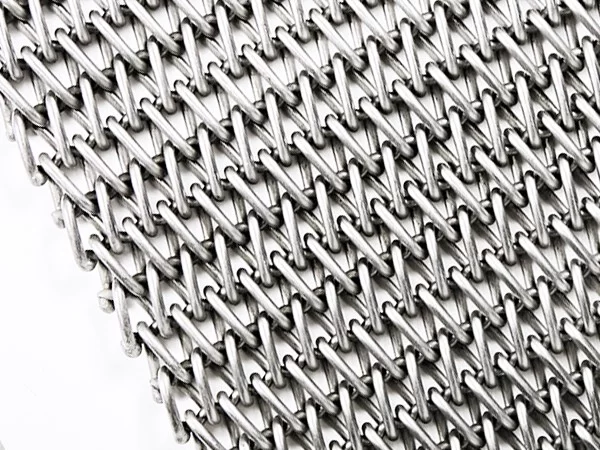 Wire Mesh Lehr Belts
Lehr Belts feature a balanced weave wire construction, composed of alternating right- and left-hand flattened spirals securely seated in crimped connector rods. The belt edges are welded to enhance durability and stability.
-
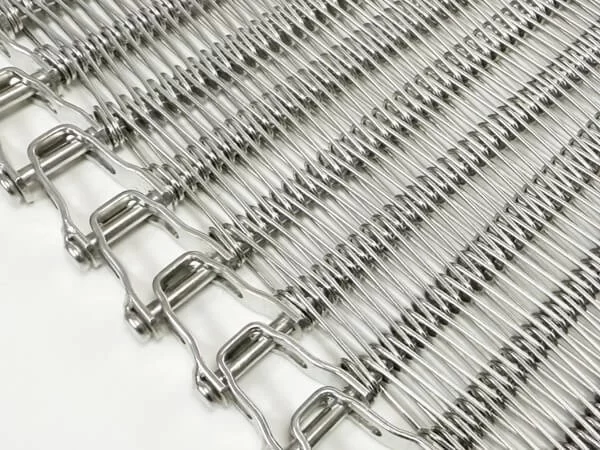 Flexible Rod Conveyor Belts
A Flexible Rod Belt is constructed from 3 components.
1. Alternating spirals take care of the belt overlay.
2. These spirals are connected to each other by means of smooth cross rods.
3. Special chain links are mounted at the outer sides, which are locked by means of button heads.
-
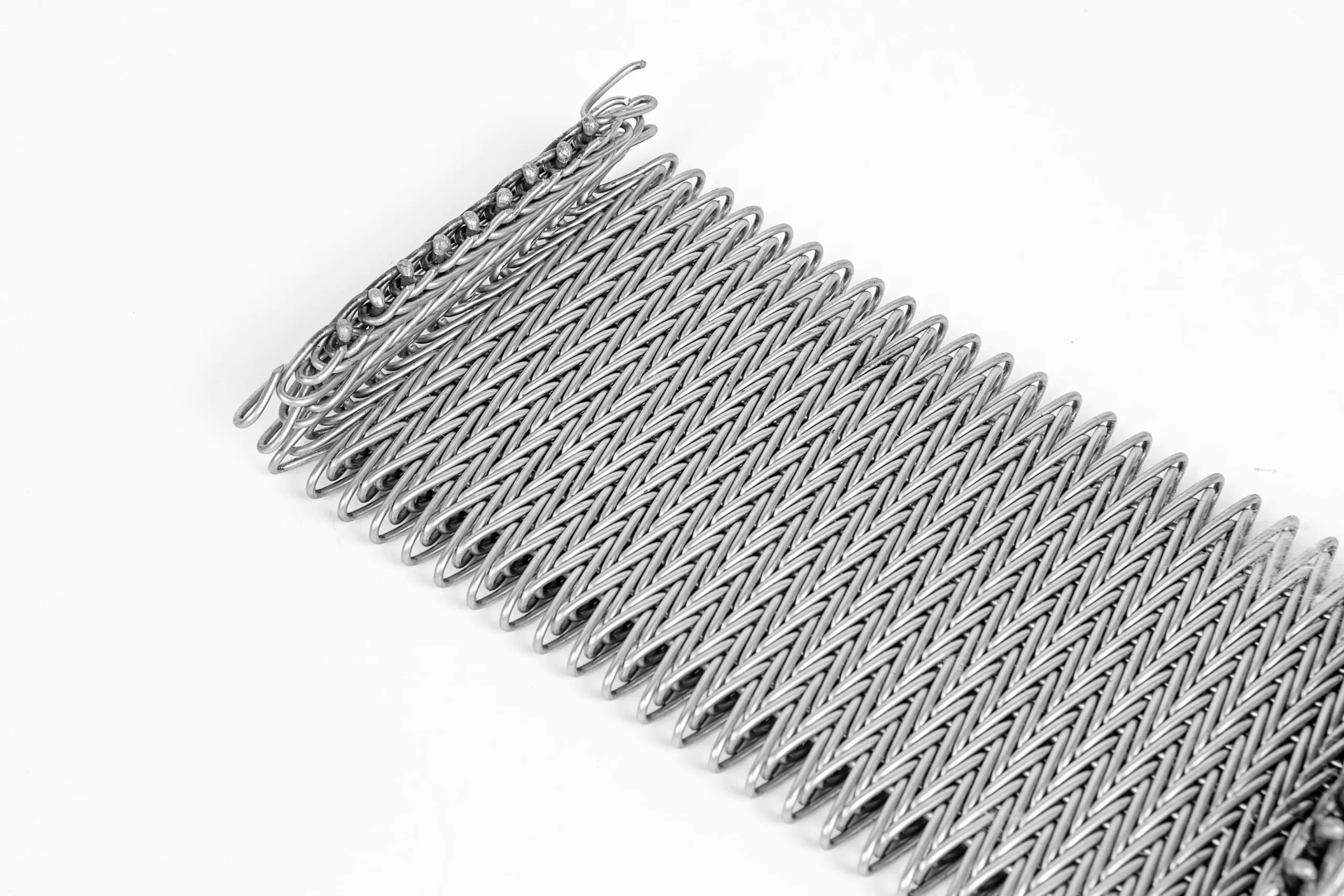 Compound Balanced Weave Conveyor Belt
aka cord weave conveyor belt
aka v shaped conveyor belt
aka chevron conveyor belt
Compound Balanced Weave Conveyor Belt: Also known as Chevron Conveyor Belt.It is a metal mesh belt with a special structure. It is woven by left and right spiral wires. It has a tight and strong structure. Its mesh holes are evenly arranged in a "herringbone" shape (also called "V" or "fishbone" shape). The edges can be welded, crimped or chain-reinforced to improve strength and stability.
This design gives it unique performance advantages and is widely used in industries that require high strength, high temperature resistance and stable transportation. It is usually made of stainless steel (such as stainless steel 314, stainless steel 316L, stainless steel 304), heat-resistant steel or other alloy materials.
-
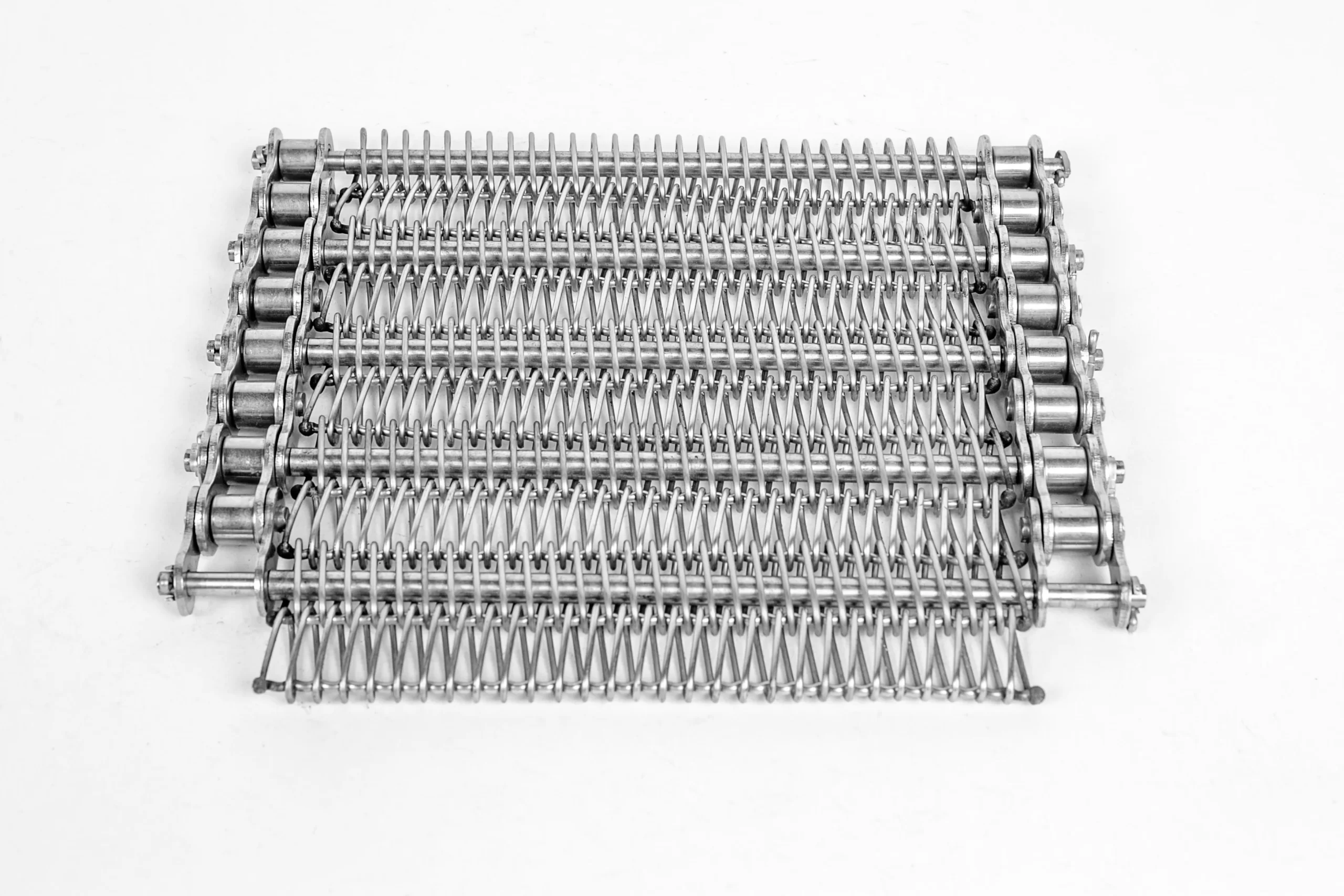 Chain Driven Conveyor Belts
Stainless steel chain link belt with precision-driven rollers
-
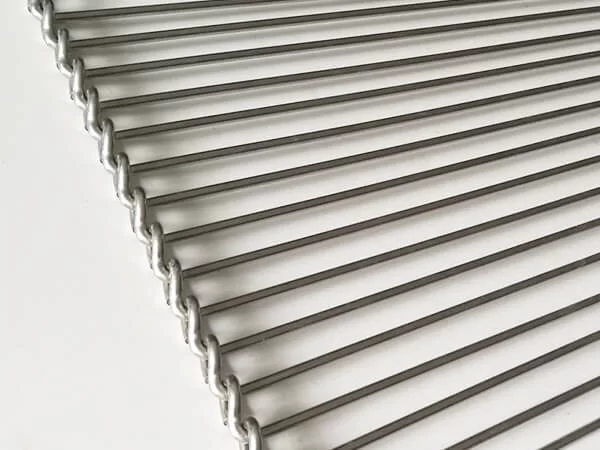 Ladder Conveyor Belts
Ladder Conveyor Belt is a simple but effective style of conveyor belt, generally used belt for common processes and common product loads. Its open design provides efficient operation with minimum maintenance as well as facilitating easy and thorough cleaning. Its lightweight and basic configuration make it a very economic and cost-effective style of belting for many different environments. The ladder belts are used in production processes with temperatures of -100ºC to +450ºC in food and other industries.
-
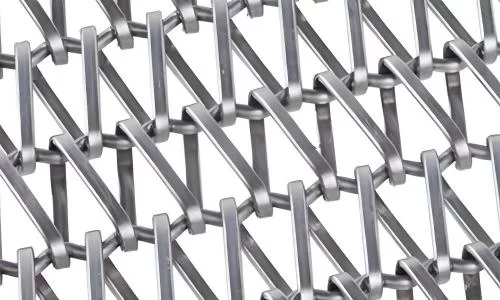 Veneer Dryer Wire Mesh Belts
Veneer dryer wire mesh belts are essential components in continuous veneer drying systems, widely used in plywood and panel manufacturing. These belts are designed to withstand high temperatures, provide stable transport, and allow optimal air circulation, ensuring uniform drying of wood veneer sheets. Made from high-quality metal or heat-resistant synthetic materials, these belts contribute to energy efficiency, reduce product defects, and enhance drying line productivity.
-
 April 03, 2026The Indispensable Role of a Conveyor Belt System in Modern Construction ProjectsLook, I’ve spent the last 20 years knee-deep in dust and concrete on construction sites, and let me tell you, a reliable conveyor belt system isn't just a convenience, it's a backbone. We’re talking about moving materials efficiently, safely, and consistently. It’s the difference between a project that runs smoothly and one that spirals into costly delays. It’s a tool that impacts every single phase, from initial groundwork to the final finishing touches.
 -
 March 25, 2026The Versatile Flat Flex Conveyor Belt for Efficient Material HandlingLet me tell you, after years on construction sites, knee-deep in dust and dealing with all sorts of conveyor headaches, a good, reliable system is worth its weight in gold. We’re talking about moving materials – everything from aggregates to finished goods – and time is absolutely money. That’s where the Flat Flex Conveyor Belt comes in. It’s not just another piece of equipment; it’s a productivity booster, a safety enhancer, and frankly, a sanity saver. I’ve seen projects grind to a halt because of conveyor issues, and a robust, easily maintained system like this can prevent a lot of trouble. What I appreciate most, having spent countless hours troubleshooting on-site, is simplicity. Complicated systems mean more downtime and the need for specialized technicians. The beauty of a well-designed Flat Flex Conveyor Belt is its straightforward design. It's easy to install, even in tight spaces, and maintenance is minimal.
 -
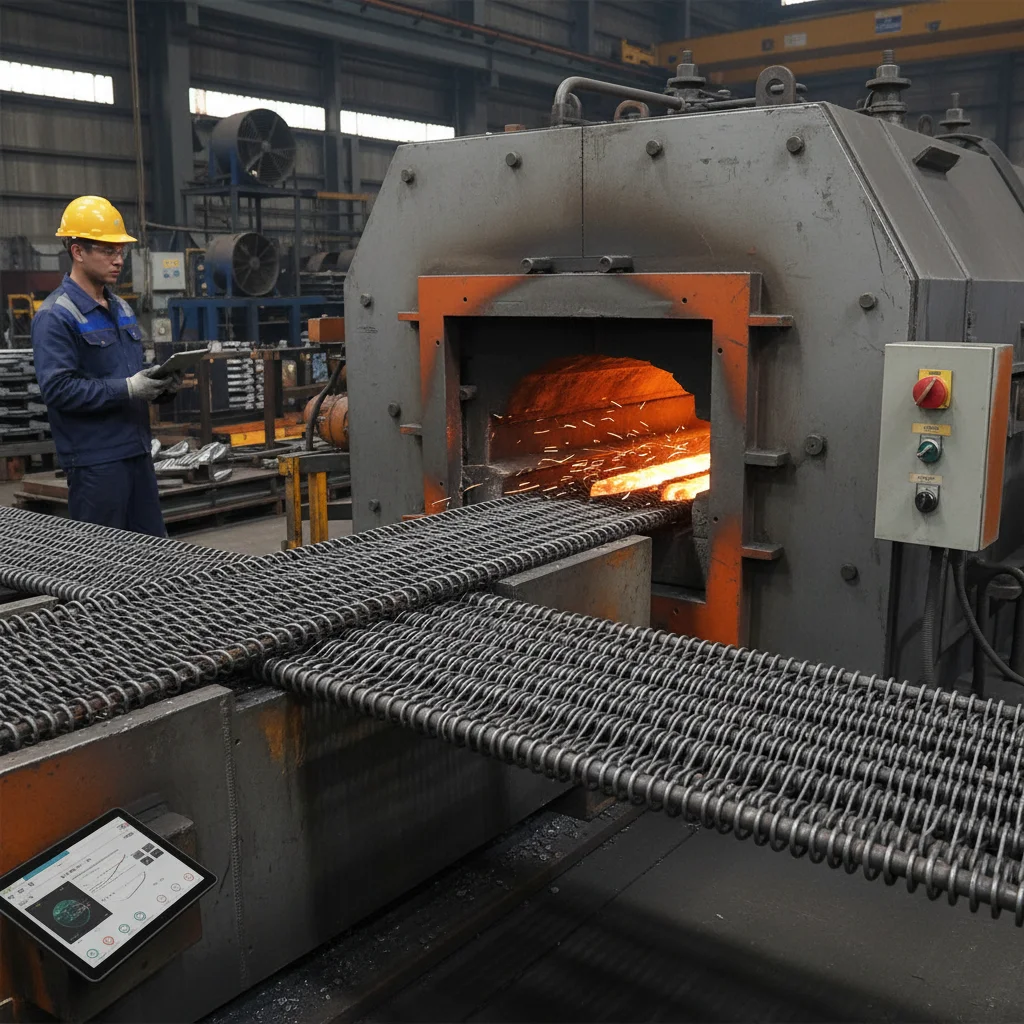 March 28, 2026Comprehensive Guide to Heat Treatment Furnace Mesh Belt Selection and ApplicationsIn the demanding world of heat treatment, achieving consistent and efficient results relies heavily on the quality of components used. A critical element in many heat treatment processes is the heat treatment furnace mesh belt. These specialized belts play a vital role in transporting materials through the furnace, ensuring uniform heating and cooling. This article explores the various aspects of heat treatment furnace mesh belts, including their types, materials, applications, and key considerations for selection.
 -
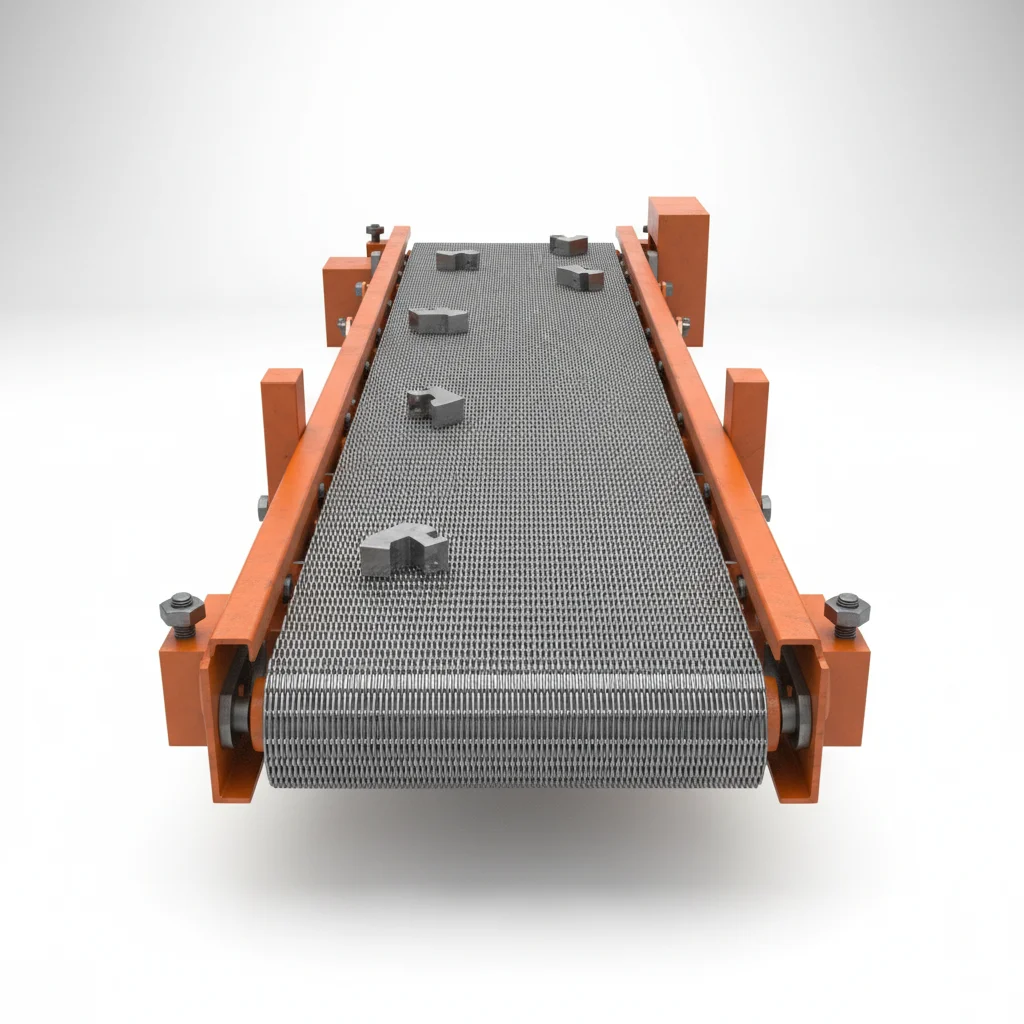 March 21, 2026Optimizing Material Handling with Durable Flat Flex Conveyor Belt SystemsIn the world of material handling, efficiency and reliability are paramount. Flat Flex Conveyor Belts have emerged as a versatile solution for a wide range of industries. This article will explore the benefits, applications, and key considerations when selecting a flat flex conveyor belt, focusing on how JY Mesh Belt can meet your specific needs. From food processing to logistics, we’ll cover how these belts optimize your operations. Flat Flex Conveyor Belts, also known as modular plastic belts, are constructed from small, interlocking plastic modules. These modules are typically made from materials like polypropylene, offering excellent strength, durability, and resistance to chemicals and temperature extremes. Unlike traditional belts, flat flex belts can be easily disassembled and reassembled, making them ideal for complex conveyor systems with curves, inclines, and declines.
 -
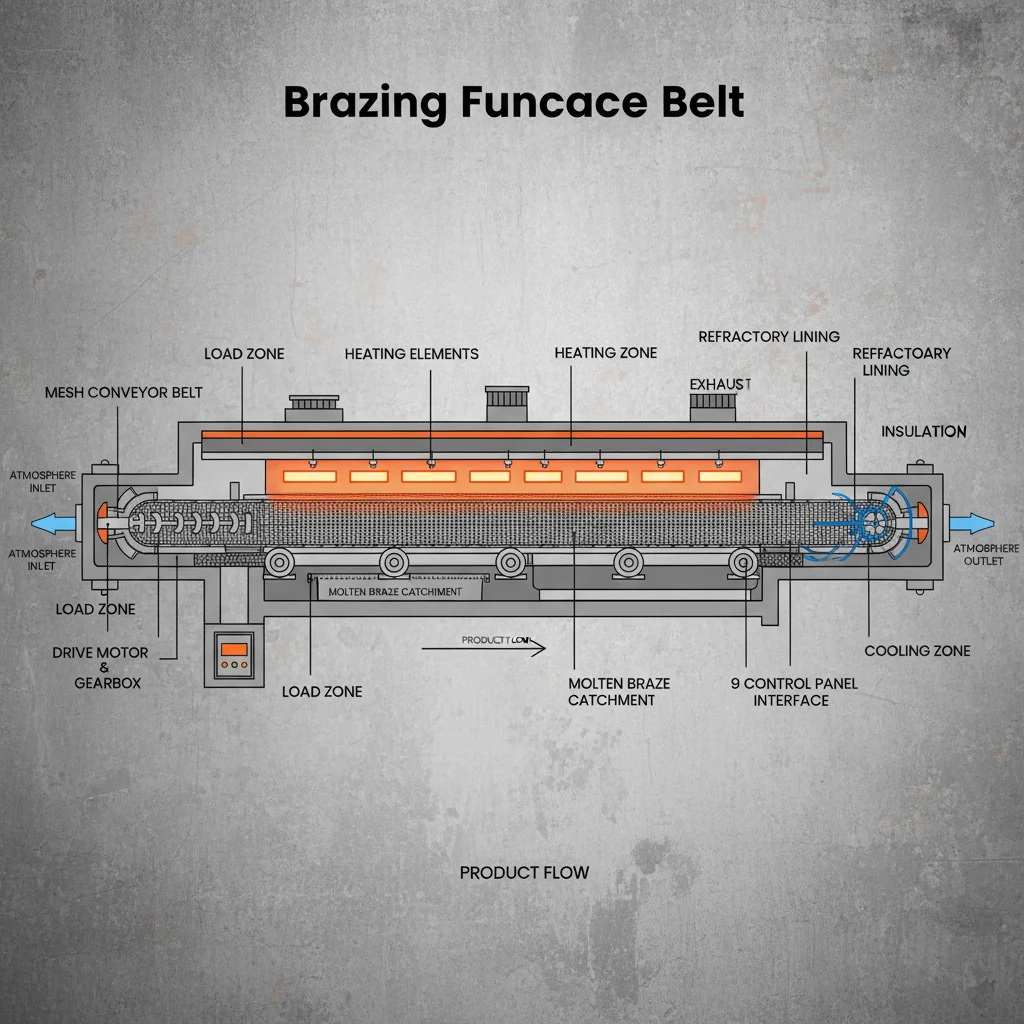 March 26, 2026Optimizing Brazing Processes with the Right Brazing Furnace Belt SelectionBrazing is a critical process in numerous industries, from automotive and aerospace to HVAC and manufacturing. Ensuring consistent and reliable operation of brazing furnaces is paramount, and a key component in achieving this is the brazing furnace belt. This article delves into the world of brazing furnace belts, exploring their function, types, materials, maintenance, and how to select the right belt for your specific brazing application. We'll cover everything you need to know to optimize your brazing process and maximize efficiency. A brazing furnace belt, also known as a mesh belt, is a continuous loop of metal mesh that serves as the conveyor system within a brazing furnace. It transports parts through the controlled atmosphere and heat, facilitating the brazing process. Its importance lies in providing a consistent and controlled method for part conveyance, ensuring uniform heating and cooling, and ultimately, the quality of the brazed joints.
 -
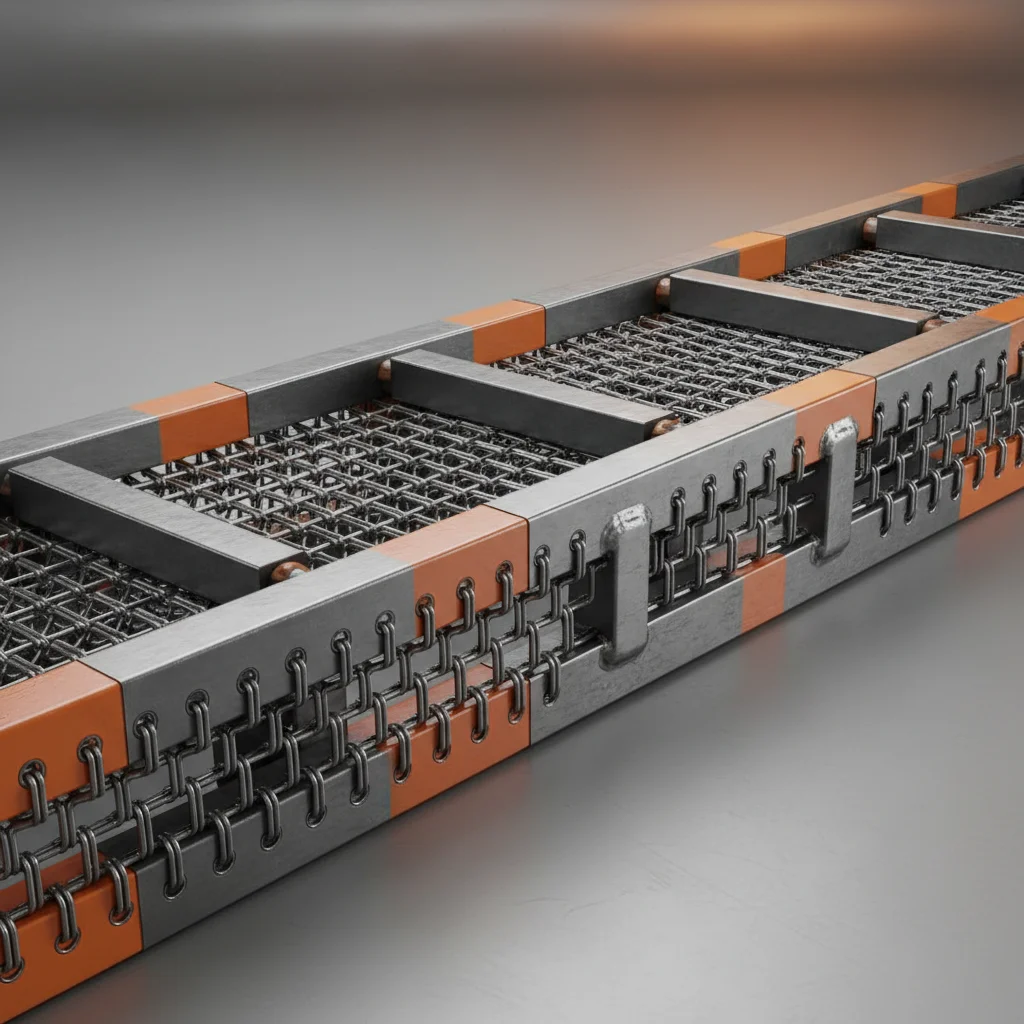 April 09, 2026Industrial Mesh Belt Guide for Production Line EfficiencyIn the world of industrial processing, the efficiency of your production line often depends on the smallest components. A high-quality mesh belt serves as the backbone for countless operations, from food baking and pharmaceutical processing to heavy-duty metal heat treatment. Choosing the right belt material and weave can mean the difference between seamless operation and costly downtime. This comprehensive guide will walk you through everything you need to know about selecting, maintaining, and optimizing your conveyor systems to ensure maximum productivity and longevity.
 -
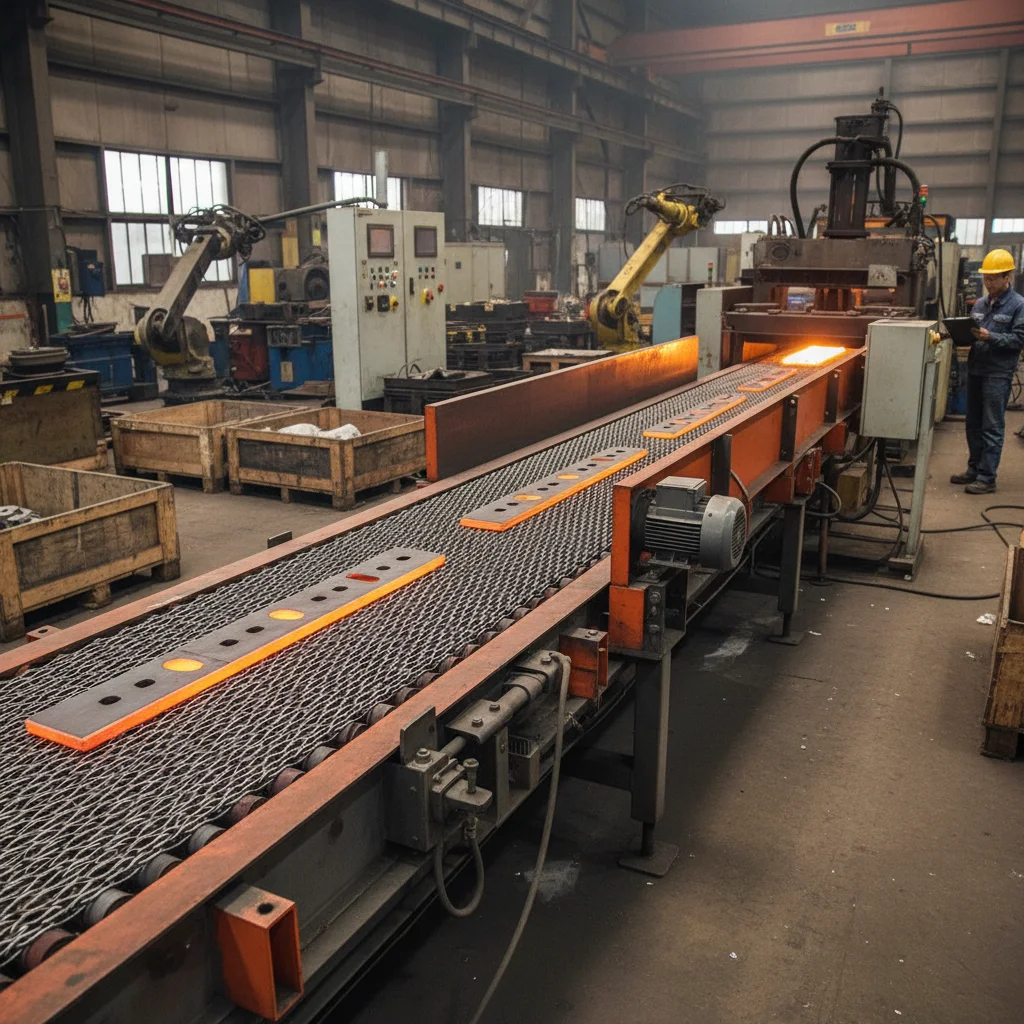 April 06, 2026The Indispensable Role of Wire Mesh Belt Technology in Modern IndustriesWire mesh belt technology has become indispensable in modern industrial processes, offering a versatile and robust solution for material handling across a multitude of sectors. From food processing and pharmaceuticals to metalworking and automotive manufacturing, the demand for efficient and reliable conveyor systems is constantly increasing. This drive for optimization has cemented the wire mesh belt as a cornerstone of contemporary production lines, enabling businesses to streamline operations, enhance product quality, and boost overall productivity.
 -
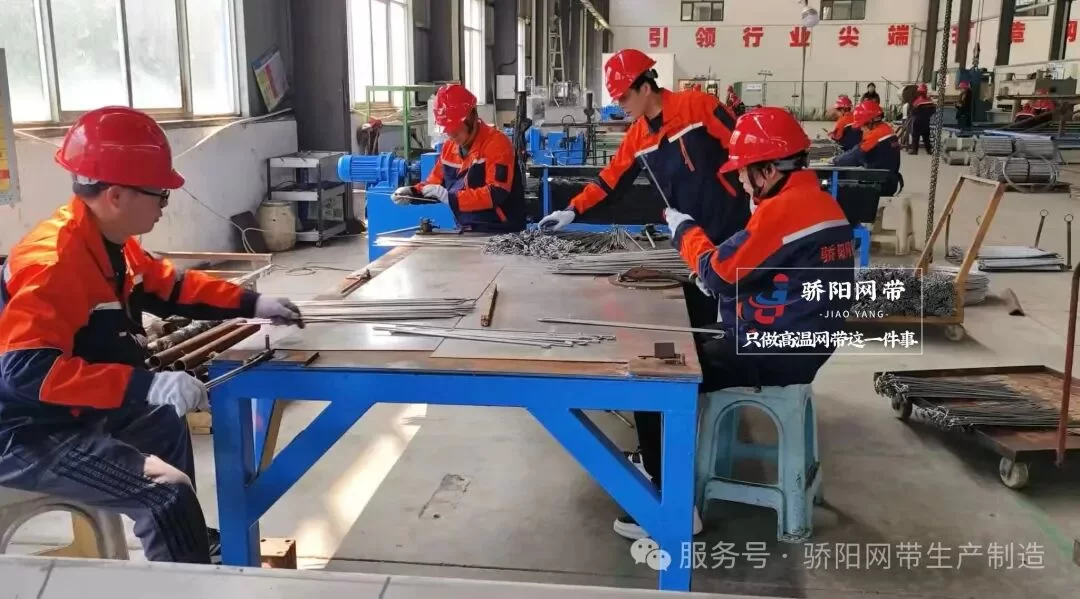 January 01, 2026What Are The Advantages Of Choosing A Photovoltaic Panel Pyrolysis Furnace Mesh Belt From Jiaoyang Products?
In the photovoltaic panel debris recycling industry, the stability of the pyrolysis furnace mesh belt affects production efficiency.
Get Your Custom Solution
Facing challenges with high-temperature conveying? Contact us now.
Our engineers will provide you with expert product consultation and tailored solutions.
Sign up
for our Newsletter
Subscribe to the weekly newsletter for all the latest updates


