- Tel: +86 15252586600 / +86 13705250816
- Email: 527966138@qq.com / 1026520412@qq.com

Sintering Furnace Mesh Belt for Powder Metallurgy: Industry Trends and Manufacturing Insights from PM CHINA 2026
Sintering Furnace Mesh Belt for Powder Metallurgy: Industry Trends and Manufacturing Insights from PM CHINA 2026
Powder metallurgy continues to serve a wide range of industrial applications, from precision mechanical components to automotive parts, magnetic materials, and advanced manufacturing. As production requirements evolve, manufacturers increasingly need to consider not only the quality of the finished component but also the stability, consistency, and efficiency of the processes used to produce it.
These topics formed part of the wider industry context of the 18th China International Exhibition for Powder Metallurgy & Cemented Carbides, known as PM CHINA 2026. Held from March 24 to 26, 2026, at the National Exhibition and Convention Center in Shanghai, the exhibition brought together the powder metallurgy and cemented carbide sectors alongside related fields such as advanced ceramics, magnetic materials, additive manufacturing, and powder processing.
Learn more on the official PM CHINA 2026 exhibition website.
Yangzhou Jiaoyang Mesh Belt Manufacturing Co., Ltd. participated in PM CHINA 2026, connecting its industrial metal mesh belt business with an industry environment focused on materials, production equipment, components, and manufacturing technologies.
For companies involved in continuous thermal processing, this industry context is relevant. Production outcomes depend on multiple interconnected factors, including material characteristics, furnace conditions, component handling, and the reliability of conveying equipment. A properly specified sintering furnace mesh belt is one part of this wider production system.

Three Industry Trends Shaping Sintering and Conveyor Requirements
1. Greater Attention to Process Consistency
Powder metallurgy manufacturers need repeatable production conditions to help maintain component quality across successive batches. In continuous sintering operations, the conveyor belt supports workpieces as they move through a controlled thermal environment.
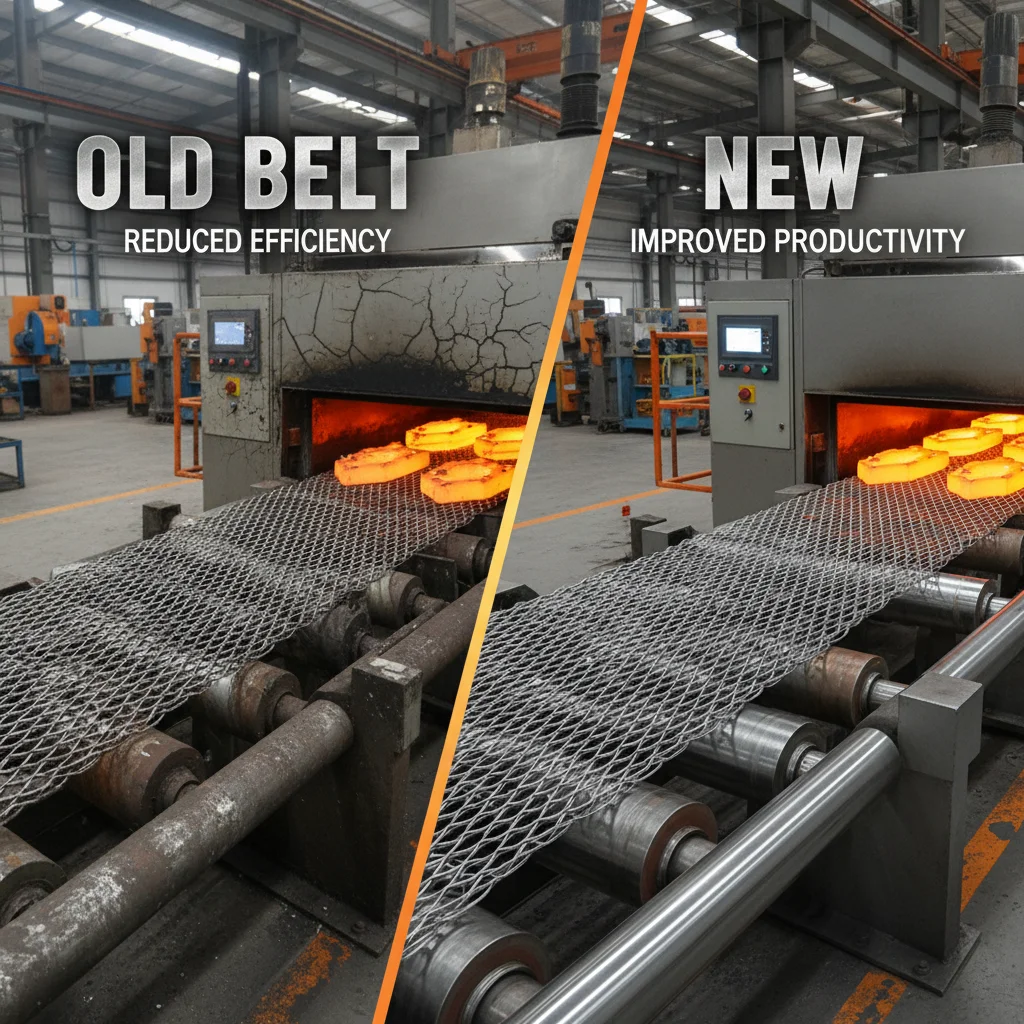
Belt structure, mesh opening, running stability, and loading arrangements all need to suit the production process. If the belt does not adequately support the workpieces or run consistently, it may contribute to conveying problems and additional maintenance requirements.
This makes belt selection an engineering decision rather than a simple replacement purchase. Buyers should evaluate the entire operating environment, including furnace temperature, atmosphere, production speed, and component geometry.
2. Closer Integration Across Materials and Manufacturing Equipment
PM CHINA 2026 featured a broader advanced manufacturing ecosystem through its associated exhibition areas covering advanced ceramics, magnetic materials, additive manufacturing, and powder processing. This reflects the interconnected nature of modern manufacturing, where material selection, processing technology, equipment design, and component performance must work together.
For sintering furnace operators, the practical implication is the importance of matching auxiliary equipment to the production line. A conveyor belt must be compatible with the furnace and the workpieces it carries, while also meeting the requirements of the drive system and maintenance process.
When specifying a metal mesh belt, buyers should therefore provide information about the complete conveying application instead of relying only on the existing belt width or a general description of the furnace.
3. More Informed Equipment Selection and Maintenance Planning
Manufacturers evaluating production equipment must consider long-term operating requirements alongside initial purchase cost. For a sintering furnace mesh belt, relevant considerations include expected service life, inspection needs, replacement procedures, downtime risks, and compatibility with existing equipment.
The right solution depends on the application. Material grade, mesh construction, wire dimensions, and belt configuration should be assessed against actual furnace conditions rather than selected solely on the basis of general high-temperature claims.
Clear technical communication between the buyer and supplier can help identify the specifications that matter most and reduce avoidable mismatches during replacement or installation.
Why Sintering Furnace Mesh Belt Design Matters
A sintering furnace mesh belt is a metal conveyor belt designed to transport components through a furnace during thermal processing. Its performance depends on the relationship between its construction and the requirements of the production line.
Several design considerations deserve attention before a new belt is ordered.
Material compatibility: The belt material must suit the normal operating temperature, temperature fluctuations, furnace atmosphere, and exposure duration. A material suitable for one furnace may not be appropriate for another.
Mesh structure: The opening size and wire arrangement influence workpiece support and the space available for gas circulation. The correct structure depends on component size, shape, weight, and loading density.
Mechanical stability: Belt dimensions, drive engagement, edge construction, and support arrangements affect how the belt travels through the conveying system. These specifications should be checked against the furnace design.
Maintenance requirements: Inspection access, replacement procedures, and the availability of compatible components can influence the practicality of operating the belt over time.
These factors should be evaluated together. A mesh design that works well for one type of powder metallurgy component may require adjustment for another workpiece or furnace configuration.

How Powder Metallurgy Manufacturers Can Evaluate a Sintering Furnace Mesh Belt
Before requesting a quotation, production teams should establish the operating requirements of their sintering line. A structured assessment makes it easier to compare potential solutions on relevant technical criteria.
Step 1: Define the Furnace Conditions
Record the normal and peak operating temperatures, furnace atmosphere, heating and cooling cycles, and the time workpieces spend inside the furnace. These details help determine the material requirements.
Step 2: Describe the Workpieces
Provide the component dimensions, approximate weight, shape, and loading arrangement. Small or irregularly shaped parts may require a different support structure from larger, heavier components.
Step 3: Confirm the Conveyor Configuration
Share the required belt width and length, drive arrangement, sprocket or roller specifications, support layout, conveying speed, and edge requirements. Equipment drawings are especially useful for replacement projects.
Step 4: Review Existing Performance Issues
If a current belt has experienced excessive wear, tracking problems, deformation, or frequent maintenance, describe when and where the problem occurs. Photographs of the belt and furnace layout can help the supplier understand the application.
Step 5: Confirm the Proposed Specifications
Before production, review the proposed belt material, mesh pattern, dimensions, edge design, and equipment compatibility. Any temperature or service-life expectations should be evaluated against the actual operating conditions.
This process helps purchasing teams move beyond price-only comparisons and assess whether a proposed belt is suitable for their production line.
Yangzhou Jiaoyang Mesh Belt Manufacturing Co., Ltd. at PM CHINA 2026
Yangzhou Jiaoyang Mesh Belt Manufacturing Co., Ltd. participated in the 18th China International Exhibition for Powder Metallurgy & Cemented Carbides, PM CHINA 2026. Its participation reflects the company's engagement with an industrial sector where reliable conveying equipment supports continuous thermal processing and related manufacturing operations.
The company focuses on the research, production, sales, installation guidance, recycling, and after-sales support of high-temperature metal wire conveyor belts. Its product range includes sintering furnace belts, brazing conveyor belts, heat treatment mesh belts, pyrolysis furnace mesh belts, flat wire belts, and flat flex belts.
Its reported manufacturing equipment includes more than 30 fully automatic wire winding machines, CNC straightening machines, and intelligent embossing machines. The company operates a manufacturing facility covering approximately 30 acres, with a modern production workshop and 60 skilled operators.
The company also reports ISO 9001 quality management system certification and recognition as a high-tech enterprise. Its products are exported to Southeast Asia, Europe, and other markets.
For powder metallurgy producers, choosing a conveyor belt supplier involves more than finding a product with the correct dimensions. Manufacturing capability, specification review, equipment compatibility, installation guidance, and after-sales support are all important factors when evaluating a long-term supplier.
By participating in industry exhibitions such as PM CHINA 2026, Yangzhou Jiaoyang connects its metal mesh belt business with the broader manufacturing community. For customers seeking a sintering furnace mesh belt, the next step is to translate production requirements into clear, verifiable technical specifications.
Frequently Asked Questions About Sintering Furnace Mesh Belts
What is a sintering furnace mesh belt used for?
A sintering furnace mesh belt transports components through a controlled heating environment during continuous thermal processing. It must provide suitable workpiece support and operate reliably under the furnace's temperature, atmosphere, and mechanical conditions.
Which factors affect sintering furnace mesh belt selection?
Key factors include operating temperature, furnace atmosphere, workpiece dimensions and weight, mesh opening, wire material, belt dimensions, drive configuration, and maintenance requirements. All should be considered together.
Can a sintering furnace mesh belt be customized?
Custom specifications may be available depending on the manufacturer's capabilities. Buyers should provide furnace drawings, existing belt dimensions, workpiece details, and operating conditions so the proposed design can be assessed.
Why is belt stability important in powder metallurgy?
Stable conveying helps maintain consistent workpiece movement through the furnace and reduces the risk of tracking-related interruptions. Belt design should be matched to the drive system, loading arrangement, and equipment alignment.
Where can buyers learn more about the powder metallurgy industry?
The official PM CHINA website provides exhibition information, industry news, and details about related events. It is a useful starting point for manufacturers following developments in powder metallurgy and associated advanced manufacturing sectors.
Connect Your Sintering Requirements with the Right Belt Specifications
The development of powder metallurgy and advanced manufacturing continues to place importance on reliable production processes and equipment compatibility. A well-specified sintering furnace mesh belt can support consistent conveying when its material, structure, and dimensions match the actual application.
Yangzhou Jiaoyang works with industrial customers on metal mesh belt requirements across different thermal processing applications. If you are planning a new furnace installation or replacing an existing belt, prepare your furnace parameters, workpiece details, conveyor drawings, and current belt specifications for technical review.
A clear understanding of your operating conditions is the starting point for identifying a suitable sintering furnace mesh belt for your production line.
-
 Heavy Duty Chain Driven Conveyor Belts China Factory and Mesh Belt SuppliersLooking for reliable China factory and suppliers of stainless steel chain link belts? We provide precision-driven, high-tensile, and corrosion-resistant solutions for heavy-duty industrial material handling.
-
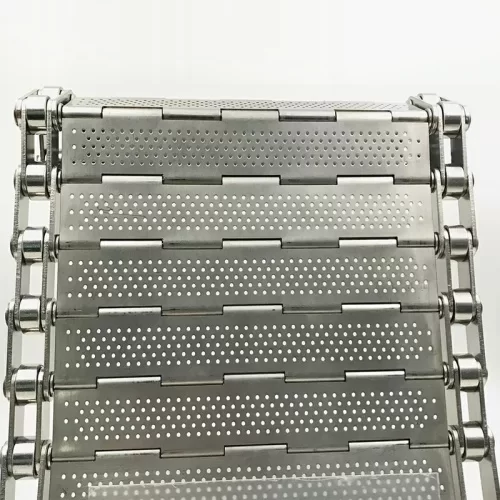 Plate Link Conveyor Belt
Plate conveyor belts are composed of hinged slats with or without holes. Hinge ……
-
 High Temperature Wire Mesh Lehr Belts China Factory and SuppliersPremium Wire Mesh Lehr Belts from a leading China factory. Featuring a balanced weave of alternating flattened spirals and welded edges for maximum stability. Trusted suppliers of high-temperature glass annealing solutions.
-
 Balanced Spiral Woven Conveyor Belts China Factory and Leading SuppliersLooking for premium Balanced Weave Conveyor Belts from a trusted China factory? As leading suppliers, we provide high-performance spiral wire link belts for food, heat treatment, and glass industries, ensuring FDA compliance and extreme temperature resistance.
-
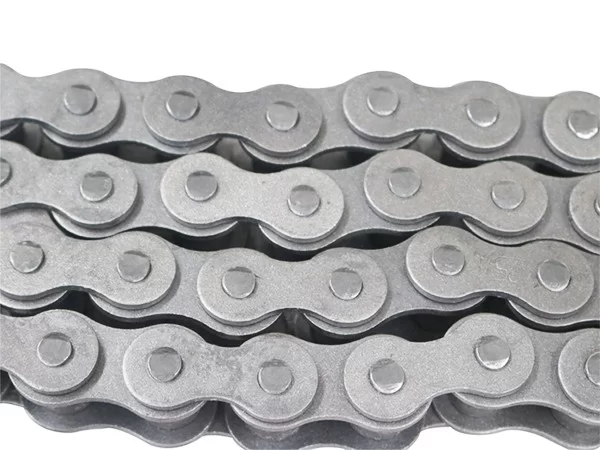 Chain Links
Chains links are important components and accessories in the whole conveyor belt system. They are used combined with sprockets as a drive system to ensure stable and smooth conveying and transmitting. We can supply all kinds of chain links for you.
-
 Compound Balanced Weave Conveyor Belt China Factory and SuppliersHigh-precision Compound Balanced Weave Conveyor Belts from a leading China factory. Also known as cord weave or V-shaped belts, these durable stainless steel mesh solutions are ideal for small item transport and high-temperature sintering. Contact professional suppliers for customizable industrial belts.
-
 Flexible Rod Conveyor Belt China Factory and Leading SuppliersHigh-performance Flexible Rod Belts from a leading China factory. Featuring alternating spirals, smooth cross rods, and secure chain links, our belts are the top choice for global suppliers seeking durable, hygienic solutions for food processing.
-
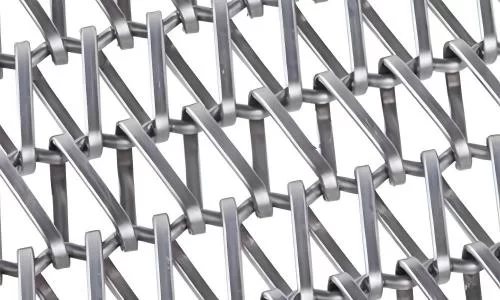 Veneer Dryer Wire Mesh Belts
Veneer dryer wire mesh belts are essential components in continuous veneer drying systems, widely used in plywood and panel manufacturing. These belts are designed to withstand high temperatures, provide stable transport, and allow optimal air circulation, ensuring uniform drying of wood veneer sheets. Made from high-quality metal or heat-resistant synthetic materials, these belts contribute to energy efficiency, reduce product defects, and enhance drying line productivity.
-
 October 01, 2026High Performance Wholesale Flat Flex Conveyor Belt GuideFlat flex conveyor belts represent a critical engineering solution for industrial processes requiring a balance between structural rigidity and flexible movement. These specialized metal mesh systems are designed to transport materials through extreme environments, such as high-temperature furnaces or chemically active zones, where traditional rubber or plastic belts would fail instantly. This article examines the technical specifications and procurement logic necessary for selecting high-performance metal conveying systems. In B2B industrial procurement, the choice of a conveyor system directly affects production uptime and product yield. For industries like powder metallurgy, electronics, and glass annealing, the belt is not merely a transport tool
-
 June 21, 2026High Precision Semiconductor Material Sintering Mesh Belt GuideOptimizing Production with Semiconductor Material Sintering Mesh Belt In the precision-driven world of semiconductor fabrication, the stability and quality of sintering processes are critical to the final performance of electronic components. The Semiconductor Material Sintering Mesh Belt serves as the backbone of this high-temperature transport system, ensuring that delicate wafers and materials are moved uniformly through sintering furnaces without deformation or contamination. Achieving a perfect sinter requires a conveyor that can withstand extreme thermal stress while maintaining dimensional stability. This article explores the technical nuances, material benefits, and industrial applications of these specialized belts to help engineers optimize their production lines
-
 September 14, 2026Wholesale High Temperature Conveyor Belt for Industrial ProcessingWhen industrial processes involve extreme thermal exposure, the integrity of the material transport system becomes the primary bottleneck for production efficiency. Flat Flex conveyor systems address this by combining a lightweight, single-layer stainless steel architecture with a precision positive drive mechanism. These belts are specifically engineered to eliminate the slippage and tracking issues common in traditional high-heat environments, ensuring that delicate componentswhether in powder metallurgy or food processingare moved with absolute consistency. By optimizing airflow through an open-mesh design, these systems reduce thermal lag and accelerate cooling or drying cycles, directly impacting the overall throughput of the production line.
-
 March 10, 2026Comprehensive Guide to Stainless Steel Wire Mesh Belt Applications and SelectionStainless Steel Wire Mesh Belt: A Comprehensive Guide I […]
-
 November 12, 2026High Quality Wholesale Ushaped threading mesh belt for IndustryIndustrial conveying systems often require a balance between structural rigidity and the ability to navigate complex spatial layouts. The Wholesale U-shaped threading mesh belt provides this critical flexibility, enabling materials to be transported through spiral, round, or straight-running configurations. This specialized belting is engineered to maintain product stability while allowing the conveyor to bend around obstacles without compromising the integrity of the mesh. In high-throughput environments such as food processing and heat treatment, the choice of conveyor media directly impacts downtime and maintenance costs. Traditional belts may struggle with tight turning radii or extreme temperatures, leading to premature wear.
-
 July 27, 2026Industrial Precision Compound Balanced Weave Belt SystemsThe global industrial landscape is increasingly reliant on precision-engineered components to maintain high-throughput production lines. Within the realm of mechanical transmission, the integration of high-performance edge components is critical for ensuring that conveyor systems operate without slippage or instability. Understanding the synergy between specialized chain links and the broader system, such as a Compound Balanced Weave Belt , is essential for optimizing operational efficiency and reducing long-term maintenance costs. Modern manufacturing demands materials that can withstand extreme thermal stress and corrosive environments while maintaining strict dimensional accuracy.
-
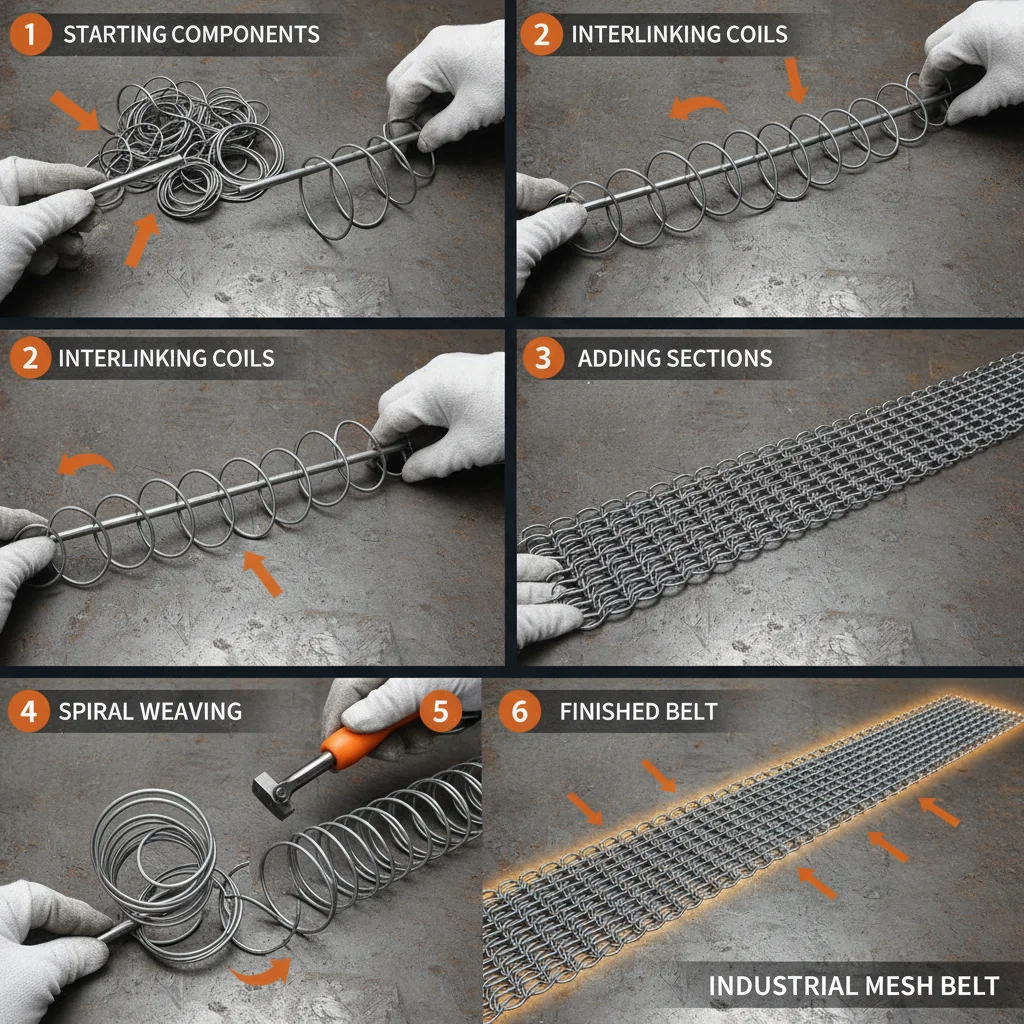 April 07, 2026Comprehensive Guide to Metal Mesh Belt Types Benefits and Industrial ApplicationsMetal mesh belts are indispensable components in a vast range of industrial processes, offering reliable and efficient conveyance solutions. From heat treatment and forging to food processing and packaging, these belts excel in demanding environments. This article explores the types, benefits, applications, and considerations for selecting the right metal mesh belt for your specific needs. Understanding their construction and properties is key to optimizing your production line.
-
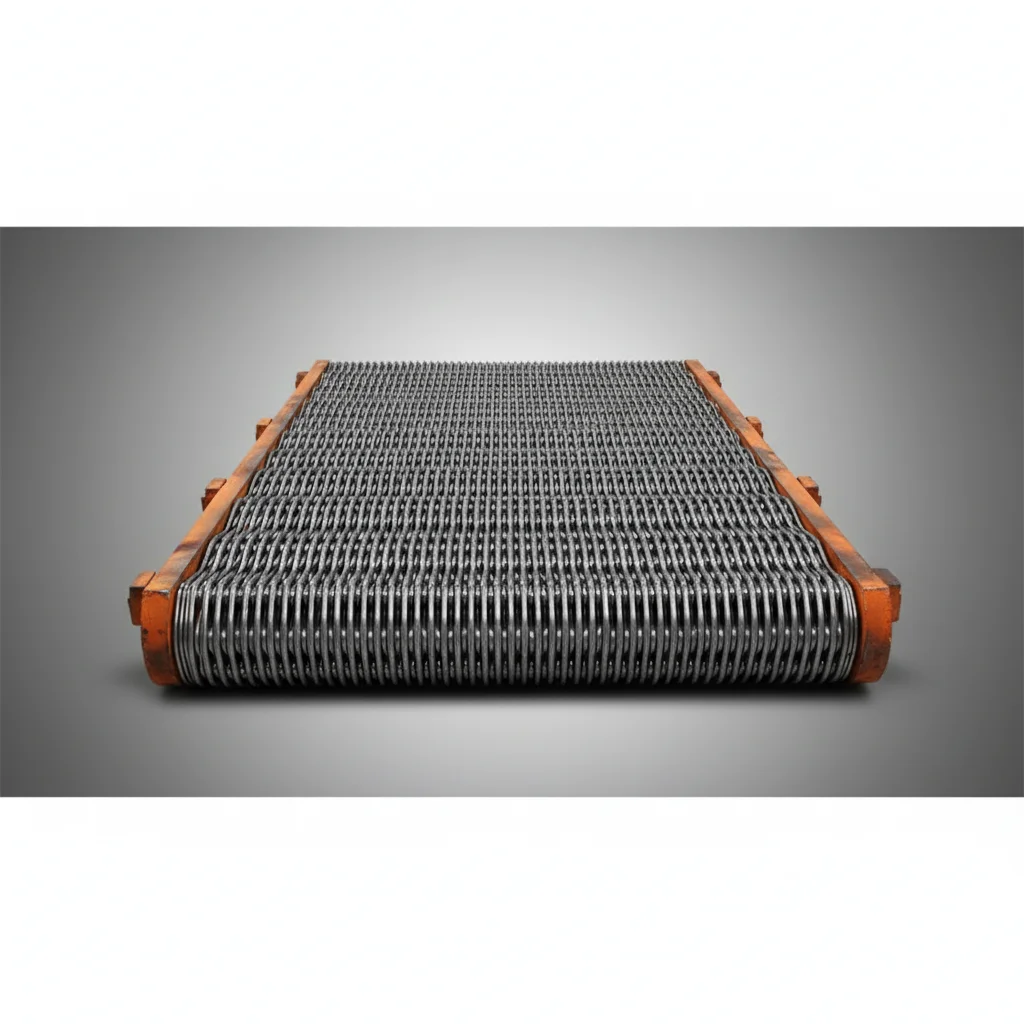 March 27, 2026Optimizing Heat Treatment Processes with Durable Mesh Belt FurnacesLook, I’ve been elbows-deep in construction for over 15 years, and let me tell you, the backbone of any serious heat treatment operation is the mesh belt. It’s not glamorous, no one’s writing songs about it, but if your furnace belt fails, everything grinds to a halt. We're talking serious downtime, scrapped parts, and a whole heap of frustration. A good Heat treatment furnace mesh belt isn’t just a component; it's a critical path item. It’s the thing that lets you move parts safely and consistently through the heat, impacting quality and throughput. Understanding this system isn’t just about specs and materials; it’s about recognizing how it impacts the entire process on the shop floor. I’ve seen a lot of belts in my time - cheap ones that stretch and warp, expensive ones that still can’t handle the load, and a few that just…fail spectacularly. That’s why getting the right heat treatment furnace mesh belt is key. It's about minimizing downtime, maximizing efficiency, and ultimately, delivering a quality product. It's not something you want to skimp on, believe me. The cost of a failure far outweighs the initial investment in a solid, reliable belt. The thing that often gets overlooked is the integration. It's not just about buying a belt; it's about making sure it fits your specific furnace, your part load, and your temperature requirements. A lot of companies sell you the belt, but don't give you the support to make sure it's working for you. That's where having a supplier that understands the entire heat treatment process, not just the mesh, makes all the difference.
Get Your Custom Solution
Facing challenges with high-temperature conveying? Contact us now.
Our engineers will provide you with expert product consultation and tailored solutions.
Sign up
for our Newsletter
Subscribe to the weekly newsletter for all the latest updates


