
Comprehensive Guide to Metal Mesh Belt Types Benefits and Industrial Applications
Comprehensive Guide to Metal Mesh Belt Types Benefits and Industrial Applications
Metal Mesh Belt: A Comprehensive Guide
Metal mesh belts are indispensable components in a vast range of industrial processes, offering reliable and efficient conveyance solutions. From heat treatment and forging to food processing and packaging, these belts excel in demanding environments. This article explores the types, benefits, applications, and considerations for selecting the right metal mesh belt for your specific needs. Understanding their construction and properties is key to optimizing your production line. Explore our comprehensive range of metal mesh belts today!
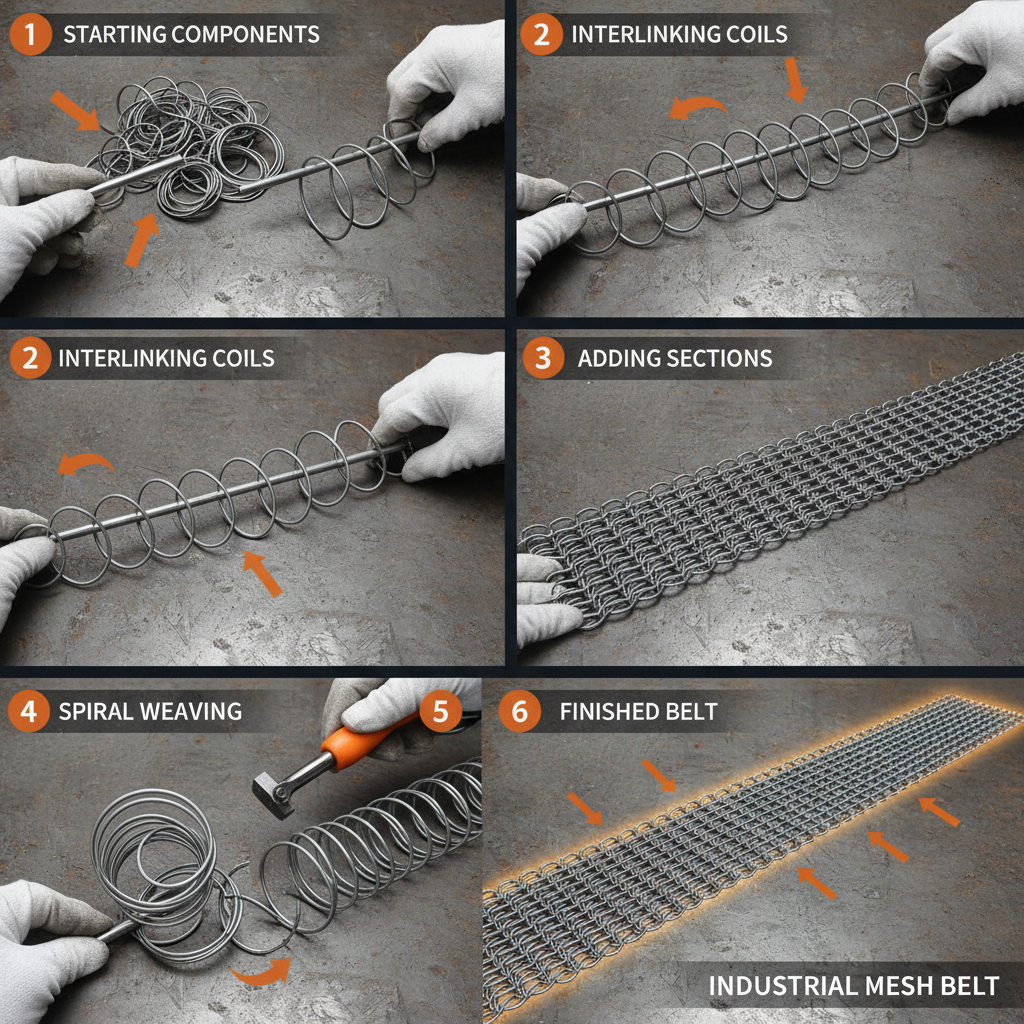
Understanding Different Types of Metal Mesh Belts
Metal mesh belts aren’t one-size-fits-all. They are available in a variety of weaves and materials, each designed for specific applications. Common types include woven mesh, welded mesh, and chain belt meshes. Woven mesh belts are known for their flexibility and smooth surface, ideal for light to medium loads. Welded mesh belts offer increased strength and rigidity, suitable for heavier applications. Chain belt meshes combine the benefits of both, providing exceptional strength and durability for extreme conditions. The material also plays a vital role: stainless steel belts resist corrosion, while carbon steel belts offer high tensile strength. Choosing the correct type is crucial for optimal performance and longevity.
Key Considerations: Material selection impacts corrosion resistance, load capacity, and temperature suitability. Weave type dictates flexibility, smoothness, and overall strength.
The Benefits of Using Metal Mesh Belts
Metal mesh belts offer a compelling set of advantages over traditional conveyor belt materials. Their open structure allows for excellent airflow, crucial in processes like heat treatment and cooling. They’re incredibly durable and resistant to wear, tear, and abrasion, leading to reduced maintenance and downtime. The precise mesh size ensures consistent product support, minimizing product damage and loss. Moreover, they're easily cleanable, essential in food processing and pharmaceutical applications. The longevity and reliability of metal mesh belts contribute significantly to cost savings and increased productivity.
Key Benefits:
• Excellent airflow and cooling
• High durability and wear resistance
• Precise product support
• Easy to clean and maintain
Metal Mesh Belt Applications Across Industries
The versatility of metal mesh belts makes them essential across diverse industries. In the heat treatment sector, they facilitate uniform heating and cooling of metal components. Food processing relies on them for conveying, washing, and cooling food products. The automotive industry utilizes them in forging, casting, and parts handling. Pharmaceutical companies benefit from their sanitary and easy-to-clean properties. Even in woodworking and plastics manufacturing, metal mesh belts play a crucial role in efficient production processes. Explore our application-specific belts to find the perfect fit for your needs.
Selecting the Right Metal Mesh Belt: Key Considerations
Choosing the optimal metal mesh belt requires careful consideration of several factors. First, assess the load weight and type of material being conveyed. Next, determine the operating temperature and potential exposure to corrosive substances. Mesh size is also important – smaller mesh sizes are suitable for smaller items, while larger mesh sizes are ideal for larger products. Consider the belt’s required flexibility and whether it needs to navigate curves or inclines. Finally, factor in your budget and long-term maintenance costs. At JY Mesh Belt, we offer expert guidance to help you make the right choice.
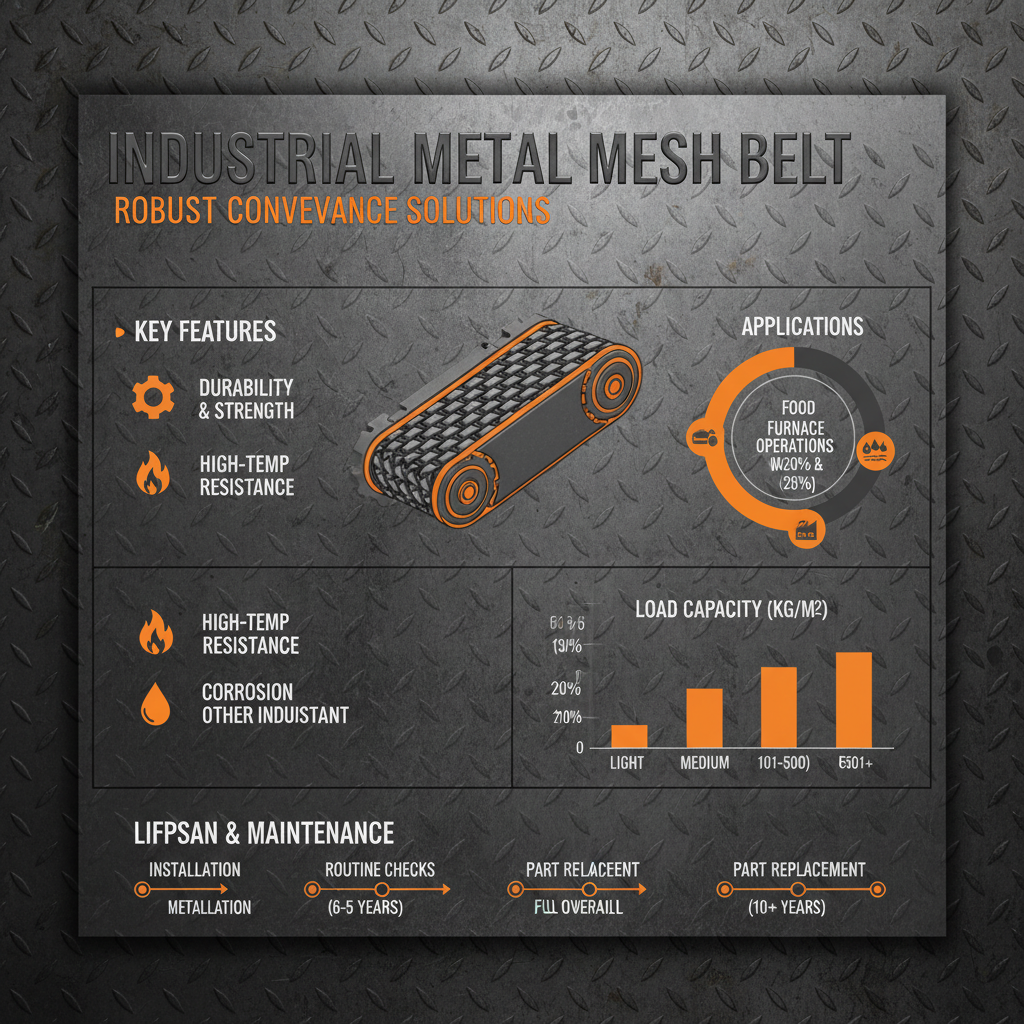
Product Specifications and Customization Options
We offer a wide range of standard metal mesh belt sizes and specifications to meet diverse industrial needs. However, we also specialize in custom fabrication, tailoring belts to your exact requirements. Our team can adjust the mesh size, width, length, and material to optimize performance for your specific application. We utilize advanced manufacturing techniques to ensure precision and quality in every belt we produce. Here’s a sample of our common specifications:
Conclusion: Optimizing Your Processes with Metal Mesh Belts
Investing in high-quality metal mesh belts from a trusted supplier like JY Mesh Belt is a strategic move for businesses seeking to enhance efficiency, reliability, and product quality. With a wide range of options and customization capabilities, we can provide the perfect solution for your specific industrial application. Contact us today to discuss your needs and discover how we can help you optimize your processes.
Frequently Asked Questions (FAQs)
What is the typical lifespan of a metal mesh belt?
The lifespan of a metal mesh belt varies depending on factors like the material, mesh type, load weight, operating temperature, and the presence of abrasive or corrosive substances. Generally, stainless steel belts have a longer lifespan than carbon steel belts. With proper maintenance and operation, a well-selected metal mesh belt can last for several years. Regular inspections are crucial to identify and address any signs of wear or damage, such as broken wires or distorted mesh. Early detection and repair can significantly extend the belt's service life.
How do I maintain a metal mesh belt?
Regular maintenance is key to maximizing the lifespan of your metal mesh belt. This includes routine cleaning to remove debris and buildup, visual inspections for wear and tear, and prompt repair of any damaged sections. Lubrication may be necessary for certain applications to reduce friction and prevent corrosion. Avoid overloading the belt and ensure proper alignment to prevent uneven wear. Implementing a preventative maintenance schedule will help identify potential issues before they escalate into costly repairs or downtime.
Can metal mesh belts be repaired?
Yes, many types of metal mesh belt damage can be repaired. Minor damage, such as broken wires, can often be welded or spliced. More extensive damage may require replacing sections of the belt. JY Mesh Belt offers repair services to help extend the life of your existing belts. However, the feasibility and cost-effectiveness of repair depend on the extent and location of the damage. A professional assessment is recommended to determine the best course of action.
What factors affect the cost of a metal mesh belt?
Several factors influence the cost of a metal mesh belt, including the material (stainless steel is generally more expensive than carbon steel), mesh size, width, length, weave type, and any custom fabrication requirements. The quantity ordered also plays a role, with larger orders typically qualifying for discounts. Additionally, any specialized features or coatings will add to the overall cost. Contact us at JY Mesh Belt for a customized quote tailored to your specific needs.
-
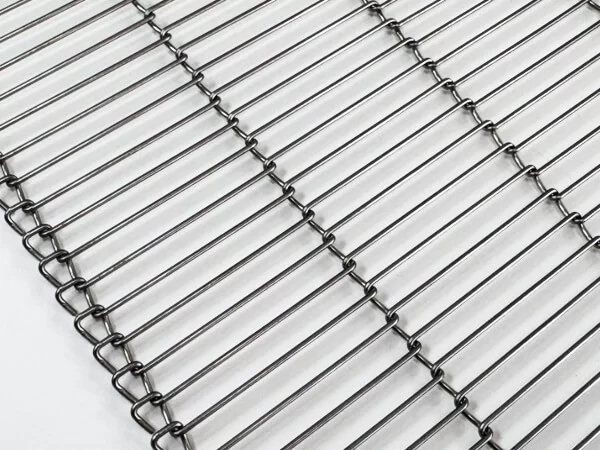 Flat Flex Conveyor Belts
Flat Flex Conveyor Belts also known as Enrober Conveyor Belts, Rod Network Conveyor Belts are distinguished by their unique construction and versatile applications. These belts are constructed from a series of looped wires that interlock with one another, creating a flexible and robust mesh. The simple structure makes it economical and lightweight. It can help to save costs and reduce downtime.
-
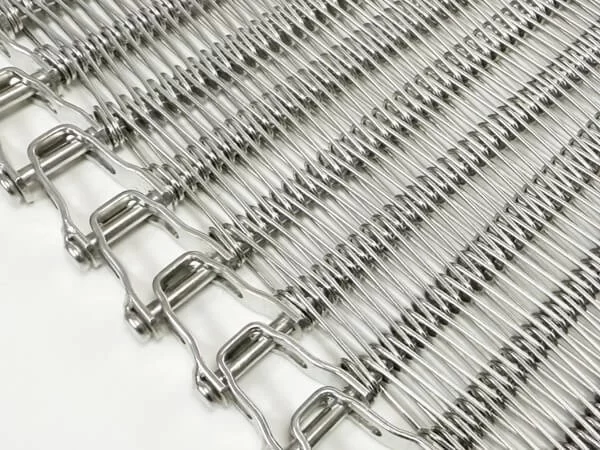 Flexible Rod Conveyor Belts
A Flexible Rod Belt is constructed from 3 components.
1. Alternating spirals take care of the belt overlay.
2. These spirals are connected to each other by means of smooth cross rods.
3. Special chain links are mounted at the outer sides, which are locked by means of button heads.
-
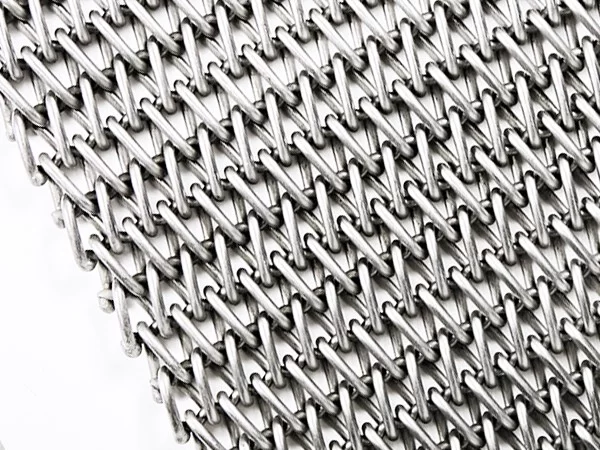 Wire Mesh Lehr Belts
Lehr Belts feature a balanced weave wire construction, composed of alternating right- and left-hand flattened spirals securely seated in crimped connector rods. The belt edges are welded to enhance durability and stability.
-
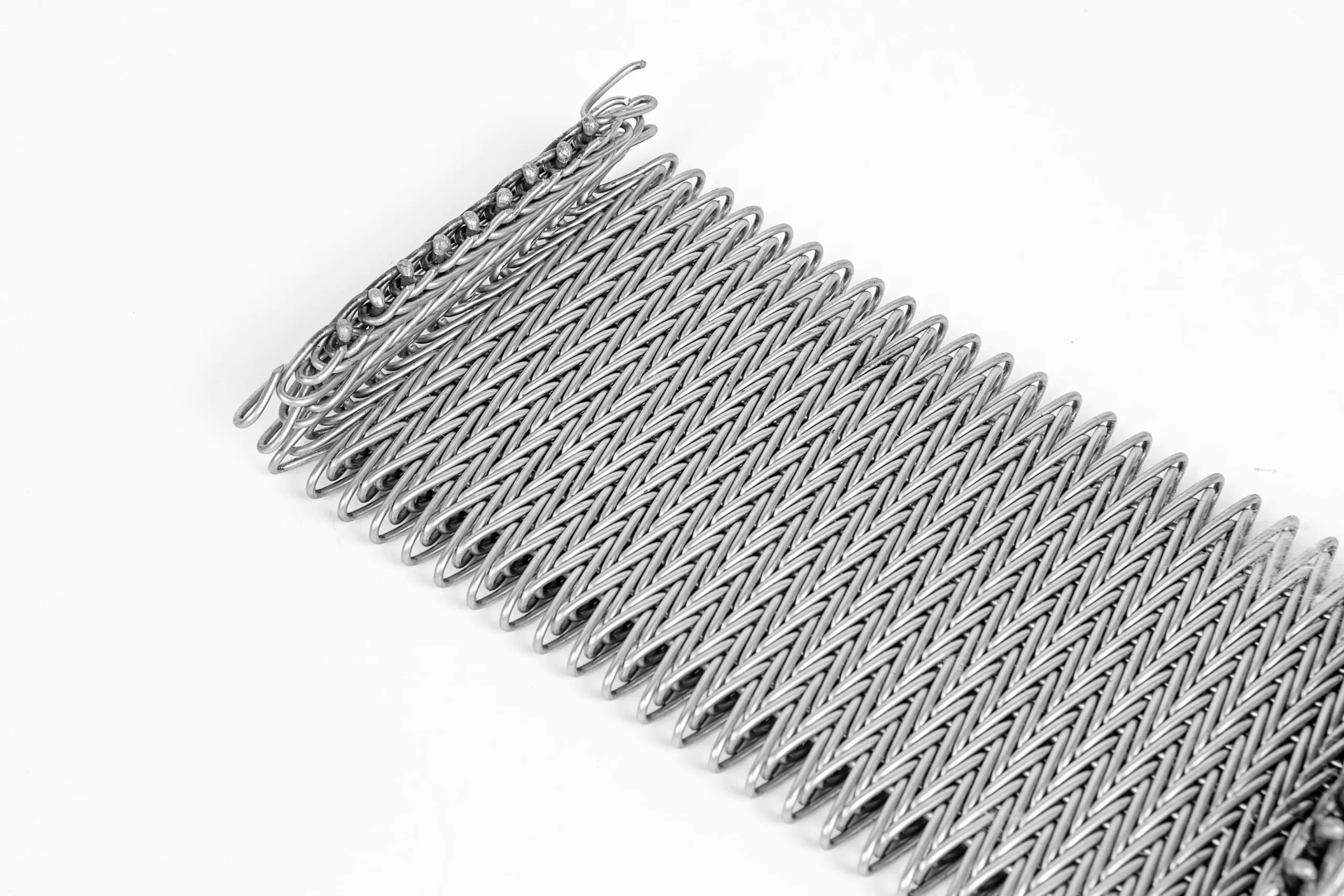 Compound Balanced Weave Conveyor Belt
aka cord weave conveyor belt
aka v shaped conveyor belt
aka chevron conveyor belt
Compound Balanced Weave Conveyor Belt: Also known as Chevron Conveyor Belt.It is a metal mesh belt with a special structure. It is woven by left and right spiral wires. It has a tight and strong structure. Its mesh holes are evenly arranged in a "herringbone" shape (also called "V" or "fishbone" shape). The edges can be welded, crimped or chain-reinforced to improve strength and stability.
This design gives it unique performance advantages and is widely used in industries that require high strength, high temperature resistance and stable transportation. It is usually made of stainless steel (such as stainless steel 314, stainless steel 316L, stainless steel 304), heat-resistant steel or other alloy materials.
-
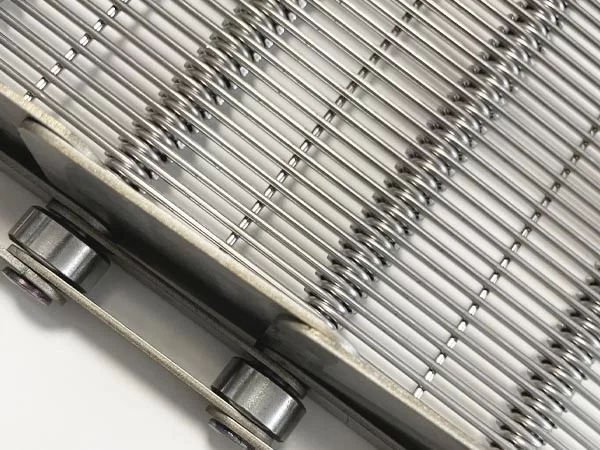 Eye Link Conveyor Belts
Eye Link Conveyor Belts, also named Wire Link Conveyor Belts, Eye-Flex Conveyor Belt, Wire Loop Belt. Eye link belts are produced of stainless steel or other alloys. They consist of a series of eye links or eye link modules. Joined with cross rods they form a flat, simple surface, which is extremely stable and durable. The qualities of this versatile conveyor belt form a combination of advantages that make it particularly suitable for the most demanding applications in the food, chemical, pharmaceutical and packaging industries.
-
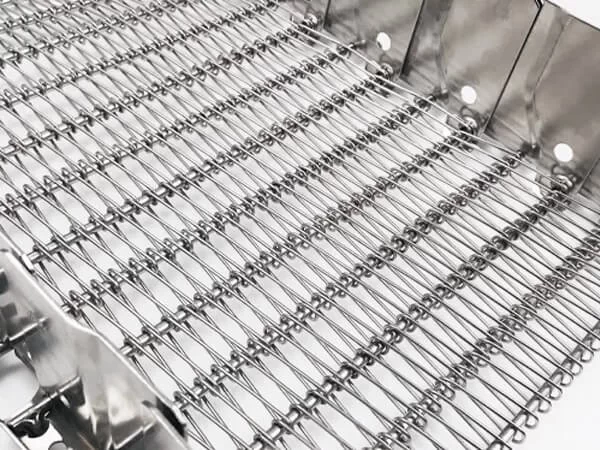 Self-Stacking Spiral Freezer Belts
Self-Stacking Spiral Freezer BeltsSelf-Stacking Spiral Freezer Belts are innovative conveyor solutions designed specifically for use in spiral freezers. With a unique stacking mechanism that eliminates the need for external support, these belts help maximize vertical space, reduce energy consumption, and improve overall freezing efficiency.
Engineered for high-performance food processing environments, these belts offer superior product handling, longer service life, and minimal maintenance — all while maintaining food quality and system hygiene.
-
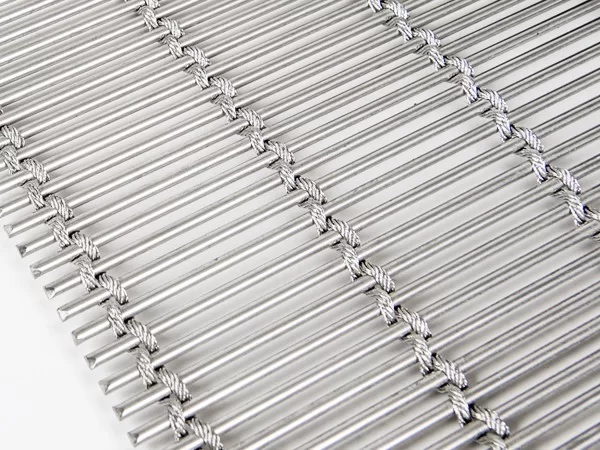 Woven Rod Bar Conveyor Belts
The woven rod bar belt is a specialized conveyor belt known for its durability, heat resistance, and versatile design, making it ideal for various industrial drying and conveying applications, especially in the food, agricultural, and chemical industries.
-
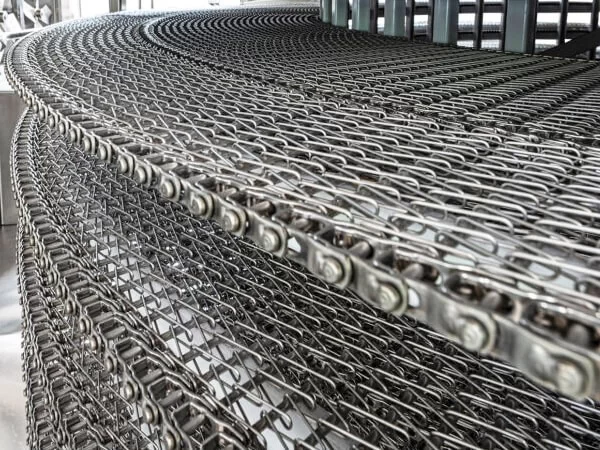 Spiral Freezer Belts
Spiral Freezer Belts also known as Spiral Cooler Belts or Spiral Cage Belts are specialized conveyor belts widely used in spiral freezing and cooling systems in food processing industries. They provide continuous product transport with high efficiency, optimized airflow, and minimal footprint.
-
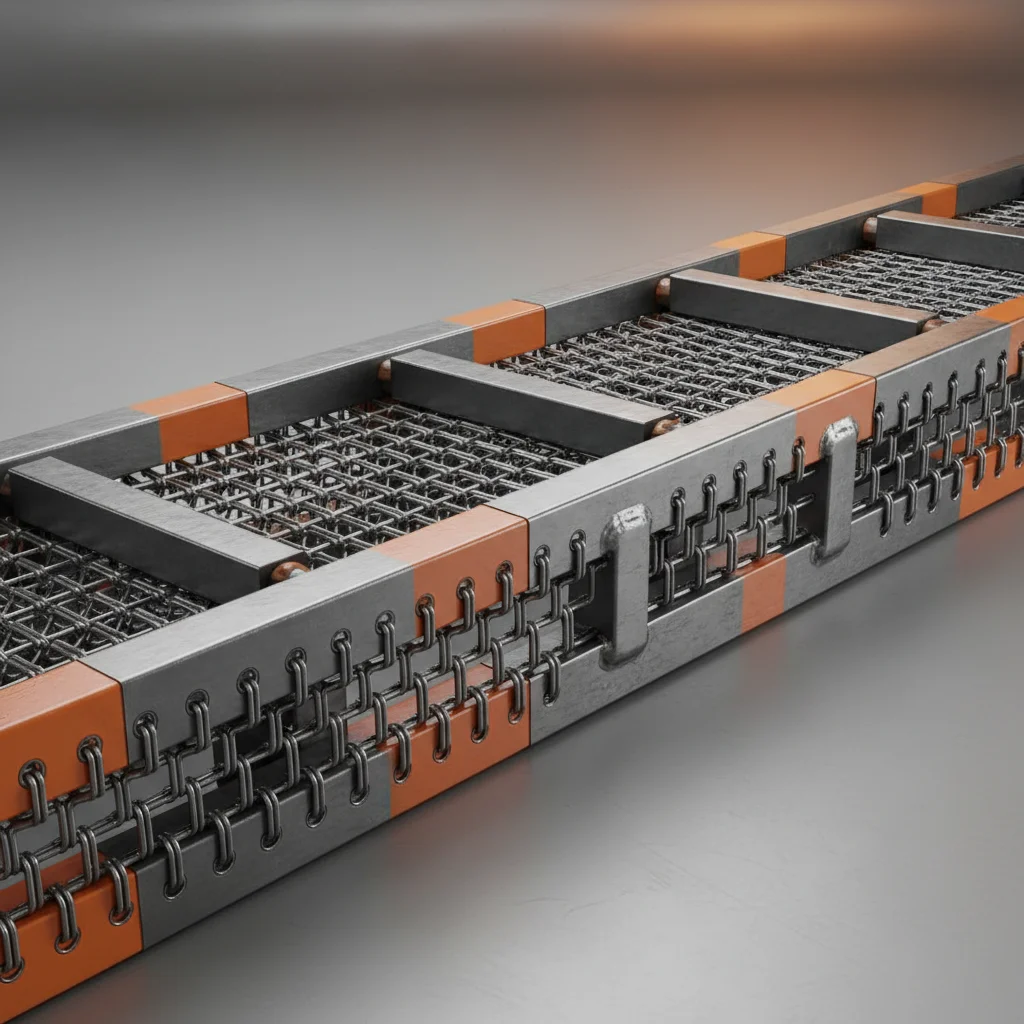 April 09, 2026Industrial Mesh Belt Guide for Production Line EfficiencyIn the world of industrial processing, the efficiency of your production line often depends on the smallest components. A high-quality mesh belt serves as the backbone for countless operations, from food baking and pharmaceutical processing to heavy-duty metal heat treatment. Choosing the right belt material and weave can mean the difference between seamless operation and costly downtime. This comprehensive guide will walk you through everything you need to know about selecting, maintaining, and optimizing your conveyor systems to ensure maximum productivity and longevity.
 -
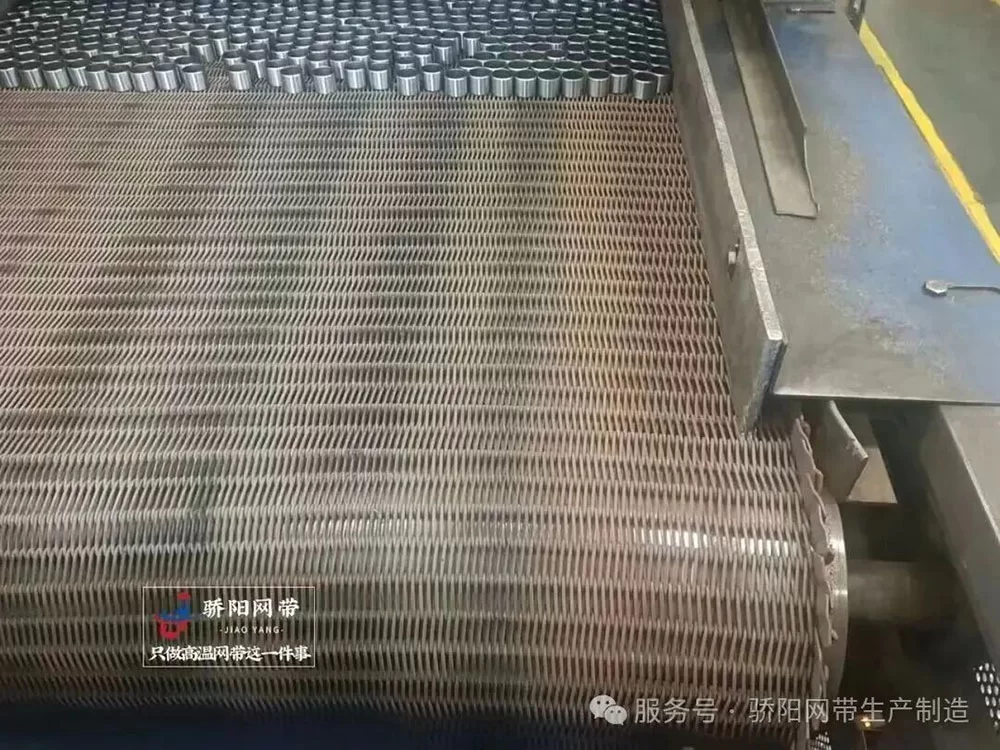 November 01, 2025Is The Mesh Belt Of The Heat Treatment Normalizing Furnace Prone To Hydrogen Embrittlement? What Causes This?
Key Considerations for Oil Pipeline Construction Worldwide3
-
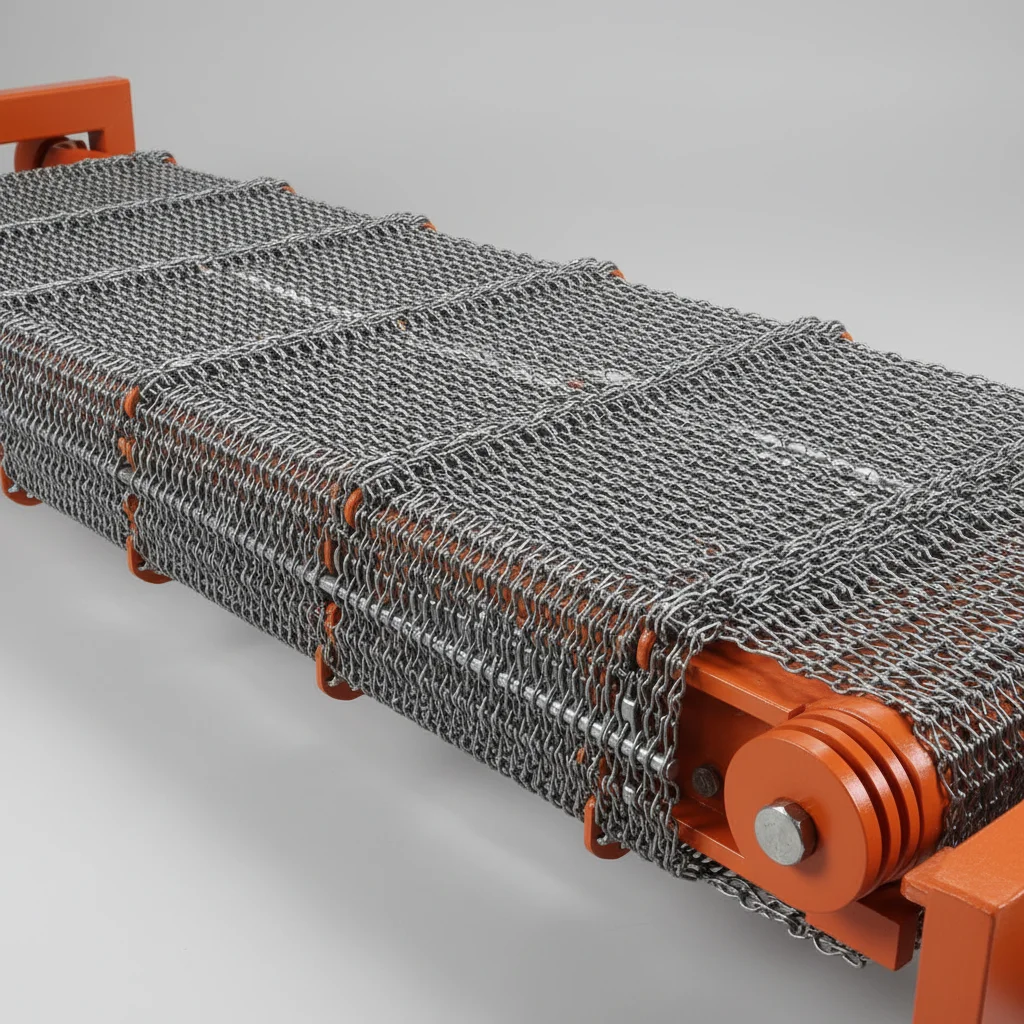 March 31, 2026Comprehensive Guide to Dryer Mesh Belt Technology and Industrial ApplicationsIn various industrial processes, efficient drying is critical. Dryer mesh belts play a vital role in achieving optimal results. These belts facilitate continuous drying processes, offering a robust and reliable solution for a wide range of materials. This article explores the intricacies of dryer mesh belts, their benefits, types, applications, and considerations for selecting the right belt for your specific needs. From food processing to chemical manufacturing, we'll cover how these belts enhance efficiency and product quality.
 -
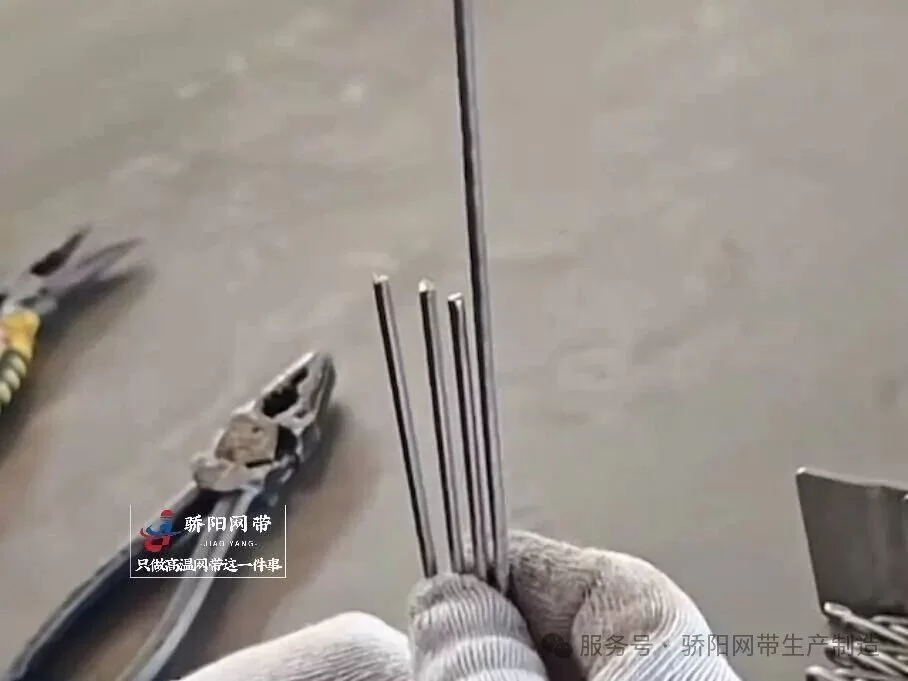 December 01, 2025How To Accurately Connect The Herringbone Mesh Belt And Blocking Plate?
In industries such as heat treatment, catalysts, and food baking, herringbone mesh belts with blocking plates are used to ensure a smooth surface and prevent material leakage.
-
 October 01, 2025After Laba Festival, It’s The New Year! It’s The Right Time To Prepare Goods For Online Shopping!
"Children, children, don't be greedy. After Laba, it's New Year", a well-known proverb, fully captures the special significance of the Laba Festival. Today is Laba, and a bowl of steaming hot Laba Congee, simmering with the warmth of the years, also awakens the deep longing for the New Year. Jiaoyang.com wishes all our new and old customers a healthy Laba Festival, warmth always with you, and all things go smoothly!
-
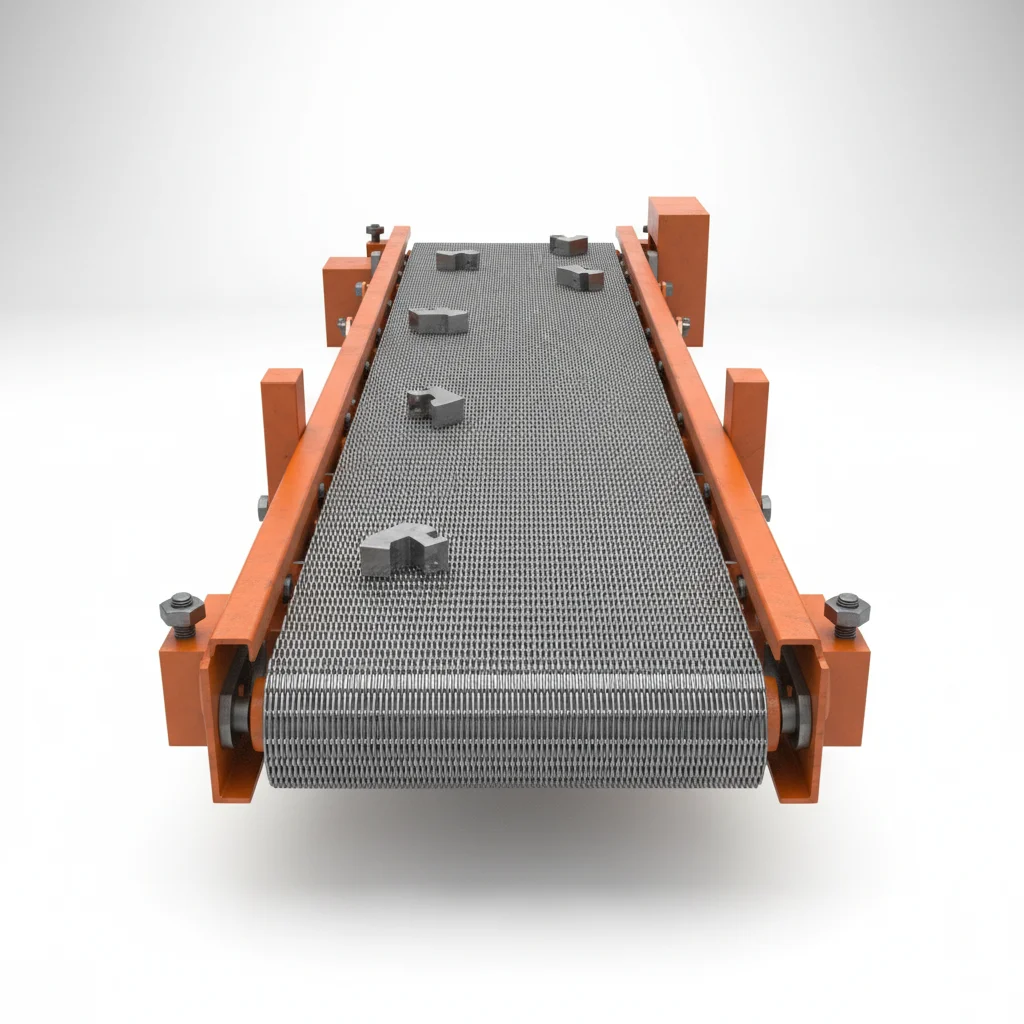 March 21, 2026Optimizing Material Handling with Durable Flat Flex Conveyor Belt SystemsIn the world of material handling, efficiency and reliability are paramount. Flat Flex Conveyor Belts have emerged as a versatile solution for a wide range of industries. This article will explore the benefits, applications, and key considerations when selecting a flat flex conveyor belt, focusing on how JY Mesh Belt can meet your specific needs. From food processing to logistics, we’ll cover how these belts optimize your operations. Flat Flex Conveyor Belts, also known as modular plastic belts, are constructed from small, interlocking plastic modules. These modules are typically made from materials like polypropylene, offering excellent strength, durability, and resistance to chemicals and temperature extremes. Unlike traditional belts, flat flex belts can be easily disassembled and reassembled, making them ideal for complex conveyor systems with curves, inclines, and declines.
 -
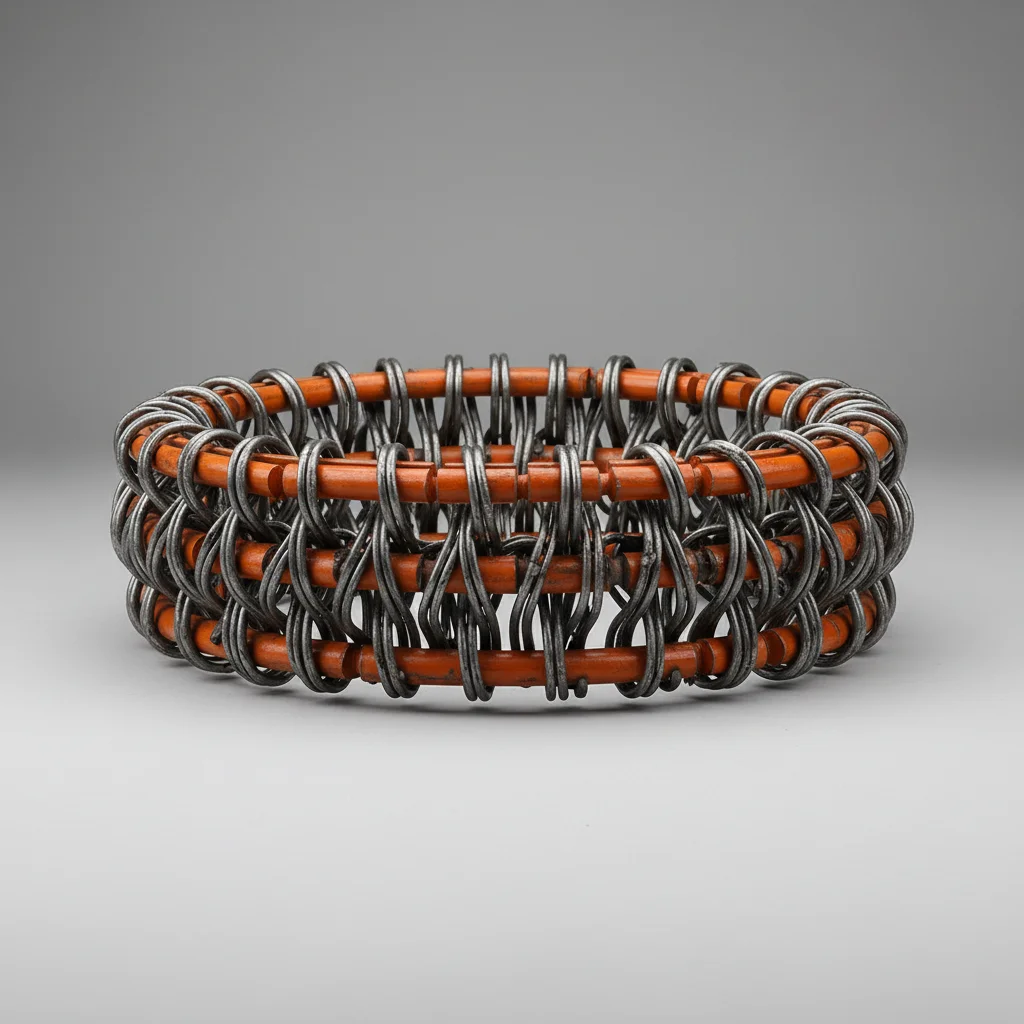 March 12, 2026Comprehensive Guide to Compound Balanced Weave Belt Technology and ApplicationsIn the world of industrial material handling, the efficiency and reliability of conveyor belts are paramount. Among the various types available, the Compound Balanced Weave Belt stands out as a robust and versatile solution. This article delves into the specifics of these belts, exploring their construction, benefits, applications, and why choosing the right weave is crucial for optimal performance. We'll examine how these belts contribute to streamlined operations and reduced downtime. A Compound Balanced Weave Belt is a type of conveyor belt constructed from interwoven strands of materials – typically stainless steel or other high-strength alloys. The “compound” aspect refers to the use of multiple strands combined to create a belt with increased strength and durability. The "balanced weave" design ensures the belt maintains stability during operation, preventing lateral movement and ensuring consistent tracking.
 -
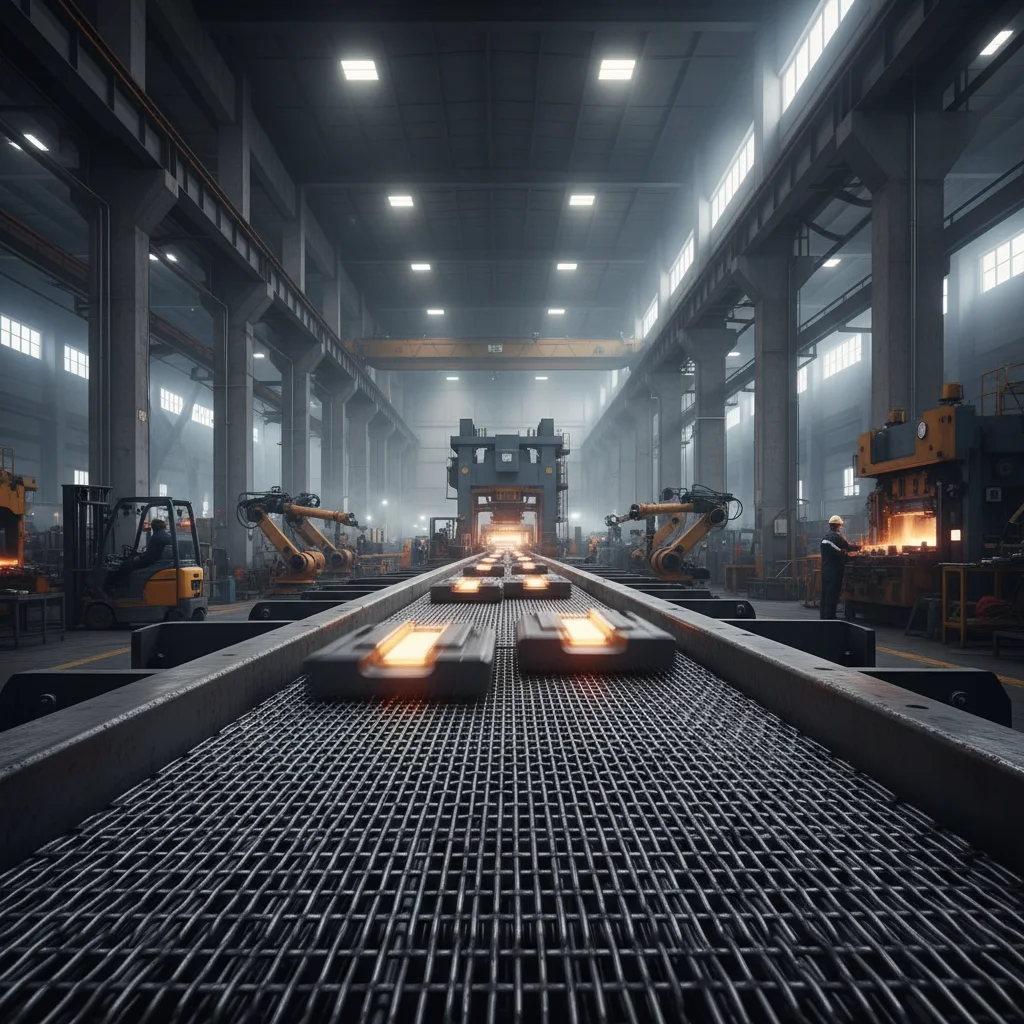 April 17, 2026High Performance Industrial Mesh Belt for Automation EfficiencyIn the modern landscape of industrial automation, the selection of a high-performance mesh belt is often the deciding factor between operational efficiency and costly downtime. These engineered components serve as the backbone for countless production lines, providing a stable, breathable, and durable surface for transporting materials through extreme temperature gradients and corrosive environments. Understanding the nuances of conveyor technology is essential for engineers and plant managers globally, as the shift toward Industry 4.0 demands hardware that can integrate seamlessly with automated sensors and high-speed drives.
Get Your Custom Solution
Facing challenges with high-temperature conveying? Contact us now.
Our engineers will provide you with expert product consultation and tailored solutions.
Sign up
for our Newsletter
Subscribe to the weekly newsletter for all the latest updates


