
Comprehensive Guide to Heat Treatment Furnace Mesh Belt Selection and Applications
Comprehensive Guide to Heat Treatment Furnace Mesh Belt Selection and Applications
Understanding Heat Treatment Furnace Mesh Belts
Heat treatment processes are critical in many industries, impacting the durability, strength, and overall performance of metal components. A crucial component in efficient and effective heat treatment is the heat treatment furnace mesh belt. These belts provide a continuous and reliable means of transporting parts through the furnace, ensuring uniform heating and cooling. This article will delve into the importance of these belts, their types, materials, applications, and factors to consider when selecting the right belt for your specific heat treatment needs. Choosing the correct mesh belt directly impacts process quality and operational efficiency.
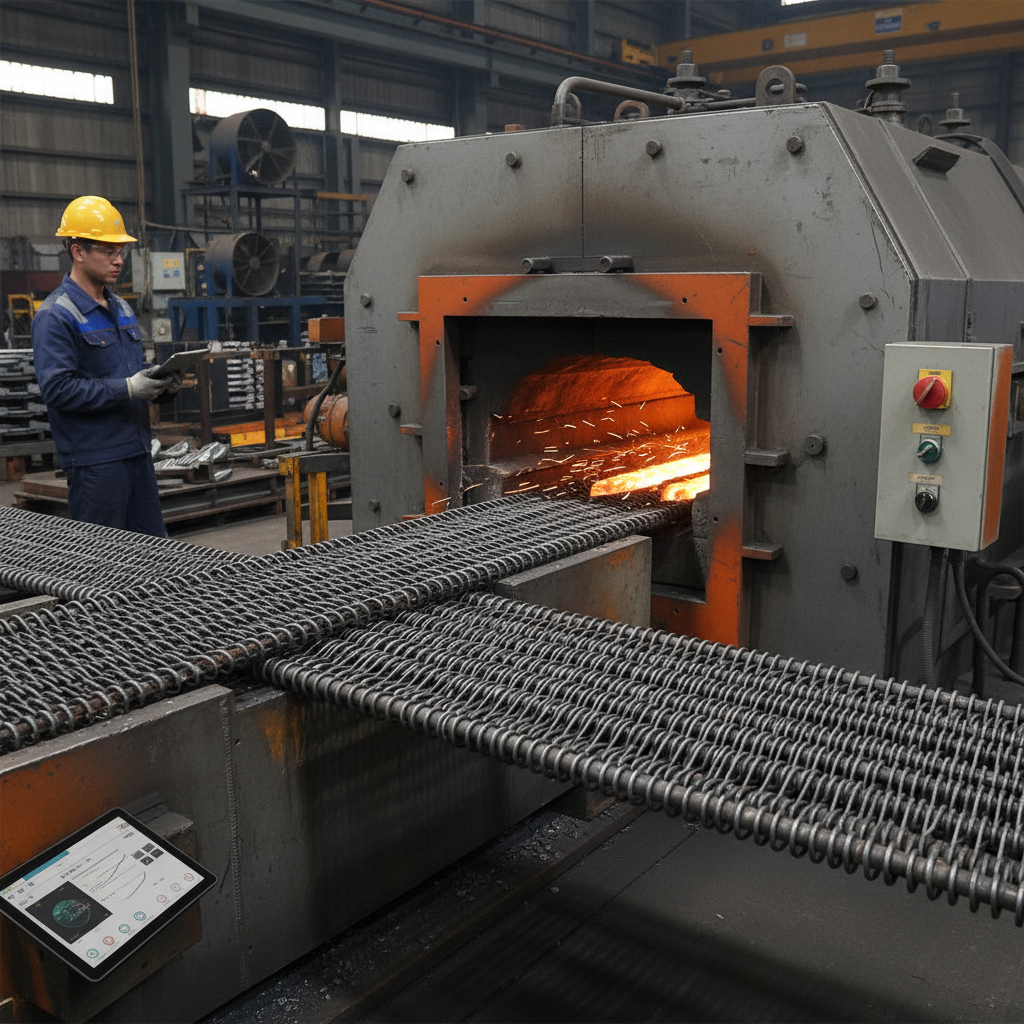
The Importance of a High-Quality Heat Treatment Mesh Belt
A reliable heat treatment furnace mesh belt isn’t merely a transportation system; it's an integral part of the heat treatment process itself. Poor belt quality can lead to several problems, including inconsistent heating, part distortion, belt tracking issues, and premature belt failure. These issues translate to reduced productivity, increased scrap rates, and higher maintenance costs. A well-chosen belt ensures uniform heat distribution, minimizes part damage, and withstands the extreme temperatures and conditions inherent in heat treatment processes. Investing in a quality belt is a proactive step towards optimizing your entire heat treatment operation.
Key Benefits: Improved heat treatment consistency, reduced part distortion, increased operational efficiency, and minimized maintenance downtime.
Types of Heat Treatment Furnace Mesh Belts
Several types of mesh belts are utilized in heat treatment applications, each with its unique characteristics and suitability for specific processes. The most common types include:
- Chain Belt: Offers high strength and durability, ideal for heavy loads and high-temperature applications.
- Wire Mesh Belt: Provides excellent airflow and is suitable for smaller parts and processes requiring precise temperature control.
- Balanced Weave Belt: Combines the strength of a chain belt with the flexibility of a wire mesh belt, offering a versatile solution.
- Flat Wire Belt: Known for its smooth surface and consistent performance, suitable for delicate parts.
The selection of the appropriate belt type depends on factors such as the weight of the parts, the temperature range, the required airflow, and the overall heat treatment process.
Belt Type Considerations:
• Load capacity
• Temperature requirements
• Airflow needs
• Part sensitivity
Materials Used in Heat Treatment Mesh Belt Construction
The materials used to construct heat treatment furnace mesh belts are crucial for ensuring their longevity and performance in harsh environments. Common materials include:
Applications of Heat Treatment Furnace Mesh Belts
These belts are used across a diverse range of industries and applications, including:
- Automotive: For hardening and tempering gears, shafts, and other components.
- Aerospace: For heat treating turbine blades, structural parts, and landing gear components.
- Metal Fabrication: For annealing, normalizing, and stress relieving various metal products.
- Tool and Die Making: For hardening dies and molds to increase their durability.
Properly selected and maintained mesh belts are essential for achieving consistent and reliable heat treatment results in these and many other industries.
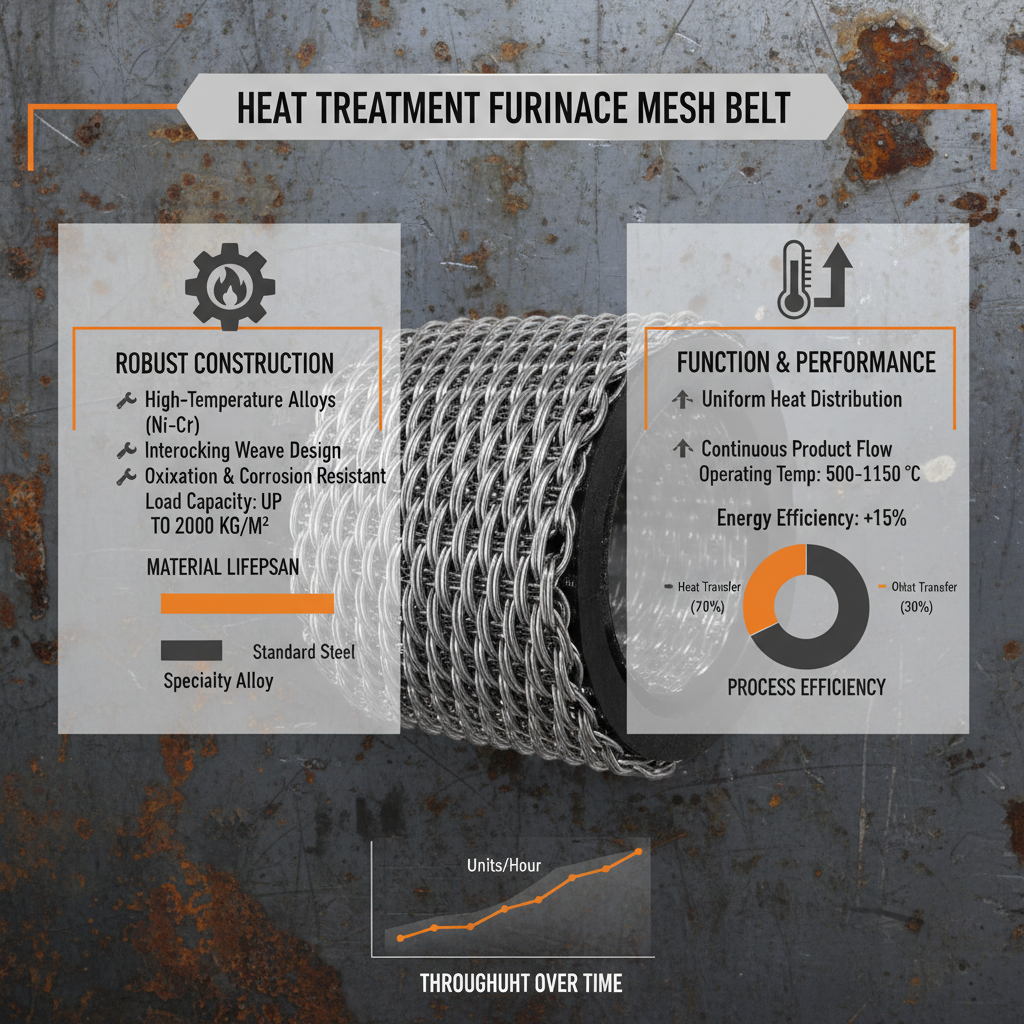
Key Considerations When Choosing a Heat Treatment Mesh Belt
Selecting the right heat treatment mesh belt requires careful consideration of several factors. These include the operating temperature, the load weight, the type of metal being processed, the desired airflow, and the overall furnace design. It’s also vital to consider the belt’s resistance to oxidation and corrosion. Consulting with a reputable mesh belt supplier like JY Mesh Belt can provide valuable insights and help you select the optimal belt for your specific application.
Conclusion: Optimizing Your Heat Treatment Process with the Right Mesh Belt
Choosing the right heat treatment furnace mesh belt is paramount for achieving consistent, efficient, and cost-effective heat treatment results. By carefully considering your specific application requirements and partnering with a trusted supplier, you can ensure optimal performance and longevity of your heat treatment processes.
Frequently Asked Questions (FAQs)
What is the typical lifespan of a heat treatment mesh belt?
The lifespan of a heat treatment mesh belt varies depending on factors like operating temperature, load weight, and the specific materials used in its construction. Generally, a well-maintained belt can last between 2 to 5 years. However, regular inspections are crucial to identify any signs of wear and tear, such as corrosion, distortion, or broken wires. Replacing a belt proactively, before it fails completely, can prevent costly downtime and ensure consistent process performance.
How do I properly maintain a heat treatment mesh belt?
Regular maintenance is key to extending the lifespan of your heat treatment mesh belt. This includes periodic cleaning to remove any buildup of scale or debris, visual inspections for damage, and ensuring proper tension and tracking. Lubrication of any moving parts, such as chain links, is also essential. Follow the manufacturer's recommendations for cleaning and lubrication procedures.
What should I look for when selecting a mesh belt supplier?
When choosing a mesh belt supplier, prioritize experience, quality, and customer service. Look for a supplier that offers a wide range of belt types and materials, provides technical support, and has a proven track record of delivering reliable products. JY Mesh Belt is a leading supplier known for their quality products and expert guidance.
Can a mesh belt be repaired if it’s damaged?
Minor damage, such as broken wires, can sometimes be repaired by a qualified technician. However, extensive damage may require complete belt replacement. Attempting to repair a belt beyond its repair capabilities can compromise its integrity and lead to further issues. It’s always best to consult with the mesh belt supplier to determine the feasibility and safety of any repairs.
-
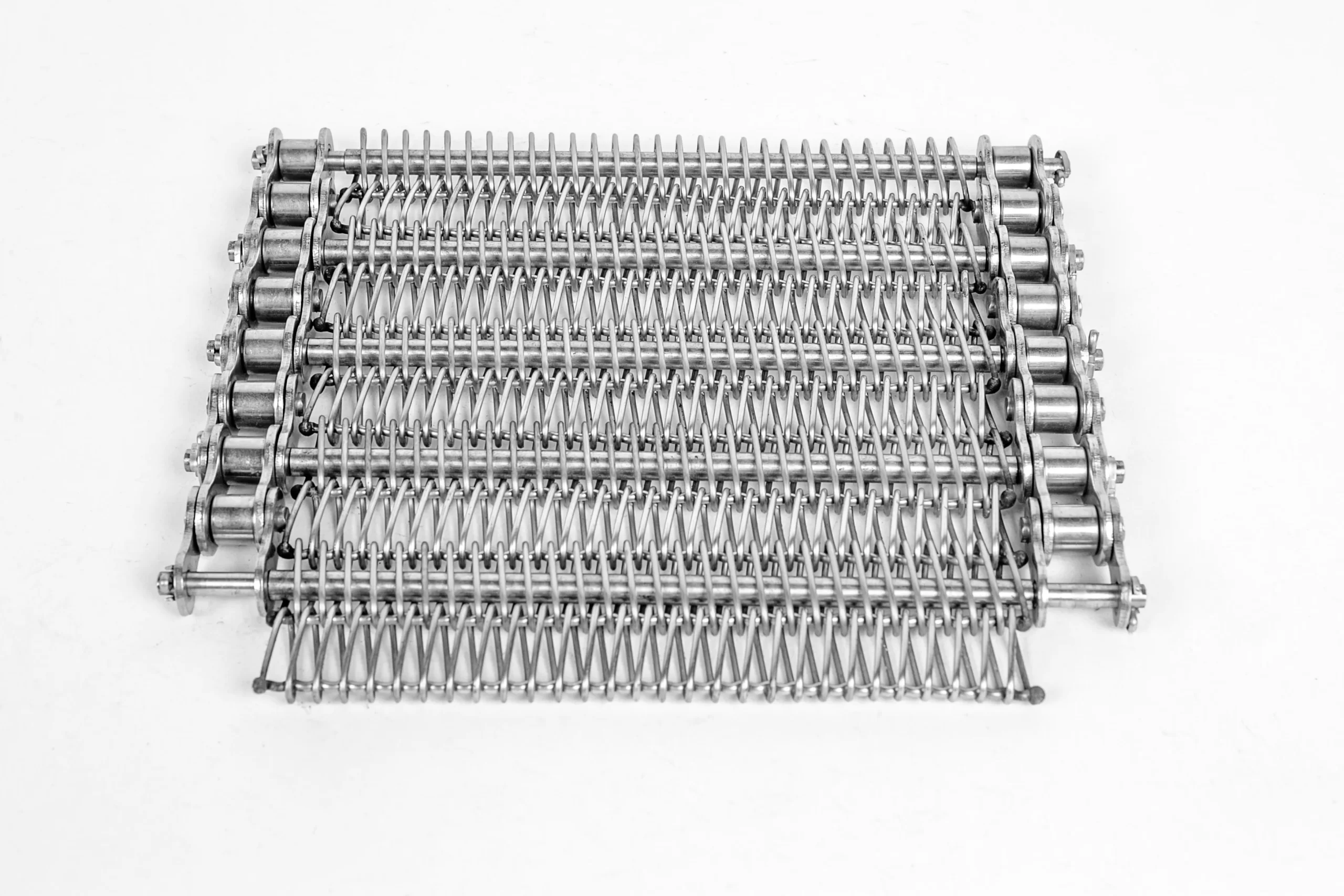 Chain Driven Conveyor Belts
Stainless steel chain link belt with precision-driven rollers
-
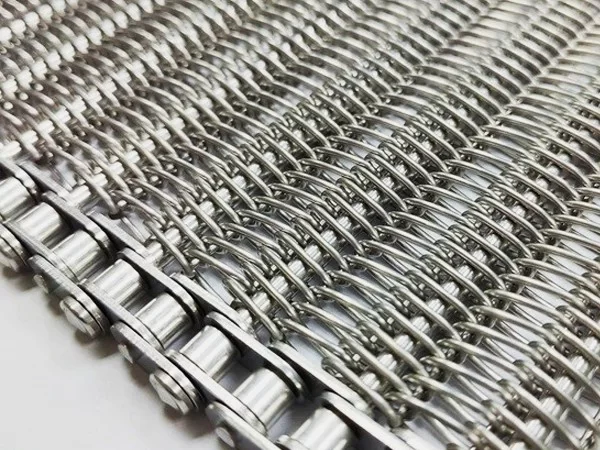 Balanced Spiral Woven Conveyor Belts
Balanced Weave Conveyor Belts are also known as spiral wire link conveyor belts, is the most commonly used belt for wire mesh conveyor belts.
PFM Screen’ Balanced Weave Conveyor Belts have been successfully used in the food industry, the heat treatment industry, the chemical industry and the glass industry, etc. Its simple design, the big range of dimensions (wire diameters and pitches) and the various ranges of belt materials are the main reason for its success.
-
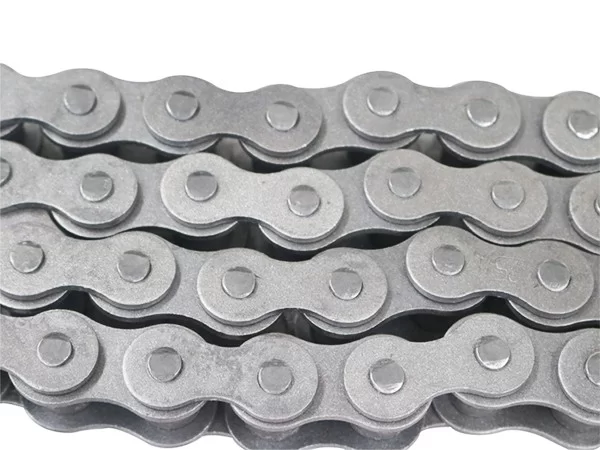 Chain Links
Chains links are important components and accessories in the whole conveyor belt system. They are used combined with sprockets as a drive system to ensure stable and smooth conveying and transmitting. We can supply all kinds of chain links for you.
-
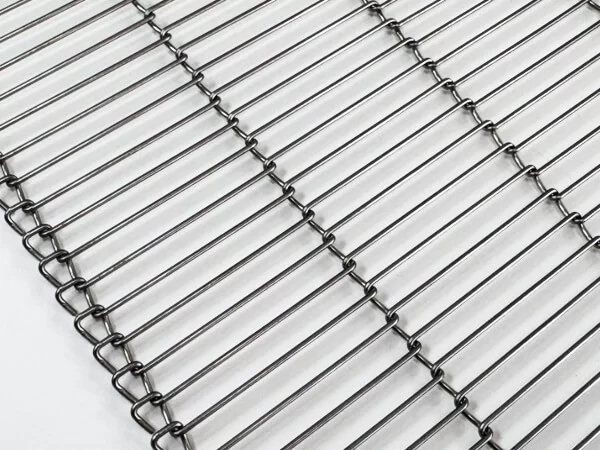 Flat Flex Conveyor Belts
Flat Flex Conveyor Belts also known as Enrober Conveyor Belts, Rod Network Conveyor Belts are distinguished by their unique construction and versatile applications. These belts are constructed from a series of looped wires that interlock with one another, creating a flexible and robust mesh. The simple structure makes it economical and lightweight. It can help to save costs and reduce downtime.
-
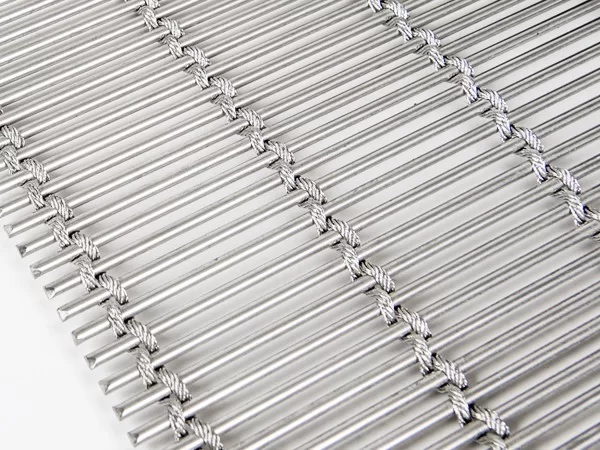 Woven Rod Bar Conveyor Belts
The woven rod bar belt is a specialized conveyor belt known for its durability, heat resistance, and versatile design, making it ideal for various industrial drying and conveying applications, especially in the food, agricultural, and chemical industries.
-
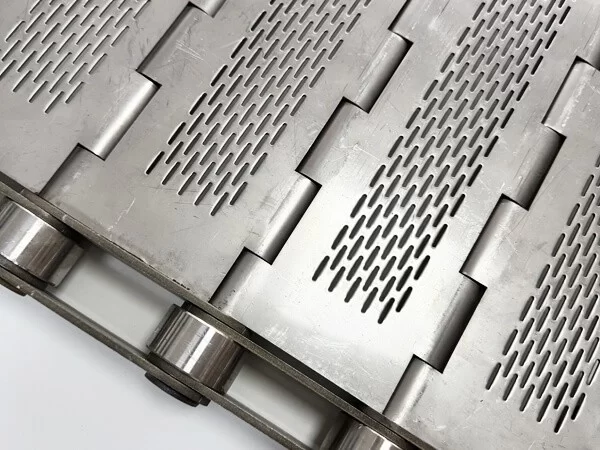 Plate Link Conveyor Belts
Plate Link Conveyor Belt is very strong, driven by stainless steel chain, made of stainless steel plate, and very suited to heavy load applications, running smoothly in the conveying process, easy to install and replace, and long in service life. Its self-supporting structure makes it be used over large widths without any support. PFM Screen’s Plate Link belt features an extremely robust design and high load capacity, making it the perfect choice for arduous engineering processes such as presswork, die-casting and forging.
-
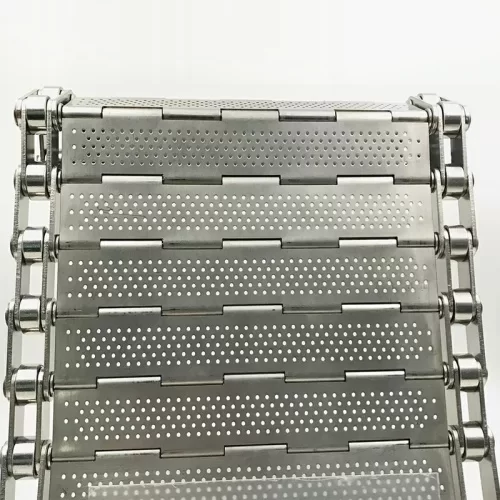 Plate Link Conveyor Belt
Plate conveyor belts are composed of hinged slats with or without holes. Hinge ……
-
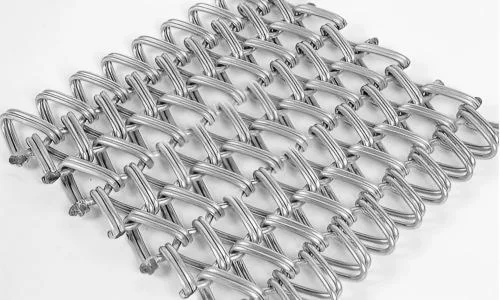 Double Balanced Weave Conveyor Belt
Double Wire Wrap Construction – Enhanced durability with interlocking spiral design……
-
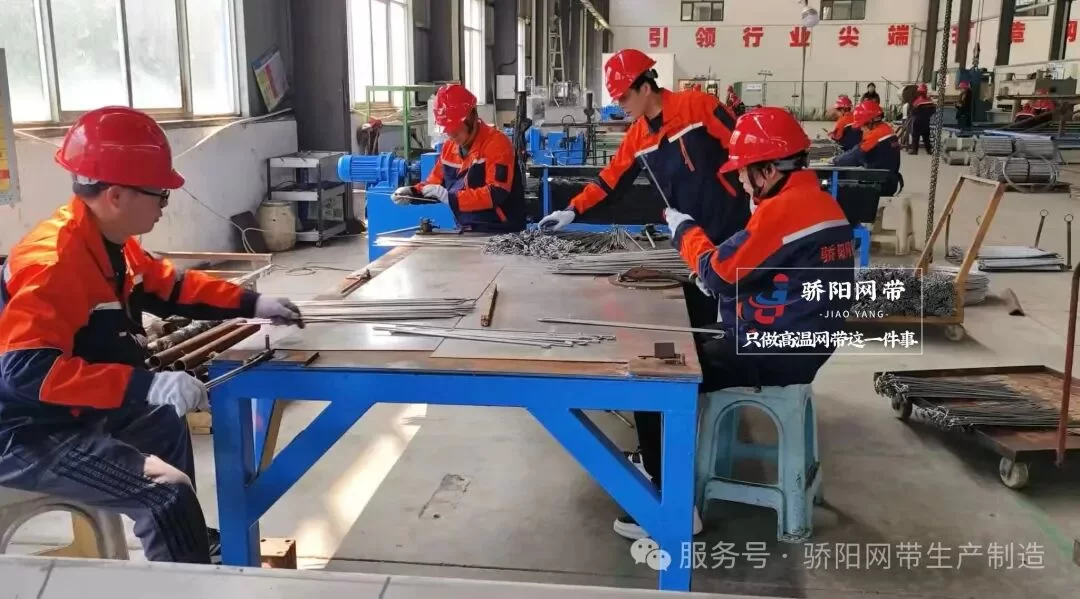 January 01, 2026What Are The Advantages Of Choosing A Photovoltaic Panel Pyrolysis Furnace Mesh Belt From Jiaoyang Products?
In the photovoltaic panel debris recycling industry, the stability of the pyrolysis furnace mesh belt affects production efficiency.
-
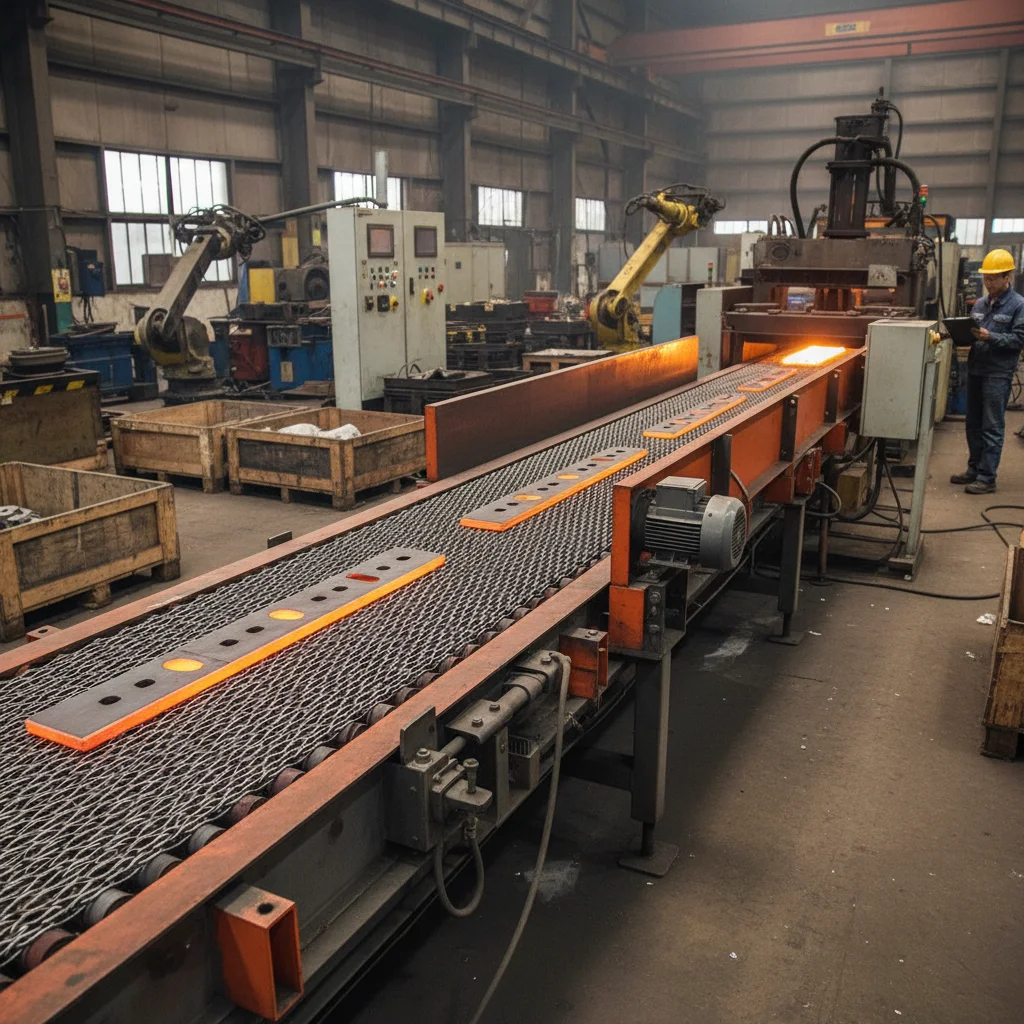 April 06, 2026The Indispensable Role of Wire Mesh Belt Technology in Modern IndustriesWire mesh belt technology has become indispensable in modern industrial processes, offering a versatile and robust solution for material handling across a multitude of sectors. From food processing and pharmaceuticals to metalworking and automotive manufacturing, the demand for efficient and reliable conveyor systems is constantly increasing. This drive for optimization has cemented the wire mesh belt as a cornerstone of contemporary production lines, enabling businesses to streamline operations, enhance product quality, and boost overall productivity.
 -
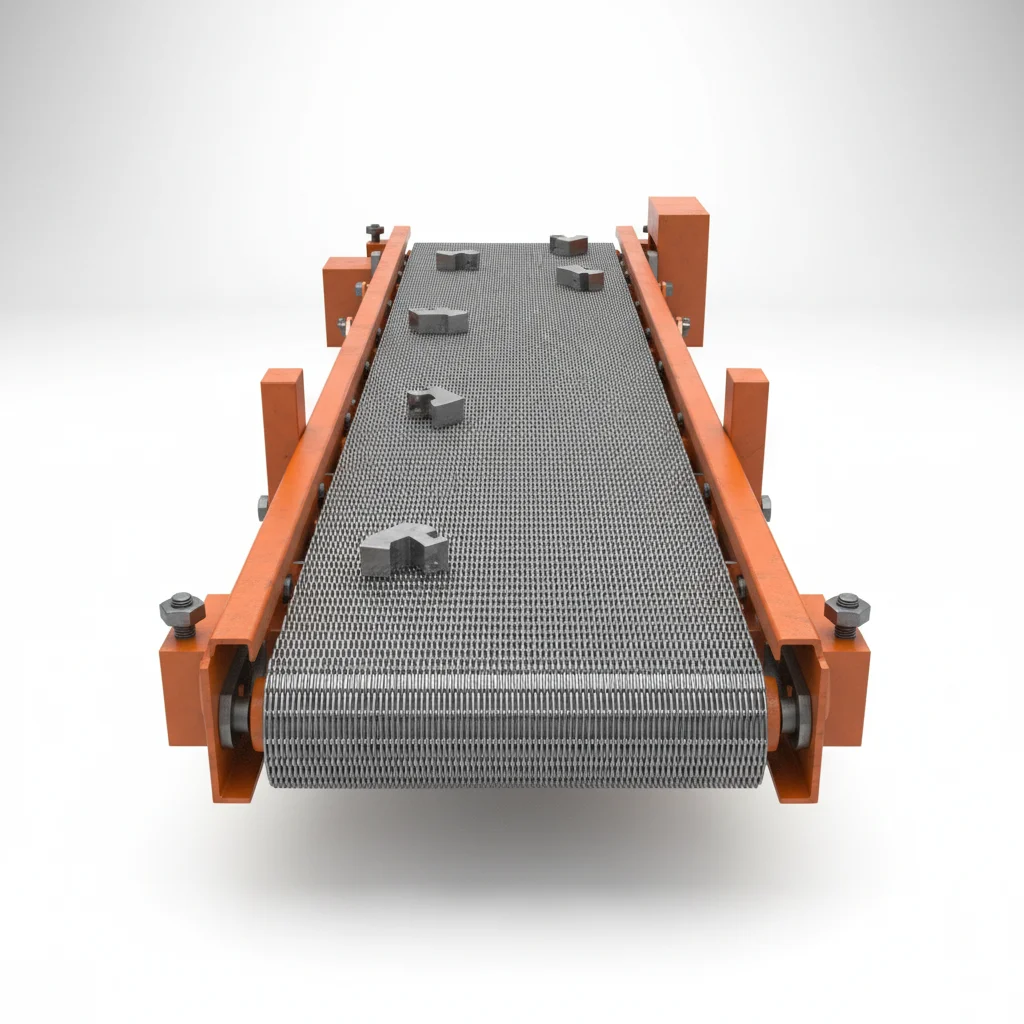 March 21, 2026Optimizing Material Handling with Durable Flat Flex Conveyor Belt SystemsIn the world of material handling, efficiency and reliability are paramount. Flat Flex Conveyor Belts have emerged as a versatile solution for a wide range of industries. This article will explore the benefits, applications, and key considerations when selecting a flat flex conveyor belt, focusing on how JY Mesh Belt can meet your specific needs. From food processing to logistics, we’ll cover how these belts optimize your operations. Flat Flex Conveyor Belts, also known as modular plastic belts, are constructed from small, interlocking plastic modules. These modules are typically made from materials like polypropylene, offering excellent strength, durability, and resistance to chemicals and temperature extremes. Unlike traditional belts, flat flex belts can be easily disassembled and reassembled, making them ideal for complex conveyor systems with curves, inclines, and declines.
 -
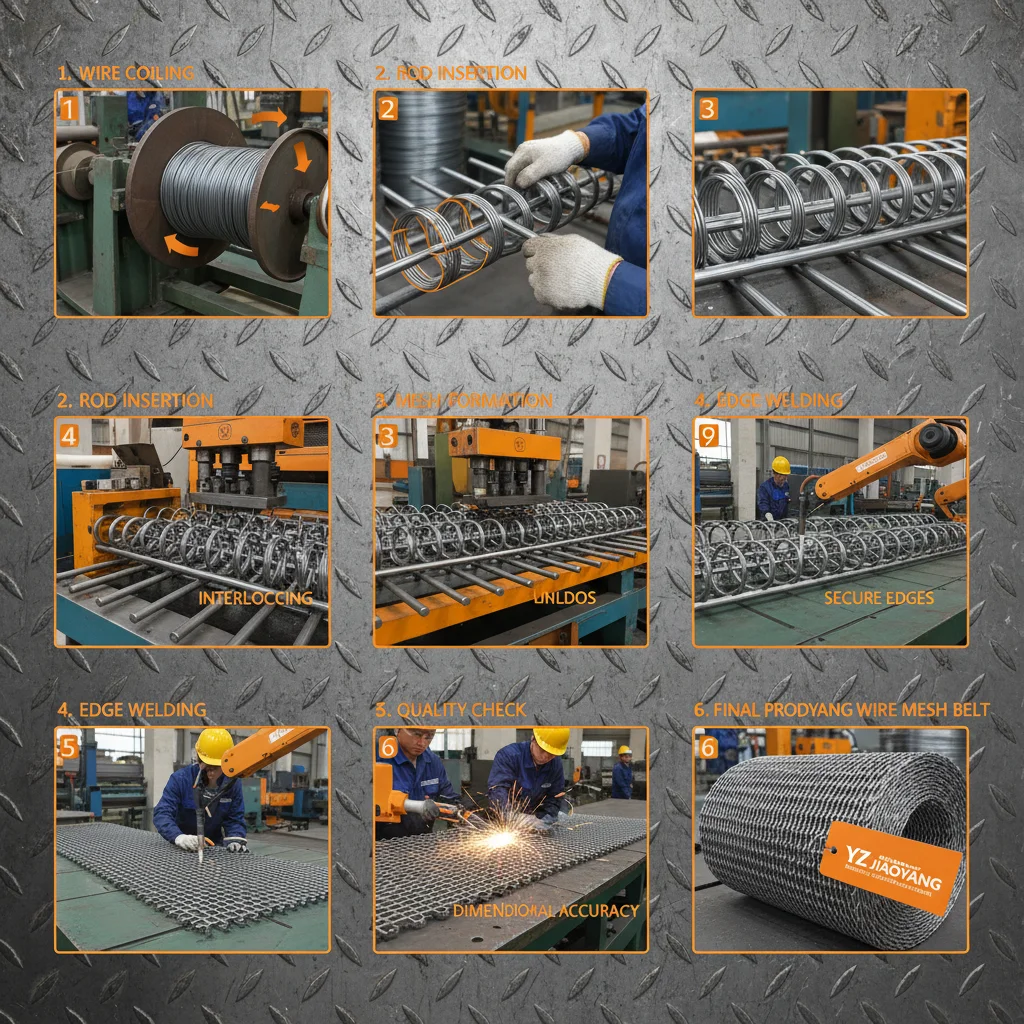 March 11, 2026Yangzhou Jiaoyang Wire Mesh Belt Optimizing Industrial Material Handling SolutionsYangzhou Jiaoyang Wire Mesh Belt represents a critical component in modern industrial processes, offering solutions for material handling across a diverse range of sectors. Its robust construction and adaptable design make it indispensable in industries demanding continuous operation and efficient conveyance. Understanding the nuances of these belts—from their material composition to their specific applications—is vital for optimizing operational efficiency and reducing downtime. Globally, the demand for high-quality wire mesh belts is steadily increasing, driven by growth in food processing, heat treatment, and other manufacturing industries. According to recent industry reports, the wire mesh belt market is projected to reach significant growth in the coming years, fueled by advancements in materials science and a greater emphasis on automation. Yangzhou Jiaoyang Wire Mesh Belt actively contributes to this growth by delivering innovative and reliable solutions. A key challenge faced by many manufacturers is the need for durable, reliable, and cost-effective material handling systems. Traditional conveyor methods often fall short in demanding environments.
 -
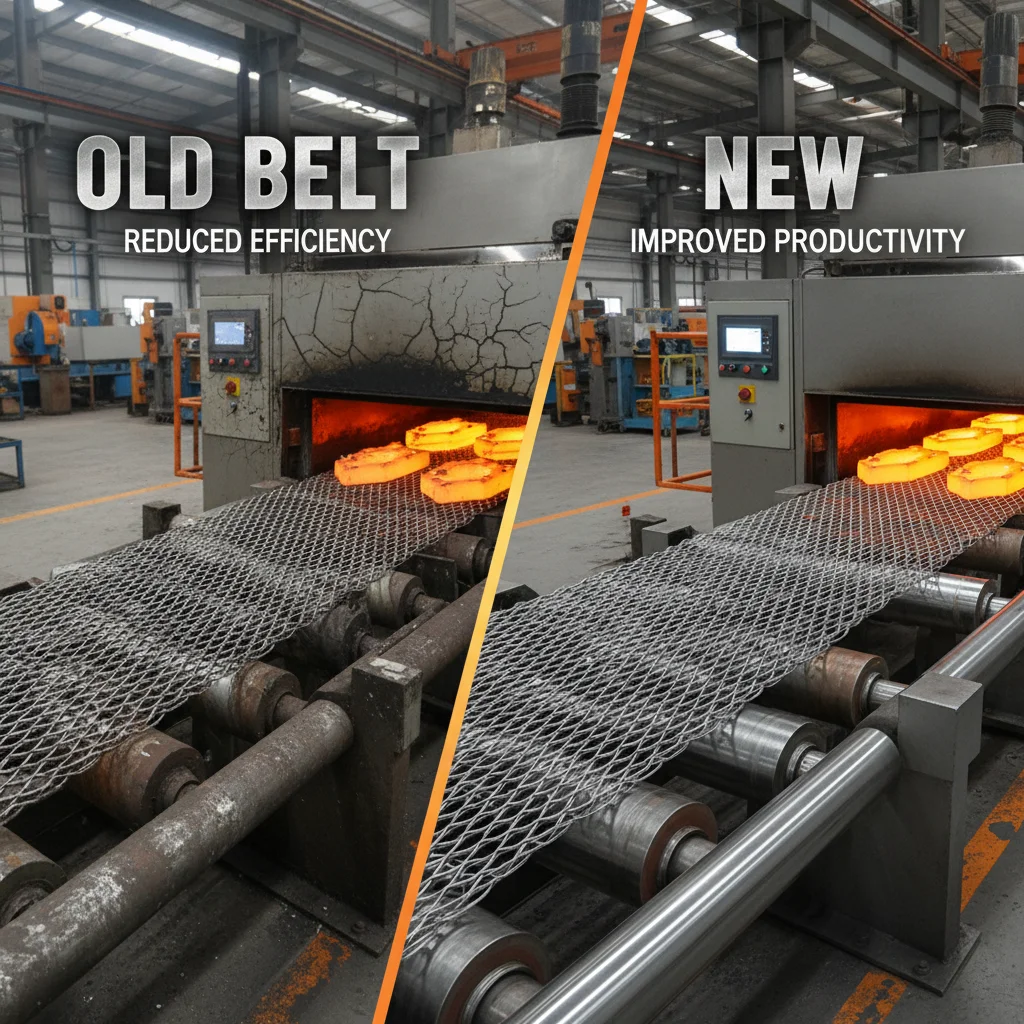 March 10, 2026Comprehensive Guide to Stainless Steel Wire Mesh Belt Applications and SelectionStainless Steel Wire Mesh Belt: A Comprehensive Guide I […]
 -
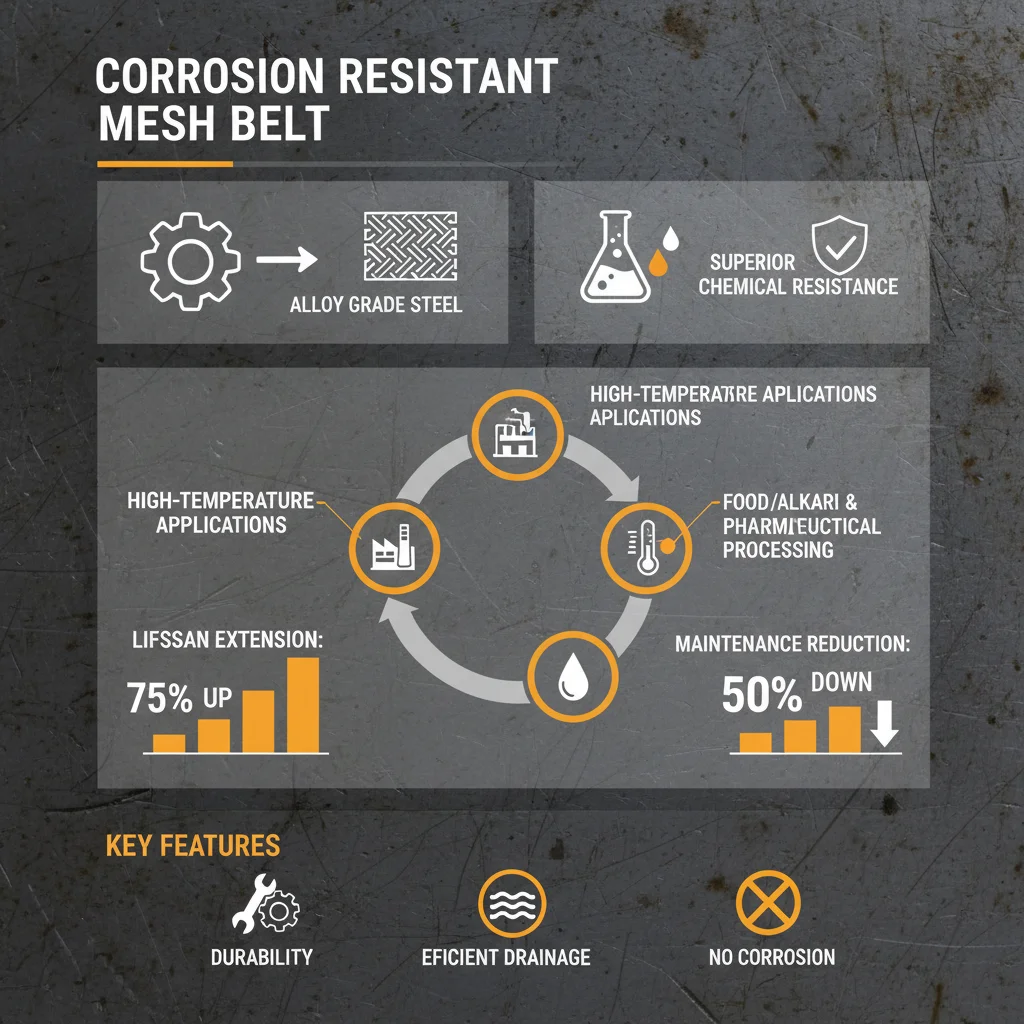 March 16, 2026Corrosion Resistant Mesh Belt SolutionsEngineered for durability, efficiency, and reliability in corrosive environments. Serving industries worldwide. Our corrosion resistant mesh belt solutions are at the forefront of materials science, offering exceptional resistance to acids, alkalis, and other corrosive agents. These belts are crucial for maintaining process integrity and minimizing downtime. We leverage advanced weaving techniques and specialized alloys to deliver superior performance, extended service life, and reduced total cost of ownership.
 -
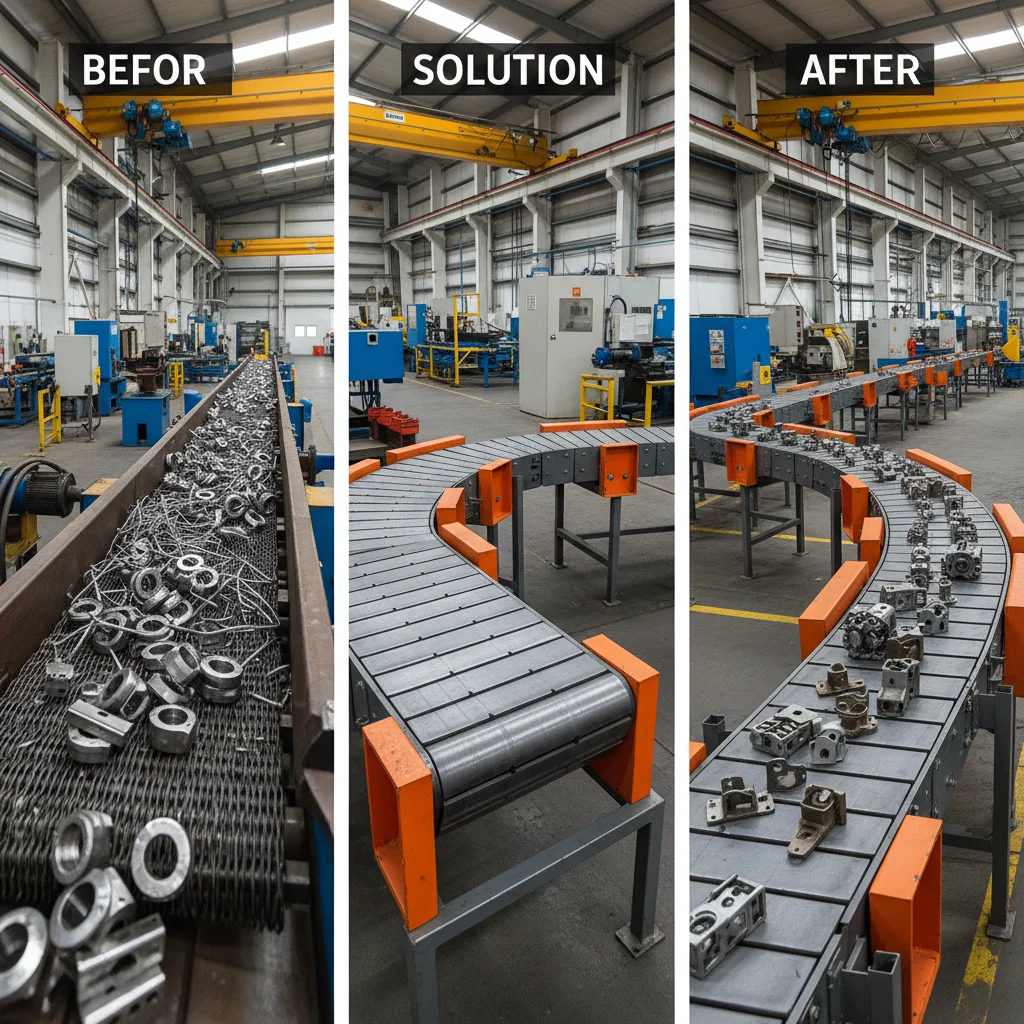 March 17, 2026Comprehensive Guide to Flat Wire Conveyor Belt Technology and ApplicationsIn the realm of material handling, efficiency and reliability are paramount. Flat wire conveyor belts have emerged as a versatile solution for a wide range of industries, offering a smooth, consistent surface for transporting products. This article provides an in-depth look at flat wire conveyor belts, their benefits, applications, and key considerations when selecting the right belt for your needs. We'll explore why they've become a preferred choice for many companies seeking to optimize their processes. Flat wire conveyor belts are constructed from a series of flat wires, typically made of stainless steel, interwoven or welded together to form a continuous belt. Unlike traditional fabric belts, flat wire belts offer a consistently stable and smooth surface, making them ideal for applications requiring precise product tracking and minimal marking. They are known for their durability, resistance to corrosion, and ability to withstand high temperatures.
 -
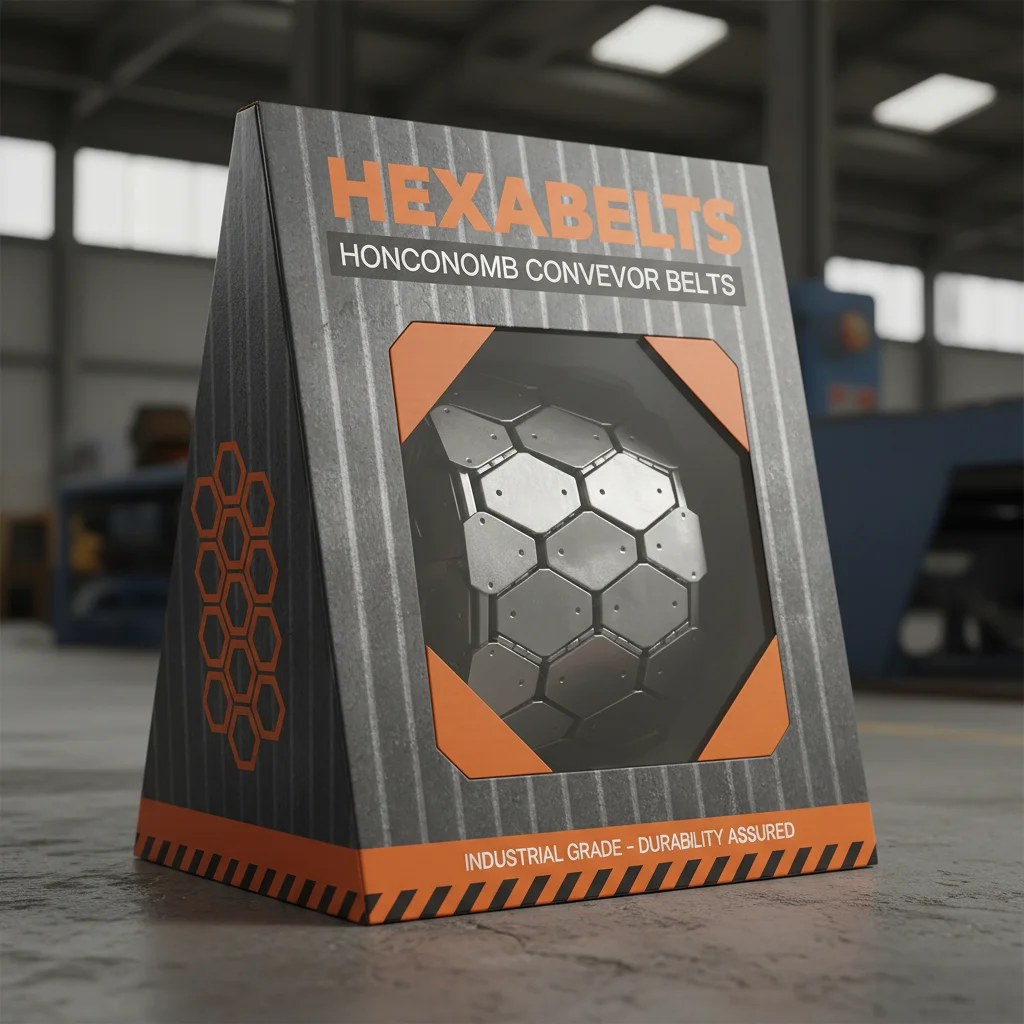 March 14, 2026Comprehensive Guide to Honeycomb Conveyor Belts and Their ApplicationsHoneycomb conveyor belts are rapidly gaining popularity across a wide range of industries due to their unique design and exceptional performance characteristics. These belts offer a lightweight yet incredibly strong solution for various conveying applications, boasting excellent air permeability and efficient material handling. If you're looking for a robust and versatile conveyor solution, JY Mesh Belt offers a comprehensive range of high-quality honeycomb conveyor belts tailored to your specific needs. This article will explore the benefits, applications, materials, and considerations when choosing a honeycomb conveyor belt. The defining feature of honeycomb conveyor belts is their distinctive cellular structure, resembling a honeycomb. This design isn't just aesthetic; it's engineered for optimal performance. The open structure allows for exceptional airflow, critical in applications like cooling, drying, or washing. Furthermore, the interconnected cells distribute weight evenly, leading to increased belt strength and durability. This lightweight construction reduces energy consumption and minimizes strain on conveyor systems.
Get Your Custom Solution
Facing challenges with high-temperature conveying? Contact us now.
Our engineers will provide you with expert product consultation and tailored solutions.
Sign up
for our Newsletter
Subscribe to the weekly newsletter for all the latest updates


