
Optimizing Sintering Processes with High Performance Sintering Furnace Mesh Belt Solutions
Optimizing Sintering Processes with High Performance Sintering Furnace Mesh Belt Solutions
Understanding Sintering Furnace Mesh Belt Technology
In the realm of heat treatment processes, particularly sintering, the efficiency and reliability of the material handling system are crucial. A sintering furnace mesh belt plays a pivotal role in ensuring consistent product quality and maximizing throughput. This article will delve into the intricacies of these belts, exploring their construction, benefits, applications, maintenance, and future trends. We will also examine how selecting the right mesh belt can significantly impact your sintering process and overall operational costs. A high-quality belt means reduced downtime and a more consistent final product.
What is a Sintering Furnace Mesh Belt?
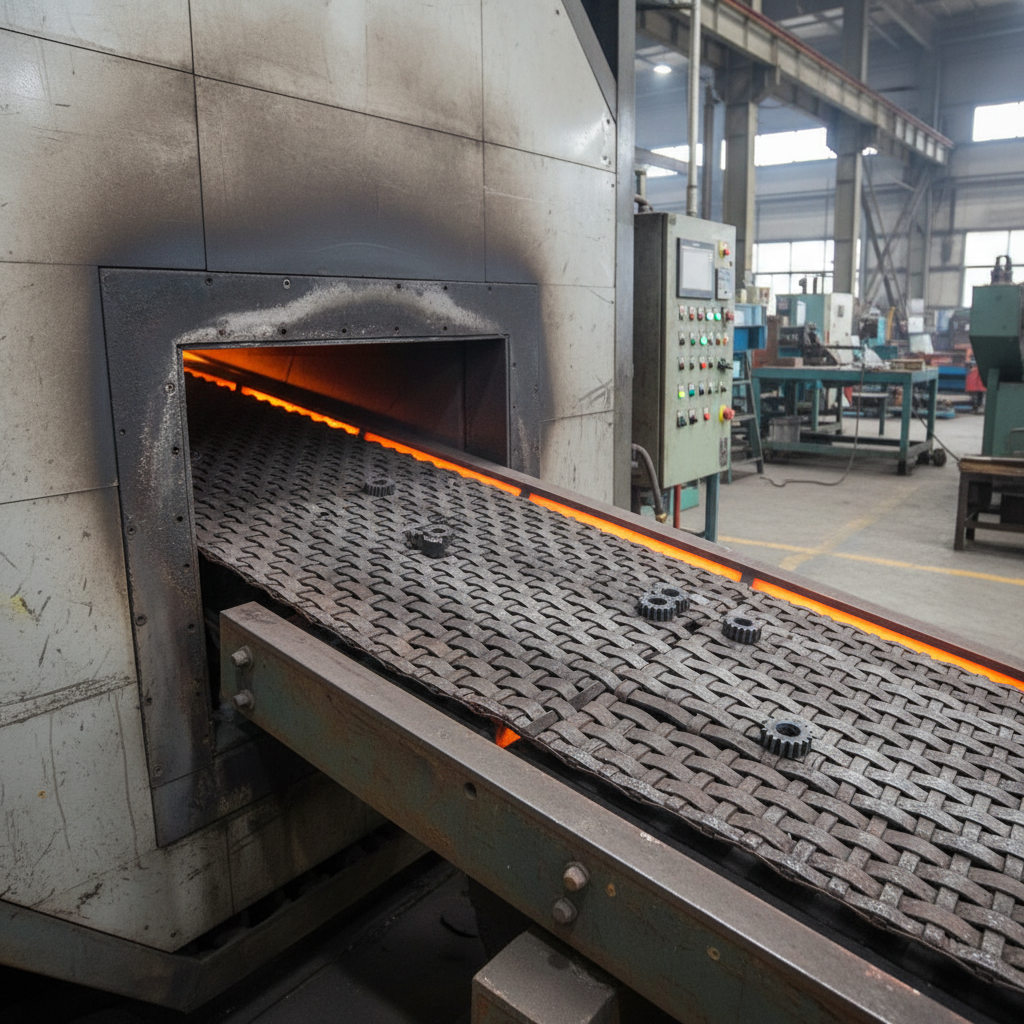
A sintering furnace mesh belt is a continuous belt made of interwoven metal wires, designed to transport materials through a high-temperature sintering furnace. Sintering is a heat treatment process used to bond particles together without melting them, creating a solid mass. The mesh belt provides a stable and consistent surface for the parts to travel on, ensuring uniform heating and preventing damage. These belts are engineered to withstand extreme temperatures, resist oxidation, and maintain their shape under load. Different alloys are used depending on the specific sintering temperature and atmosphere requirements. JY Mesh Belt offers a variety of sintering furnace mesh belt options designed to meet diverse industrial needs.
Key Benefits: Uniform heating, minimal product damage, increased throughput, reduced downtime, and extended belt life.
Materials Used in Sintering Furnace Mesh Belt Construction
The choice of material is paramount when selecting a sintering furnace mesh belt. Common materials include stainless steel alloys, nickel alloys, and other high-temperature resistant metals. Stainless steel belts (like 316L) are popular for their cost-effectiveness and resistance to oxidation. However, for extremely high temperatures or highly corrosive environments, nickel alloys (like Inconel) are often preferred. The weave pattern (e.g., plain weave, twill weave, herringbone weave) also affects the belt's strength, flexibility, and air permeability. The right material selection ensures the belt can withstand the specific conditions of your sintering process.
Material Considerations:
• Stainless Steel (316L): Cost-effective, good oxidation resistance.
• Nickel Alloys (Inconel): Excellent high-temperature strength and corrosion resistance.
• Alloy 600: Good resistance to high temperature corrosion.
• Weave Pattern: Influences strength, flexibility, and air permeability.
Sintering Furnace Mesh Belt: Comparing Key Specifications
Selecting the correct mesh belt requires careful consideration of several key specifications. These include the belt width, mesh size (aperture), wire diameter, and tensile strength. The mesh size determines the amount of airflow through the belt, which is crucial for maintaining consistent temperature distribution. The wire diameter impacts the belt's strength and durability. JY Mesh Belt provides custom solutions tailored to your specific requirements. Understanding these specifications will help you optimize your sintering process for maximum efficiency.
Applications of Sintering Furnace Mesh Belts
Sintering furnace mesh belts find widespread applications across various industries. These include powder metallurgy, ceramic production, brazing, and heat treatment of metal components. They are particularly valuable in applications requiring high throughput, precise temperature control, and minimal product distortion. The automotive, aerospace, medical, and electronics industries all rely on sintering processes utilizing these specialized mesh belts. From producing gears and bearings to manufacturing medical implants and electronic connectors, the applications are diverse and critical.
Maintenance and Longevity of Your Mesh Belt
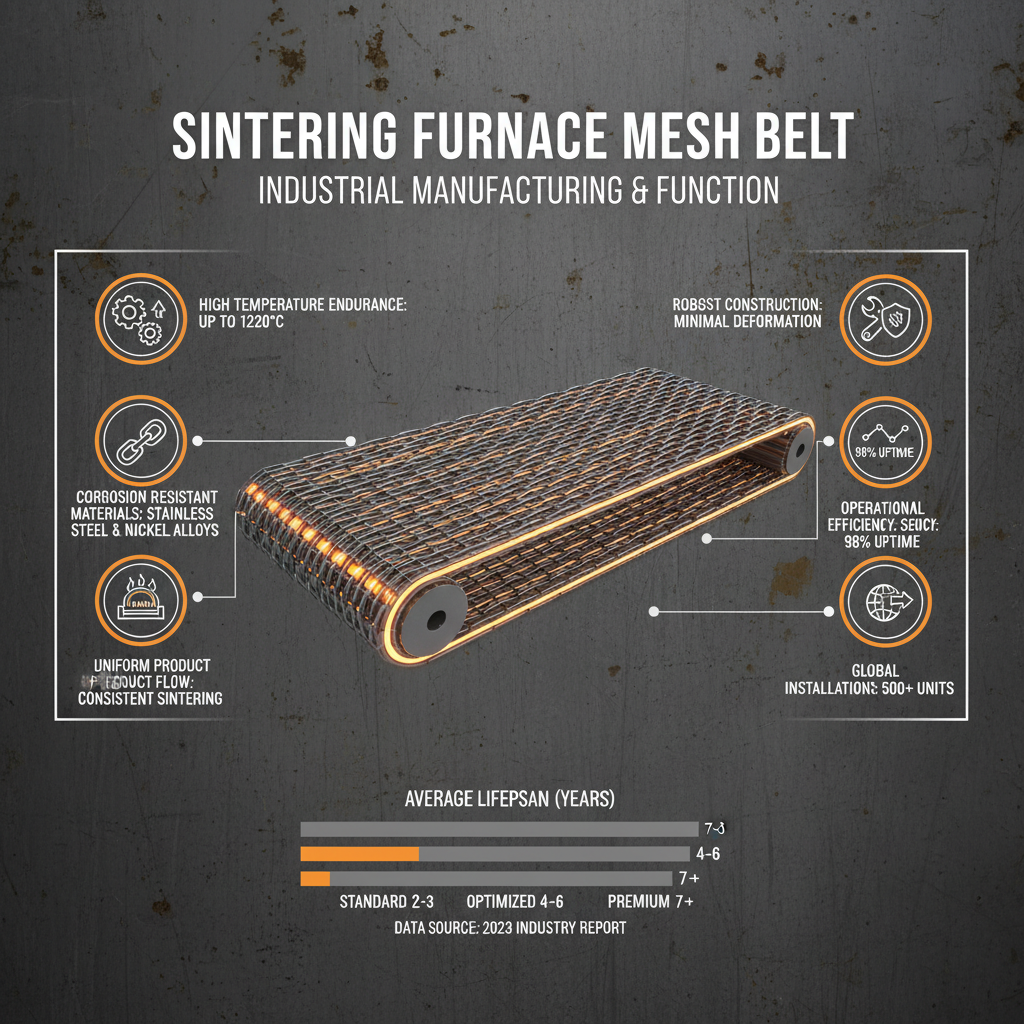
Proper maintenance is crucial for maximizing the lifespan of your sintering furnace mesh belt. Regular inspection for wear and tear, including broken wires, corrosion, and elongation, is essential. Cleaning the belt to remove debris and buildup is also important. Lubrication (if applicable) can reduce friction and wear. JY Mesh Belt offers expert guidance on maintenance procedures and can provide replacement belts when needed. Following these guidelines ensures optimal performance and minimizes costly downtime.
Conclusion: Choosing the Right Mesh Belt for Sintering Success
Selecting the appropriate sintering furnace mesh belt is a critical decision that impacts the efficiency, reliability, and cost-effectiveness of your sintering process. By considering factors such as material, specifications, applications, and maintenance, you can ensure optimal performance and longevity. Partnering with a trusted supplier like JY Mesh Belt will provide you with expert guidance and customized solutions tailored to your unique needs.
Frequently Asked Questions (FAQs)
What is the typical lifespan of a sintering furnace mesh belt?
The lifespan varies greatly depending on the operating temperature, load, material, and maintenance schedule. However, a well-maintained mesh belt can typically last between 1 to 3 years. Higher temperatures and heavier loads will shorten the lifespan. Regular inspections and cleaning are key to maximizing belt life. Signs of wear include broken wires, elongation, and increased resistance to movement. When these signs appear, it's time to consider a replacement. We always recommend adhering to the manufacturer’s recommended operating limits and maintenance schedules.
How do I determine the correct mesh size for my application?
Mesh size selection depends on the particle size of the material being sintered and the desired airflow through the furnace. Smaller mesh sizes provide better support for smaller particles but restrict airflow. Larger mesh sizes allow for greater airflow but may not adequately support smaller particles. We recommend consulting with a mesh belt specialist to determine the optimal mesh size for your specific application. Providing information about your material characteristics, sintering temperature, and furnace design will help us recommend the most appropriate solution.
Can JY Mesh Belt provide custom mesh belt designs?
Yes, JY Mesh Belt specializes in custom mesh belt designs. We can tailor the belt width, mesh size, wire diameter, material, and weave pattern to meet your specific requirements. We work closely with our clients to understand their application and provide a solution that optimizes performance and efficiency. Our engineering team can assist with design modifications and provide technical support throughout the process. Contact us with your specifications for a free quote.
What are the benefits of using a nickel alloy mesh belt over stainless steel?
Nickel alloys, such as Inconel, offer superior high-temperature strength and corrosion resistance compared to stainless steel. This makes them ideal for sintering applications involving extremely high temperatures or corrosive atmospheres. While more expensive than stainless steel, nickel alloy belts provide longer service life and greater reliability in demanding environments. They also maintain their shape and integrity better at high temperatures, ensuring consistent product quality.
-
 Self-Stacking Spiral Freezer Belts
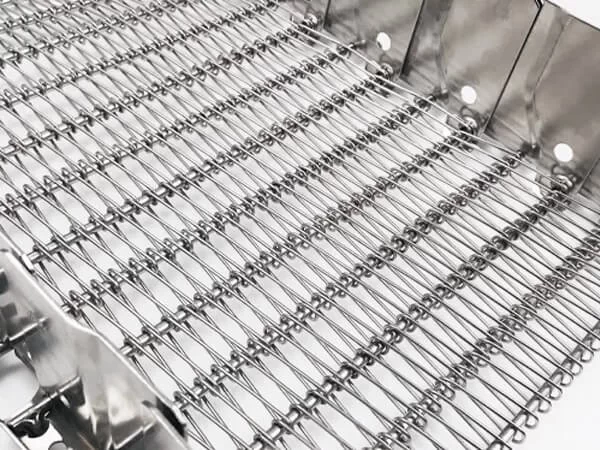
Self-Stacking Spiral Freezer BeltsSelf-Stacking Spiral Freezer Belts are innovative conveyor solutions designed specifically for use in spiral freezers. With a unique stacking mechanism that eliminates the need for external support, these belts help maximize vertical space, reduce energy consumption, and improve overall freezing efficiency.
Engineered for high-performance food processing environments, these belts offer superior product handling, longer service life, and minimal maintenance — all while maintaining food quality and system hygiene.
-
 Rod Network Conveyor Belts
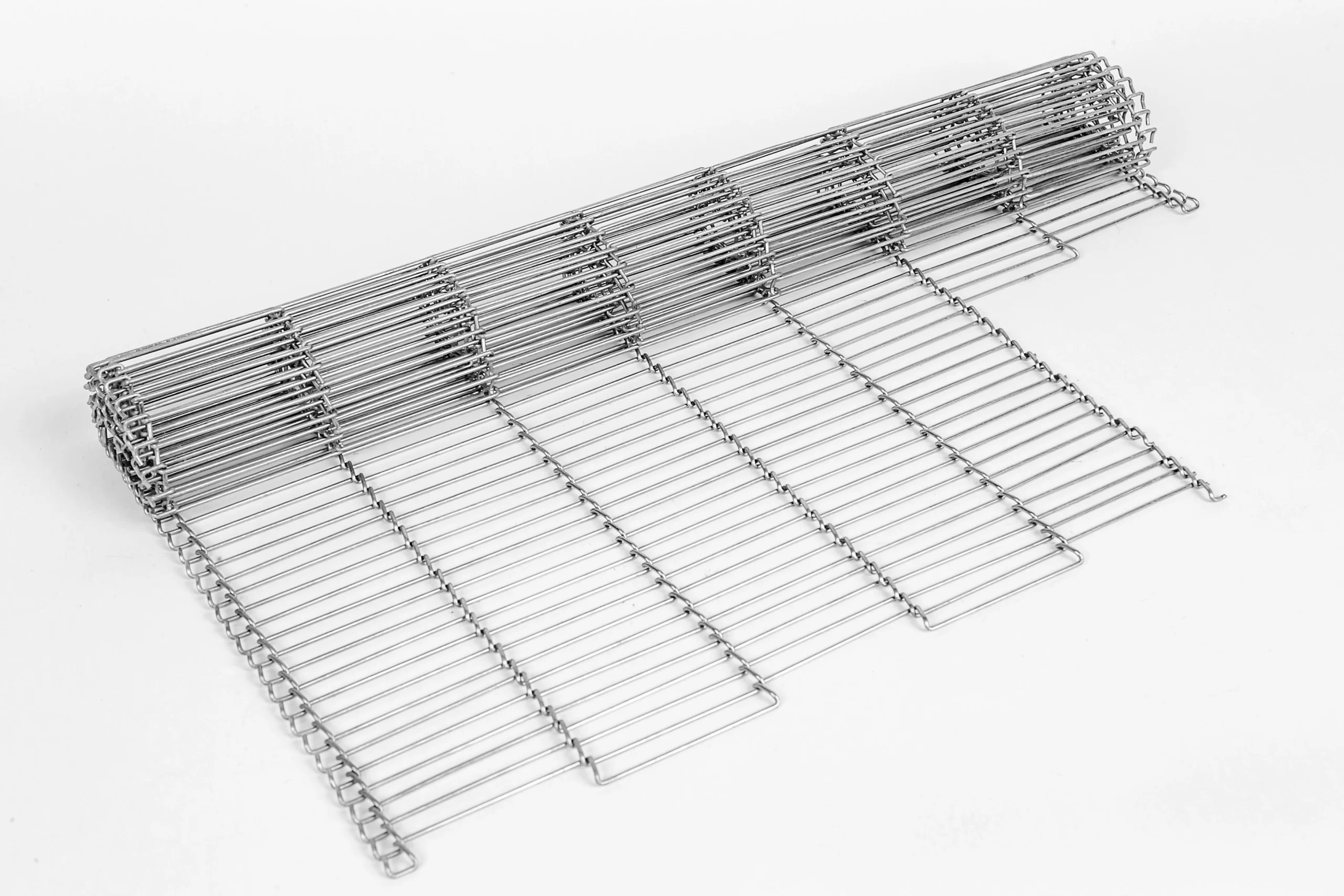
Rod Network Conveyor Belts:Also known as Flat Flex Conveyor Belt.It is made of left and right spir……
-
 Edge Drive Spiral Freezer Belts
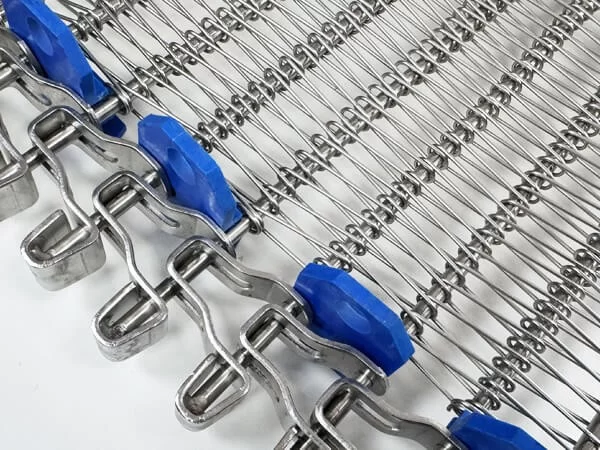
Edge Drive Spiral Freezer Belts are precision-engineered stainless steel conveyor belts used in spiral freezers across the food processing industry. Designed for edge-driven systems, these belts provide stable, hygienic, and efficient transport of food products during the freezing process. They are ideal for high-capacity operations where product integrity, airflow, and hygiene are critical.
-
 Flexible Rod Conveyor Belts
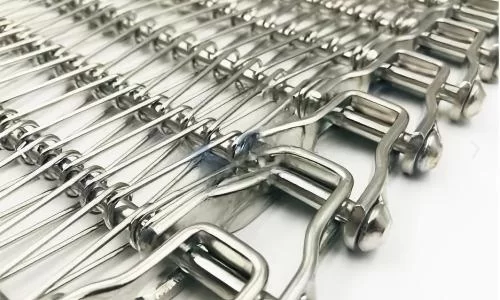
Flexible Rod Conveyor Belts :Also known as Grid Link Conveyor Belts.It is ……
-
 Eye Link Conveyor Belts
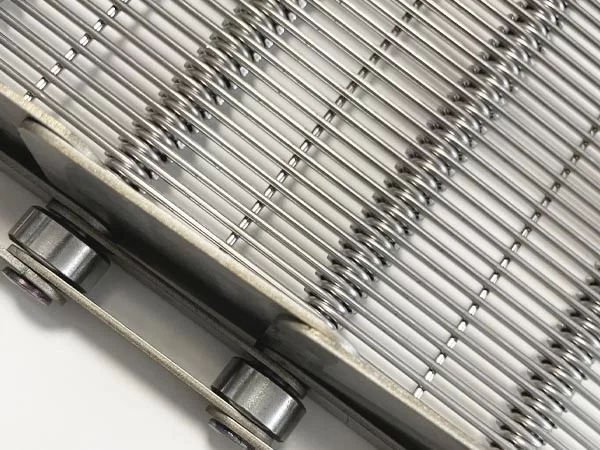
Eye Link Conveyor Belts, also named Wire Link Conveyor Belts, Eye-Flex Conveyor Belt, Wire Loop Belt. Eye link belts are produced of stainless steel or other alloys. They consist of a series of eye links or eye link modules. Joined with cross rods they form a flat, simple surface, which is extremely stable and durable. The qualities of this versatile conveyor belt form a combination of advantages that make it particularly suitable for the most demanding applications in the food, chemical, pharmaceutical and packaging industries.
-
 Compound Balanced Weave Conveyor Belt
aka cord weave conveyor belt
aka v shaped conveyor belt
aka chevron conveyor belt
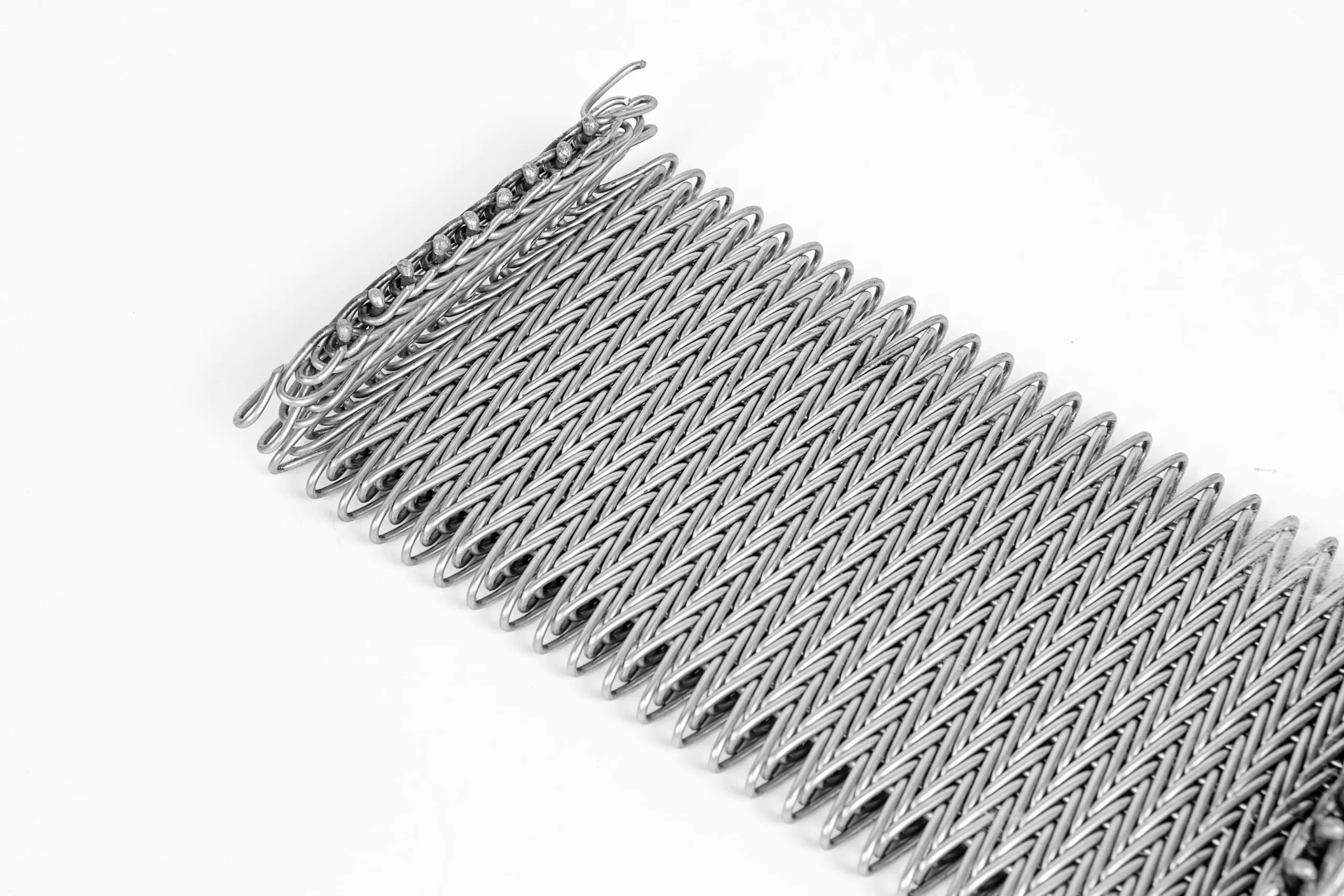
Compound Balanced Weave Conveyor Belt: Also known as Chevron Conveyor Belt.It is a metal mesh belt with a special structure. It is woven by left and right spiral wires. It has a tight and strong structure. Its mesh holes are evenly arranged in a "herringbone" shape (also called "V" or "fishbone" shape). The edges can be welded, crimped or chain-reinforced to improve strength and stability.
This design gives it unique performance advantages and is widely used in industries that require high strength, high temperature resistance and stable transportation. It is usually made of stainless steel (such as stainless steel 314, stainless steel 316L, stainless steel 304), heat-resistant steel or other alloy materials.
-
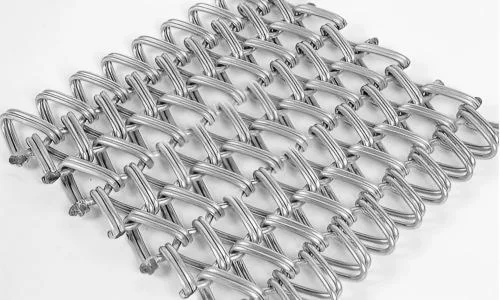 Double Balanced Weave Conveyor Belt
Double Wire Wrap Construction – Enhanced durability with interlocking spiral design……
-
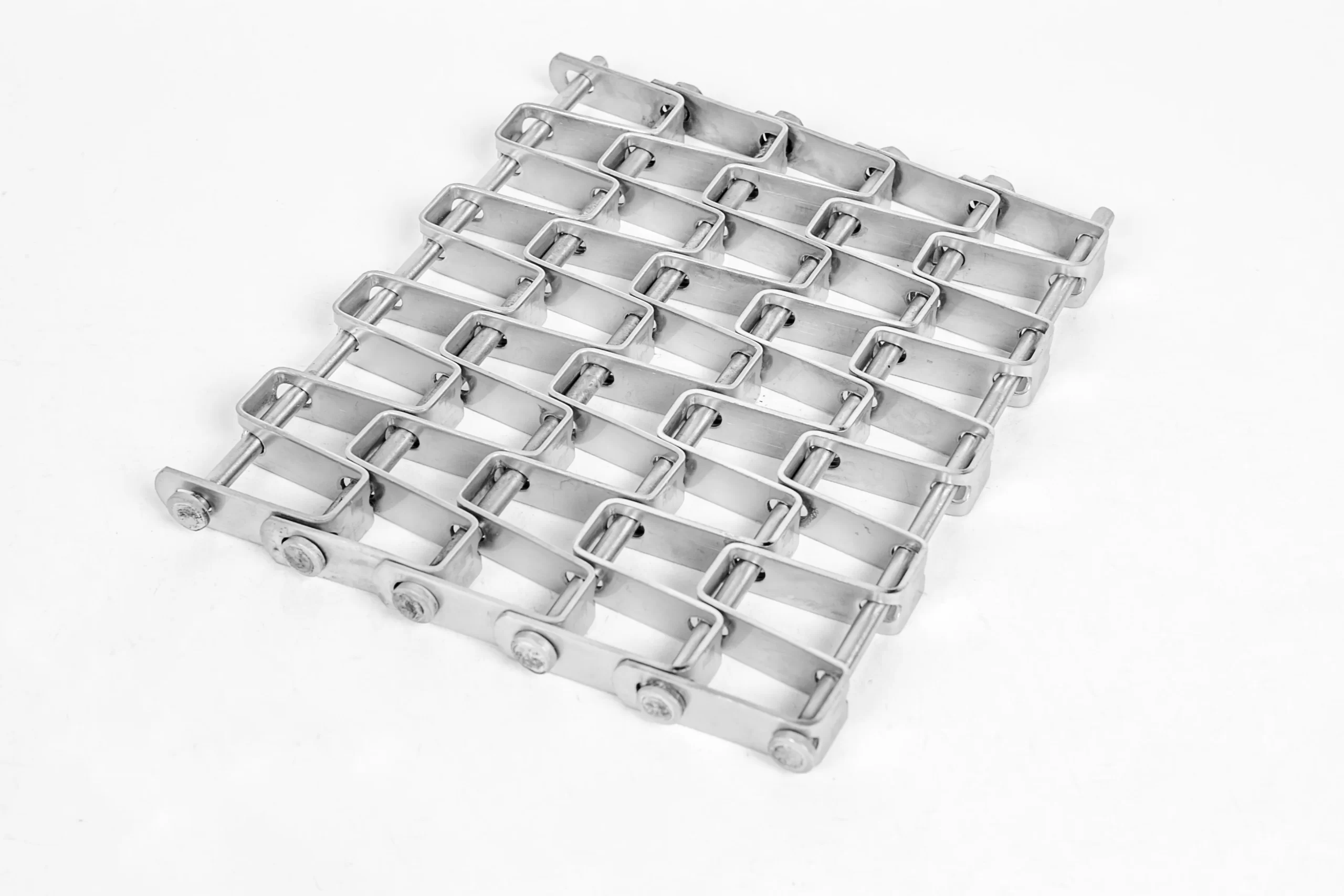 Honeycomb Conveyor Belts
Customize the butterfly pressure plate as needed
-
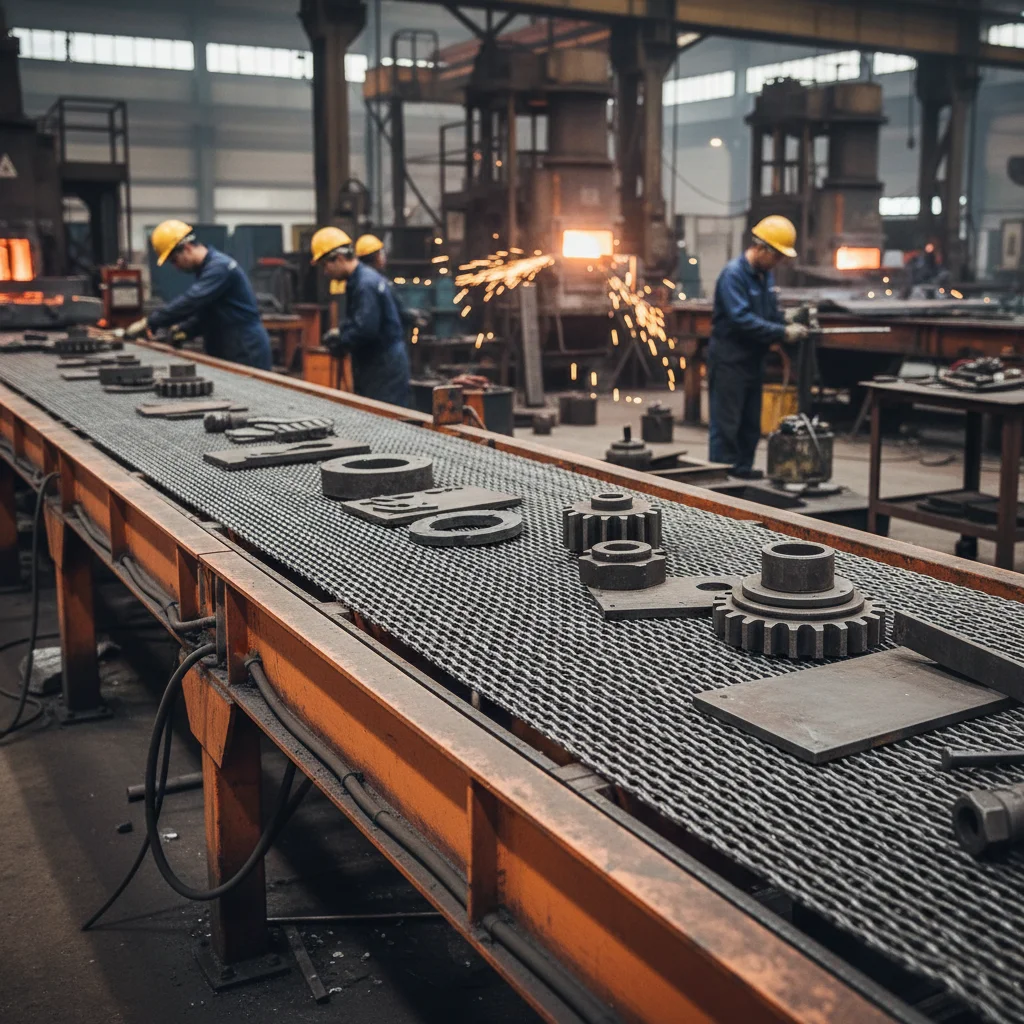 April 08, 2026Exploring the Versatility and Benefits of Metal Mesh Belt SystemsMetal mesh belt technology stands as a cornerstone of modern material handling, playing a vital role in countless industries across the globe. From food processing and pharmaceutical manufacturing to heat treatment and metalworking, these belts offer a reliable, efficient, and hygienic solution for conveying a wide range of products. Understanding the intricacies of metal mesh belt design, materials, and applications is crucial for optimizing operational efficiency and ensuring product quality in today’s competitive landscape.
 -
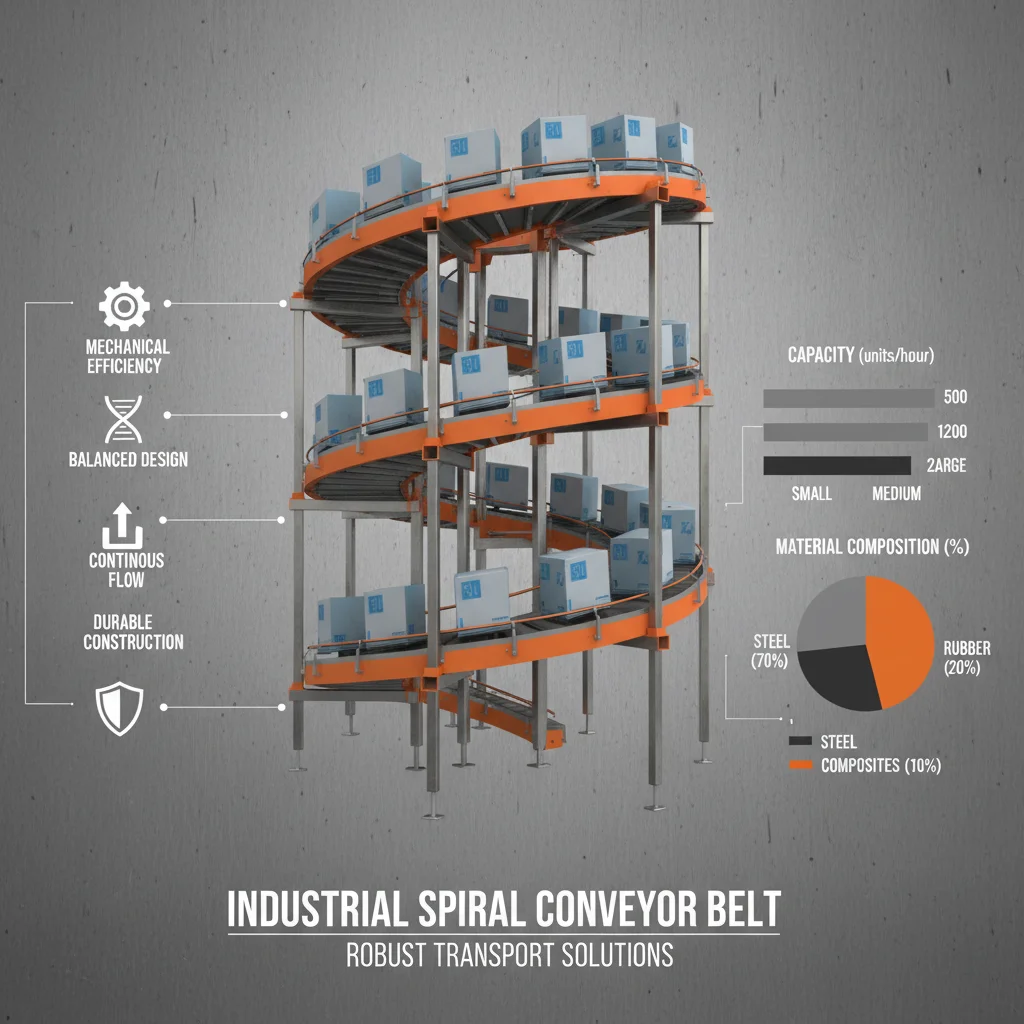 March 20, 2026Engineered For Precision Driving Your Success With ReliabilityWe specialize in the manufacture of high-quality balanced spiral conveyor belts, delivering exceptional performance and durability for a wide range of industrial applications. Our balanced spiral conveyor belts are renowned for their superior strength, stability, and longevity. We are a leading manufacturer serving diverse industries worldwide. As a premier manufacturer, we’ve established ourselves as a trusted source for high-performance balanced spiral conveyor belts. Our commitment to innovation and quality ensures that our belts consistently exceed customer expectations in demanding applications. Our technology offers unparalleled performance and efficiency.
 -
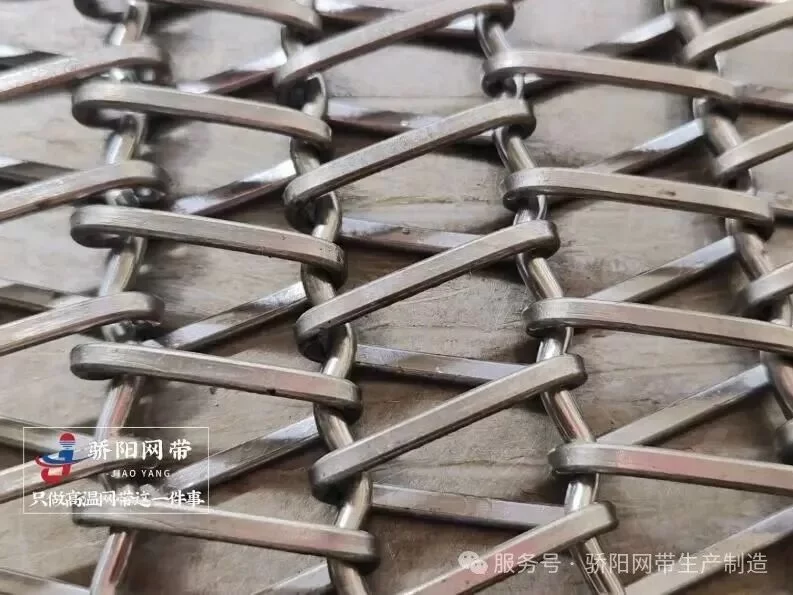 September 01, 2025Improve Material Indentation, Starting With The “Wire” Of The Mesh Belt
To avoid scratching issues on the surface of workpieces, today Jiaoyang will share with you a precision process that combines efficiency and durability - round wire flattening.
-
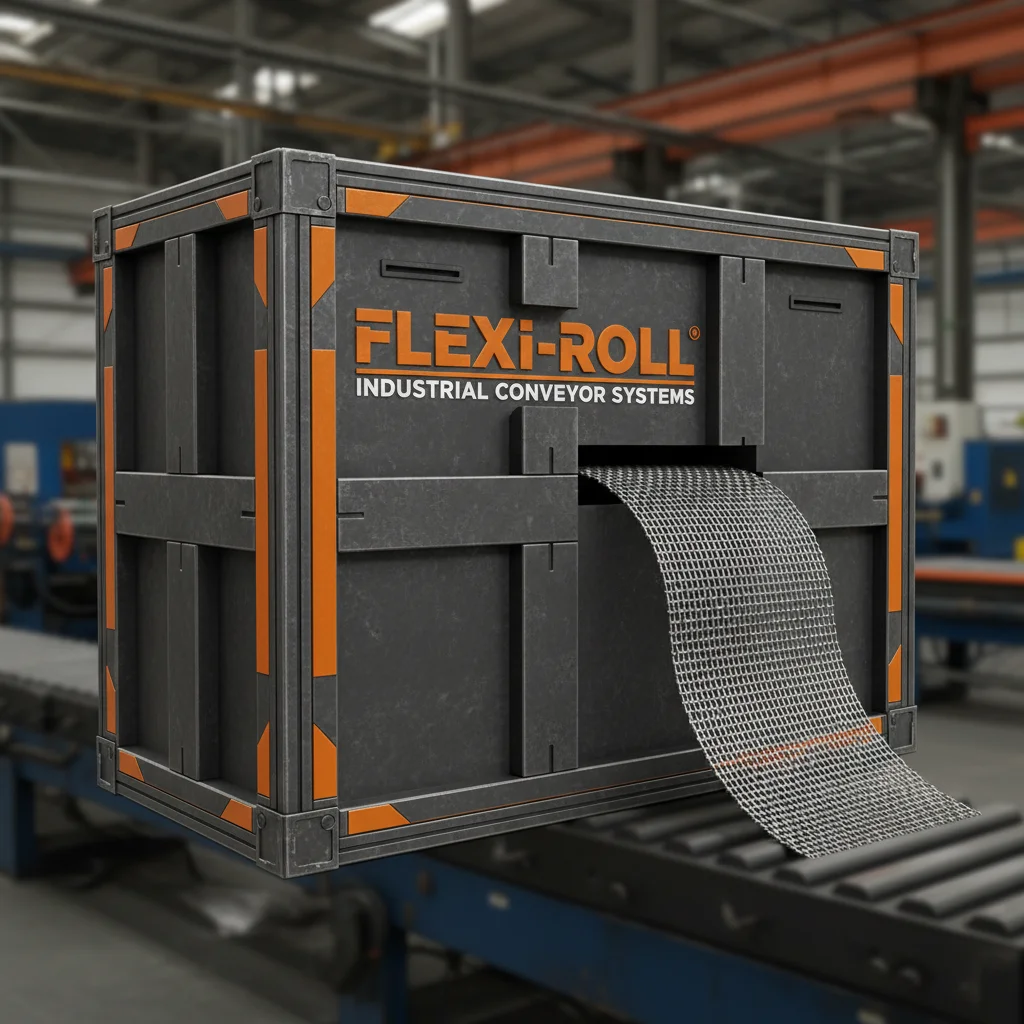 March 25, 2026The Versatile Flat Flex Conveyor Belt for Efficient Material HandlingLet me tell you, after years on construction sites, knee-deep in dust and dealing with all sorts of conveyor headaches, a good, reliable system is worth its weight in gold. We’re talking about moving materials – everything from aggregates to finished goods – and time is absolutely money. That’s where the Flat Flex Conveyor Belt comes in. It’s not just another piece of equipment; it’s a productivity booster, a safety enhancer, and frankly, a sanity saver. I’ve seen projects grind to a halt because of conveyor issues, and a robust, easily maintained system like this can prevent a lot of trouble. What I appreciate most, having spent countless hours troubleshooting on-site, is simplicity. Complicated systems mean more downtime and the need for specialized technicians. The beauty of a well-designed Flat Flex Conveyor Belt is its straightforward design. It's easy to install, even in tight spaces, and maintenance is minimal.
 -
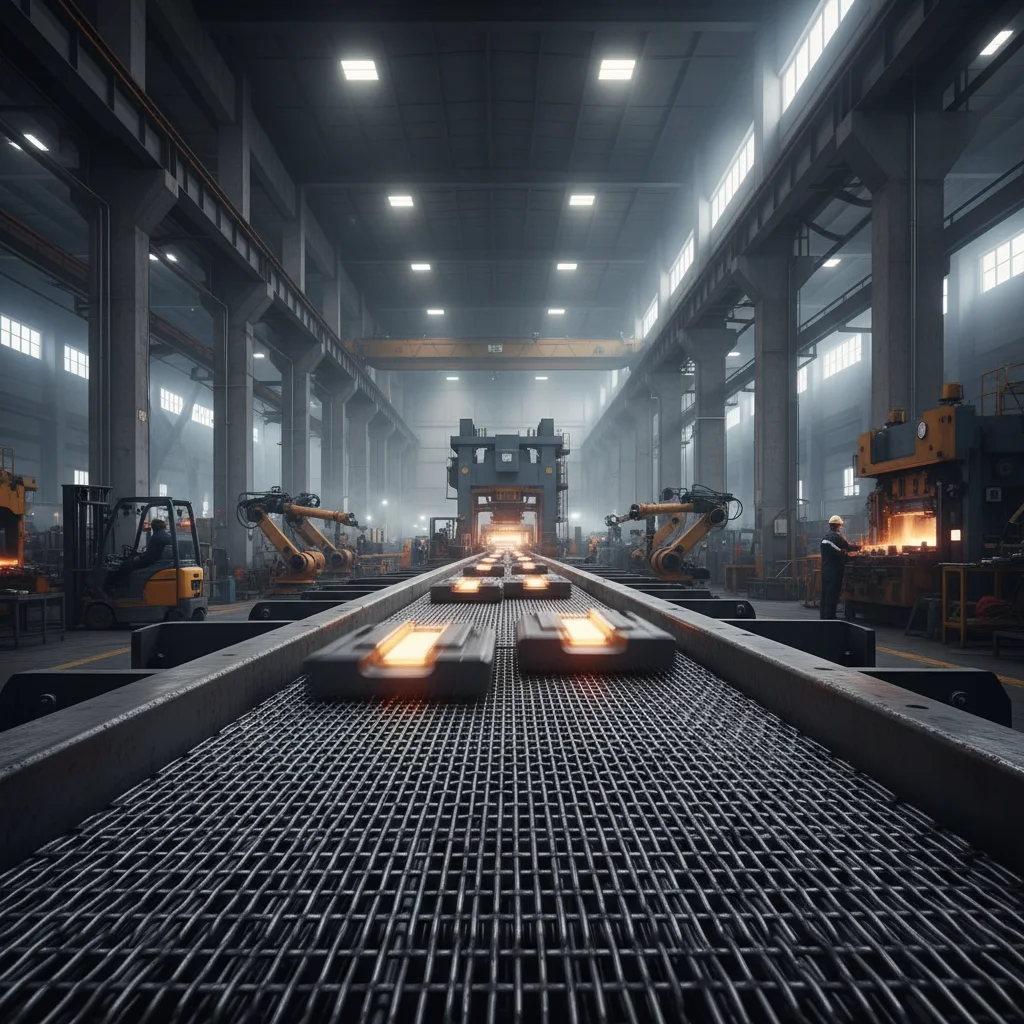 April 17, 2026High Performance Industrial Mesh Belt for Automation EfficiencyIn the modern landscape of industrial automation, the selection of a high-performance mesh belt is often the deciding factor between operational efficiency and costly downtime. These engineered components serve as the backbone for countless production lines, providing a stable, breathable, and durable surface for transporting materials through extreme temperature gradients and corrosive environments. Understanding the nuances of conveyor technology is essential for engineers and plant managers globally, as the shift toward Industry 4.0 demands hardware that can integrate seamlessly with automated sensors and high-speed drives.
 -
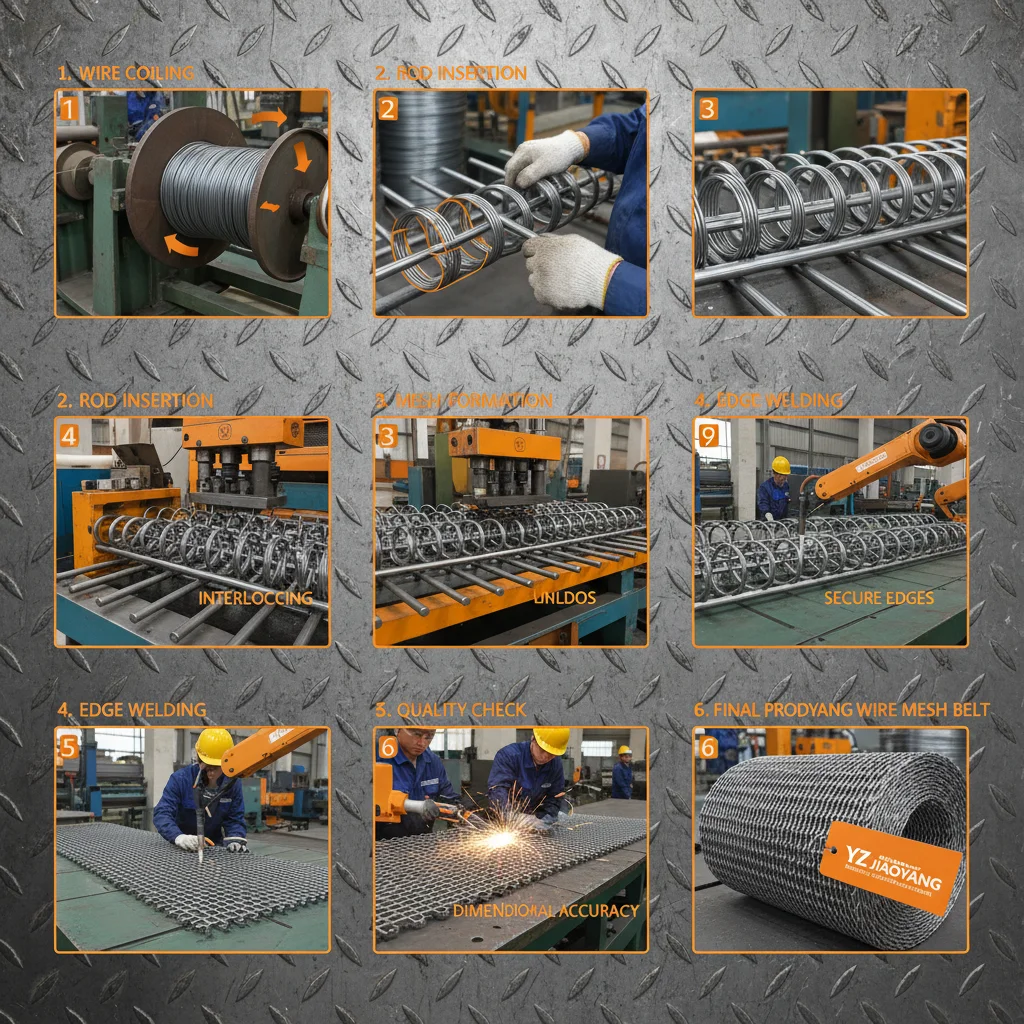 March 11, 2026Yangzhou Jiaoyang Wire Mesh Belt Optimizing Industrial Material Handling SolutionsYangzhou Jiaoyang Wire Mesh Belt represents a critical component in modern industrial processes, offering solutions for material handling across a diverse range of sectors. Its robust construction and adaptable design make it indispensable in industries demanding continuous operation and efficient conveyance. Understanding the nuances of these belts—from their material composition to their specific applications—is vital for optimizing operational efficiency and reducing downtime. Globally, the demand for high-quality wire mesh belts is steadily increasing, driven by growth in food processing, heat treatment, and other manufacturing industries. According to recent industry reports, the wire mesh belt market is projected to reach significant growth in the coming years, fueled by advancements in materials science and a greater emphasis on automation. Yangzhou Jiaoyang Wire Mesh Belt actively contributes to this growth by delivering innovative and reliable solutions. A key challenge faced by many manufacturers is the need for durable, reliable, and cost-effective material handling systems. Traditional conveyor methods often fall short in demanding environments.
 -
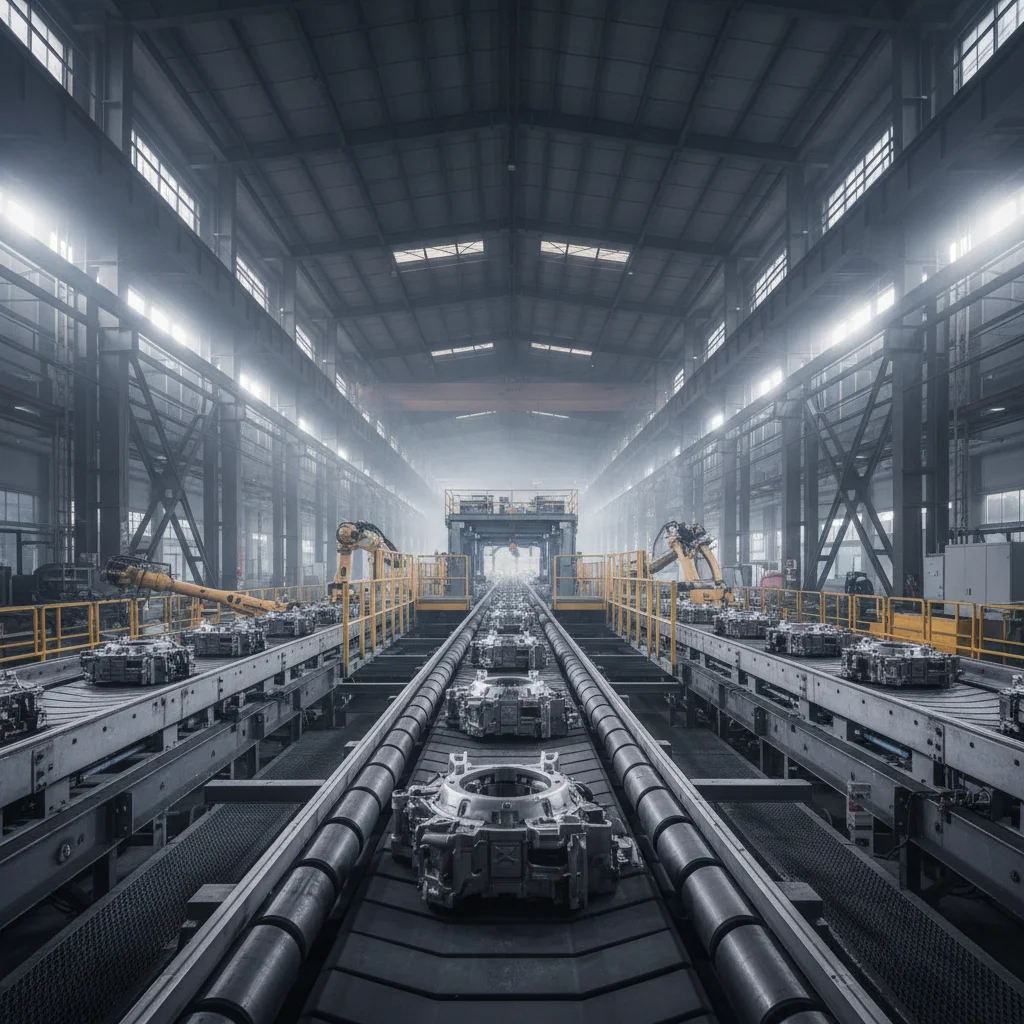 April 03, 2026The Indispensable Role of a Conveyor Belt System in Modern Construction ProjectsLook, I’ve spent the last 20 years knee-deep in dust and concrete on construction sites, and let me tell you, a reliable conveyor belt system isn't just a convenience, it's a backbone. We’re talking about moving materials efficiently, safely, and consistently. It’s the difference between a project that runs smoothly and one that spirals into costly delays. It’s a tool that impacts every single phase, from initial groundwork to the final finishing touches.
 -
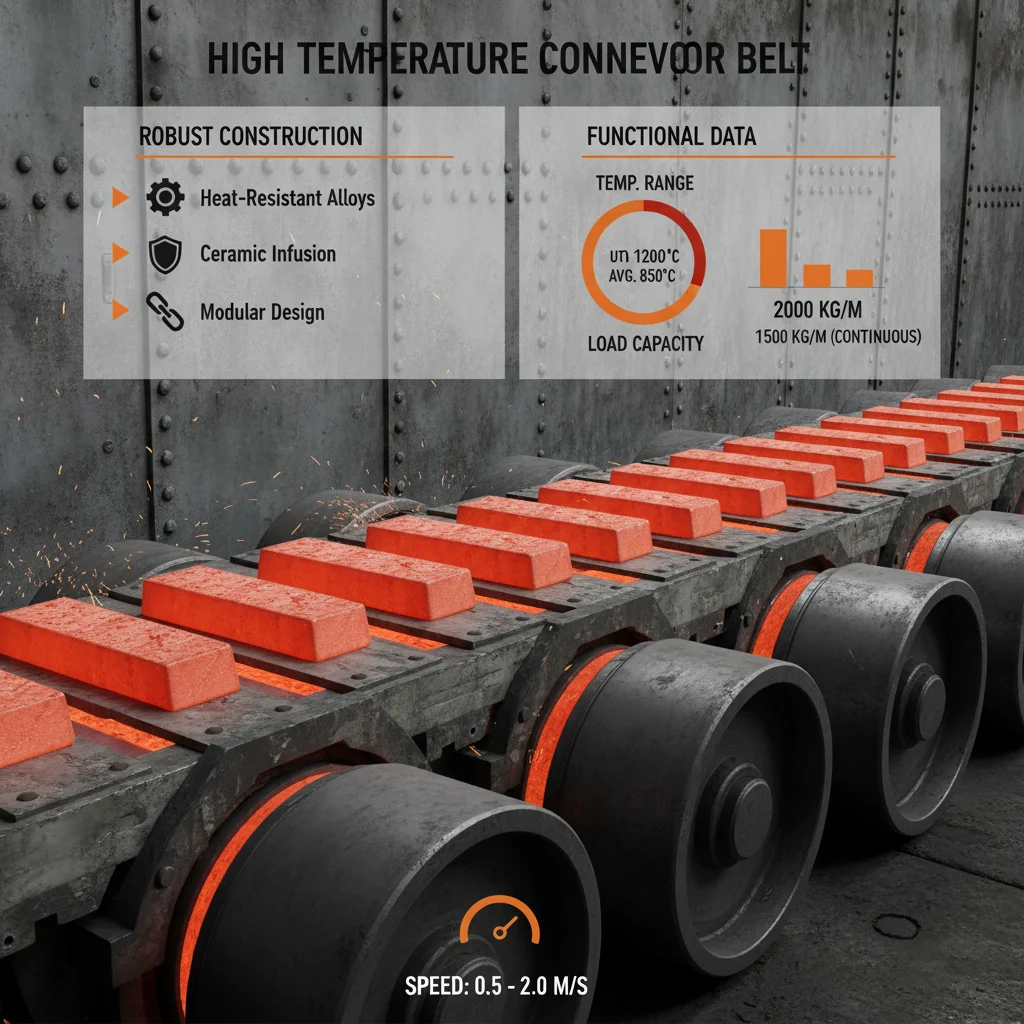 March 13, 2026HighTemperature Conveyor Belt Solutions for Demanding IndustriesEngineered for reliability and performance in high-heat applications, our conveyor belts deliver unmatched durability and operational efficiency. Our high-temperature conveyor belts are engineered to withstand extreme heat and provide reliable performance in critical industrial applications. We are a leading provider of solutions for High Temperature Conveyor Belt. Leveraging advanced materials and innovative designs, our belts ensure longevity, minimize downtime, and optimize production processes. We specialize in custom solutions to meet unique application requirements.
Get Your Custom Solution
Facing challenges with high-temperature conveying? Contact us now.
Our engineers will provide you with expert product consultation and tailored solutions.
Sign up
for our Newsletter
Subscribe to the weekly newsletter for all the latest updates


