• Home
  • Top Blog
  • Industrial Precision Compound Balanced Weave Belt Systems
0%

Table of Contents

The global industrial landscape is increasingly reliant on precision-engineered components to maintain high-throughput production lines. Within the realm of mechanical transmission, the integration of high-performance edge components is critical for ensuring that conveyor systems operate without slippage or instability. Understanding the synergy between specialized chain links and the broader system, such as a Compound Balanced Weave Belt, is essential for optimizing operational efficiency and reducing long-term maintenance costs.

Modern manufacturing demands materials that can withstand extreme thermal stress and corrosive environments while maintaining strict dimensional accuracy. The transition toward alloy and stainless steel components has revolutionized how industries approach wear resistance, moving away from generic replacements toward precision-matched interfaces. This evolution ensures that high-speed conveying remains stable even under the most demanding industrial loads.

By focusing on the precise interaction between chain links and sprocket wheels, companies can significantly extend the lifecycle of their equipment. Whether utilizing a Compound Balanced Weave Belt or other metal conveyor variations, the goal remains the same: achieving a flawless fit that eliminates vibration and maximizes power transmission efficiency.

Compound Balanced Weave Belt

Material Engineering for Compound Balanced Weave Belt Systems

Compound Balanced Weave Belt

The selection of materials for edge components is the foundation of any durable conveyor system. For those utilizing a Compound Balanced Weave Belt, the choice between carbon steel, stainless steel, and alloy steel depends entirely on the environmental stressors. Carbon steel provides a cost-effective solution for dry, low-corrosion environments, while stainless steel is indispensable for applications involving moisture or chemical exposure.

Alloy steels are engineered for maximum strength and hardness, ensuring that the chain links can withstand high-tension loads without deformation. This material rigor prevents the belt from stretching over time, which is crucial for maintaining the synchronized movement required in high-precision manufacturing.

Operational Efficiency and Synchronization

Efficiency in mechanical transmission is defined by the seamless interaction between the drive interface and the sprocket wheels. When chain links are precision-engineered, they eliminate the risk of slippage, ensuring that the power delivery is consistent across the entire length of the conveyor. This stability is what allows high-speed operations to remain smooth and predictable.

Vibration is the enemy of industrial longevity. By optimizing the fitment of the edge components, manufacturers can reduce the harmonic oscillations that often lead to premature wear and tear. This result is a quieter operational environment and a significant decrease in unplanned downtime.

Furthermore, the use of low-friction materials and precision-matched interfaces reduces the energy required to drive the system. This not only lowers operational costs but also contributes to a more sustainable manufacturing process by reducing the load on the drive motors.

Customization and Precision Matching

No two industrial setups are identical, which is why customization is paramount. For a Compound Balanced Weave Belt to function at its peak, the accompanying chain links must be tailored to the specific pitch, width, and thickness of the belt edges.

Precision parameter matching involves a detailed analysis of the existing conveyor dimensions. By submitting samples or exact measurements of the pin diameter and thickness, operators can ensure that the new components integrate perfectly with their sprocket wheels, avoiding the common pitfalls of generic sizing.

This bespoke approach extends beyond mere dimensions to include material hardening specifications. Customizing the hardness of the alloy used in the links allows for a balanced wear rate between the belt and the sprocket, which is a critical factor in maintaining the integrity of a Compound Balanced Weave Belt over millions of cycles.

Performance Metrics in Industrial Conveying

Measuring the success of a conveyor system requires looking at a combination of wear resistance, stability, and total cost of ownership. When comparing standard components to premium, precision-matched links, the difference in operational stability is stark, particularly in high-load scenarios.

The reduction in friction leads to a longer replacement cycle, which transforms the financial equation from a frequent maintenance expense to a long-term investment in reliability.

Efficiency Comparison for Compound Balanced Weave Belt Components

Versatility Across Global Industries

From food processing plants in Europe to heavy-duty automotive assembly lines in Asia, the need for reliable transmission is universal. The adaptability of customized chain links allows them to be integrated into various metal belt systems, making them ideal for diverse industrial machinery that requires high uptime.

In sectors where hygiene is critical, such as pharmaceutical manufacturing, the use of stainless steel components ensures compliance with strict safety standards while maintaining the high-speed throughput necessary for profitability.

Long-term Value and Maintenance Reduction

The true value of investing in premium edge components is realized over the lifecycle of the equipment. By reducing the frequency of replacements, companies can avoid the costly downtime associated with belt failures and sprocket misalignment.

Moreover, the use of high-grade materials significantly reduces the friction generated during operation. This not only preserves the belt edges but also extends the life of the motor and drive components, leading to a lower total cost of ownership.

Regular wear analysis and a structured replacement schedule, guided by expert engineering, ensure that components are replaced just before they reach a critical failure point, optimizing the balance between safety and cost.

Comparative Analysis of Transmission Components

When evaluating the transition from standard to premium components, the impact on operational stability is the most immediate benefit. Standard links often suffer from moderate wear and occasional vibration, which can lead to product misalignment on the belt.

Premium links, especially those designed for a Compound Balanced Weave Belt, provide an exceptional level of resistance to corrosion and abrasion. This is particularly evident in environments where chemicals or high temperatures are present.

The following table provides a side-by-side comparison of the key metrics that define the superiority of precision-engineered components over generic alternatives.

Core Comparison: Standard vs. Premium Transmission Components

Evaluation Metric Standard Chain Links Premium Custom Links Operational Impact
Wear Resistance Moderate Exceptional Extended Service Life
Stability Occasional Vibration Smooth Efficiency Higher Product Accuracy
Fitment Generic Sizes Precision Matching Zero Slippage
Replacement Cycle Frequent Significantly Extended Reduced Downtime
Corrosion Resistance Low to Medium High (Alloy/Stainless) Harsh Environment Suitability
Total Cost (TCO) Higher (Downtime) Lower (Durability) Improved ROI

FAQS

Which material is best for high-temperature conveying environments?

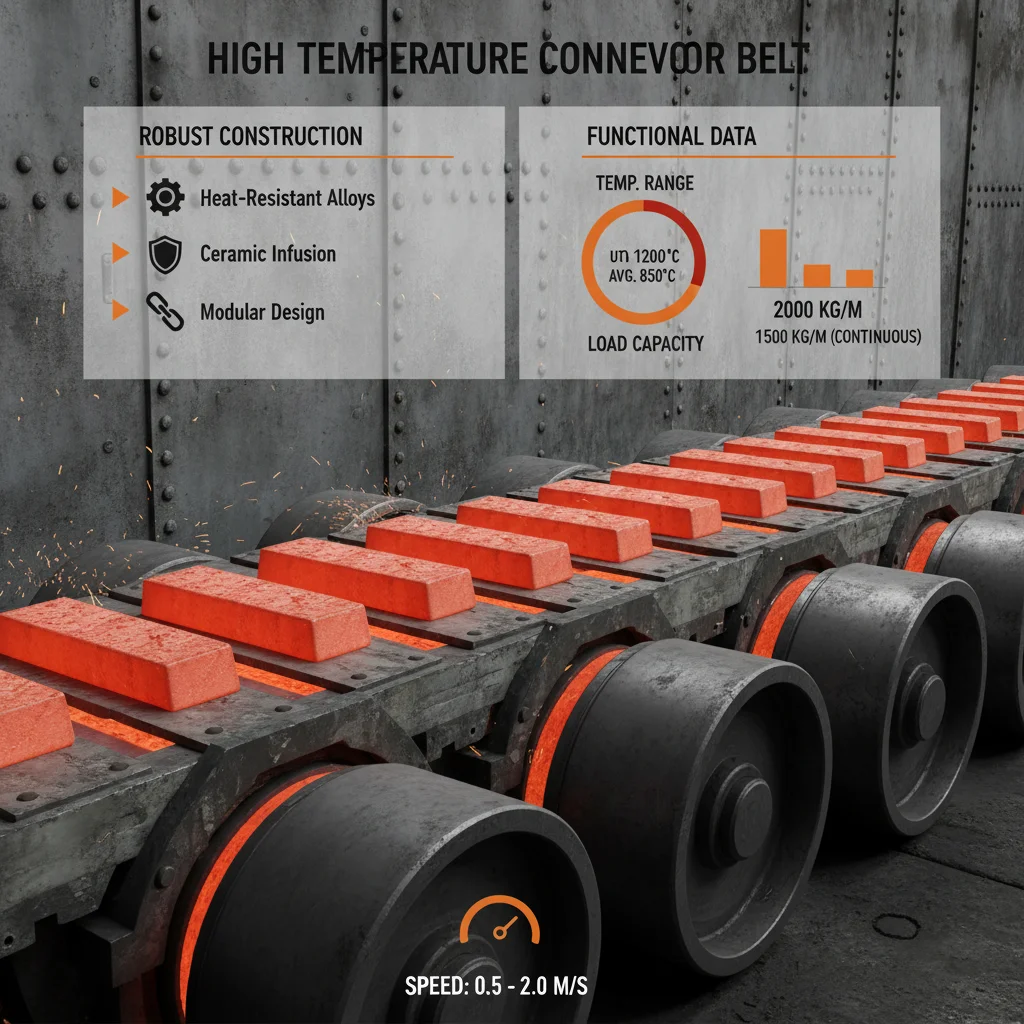
For high-temperature applications, stainless steel or specific alloy steels are highly recommended. These materials provide superior thermal stability and resistance to oxidation, ensuring that the links do not warp or degrade when exposed to extreme heat, which is essential for maintaining the balance of a conveyor system.

Can these chain links be customized for non-standard conveyor widths?

Yes, we specialize in full customization. By analyzing your specific conveyor belt parameters, including width and edge dimensions, we can engineer chain links that provide a perfect matching effect, regardless of whether your system follows standard industry dimensions or a proprietary design.

How do chain links interact with sprocket wheels to ensure efficiency?

The chain links serve as the primary drive interface. When they are precision-matched to the sprocket teeth, they create a positive drive mechanism. This eliminates slippage and ensures that power is transmitted efficiently from the motor to the belt, maximizing overall conveying speed and stability.

What is the typical lifespan of carbon steel vs. stainless steel links?

Stainless steel links offer a significantly longer lifespan in corrosive, wet, or chemically active environments due to their inherent rust resistance. Carbon steel is a highly cost-effective choice for dry, low-corrosion industrial uses but will require more frequent replacement if exposed to moisture.

Are these components compatible with all metal conveyor belt brands?

Because we offer full customization of parameters such as pitch, thickness, and pin diameter, our chain links can be engineered to be compatible with almost any metal conveyor belt system on the market, providing a versatile alternative to OEM parts.

How do I provide the correct parameters for a custom order?

To ensure a flawless fit, you can provide the exact pitch, width, thickness, and pin diameter of your current belt edges. Alternatively, sending us a physical sample of your current link allows our engineering team to perform precise measurements for an exact replica or an upgraded version.

Conclusion

In summary, the operational success of high-performance conveyor systems depends heavily on the precision and material quality of their edge components. By integrating customized chain links with a Compound Balanced Weave Belt, manufacturers can achieve unprecedented levels of stability, wear resistance, and power transmission efficiency. The transition from generic parts to precision-matched interfaces not only reduces unplanned downtime but also lowers the total cost of ownership through extended equipment lifecycles.

Looking forward, the trend toward automation and smarter manufacturing will only increase the demand for components that offer zero-tolerance precision. We recommend that industrial operators conduct a comprehensive wear analysis of their current transmission interfaces to identify opportunities for optimization. Investing in premium alloy or stainless steel components today is the most effective way to safeguard production capacity and ensure long-term industrial reliability. Visit our website: www.jymeshbelt.com

Michael Brown

Michael Brown

Michael Brown is a Production Manager at Yangzhou Jiaoyang Mesh Belt Manufacturing Co., Ltd., overseeing the fabrication of heat treatment mesh belts. With a background in mechanical engineering and lean manufacturing, Michael is responsible for maintaining high production standards and ensuring timely delivery of customized solutions. He leads a team
Previous Industrial Balanced Spiral Conveyor Belt for Heavy Duty Loads
Next Industrial Honeycomb Conveyor Belts for High Heat Stability

If you are interested in our products, you can choose to leave your information here, and we will be in touch with you shortly.