In the demanding world of industrial material handling, precision and stability are non-negotiable. The Balanced Spiral Conveyor Belt represents a sophisticated evolution in conveying technology, designed to move heavy-duty industrial loads with absolute accuracy. By integrating high-grade stainless steel with a specialized chain-driven mechanism, these systems solve the age-old problem of belt drift and deformation in high-stress environments.
Across global manufacturing sectors, the need for a transport solution that can withstand extreme thermal and chemical stress while maintaining perfect synchronization is paramount. The implementation of a Balanced Spiral Conveyor Belt ensures that production lines in food processing, pharmaceutical, and automotive industries operate with minimal downtime. These systems are engineered to bridge the gap between heavy-duty capacity and surgical precision.
Understanding the technical nuances of these systems allows engineers to optimize throughput and reduce long-term operational costs. Whether dealing with high-temperature quenching or hygienic food freezing, the Balanced Spiral Conveyor Belt provides a reliable, corrosion-resistant foundation for modern automated production.

Technical Architecture of Balanced Spiral Conveyor Belt
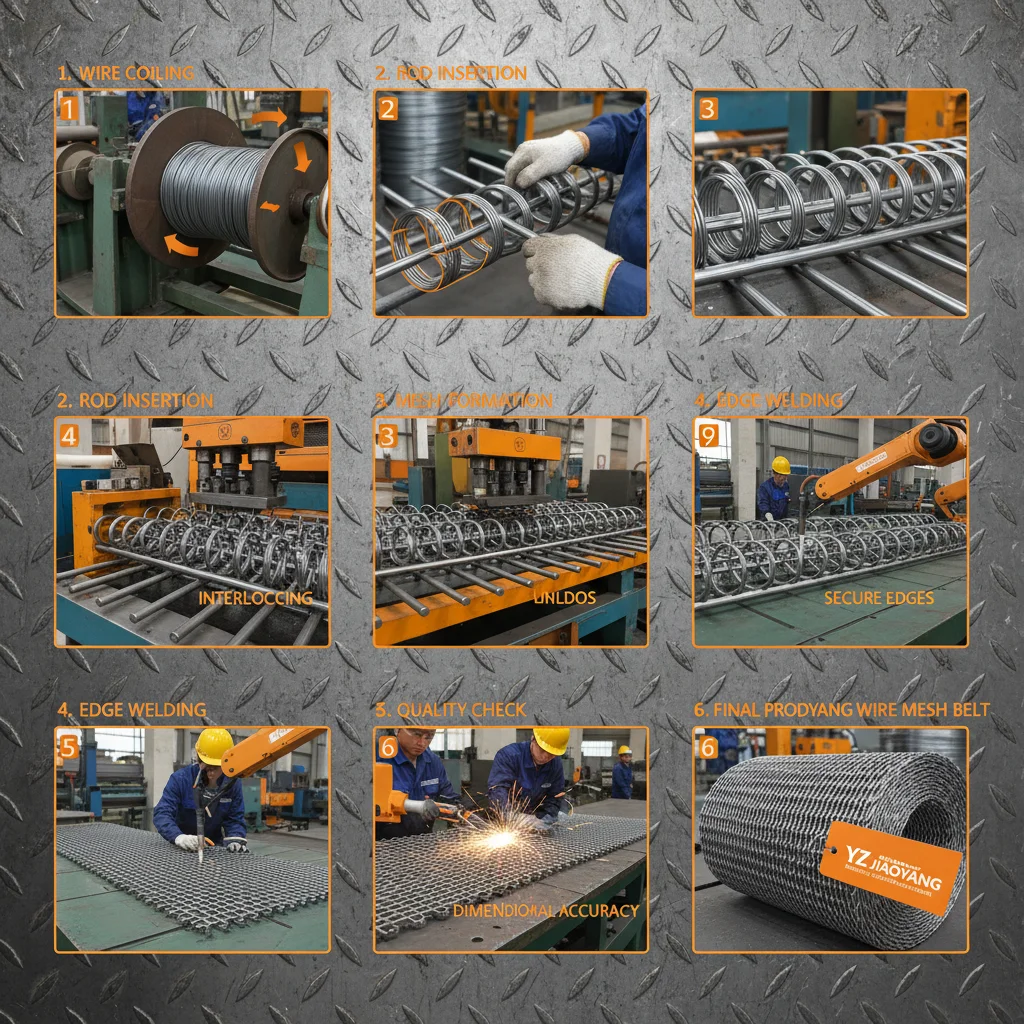
The technical foundation of the Balanced Spiral Conveyor Belt lies in its precision-driven chain system. Unlike standard mesh belts that rely on friction, this architecture utilizes robust chains and integrated support rods linked by cross rods. This ensures that the belt remains perfectly centered, effectively eliminating the risk of belt deviation even when transporting heavy industrial loads.
Furthermore, the versatility of the system is enhanced by its available weave configurations. From balance weave and conventional weave to eyelink and filter mesh options, the architecture can be tailored to specific drainage or structural requirements. This modularity allows the system to adapt to various tension levels and load distributions without compromising the structural integrity of the stainless steel mesh.
Global Industry Context and Relevance
In the current global manufacturing landscape, the demand for high-efficiency material handling is driven by the push toward Industry 4.0. Across Europe, Asia, and North America, factories are implementing more stringent ISO standards for hygiene and precision. The Balanced Spiral Conveyor Belt addresses these challenges by providing a system that minimizes human intervention and maximizes uptime.
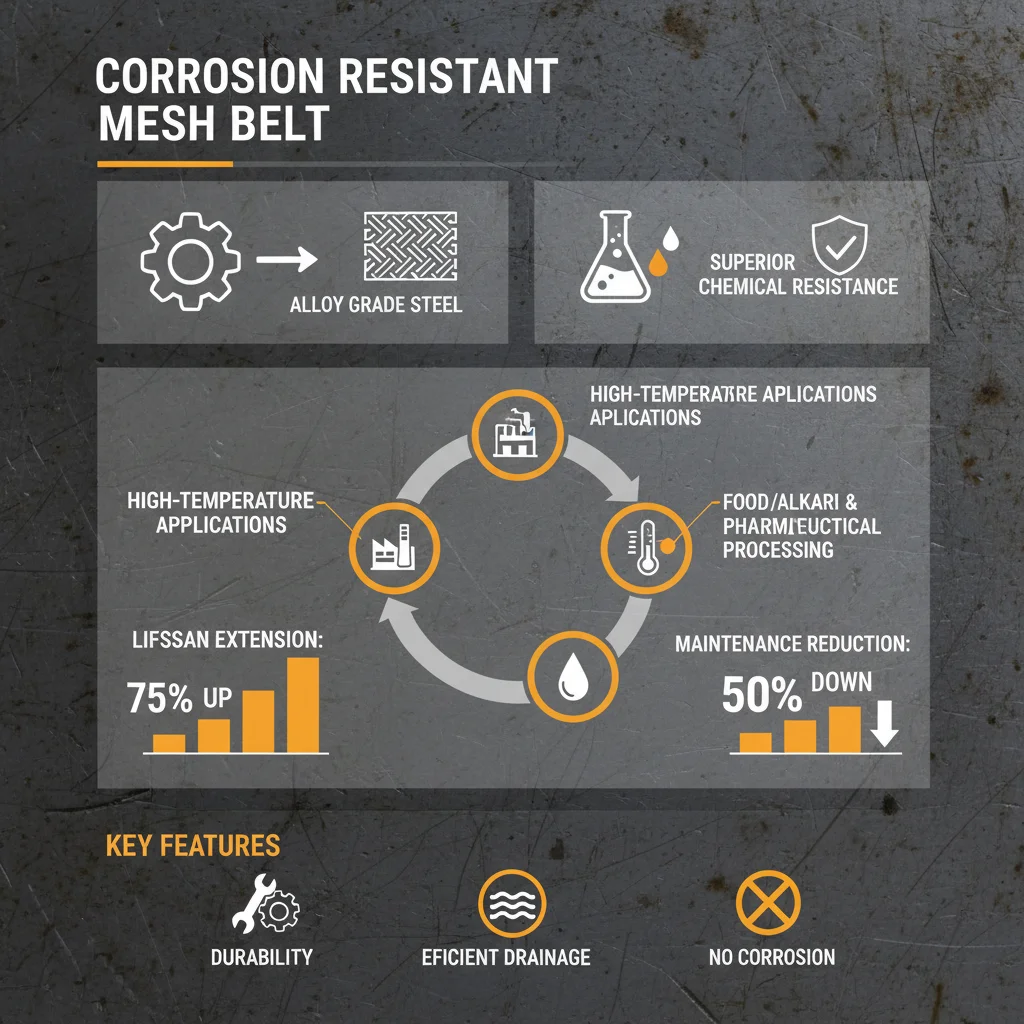
One of the primary challenges in heavy-duty conveying is the degradation of belts under extreme thermal or chemical stress. In sectors like automotive parts manufacturing or large-scale chemical processing, standard belts often fail due to corrosion or thermal warping. The use of high-grade stainless steel in these specialized belts ensures longevity in the most aggressive industrial environments.
Moreover, the shift toward sustainable production requires equipment that reduces waste. By eliminating belt drift and reducing the frequency of replacements, these precision-driven systems contribute to a more sustainable operational model. The ability to synchronize drive rollers perfectly ensures that energy consumption is optimized across the entire production line.
Core Components and Material Integrity
The durability of a Balanced Spiral Conveyor Belt is primarily derived from its premium stainless steel construction. This material choice is critical for ensuring high tensile strength and exceptional resistance to oxidation. When combined with precision-driven rollers, the system creates a seamless flow that is essential for high-speed production lines.
At the heart of the system is the drive mechanism, where precision chains and support rods work in tandem to maintain tension. The Balanced Spiral Conveyor Belt utilizes either welded or pinned selvages to secure the edges, depending on whether the application requires maximum rigidity for stability or flexibility for easier section replacement.
Beyond the structural steel, the weave type plays a pivotal role in performance. Whether utilizing a filter mesh for drainage or a balance weave for uniform load distribution, the Balanced Spiral Conveyor Belt is engineered to prevent product deformation. This attention to detail ensures that everything from light-duty components to heavy industrial loads is transported safely.
Performance Metrics and Load Optimization
Evaluating the performance of conveying systems requires a look at tracking accuracy and load capacity. While standard mesh belts are often prone to drift, the chain-driven nature of the Balanced Spiral Conveyor Belt provides high-precision tracking. This eliminates the need for frequent manual adjustments and significantly reduces the risk of product spillage or equipment damage.
Load optimization is achieved through the integration of robust cross rods and a high-tensile mesh. This allows the system to handle extreme heavy-duty loads without stretching or warping, which is a common failure point in lower-grade conveying solutions. The following data illustrates the performance advantage of this specialized system across key industrial metrics.
Industrial Performance Comparison for Balanced Spiral Conveyor Belt
Diverse Industrial Applications
The application of the Balanced Spiral Conveyor Belt spans several critical industries. In food processing, its stainless steel construction and open mesh design are essential for meeting strict hygiene standards in baking and freezing operations. The ability to withstand rigorous cleaning and sanitization makes it a preferred choice for meat and pharmaceutical production.
In heavy industrial zones, these belts are indispensable for heat treatment processes. Specifically, in furnaces and quenching tanks, the thermal stability of the material prevents warping at extreme temperatures. Additionally, the automotive industry utilizes these belts for transporting heavy components through assembly and coating stages where precision and strength are equally required.
Long-Term Value and Operational ROI
Investing in a Balanced Spiral Conveyor Belt provides a clear return on investment through the reduction of operational downtime. Standard belts often require frequent tensioning and realignment, which halts production. By contrast, the precision-driven chain system ensures long-term stability, allowing for longer intervals between maintenance cycles.
From a sustainability perspective, the high tensile strength of the stainless steel mesh extends the operational life of the equipment. This reduces the total cost of ownership by minimizing the frequency of full belt replacements. Furthermore, the efficiency of the drive synchronization leads to lower energy costs per unit of material transported.
Beyond the financial metrics, there is a significant value in reliability and safety. A belt that does not drift is a belt that does not cause unexpected mechanical failures or workplace hazards. This consistency builds trust in the production process and ensures a steady, predictable output that is critical for fulfilling large-scale industrial contracts.
Future Innovations in Conveying Systems
The future of conveying technology is moving toward increased automation and intelligent monitoring. We are seeing the integration of wear-monitoring sensors within the chain links of the Balanced Spiral Conveyor Belt, allowing operators to predict failure points before they cause downtime. This transition from reactive to predictive maintenance is a hallmark of the digital transformation in manufacturing.
Additionally, advancements in material science are leading to new alloys that offer even higher thermal resistance and lower friction coefficients. These innovations will allow the Balanced Spiral Conveyor Belt to operate in even more extreme chemical environments, expanding its utility in the advanced aerospace and semiconductor industries.
As green energy becomes a priority, the development of low-friction drive components is reducing the carbon footprint of industrial conveyors. The combination of smarter drive synchronization and eco-friendly materials ensures that these systems will remain the gold standard for material handling for decades to come.
Core Technical Analysis of Balanced Spiral Conveyor Belt Systems
| System Component |
Technical Function |
Performance Impact |
Reliability Score |
| Precision Chain Drive |
Eliminates belt drift |
High Tracking Accuracy |
10/10 |
| Stainless Steel Mesh |
Corrosion resistance |
Extreme Durability |
9/10 |
| Balance Weave |
Uniform load support |
Anti-Deformation |
9/10 |
| Welded Selvage |
Rigid edge bonding |
Maximized Stability |
10/10 |
| Support Rods |
Maintains tension |
Structural Integrity |
8/10 |
| Filter Mesh |
Fluid drainage |
Hygienic Efficiency |
9/10 |
FAQS
The primary advantage lies in the precision-driven chain and roller system. While standard belts are prone to drifting or deviating from the track, the Balanced Spiral Conveyor Belt uses integrated support rods and chains to ensure absolute stability. This results in higher tracking accuracy and the ability to transport significantly heavier industrial loads without deformation.
It is highly beneficial for industries with extreme environments. Food processing (baking/freezing) utilizes its hygienic stainless steel design. Heat treatment facilities (furnaces/quenching) rely on its thermal stability. Additionally, the chemical, pharmaceutical, and automotive sectors use it for corrosion resistance and heavy-duty load capacity.
Yes, the system is highly customizable. Depending on your drainage or filtration requirements, you can choose from balance weave, conventional weave, eyelink belts, or specialized filter mesh belts. This ensures that the belt's surface texture is perfectly matched to the physical properties of the product being transported.
The use of premium high-grade stainless steel provides exceptional resistance to both corrosion and extreme temperatures. This drastically reduces the rate of wear and tear compared to carbon steel or synthetic materials, especially in harsh chemical environments, thereby extending the operational lifespan and reducing replacement costs.
Absolutely. The open mesh design and smooth stainless steel surfaces allow for efficient cleaning and sanitization. This prevents the buildup of residue and meets strict global food safety and pharmaceutical hygiene standards, making it ideal for meat processing and baking lines.
Welded selvages create a permanent, rigid bond that offers maximum stability for extreme heavy-duty applications. Pinned selvages provide more flexibility and allow for the easier replacement of specific belt sections, making them a better choice for applications where modular maintenance is a priority.
Conclusion
The Balanced Spiral Conveyor Belt represents the pinnacle of precision material handling, combining high-tensile stainless steel with an advanced chain-driven mechanism. By solving the critical issues of belt deviation and thermal deformation, this system ensures that heavy-duty industrial processes remain efficient, hygienic, and stable. From food processing to automotive manufacturing, the long-term value is evident in reduced downtime and enhanced operational ROI.
Looking forward, the integration of predictive maintenance and smarter alloys will only further cement the role of these belts in the era of Industry 4.0. For companies seeking to optimize their production flow and guarantee absolute precision in transporting industrial loads, upgrading to a chain-driven system is a strategic necessity. Visit our website for more information: www.jymeshbelt.com