
Wire Mesh Lehr Belts
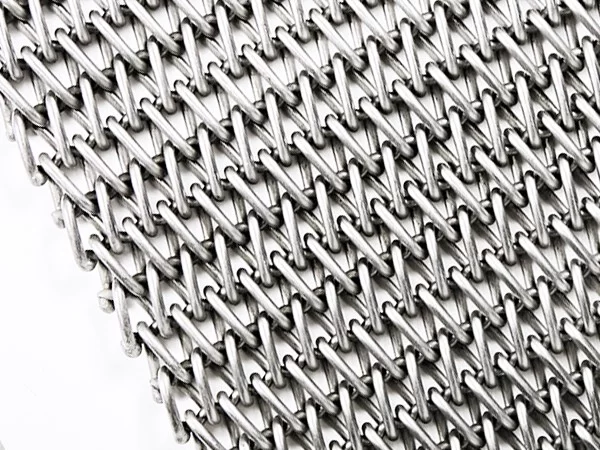
Wire Mesh Lehr Belts
Contact Us Now >
Download
Wire Mesh Lehr Belts are specialized conveyor belts designed for the glass industry's annealing and decorating processes. They ensure the smooth and stable transportation of glass containers through lehr furnaces, where controlled cooling relieves internal stresses and enhances product durability.
For over 30 years, PFM SCREEN has been a global leader in designing and manufacturing premium Wire Mesh Lehr Belts, essential for the glass industry’s annealing and decorating processes. Our belts ensure the safe, stable conveyance of glass containers through extreme temperatures, enabling precise stress relief and enhancing product durability. Trusted worldwide, PFM SCREEN’s lehr belts combine innovative engineering with uncompromising quality to deliver unmatched performance in the most demanding environments.
Key Features
• Smooth Conveying Surface: Provides stability for glass products during transit.
• Minimal Belt Stretch: Ensures longer belt life and consistent performance.
• Accurate Tracking: The balanced weave design offers precise tracking, reducing maintenance needs.
• Customizable Widths: Available in widths exceeding 5 meters to accommodate various industrial requirements.
Construction and Materials
Construction
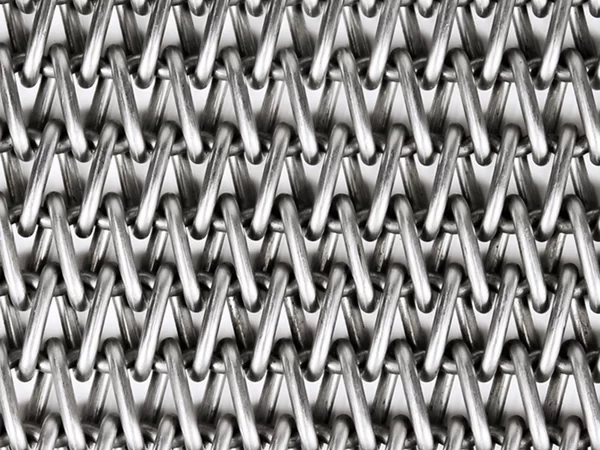
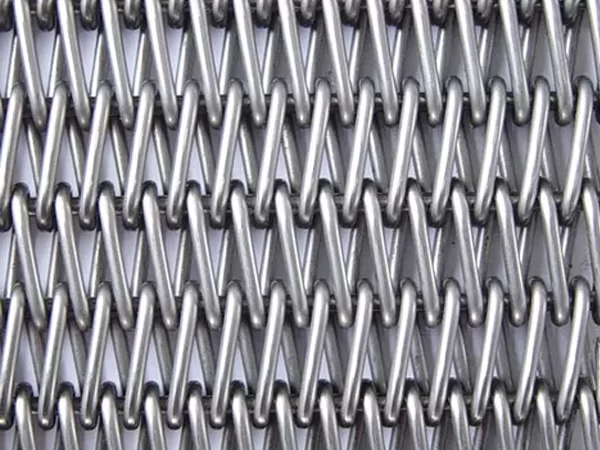
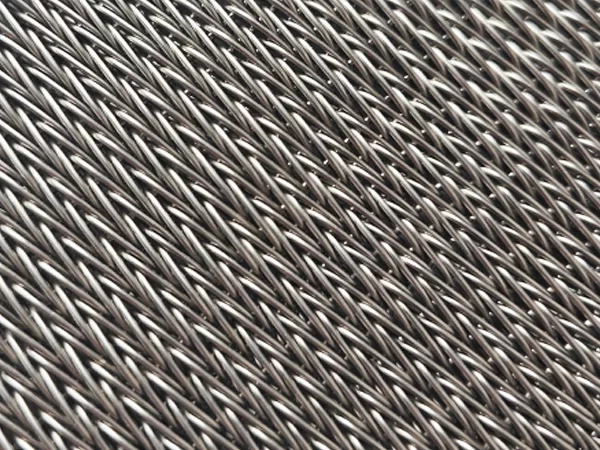
• Balanced weave structure, comprising alternating right and left-hand flattened spirals connected by crimped rods. This design ensures locked-in spirals for straight tracking and product stability. Edges are welded for added durability.
• Compound weave structure, balanced spiral belt with multiple spirals and cross rods per pitch, resulting in minimal apertures and a flat surface. This structure ensures a close and flat mesh, ideal for conveying very small items.
Materials
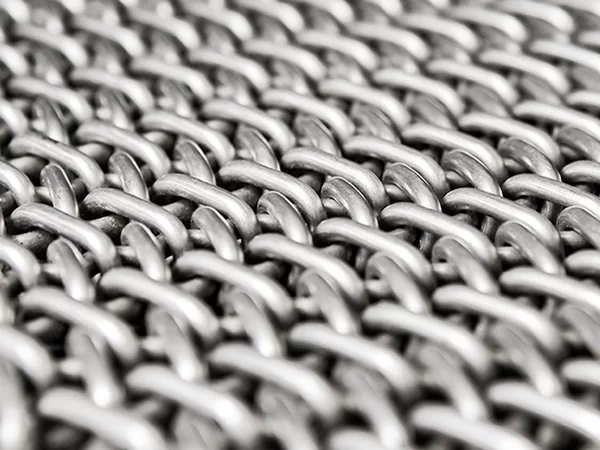
• Chrome Molybdenum Steel: Suitable for high-temperature applications.
• 430 Stainless Steel: Offers corrosion resistance and durability.
• 304 Stainless Steel: Provides excellent corrosion resistance and strength.
These materials enable the belts to withstand operating temperatures up to 1200°C, depending on the specific material used.
Belt Types
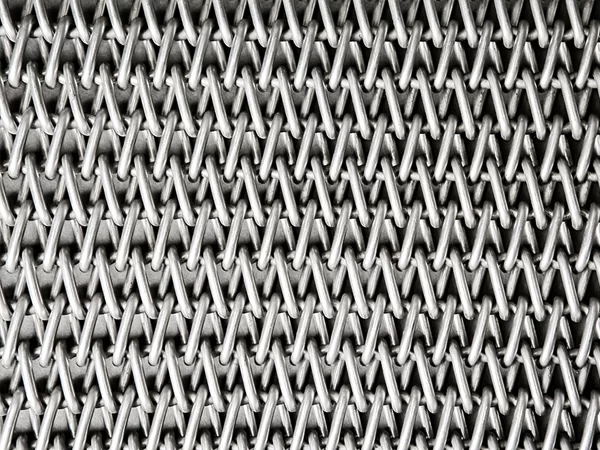
Round Wire Spirals Lehr Belts
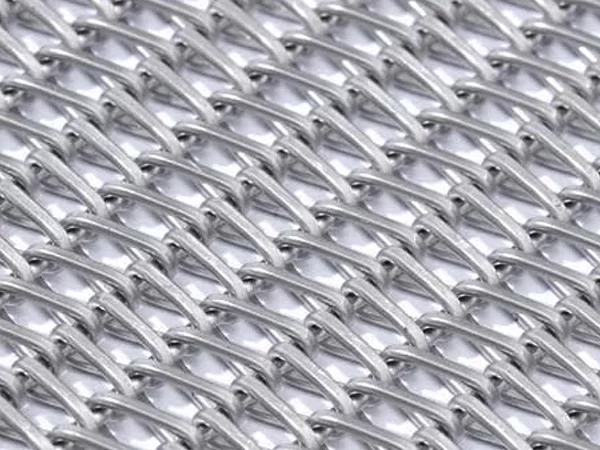
Flattened Wire Spirals Lehr Belts
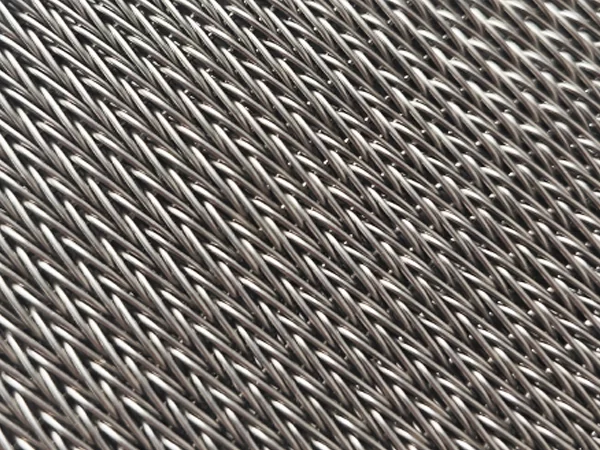
Compound Weave Lehr Belts ( Round or Flattened Wire )
Edge Availability
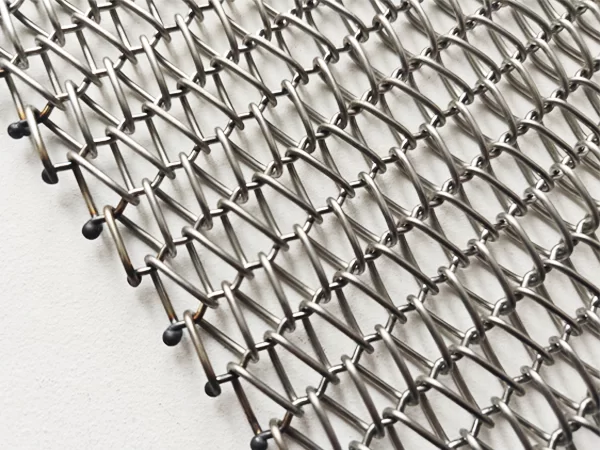
Lehr Belts with Welded Edge
The most common and cost-effective edge finish. Welding both the coil and crimp wires eliminates cut wire ends.
Specifications
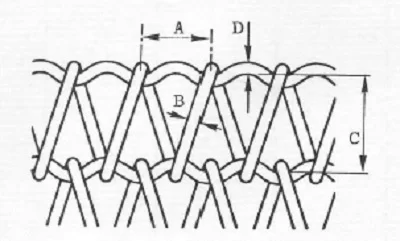
Balanced weave structure
A: Spiral Wire Pitch (mm) B: Spiral Wire Diameter (mm)
C: Cross Rod Pitch (mm) D: Cross Wire Diameter (mm)
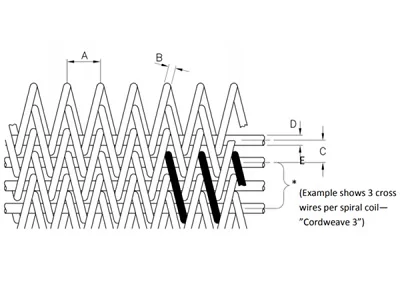
Compound weave structure
A: Coil Pitch (mm) C: Cross Wire Pitch (mm)
B: Coil Wire Diameter (mm) D: Cross Wire Diameter (mm)
E: Number of Cross Wires per Spiral Coil (mm)
| Material | Carbon Steel, 430 Stainless Steel, 304 Stainless Steel, 314 Stainless Steel, etc. |
| Coil wire diameter |
Round wire: 1 to 4 mm Flat wire: 1.2 x 0.8 mm to 4 x 2 mm |
| Cross Wire diameter | 1.5 to 5 mm |
| Cross wire pitch | 6.5 to 40 mm |
| Coil wire pitch | 3 to 33 mm |
| Belt width | 35 mm to 5000 mm |
| Operating temperature |
Carbon steel: 538°C Stainless steel: 1120°C Nickel Chrome: 1200°C |
Wire Mesh Lehr Belts are primarily used in:
• Glass Annealing: Facilitating controlled cooling of glass products to enhance strength.
• Decorating Processes: Ensuring stable transport during surface treatments of glass containers.
• Baking Ovens: Suitable for high-temperature baking applications.
• High-Temperature Conveyance: Ideal for environments requiring heat-resistant conveyor solutions.
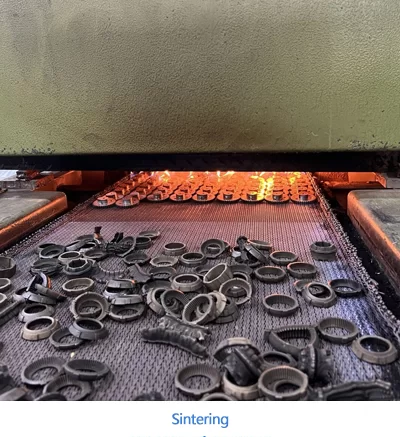
Sintering
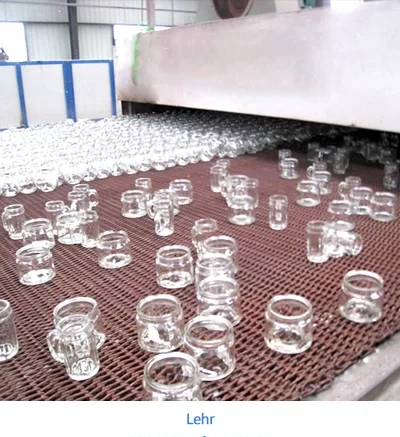
Lehr
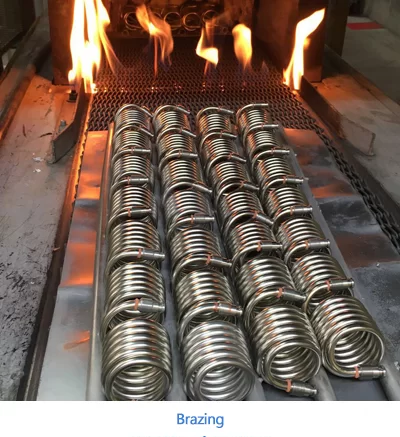
Brazing
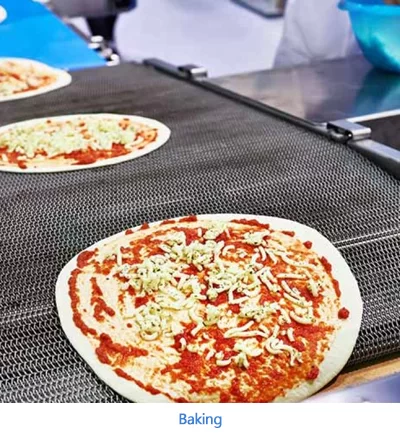
Baking
-
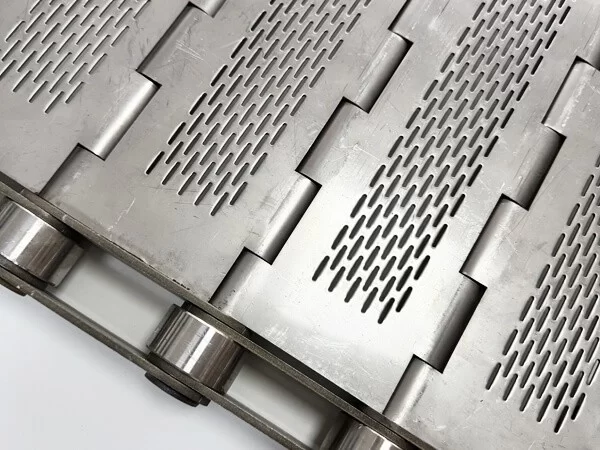 Plate Link Conveyor Belts
Plate Link Conveyor Belt is very strong, driven by stainless steel chain, made of stainless steel plate, and very suited to heavy load applications, running smoothly in the conveying process, easy to install and replace, and long in service life. Its self-supporting structure makes it be used over large widths without any support. PFM Screen’s Plate Link belt features an extremely robust design and high load capacity, making it the perfect choice for arduous engineering processes such as presswork, die-casting and forging.
-
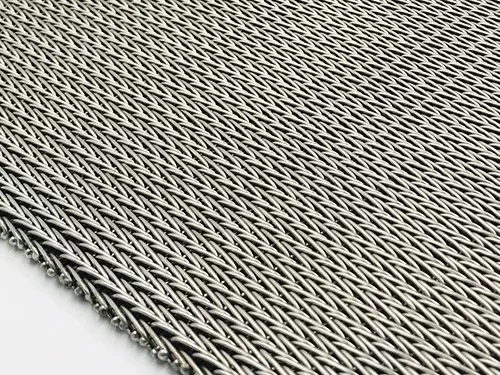 Compound Balanced Weave Conveyor Belt With Welded Edge
aka chevron conveyor belt with welded edge aka Compound weave mesh belt with welded edge
Compound Balanced Weave Belts with Welded Edge.The standard available type of edge finish for this application is welding, facilitated by the close meshing of both the crimp and cross wire.
-
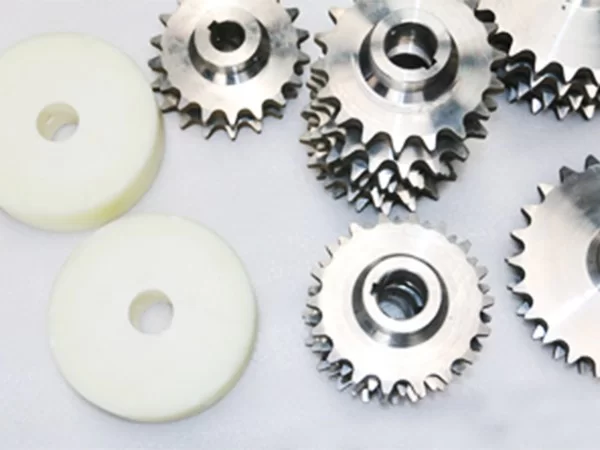 Sprockets
Jiaoyang offers a comprehensive range of standard sprockets and can also manufacture to order sprockets for new or replacement applications to suit any specified belt.
-
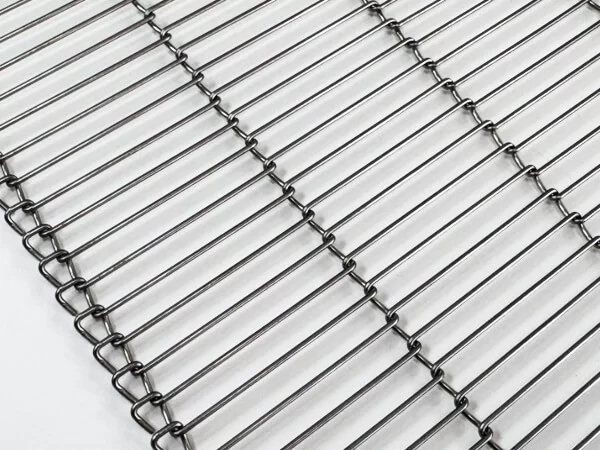 Flat Flex Conveyor Belts
Flat Flex Conveyor Belts also known as Enrober Conveyor Belts, Rod Network Conveyor Belts are distinguished by their unique construction and versatile applications. These belts are constructed from a series of looped wires that interlock with one another, creating a flexible and robust mesh. The simple structure makes it economical and lightweight. It can help to save costs and reduce downtime.
-
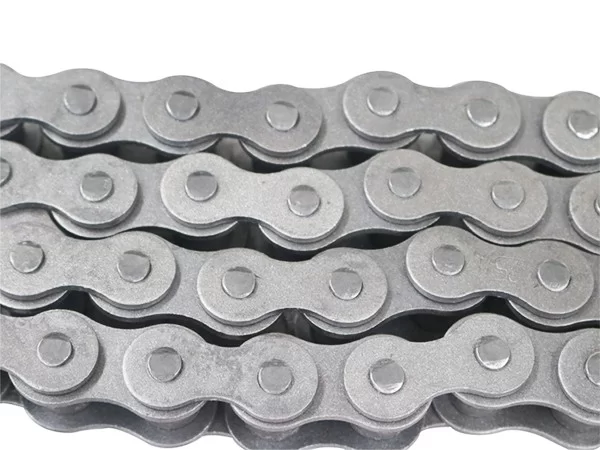 Chain Links
Chains links are important components and accessories in the whole conveyor belt system. They are used combined with sprockets as a drive system to ensure stable and smooth conveying and transmitting. We can supply all kinds of chain links for you.
-
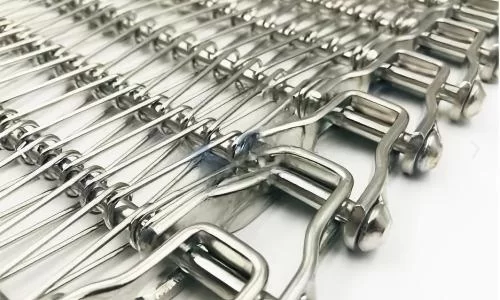 Flexible Rod Conveyor Belts
Flexible Rod Conveyor Belts :Also known as Grid Link Conveyor Belts.It is ……
-
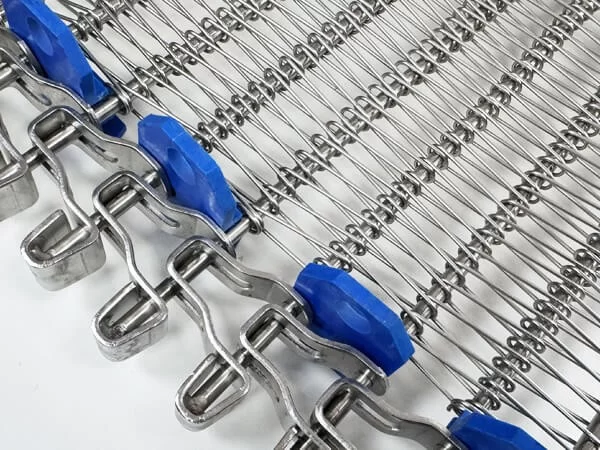 Edge Drive Spiral Freezer Belts
Edge Drive Spiral Freezer Belts are precision-engineered stainless steel conveyor belts used in spiral freezers across the food processing industry. Designed for edge-driven systems, these belts provide stable, hygienic, and efficient transport of food products during the freezing process. They are ideal for high-capacity operations where product integrity, airflow, and hygiene are critical.
-
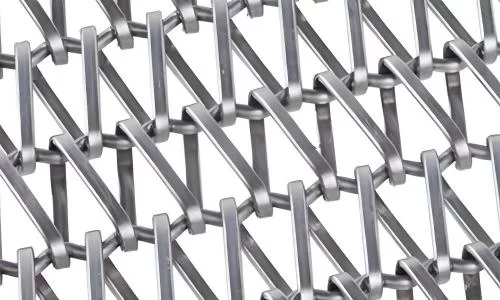 Veneer Dryer Wire Mesh Belts
Veneer dryer wire mesh belts are essential components in continuous veneer drying systems, widely used in plywood and panel manufacturing. These belts are designed to withstand high temperatures, provide stable transport, and allow optimal air circulation, ensuring uniform drying of wood veneer sheets. Made from high-quality metal or heat-resistant synthetic materials, these belts contribute to energy efficiency, reduce product defects, and enhance drying line productivity.
-
 March 25, 2026The Versatile Flat Flex Conveyor Belt for Efficient Material HandlingLet me tell you, after years on construction sites, knee-deep in dust and dealing with all sorts of conveyor headaches, a good, reliable system is worth its weight in gold. We’re talking about moving materials – everything from aggregates to finished goods – and time is absolutely money. That’s where the Flat Flex Conveyor Belt comes in. It’s not just another piece of equipment; it’s a productivity booster, a safety enhancer, and frankly, a sanity saver. I’ve seen projects grind to a halt because of conveyor issues, and a robust, easily maintained system like this can prevent a lot of trouble. What I appreciate most, having spent countless hours troubleshooting on-site, is simplicity. Complicated systems mean more downtime and the need for specialized technicians. The beauty of a well-designed Flat Flex Conveyor Belt is its straightforward design. It's easy to install, even in tight spaces, and maintenance is minimal.
 -
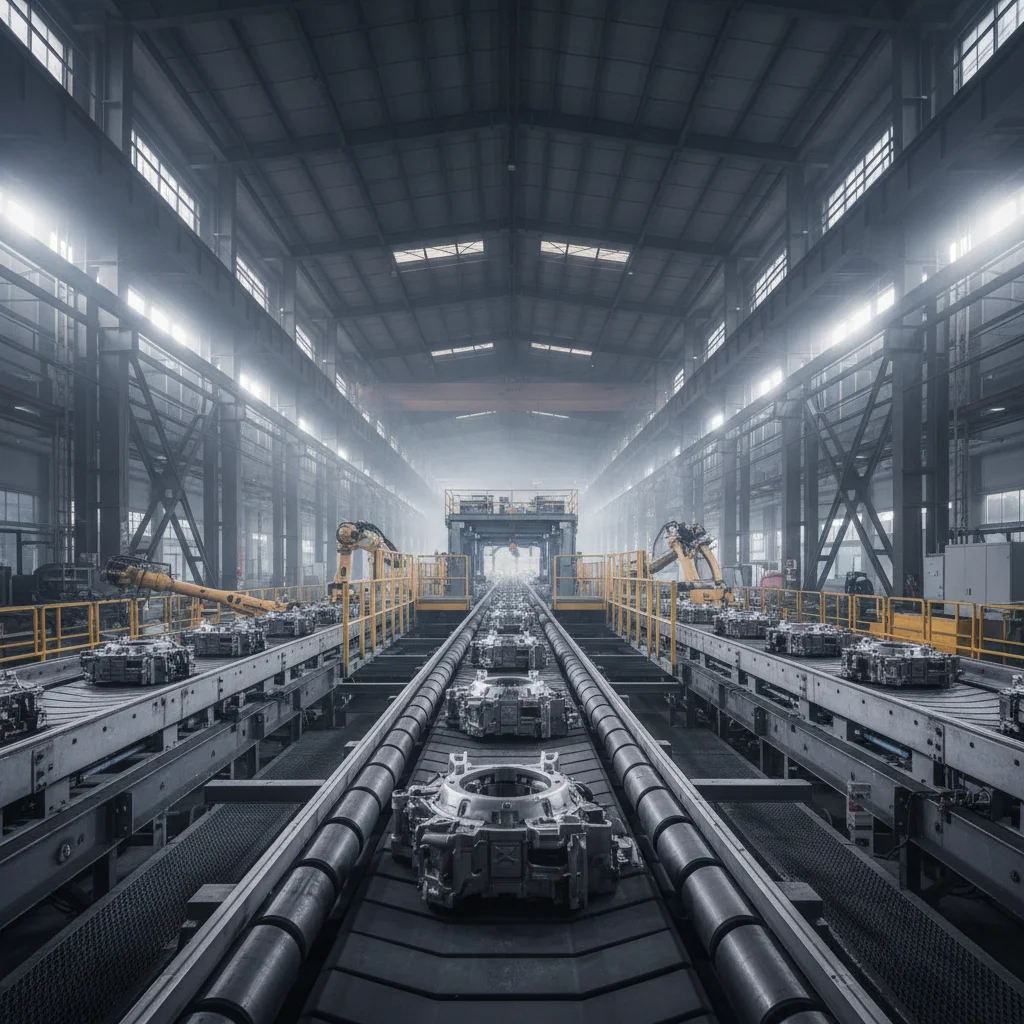 April 03, 2026The Indispensable Role of a Conveyor Belt System in Modern Construction ProjectsLook, I’ve spent the last 20 years knee-deep in dust and concrete on construction sites, and let me tell you, a reliable conveyor belt system isn't just a convenience, it's a backbone. We’re talking about moving materials efficiently, safely, and consistently. It’s the difference between a project that runs smoothly and one that spirals into costly delays. It’s a tool that impacts every single phase, from initial groundwork to the final finishing touches.
 -
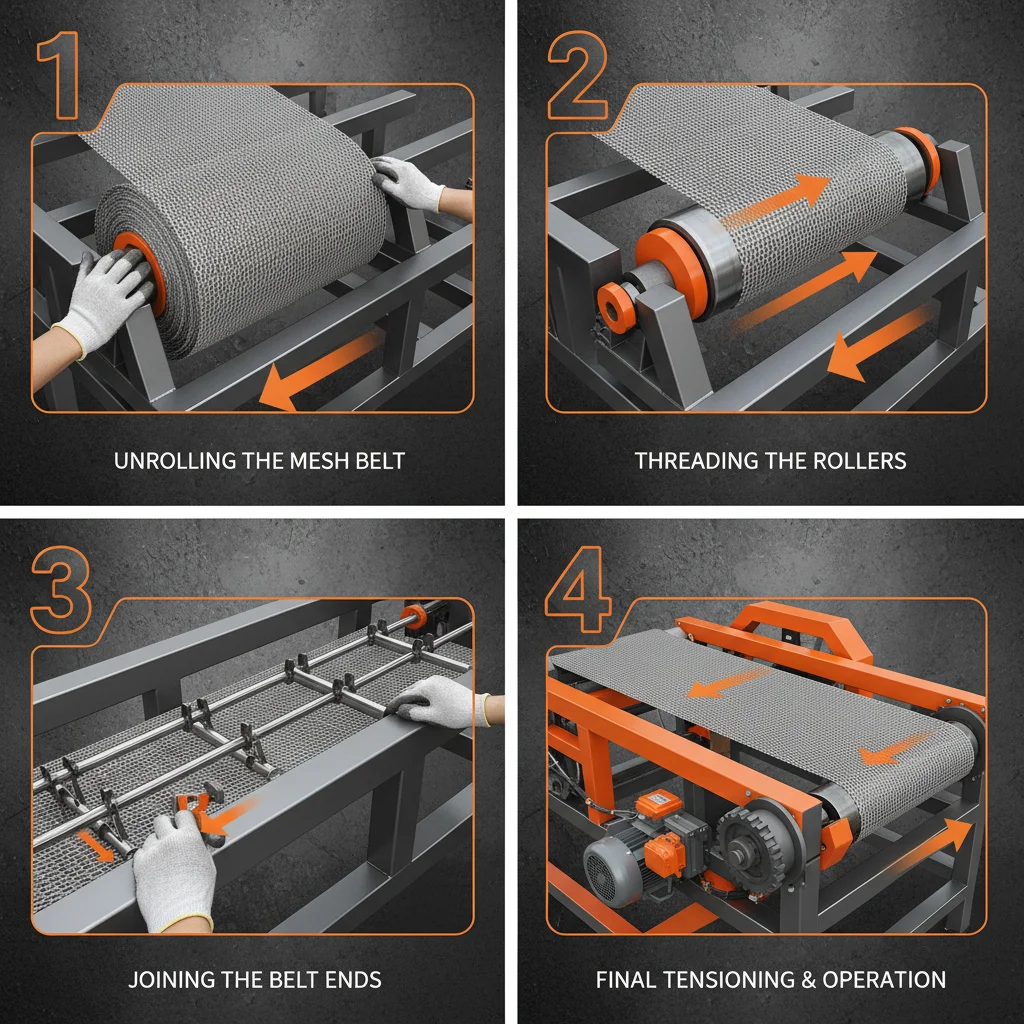 March 30, 2026Investing in a Reliable Dryer Mesh Belt for Efficient Material HandlingLook, I've spent years in the dirt, watching things get built – everything from simple warehouses to massive processing plants. And let me tell you, moving material is always the bottleneck. It's not glamorous, it's not sexy, but it's where projects live or die. That's where a solid Dryer Mesh Belt comes in. It's not just a conveyor; it’s the backbone of efficiency, and frankly, a sanity saver for everyone on site.
 -
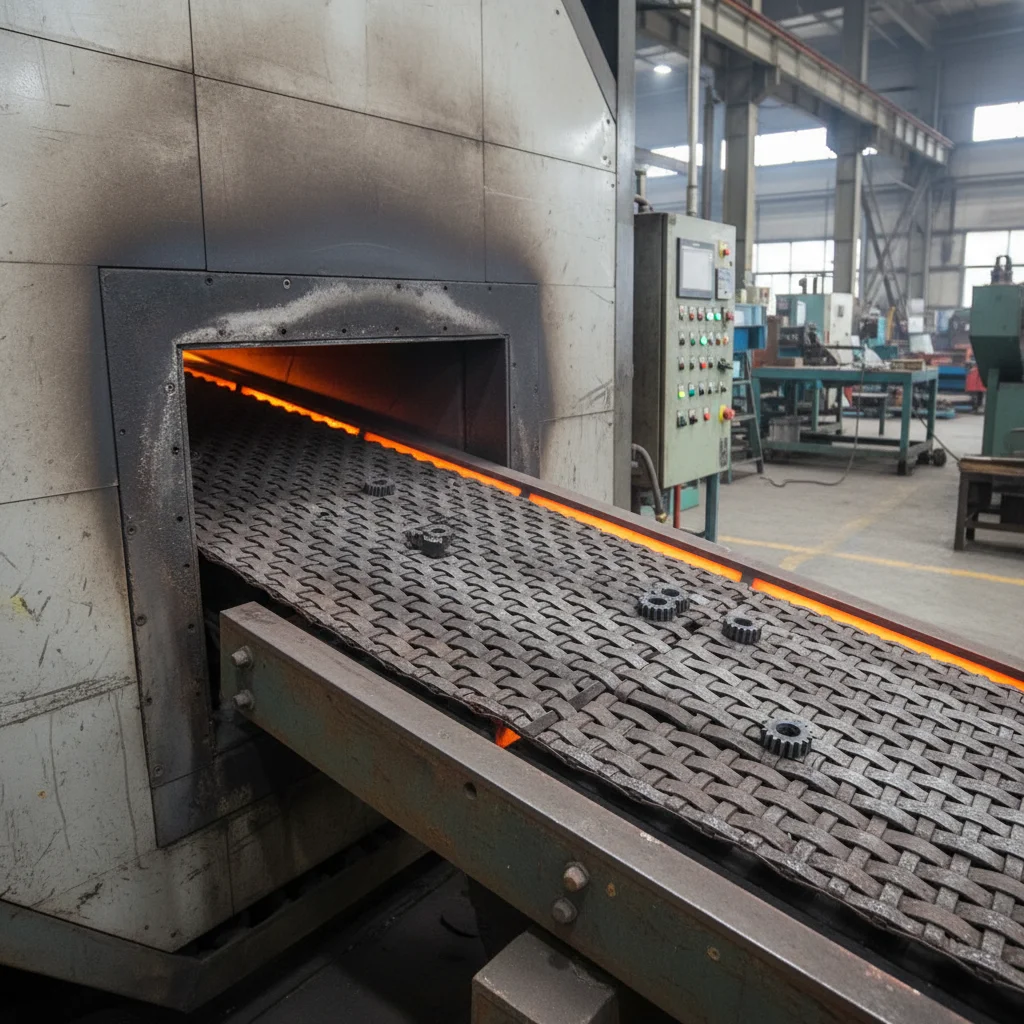 March 24, 2026Optimizing Sintering Processes with High Performance Sintering Furnace Mesh Belt SolutionsIn the realm of heat treatment processes, particularly sintering, the efficiency and reliability of the material handling system are crucial. A sintering furnace mesh belt plays a pivotal role in ensuring consistent product quality and maximizing throughput. This article will delve into the intricacies of these belts, exploring their construction, benefits, applications, maintenance, and future trends. We will also examine how selecting the right mesh belt can significantly impact your sintering process and overall operational costs. A high-quality belt means reduced downtime and a more consistent final product. A sintering furnace mesh belt is a continuous belt made of interwoven metal wires, designed to transport materials through a high-temperature sintering furnace. Sintering is a heat treatment process used to bond particles together without melting them, creating a solid mass. The mesh belt provides a stable and consistent surface for the parts to travel on, ensuring uniform heating and preventing damage. These belts are engineered to withstand extreme temperatures, resist oxidation, and maintain their shape under load.
 -
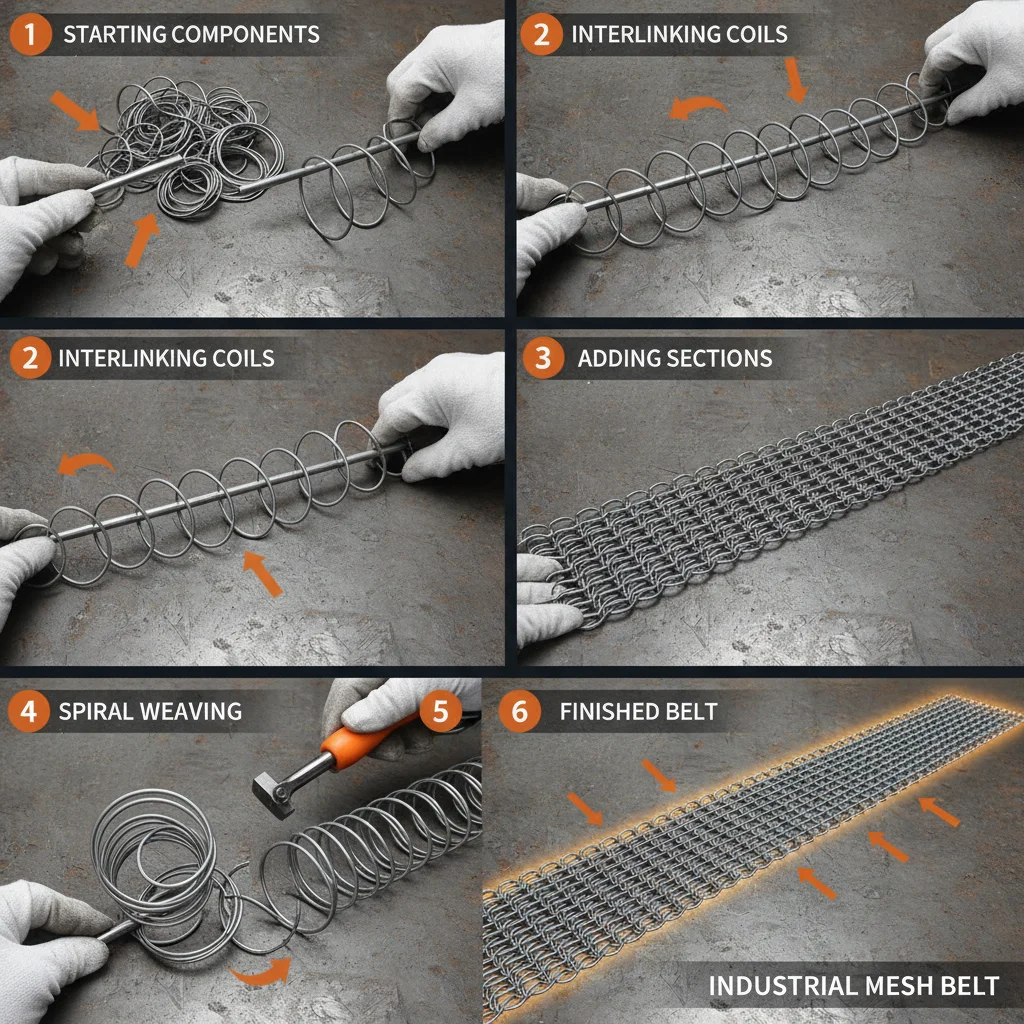 April 07, 2026Comprehensive Guide to Metal Mesh Belt Types Benefits and Industrial ApplicationsMetal mesh belts are indispensable components in a vast range of industrial processes, offering reliable and efficient conveyance solutions. From heat treatment and forging to food processing and packaging, these belts excel in demanding environments. This article explores the types, benefits, applications, and considerations for selecting the right metal mesh belt for your specific needs. Understanding their construction and properties is key to optimizing your production line.
 -
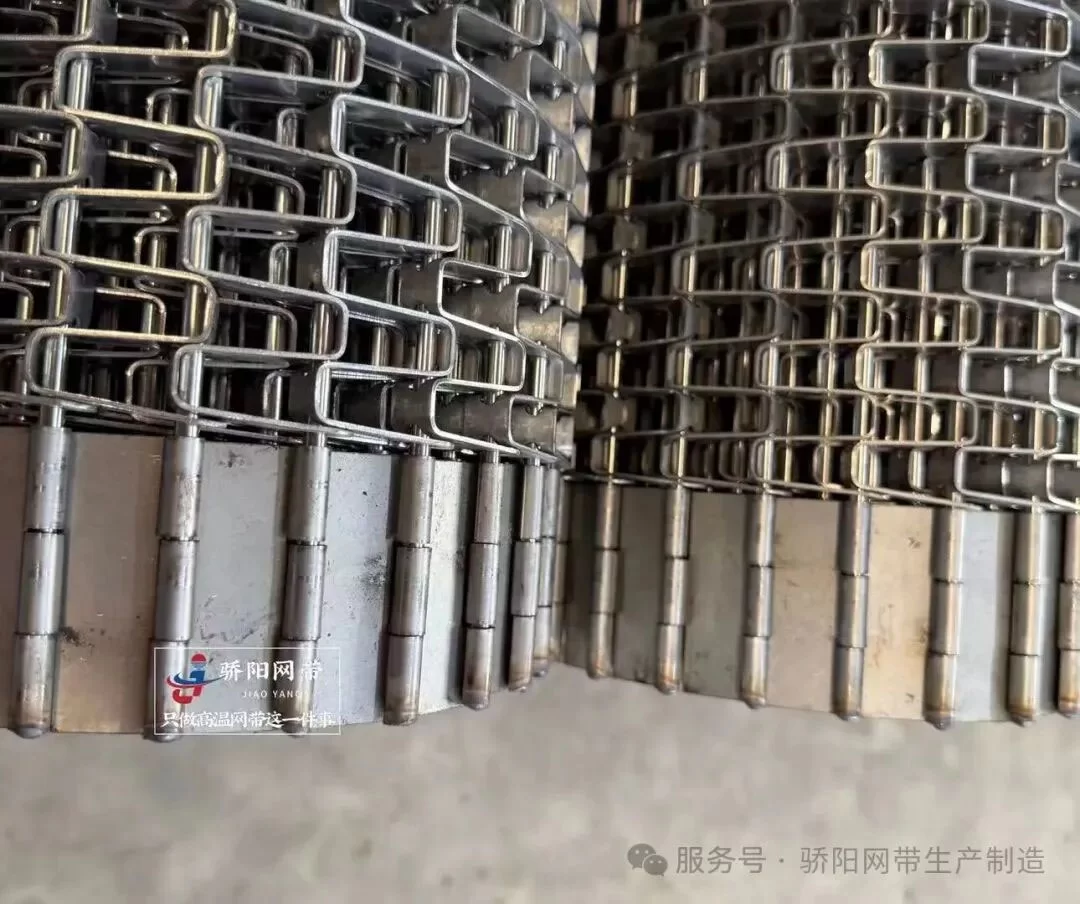 February 01, 2026What Are The Advantages Of The Great Wall Mesh Belt And Jiaoyang Products?
Jiaoyang selects excellent stainless steel materials, which meet the standards for strength, corrosion resistance, and wear resistance. Each batch of materials supports traceability.
-
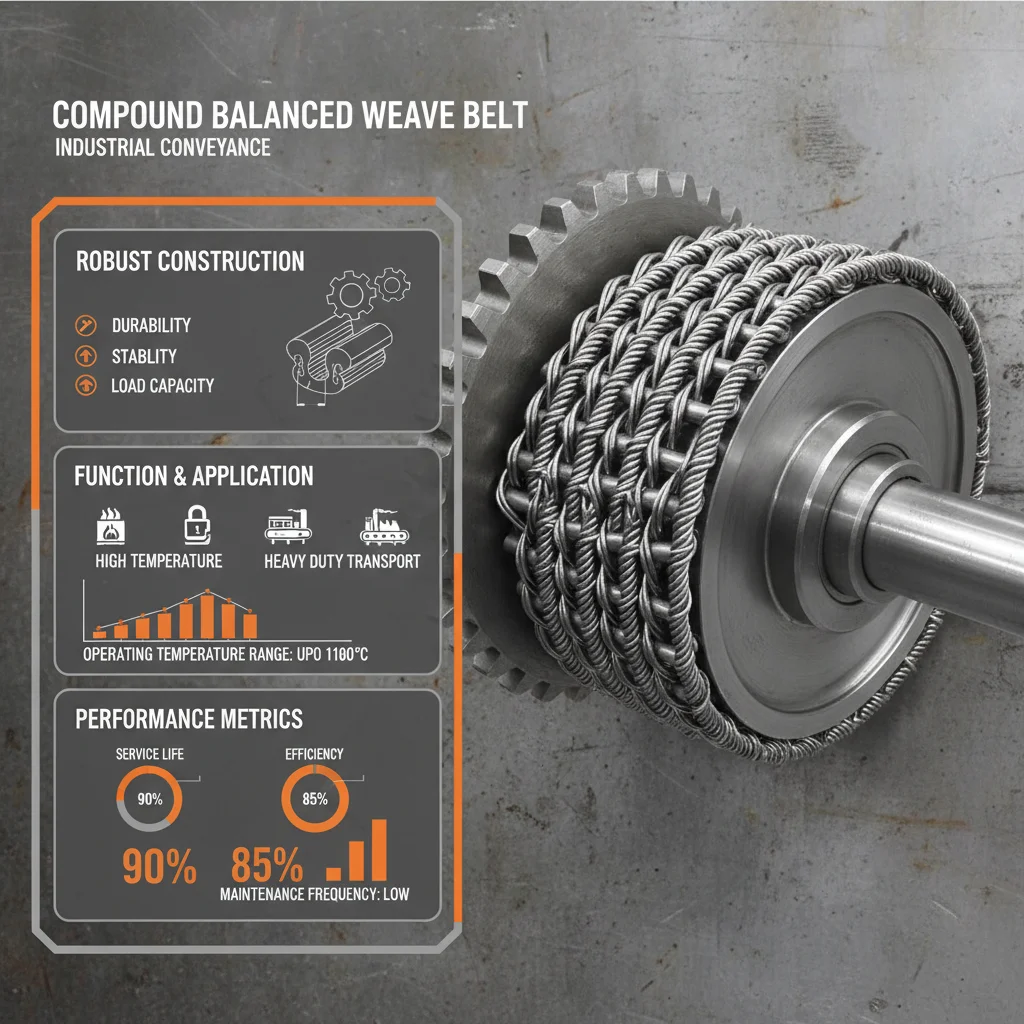 March 23, 2026HighPerformance Conveyor BeltsEngineered solutions for optimal power transmission and reliable performance in diverse industrial applications. Our Compound Balanced Weave Belt combines high-strength materials with exceptional weaving precision, delivering unparalleled performance and reliability. It is engineered to meet the demands of the most challenging industrial environments. We offer belts crafted from premium materials, withstanding heavy loads and extreme conditions without compromising performance.
 -
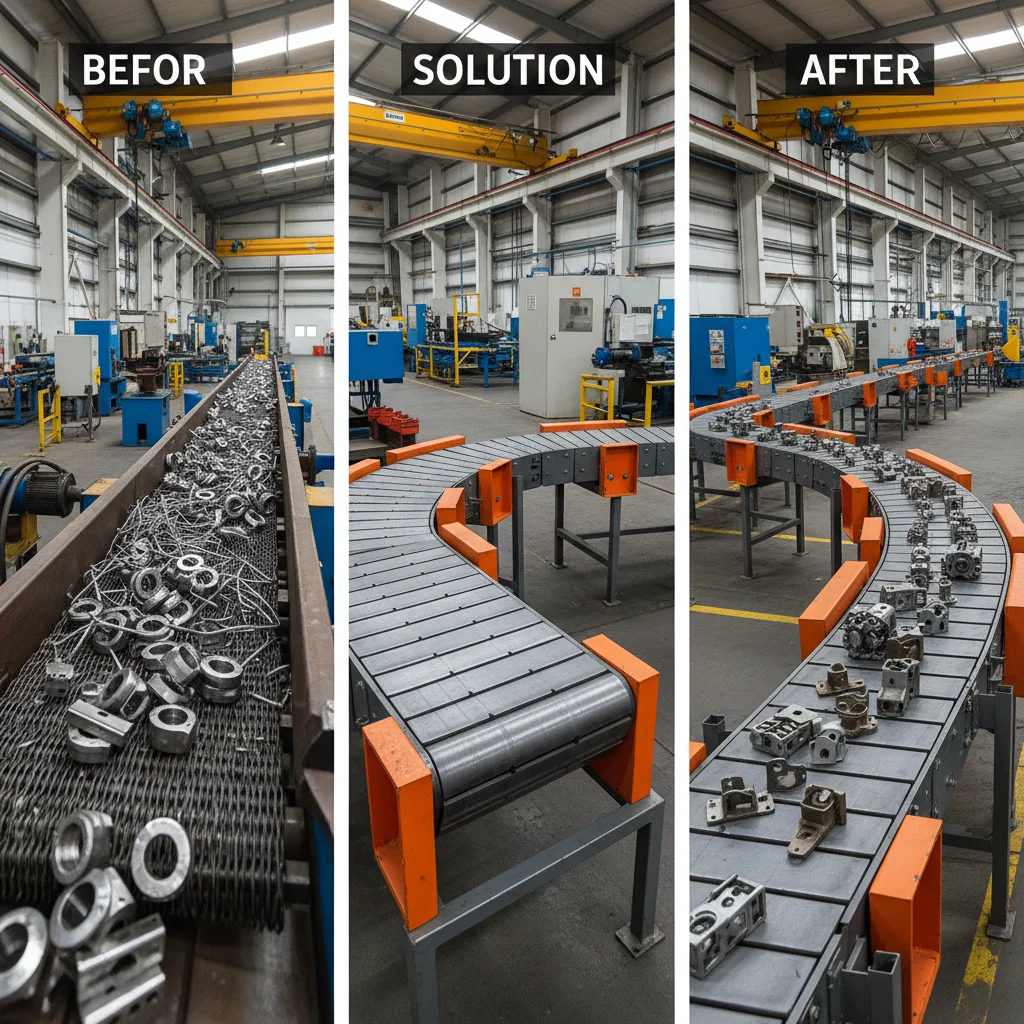 March 17, 2026Comprehensive Guide to Flat Wire Conveyor Belt Technology and ApplicationsIn the realm of material handling, efficiency and reliability are paramount. Flat wire conveyor belts have emerged as a versatile solution for a wide range of industries, offering a smooth, consistent surface for transporting products. This article provides an in-depth look at flat wire conveyor belts, their benefits, applications, and key considerations when selecting the right belt for your needs. We'll explore why they've become a preferred choice for many companies seeking to optimize their processes. Flat wire conveyor belts are constructed from a series of flat wires, typically made of stainless steel, interwoven or welded together to form a continuous belt. Unlike traditional fabric belts, flat wire belts offer a consistently stable and smooth surface, making them ideal for applications requiring precise product tracking and minimal marking. They are known for their durability, resistance to corrosion, and ability to withstand high temperatures.
Get Your Custom Solution
Facing challenges with high-temperature conveying? Contact us now.
Our engineers will provide you with expert product consultation and tailored solutions.
Sign up
for our Newsletter
Subscribe to the weekly newsletter for all the latest updates


