Advanced Industrial Conveying Solutions with Balanced Spiral Conveyor Belt for US Manufacturing

  • Home
  • Global Service
  • Advanced Industrial Conveying Solutions with Balanced Spiral Conveyor Belt for US Manufacturing

Advanced Industrial Conveying Solutions with Balanced Spiral Conveyor Belt for US Manufacturing

Engineering high-precision, heat-resistant, and durable mesh belt systems tailored for the rigorous demands of North American industrial production lines.

Advanced Industrial Conveying Solutions with Balanced Spiral Conveyor Belt for US Manufacturing

Optimizing throughput and thermal efficiency in United States food processing and automotive assembly plants through precision-engineered stainless steel conveyor systems.

Current State of Conveyor Technology in the United States

Addressing the challenges of automation and hygiene standards in North American manufacturing.

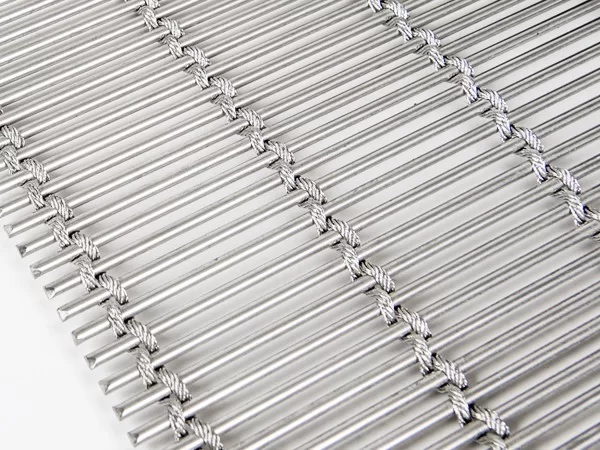
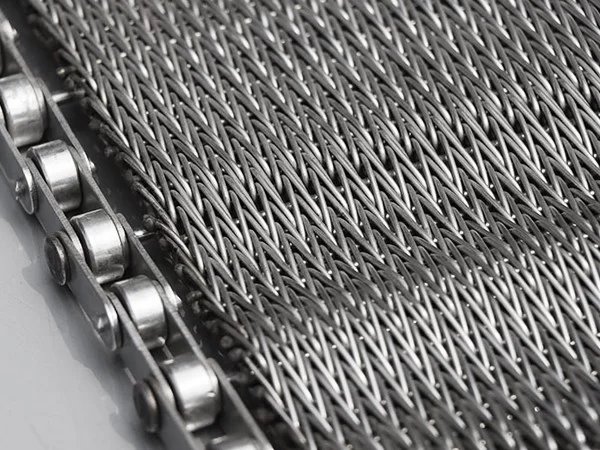
The US manufacturing sector is currently undergoing a massive shift toward "Reshoring," leading to a surge in demand for high-performance Stainless Steel Wire Mesh Belt systems. With strict FDA and USDA regulations, the focus has shifted from simple transport to integrated sanitary design that minimizes bacterial traps in food-grade environments.

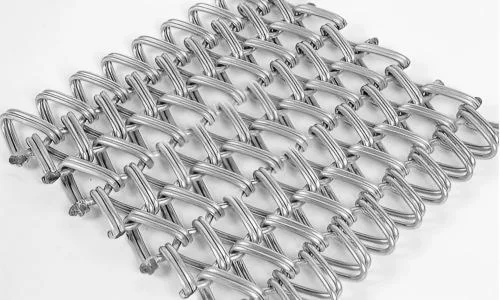
In the Midwest industrial heartland, extreme temperature fluctuations between seasonal peaks demand materials that exhibit low thermal expansion. The adoption of Honeycomb Conveyor Belts has increased due to their superior stability and airflow, which are critical for industrial drying and cooling processes in large-scale facilities.

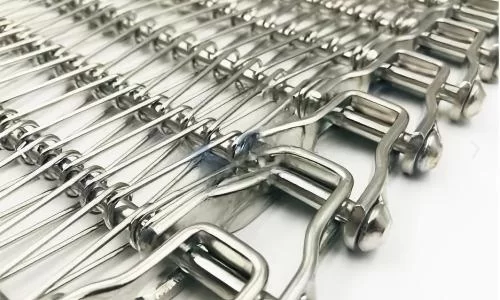
Labor shortages across North America are driving a rapid transition toward fully automated spiral systems. This has made the Balanced Spiral Conveyor Belt a cornerstone of modern space-saving facility layouts, allowing US plants to increase production density without expanding their physical footprint.
Evolution of Mechanical Transmission Belts

From basic wire weaves to precision-engineered balanced systems.

Market Development History

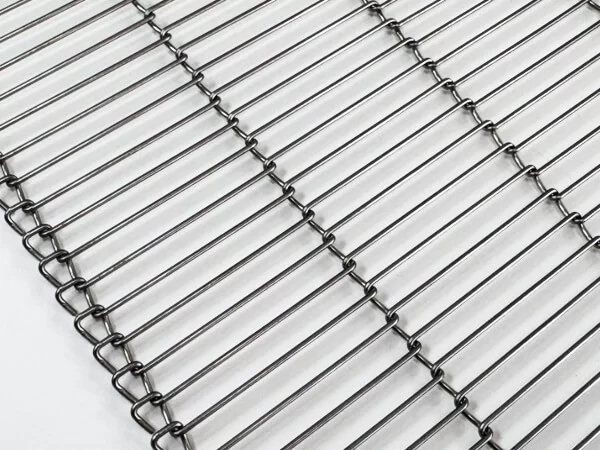
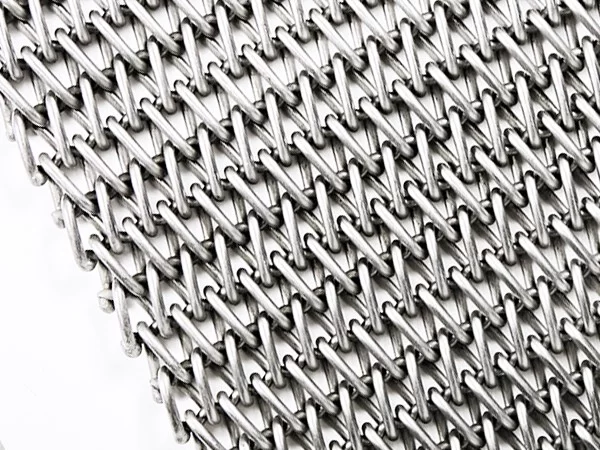
In the early 20th century, US industry relied on heavy carbon steel chains and basic mesh. By the 1970s, the introduction of high-grade 304 and 316 stainless steel revolutionized the industry, introducing the first iterations of the Flat Wire Conveyor Belt for heavy-duty industrial ovens.

The 1990s saw a transition toward "Balanced" technology. Engineers realized that uneven tension caused tracking issues and frequent downtime. This led to the development of the Compound Balanced Weave Belt, which solved the problem of belt drift in high-speed spirals.

Entering the 2020s, the integration of Industry 4.0 has seen these belts paired with smart sensors. Modern belts are no longer just passive components but are designed for specific friction coefficients and heat transfer rates to match automated PLC control systems.

Future Development Trends

Smart Material Integration

Integration of wear-sensing alloys that can alert maintenance teams before a failure occurs, reducing unplanned downtime in 24/7 US operations.

Extreme Temperature Specialization

Development of hybrid weaves that can handle rapid cryogenic freezing and high-heat baking in a single continuous loop.

Eco-Friendly Manufacturing

A shift toward zero-waste production of conveyor components, utilizing recycled high-grade stainless steel to meet US corporate sustainability goals.

Industry Trends and Future Outlook

Predicting the trajectory of transmission components in the US market.

Hyper-Automation Sync
Aligning belt tension and speed with AI-driven robotics for seamless product hand-offs in US warehouses.
Sanitary Redesign
Moving toward "Zero-Gap" weaves to eliminate food residue, meeting the strictest US hygiene audits.
Modular Scalability
Standardizing belt widths for rapid reconfiguration of production lines to handle diverse SKU sizes.
Energy Efficient Drive
Reducing the weight of mesh belts to lower the torque requirements of electric motors, cutting energy costs.

Industry Outlook

Based on Google search trends in the US, there is a growing interest in "Sustainable Industrial Hardware." This suggests that the next 3-5 years will see a pivot toward belts that are not only durable but have a lower carbon footprint in their production process.

Furthermore, as the US continues to invest in semiconductor and EV battery plants, the demand for belts that can operate in clean-room environments with zero particulate shedding will become the primary driver of high-end innovation.

Localized Application Scenarios in the USA

Real-world implementation of conveyor belts across diverse American industries.

01. Texas-Based Industrial Bakeries

Utilizing high-temperature Stainless Steel Wire Mesh Belt systems for massive commercial bread and pastry production, ensuring uniform heat distribution and easy sanitation.

02. California Agri-Tech Processing

Implementing Honeycomb Conveyor Belts for the rapid cooling of fresh-cut produce, leveraging the open-weave structure for maximum air penetration.

03. Midwest Automotive Assembly

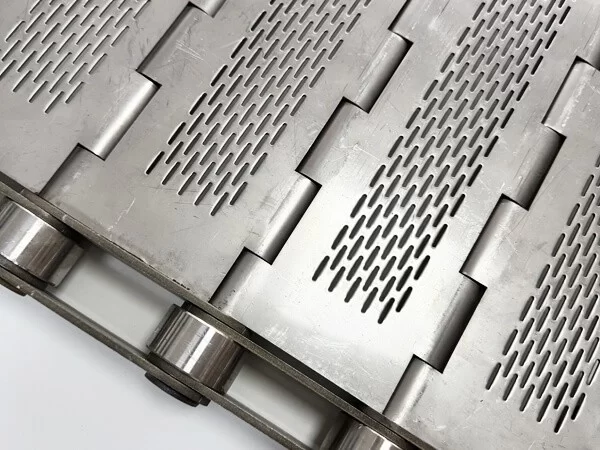
Applying heavy-duty Flat Wire Conveyor Belt solutions for the transport of metal parts through powder coating and curing ovens.

04. East Coast Seafood Processing

Deploying Compound Balanced Weave Belt systems in freezing tunnels to ensure the belt remains centered despite extreme thermal contraction.

05. Southern US Pharma Packaging

Integrating precision Balanced Spiral Conveyor Belt units to maximize vertical space in pharmaceutical packaging plants while maintaining sterile conditions.

Brand Story

Global Development Journey of Yangzhou JiaoYang Mesh Belt Co., Ltd.

Founding Vision

Established to solve the critical failure of belt tracking in industrial ovens, focusing on high-precision weaving techniques.

Technological Breakthrough

Perfected the "Balanced Weave" logic, allowing belts to travel in spirals without the need for constant manual adjustment.

Global Expansion

Expanded our footprint into North America, partnering with US engineering firms to customize belts for American industrial standards.

Quality Standardization

Achieved international certifications to ensure every mesh belt meets the rigorous durability and hygiene requirements of the US market.

Future Mission

To be the primary architectural partner for the US "Smart Factory" movement, providing the physical foundation for automated logistics.

Complete Product Portfolio for the United States Market

A comprehensive range of mechanical transmission solutions designed for durability and precision.

Common Questions for US Industrial Clients

Expert answers regarding the selection and maintenance of wire mesh belts.

How do I choose between a Balanced Spiral Conveyor Belt and a standard mesh belt?

Choose a balanced spiral belt if your production line requires vertical space saving and high-speed rotation, as it prevents the belt from shifting laterally (tracking issues) common in standard mesh.

What are the FDA compliance benefits of a Stainless Steel Wire Mesh Belt?

Our stainless steel belts are non-porous and corrosion-resistant, making them easy to sanitize with high-pressure chemicals, ensuring full compliance with FDA food safety standards.

Can a Compound Balanced Weave Belt handle extreme temperature swings?

Yes, these belts are specifically engineered to maintain structural integrity and tension during rapid transitions from freezing to baking temperatures.

What is the typical lifespan of Honeycomb Conveyor Belts in high-use plants?

Depending on the material grade (304 vs 316) and load, our honeycomb belts typically last 3-5 years with regular tension checks and lubrication of the drive system.

How does a Flat Wire Conveyor Belt improve heat transfer efficiency?

The open-weave design allows for maximum airflow and radiative heat penetration, reducing the time required for curing or drying processes.

Do you provide custom width and length for the US market?

Yes, we provide fully customized dimensions and weave densities to fit the specific architectural requirements of your US-based facility.

Request a Technical Consultation

Our engineering team is ready to help you optimize your production line within the United States.

Contact Us Now

If you are interested in our products, you can choose to leave your information here, and we will be in touch with you shortly.