Premium Conveying Solutions for New Zealand Balanced Spiral Conveyor Belt

  • Home
  • Global Service
  • Premium Conveying Solutions for New Zealand Balanced Spiral Conveyor Belt

Premium Conveying Solutions for New Zealand: Balanced Spiral Conveyor Belt

Engineered for high-performance mechanical transmission and durability in Oceania's toughest industrial environments.

Premium Conveying Solutions for New Zealand: Balanced Spiral Conveyor Belt

Providing New Zealand's manufacturing sector with high-precision Stainless Steel Wire Mesh Belt systems designed for seamless mechanical transmission and extreme hygiene standards.

The Industrial Landscape of Mesh Belt Systems in New Zealand

Analyzing the operational requirements of Oceania's specialized manufacturing hubs.

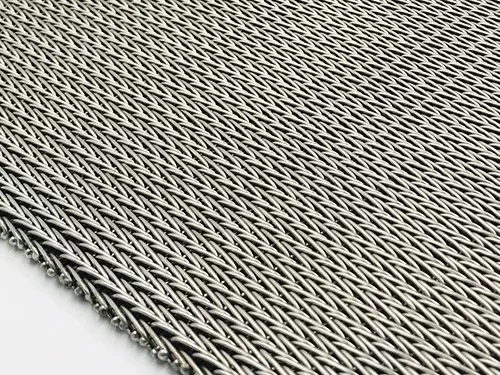
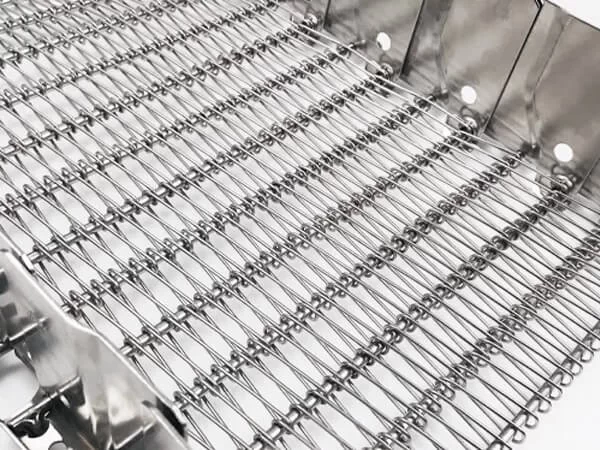
In New Zealand, the manufacturing sector is heavily dominated by primary industry processing, particularly dairy, meat, and seafood. Due to the country's humid maritime climate and strict MPI (Ministry for Primary Industries) regulations, there is an acute demand for corrosion-resistant materials. This has led to the widespread adoption of the Flat Wire Conveyor Belt for its ability to withstand saline environments and aggressive cleaning agents.

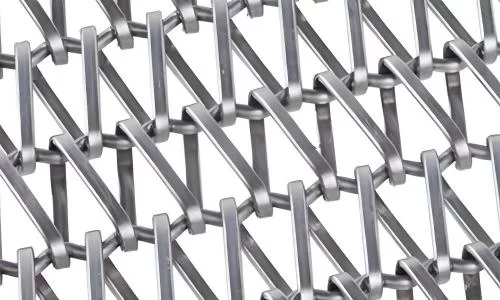
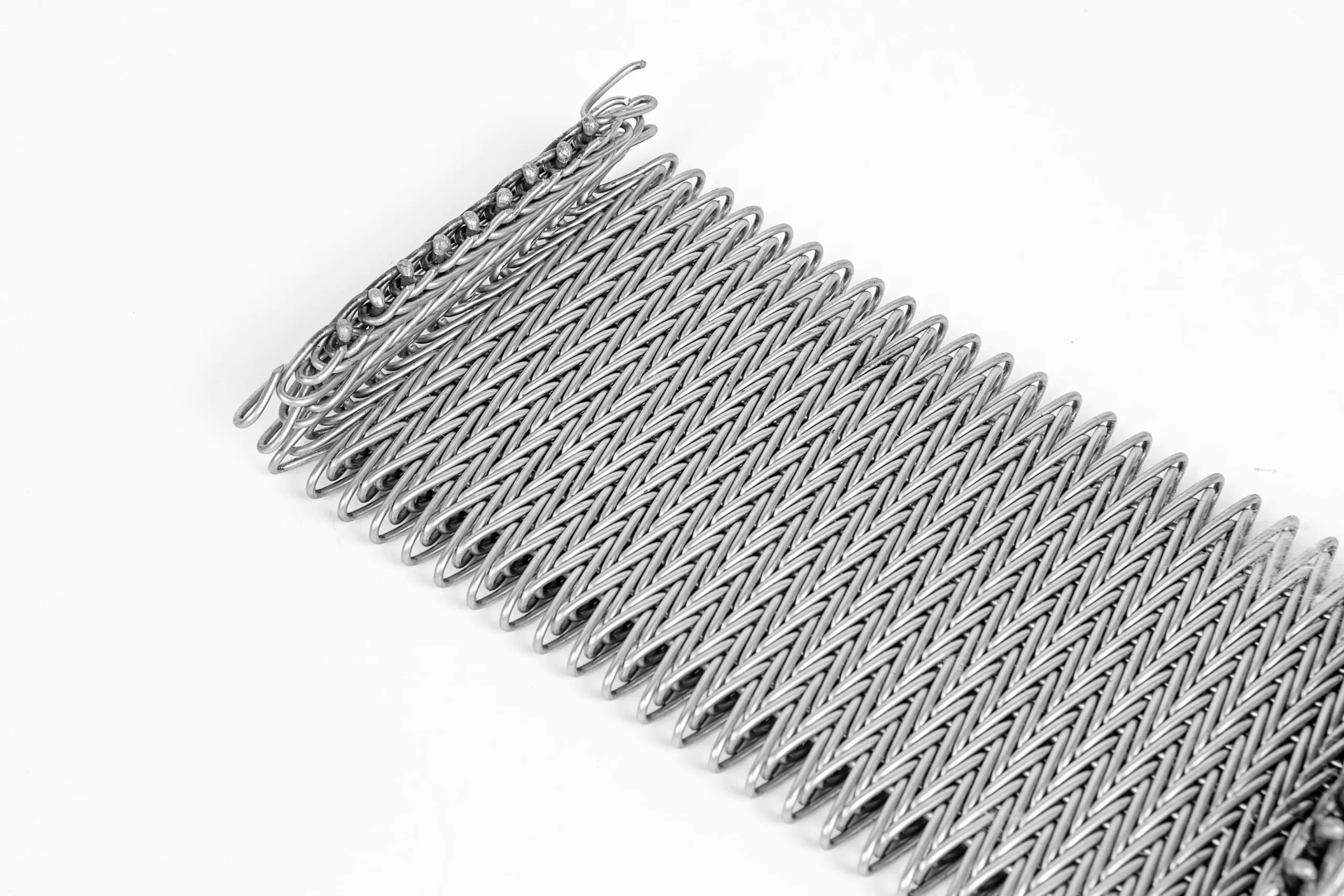
Economically, the shift toward "Value-Added" exports means New Zealand factories are upgrading from basic transport to precision processing. The integration of Compound Balanced Weave Belt systems allows local producers to maintain product integrity during complex spiral cooling or freezing processes, ensuring that premium exports meet international quality benchmarks.

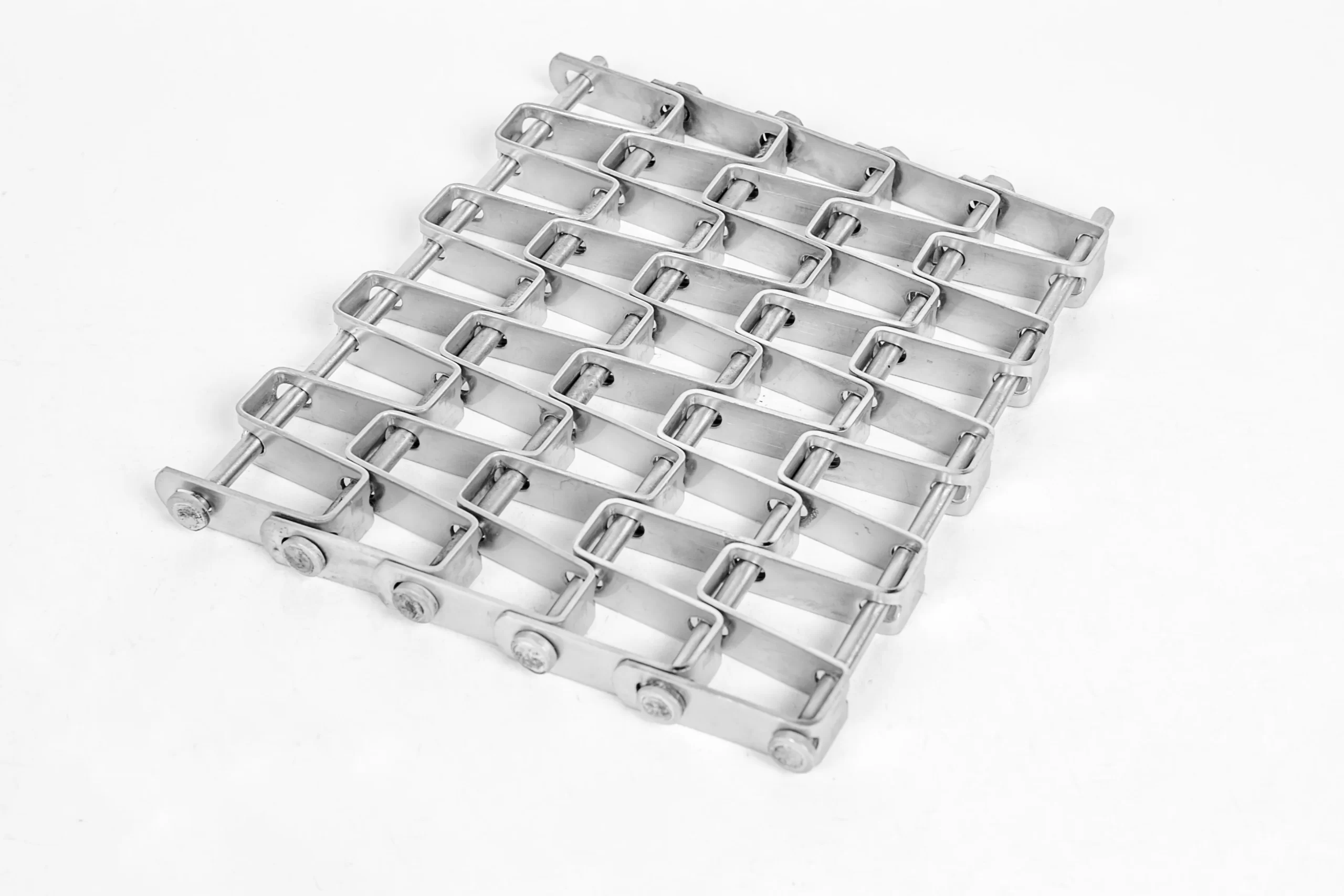
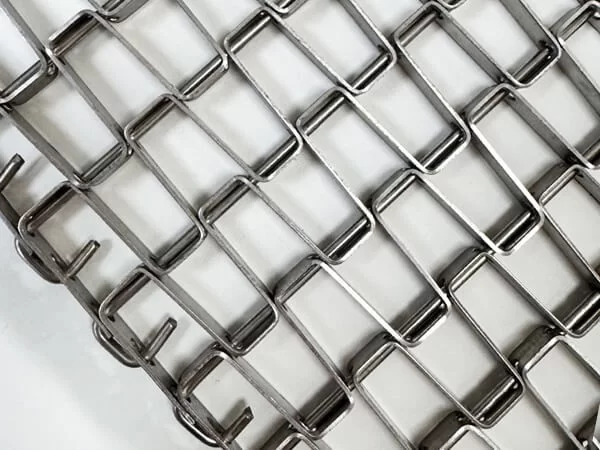
Furthermore, the geographic isolation of New Zealand emphasizes the need for low-maintenance, long-life components. Engineering firms in Auckland and Christchurch are increasingly pivoting toward heavy-duty Honeycomb Conveyor Belts to reduce downtime and minimize the frequency of expensive overseas component replacements.
Evolution and Technical Trajectory of Transmission Belts

From traditional weaving to high-precision automated conveyor engineering.

Market Development History

Prior to the 1990s, the New Zealand market relied heavily on carbon steel and basic rubber belts. However, the surge in food safety standards around 2000 triggered a massive migration toward stainless steel. This era saw the introduction of basic mesh weaves that lacked tracking stability, often leading to frequent belt misalignment in industrial ovens.

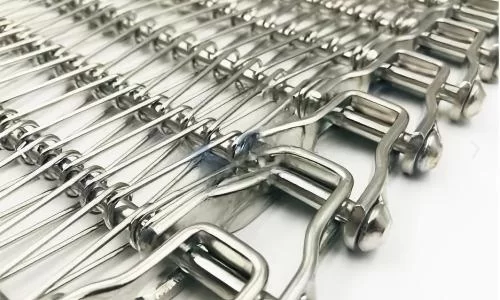
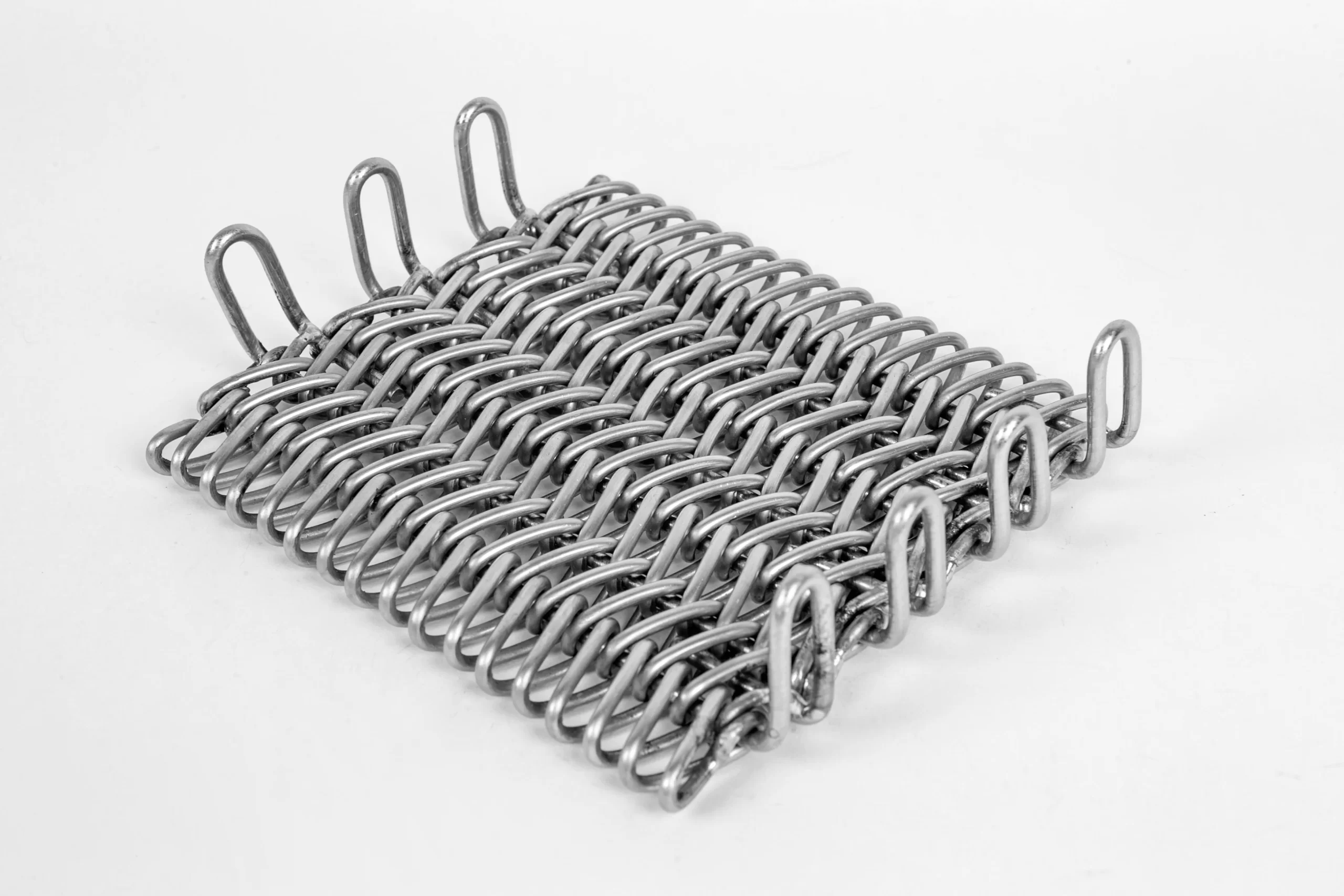
Between 2010 and 2020, the technology iterated toward "Balanced" architecture. The development of the balanced weave solved the tensioning issues prevalent in early designs, allowing for the creation of the Balanced Spiral Conveyor Belt, which optimized vertical space in New Zealand's compact urban processing plants.

Currently, the industry has entered the era of "Composite Engineering." We are seeing the fusion of different weave patterns within a single belt to create zones for different functions (e.g., drainage and support), marking a shift from generic hardware to bespoke mechanical transmission components.

Future Development Trends

AI-Driven Predictive Maintenance

Integration of IoT sensors into belt edges to monitor wear and tear in real-time, reducing unexpected failures in 24/7 dairy production lines.

Advanced Alloy Metallurgy

The move toward molybdenum-enhanced stainless steels to provide even greater resistance to the acidic environments found in specialized chemical processing.

Sustainable Energy Transmission

Reducing the friction coefficient of belt surfaces to lower the kilowatt consumption of conveyor motors, aligning with New Zealand's "Net Zero" carbon goals.

Industry Trends and Future Outlook

Projecting the next 3-5 years of conveyor belt technology in the Oceania region.

Automation Integration
Increased synchronization between conveyor belts and robotic picking arms in New Zealand's logistics hubs.
Hygienic Design Focus
Designing belts with zero-gap joints to eliminate bacterial traps, meeting global food export standards.
Modular Scalability
Shift toward modular belt sections that can be quickly expanded as New Zealand businesses grow.
Material Efficiency
Utilizing thinner, high-strength wires to reduce the overall weight of the belt without sacrificing load capacity.

Industry Outlook

Looking forward, Google search trends in the Oceania region indicate a rising interest in "energy-efficient conveyor systems" and "food-grade stainless steel components." This suggests that the New Zealand market is moving beyond simple procurement and toward strategic operational efficiency.

We expect a consolidation of the market where providers of high-end, customized belts like the Honeycomb Conveyor Belts will outperform generic suppliers by offering integrated engineering support and faster local response times.

Localized Application Scenarios in New Zealand

Tailored mesh belt implementations for New Zealand's core industrial sectors.

01. Dairy Product Pasteurization

Implementing high-stability belts in Waikato's dairy plants to ensure consistent heat distribution during the pasteurization of cheese and butter products.

02. Seafood Flash-Freezing

Using the spiral conveyor systems in coastal processing plants to maximize vertical space for the rapid freezing of premium scallops and fish fillets.

03. Kiwi Fruit Drying Lines

Utilizing specialized mesh belts for the gentle transport and drying of sliced kiwi fruit, ensuring minimal bruising and maximum airflow.

04. Meat Processing & Smoking

Installing heavy-duty, corrosion-resistant belts in smokehouses to handle high-temperature environments and acidic brine residues.

05. Pharmaceutical Packaging

Deploying ultra-clean, precision-weave belts for the transport of medical components in Auckland's growing biotech sector.

Brand Story

Global Development Journey of Yangzhou JiaoYang Mesh Belt Manufacturing Co., Ltd.

Foundational Excellence

Established with a mission to solve the inherent instability of traditional mesh belts, focusing on precision weaving technology.

Technological Breakthrough

Developed the proprietary balanced weave process, eliminating the "walking" effect of belts on wide conveyors.

Global Market Expansion

Expanding our footprint into Oceania, providing New Zealand's food industry with certified high-grade stainless steel solutions.

Innovation in Metallurgy

Collaborating with material scientists to create belts that withstand the most extreme thermal shocks and corrosive chemicals.

The Future Vision

Leading the transition toward smart, sustainable conveying systems for the next generation of global manufacturing.

Complete Product Portfolio for the New Zealand Market

A comprehensive range of mechanical transmission belts tailored for Oceania's industrial standards.

Frequently Asked Questions for New Zealand Clients

Expert answers to common technical queries regarding mesh belt installation and maintenance.

How do I choose between a Flat Wire Conveyor Belt and a mesh belt for seafood processing?

For high-moisture seafood processing, the Flat Wire Conveyor Belt is preferred due to its superior drainage and ease of sterilization compared to dense weaves.

What is the lifespan of a Balanced Spiral Conveyor Belt in a high-salt environment?

When using 316L stainless steel, our balanced spiral belts typically last 5-8 years, depending on the frequency of chemical cleaning and load weight.

Can Compound Balanced Weave Belts be customized for specific widths in NZ factories?

Yes, we provide fully bespoke dimensions for Compound Balanced Weave Belt systems to fit existing machinery footprints in New Zealand plants.

How does the Honeycomb Conveyor Belt improve energy efficiency?

The hexagonal structure of Honeycomb Conveyor Belts offers a higher strength-to-weight ratio, reducing the motor torque required for movement.

What are the maintenance requirements for Stainless Steel Wire Mesh Belts?

Regular inspection of the weld points and periodic tension adjustment are the primary requirements to ensure a long service life for your mesh belt.

Do your belts comply with New Zealand's food safety standards?

Absolutely. All our food-grade belts are manufactured using certified stainless steel and meet international hygiene standards compatible with NZ MPI requirements.

Request a Technical Consultation

Our engineers are ready to optimize your production line with the finest mesh belt technology in New Zealand.

Contact Us Now

If you are interested in our products, you can choose to leave your information here, and we will be in touch with you shortly.