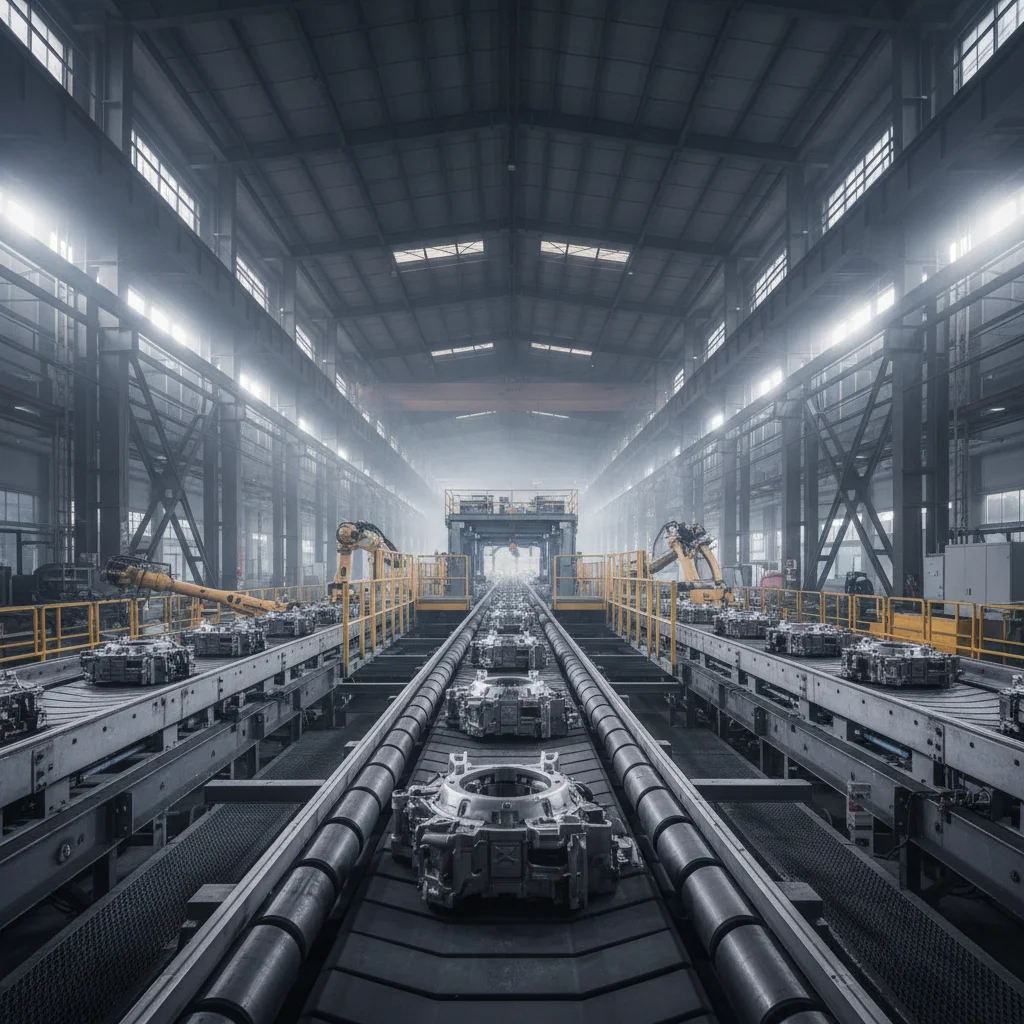
In the modern industrial landscape, the efficiency of material handling determines the overall productivity of a manufacturing line. The Stainless steel conveyor belt has emerged as a critical component in sectors requiring high hygiene, extreme temperature resistance, and unmatched durability. By integrating precision engineering with corrosion-resistant materials, these belts ensure that production flows remain uninterrupted even in the most demanding environments.
Beyond simple transport, the adoption of a high-quality Stainless steel conveyor belt addresses the global shift toward automation and stricter sanitary regulations. Whether it is in food processing, pharmaceuticals, or heavy-duty metallurgy, the ability to withstand caustic cleaning agents and thermal shock makes stainless steel the gold standard for industrial conveyor systems.
Understanding the nuances of mesh design, material grades, and tensioning systems is essential for any plant manager looking to optimize their ROI. This guide explores how the right Stainless steel conveyor belt can reduce downtime, lower maintenance costs, and enhance the safety and quality of the final product.
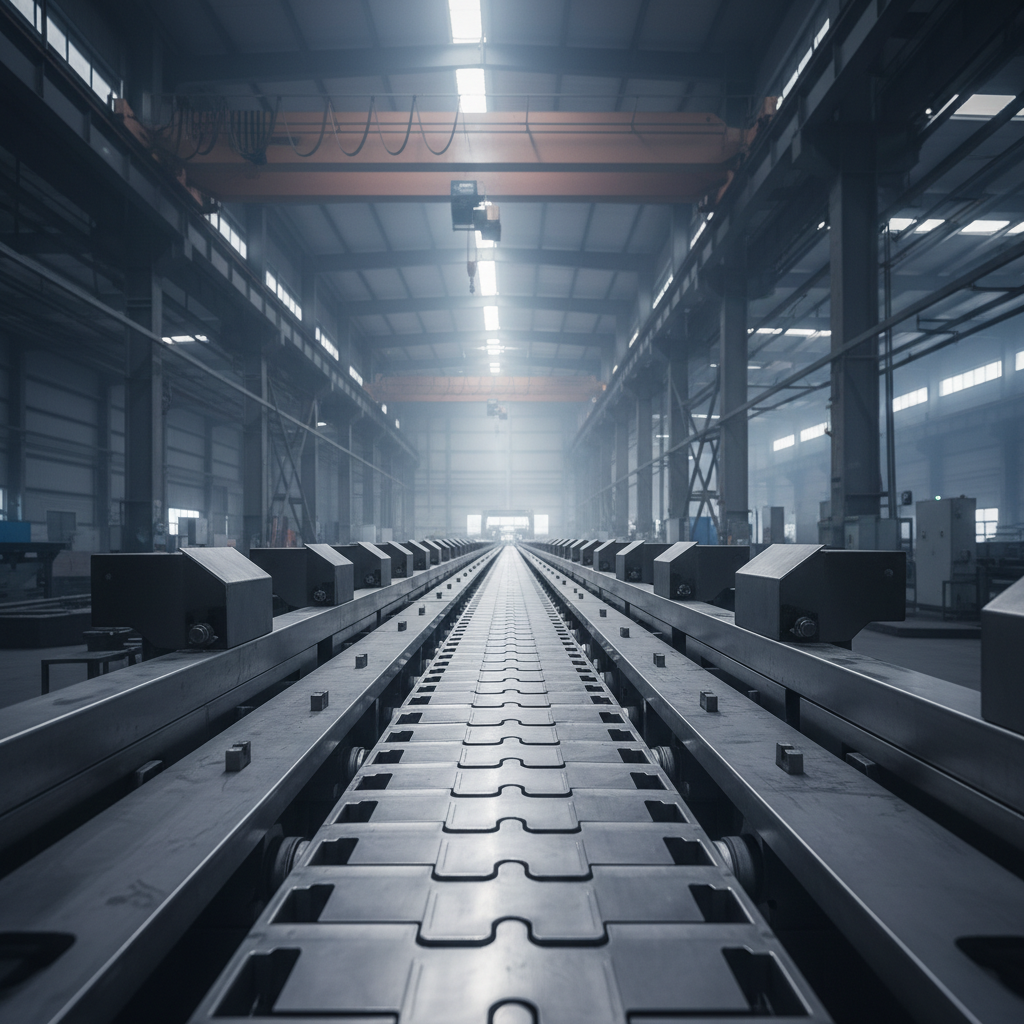
The Industrial Significance of Stainless Steel Conveyor Belts
The global demand for a Stainless steel conveyor belt is driven by the need for rigorous compliance with ISO and FDA standards. In an era where food safety and pharmaceutical purity are non-negotiable, the non-porous nature of stainless steel prevents bacterial growth and contamination, which is a common failure point for rubber or PVC belts.
Furthermore, the scalability of these systems allows them to be integrated into massive industrial complexes or specialized boutique laboratories. By providing a stable platform for heating, cooling, and transporting, they act as the backbone of modern automated assembly lines, ensuring that high-volume output does not compromise on quality.
Technical Definition and Material Composition
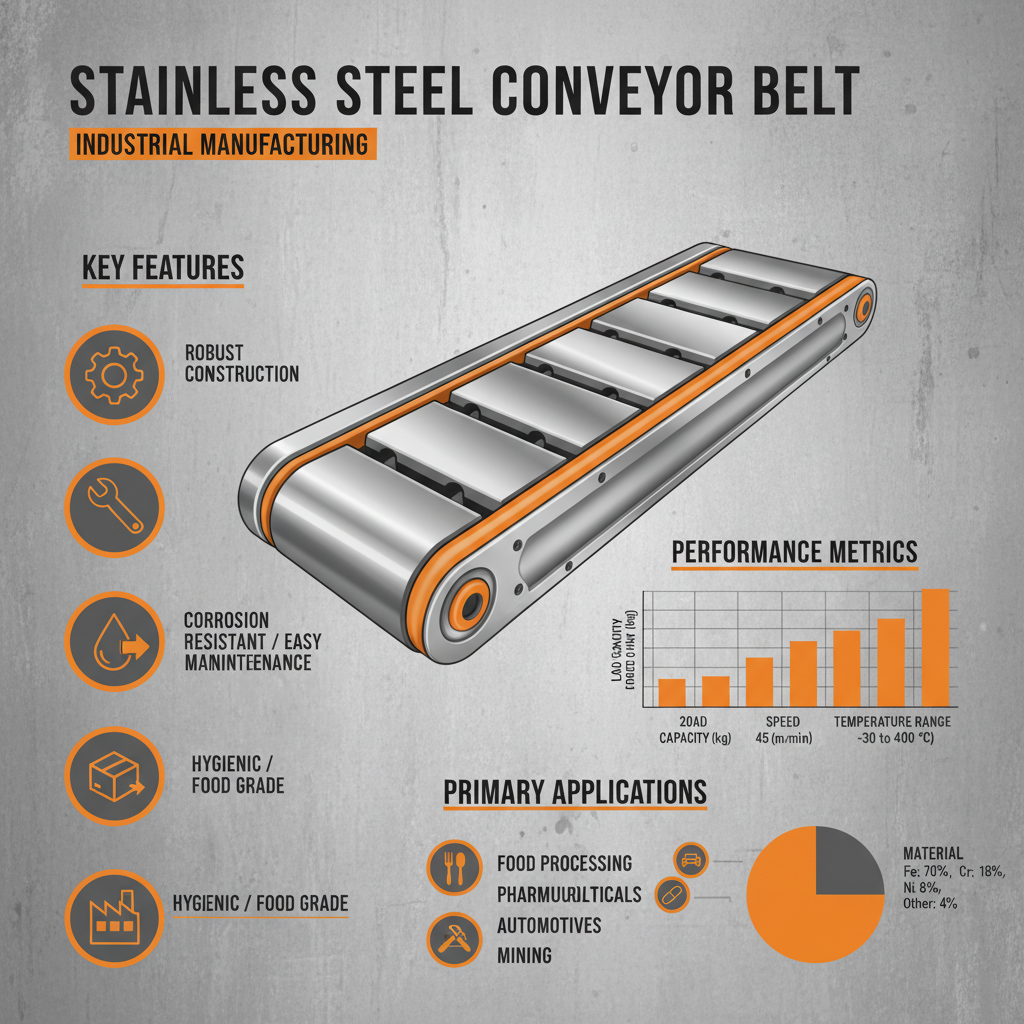
At its core, a Stainless steel conveyor belt is a precision-engineered metal mesh constructed from interwoven or welded stainless steel wires. Unlike traditional belts, these are designed to operate in extreme temperature gradients—ranging from cryogenic freezing in food preservation to searing heat in industrial ovens—without losing structural integrity or stretching.
The material composition typically involves grades such as 304 or 316L stainless steel. Grade 304 is the versatile industry standard, providing excellent corrosion resistance for most applications, while 316L contains molybdenum, offering superior protection against chlorides and acids, which is essential for chemical processing plants and marine environments.
This connection to modern material science allows industries to implement "lean manufacturing" by reducing the frequency of belt replacements. The interplay between wire gauge and weave pattern determines the belt's openness, which directly impacts airflow and drainage, making it a customizable tool rather than a generic component.
Key Factors Influencing Belt Performance
Durability is the foremost metric when evaluating a Stainless steel conveyor belt. The tensile strength of the steel wires ensures that the belt can carry heavy loads without sagging, while the corrosion-resistant properties ensure that the equipment remains operational in humid or chemically aggressive environments.
Thermal stability is another critical factor. A high-grade Stainless steel conveyor belt can transition from a blast chiller to a drying oven without warping. This thermal resilience is achieved through precise heat treatment during the manufacturing process, ensuring the mesh remains flat and tracking stays true.
Finally, cost-efficiency is realized through the lifecycle of the product. While the initial investment in a Stainless steel conveyor belt is higher than that of synthetic alternatives, the drastically lower replacement rate and reduced cleaning downtime result in a significantly lower Total Cost of Ownership (TCO).
Global Applications and Sectoral Use Cases
In the food and beverage industry, the Stainless steel conveyor belt is indispensable for baking, frying, and freezing. For instance, in large-scale commercial bakeries in Europe and North America, these belts move dough through tunnels of extreme heat and then through rapid cooling zones, maintaining hygiene and product consistency throughout the cycle.
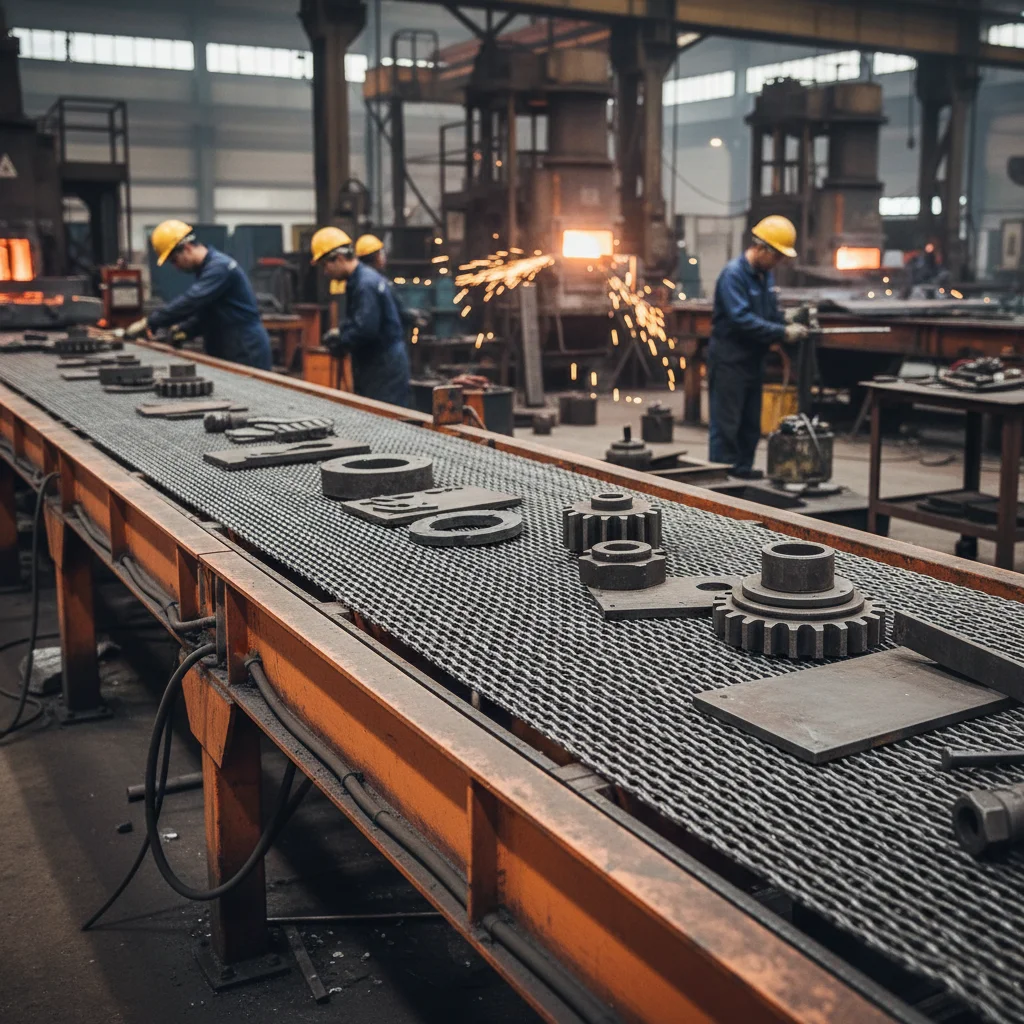
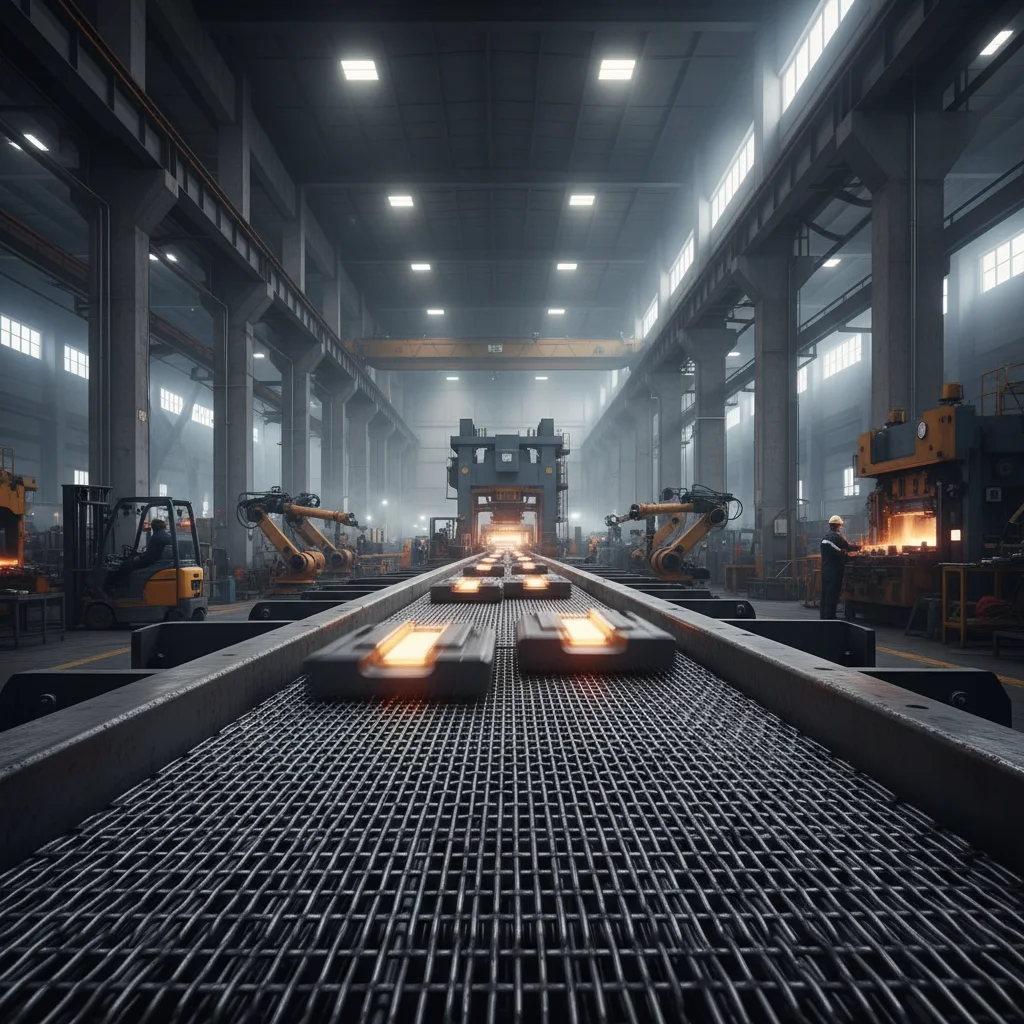
Beyond food, these belts are utilized in heavy industrial zones for heat treating and sintering. In metallurgy plants in Asia, the ability of the belt to withstand temperatures exceeding 1000°C makes it the only viable option for transporting hardened steel parts. Similarly, in the pharmaceutical sector, the precision weave allows for the sterilized transport of vials and tablets.
Performance Analysis of Stainless Steel Conveyor Belt Variants
Long-Term Value and Operational Advantages
The primary long-term value of investing in a Stainless steel conveyor belt lies in its sustainability. Unlike plastic belts that degrade and release microplastics or require hazardous chemical solvents for cleaning, stainless steel is 100% recyclable and can be cleaned with high-pressure steam and biodegradable detergents.
From an operational standpoint, the reliability of these belts fosters a culture of trust and safety within the factory. Employees are less likely to encounter belt snaps or contamination incidents, reducing the risk of costly product recalls. This stability allows companies to scale their production volumes with confidence, knowing their infrastructure can handle the increased load.
Future Trends in Metal Conveyor Technology
The future of the Stainless steel conveyor belt is being shaped by the "Industry 4.0" revolution. We are seeing the integration of smart sensors directly into the conveyor frames to monitor belt tension and wear in real-time. This shift toward predictive maintenance means belts can be serviced before a failure occurs, eliminating unplanned downtime.
Additionally, advancements in metallurgy are leading to the development of nano-coated stainless steels. These coatings further reduce friction and increase hydrophobicity, allowing sticky materials to glide more easily and reducing the energy required to drive the motor, thereby supporting global green energy initiatives.
Automation and robotics are also playing a role, with specialized Stainless steel conveyor belt designs being created specifically for robotic pick-and-place synchronization. These high-precision belts offer zero-slip performance, ensuring that automated arms can interact with products with millimeter accuracy.
Challenges and Engineering Solutions
One of the most common challenges with a Stainless steel conveyor belt is "tracking" issues, where the belt gradually drifts to one side. This is often caused by uneven tension or debris buildup on the rollers. Engineering solutions now include automatic tracking systems that use optical sensors to adjust the alignment dynamically.
Another limitation is the weight of the metal, which requires more powerful drive motors compared to fabric belts. To solve this, manufacturers are utilizing hollow-core wire technology and optimized mesh geometries that maintain strength while reducing the overall mass of the belt, thereby lowering energy consumption.
Finally, the cost of initial installation can be a barrier for smaller enterprises. However, modular design approaches are overcoming this by allowing businesses to start with a smaller section of Stainless steel conveyor belt and expand as their production capacity grows, making high-end industrial hardware accessible to a wider range of businesses.
Comparative Analysis of Stainless Steel Conveyor Belt Specifications
| Material Grade |
Corrosion Resistance |
Max Temp Limit |
Application Fit |
| SS304 Mesh |
High |
800°C |
General Food Processing |
| SS316L Mesh |
Very High |
850°C |
Chemical & Pharma |
| SS430 Mesh |
Moderate |
700°C |
Dry Heat Applications |
| Toughened SS304 |
High |
900°C |
Heavy Duty Metal Parts |
| Chrome-Plated SS |
Excellent |
600°C |
Ultra-Low Friction Lines |
| Custom Alloy SS |
Extreme |
1100°C |
Aerospace Sintering |
FAQS
The primary advantage is hygiene and heat resistance. Stainless steel is non-porous, meaning it doesn't harbor bacteria and can withstand aggressive chemical sterilization and high temperatures that would melt or degrade rubber. This ensures compliance with strict food safety laws.
Depending on the grade (e.g., 316L) and maintenance, these belts can last for a decade or more. Their lifespan is significantly extended by regular lubrication of drive components and ensuring the belt remains properly aligned to prevent edge wear.
While the upfront cost is higher, it is more cost-effective over time due to lower replacement frequency and reduced downtime. Many small businesses now opt for modular stainless steel solutions that allow them to expand their systems as they grow.
Tracking issues are usually solved by ensuring the rollers are perfectly parallel and the belt tension is uniform across the width. Installing an automatic tracking sensor is the most effective modern solution to keep the belt centered without manual intervention.
Yes, stainless steel maintains its structural integrity at extremely low temperatures, unlike plastics which become brittle and crack. This makes it the ideal choice for IQF (Individually Quick Frozen) tunnels in the food industry.
SS304 is suitable for most food and industrial uses. SS316 contains molybdenum, which provides much higher resistance to corrosion from salts and acids, making it necessary for marine environments or pharmaceutical labs involving caustic chemicals.
Conclusion
In summary, the Stainless steel conveyor belt is far more than a simple transport tool; it is a strategic investment in operational reliability, hygiene, and long-term sustainability. By balancing material grade, weave design, and precision engineering, manufacturers can virtually eliminate the bottlenecks caused by belt failure and contamination.
Looking forward, the integration of smart monitoring and advanced alloys will continue to push the boundaries of what is possible in material handling. For those seeking to optimize their production lines for the next generation of industrial standards, upgrading to high-performance stainless steel systems is the most logical path toward efficiency and growth. Visit our website for more professional solutions: www.jymeshbelt.com