HighPerformance Balanced Spiral Conveyor Belt Solutions for Russia Industrial Sector

  • Home
  • Global Service
  • HighPerformance Balanced Spiral Conveyor Belt Solutions for Russia Industrial Sector

High-Performance Balanced Spiral Conveyor Belt Solutions for Russia Industrial Sector

Engineering precision-driven mechanical transmission components to optimize throughput in extreme Russian climatic conditions.

High-Performance Balanced Spiral Conveyor Belt Solutions for Russia Industrial Sector

Our comprehensive range of stainless steel transmission components ensures seamless material handling for the most demanding manufacturing environments in Eastern Europe.

Industrial Landscape of Transmission Parts in Russia

Analyzing the operational challenges of heavy-duty conveyor systems in the Russian Federation.

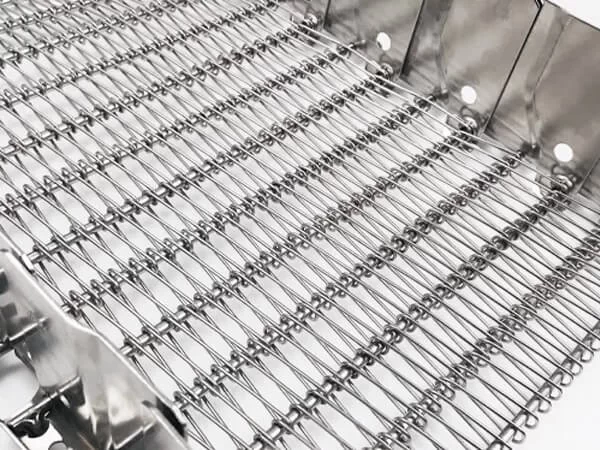
The Russian manufacturing sector is characterized by vast geographic distances and extreme temperature fluctuations. In these environments, standard conveyor belts often fail due to thermal expansion or corrosion, making the adoption of a high-grade Stainless Steel Wire Mesh Belt essential for maintaining operational continuity in food processing and metallurgy.

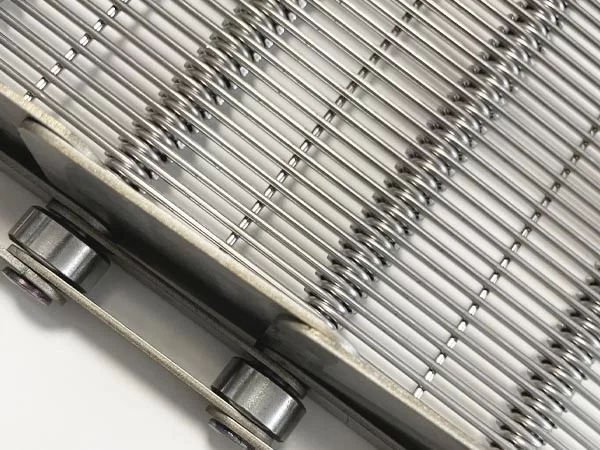
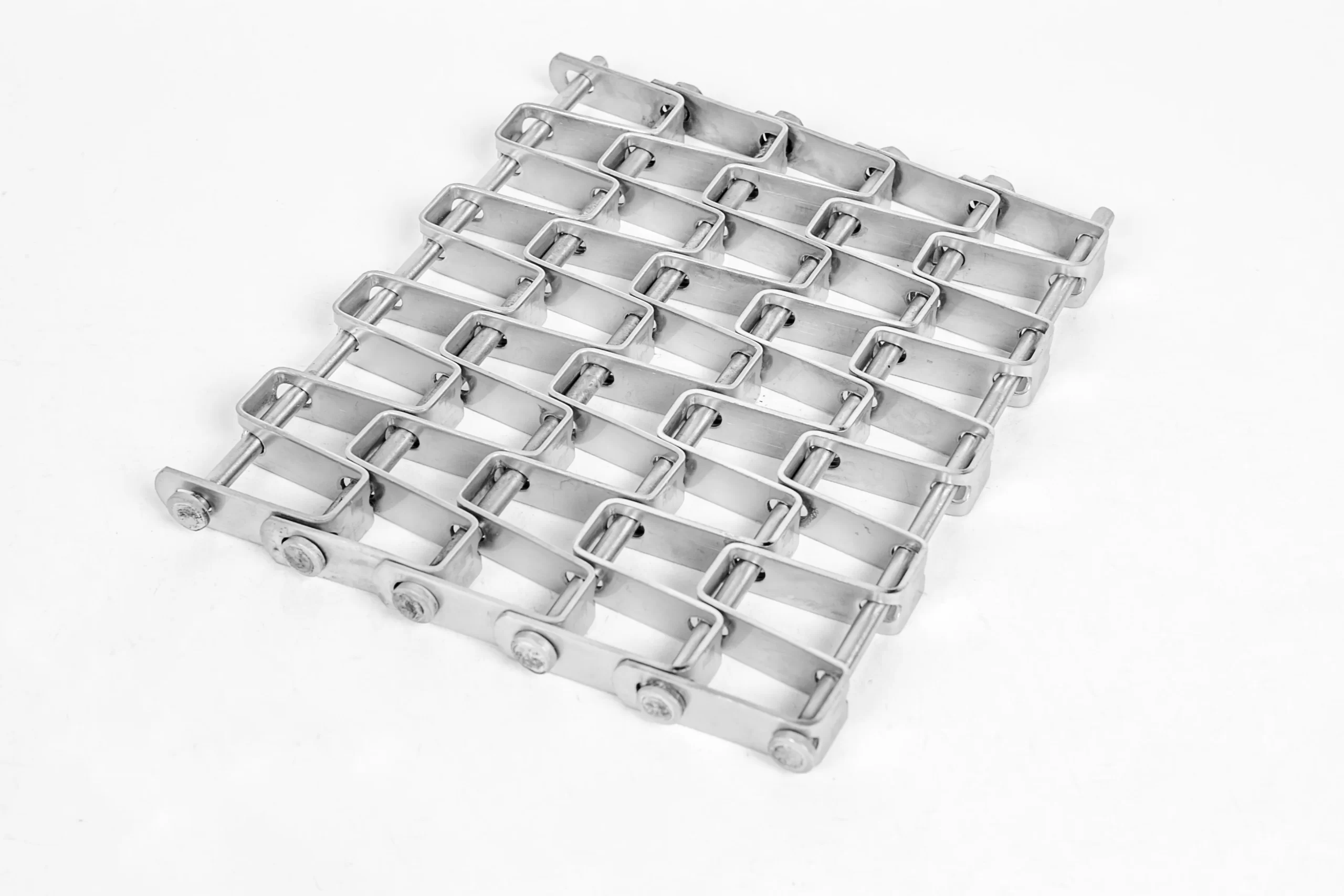
Currently, the region is seeing a shift toward automation in the Ural and Siberian industrial hubs. The demand for precision-engineered components like the Flat Wire Conveyor Belt has surged as factories migrate from legacy Soviet-era machinery to modular, European-standard transmission systems.

Furthermore, the Russian market faces unique logistical pressures. The need for low-maintenance, high-durability components is paramount to reduce downtime in remote facilities where specialized technical support may take days to arrive, pushing the industry toward "fit-and-forget" engineering solutions.
Evolution and Trajectory of Conveyor Technology

From rigid steel structures to dynamic, balanced weaving technologies.

Market Development History

In the early 2000s, the Russian market relied heavily on simple carbon steel meshes which suffered from rapid oxidation. The transition began around 2010 with the introduction of basic stainless steel options, improving hygiene and lifespan in the pharmaceutical and food sectors.

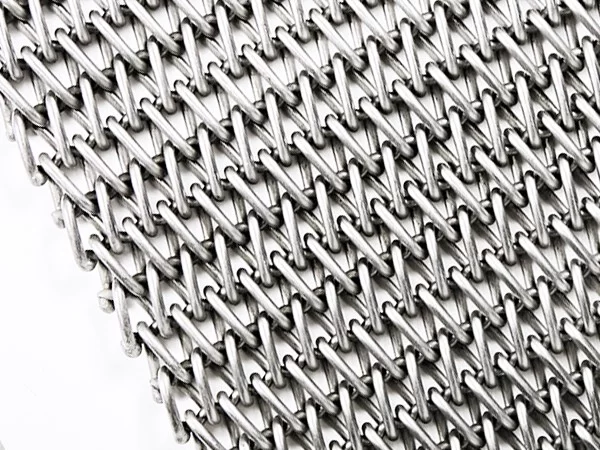
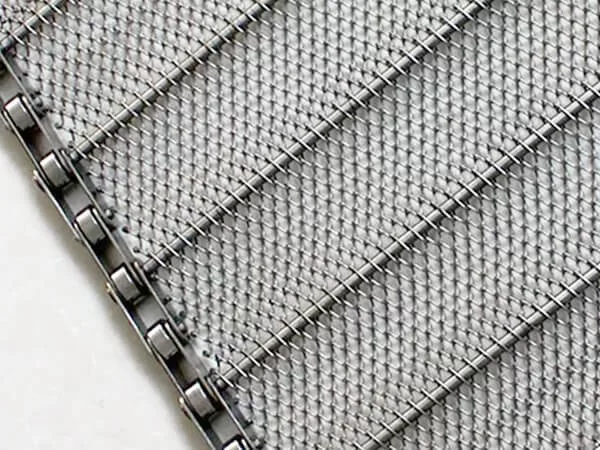
Between 2015 and 2020, the technical focus shifted toward stability and tracking. The introduction of the Compound Balanced Weave Belt solved the common issue of belt drift, allowing for wider conveyor widths and higher speeds without compromising alignment.

Today, the industry has entered the era of specialized geometry. The implementation of Honeycomb Conveyor Belts represents the current peak of efficiency, offering an optimal balance between open area for airflow and structural load-bearing capacity.

Future Development Trends

Smart Material Integration

Integration of sensor-embedded mesh to monitor wear and tear in real-time, reducing unplanned outages in heavy Russian industrial plants.

Extreme Temperature Optimization

Development of alloys specifically treated for cryogenic stability and ultra-high heat resistance for the aerospace and chemical sectors.

Energy-Efficient Transmission

Focusing on reducing friction coefficients in balanced weaves to lower the energy consumption of massive conveyor arrays.

Industry Trends and Future Outlook

Strategic foresight into the mechanical transmission components market.

Digital Twin Modeling
Using CAD simulations to predict belt wear in Russia's harsh industrial cycles.
Modular Scalability
Rapid deployment of modular conveyor sections to adapt to fluctuating production volumes.
Green Steel Adoption
Shift toward recycled stainless alloys to meet emerging European ESG standards.
Precision Tensioning
Advanced automatic tensioning systems to eliminate belt slip in high-torque apps.

Industry Outlook

Google search trends indicate a rising interest in "automated material handling" and "corrosion-resistant belts" within the CIS region. This suggests a pivot toward high-specification components that reduce human intervention.

Over the next 3-5 years, we expect the Russian market to prioritize integration with Industry 4.0, where belts are no longer passive components but part of a synchronized, data-driven logistics chain.

Local Application Scenarios in Russia

Real-world deployment of our mesh belts across diverse Russian industrial sectors.

1. Siberian Food Processing Plants

Utilizing Stainless Steel Wire Mesh Belt for blast freezing and rapid cooling of seafood and berries, ensuring hygiene at -40°C.

2. Ural Metallurgy Conveyors

Deploying heavy-duty Flat Wire Conveyor Belt for the transport of hot-rolled steel components in high-temperature forge environments.

3. Moscow Pharmaceutical Hubs

Implementing Honeycomb Conveyor Belts in clean-room environments for precise tablet packaging and sterile transport.

4. Southern Russian Agriculture

Using Compound Balanced Weave Belt for automated grain and seed drying systems to ensure uniform airflow.

5. Arctic Mining Logistics

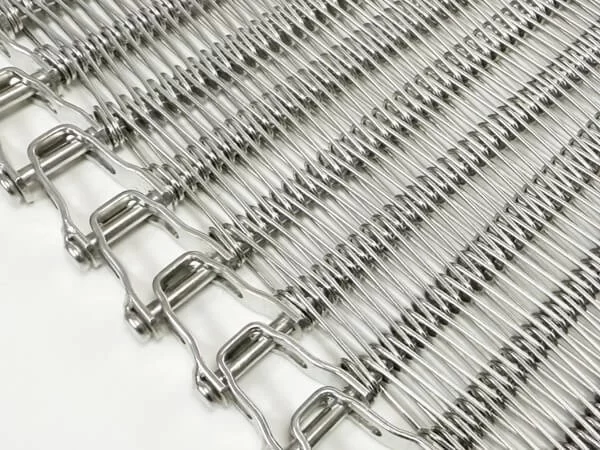
Integrating Balanced Spiral Conveyor Belt for space-saving vertical cooling and sorting of mineral ores in remote northern camps.

Brand Story

Global Development Journey of Yangzhou JiaoYang Mesh Belt Manufacturing Co., Ltd.

Foundational Engineering

Starting with a commitment to precision, we focused on solving the basic durability issues of industrial mesh belts for local manufacturers.

Technological Breakthrough

We pioneered advanced weaving techniques that eliminated belt tracking errors, setting a new standard for balanced transmission.

Global Expansion

Expanding into the European and Russian markets, we adapted our alloys to withstand the most extreme climatic conditions on earth.

Industry Certification

Achieving international quality certifications to ensure our belts meet the stringent health and safety requirements of global food and pharma.

Future-Ready Vision

Dedicated to sustainable manufacturing, reducing carbon footprints while increasing the operational lifespan of every belt we produce.

Complete Transmission Portfolio for Russia

A curated selection of high-durability conveyor solutions tailored for Eastern European industrial requirements.

Common Industrial Inquiries in Russia

Expert answers to technical questions regarding conveyor belt selection and maintenance.

How to prevent tracking issues in Balanced Spiral Conveyor Belt systems?

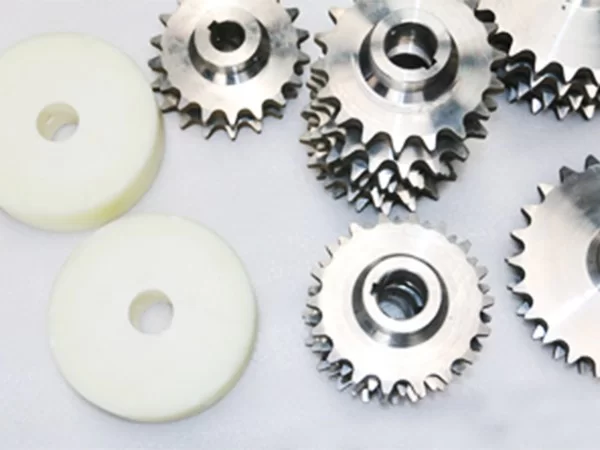
Ensure precise alignment of the drive sprocket and maintain consistent tension across the belt width. Our balanced weave technology inherently reduces drift compared to traditional mesh.

Which material is best for a Stainless Steel Wire Mesh Belt in acidic environments?

For high-acidity Russian chemical plants, we recommend AISI 316L stainless steel, which provides superior resistance to pitting and chloride corrosion.

Can Compound Balanced Weave Belt handle high temperature loads?

Yes, our compound balanced belts are designed for thermal stability, making them ideal for industrial ovens and cooling tunnels in the metallurgy sector.

What are the advantages of Honeycomb Conveyor Belts for airflow?

The hexagonal structure maximizes the open area, allowing for optimal air circulation during frying or drying processes while maintaining high structural integrity.

How often should a Flat Wire Conveyor Belt be inspected for wear?

In heavy-duty Russian industrial cycles, we recommend a comprehensive inspection every 3 months to check for wire fatigue and sprocket wear.

Do you provide customized widths for spiral conveyor systems?

Absolutely. We provide bespoke engineering for all belt types to fit the specific dimensions of your existing Russian production line.

Request an Engineering Consultation

Our technical team is ready to support your manufacturing plant in Russia with high-precision conveyor components.

Contact Us Now

If you are interested in our products, you can choose to leave your information here, and we will be in touch with you shortly.