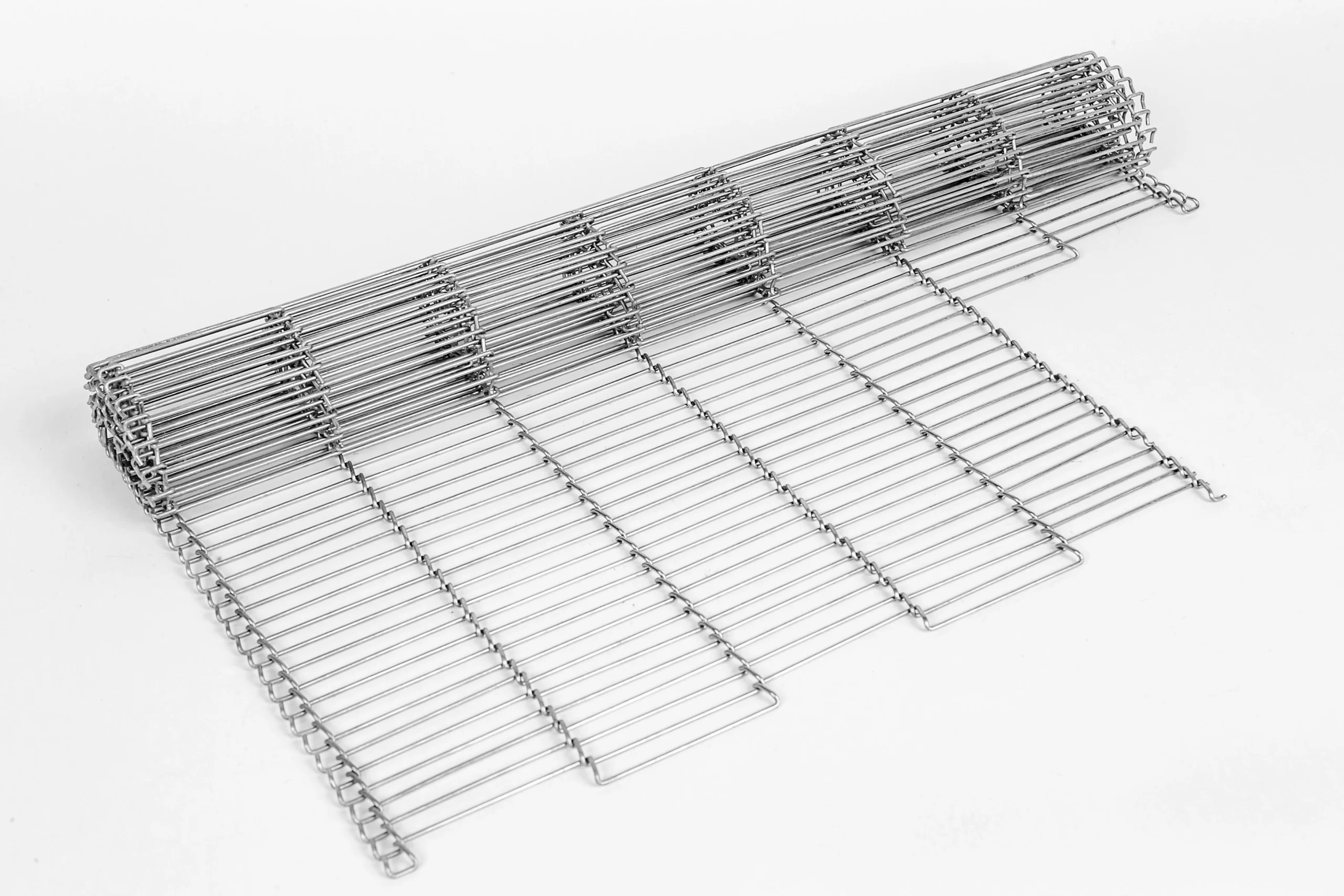
Industrial Conveying Solutions for Malaysia with Balanced Spiral Conveyor Belt

  • Home
  • Global Service
  • Industrial Conveying Solutions for Malaysia with Balanced Spiral Conveyor Belt

Industrial Conveying Solutions for Malaysia with Balanced Spiral Conveyor Belt

High-performance mechanical transmission components engineered for Malaysia's demanding manufacturing sectors, ensuring durability in tropical humidity and industrial rigor.

Industrial Conveying Solutions for Malaysia with Balanced Spiral Conveyor Belt

Integrating precision-engineered wire mesh belts to optimize throughput and hygiene standards across Malaysia's diverse manufacturing landscape.

The Current State of Mechanical Transmission in Malaysia

Analyzing the intersection of tropical environmental challenges and industrial growth in the ASEAN hub.

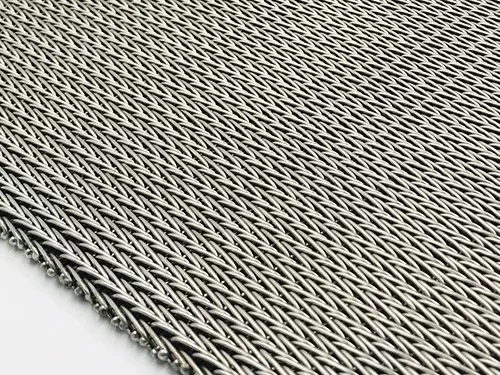
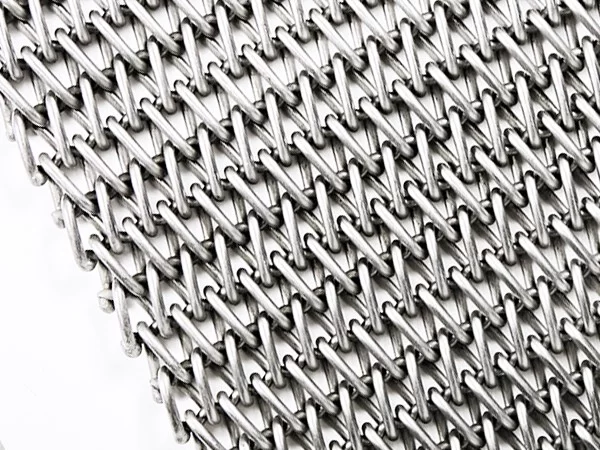
Malaysia's manufacturing sector, particularly in food processing and electronics, faces unique challenges due to high ambient humidity and saline air in coastal industrial zones. This necessitates the use of high-grade Stainless Steel Wire Mesh Belt systems to prevent oxidation and maintain structural integrity under constant thermal stress.

Currently, the industry is shifting from generic conveyor systems to specialized components. The demand for Honeycomb Conveyor Belts has surged in the palm oil and rubber processing industries where high air permeability is critical for drying and cooling processes.

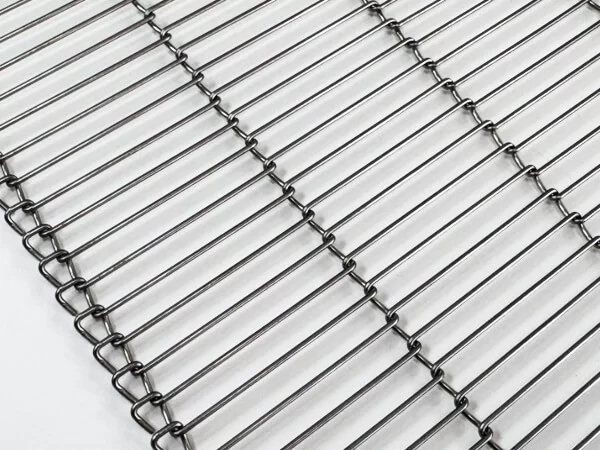
With the rise of "Industry 4.0" initiatives in the Klang Valley and Penang, there is a growing emphasis on precision. The adoption of Flat Wire Conveyor Belt technologies has become standard for high-precision electronics assembly, ensuring minimal vibration and maximum stability during transport.
Evolution of Conveying Technology in the Malaysian Market

From manual handling to automated precision transmission.

Market Development History

In the 1990s, the Malaysian industrial landscape relied heavily on basic rubber belts and simple chains. These systems often suffered from rapid degradation due to the tropical climate and lacked the hygiene standards required for the burgeoning export-oriented food sector.

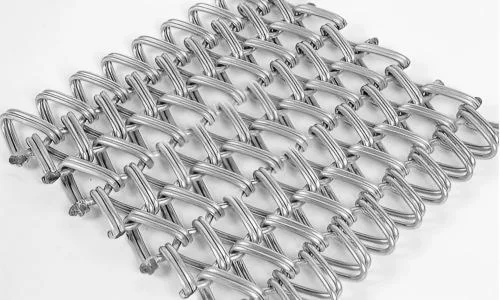
Between 2005 and 2015, the market witnessed a transition toward stainless steel. The introduction of Compound Balanced Weave Belt technology allowed factories to handle heavier loads with better tracking, reducing downtime caused by belt misalignment in heavy-duty machinery.

From 2016 to the present, the focus has shifted toward "smart" transmission. The integration of modular wire mesh systems with automated sensors has enabled real-time monitoring of wear and tear, optimizing the lifecycle of conveyor components.

Future Development Trends

Hyper-Corrosion Resistance

Development of advanced alloy coatings for belts to withstand the aggressive cleaning chemicals used in Malaysia's Halal-certified food plants.

Energy-Efficient Friction Reduction

Optimization of the weave patterns to reduce the coefficient of friction, lowering the electricity consumption of large-scale conveyor drives.

Modular Rapid-Replacement Systems

A shift toward belts that can be replaced in sections, minimizing production halts in 24/7 manufacturing cycles.

Industry Outlook and Future Projections

Strategizing for the next 5 years of mechanical transmission growth in Asia.

Automation Integration
Seamlessly integrating conveyor belts with IoT sensors for predictive maintenance in Malaysian smart factories.
Eco-Friendly Materials
Switching to 100% recyclable stainless alloys to align with Malaysia's Green Technology Master Plan.
High-Temp Resilience
Developing specialized weaves for high-temperature industrial ovens used in rubber vulcanization.
Custom Geometry
Adopting 3D-modeled weave patterns to fit complex spiral conveyor architectures.

Industry Outlook

Based on Google search trends in the SEA region, there is a marked increase in queries for "food-grade conveyor belts" and "industrial mesh durability." This indicates that Malaysian manufacturers are prioritizing long-term ROI over initial cost, favoring high-end stainless steel solutions.

We anticipate that by 2028, the integration of composite materials with traditional wire mesh will create a hybrid category of belts that offer the strength of steel with significantly reduced weight, further optimizing energy efficiency.

Localized Application Scenarios in Malaysia

Practical implementations of mesh belt technology in key Malaysian industrial sectors.

01. Halal Food Processing Plants

Utilizing Stainless Steel Wire Mesh Belt for baking and frying lines in Selangor, ensuring strict compliance with hygiene and non-contamination standards.

02. Palm Oil Refining Facilities

Implementation of Honeycomb Conveyor Belts for the cooling of refined oils and processed kernels, maximizing airflow in humid environments.

03. Electronics Assembly in Penang

Applying Flat Wire Conveyor Belt systems for the precise transport of PCB components, minimizing electrostatic interference and mechanical vibration.

04. Industrial Rubber Vulcanization

Deploying Compound Balanced Weave Belt in high-heat curing ovens to ensure uniform heat distribution and belt stability.

05. Commercial Spiral Freezing Systems

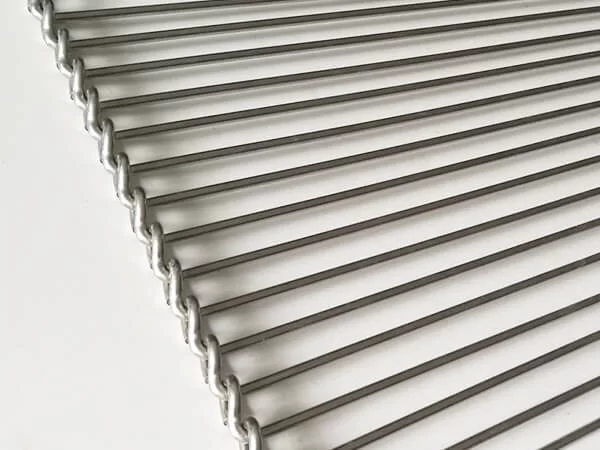
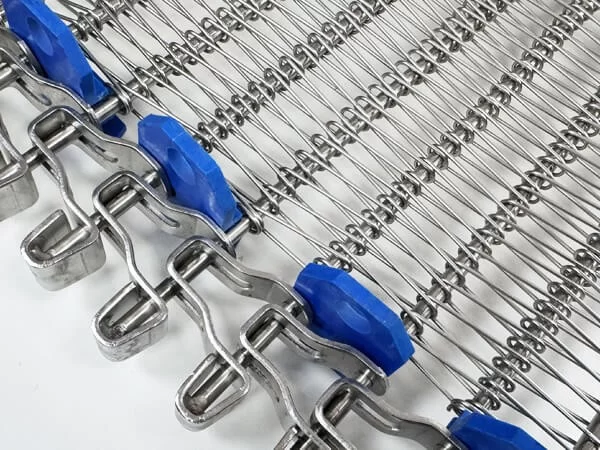
Using Balanced Spiral Conveyor Belt for rapid freezing of seafood exports in coastal processing hubs, optimizing vertical space.

Brand Story

Global Development Journey of Yangzhou Jiao Yang Mesh Belt Manufacturing Co., Ltd.

Foundational Precision

Starting with a commitment to mechanical excellence, we focused on solving the fundamental problem of belt drift in industrial conveyors.

Technological Breakthrough

Developed proprietary weaving techniques that increased the tensile strength of stainless mesh, reducing replacement frequency for global clients.

Market Expansion

Expanded operations into the Southeast Asian market, tailoring products to withstand tropical climates and high-humidity industrial zones.

Quality Certification

Achieved international quality standards, ensuring our transmission components meet the rigorous demands of the food and pharmaceutical industries.

Global Leadership

Now a leading provider of specialized conveyor belts, dedicated to driving efficiency in the global general equipment manufacturing sector.

Complete Product Portfolio for the Malaysian Market

A comprehensive range of mechanical transmission components designed for maximum efficiency.

Common Questions for Malaysian Industrial Users

Expert answers to technical queries regarding mesh belt application and maintenance.

How to prevent corrosion in Stainless Steel Wire Mesh Belt in coastal Malaysia?

We recommend using AISI 316 grade stainless steel for coastal regions to ensure maximum resistance to saline air and humidity.

What is the lifespan of a Balanced Spiral Conveyor Belt in high-temperature ovens?

Depending on the temperature and load, our high-grade belts typically last 3-5 years with regular tension checks and lubrication.

Can Compound Balanced Weave Belt be used for heavy-duty palm oil processing?

Yes, the compound weave is specifically designed for stability under heavy loads, making it ideal for the palm oil industry.

Why choose Honeycomb Conveyor Belts for cooling applications?

The open-cell structure allows for maximum vertical and horizontal airflow, which significantly reduces cooling time for processed goods.

How to maintain tracking on a Flat Wire Conveyor Belt?

Ensure the rollers are perfectly parallel and check for debris buildup on the drive sprocket to prevent lateral shifting.

Do your belts comply with Halal food safety standards in Malaysia?

Our belts are made from food-grade stainless steel and are free from animal-based lubricants, making them compatible with Halal requirements.

Optimize Your Production Line Today

Get expert technical consultation for high-performance mesh belt systems delivered to Malaysia.

Contact Us Now

If you are interested in our products, you can choose to leave your information here, and we will be in touch with you shortly.