Industrial Conveying Solutions for Bahrain Premium Balanced Spiral Conveyor Belt Systems

  • Home
  • Global Service
  • Industrial Conveying Solutions for Bahrain Premium Balanced Spiral Conveyor Belt Systems

Industrial Conveying Solutions for Bahrain: Premium Balanced Spiral Conveyor Belt Systems

High-performance mechanical transmission components engineered for the extreme climatic conditions and industrial diversification of the Bahraini market.

Industrial Conveying Solutions for Bahrain: Premium Balanced Spiral Conveyor Belt Systems

Providing Bahrain's manufacturing sector with precision-engineered Stainless Steel Wire Mesh Belt and advanced transmission components to enhance throughput and durability in high-salinity environments.

Current State of Mechanical Transmission in Bahrain

Analyzing the impact of Gulf climates on conveyor longevity and industrial efficiency.

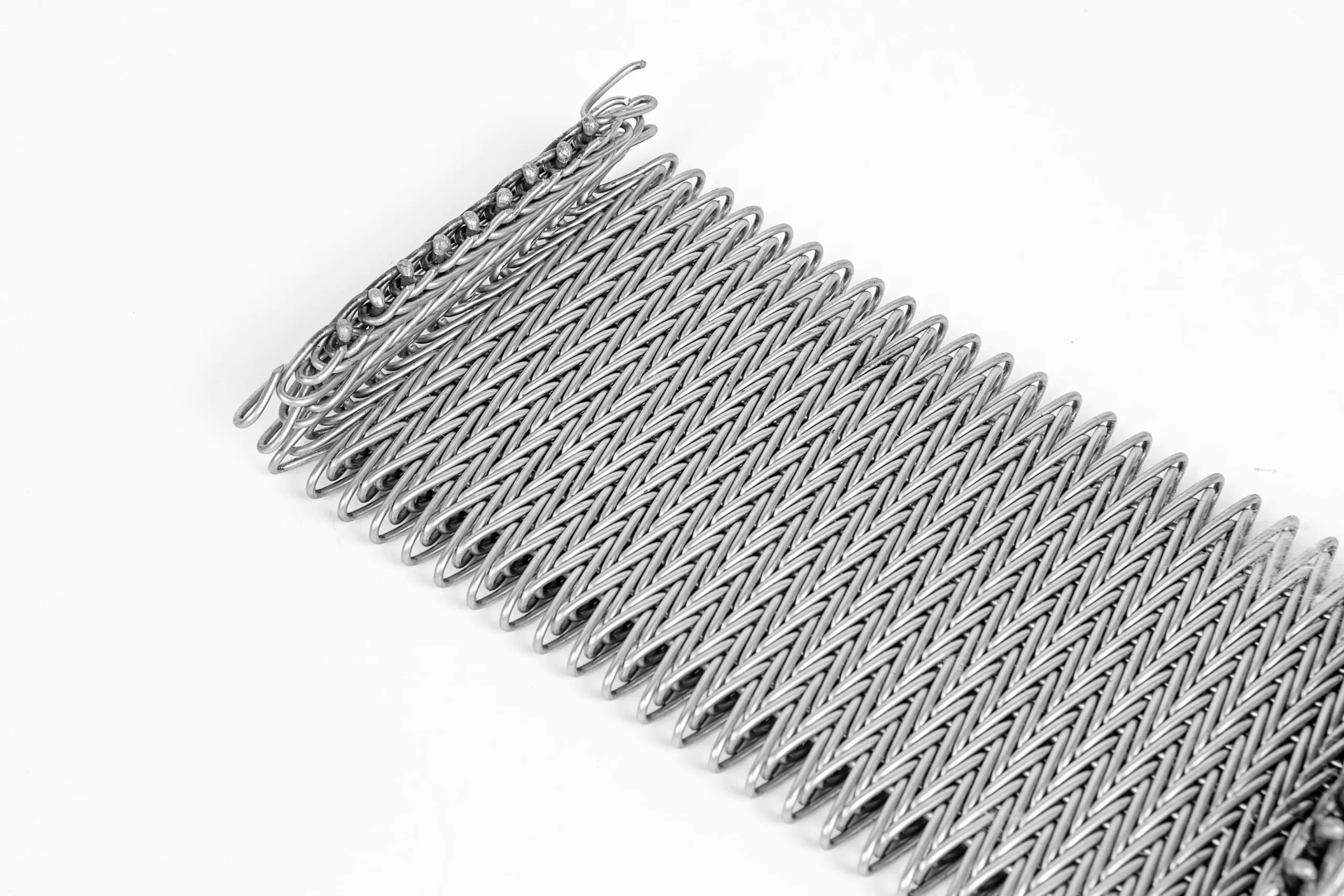
In Bahrain, the manufacturing landscape is characterized by a strategic shift toward industrial diversification. However, the harsh coastal environment, marked by high humidity and extreme salinity, poses a significant challenge to mechanical components. Standard belts often suffer from accelerated corrosion, making the adoption of a high-grade Compound Balanced Weave Belt essential for maintaining operational continuity.

Local industries, particularly in food processing and aluminum smelting, are increasingly moving away from carbon steel toward specialized alloys. The requirement for high thermal stability and chemical resistance has led to a surge in demand for Honeycomb Conveyor Belts, which offer superior airflow and heat distribution for cooling and baking processes common in the region.

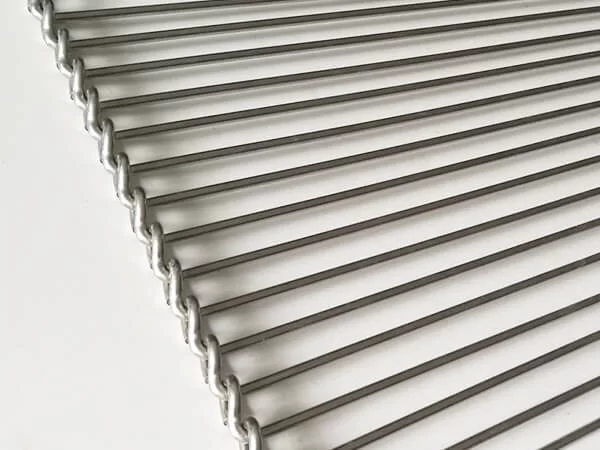
Currently, the market in Bahrain is transitioning from simple replacement procurement to integrated system optimization. Companies are no longer just seeking parts but are investing in Flat Wire Conveyor Belt solutions that reduce friction and energy consumption, aligning with the Kingdom's Vision 2030 for sustainable industrial growth.
Evolution of Conveyor Technology in Bahrain

From basic fabric belts to precision-engineered stainless steel transmission.

Market Development History

Between 1990 and 2005, the Bahraini industrial sector relied heavily on basic rubber and fabric belts. These systems were prone to degradation under the intense heat of the Arabian Gulf, leading to frequent downtime and high maintenance costs in early manufacturing plants.

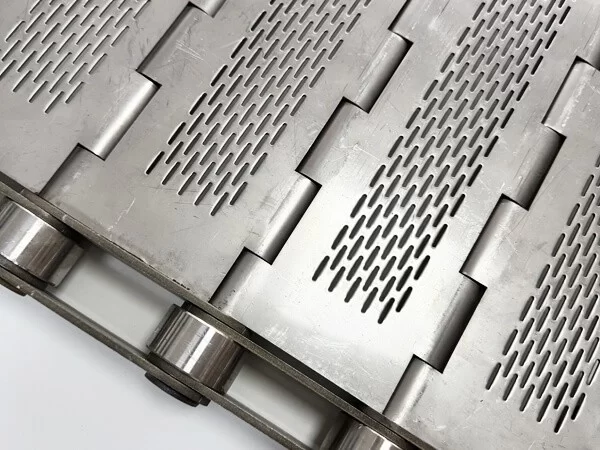
From 2006 to 2015, the shift toward "Stainless Steel" began. The introduction of the Stainless Steel Wire Mesh Belt revolutionized the food and pharmaceutical sectors in Bahrain, allowing for hygienic processing and resistance to the corrosive effects of saline air.

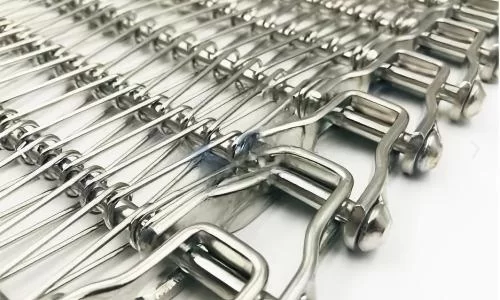
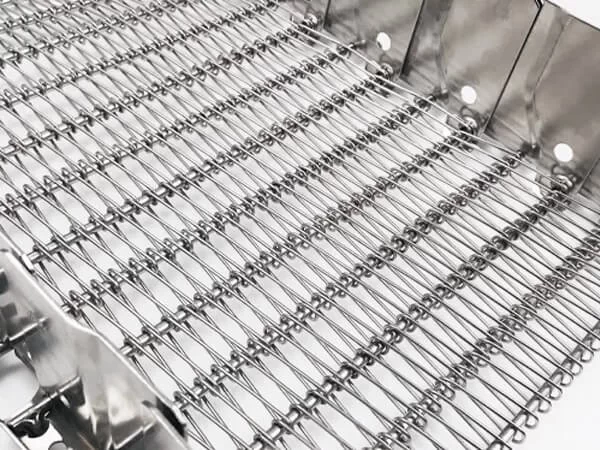
Since 2016, the market has entered the era of "Precision Balancing." The adoption of the Balanced Spiral Conveyor Belt enabled factories to maximize vertical space through spiral cooling and frying, significantly increasing the output per square meter of factory floor.

Future Development Trends

IoT-Integrated Monitoring

Integration of sensors within the conveyor structure to monitor tension and wear in real-time, reducing unplanned outages in Bahrain's critical infrastructure.

Advanced Metallurgy

Moving toward super-alloy coatings that provide zero-friction surfaces, extending the lifespan of transmission components in high-heat environments.

Eco-Friendly Modular Designs

A trend toward modular, easy-to-replace sections that reduce waste and allow for rapid reconfiguration of production lines.

Industry Outlook and Future Trajectory

Strategic predictions for mechanical transmission in the Middle East region.

Corrosion Resistance 2.0
Development of nano-coatings to prevent salt-air oxidation in Bahrain's coastal industrial zones.
Energy Optimization
Reducing the coefficient of friction in belt drives to lower electricity costs for large-scale plants.
Automation Synergy
Seamless integration of mesh belts with robotic picking and sorting systems.
Custom Alloy Adaptation
Tailoring mesh density and material for specific heat-treatment processes in the metal industry.

Industry Outlook

Looking ahead, the demand for precision conveyor systems in Bahrain will likely grow by 4-6% annually. As the kingdom expands its food security initiatives, the need for hygienic, high-capacity Honeycomb Conveyor Belts will increase for automated greenhouses and processing centers.

Furthermore, the shift toward Industry 4.0 means that mechanical components are now expected to provide data. We foresee a trend where the physical belt is paired with a digital twin, allowing Bahraini plant managers to predict failure points before they occur, ensuring zero-downtime operations.

Localized Application Scenarios in Bahrain

Real-world deployments of transmission components across Bahrain's key industrial sectors.

1. Date Processing and Packaging Plants

Utilizing Stainless Steel Wire Mesh Belt for the washing and drying of dates, ensuring food-grade hygiene and resistance to the natural sugars and acids of the fruit.

2. Aluminum Smelting Cooling Lines

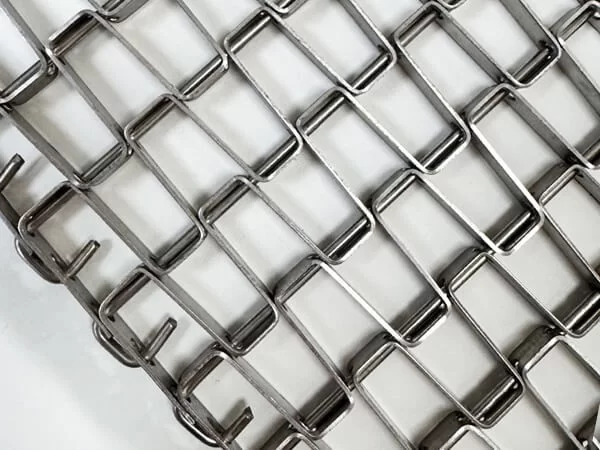
Implementing Flat Wire Conveyor Belt systems to transport high-temperature metal components, where stability and heat dissipation are critical.

3. Commercial Bakery Automation

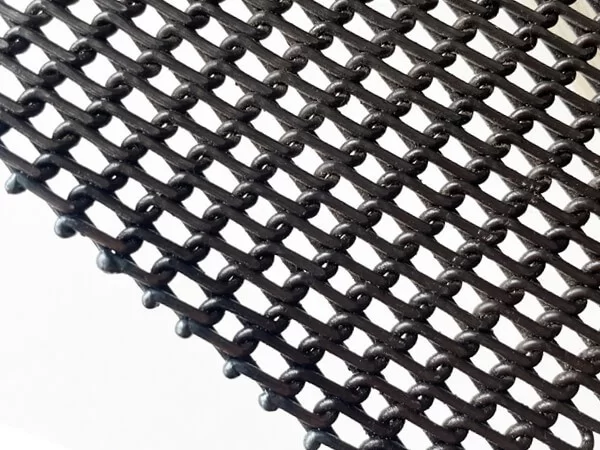
Employing Honeycomb Conveyor Belts in industrial ovens to provide uniform heat distribution for large-scale bread production in Manama.

4. Spiral Freezing in Seafood Logistics

Integrating Balanced Spiral Conveyor Belt systems for rapid blast freezing of seafood, optimizing limited warehouse footprints in port areas.

5. Chemical Processing Facilities

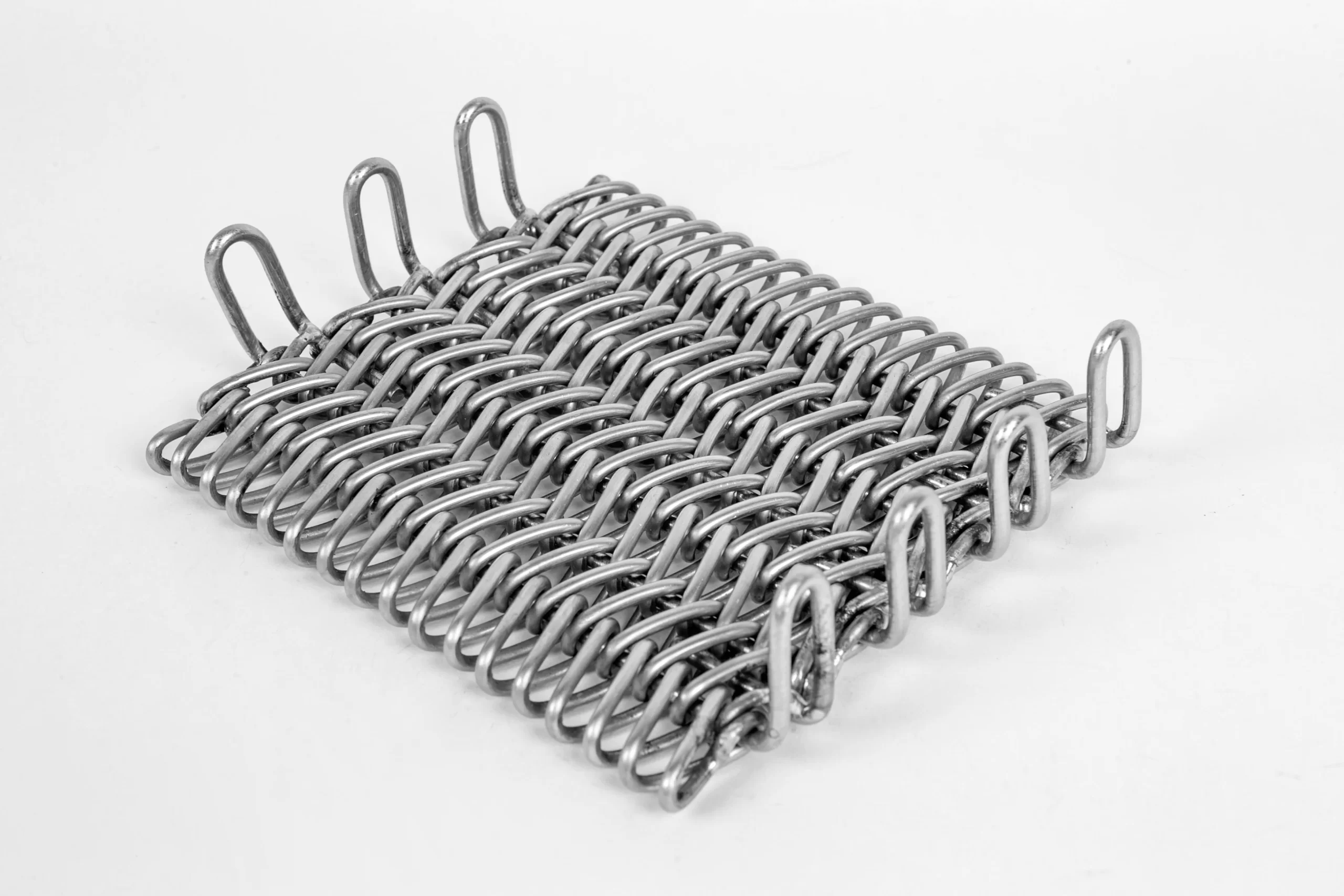
Using Compound Balanced Weave Belt for the movement of caustic materials, leveraging the high corrosion resistance of specialized weave patterns.

Brand Story

Global Development Journey of Yangzhou Jiao Yang Mesh Belt Co., Ltd.

Foundational Excellence

Established with a focus on precision weaving, we began by solving the most basic durability issues in industrial mesh belts.

Technological Breakthrough

Developed proprietary balancing technology that eliminated belt drift, a common pain point in high-speed conveyor systems.

Global Market Expansion

Expanded our footprint into the Middle East, specifically tailoring alloys for the high-salinity environments of the Gulf.

Certification and Quality

Achieved international food-grade and industrial safety certifications, enabling us to serve the world's leading food processing brands.

Sustainable Future

Now focusing on carbon-neutral manufacturing and energy-efficient belt designs to support global green initiatives.

Complete Transmission Portfolio for Bahrain

A comprehensive range of stainless steel solutions designed for longevity and performance.

Common Questions for Bahraini Industrialists

Technical insights regarding conveyor belt selection and maintenance in the Gulf region.

How do I prevent corrosion in a Stainless Steel Wire Mesh Belt in coastal Bahrain?

We recommend using AISI 316 or 316L grade stainless steel for all applications in coastal areas, as these alloys contain molybdenum, which provides superior resistance to chloride pitting caused by salt air.

What are the advantages of a Balanced Spiral Conveyor Belt for space-limited factories?

Spiral belts allow for vertical processing (cooling, freezing, or proofing), which significantly reduces the floor space required compared to traditional long linear conveyors, increasing productivity per square meter.

When should I choose a Compound Balanced Weave Belt over a standard mesh?

Choose a compound weave when you require a flatter surface for small product stability without sacrificing the drainage and airflow properties of a mesh belt.

Can Honeycomb Conveyor Belts handle high-temperature industrial ovens?

Yes, our honeycomb designs are specifically engineered for high thermal stability and uniform heat distribution, making them ideal for baking and drying processes at temperatures exceeding 250°C.

How often should a Flat Wire Conveyor Belt be inspected for tension in hot climates?

Due to thermal expansion in extreme heat, we recommend a monthly tension check and a quarterly alignment audit to prevent belt tracking issues and premature wear.

What is the typical lead time for custom mesh belts shipped to Bahrain?

Depending on the complexity of the weave and the dimensions, custom orders typically take 2-4 weeks for production, with expedited shipping options available to ensure minimal production downtime.

Ready to Optimize Your Production Line?

Our engineering team is ready to provide bespoke transmission solutions tailored for the industrial requirements of Bahrain.

Contact Us Now

If you are interested in our products, you can choose to leave your information here, and we will be in touch with you shortly.