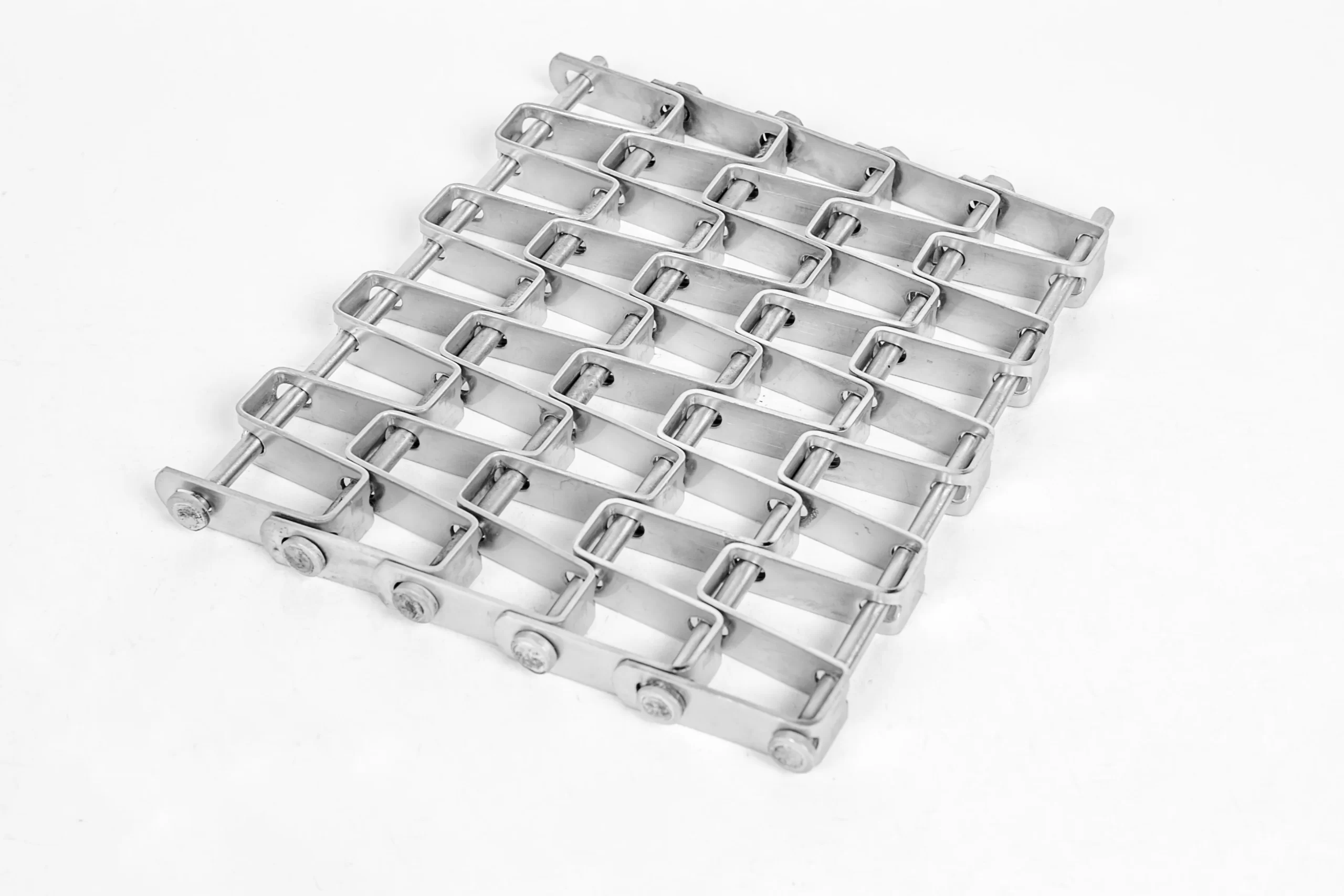
Industrial Conveying Solutions for Sweden Balanced Spiral Conveyor Belt Systems

  • Home
  • Global Service
  • Industrial Conveying Solutions for Sweden Balanced Spiral Conveyor Belt Systems

Industrial Conveying Solutions for Sweden: Balanced Spiral Conveyor Belt Systems

High-precision mechanical transmission components engineered for the rigorous demands of Swedish food processing and automotive manufacturing.

Industrial Conveying Solutions for Sweden: Balanced Spiral Conveyor Belt Systems

Integrating advanced materials and precision engineering to optimize production lines across Scandinavia with high-durability conveyor systems.

The State of Mechanical Transmission in Sweden

Analyzing the intersection of Nordic climate challenges and high-automation industrial standards.

In Sweden, the manufacturing sector is characterized by a relentless pursuit of sustainability and extreme precision. Due to the humid coastal climates and the strict hygiene requirements of the Nordic food industry, there is a critical demand for Stainless Steel Wire Mesh Belt solutions that resist corrosion while maintaining structural integrity under thermal shock.

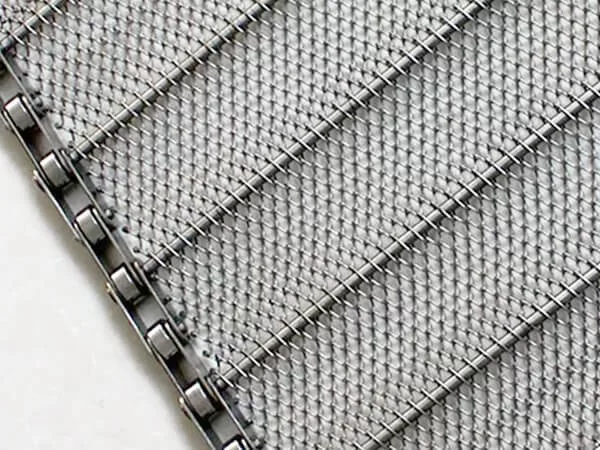
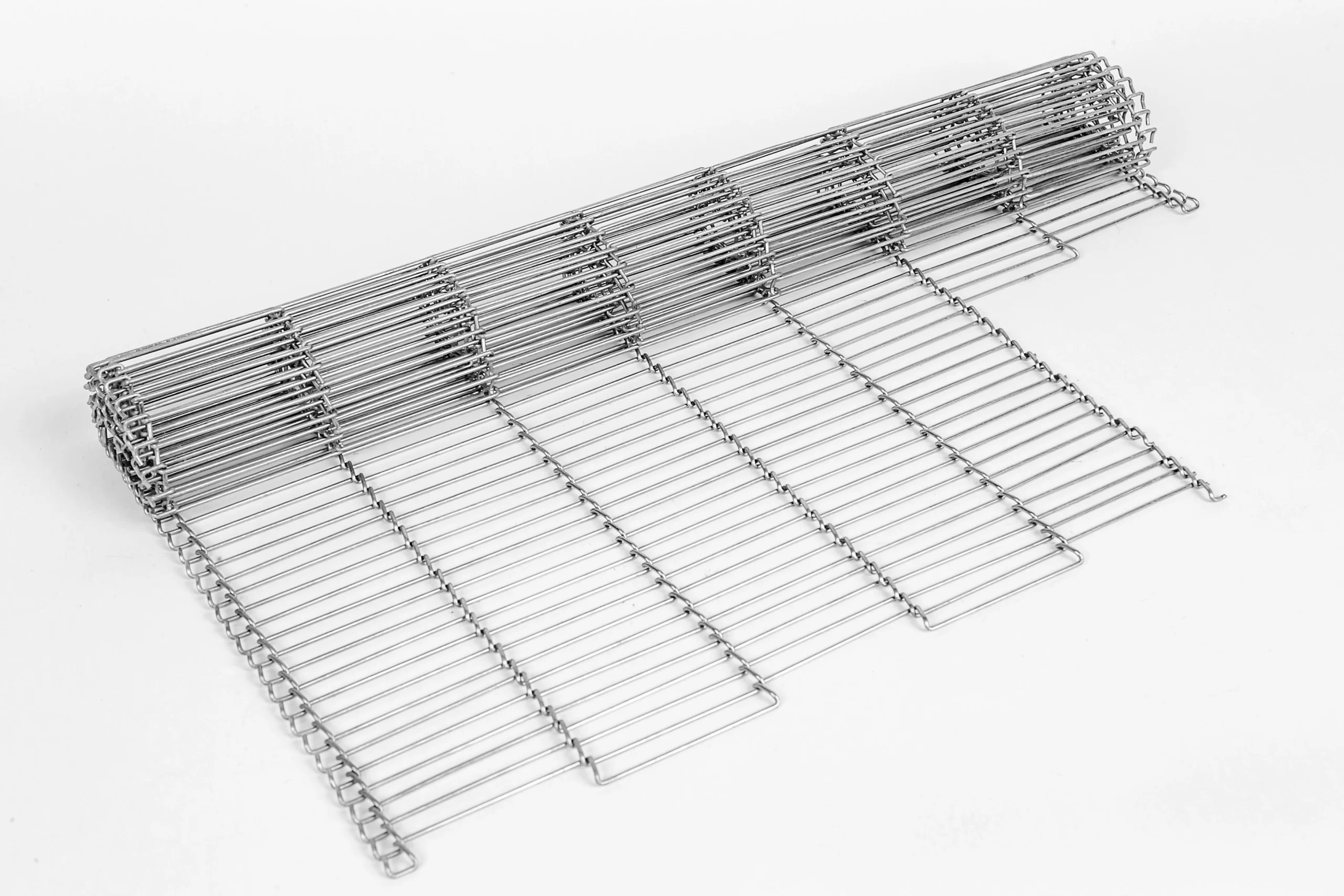
The Swedish market is currently transitioning toward "Industry 4.0" integration, where conveyor components must support smart sensors and high-speed throughput. The reliability of Flat Wire Conveyor Belt systems is paramount here, as downtime in automated Swedish factories incurs significantly higher costs than in other global regions.

Furthermore, the local economy's focus on green energy and circular manufacturing has pushed equipment manufacturers to seek belts with longer lifecycles and lower friction coefficients, reducing the overall energy consumption of large-scale mechanical transmission systems across the region.
Evolution of Conveyor Technology in Sweden

From basic metallic weaves to precision-engineered balanced systems.

Market Development History

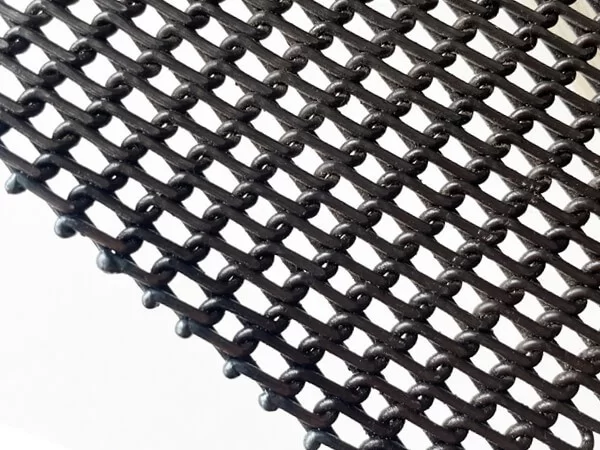
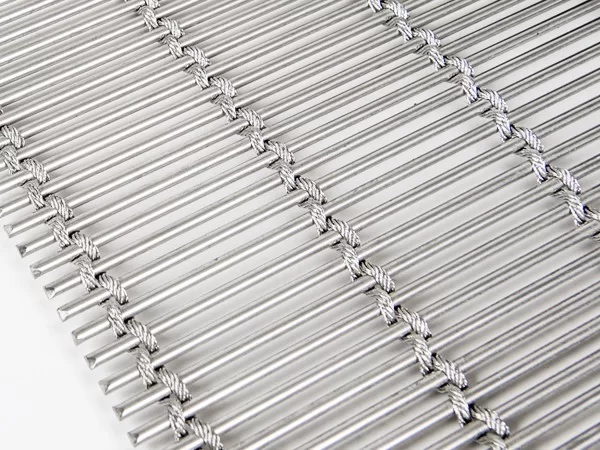
During the late 20th century, Swedish industry relied heavily on traditional steel belts. However, by the early 2000s, the shift toward specialized food processing necessitated the introduction of Honeycomb Conveyor Belts to improve airflow and drainage in cooling and freezing tunnels.

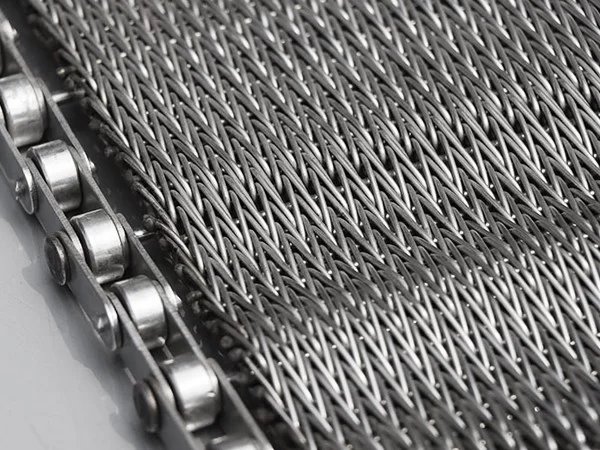
Between 2010 and 2020, the focus shifted toward stability. The adoption of Compound Balanced Weave Belt technology allowed Swedish manufacturers to eliminate belt tracking issues, which had previously been a major cause of mechanical failure in spiral systems.

Today, the trajectory is defined by "Hyper-Specialization," where belts are no longer generic components but are custom-engineered to match the specific tension and thermal expansion coefficients required by high-tech Swedish metallurgy and pharmaceutical labs.

Future Development Trends

Smart-Material Integration

Integrating conductive alloys into the weave to allow real-time wear monitoring via IoT sensors throughout the Swedish supply chain.

Extreme Thermal Optimization

Developing alloys capable of maintaining stability from -40°C to +300°C to support the extreme temperature swings of Nordic industrial environments.

Zero-Friction Engineering

Moving toward advanced surface treatments that reduce the coefficient of friction, aligning with Sweden's national goal of carbon neutrality by 2045.

Industry Trends and Future Outlook

Predicting the next 3-5 years of mechanical transmission based on Nordic search data and industrial shifts.

Automation Synchronization
Increasing demand for belts that integrate perfectly with robotic arms and AI-driven sorting systems.
Eco-Material Certification
Shift toward 100% recyclable stainless alloys to meet strict European Green Deal requirements.
Hygiene-First Design
Growth in open-weave designs that facilitate CIP (Clean-in-Place) protocols for the dairy sector.
Predictive Maintenance
Transition from scheduled replacement to condition-based replacement using vibration analysis.

Industry Outlook

Google search trends in Northern Europe indicate a surge in queries for "high-tension conveyor stability" and "corrosion-resistant mesh," suggesting that Swedish firms are prioritizing longevity over initial CAPEX.

As the region integrates more AI-driven logistics, the demand for belts that can operate at ultra-high speeds without compromising balance will drive the next generation of product development.

Localized Application Scenarios in Sweden

Tailored mechanical transmission solutions for the Swedish industrial landscape.

01. Swedish Salmon Processing Plants

Utilizing Stainless Steel Wire Mesh Belt for high-salinity environments, ensuring food safety and corrosion resistance during the brining process.

02. Gothenburg Automotive Assembly Lines

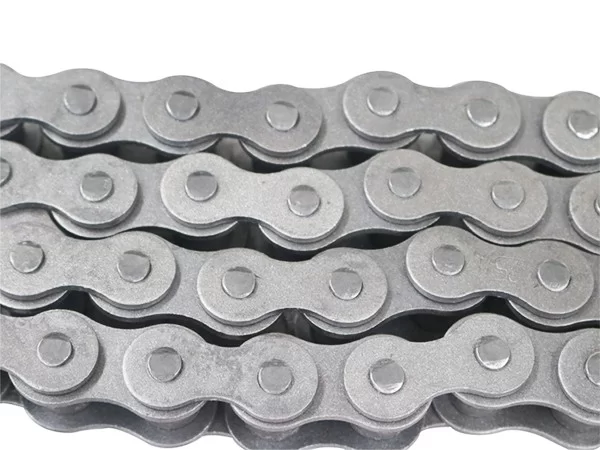
Implementing Flat Wire Conveyor Belt systems for the transport of heavy engine components, focusing on high load-bearing capacity and precision tracking.

03. Nordic Industrial Bakeries

Employing Balanced Spiral Conveyor Belt systems for space-saving cooling and proofing, optimizing the vertical footprint of urban factories.

04. Swedish Pharmaceutical Cleanrooms

Integrating Compound Balanced Weave Belt to ensure zero-contamination transport of medical vials under strict sterile conditions.

05. Northern Sweden Mining Equipment

Using heavy-duty Honeycomb Conveyor Belts for the transport of abrasive mineral samples, prioritizing wear resistance and structural rigidity.

Brand Story

Global Development Journey of Yangzhou JiaoYang Mesh Belt Manufacturing Co., Ltd.

Foundational Engineering

Started with a commitment to solve the fundamental pain point of belt misalignment in mechanical transmission.

Material Innovation

Pioneered the use of high-grade stainless alloys to meet international food-grade and pharmaceutical standards.

Global Expansion

Expanded operations to serve the European market, adapting designs to meet the rigorous Swedish industrial codes.

Precision Certification

Achieved global certifications for precision weaving, ensuring every belt meets micron-level tolerance requirements.

Sustainable Future

Currently leading the shift toward eco-friendly manufacturing, reducing the carbon footprint of industrial conveying.

Comprehensive Product Portfolio for the Swedish Market

A full suite of mechanical transmission components designed for durability and efficiency.

Frequently Asked Questions in Sweden

Technical insights and procurement guidance for Swedish industrial engineers.

How to choose the right Stainless Steel Wire Mesh Belt for high-humidity Swedish environments?

We recommend using AISI 304 or 316L grade stainless steel to ensure maximum corrosion resistance against salt and moisture typical in Swedish coastal industrial zones.

What are the benefits of a Balanced Spiral Conveyor Belt in vertical farming?

Balanced systems eliminate the need for frequent manual tracking adjustments, which is critical for the automated vertical systems common in Swedish urban agriculture.

Can a Compound Balanced Weave Belt handle extreme temperature fluctuations?

Yes, our compound weave is specifically designed to handle rapid thermal expansion and contraction without losing tension or tracking.

How do Honeycomb Conveyor Belts improve energy efficiency in Swedish ovens?

The honeycomb structure maximizes airflow and heat penetration, reducing the required oven time and lowering electricity consumption.

What is the expected lifespan of a Flat Wire Conveyor Belt in automotive assembly?

Depending on the load and lubrication, our heavy-duty flat wire belts typically last 5-10 years with minimal maintenance in high-precision environments.

Are these belts compliant with EU food safety regulations?

All our belts are manufactured using food-grade materials that comply with EU and Swedish health and safety standards for food contact surfaces.

Ready to Optimize Your Production?

Contact our engineering team for custom conveyor solutions delivered directly to your facility in Sweden.

Contact Us Now

If you are interested in our products, you can choose to leave your information here, and we will be in touch with you shortly.