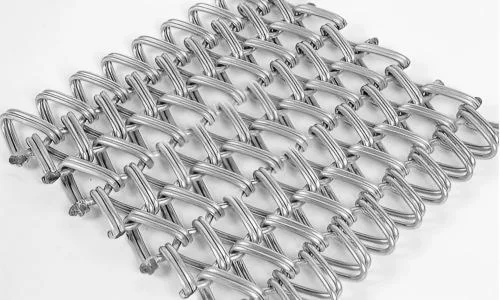
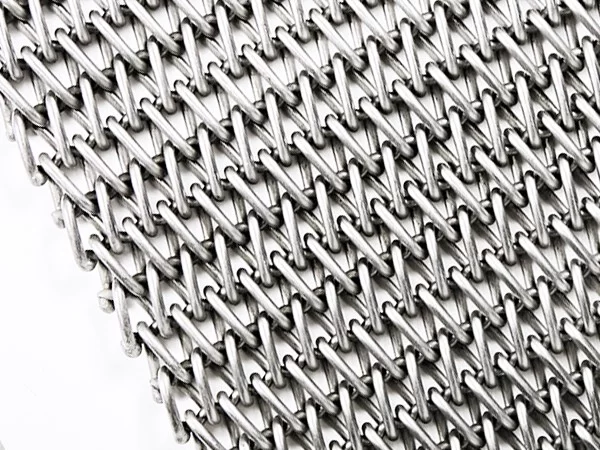
HighPerformance Compound Balanced Weave Belt Solutions for Norway Industrial Processing

  • Home
  • Global Service
  • HighPerformance Compound Balanced Weave Belt Solutions for Norway Industrial Processing

High-Performance Compound Balanced Weave Belt Solutions for Norway Industrial Processing

Engineering precision-driven mechanical transmission components to optimize Norwegian manufacturing efficiency and durability in extreme environments.

High-Performance Compound Balanced Weave Belt Solutions for Norway Industrial Processing

Providing the Norwegian general equipment manufacturing sector with advanced conveyor belt technologies designed for superior stability, thermal resistance, and hygienic compliance.

Industrial Landscape of Mechanical Transmission in Norway

Analyzing the integration of high-strength wire mesh components in Northern Europe's rigorous manufacturing standards.

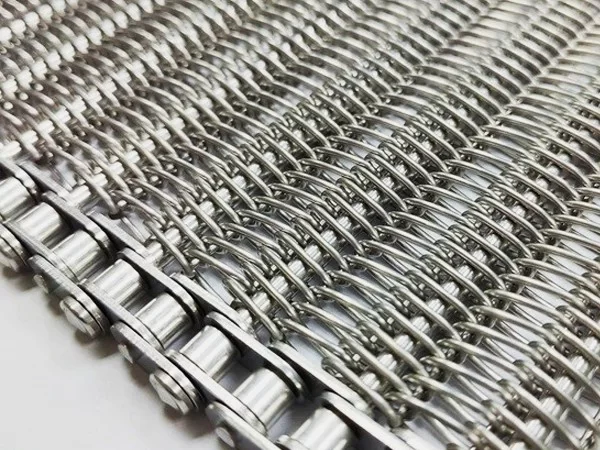
Norway's manufacturing sector is characterized by a strong emphasis on automation and sustainability, particularly within the seafood processing and energy industries. The prevalence of saline environments and fluctuating coastal temperatures necessitates the use of Stainless Steel Wire Mesh Belt systems that can resist corrosion while maintaining high structural integrity under heavy loads.

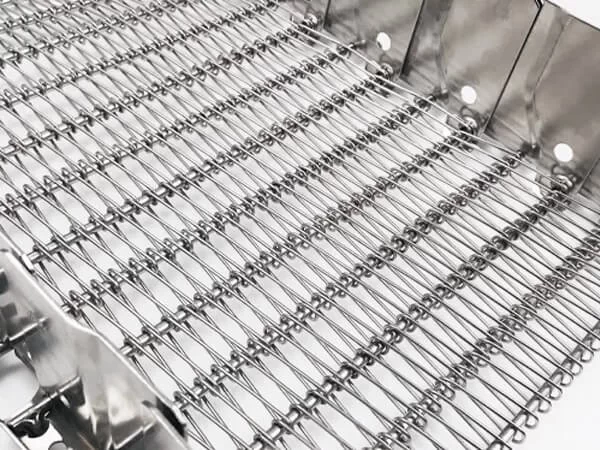
In the context of general equipment manufacturing, there is a significant shift toward "Green Manufacturing." This has led to an increased demand for Balanced Spiral Conveyor Belt technology to maximize space efficiency in vertical cooling and frying processes, reducing the overall energy footprint of industrial plants in Oslo and Bergen.

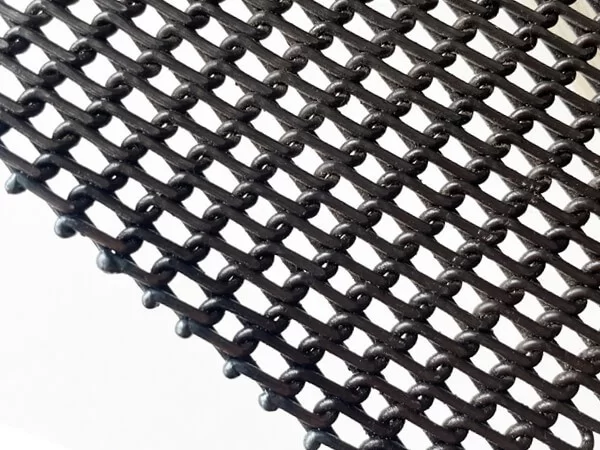
Furthermore, the stringent hygiene regulations imposed by Norwegian food safety authorities require conveyor components that eliminate dead zones. The adoption of Honeycomb Conveyor Belts has become a strategic choice for local manufacturers to ensure rapid drainage and effortless cleaning cycles.
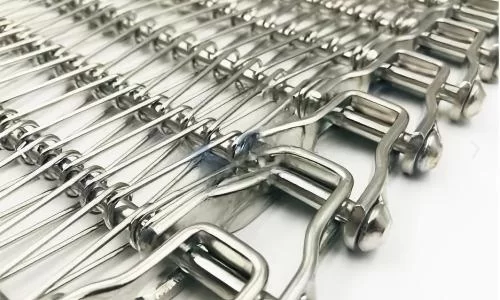
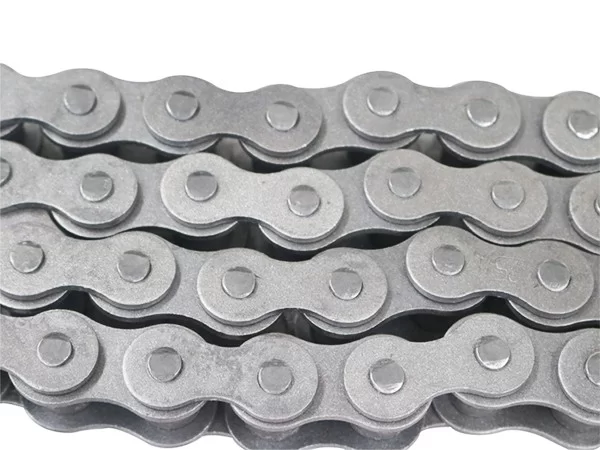
Evolution of Conveyor Technology in Norway

From basic metallic lattices to intelligent, balanced weave transmission systems.

Market Development History

Prior to 2010, the Norwegian market relied heavily on standard carbon steel belts, which suffered from rapid oxidation in humid maritime climates. The transition to 304 and 316 stainless steel marked the first major technical iteration, focusing on material longevity.

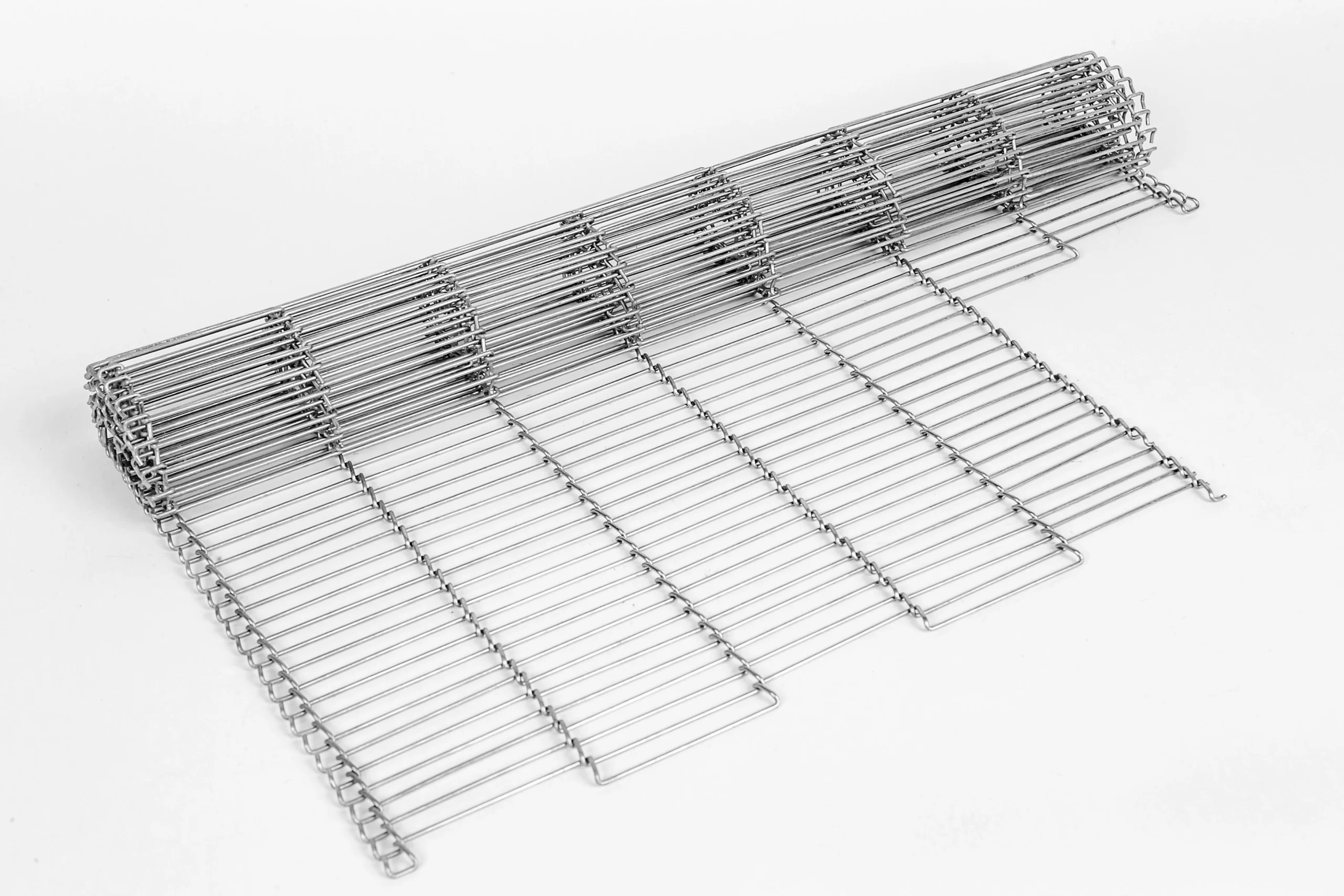
Between 2012 and 2018, the industry shifted toward "Balance Engineering." The introduction of the Flat Wire Conveyor Belt allowed for precise tracking and reduced side-wear, significantly lowering the maintenance costs for general equipment manufacturers.

From 2019 to the present, the focus has evolved toward hybrid weaving techniques. The development of the Compound Balanced Weave Belt solved the conflict between high openness for airflow and the need for a flat surface for product stability.

Future Development Trends

Smart-Sensing Integration

Integration of IoT sensors within the weave structure to monitor belt tension and wear in real-time, predicting failure before it occurs in automated Norwegian lines.

Extreme Temperature Alloys

Development of specialized coatings and alloys that can withstand the extreme delta between blast-freezing and high-heat curing processes common in Nordic industries.

Zero-Friction Geometry

Refining the geometry of conveyor links to reduce the coefficient of friction, thereby decreasing the power requirements of the driving motors.

Strategic Trends & Future Outlook for Norway's Transmission Sector

Predicting the trajectory of mechanical components through the lens of Industry 4.0 and Nordic sustainability goals.

Sustainable Metallurgy
Shift towards 100% recyclable stainless steel grades to meet Norway's strict circular economy mandates.
Modular Customization
Rapidly interchangeable belt sections to reduce downtime in specialized Norwegian equipment assembly.
Precision Tracking
Advanced weave patterns that eliminate lateral drift, ensuring safety in high-speed transmission lines.
Automation Synergy
Designing belts that interface seamlessly with AI-driven sorting and robotic loading systems.

Industry Outlook

Google search trends indicate a rising interest in "carbon-neutral manufacturing" across Scandinavia. This will likely drive a transition toward conveyor systems that minimize energy loss through friction reduction and optimized weight-to-strength ratios.

Over the next 3-5 years, the integration of additive manufacturing (3D printing) for custom belt end-links will allow Norwegian firms to prototype and deploy specialized transmission solutions in a fraction of the current lead time.

Localized Application Scenarios in Norway

Practical implementations of advanced mesh belts across Norway's key industrial sectors.

01. Salmon Processing Plants in Tromsø

Utilization of Honeycomb Conveyor Belts to facilitate rapid brine drainage and high-pressure sterilization during the fillet processing phase.

02. Specialized Bakery Production in Oslo

Implementation of Balanced Spiral Conveyor Belt systems for continuous proofing and space-saving cooling of traditional Nordic breads.

03. Automotive Component Finishing in Drammen

Deployment of Flat Wire Conveyor Belt for the transport of precision-machined parts through chemical degreasing and heat-treatment tunnels.

04. Pharmaceutical Packaging in Stavanger

Usage of Compound Balanced Weave Belt to ensure vibration-free transport of fragile vials while allowing precise air-cooling.

05. Marine Equipment Manufacturing in Ålesund

Integration of heavy-duty Stainless Steel Wire Mesh Belt for the movement of large-scale maritime valve components through grit-blasting stages.

Brand Story

Global Development Journey of Yangzhou Jiaoyang Mesh Belt Manufacturing Co., Ltd.

Foundational Engineering

Established with a focus on resolving the instability of traditional conveyor belts, we began by perfecting the tension-balance weave.

Material Innovation

Expanded our capabilities into high-grade stainless steel alloys, enabling our belts to survive the most corrosive industrial environments.

Global Expansion

Strategically entered the European market, tailoring our products to meet the rigorous DIN and ISO standards required by Nordic engineers.

Precision Automation

Invested in CNC weaving technology to ensure micron-level accuracy in belt width and pitch for high-speed automated lines.

Future-Proofing Industry

Now focusing on the intersection of mechanical durability and digital monitoring to eliminate unplanned downtime for our global partners.

Comprehensive Transmission Product Portfolio for Norway

A curated selection of high-durability mesh belts designed for the demanding requirements of the Norwegian manufacturing sector.

Common Industrial Inquiries in Norway

Expert answers to technical challenges regarding wire mesh belt selection and maintenance.

How do I choose between a Flat Wire Conveyor Belt and a balanced weave for seafood processing?

For applications requiring maximum drainage and high-pressure washing, the balanced weave is superior. However, if the product is small and prone to slipping, a Flat Wire Conveyor Belt provides a more stable surface.

Are Stainless Steel Wire Mesh Belts suitable for cryogenic temperatures in Nordic freezers?

Yes, our AISI 304 and 316 grades are specifically engineered to maintain ductility and tensile strength at temperatures as low as -40°C, preventing brittle fractures.

What is the primary advantage of Honeycomb Conveyor Belts in food hygiene?

The hexagonal structure of Honeycomb Conveyor Belts minimizes contact area with the product, significantly reducing residue buildup and facilitating faster CIP (Clean-In-Place) cycles.

Can a Balanced Spiral Conveyor Belt reduce my facility's floor space?

Absolutely. By utilizing vertical space for cooling or proofing, a Balanced Spiral Conveyor Belt can reduce the required footprint by up to 70% compared to linear systems.

How does a Compound Balanced Weave Belt prevent tracking issues?

The compound weave integrates longitudinal stability wires that act as internal guides, ensuring the belt remains centered even under asymmetrical loads.

What maintenance interval is recommended for mesh belts in high-saline environments?

In coastal Norwegian plants, we recommend a bi-weekly inspection for tension and a monthly deep-cleaning to remove salt deposits that could cause micro-pitting.

Optimize Your Production Line Today

Partner with the leading experts in mechanical transmission to enhance your operational efficiency in Norway.

Contact Us Now

If you are interested in our products, you can choose to leave your information here, and we will be in touch with you shortly.