- Tel: +86 15252586600 / +86 13705250816
- Email: 527966138@qq.com / 1026520412@qq.com
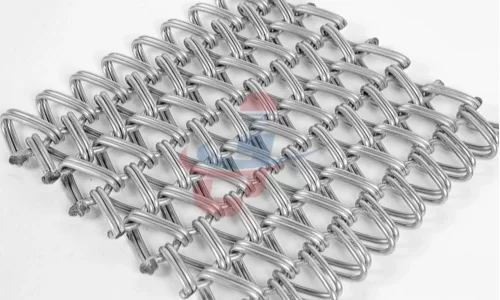
Industrial material handling requires a delicate balance between structural rigidity and fluid movement, especially when transporting heavy components through complex production stages. For operations needing high-precision positioning and robust conveying capabilities, the Plate Link system offers a sophisticated alternative to standard mesh. By utilizing a hinged slat design, these belts provide exceptional stability and strength, ensuring that materials remain secure even in challenging environments.
Whether you are optimizing a pharmaceutical sorting line or an automotive assembly plant, the ability to customize plate height and thickness is critical for aligning the conveyor with existing machinery. This guide explores the technical advantages of heavy-duty industrial construction and how specific configurations—such as solid or perforated plates—can be tailored to improve airflow, drainage, and overall operational efficiency in high-stress manufacturing sectors.

The core of a high-performance plate link system lies in its hinged slat architecture. Unlike flexible fabric belts, the rigid plate design prevents stretching and slippage, which is essential for automated sorting and packaging lines where precise positioning is non-negotiable. These belts are meticulously crafted to handle heavy loads by distributing stress across reinforced connection points.
Technical versatility is achieved through customizable plate configurations. Solid plates are engineered for maximum surface support, ideal for heavy automobile parts or large electronics. Conversely, perforated plates allow for critical process integration, such as air cooling, liquid drainage, or chemical rinsing, without interrupting the flow of materials. This adaptability ensures that the conveyor acts not just as a transport mechanism, but as a functional part of the production process.
From a manufacturing standpoint, the use of heavy-duty industrial construction ensures longevity. By optimizing the thickness based on specific load requirements, these systems reduce the frequency of unplanned downtime, providing a reliable foundation for continuous material transportation across various production stages.

In high-volume manufacturing, the cost of downtime often outweighs the initial investment in hardware. To combat this, the plate link design incorporates a streamlined maintenance approach. The use of cotter pins or washers for chain fixation allows technicians to remove and replace individual slats or components quickly. This modularity means a single damaged link can be swapped without dismantling the entire conveyor system.
This ease of maintenance is particularly beneficial in harsh environments, such as chemical plants or food processing facilities, where wear and tear are accelerated. The ability to perform rapid part replacement ensures that the production line returns to full capacity in a fraction of the time required for traditional belt repairs.
Furthermore, the structural grade of these belts is designed for endurance. By focusing on robust side-chain stability and high-precision alignment, the system minimizes lateral drift. This stability reduces the friction between the belt and the guide rails, extending the operational life of the entire assembly and reducing the long-term total cost of ownership.
Different industries demand different conveyor characteristics. In the Food and Pharma sectors, the focus is on hygiene and precision. Perforated plates are often utilized here for baking or medical component sorting, where airflow and cleaning are mandatory for regulatory compliance.
In contrast, the Automotive and Heavy Machinery industries prioritize strength. High-strength belts capable of handling heavy metal components require maximum plate thickness and reinforced hinged joints to prevent deformation under extreme stress. The result is a system that maintains consistent conveying speed even when fully loaded.
For Chemical and Electronic Assembly, stability is the primary requirement. Delicate electronic components require smooth transitions to avoid vibration damage, while chemical logistics necessitate materials that can withstand corrosive atmospheres. By tailoring the material finish and plate height, the system provides a seamless flow that optimizes the throughput of the entire factory floor.
| Performance Metric | Standard Belts | Plate Link Belts | Industrial Impact |
|---|---|---|---|
| Maintenance Speed | Slow/Complex | Rapid (Cotter Pin Fix) | Reduced Downtime |
| Structural Durability | Moderate | Heavy-Duty Industrial | Extended Lifecycle |
| Customization Depth | Limited | High (Height/Thickness) | Perfect Machinery Fit |
| Positioning Accuracy | Average | High Precision | Better Automation Sync |
| Load Capacity | Medium | High Strength | Heavy Part Handling |
Selecting a partner for industrial conveying requires a look beyond the product specifications. Manufacturing excellence is driven by technical capabilities, such as the use of CNC straightening machines and intelligent embossing equipment. These tools allow for high-precision, standardized production that ensures every link in a thousand-foot belt is identical, preventing tracking issues and premature wear.
Quality management systems, including ISO9001 certifications, provide the necessary framework for consistency. For a global supplier, the ability to integrate R&D with after-sales service is what separates a vendor from a partner. This includes providing installation guidance and operational optimization to ensure the belt is tensioned and aligned correctly for the specific load it will carry.
Furthermore, the capacity to offer bespoke configurations is essential. Whether it is a specific plate height for a unique product or a specialized material for a high-temperature environment, the ability to engineer solutions from the ground up ensures that the final installation delivers maximum uptime and value over its entire service life.
When procuring a new conveying system, buyers should move beyond simple price comparisons and evaluate the long-term investment return. A slightly higher initial cost for a heavy-duty plate link belt is often offset by the drastic reduction in maintenance hours and the extension of the replacement cycle. The focus should be on "uptime value"—the amount of revenue generated by a line that rarely stops.
Key procurement considerations include checking the supplier's ability to provide compatible spare parts and their response time for technical support. In a global supply chain, having a partner with a proven track record in diverse markets—from Southeast Asia to Europe—indicates an understanding of various industrial standards and shipping requirements.
Ultimately, the goal is to create a collaborative partnership. By providing detailed application needs during the design phase, buyers can ensure that the selected plate configuration, material thickness, and chain fixation method are perfectly matched to their operational reality, resulting in a system that enhances overall production efficiency.
Solid plates provide maximum surface support for heavy items, while perforated plates allow for airflow, drainage, or cleaning, making them ideal for food washing or chemical processes.
Our belts are designed for easy maintenance. The chains are fixed with cotter pins or washers, allowing technicians to remove and replace individual slats or components quickly without dismantling the entire system.
Yes, we offer comprehensive customization regarding plate height, material thickness, and configuration to ensure the belt meets the specific regulatory and technical standards of your industry.
They are highly beneficial for the Food industry (baking, meat processing), Pharmaceuticals (tablet packaging), Chemical industry (continuous transport), and Automotive assembly lines.
The combination of a stable hinged slat structure and high-quality side chains ensures a consistent conveying speed and prevents slippage, providing the precision needed for automated lines.
Our belts are constructed for heavy-duty use. Depending on the chosen material and finish, they are designed to maintain stability and efficiency even in the demanding conditions of the chemical industry.
Ready to optimize your production line with a high-performance conveyor solution? Contact our engineering team today for a customized technical consultation and a quote tailored to your specific industrial requirements.