Advanced Conveying Solutions for Libya’s Industry Balanced Spiral Conveyor Belt

  • Home
  • Global Service
  • Advanced Conveying Solutions for Libya’s Industry Balanced Spiral Conveyor Belt

Advanced Conveying Solutions for Libya's Industry: Balanced Spiral Conveyor Belt

High-performance mechanical transmission components engineered for the extreme climates and industrial demands of the Libyan market.

Advanced Conveying Solutions for Libya's Industry: Balanced Spiral Conveyor Belt

Providing robust, corrosion-resistant mechanical transmission components including Stainless Steel Wire Mesh Belt and specialized weave structures to optimize productivity in Libya's manufacturing sector.

Industrial Transmission Landscape in Libya

Challenges and realities of machinery operation in North African environments

The manufacturing sector in Libya operates under harsh environmental conditions, characterized by extreme heat and high salinity in coastal regions. For general equipment manufacturing, this necessitates the use of materials like Stainless Steel Wire Mesh Belt to prevent premature oxidation and mechanical failure in food processing and oil-related industries.

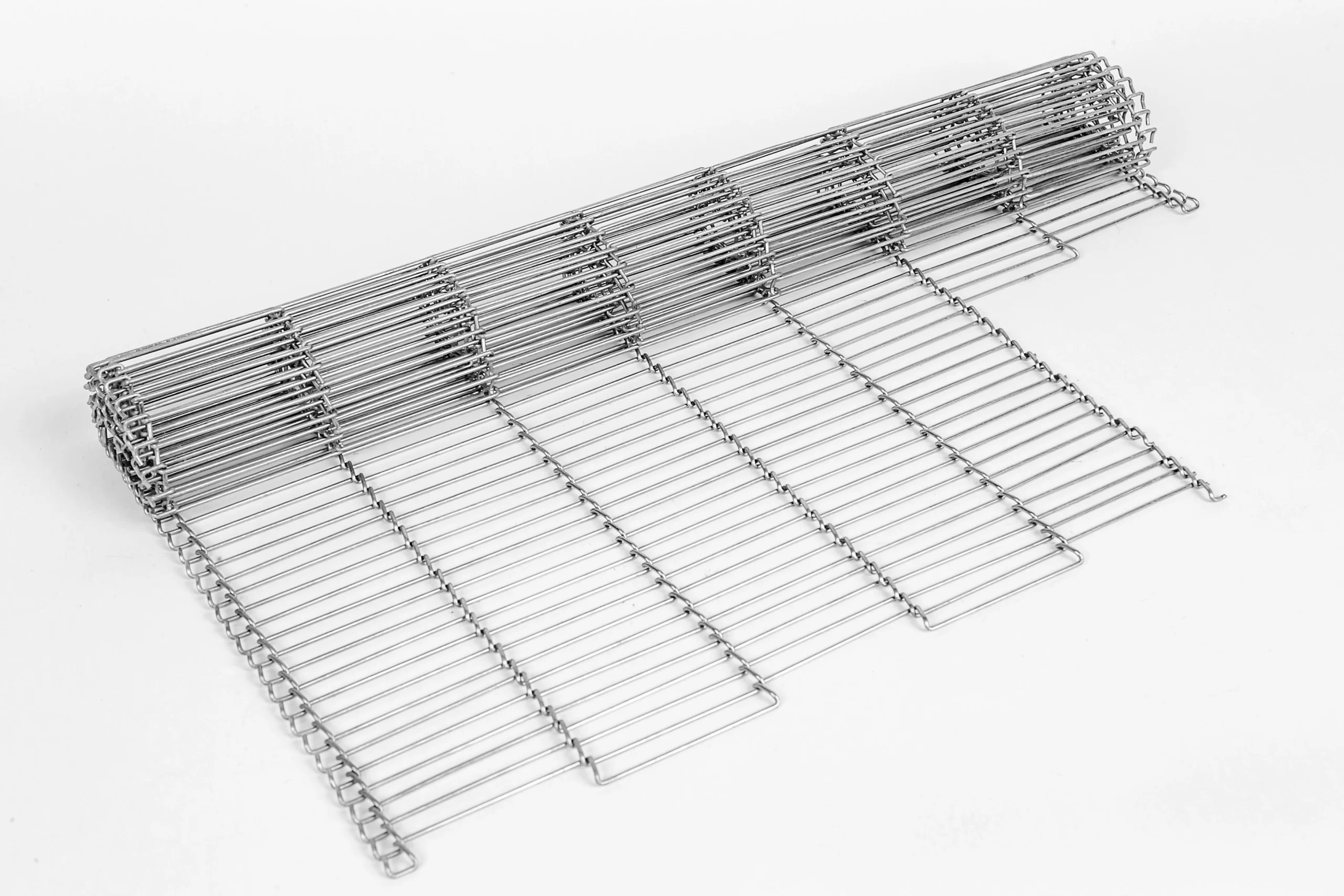
Current industrial facilities often struggle with the balance between high throughput and equipment longevity. The reliance on imported mechanical transmission parts means that durability is the primary KPI for Libyan engineers, driving a shift toward high-tensile Flat Wire Conveyor Belt systems that can withstand continuous heavy-duty cycles.

Furthermore, the logistical constraints in Libya require components that are easy to maintain and replace. There is a growing demand for standardized yet robust belts that can integrate with diverse machinery, ensuring that production lines in Tripoli and Benghazi remain operational with minimal downtime.
Evolution of Mechanical Transmission in Libya

From basic conveyors to precision-engineered weave systems

Market Development History

In the early 2000s, the Libyan market predominantly used simple carbon steel chains and rubber belts, which suffered frequent failures due to the desert heat and corrosive air, leading to high maintenance costs.

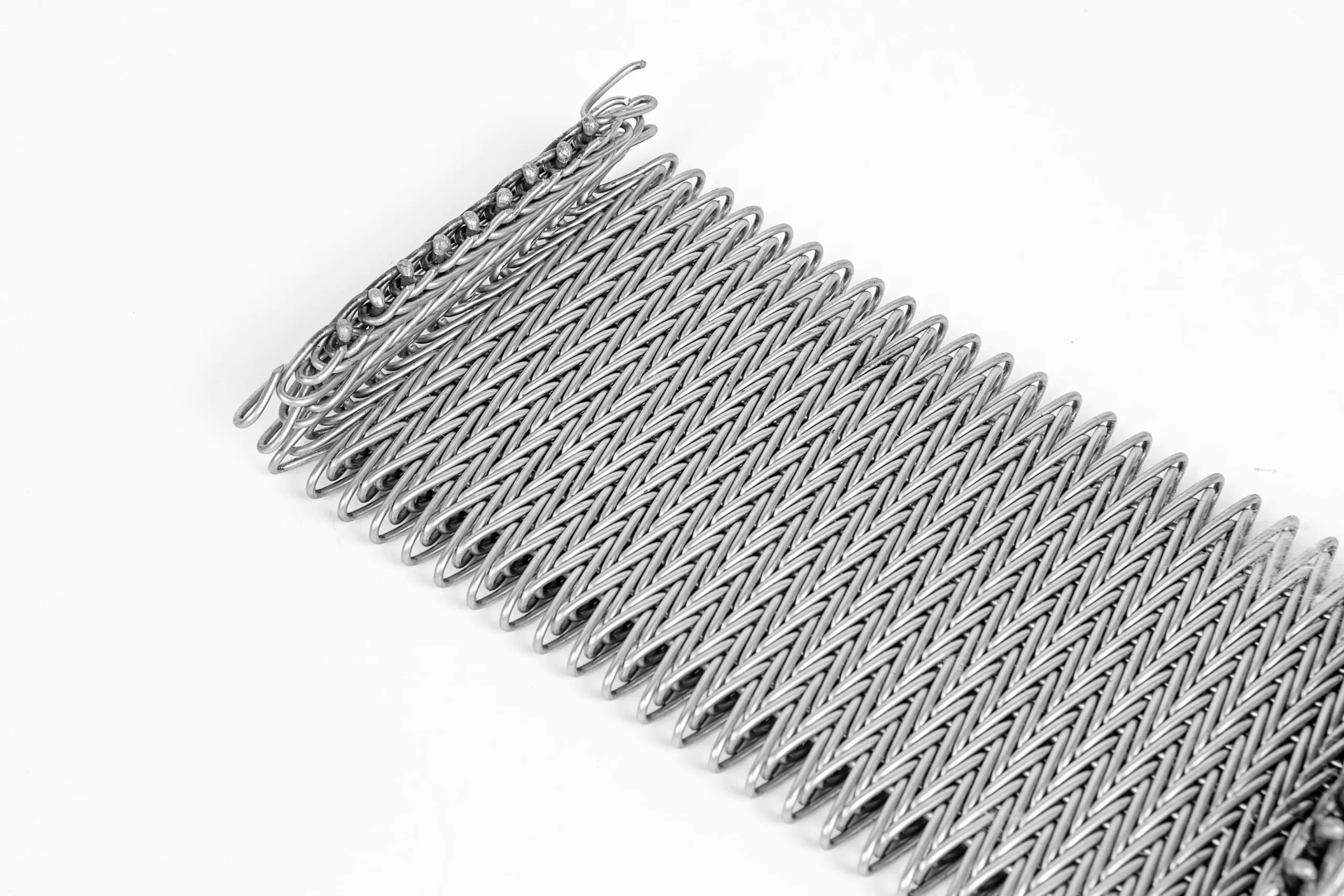
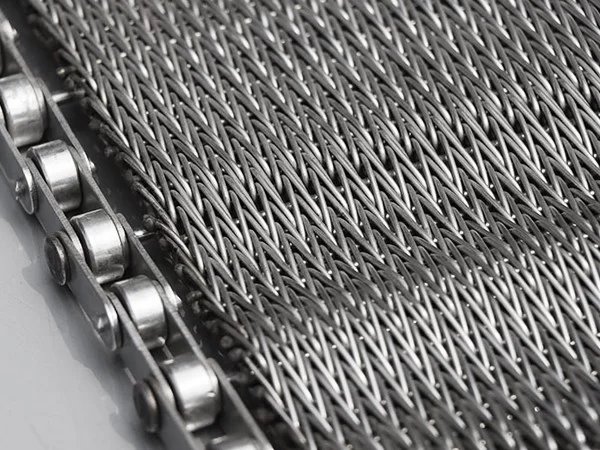
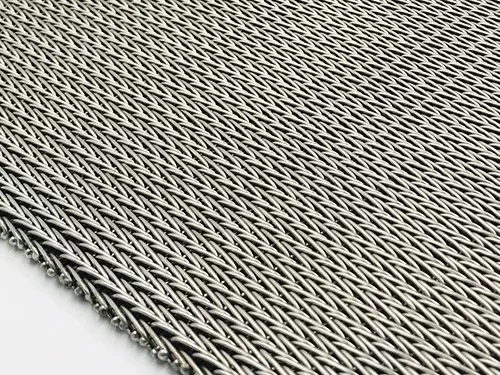
Between 2010 and 2020, a technological pivot occurred as the industry adopted specialized stainless steel solutions. The introduction of the Compound Balanced Weave Belt allowed for better tracking and stability, reducing the frequency of belt drift in industrial ovens.

Recently, the focus has shifted toward high-efficiency geometry. The adoption of Honeycomb Conveyor Belts has revolutionized airflow and heating uniformity for Libya's growing food dehydration and processing plants.

Future Development Trends

Integration of Smart Monitoring

The next 3 years will see the integration of IoT sensors within conveyor frames to monitor the tension and wear of the mesh belts in real-time.

Material Science Upgrades

A move toward higher-grade alloys that offer superior resistance to the sulfurous environments found in petrochemical auxiliary manufacturing.

Energy-Efficient Drive Systems

Optimization of the friction coefficient between the belt and the slider bed to reduce power consumption in large-scale Libyan factories.

Industry Outlook and Future Projections

Analyzing the trajectory of conveyor technology in the North African region

Thermal Stability Optimization
Developing belts that maintain structural integrity under Libya's extreme ambient temperatures.
Precision Tracking Tech
Advanced weaving techniques to eliminate lateral drift in long-distance conveyor lines.
Hybrid Material Blends
Combining stainless steel with high-temp polymers for specific chemical resistance.
Modular Component Design
Standardizing joint sizes for rapid on-site replacement across Libyan industrial zones.

Industry Outlook

Based on regional search trends, there is a significant increase in queries regarding "industrial automation" and "corrosion-resistant belts" in North Africa. This suggests that Libyan manufacturers are moving away from manual handling toward integrated mechanical transmission systems.

We predict that the adoption of Honeycomb Conveyor Belts will grow by 20% as the local food processing industry scales to meet domestic demand, requiring more efficient drying and cooling cycles.

Localized Application Scenarios in Libya

Real-world deployment of transmission components in the Libyan economy

1. Date Palm Processing Plants

Using Stainless Steel Wire Mesh Belt for sorting and washing dates, ensuring hygienic standards and resistance to the sticky residues of the fruit.

2. Oil Refinery Auxiliary Lines

Deployment of Flat Wire Conveyor Belt in the transport of heavy metallic components and filtered waste in refinery maintenance zones.

3. Industrial Bakery & Confectionery

Implementation of Compound Balanced Weave Belt in tunnel ovens to ensure consistent product movement without warping under high heat.

4. Seafood Processing in Coastal Cities

Utilizing Balanced Spiral Conveyor Belt for space-saving freezing and cooling of fish products in Benghazi's port facilities.

5. Agricultural Drying Facilities

Application of Honeycomb Conveyor Belts to maximize airflow during the drying of local grains and herbs.

Brand Story

Global Development Journey of Yangzhou Jiao Yang Mesh Belt Co., Ltd.

Founding Excellence

Established with a vision to solve the most critical failure points in mechanical transmission, focusing on precision weaving.

Technical Breakthroughs

Developed proprietary balanced weave technology to eliminate the common "drift" problem in long industrial conveyors.

Global Market Expansion

Expanded operations to Africa and the Middle East, tailoring products for extreme heat and high-corrosion environments.

Quality Certification

Achieved international standards for stainless steel durability, ensuring every belt meets global safety and longevity benchmarks.

Sustainable Future

Committing to eco-friendly manufacturing and providing energy-efficient conveyor solutions to the global manufacturing industry.

Comprehensive Transmission Portfolio for Libya

A full range of high-durability belts tailored for Libyan industrial specifications

Libya Industrial Conveyor FAQ

Expert answers to common technical queries from the North African region

Which material is best for a Stainless Steel Wire Mesh Belt in coastal Libya?

For coastal areas like Tripoli, we recommend AISI 304 or 316 stainless steel to provide maximum resistance against salt-air corrosion and humidity.

How does a Balanced Spiral Conveyor Belt save space in small factories?

The spiral design allows for vertical transport and processing (like cooling or proofing), reducing the horizontal footprint of the production line by up to 70%.

What is the main advantage of a Compound Balanced Weave Belt over standard mesh?

The compound weave offers superior tracking stability and reduced stretching, which is essential for high-temperature applications in Libyan industrial ovens.

Can Honeycomb Conveyor Belts handle high-temperature drying?

Yes, the open honeycomb structure is specifically designed for maximum airflow and heat penetration, making it ideal for the agricultural drying sector in Libya.

How often should a Flat Wire Conveyor Belt be inspected in sandy environments?

In desert regions, we recommend weekly inspections to ensure sand particles aren't causing abrasive wear on the drive sprockets and belt edges.

Do you provide custom sizes for mechanical transmission components in Libya?

Yes, we provide fully customized widths and lengths to fit existing Libyan machinery, ensuring a seamless replacement and upgrade process.

Consult Our Engineering Experts

Ready to upgrade your production line with world-class transmission components? We provide dedicated support and shipping for all industrial projects in Libya.

Contact Us Now

If you are interested in our products, you can choose to leave your information here, and we will be in touch with you shortly.