HighPerformance Compound Balanced Weave Belt Solutions for Philippines Industry

  • Home
  • Global Service
  • HighPerformance Compound Balanced Weave Belt Solutions for Philippines Industry

High-Performance Compound Balanced Weave Belt Solutions for Philippines Industry

Precision-engineered mechanical transmission components designed to optimize production efficiency in the tropical climate of Southeast Asia.

High-Performance Compound Balanced Weave Belt Solutions for Philippines Industry

Providing the Philippines manufacturing sector with durable, corrosion-resistant conveyor systems tailored for food processing, electronics, and automotive parts assembly.

The State of Mechanical Transmission in the Philippines

Analyzing the challenges of industrial conveyor systems in a tropical maritime environment.

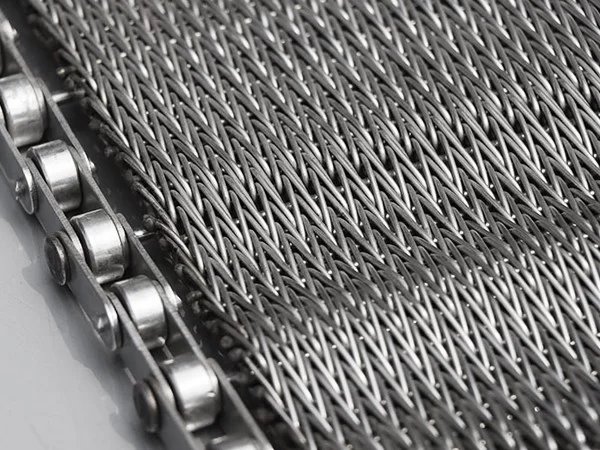
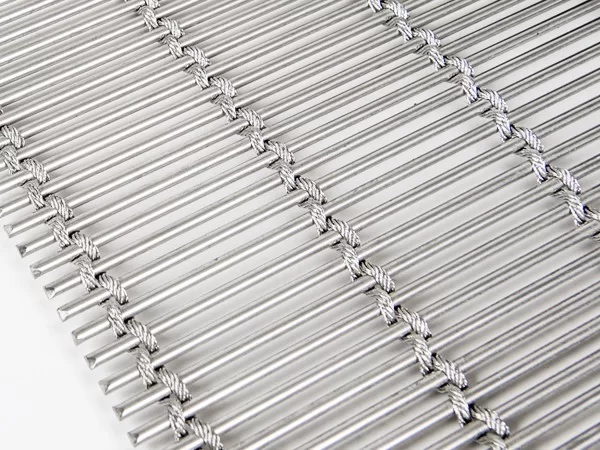
The Philippines' manufacturing landscape is currently facing a critical transition toward automation. With high humidity and salinity in coastal industrial zones like Calabarzon and Cebu, the demand for Stainless Steel Wire Mesh Belt has surged as traditional carbon steel components succumb rapidly to oxidation and corrosion.

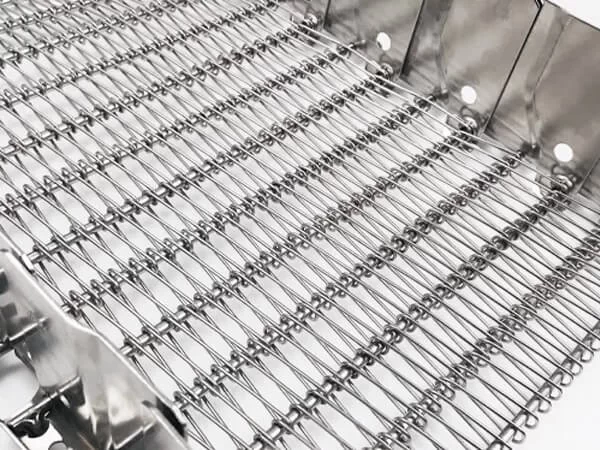
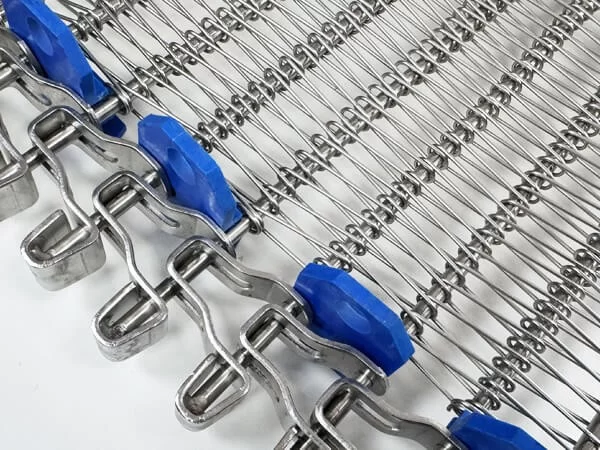
Many local factories still rely on legacy conveyor systems that experience high downtime due to belt tracking issues and material fatigue. The shift toward more stable structures, such as the Balanced Spiral Conveyor Belt, is becoming essential for businesses aiming to scale their output in the frozen food and pharmaceutical sectors.

Economic growth in the region is driving a need for higher hygiene standards. As the Philippines strengthens its export ties, the adoption of Honeycomb Conveyor Belts has increased, offering superior airflow and drainage, which are vital for maintaining product quality in warm climates.
Evolution and Trajectory of Conveyor Technology

From basic woven meshes to precision-balanced mechanical transmission components.

Market Development History

In the early 2000s, the Philippines primarily used simple rubber or low-grade steel belts, which suffered from frequent stretching and misalignment in heavy-duty applications. The focus was on cost over longevity.

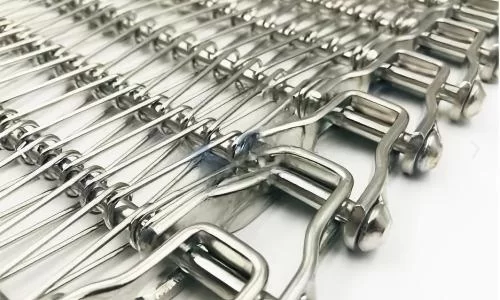
Between 2010 and 2020, there was a technical shift toward specialized weaves. The introduction of the Flat Wire Conveyor Belt allowed for more precise heat treatment and cooling processes, reducing energy consumption for local manufacturers.

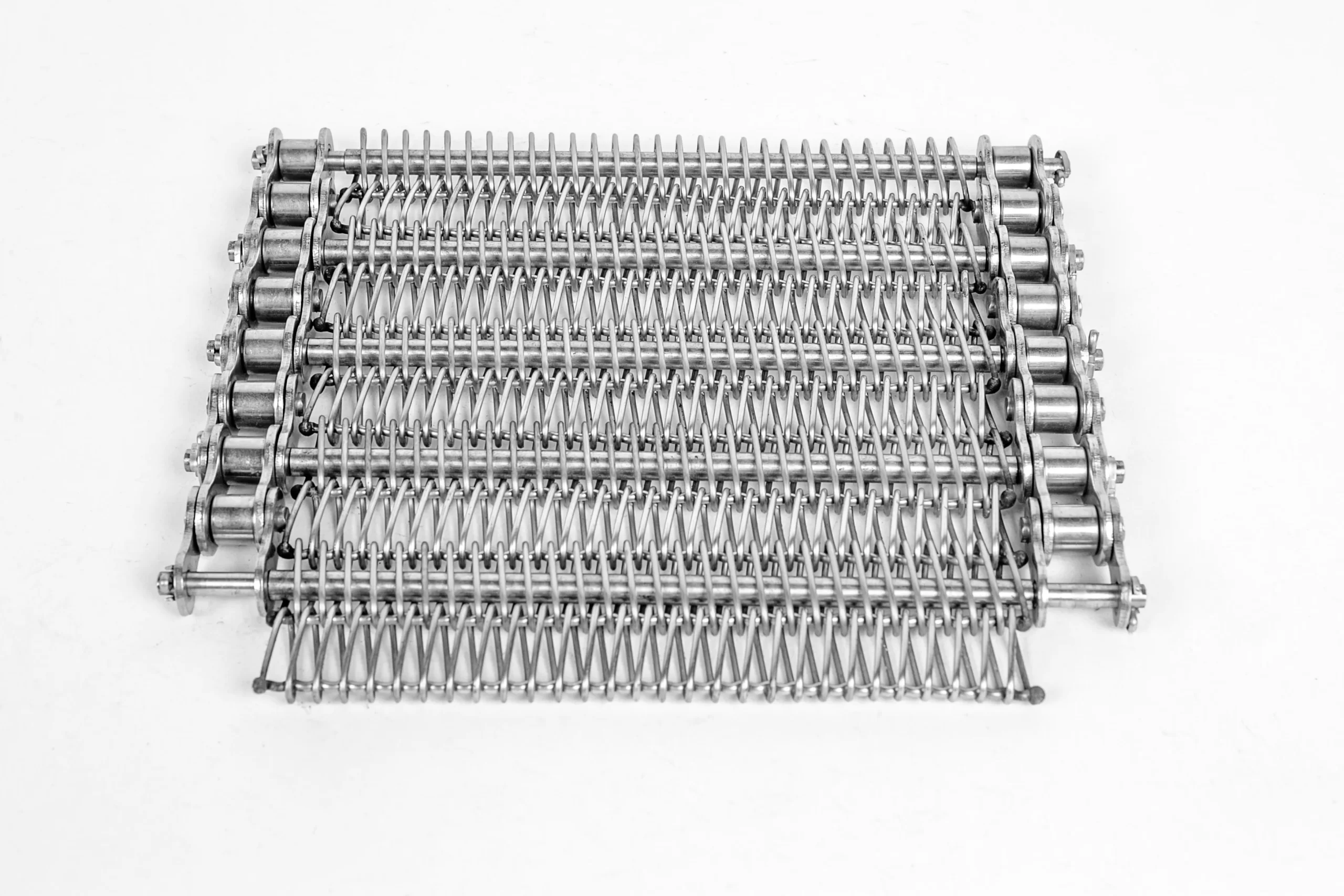
Since 2021, the market has entered the "Precision Era." The integration of balanced weave technologies has solved the chronic issue of "belt drift," ensuring that high-speed production lines remain centered and efficient.

Future Development Trends

Smart Material Integration

We anticipate a rise in nano-coated stainless steel to further reduce friction and increase the lifespan of belts in high-salinity environments.

Energy-Efficient Drive Systems

Integration with AI-driven motors will optimize the tension of the Compound Balanced Weave Belt, reducing mechanical wear by up to 15%.

Modular Customization

The trend is moving toward rapidly interchangeable belt modules to minimize downtime during product changeovers in flexible manufacturing plants.

Industry Trends and Future Outlook

Strategic projections for the Philippines' general equipment manufacturing sector.

Corrosion Resistance Upgrade
Widespread transition to 316L stainless steel to combat tropical humidity.
Automation Synergy
Integration of belts with IoT sensors for predictive maintenance.
Hygienic Design Shift
Adopting open-weave structures to meet strict FDA and local health codes.
Energy Reduction
Reducing friction through precise weaving to lower motor power draw.

Industry Outlook

Based on Google search trends in Southeast Asia, there is a significant spike in queries related to "industrial automation Philippines," suggesting a shift toward fully integrated production lines where Balanced Spiral Conveyor Belt systems will be central to space-saving vertical processing.

Within the next 3-5 years, the focus will move from simple procurement to "Life-Cycle Management." Philippine manufacturers will prioritize suppliers who can provide technical auditing and custom-engineered mesh solutions to ensure 24/7 operational continuity.

Localized Application Scenarios in the Philippines

Practical implementations of mesh belt technology across diverse Philippine industries.

01. Seafood Processing in General Santos City

Using Stainless Steel Wire Mesh Belt for tuna freezing and thawing, ensuring maximum brine drainage and corrosion resistance against saltwater.

02. Tropical Fruit Drying in Davao

Implementation of Flat Wire Conveyor Belt in industrial dehydrators for mangoes and pineapples, providing uniform heat distribution.

03. Semiconductor Assembly in Laguna

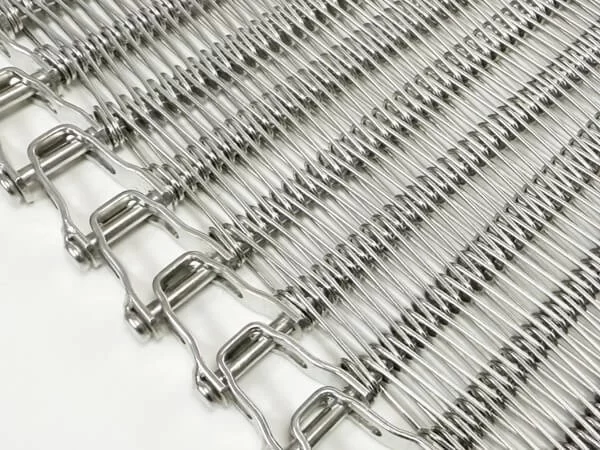
Deploying Compound Balanced Weave Belt to transport delicate electronic components without vibration or misalignment.

04. Bakery Automation in Metro Manila

Utilizing Honeycomb Conveyor Belts for high-volume bread cooling, optimizing airflow to prevent moisture buildup.

05. Poultry Processing in Central Luzon

Installation of Balanced Spiral Conveyor Belt for space-efficient spiral cooling of processed meat products.

Brand Story

Global Development History of Yangzhou Jiao Yang Mesh Belt Co., Ltd.

Foundation of Excellence

Established with a vision to solve the fundamental problem of belt drift in industrial ovens, we began by perfecting the balance weave.

Technical Breakthroughs

Developed proprietary weaving techniques that allow for custom wire diameters, expanding our capability in extreme temperature environments.

Global Expansion

Expanded our footprint into Southeast Asia, specifically optimizing products for the high-humidity requirements of the Philippines market.

Quality Certification

Achieved international standards for food-grade materials, ensuring our belts meet global safety requirements for the food and pharma industries.

Future-Proof Engineering

Today, we focus on integrating smart manufacturing and sustainable materials to lead the mechanical transmission industry worldwide.

Complete Product Portfolio for Philippines Manufacturing

A comprehensive range of conveyor solutions engineered for tropical industrial environments.

Philippines Industrial Conveyor FAQ

Expert answers to common technical queries from our local partners.

Which material is best for a Stainless Steel Wire Mesh Belt in coastal areas of the Philippines?

For coastal regions with high salinity, we strongly recommend AISI 316L stainless steel over 304, as it provides superior resistance to chloride-induced pitting corrosion.

How does a Balanced Spiral Conveyor Belt save space in small factories?

It utilizes vertical space by spiraling the product upward or downward, allowing for cooling or heating processes in a fraction of the floor area required by linear belts.

Can a Compound Balanced Weave Belt handle high-temperature baking?

Yes, these belts are specifically engineered to maintain structural integrity and tracking stability even under extreme thermal expansion and contraction cycles.

What are the main advantages of Honeycomb Conveyor Belts for food drying?

The hexagonal open structure maximizes air penetration from both top and bottom, significantly reducing drying time and ensuring uniform moisture removal.

How often should a Flat Wire Conveyor Belt be inspected for tension?

In high-humidity environments like the Philippines, we recommend a monthly tension check and lubrication of the drive sprockets to prevent premature wear.

How to prevent tracking issues with heavy-duty mesh belts?

Using balanced weave technology ensures the belt's center of gravity remains constant, which naturally prevents the belt from drifting toward the sides.

Expert Consultation for Your Production Line

Ready to optimize your manufacturing efficiency? Our engineers are available for custom technical audits and shipments to the Philippines.

Contact Us Now

If you are interested in our products, you can choose to leave your information here, and we will be in touch with you shortly.