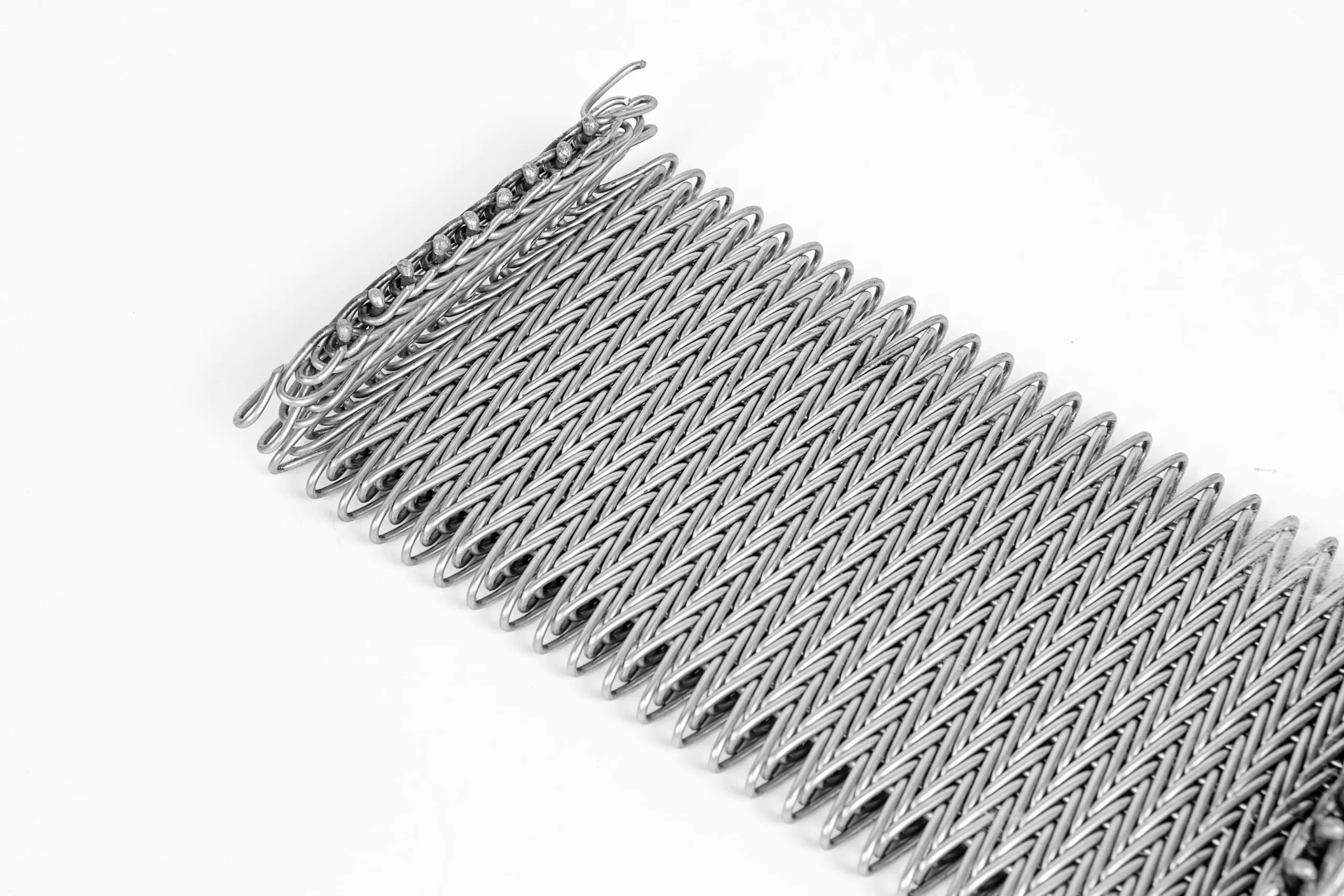
Industrial Conveying Solutions for Iraq HighPerformance Balanced Spiral Conveyor Belt

  • Home
  • Global Service
  • Industrial Conveying Solutions for Iraq HighPerformance Balanced Spiral Conveyor Belt

Industrial Conveying Solutions for Iraq: High-Performance Balanced Spiral Conveyor Belt

Optimizing material handling for Iraq's evolving industrial landscape with precision-engineered stainless steel transmission components designed for extreme heat and durability.

Industrial Conveying Solutions for Iraq: High-Performance Balanced Spiral Conveyor Belt

Providing the Iraqi manufacturing sector with world-class mechanical transmission parts, specializing in corrosion-resistant and heat-stable conveyor systems tailored for local environmental challenges.

The State of Mechanical Transmission in Iraq

Navigating the intersection of extreme climate and industrial rebuilding

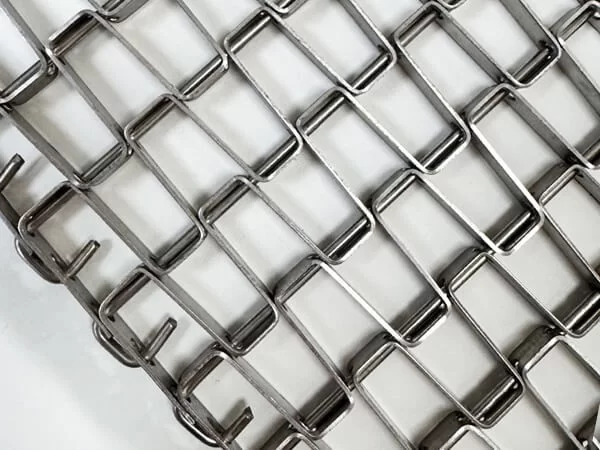
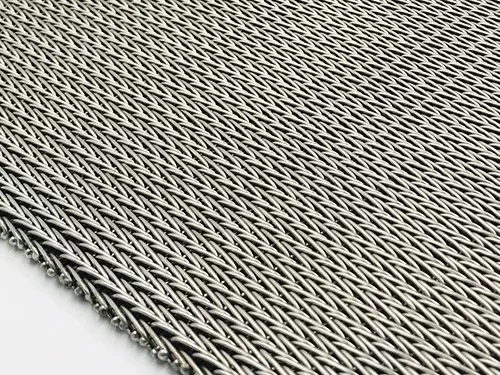
The industrial sector in Iraq currently faces a unique set of challenges characterized by high ambient temperatures and a rapid push toward modernization. In the general equipment manufacturing sector, specifically for mechanical transmission, there is an increasing demand for Stainless Steel Wire Mesh Belt systems that can withstand the abrasive desert dust and intense heat without compromising structural integrity.

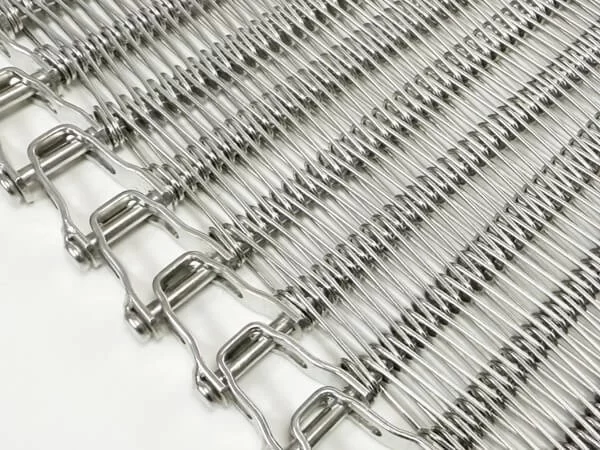
Currently, many Iraqi factories are transitioning from outdated legacy machinery to automated lines. This shift creates a critical need for high-precision components like the Compound Balanced Weave Belt, which offers the stability required for high-speed processing in food and chemical plants located in industrial zones like Basra and Baghdad.

The survival of local manufacturing depends on reducing downtime caused by wear and tear. The adoption of advanced materials has become a priority, as traditional carbon steel components fail prematurely under Iraq's oxidative environmental conditions, leading to a surge in the procurement of specialized stainless steel weaving technologies.
Evolution and Trajectory of Conveying Technology

From basic belt transport to precision engineered mesh systems

Market Development History

From 1990 to 2010, the Iraqi market relied heavily on basic rubber belts and simple chain drives. These systems were prone to frequent failure due to thermal expansion and lacked the hygiene standards required for growing food processing industries.

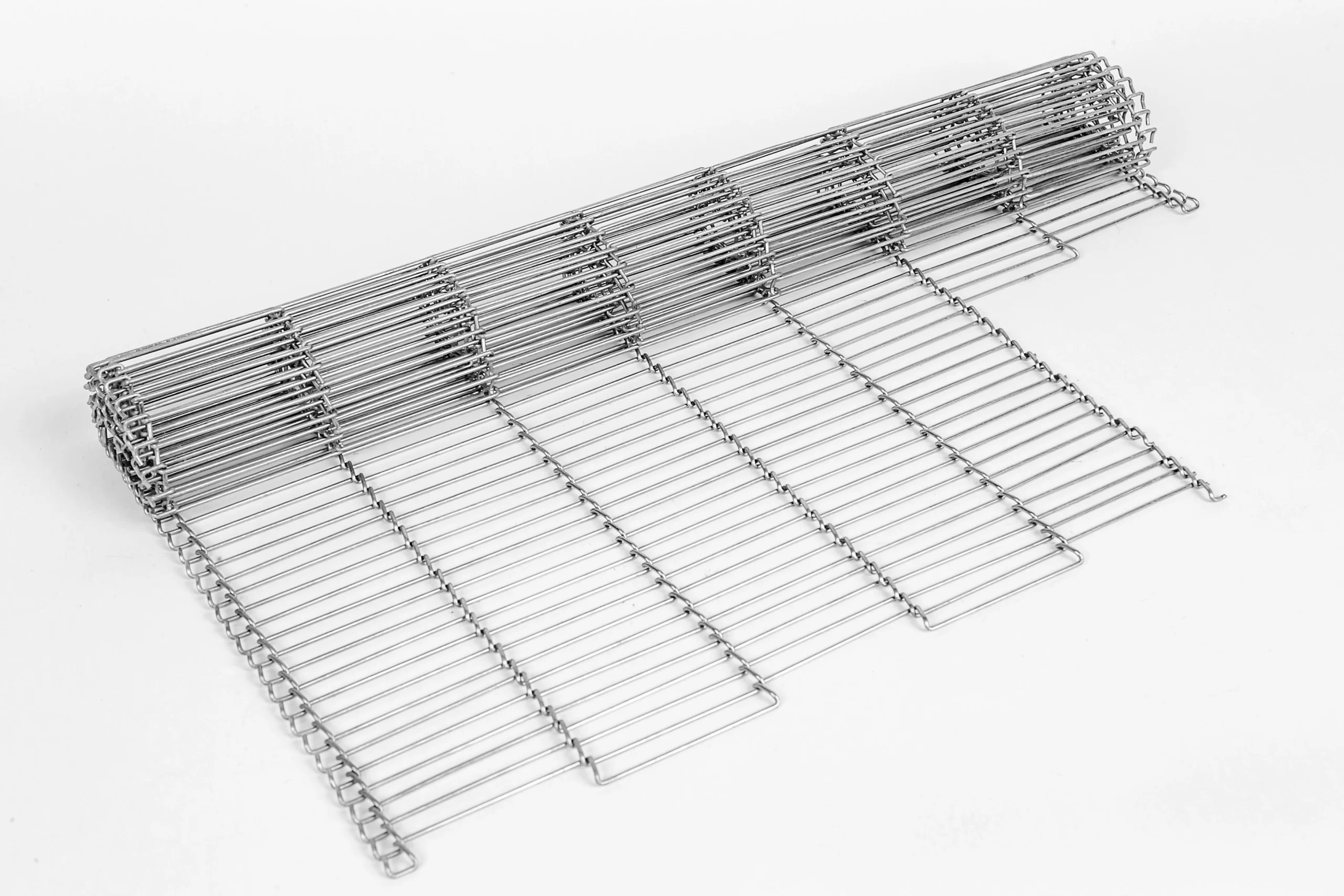
Between 2011 and 2020, a technical pivot occurred. The introduction of the Flat Wire Conveyor Belt allowed for better airflow and drainage, marking the first significant move toward "open-weave" technology to accommodate industrial cooling and cleaning requirements.

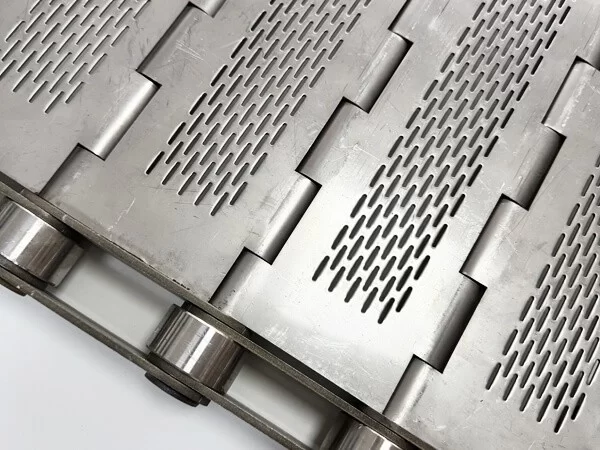
In the current era (2021-present), the focus has shifted to "Balanced" technology. The implementation of Honeycomb Conveyor Belts has revolutionized the way heavy-duty materials are transported, offering a superior strength-to-weight ratio and reducing energy consumption in motorized drives.

Future Development Trends

Smart Monitoring Integration

Integration of IoT sensors into the belt structure to monitor tension and wear in real-time, reducing unplanned maintenance in remote Iraqi industrial sites.

Advanced Alloy Specialization

A transition toward super-austenitic stainless steels to further combat the corrosive effects of salty air in southern coastal regions.

Energy-Efficient Drive Systems

Development of low-friction weaving patterns that reduce the torque required for movement, directly lowering operational costs for local factories.

Future Trends and Strategic Outlook

Predicting the next 3-5 years of mechanical transmission in the region

Climate-Adaptive Materials
Shift towards belts with higher thermal expansion thresholds to prevent buckling during Iraqi summer peaks.
Automated Modular Design
Increased adoption of quick-swap belt modules to minimize downtime in critical production lines.
Hygiene Standard Upgrades
Strict adherence to global food safety standards through the use of non-porous mesh weaves.
Resource Efficiency
Using lightweight honeycomb structures to reduce the load on conveyor motors, saving electricity.

Industry Outlook

Based on Google search trends for industrial automation in the Middle East, Iraq is seeing a sharp increase in queries regarding "stainless steel conveyor durability" and "high-temperature mesh belts." This indicates a market maturity where buyers are prioritizing Total Cost of Ownership (TCO) over initial purchase price.

We anticipate that the next five years will see a consolidation of the market toward high-precision, balanced weave systems that can be integrated into fully automated production environments, aligning Iraq with global Industry 4.0 standards.

Localized Applications in the Iraqi Market

Real-world deployment of mesh conveyor technology across Iraq's key sectors

1. Date Processing and Packaging Plants

Using Stainless Steel Wire Mesh Belt for the washing and sorting of dates, ensuring food-grade hygiene and easy cleaning in high-volume seasonal harvests.

2. Oil & Gas Component Cooling

Implementing Flat Wire Conveyor Belt systems to transport heat-treated mechanical parts, allowing rapid air cooling in Basra's refineries.

3. Industrial Bakery and Bread Production

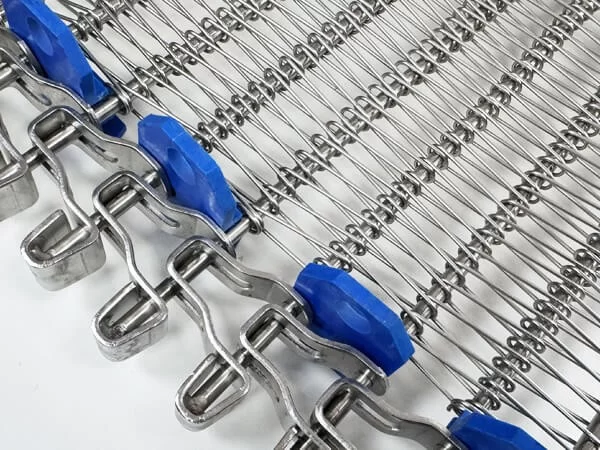
Deploying Balanced Spiral Conveyor Belt systems for space-saving proofing and baking lines in Baghdad's commercial bakeries.

4. Chemical and Fertilizer Manufacturing

Utilizing Compound Balanced Weave Belt to transport corrosive granules, providing a chemical-resistant barrier and high tensile strength.

5. Heavy Equipment Parts Drying

Applying Honeycomb Conveyor Belts for drying large industrial gaskets and seals, ensuring uniform heat distribution across the surface.

Brand Story

Global Development Journey of Yangzhou JiaoYang Mesh Belt Manufacturing Co., Ltd.

Foundational Excellence

Established as a specialist in metal weaving, focusing on solving the fundamental problem of belt elongation in industrial ovens.

Technical Innovation

Developed proprietary balanced weave technologies that eliminated the need for constant manual tracking adjustments.

Global Market Expansion

Extended our reach to the Middle East, adapting our products to withstand the extreme thermal environments of Iraq and neighboring regions.

Quality Standardization

Achieved international certifications to ensure every mesh belt meets the rigorous safety and durability standards of global manufacturing.

Future-Proofing Industry

Currently leading the shift toward sustainable, long-life conveyor components that reduce industrial waste and energy consumption worldwide.

Comprehensive Conveying Portfolio for Iraq

A complete range of high-strength, heat-resistant transmission belts for every industrial need.

Common Industrial Inquiries in Iraq

Technical answers for local mechanical transmission challenges

How does a Stainless Steel Wire Mesh Belt perform in high-temperature Iraqi summers?

Our belts are engineered from high-grade 304 and 316 stainless steel, which maintain structural integrity and resistance to thermal expansion even in temperatures exceeding 50°C, preventing belt slack and misalignment.

What is the main advantage of a Balanced Spiral Conveyor Belt for urban factories in Baghdad?

The spiral design allows for a massive increase in conveying length within a very small footprint, which is critical for factories in densely populated urban areas where floor space is limited.

Can Compound Balanced Weave Belt handle corrosive chemical agents?

Yes, the compound weave combined with specialized stainless steel alloys provides superior resistance to oxidation and chemical corrosion, making it ideal for fertilizer and chemical plants in Iraq.

Why choose Honeycomb Conveyor Belts over traditional flat belts?

Honeycomb belts offer a higher strength-to-weight ratio and better airflow, which reduces the load on the drive motor and increases the efficiency of cooling or drying processes.

How to maintain a Flat Wire Conveyor Belt in dusty desert environments?

We recommend regular high-pressure air cleaning to remove accumulated dust from the weave, followed by a stainless steel lubricant application to reduce friction on the drive sprockets.

What is the typical lead time for custom mesh belt shipping to Iraq?

Depending on the complexity of the weave and dimensions, production typically takes 2-4 weeks, followed by expedited shipping to major ports like Umm Qasr.

Expert Conveying Consultation

Contact our technical team today for customized mechanical transmission solutions tailored for the industrial requirements of Iraq.

Contact Us Now

If you are interested in our products, you can choose to leave your information here, and we will be in touch with you shortly.