Industrial Conveying Solutions in Poland HighPerformance Balanced Spiral Conveyor Belt

  • Home
  • Global Service
  • Industrial Conveying Solutions in Poland HighPerformance Balanced Spiral Conveyor Belt

Industrial Conveying Solutions in Poland: High-Performance Balanced Spiral Conveyor Belt

Precision-engineered stainless steel mesh belts designed for the rigorous demands of Poland's manufacturing and food processing sectors.

Industrial Conveying Solutions in Poland: High-Performance Balanced Spiral Conveyor Belt

Optimizing production lines across Poland with advanced mechanical transmission components that ensure stability, durability, and hygiene in high-capacity industrial environments.

Current State of Mechanical Transmission in Poland

Analyzing the adoption of stainless steel mesh technology in the Polish industrial landscape.

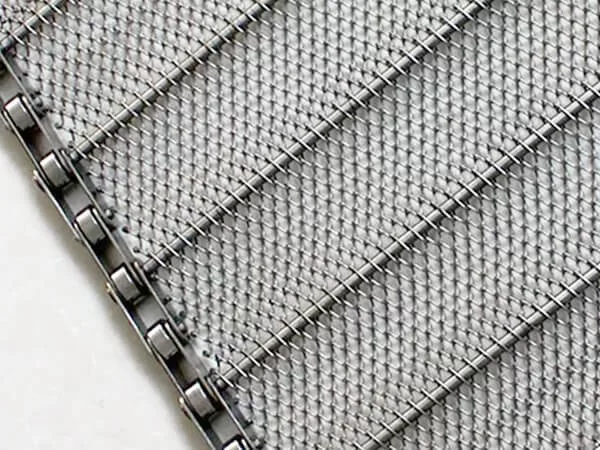
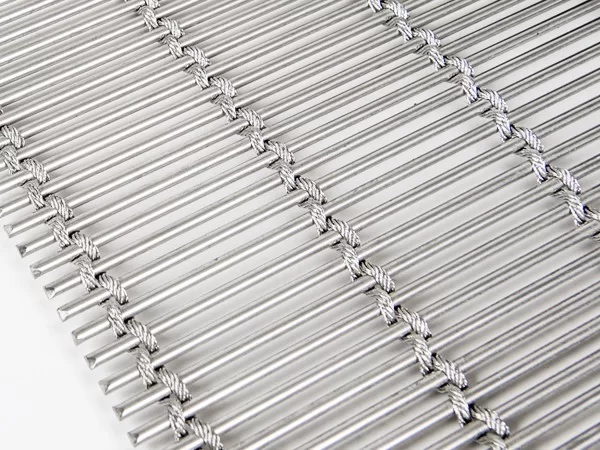
Poland has emerged as a critical manufacturing hub in Central Europe, characterized by a strong focus on automotive parts and food processing. The demand for Stainless Steel Wire Mesh Belt systems has grown significantly as local factories upgrade to meet stringent EU hygiene standards and operational efficiencies.

Given the regional climatic variations, Polish industries require materials that resist corrosion and thermal shock. The integration of Flat Wire Conveyor Belt solutions has allowed manufacturers in cities like Wrocław and Poznań to maintain high uptime despite the demanding environmental conditions of large-scale industrial plants.

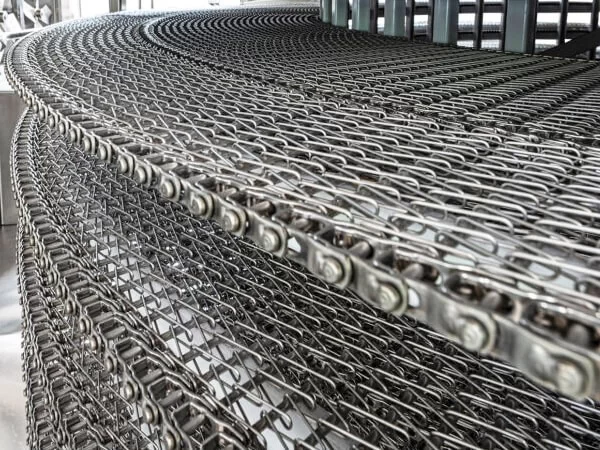
The current market is shifting toward automation. Companies are moving away from basic conveyor systems toward complex, space-saving designs such as the Balanced Spiral Conveyor Belt to maximize the vertical footprint of their production facilities.
Evolution of Conveying Technology and Development Trajectory

From traditional chain drives to high-precision balanced weaves.

Market Development History

In the early 2000s, the Polish transmission market relied heavily on basic carbon steel chains and rubber belts, which suffered from frequent wear and contamination issues in food-grade environments.

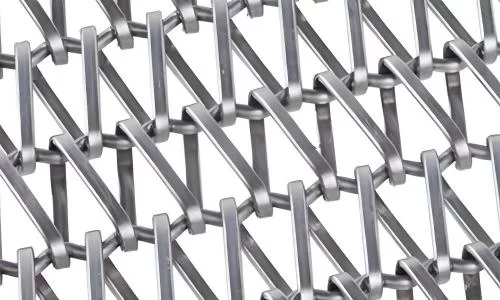
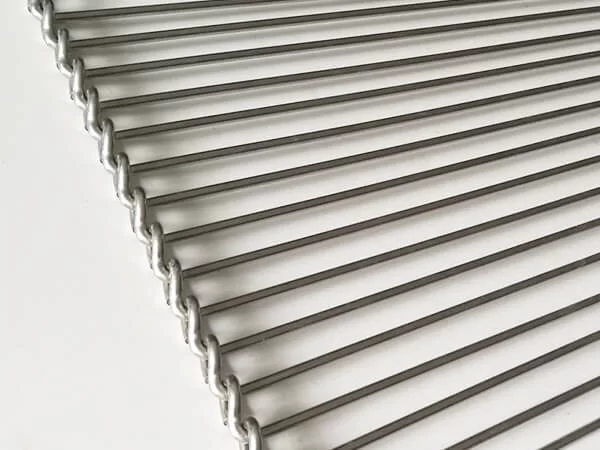
Between 2010 and 2020, a technical iteration occurred where the Compound Balanced Weave Belt was introduced to solve the problem of belt tracking and lateral drift, providing a more stable transition for delicate products.

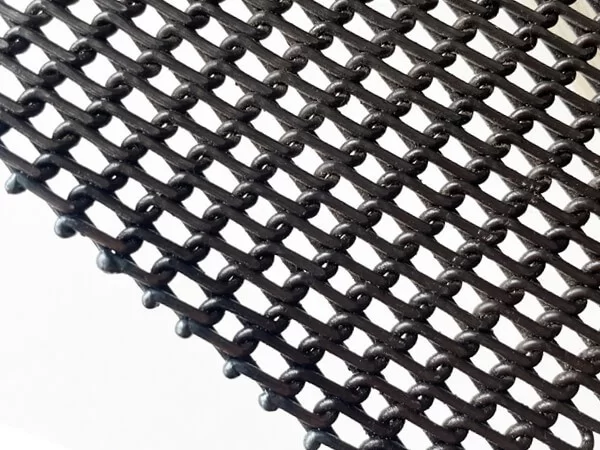
By 2023, the industry shifted toward specialized geometries, integrating Honeycomb Conveyor Belts to optimize airflow and heat distribution in industrial drying and frying processes.

Future Development Trends

Smart Monitoring Integration

The next 3-5 years will see the integration of IoT sensors within the mesh structure to monitor tension and wear in real-time, reducing unplanned downtime.

Advanced Material Alloys

Expect a shift toward high-nickel alloys that offer superior resistance to the aggressive chemical cleaning agents commonly used in Polish pharmaceutical plants.

Modular Customization

Search trends indicate a rising demand for "modular replacement," where belts can be repaired section-by-section without replacing the entire conveyor length.

Industry Trends and Future Outlook

Strategic directions for mechanical transmission components in the European market.

Energy Efficiency Optimization
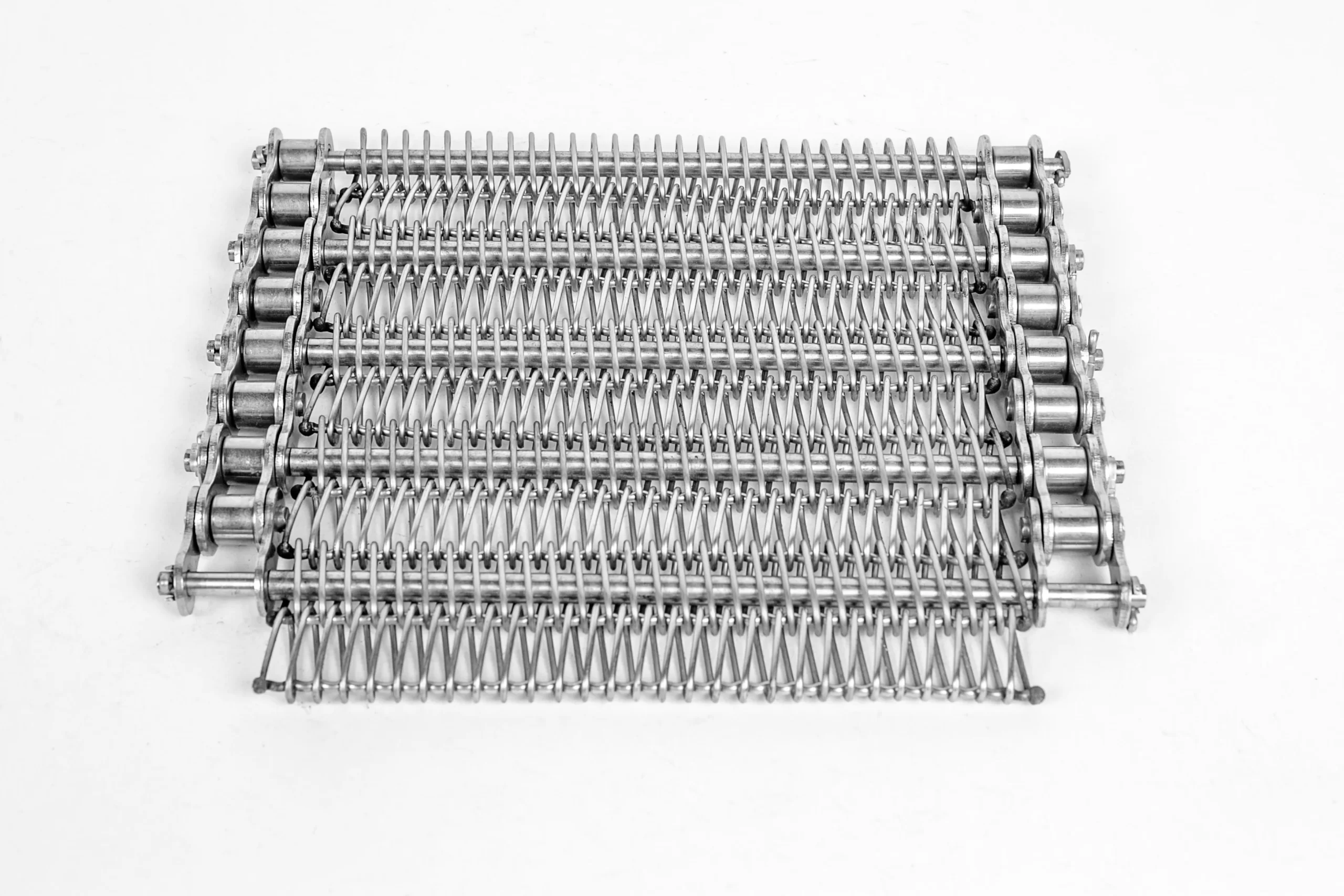
Reducing friction coefficients in Flat Wire Conveyor Belt designs to lower electricity consumption.
Hygiene-First Engineering
Implementing seamless weaves in Honeycomb Conveyor Belts to prevent bacterial accumulation.
Vertical Space Maximization
Increasing the adoption of Balanced Spiral Conveyor Belt for urban factory constraints.
Precision Tracking Stability
Utilizing Compound Balanced Weave Belt to eliminate lateral shift in high-speed lines.

Industry Outlook

The Polish market is transitioning toward Industry 4.0, where mechanical transmission components are no longer passive parts but active contributors to data collection and system efficiency.

We predict a 15% increase in the adoption of customized stainless steel mesh solutions as the regional food export market expands toward Western Europe and North America.

Localized Application Scenarios in Poland

Real-world deployments of high-performance conveyor belts in Polish industry.

01. Bakery and Confectionery Production in Masovian Voivodeship

Using Honeycomb Conveyor Belts for uniform baking and cooling of traditional Polish pastries, ensuring optimal heat distribution.

02. Meat Processing Plants in Greater Poland

Implementation of Stainless Steel Wire Mesh Belt systems for blast freezing and hygienic transport of poultry products.

03. Automotive Component Drying in Silesia

Deployment of Flat Wire Conveyor Belt for the high-temperature curing of metal parts in automotive supply chains.

04. Commercial Frozen Food Spirals in Pomerania

Integration of Balanced Spiral Conveyor Belt systems to optimize the footprint of industrial IQF (Individual Quick Freezing) tunnels.

05. Pharmaceutical Packaging in Lower Silesia

Utilizing Compound Balanced Weave Belt for the precision transport of medical vials, ensuring zero vibration and perfect alignment.

Brand Story

Global Development History of Yangzhou JiaoYang Mesh Belt Manufacturing Co., Ltd.

Foundation and Local Expertise

Started as a specialized workshop focusing on high-strength wire weaving, solving the initial durability pain points of industrial belts.

Technological Breakthroughs

Developed proprietary weaving techniques for balanced belts, eliminating the common issue of belt tracking in large-scale systems.

European Market Expansion

Established strategic partnerships in Poland and Germany, adapting product specifications to meet EU machinery directives.

Innovation in Material Science

Introduced advanced stainless steel alloys that provide superior corrosion resistance for the global food and pharma sectors.

Global Leadership Vision

Today, we lead the industry in providing customized mechanical transmission solutions that reduce waste and increase industrial throughput.

Complete Product Portfolio for the Polish Industrial Market

A comprehensive range of stainless steel conveyor solutions tailored for European engineering standards.

Frequently Asked Questions in Poland

Expert answers to common technical queries regarding mesh belt installation and maintenance.

How to choose the right Stainless Steel Wire Mesh Belt for high-temperature ovens?

For high-temperature applications, we recommend AISI 304 or 316 stainless steel depending on the chemical exposure. Ensure the weave density matches your product's weight to prevent sagging.

What are the main advantages of a Balanced Spiral Conveyor Belt over traditional spirals?

Balanced spirals significantly reduce lateral tension, which prevents the belt from shifting during operation, thereby reducing wear on the conveyor frame and increasing the belt lifespan.

Can Compound Balanced Weave Belt systems be customized for narrow production lines?

Yes, we provide precision width adjustments and edge reinforcement to ensure stability even in extremely narrow configurations common in Polish pharmaceutical labs.

How do Honeycomb Conveyor Belts improve airflow in drying processes?

The hexagonal geometry creates an open area that allows for maximum vertical airflow and heat penetration, ensuring uniform drying across the entire product surface.

What maintenance is required for a Flat Wire Conveyor Belt in a food plant?

Regular inspection of the wire junctions and periodic cleaning with alkaline detergents are recommended to prevent buildup and ensure structural integrity.

What is the lead time for custom mesh belt orders delivered to Poland?

Lead times vary based on complexity, but we typically offer rapid prototyping and shipping to Central Europe within 2-4 weeks.

Ready to Optimize Your Production Line?

Our engineering team is ready to provide customized technical consultations for your facility in Poland.

Contact Us Now

If you are interested in our products, you can choose to leave your information here, and we will be in touch with you shortly.