Industrial Mesh Solutions for France HighPerformance Balanced Spiral Conveyor Belt

  • Home
  • Global Service
  • Industrial Mesh Solutions for France HighPerformance Balanced Spiral Conveyor Belt

Industrial Mesh Solutions for France: High-Performance Balanced Spiral Conveyor Belt

Precision-engineered mechanical transmission components designed to meet the rigorous standards of the French manufacturing sector, ensuring durability and hygienic compliance.

Industrial Mesh Solutions for France: High-Performance Balanced Spiral Conveyor Belt

Integrating advanced metallurgy with mechanical precision to provide France's general equipment manufacturers with superior conveyor systems that optimize throughput and reduce downtime.

The Landscape of Mechanical Transmission in France

Analyzing the integration of high-end conveyor belts within the European industrial hub.

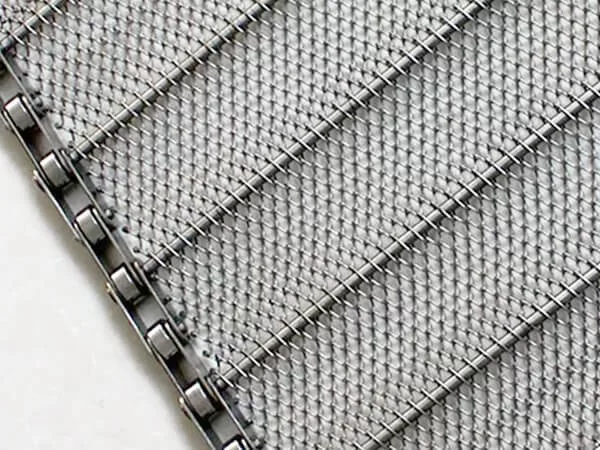
France's manufacturing sector is characterized by a high demand for precision and strict adherence to EU hygiene regulations. In regions like Auvergne-Rhône-Alpes and Île-de-France, the use of Stainless Steel Wire Mesh Belt systems has become the industry benchmark for food processing and pharmaceutical production due to the humid continental climate which requires superior corrosion resistance.

The French market is currently transitioning toward "Industry 4.0," where the reliability of mechanical transmission components is critical. Manufacturers are moving away from traditional rubber belts toward Flat Wire Conveyor Belt options to accommodate automated cleaning cycles and high-temperature sterilization processes common in French gourmet food exports.

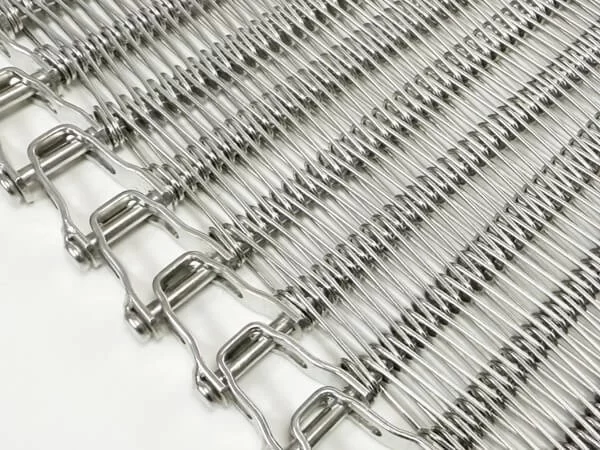
Economic pressures within the Eurozone have pushed French firms to seek components with longer lifecycles. This has led to a surge in the adoption of Compound Balanced Weave Belt technology, which offers a unique balance of structural stability and flexibility, reducing the total cost of ownership for general equipment manufacturers.
Evolution of Conveyor Technology in France

From traditional weaving to high-precision engineering trajectories.

Market Development History

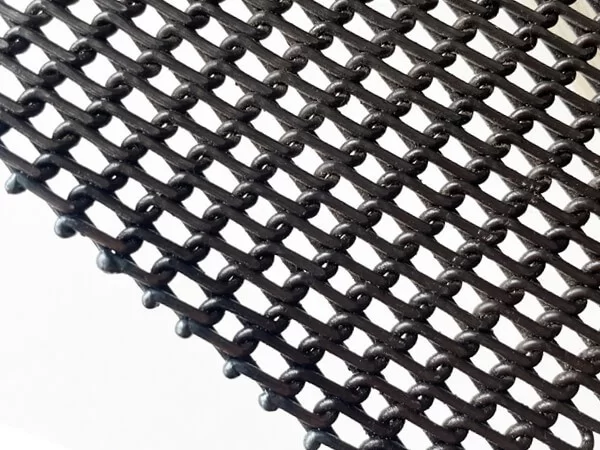
Between 1990 and 2005, the French mechanical transmission industry relied heavily on basic carbon steel mesh. However, as HACCP standards became mandatory across Europe, the shift toward 304 and 316 stainless steel accelerated, introducing the first generation of Honeycomb Conveyor Belts for specialized cooling applications.

From 2006 to 2015, the focus shifted toward "Balance and Tracking." The introduction of balanced weave patterns solved the common problem of belt drifting in long-distance spiral conveyors, allowing French bakeries and industrial kitchens to maximize vertical space.

Since 2016, the integration of CNC precision weaving has allowed for customizable apertures and load-bearing capacities, enabling the widespread deployment of specialized belts tailored to the unique kinematic requirements of French robotic assembly lines.

Future Development Trends

Smart Material Integration

The next 3 years will see the integration of sensors within the belt structure to monitor wear and tear in real-time, reducing unplanned maintenance in French automotive plants.

Hyper-Hygienic Geometries

Google search trends indicate a rising demand for "Easy-Clean Mesh," leading to the development of belts with minimized crevices to eliminate bacterial biofilms.

Energy-Efficient Transmission

Future iterations will focus on reducing the coefficient of friction between the belt and the slider bed to lower the energy consumption of conveyor motors, aligning with France's green energy goals.

Industrial Trends and Future Outlook

Strategic foresight for the mechanical transmission components market.

Sustainable Metallurgy
Increasing use of recycled high-grade stainless steel to meet France's circular economy mandates.
Modular Design
Shift towards rapid-replacement modular sections to eliminate prolonged production halts.
Precision Weaving
Applying aerospace-grade tolerances to belt weaving for high-speed transmission.
IoT Monitoring
Integrating RFID tags into belts to track throughput and usage cycles automatically.

Industry Outlook

The convergence of mechanical engineering and digital monitoring will redefine the conveyor market in France. We expect a significant increase in the adoption of custom-engineered belts that can handle extreme thermal fluctuations, particularly in the aerospace and chemical sectors.

As French industries strive for carbon neutrality, the demand for low-friction, high-durability components will drive the evolution of weave patterns, making the transmission of parts more energy-efficient than ever before.

Localized Applications in the French Market

Real-world deployment scenarios for transmission components across France.

1. Artisanal Bakery Industrialization (Paris Region)

Using Balanced Spiral Conveyor Belt systems to optimize proofing and cooling cycles in high-volume urban bakeries, maximizing vertical space in compact city facilities.

2. Wine and Champagne Production (Champagne Region)

Deployment of Stainless Steel Wire Mesh Belt for bottle sterilization and conveyor transport, ensuring resistance to acidic environments and strict sanitation.

3. Pharmaceutical Manufacturing (Lyon Hub)

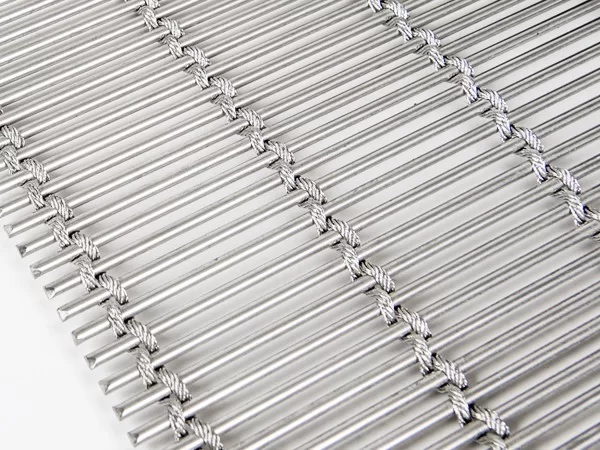
Application of Flat Wire Conveyor Belt for the precise transport of medical vials under clean-room conditions, minimizing particulate shedding.

4. Aerospace Component Heat Treatment (Toulouse)

Implementation of Compound Balanced Weave Belt for transporting precision alloys through high-temperature furnaces without deformation.

5. Frozen Food Processing (Brittany Coast)

Integration of Honeycomb Conveyor Belts in blast freezing tunnels to ensure uniform airflow and rapid temperature reduction of seafood products.

Brand Story

Global Development History of Yangzhou Jiaoyang Mesh Belt Manufacturing Co., Ltd.

Foundational Excellence

Established with a mission to solve the chronic wear issues in general equipment manufacturing, focusing on high-precision weave stability.

Technical Breakthroughs

Pioneered the balanced weave technology that eliminated belt tracking errors, a critical pain point for spiral conveyor users.

European Expansion

Aligned production standards with EU norms, entering the French market to provide localized technical support for high-end manufacturers.

Quality Certification

Achieved global quality benchmarks, ensuring every belt produced meets the strict metallurgical requirements of the aerospace and food sectors.

Future-Ready Innovation

Currently developing smart-mesh solutions to lead the transition toward Industry 4.0 in the mechanical transmission field.

Complete Product Portfolio for the French Industrial Sector

Comprehensive range of transmission belts engineered for European performance standards.

Common Industrial Inquiries in France

Technical answers for professional procurement officers and engineers.

How do I choose the right Stainless Steel Wire Mesh Belt for food processing in France?

Consider the operating temperature and cleaning chemicals used. For most French food applications, AISI 304 is standard, but 316L is recommended for high-salinity or acidic environments to prevent pitting corrosion.

What are the benefits of a Balanced Spiral Conveyor Belt over traditional mesh?

Balanced belts are engineered to maintain a center-line trajectory without the need for constant manual adjustment, significantly reducing downtime in high-speed spiral production lines.

Can Compound Balanced Weave Belt systems handle high thermal loads?

Yes, these belts are designed for extreme thermal stability, making them ideal for the heat treatment and industrial oven applications common in the French aerospace sector.

Why should we use Honeycomb Conveyor Belts for freezing applications?

The hexagonal structure provides superior airflow and drainage, ensuring that frozen products are cooled evenly and preventing ice buildup on the belt surface.

What is the average lifespan of a Flat Wire Conveyor Belt in a high-use facility?

Depending on the load and environment, high-grade stainless steel flat wire belts typically last 3-5 years, provided that proper tensioning and lubrication of the slider beds are maintained.

Do your mesh belts comply with EU food safety regulations?

Absolutely. All our products are manufactured using food-grade stainless steel and meet the strict hygienic requirements mandated by European health authorities for the food and beverage industry.

Ready to Optimize Your Production Line?

Our engineering team is ready to provide customized mechanical transmission solutions tailored for the industrial requirements of France.

Contact Us Now

If you are interested in our products, you can choose to leave your information here, and we will be in touch with you shortly.