Selecting the right transmission medium is often the difference between a seamless production flow and costly operational bottlenecks. For industries requiring high-temperature stability and precise material transport, Wholesale Honeycomb Conveyor Belts have emerged as a critical solution for balancing structural rigidity with airflow and drainage.
These specialized metal belts are engineered to handle the most demanding industrial environments, from sintering furnaces to complex chemical processing lines. Unlike standard flat belts, the honeycomb geometry provides a unique strength-to-weight ratio that minimizes belt sag and enhances thermal uniformity across the conveyor surface.
Whether you are upgrading an existing line or designing a new mechanical transmission system, understanding the technical trade-offs between material grades and mesh configurations is essential for maximizing equipment longevity and ROI.

Analyzing the Engineering Logic of Honeycomb Mesh Structures

The honeycomb design is not merely an aesthetic choice but a calculated engineering response to the problem of mechanical deformation under load. By utilizing a hexagonal pattern, the belt distributes tension more evenly across the mesh, significantly reducing the risk of longitudinal stretching and lateral deviation during high-speed operation.
In the context of mechanical transmission parts manufacturing, this structure allows for a higher open-area percentage. This is critical for processes involving fluid drainage or forced-air cooling, as it prevents the "air cushion" effect that can occur with solid belts, ensuring that components are heated or cooled uniformly on all sides.
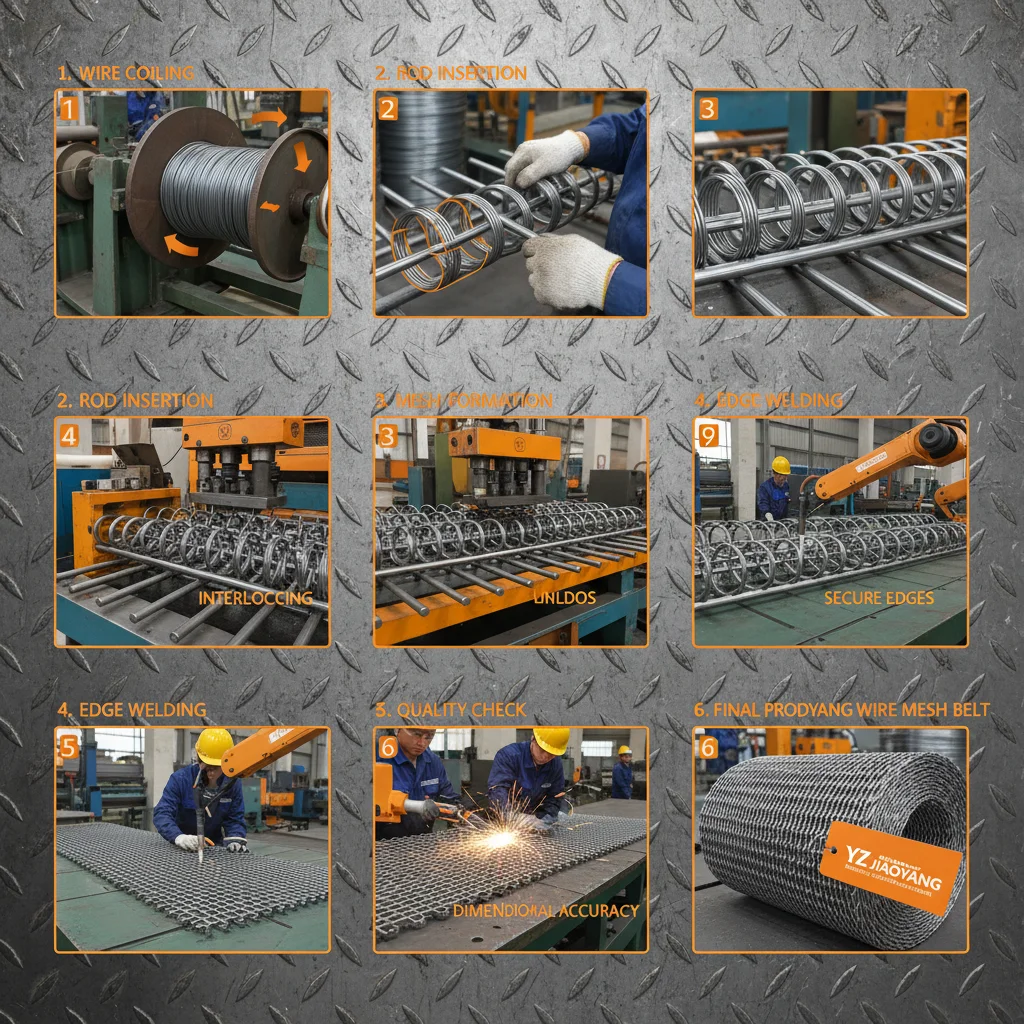
Furthermore, the integration of precision welding in these belts ensures that each joint maintains its structural integrity even when subjected to the thermal expansion and contraction cycles typical of brazing or sintering furnaces.
Critical Technical Advantages for High-Temperature Environments
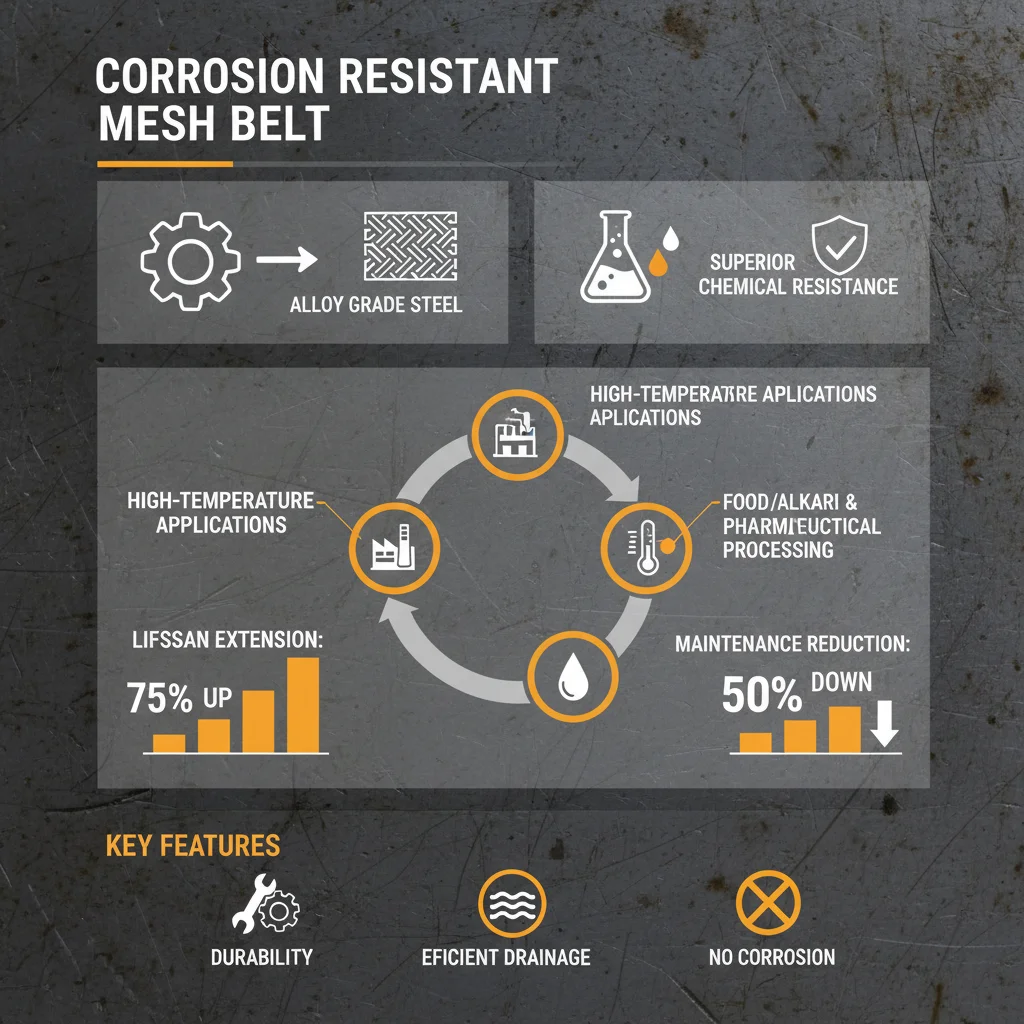
The primary value of high-grade stainless steel honeycomb belts lies in their extreme corrosion resistance and thermal stability. Using SS304 or SS316L ensures that the conveyor can withstand aggressive chemical exposure and temperatures that would melt or degrade synthetic alternatives.
Unlike standard wire mesh, the honeycomb configuration offers superior wear resistance. This reduces the frequency of replacement parts and minimizes operational downtime, which is often the most significant hidden cost in industrial manufacturing.
When paired with compatible drive components, these belts create a unified system that reduces friction and energy consumption, directly impacting the overall efficiency of the transmission line.
Industrial Application Scenarios and System Integration
Honeycomb conveyor belts are most effective in processes where precision and temperature control are paramount. In powder metallurgy, they are indispensable for sintering furnaces, where they transport delicate parts through high-heat zones without distorting their shape.
In the electronics and glass industries, these belts provide the necessary stability for transporting components through cleaning and drying phases. The open-mesh design allows for efficient removal of cleaning agents and rapid drying via hot air flow, accelerating the total production cycle.
Integration with existing mechanical transmission systems is typically seamless, provided that the belt width and pitch are matched to the drive sprockets. Many facilities integrate these belts with bespoke stainless steel baskets for specialized filtration or heating tasks, creating a modular and highly flexible workflow.
Comparative Performance Metrics Against Standard Metal Belts
To quantify the benefit of honeycomb structures, one must look at the relationship between load capacity and belt deviation. Standard belts often exhibit higher lateral drift as they age, whereas honeycomb belts maintain a more consistent path due to their balanced tension distribution.
The following data illustrates the relative performance improvements seen when transitioning from generic metal belts to precision-engineered honeycomb solutions across key industrial metrics.
Wholesale Honeycomb Conveyor Belts Performance Metrics
As shown, the most significant gains are found in thermal uniformity and service lifespan. While the initial investment may be higher, the reduction in maintenance frequency and the increase in throughput efficiency create a faster ROI timeline for the operator.
Strategic Procurement and Customization Considerations
Procuring these belts on a wholesale basis requires more than just selecting a size. A professional procurement strategy focuses on the alignment between the belt's material grade and the specific chemical environment of the production line.
Customization is key. Buyers should evaluate whether they need a coarse weave for larger components or a fine mesh for precision filtration. Adjusting the aperture style can significantly impact the stability of the transported parts and the efficiency of the fluid flow.
Furthermore, ensuring that the surface finish—whether electropolished or natural mill—matches the cleanliness requirements of the industry (such as in electronics or medical device manufacturing) is a critical step in the selection process.
Future Trends in Metal Conveyor Transmission Technology
The trajectory of conveyor technology is moving toward higher degrees of automation and intelligent monitoring. We are likely to see the integration of sensor-compatible materials that can detect belt tension and wear in real-time, shifting maintenance from a reactive to a predictive model.
Additionally, there is a growing emphasis on the use of advanced molybdenum-enhanced alloys to extend the lifespan of belts operating in highly corrosive marine or chemical environments. This could further reduce the total cost of ownership for heavy industrial users.
As manufacturing processes become more specialized, the demand for bespoke geometric shapes and hybrid mesh configurations is expected to increase, requiring suppliers to employ more advanced CNC and intelligent embossing technologies.
Decision Guide for Selecting the Optimal Belt Configuration
Choosing the correct honeycomb belt involves balancing three primary variables: material grade, mesh aperture, and load requirements. A mistake in any of these can lead to either premature belt failure or inefficient production throughput.
The following table provides a comparative framework to help procurement managers match the specific technical approach to their operational environment.
| Application Model | Recommended Material | Mesh Configuration | Key Performance Driver |
|---|---|---|---|
| Sintering Furnace | SS310 / High-Temp Alloy | Tight Honeycomb | Thermal Stability |
| Chemical Processing | SS316L | Fine Aperture | Corrosion Resistance |
| General Conveying | SS304 | Standard Honeycomb | Structural Rigidity |
| Precision Drying | SS304 Electropolished | Wide-Open Mesh | Airflow Efficiency |
| Heavy Component Transport | Reinforced Stainless | Coarse Weave | Tensile Strength |
| Brazing Line | SS316 | Precision-Welded Mesh | Joint Integrity |
Ultimately, the most sustainable choice is one that considers the full lifecycle of the equipment. Readers evaluating these technical specifications can review more detailed product and company information available through www.jymeshbelt.com.
Frequently Asked Questions
Conclusion
The transition to high-performance honeycomb conveyor belts represents a strategic move toward operational reliability and efficiency. By optimizing the balance between structural rigidity and environmental permeability, manufacturers can significantly reduce downtime and improve the quality of their thermal and chemical processing.
Selecting the right partner for wholesale supply is as critical as the technical specifications themselves. Ensuring a combination of material expertise and precision fabrication will guarantee that your transmission system delivers maximum value over its entire service life.