Advanced Compound Balanced Weave Belt Solutions for Rwanda’s Industrial Growth

  • Home
  • Global Service
  • Advanced Compound Balanced Weave Belt Solutions for Rwanda’s Industrial Growth

Advanced Compound Balanced Weave Belt Solutions for Rwanda's Industrial Growth

Precision-engineered mechanical transmission components designed to optimize productivity in Rwanda's emerging manufacturing sectors.

Advanced Compound Balanced Weave Belt Solutions for Rwanda's Industrial Growth

Providing Rwanda with high-durability conveyor systems that integrate seamlessly into general equipment manufacturing and food processing lines.

Industrial Conveyance State in Rwanda

Analyzing the intersection of mechanical transmission and Rwanda's unique economic landscape.

In Rwanda, the manufacturing sector is undergoing a rapid transition toward automation. However, the humid subtropical climate and the push for high-hygiene standards in agri-processing have made the demand for a Stainless Steel Wire Mesh Belt critical for reducing downtime caused by corrosion.

Many local factories still rely on rudimentary conveyor systems that suffer from tracking issues and premature wear. This inefficiency creates a bottleneck in the production of general equipment and spare parts, highlighting the need for balanced transmission components.

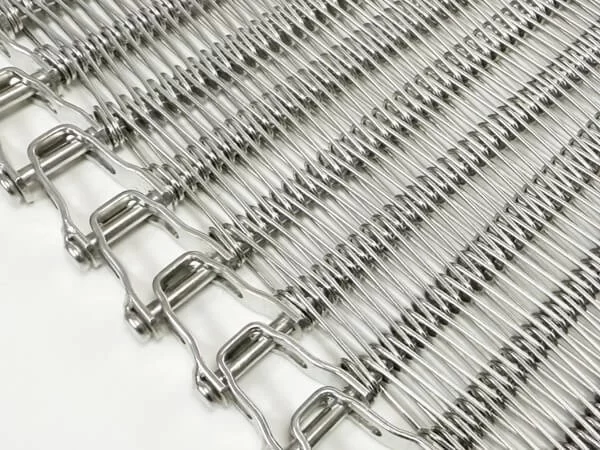
As Rwanda positions itself as a regional logistics hub, the integration of specialized belts like the Balanced Spiral Conveyor Belt is becoming essential for maximizing vertical space in urban manufacturing plants in Kigali.
Evolution of Transmission Technology in Rwanda

From manual handling to high-precision automated conveyor systems.

Market Development History

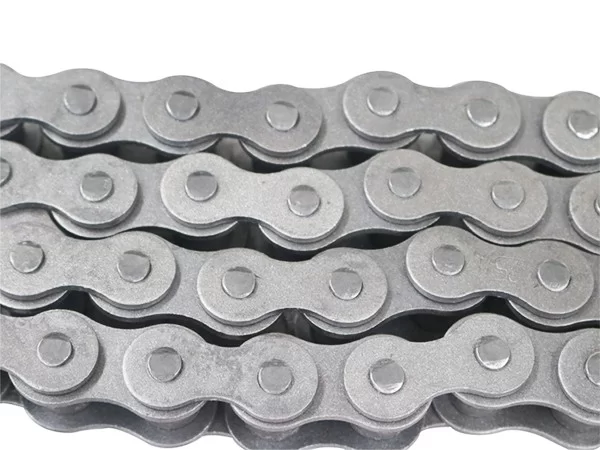
Prior to 2010, the Rwandan market primarily utilized simple rubber belts and chain drives. These lacked the thermal resistance and hygiene required for the growing food export industry, leading to frequent replacements and high maintenance costs.

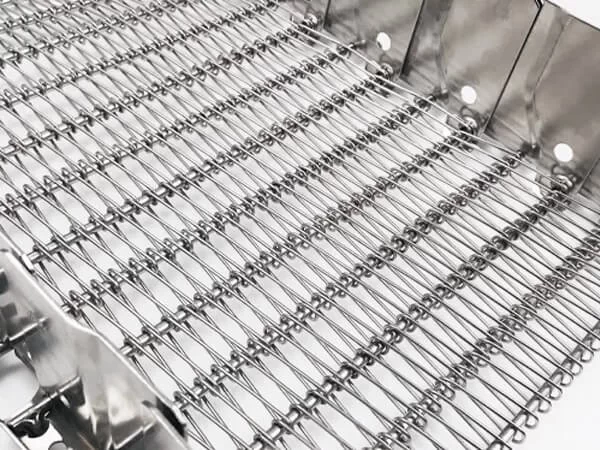
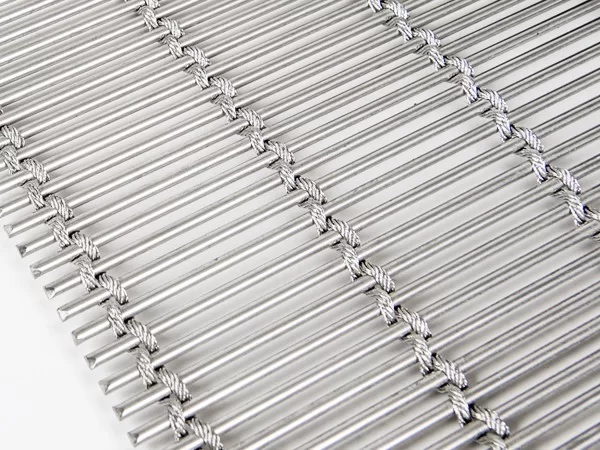
Between 2015 and 2020, there was a significant shift toward modular stainless steel components. The introduction of the Flat Wire Conveyor Belt allowed local producers to implement more reliable heat-treating and cooling processes.

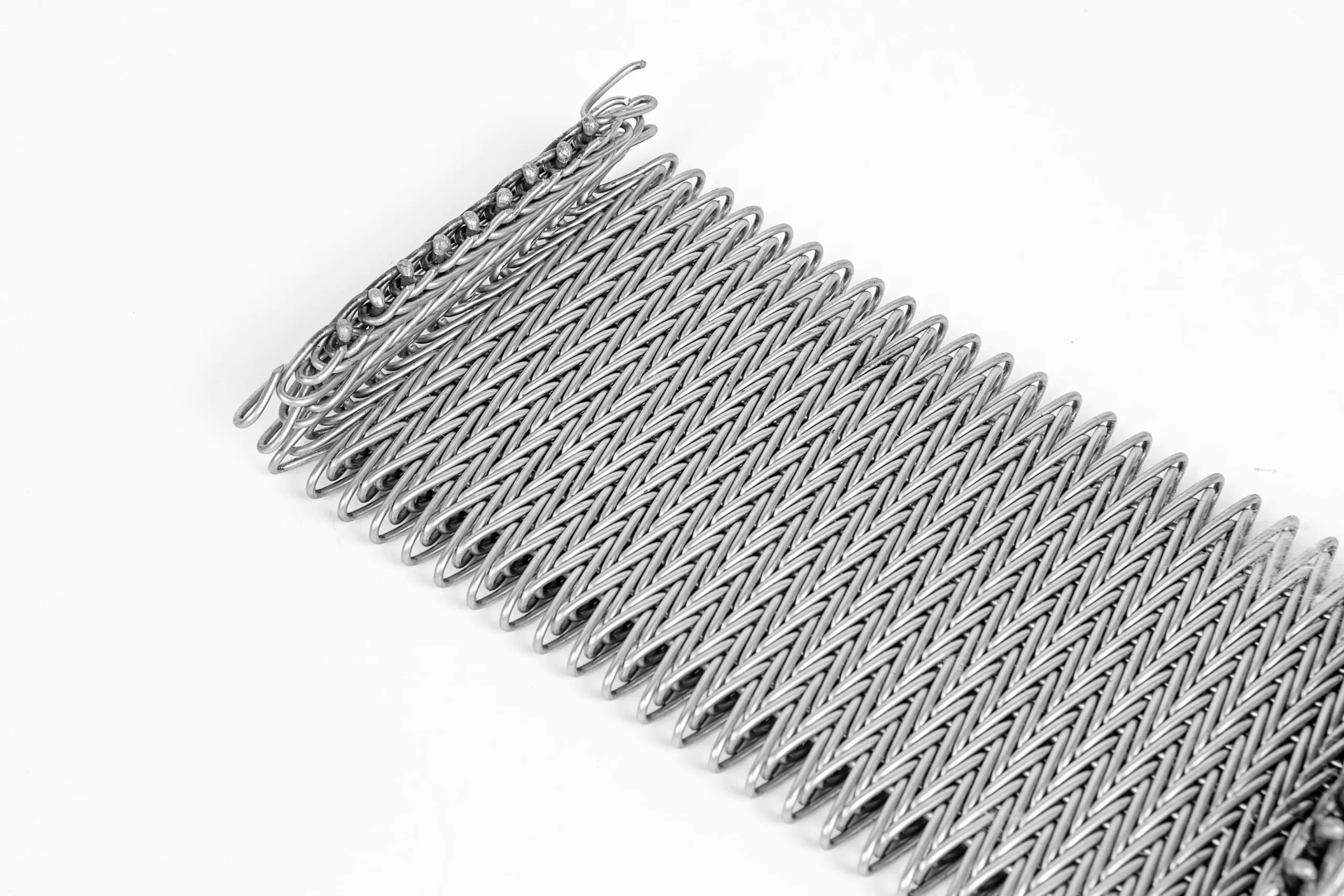
Since 2021, the focus has pivoted toward "Smart Manufacturing." We are seeing an adoption of complex weaves and honeycombed structures to handle diverse product geometries with zero slippage.

Future Development Trends

High-Temperature Resilience

Increased investment in industrial baking and chemical processing will drive the adoption of specialized alloy belts that withstand extreme thermal cycling.

Energy-Efficient Tracking

Future systems will prioritize low-friction materials to reduce the electrical load on conveyor motors, aligning with Rwanda's green energy initiatives.

Modular Customization

A shift toward interchangeable belt segments will allow Rwandan SMEs to scale their production lines without replacing entire transmission systems.

Future Trends and Strategic Outlook

Mapping the trajectory of mechanical transmission components for the next 5 years.

Automation Synergy
Integration of belts with IoT sensors to monitor wear and tension in real-time.
Material Optimization
Use of advanced 316L stainless steel to combat the high humidity of Rwandan highlands.
Hygienic Architecture
Designing Honeycomb Conveyor Belts for easier cleaning and zero-residue processing.
Vertical Integration
Expanding the use of spiral systems to reduce the footprint of Rwandan factories.

Industry Outlook

Based on search trend analysis for "Industrial Automation Africa," we expect a 25% increase in the demand for precision conveyor components. Rwanda's "Vision 2050" focuses on knowledge-based economic transformation, which necessitates a shift from manual to high-efficiency mechanical transmission.

The integration of high-tensile wire mesh will be the backbone of this transition, enabling the local manufacture of general equipment with global quality standards.

Localized Application Scenarios in Rwanda

Practical implementations of wire mesh conveyor technology in the Rwandan industrial sector.

1. Coffee Bean Drying and Roasting

Utilizing Flat Wire Conveyor Belt systems to ensure uniform heat distribution and rapid cooling for Rwanda's premium coffee exports.

2. Industrial Bakery Production

Implementing Honeycomb Conveyor Belts for high-airflow baking lines, reducing baking time and ensuring consistent quality in Kigali's commercial bakeries.

3. Mineral Processing and Sorting

Applying heavy-duty Stainless Steel Wire Mesh Belt in the mining sector for the transport of abrasive materials without belt deformation.

4. Space-Saving Food Cooling

Installing the Balanced Spiral Conveyor Belt in compact food plants to facilitate vertical cooling and storage of perishable goods.

5. General Parts Manufacturing

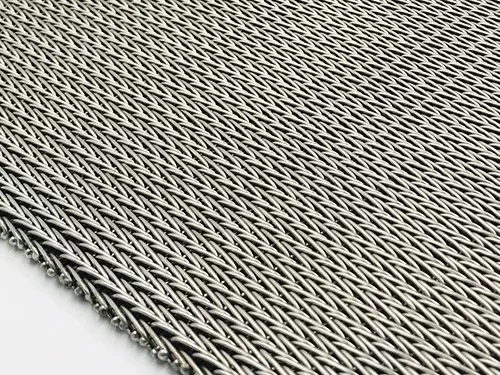
Using Compound Balanced Weave Belt in automated metal finishing lines for general equipment manufacturing, ensuring precise product positioning.

Brand Story

Global Development Journey of Yangzhou JiaoYang Mesh Belt Manufacturing Co., Ltd.

Foundation of Precision

Started with a mission to eliminate the instability of conveyor tracking, focusing on the engineering of balanced weaves.

Technological Breakthrough

Developed proprietary weaving techniques that increased the lifespan of stainless steel belts by 40% under high-temperature conditions.

Global Expansion

Expanded operations into the African market, tailoring mechanical transmission parts to meet the rugged requirements of emerging industries.

Quality Certification

Achieved international quality standards, ensuring that every belt produced meets strict E-E-A-T principles for industrial reliability.

Vision for Rwanda

Committed to empowering Rwanda's manufacturers by providing the most durable and efficient transmission components in the region.

Complete Conveyance Portfolio for Rwanda

A comprehensive range of transmission solutions tailored for Rwandan industrial environments.

Rwanda Industrial Conveyor FAQ

Addressing common technical queries from the Rwandan manufacturing sector.

Which Stainless Steel Wire Mesh Belt is best for Rwandan coffee processing?

For coffee processing, we recommend the 304-grade stainless steel flat wire belts due to their excellent balance of heat conductivity and food-grade hygiene standards.

How does a Balanced Spiral Conveyor Belt optimize factory space in Kigali?

The spiral design allows for vertical transport and cooling, reducing the horizontal footprint of the production line by up to 70%.

What are the advantages of Honeycomb Conveyor Belts in humid climates?

The open-weave honeycomb structure allows for maximum air circulation and drainage, preventing moisture buildup and corrosion in humid environments.

Can Compound Balanced Weave Belts handle heavy industrial loads?

Yes, the compound weave is specifically engineered for high-tension applications, providing superior lateral stability and load-bearing capacity.

How often should Flat Wire Conveyor Belts be serviced in a manufacturing plant?

We recommend a quarterly tension check and lubrication of drive sprockets to ensure the belt remains centered and operates efficiently.

Are these belts compatible with existing Rwandan general equipment?

Our belts are manufactured to international ISO standards, making them compatible with most standard mechanical transmission frames used globally.

Consult Our Rwanda Industrial Experts

Ready to optimize your production line in Rwanda? Contact us for custom-engineered transmission solutions.

Contact Us Now

If you are interested in our products, you can choose to leave your information here, and we will be in touch with you shortly.