HighPerformance Compound Balanced Weave Belt Solutions for Papua New Guinea

  • Home
  • Global Service
  • HighPerformance Compound Balanced Weave Belt Solutions for Papua New Guinea

High-Performance Compound Balanced Weave Belt Solutions for Papua New Guinea

Engineering durable, corrosion-resistant mechanical transmission components tailored for the unique industrial demands of Papua New Guinea's processing sectors.

High-Performance Compound Balanced Weave Belt Solutions for Papua New Guinea

Providing advanced conveyor technology to optimize production efficiency and hardware longevity in the rugged environments of Oceania.

Industrial Landscape of Mechanical Transmission in Papua New Guinea

Analyzing the challenges of equipment durability in tropical maritime climates.

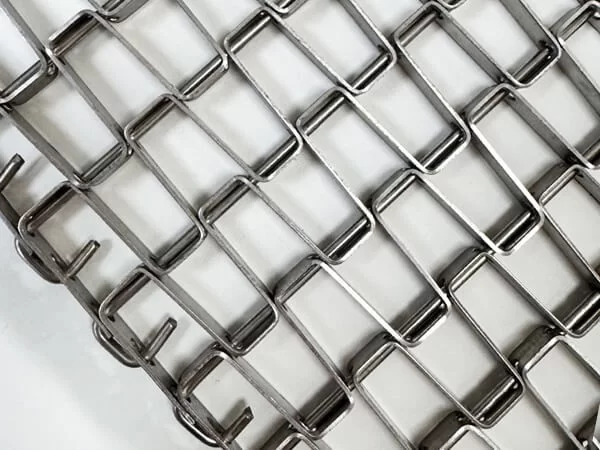
In Papua New Guinea, the manufacturing and processing sectors face extreme environmental pressures. The combination of high humidity and saline air in coastal regions accelerates the oxidation of standard steel components, making the adoption of a Stainless Steel Wire Mesh Belt an operational necessity rather than an option for food and mineral processing.

Current industrial operations in Port Moresby and Lae rely heavily on imported machinery. However, the lack of localized specialized maintenance for complex transmission parts often leads to prolonged downtime. There is a growing shift toward "low-maintenance" hardware that can withstand heavy loads without frequent realignment.

The demand for precision-engineered components like the Flat Wire Conveyor Belt is increasing as the country seeks to modernize its palm oil and seafood export facilities, moving away from rudimentary rubber belts toward hygienic, metallic alternatives.
Evolution of Conveyor Technology in Oceania

From manual transport to automated, balanced transmission systems.

Market Development History

During the early industrial phase (1990s-2005), mechanical transmission in Papua New Guinea was dominated by simple carbon steel chains and rubber belts, which suffered from rapid degradation due to the tropical climate.

Between 2006 and 2015, the introduction of basic stainless steel mesh began to penetrate the food processing sector. This era saw the first widespread adoption of the Balanced Spiral Conveyor Belt to optimize vertical space in limited factory footprints.

From 2016 to the present, the focus has shifted toward "Balanced Weave" and "Honeycomb" architectures. These innovations address the need for precise tracking and thermal stability during high-temperature sterilization or cooling processes.

Future Development Trends

Integration of Smart Monitoring

We predict a rise in the integration of IoT sensors within Honeycomb Conveyor Belts to monitor tension and wear in real-time, reducing unplanned shutdowns.

Extreme Corrosion Resistance

The transition from AISI 304 to AISI 316L stainless steel will become standard to combat the aggressive saltwater aerosols prevalent in the PNG coastal industrial zones.

Energy-Efficient Drive Systems

Future systems will focus on reducing the friction coefficient of the mesh, allowing for smaller motors and lower energy consumption in line with global green manufacturing trends.

Future Trends and Strategic Outlook

Navigating the next 5 years of mechanical transmission in Papua New Guinea.

Automated Precision Tracking
Shift toward self-aligning belt technologies to eliminate manual adjustment in remote PNG sites.
Modular Component Design
Implementing rapid-replacement modules to minimize downtime in isolated industrial hubs.
Hybrid Material Weaving
Combining stainless steel with high-temp polymers for specific chemical processing needs.
Eco-Friendly Lubrication
Adopting biodegradable lubricants for conveyor systems to protect PNG's biodiversity.

Industry Outlook

Based on Google search trends for "Industrial Automation Oceania," there is a significant uptick in queries regarding high-durability conveyor systems. This suggests that Papua New Guinea is entering a phase of industrial maturation where efficiency outweighs initial procurement costs.

The future will likely see a convergence of mechanical robustness and digital precision, where the Honeycomb Conveyor Belts serve as the backbone for high-throughput, low-waste production lines in the agribusiness sector.

Localized Applications in Papua New Guinea

Real-world implementation of high-strength mesh belts in the PNG economy.

1. Tropical Seafood Processing

Using Stainless Steel Wire Mesh Belt for blast freezing and sorting of tuna and shrimp in coastal facilities to ensure FDA-grade hygiene and salt-spray resistance.

2. Palm Oil Refinery Logistics

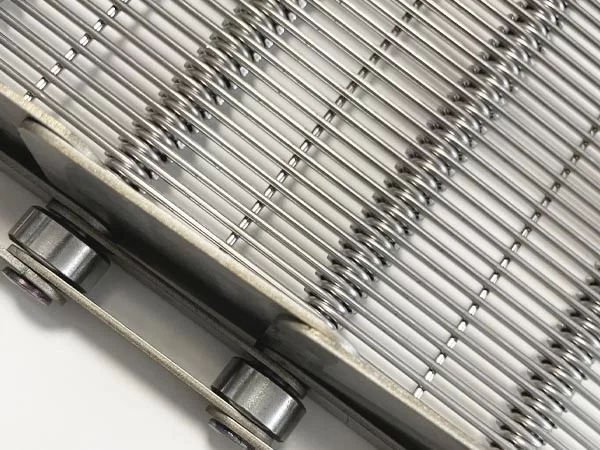
Implementation of Flat Wire Conveyor Belt for the transport of processed kernels through high-temperature drying ovens where stability is critical.

3. Coffee Bean Roasting Plants

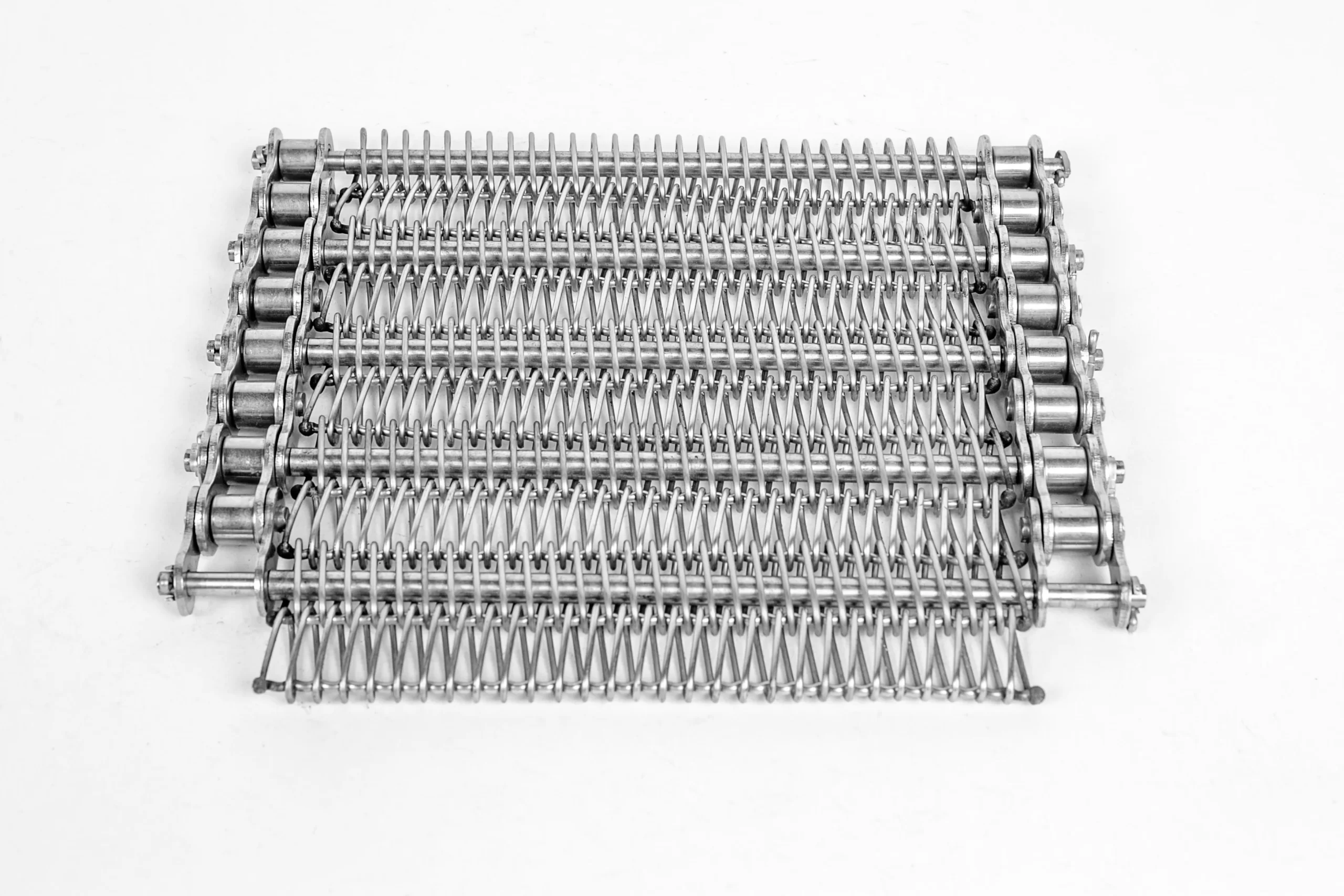
Deployment of Compound Balanced Weave Belt to provide uniform heat distribution during the roasting process of high-altitude Arabica coffee.

4. Mineral Ore Drying Systems

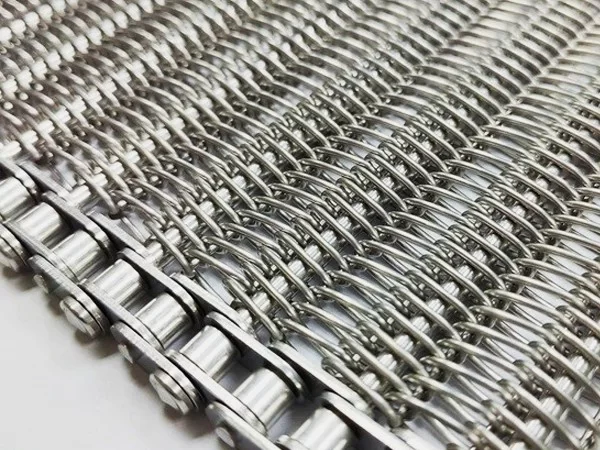
Utilizing heavy-duty honeycomb structures to handle abrasive mineral particles in the mining sector, reducing belt wear and tear under extreme loads.

5. Vertical Bakery Cooling Towers

Application of Balanced Spiral Conveyor Belt for space-saving cooling of commercial bread products in urban centers like Port Moresby.

Brand Story

Global Development Journey of Yangzhou Jiao Yang Mesh Belt Manufacturing Co., Ltd.

Foundational Precision

Started with a commitment to solving the core problem of belt slippage and deformation in high-tension industrial environments.

Technological Breakthrough

Developed the proprietary balanced weave technique, significantly increasing the lifespan of belts used in corrosive environments.

Global Expansion

Expanded operations to Oceania, adapting product specifications to meet the unique climatic challenges of the South Pacific.

Quality Certification

Achieved international standards in material purity and weave consistency, ensuring seamless integration with global machinery.

Vision 2030

Leading the transition toward sustainable, zero-waste conveyor systems for the next generation of global manufacturing.

Complete Conveyor Component Portfolio for Papua New Guinea

High-durability transmission solutions engineered for the Oceania market.

Common Industrial Questions in Papua New Guinea

Expert answers regarding mesh belt selection and maintenance.

Which material is best for a Stainless Steel Wire Mesh Belt in coastal PNG?

For coastal areas with high salinity, we strongly recommend AISI 316L stainless steel over 304 to prevent pitting corrosion and ensure a longer operational lifespan.

How does a Balanced Spiral Conveyor Belt save space in small factories?

The spiral design allows the belt to move products vertically in a compact cylinder, reducing the floor space required for cooling or proofing by up to 70%.

What are the advantages of Compound Balanced Weave Belt over standard mesh?

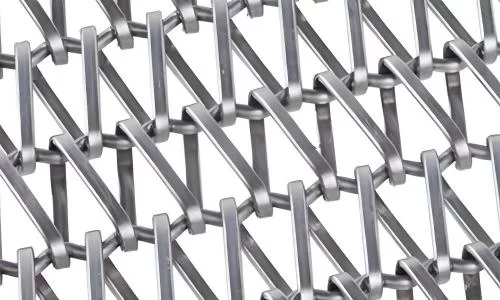
Compound Balanced Weave Belts offer superior tracking stability and less lateral drift, which is critical for high-speed automated lines in processing plants.

Can Honeycomb Conveyor Belts handle high-temperature drying?

Yes, the honeycomb structure provides exceptional thermal stability and uniform airflow, making it ideal for industrial drying ovens in the agribusiness sector.

How often should a Flat Wire Conveyor Belt be inspected for tension?

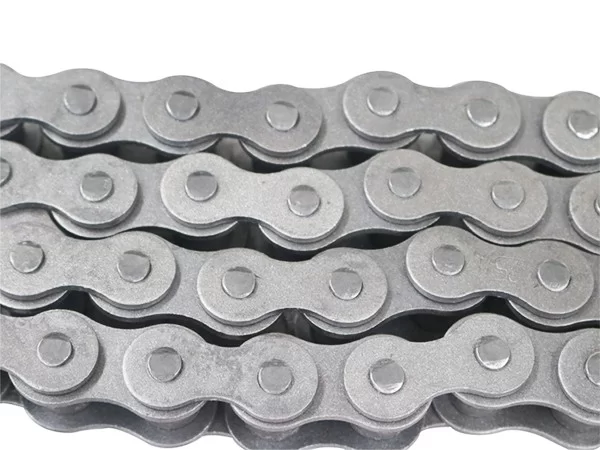
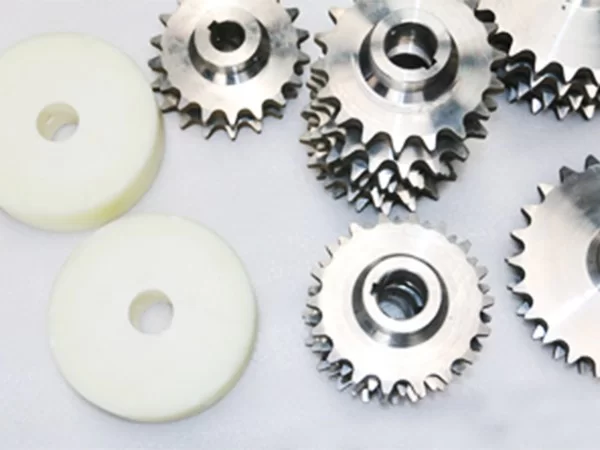
In high-humidity environments like PNG, we recommend a monthly tension check and lubricant application to prevent wear on the drive sprockets.

Are these belts compatible with existing European or American machinery?

Absolutely. Our belts are manufactured to global precision standards and can be customized to match any existing sprocket pitch or width specification.

Consult Our Engineering Experts

Get a customized conveyor solution designed specifically for the industrial requirements of Papua New Guinea.

Contact Us Now

If you are interested in our products, you can choose to leave your information here, and we will be in touch with you shortly.