Advanced Industrial Conveying Solutions for Angola Featuring Compound Balanced Weave Belt

  • Home
  • Global Service
  • Advanced Industrial Conveying Solutions for Angola Featuring Compound Balanced Weave Belt

Advanced Industrial Conveying Solutions for Angola: Featuring Compound Balanced Weave Belt

Optimizing mechanical transmission and material handling for Angola's growing manufacturing sector with high-precision stainless steel conveyor technology.

Advanced Industrial Conveying Solutions for Angola: Featuring Compound Balanced Weave Belt

Integrating high-durability mechanical transmission components to enhance the efficiency of food processing and industrial manufacturing across Angola.

The Landscape of Mechanical Transmission in Angola

Analyzing the challenges of industrial conveying in Angolan climates and economic zones.

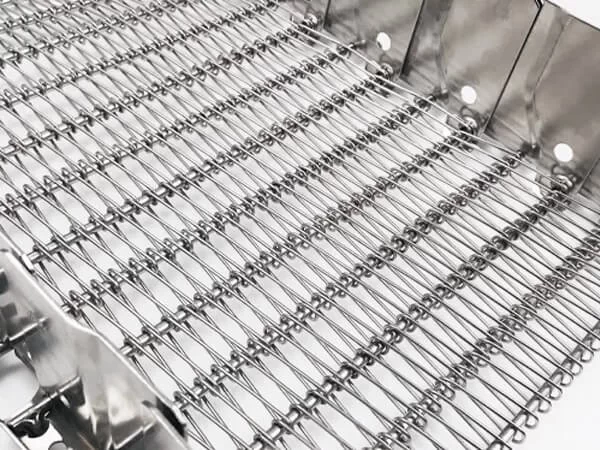
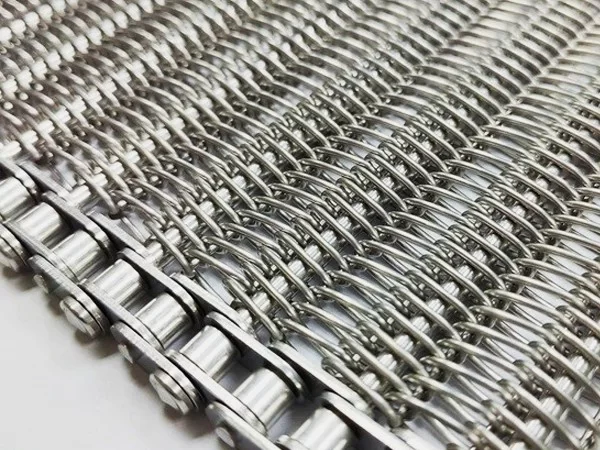
Angola's manufacturing sector is currently undergoing a strategic diversification. However, the high humidity and saline air in coastal industrial hubs like Luanda cause rapid oxidation in standard carbon steel components. This has led to an urgent demand for Stainless Steel Wire Mesh Belt systems that can withstand corrosive environments without compromising structural integrity.

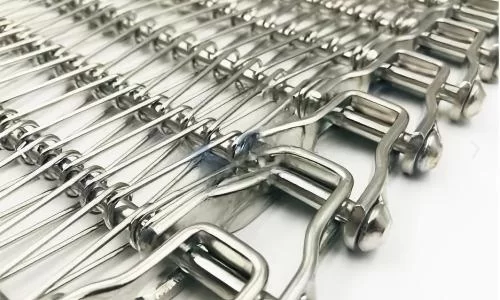
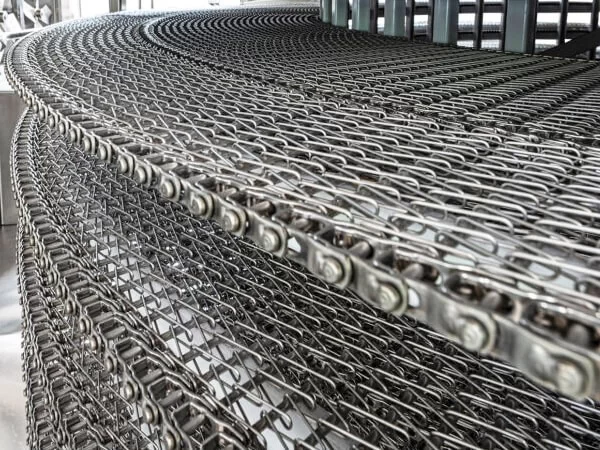
In the inland agricultural processing zones, the prevalence of rudimentary conveyor systems often results in high downtime and frequent mechanical failure. The adoption of a Balanced Spiral Conveyor Belt has become critical for businesses looking to optimize vertical space and improve the cooling or frying process of local food products.

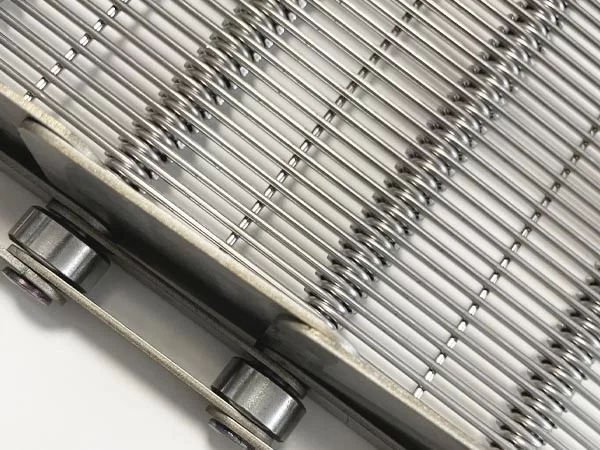
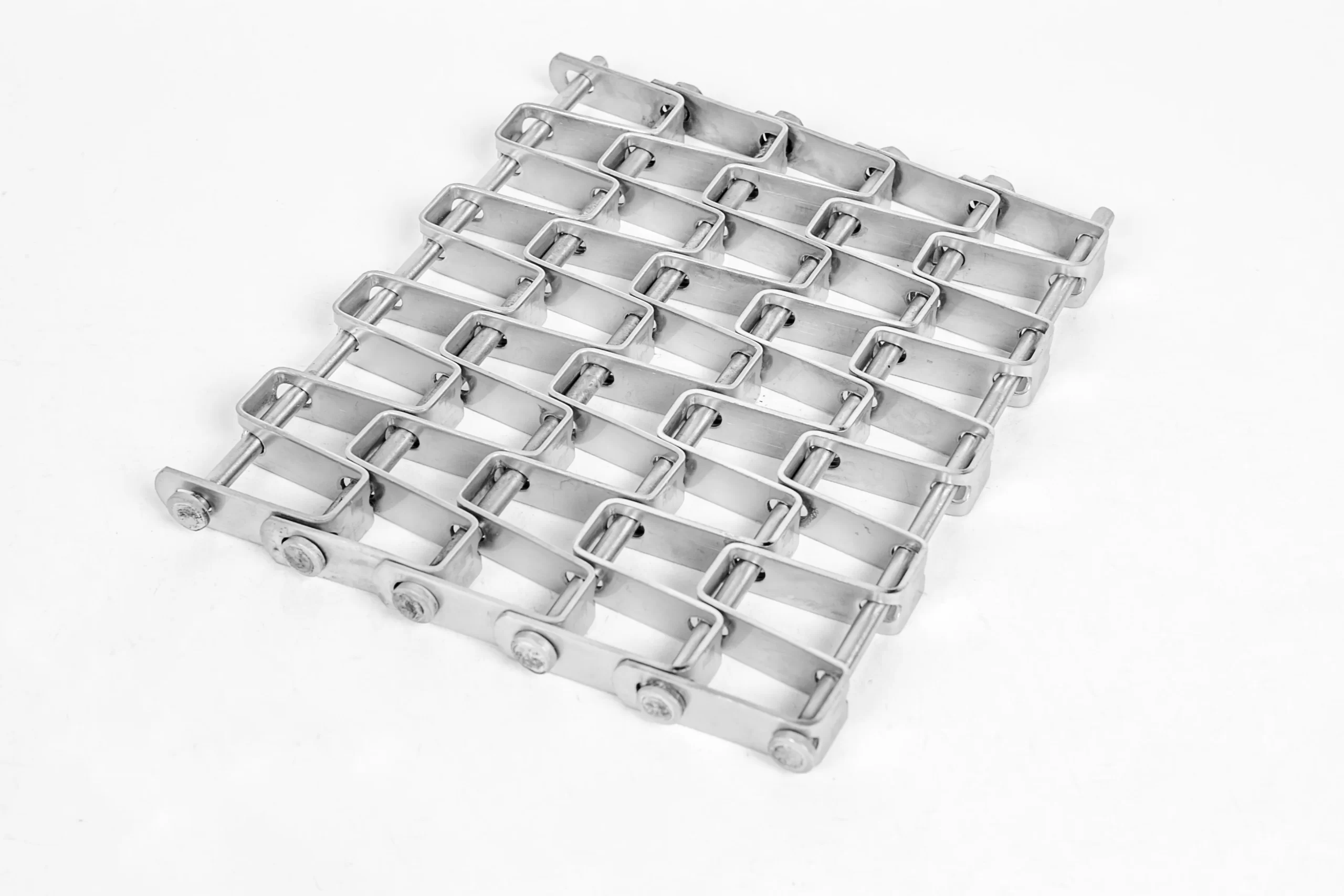
Economically, Angola is transitioning from raw material export to value-added processing. This shift requires precision-engineered components like Flat Wire Conveyor Belt options to ensure consistent throughput and meet international hygiene standards for export-grade products.
Evolution of Conveyor Technology in Angola

From basic manual transport to automated, high-precision mesh systems.

Market Development History

Between 2000 and 2010, the Angolan industrial market relied heavily on imported rubber belts and simple chain drives. These systems lacked the thermal resistance and hygiene levels required for modern food safety, often failing under the intense heat of tropical processing plants.

From 2011 to 2020, there was a marked transition toward modular stainless steel. The introduction of Honeycomb Conveyor Belts allowed for better airflow and drainage, which significantly reduced product spoilage in Angolan fisheries and poultry plants.

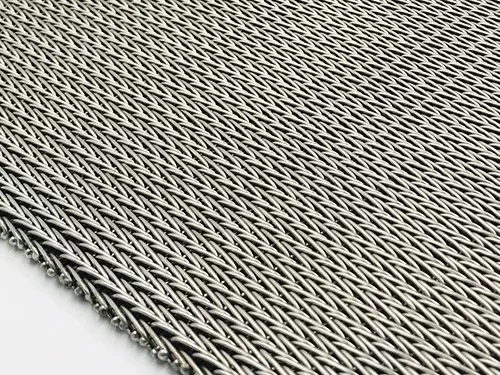
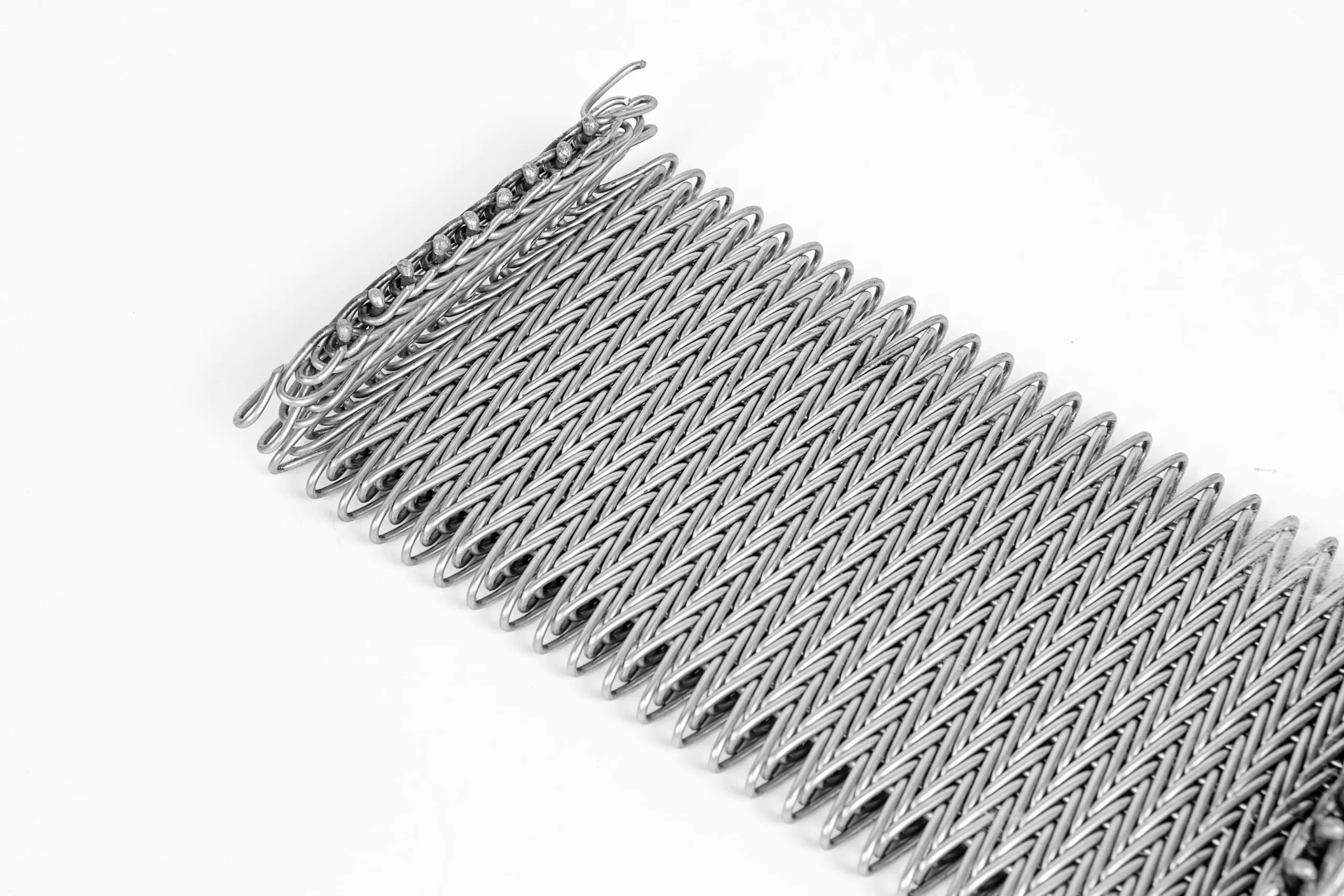
Since 2021, the focus has shifted toward "Balanced Weaving" technology. The implementation of the Compound Balanced Weave Belt has solved the common problem of belt tracking and stretching, which previously plagued older conveyor installations in the region.

Future Development Trends

Smart Tensioning Integration

Future systems will integrate IoT sensors to monitor the tension of mesh belts in real-time, reducing the need for manual adjustment in remote Angolan provinces.

Advanced Alloy Specifications

A shift toward 316L grade stainless steel is expected to dominate, providing superior resistance to the coastal salt spray prevalent in Angola's port cities.

Energy-Efficient Drive Systems

Integration of low-friction conveyor belts with variable frequency drives (VFD) to combat the energy instability and high electricity costs in local industrial parks.

Industry Trends and Future Outlook

Strategic forecasting for the mechanical transmission sector in Angola.

Automation Acceleration
Rapid adoption of automated sorting systems using high-precision mesh belts to replace manual labor in Angolan warehouses.
Hygiene Standardization
Strict alignment with HACCP standards in Angola's food sector, driving the use of easy-to-clean stainless steel weaves.
Material Specialization
Increased use of hybrid weave patterns to handle specifically heavy or fragile industrial components in Angola.
Sustainable Lifecycles
Transitioning toward modular belt designs that allow for partial repair instead of full replacement in Angolan plants.

Industry Outlook

Google search trends for "Industrial Automation Angola" and "Stainless Steel Mesh" indicate a strong upward trajectory. This suggests that Angolan enterprises are moving away from low-cost, short-term solutions toward capital investments in durable, high-efficiency mechanical transmission systems.

Over the next 3-5 years, the integration of customized belt geometries will allow Angolan manufacturers to compete more effectively in the regional SADC market by lowering production costs and increasing quality consistency.

Localized Application Scenarios in Angola

Real-world implementation of conveyor belts in Angolan industrial sectors.

1. Coastal Seafood Processing in Luanda

Utilizing Stainless Steel Wire Mesh Belt for shrimp and fish sorting. The saltwater resistance prevents corrosion while the mesh allows for efficient brine drainage.

2. Coffee Bean Roasting in Highlands

Applying Balanced Spiral Conveyor Belt for continuous roasting and cooling. This maximizes space in limited factory footprints while ensuring uniform heat distribution.

3. Industrial Bakery Lines in Benguela

Implementation of Compound Balanced Weave Belt to transport baked goods through ovens. The balanced weave ensures zero tracking drift at high temperatures.

4. Tropical Fruit Dehydration Plants

Using Honeycomb Conveyor Belts for mango and pineapple drying. The honeycomb structure optimizes airflow for faster moisture removal.

5. Heavy Component Assembly in Huambo

Integration of Flat Wire Conveyor Belt for moving heavy mechanical parts. These belts provide the high load-bearing capacity required for general equipment manufacturing.

Brand Story

Global Development Journey of Yangzhou JiaoYang Mesh Belt Manufacturing Co., Ltd.

Founding and Technical Roots

Established with a focus on high-precision weaving, we started by solving the most basic failures in mechanical transmission for local workshops.

Material Innovation Phase

We pioneered the use of advanced stainless steel alloys, ensuring our belts could withstand the extreme temperatures and corrosive chemicals used in global industries.

Global Market Expansion

Expanding beyond Asia, we began tailoring our products for the African market, focusing on the specific durability needs of regions like Angola.

Precision Engineering Breakthrough

Developed the proprietary Balanced Weave technology, drastically reducing belt drift and maintenance costs for our international clients.

Commitment to Industrial Sustainability

Today, our mission is to provide the most durable mechanical transmission components, eliminating downtime and promoting industrial efficiency globally.

Comprehensive Conveying Portfolio for Angola

A full range of stainless steel solutions designed for the Angolan industrial environment.

Common Industrial Conveyor Questions in Angola

Technical guidance for selecting and maintaining mesh belts in Angola.

Which Stainless Steel Wire Mesh Belt grade is best for Luanda's coastal humidity?

For high-salinity environments in Luanda, we strongly recommend AISI 316L stainless steel over 304, as it provides significantly higher resistance to pitting and chloride corrosion.

How does a Balanced Spiral Conveyor Belt improve space efficiency in Angolan plants?

The spiral design allows for vertical movement of products (like cooling or frying), reducing the horizontal footprint by up to 70% compared to traditional linear conveyors.

Why choose a Compound Balanced Weave Belt for high-temperature baking?

Compound balanced weaves are engineered to resist thermal expansion, preventing the belt from "walking" or shifting off the rollers during intense heating cycles.

What are the cleaning advantages of Honeycomb Conveyor Belts in food processing?

The open honeycomb structure allows high-pressure water and cleaning agents to pass through easily, ensuring no food residue is trapped, meeting strict hygiene standards.

Can a Flat Wire Conveyor Belt handle heavy automotive parts in Huambo?

Yes, Flat Wire belts are designed for maximum load-bearing capacity and stability, making them ideal for transporting heavy metallic components in general machinery manufacturing.

How often should mesh belts be inspected in Angolan industrial settings?

Due to the high humidity and dust in many Angolan regions, we recommend a detailed tension and wear inspection every 30 days to prevent unexpected downtime.

Ready to Optimize Your Production?

Contact our engineering team for custom conveyor solutions tailored specifically for the industrial requirements of Angola.

Contact Us Now

If you are interested in our products, you can choose to leave your information here, and we will be in touch with you shortly.