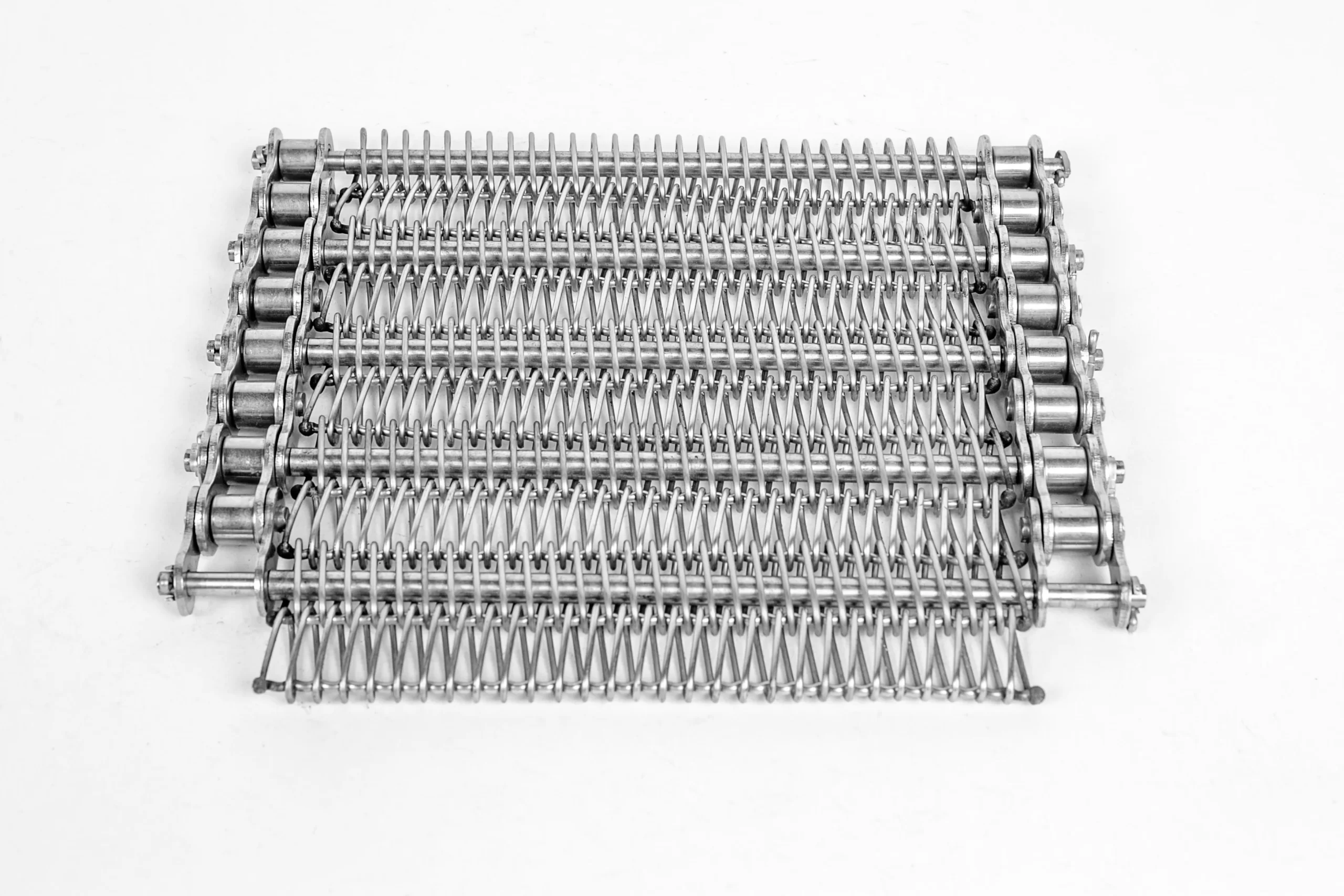
Industrial Conveying Solutions for Canada Advanced Balanced Spiral Conveyor Belt Systems

  • Home
  • Global Service
  • Industrial Conveying Solutions for Canada Advanced Balanced Spiral Conveyor Belt Systems

Industrial Conveying Solutions for Canada: Advanced Balanced Spiral Conveyor Belt Systems

High-performance mechanical transmission components engineered for the rigorous demands of Canadian food processing and automotive manufacturing.

Industrial Conveying Solutions for Canada: Advanced Balanced Spiral Conveyor Belt Systems

Providing the Canadian industrial sector with precision-engineered stainless steel mesh solutions that optimize thermal stability and mechanical durability in heavy-duty transmission environments.

The State of Conveyor Technology in North America - Canada

Adapting to extreme climates and stringent hygiene standards in the Canadian manufacturing landscape.

In Canada, the manufacturing sector—particularly food processing and automotive parts—operates under extreme temperature fluctuations. The demand for Stainless Steel Wire Mesh Belt technology has surged due to the need for materials that resist corrosion in humid coastal regions and maintain structural integrity during freezing winters in the Prairies.

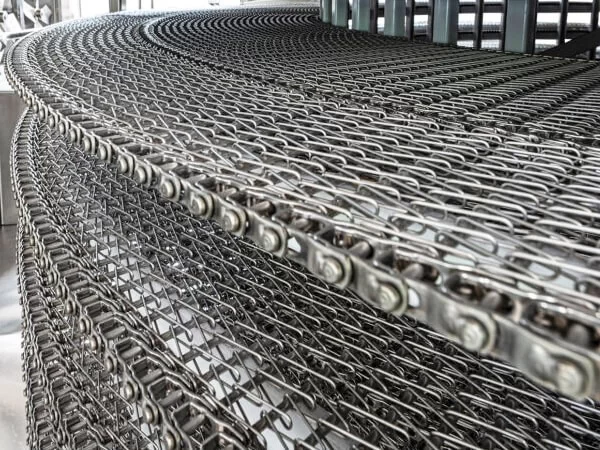
The Canadian market is currently shifting toward automated, high-density production lines. This has led to a widespread adoption of Balanced Spiral Conveyor Belt systems, which allow Canadian facilities to maximize vertical space in urban warehouses while ensuring a consistent flow of products during cooling or frying processes.

Furthermore, strict CFIA (Canadian Food Inspection Agency) regulations mandate the use of non-porous, easily cleanable materials. This regulatory environment has made Flat Wire Conveyor Belt solutions indispensable for maintaining sanitary standards and preventing microbial buildup in large-scale meat and dairy plants across Ontario and Quebec.
Evolution of Mechanical Transmission Belts in Canada

From basic carbon steel chains to precision-woven stainless steel architectures.

Market Development History

In the early 1990s, Canadian conveyor systems relied heavily on rubber and carbon steel, which frequently failed due to oxidation and temperature-induced cracking. The transition to stainless steel began as the food industry demanded higher hygiene levels, introducing early mesh designs that lacked tracking stability.

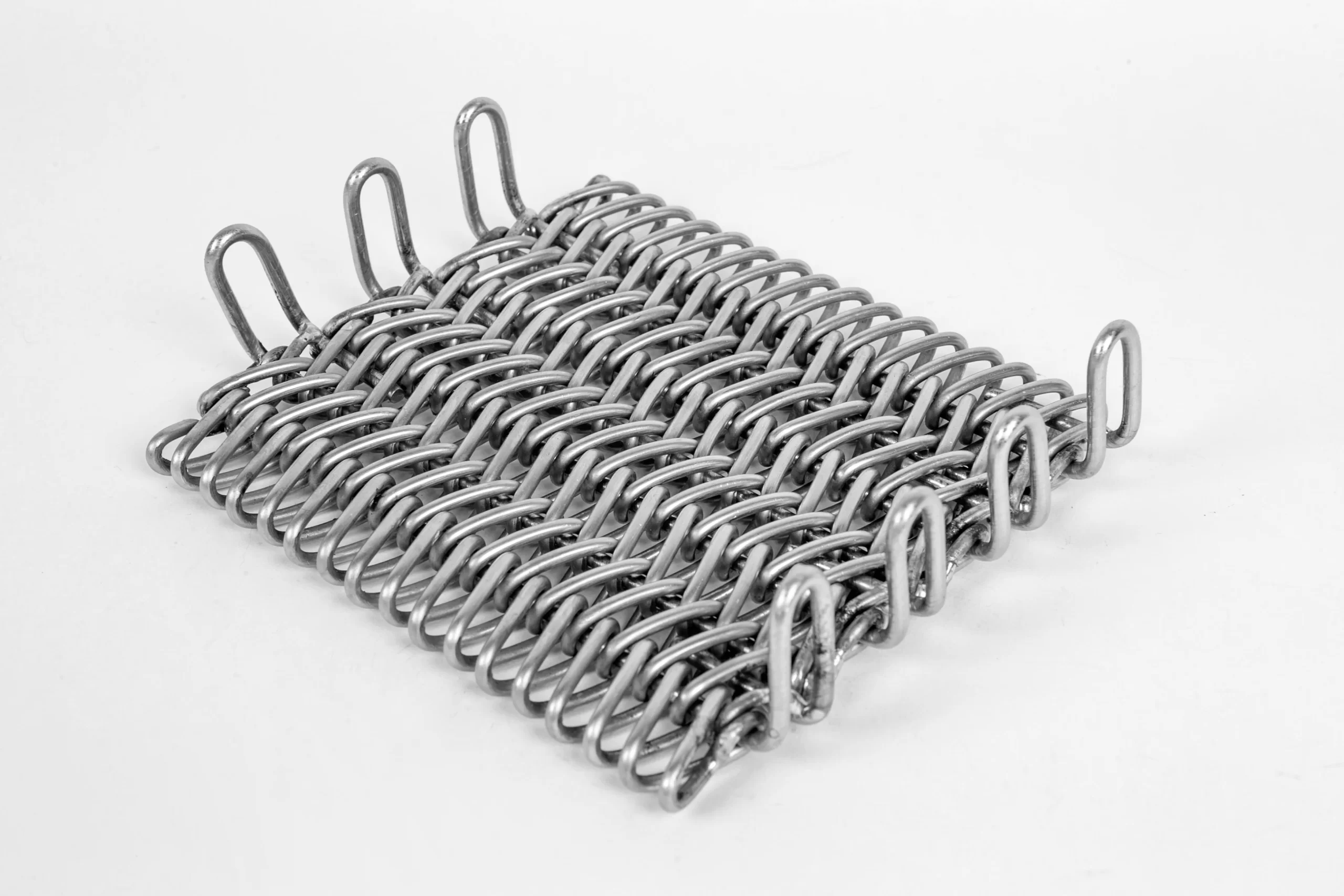
Between 2005 and 2015, the "Balanced" era emerged. The introduction of the Compound Balanced Weave Belt solved the critical issue of belt tracking, allowing for smoother transitions and reduced maintenance costs in high-speed production lines across North American plants.

From 2016 to the present, the focus has shifted toward specialized geometries. The rise of Honeycomb Conveyor Belts has revolutionized airflow and drainage, enabling more efficient flash-freezing and industrial drying processes tailored for Canadian agricultural exports.

Future Development Trends

Smart Sensing Integration

Integrating IoT sensors directly into the belt weave to monitor tension and wear in real-time, reducing unplanned downtime in 24/7 Canadian factories.

Advanced Alloy Application

Moving beyond 304/316 stainless steel to high-nickel alloys that can withstand the increasingly corrosive chemicals used in Canadian industrial cleaning protocols.

Energy-Efficient Friction Reduction

Developing new weave patterns that reduce the coefficient of friction, lowering the energy required for motor drives and aligning with Canada's net-zero carbon goals.

Industry Trends and Future Outlook

Analyzing the convergence of material science and automated logistics in the Canadian market.

Sustainable Metallurgy
Increasing use of recycled stainless steel to meet Canada's stringent ESG (Environmental, Social, and Governance) requirements.
Vertical Integration
Shift towards spiral-based conveyors to optimize floor space in densely populated industrial hubs like Toronto and Vancouver.
Precision Weaving
Adoption of laser-measured weave tolerances to ensure zero-drift operation in high-speed Canadian assembly lines.
Automated Maintenance
Developing modular belt sections for rapid replacement, reducing downtime in critical Canadian food supply chains.

Industry Outlook

Over the next 3-5 years, we expect a significant increase in Google search trends for "modular stainless steel conveying" and "energy-efficient spiral belts" within Canada. This reflects a broader shift toward Industry 4.0, where mechanical components must integrate seamlessly with digital control systems.

The future points toward hyper-specialization. Instead of general-purpose belts, Canadian manufacturers will seek customized weave densities to handle specific regional products—from Atlantic seafood to Western Canadian grains—ensuring maximum throughput and minimum product damage.

Localized Application Scenarios in Canada

Real-world deployments across Canada's diverse industrial landscape.

01. Alberta Oil Sands Processing

Utilization of heavy-duty Stainless Steel Wire Mesh Belt systems for transporting heat-treated components in abrasive environments where standard belts would erode rapidly.

02. Quebec Dairy & Cheese Production

Implementation of Balanced Spiral Conveyor Belt systems for space-saving cooling and aging processes, meeting strict health and safety codes of the province.

03. Ontario Automotive Assembly

Applying Compound Balanced Weave Belt technology for high-precision parts movement in painting and curing ovens, ensuring perfect alignment without manual adjustment.

04. British Columbia Seafood Processing

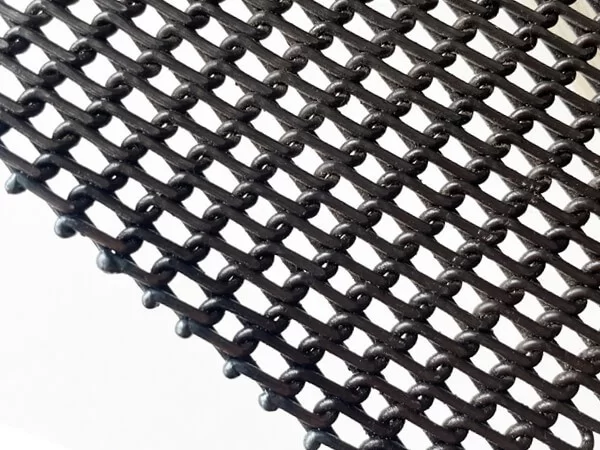
Integration of Honeycomb Conveyor Belts for rapid drainage and flash-freezing of Atlantic and Pacific catches, optimizing thermal transfer and water removal.

05. Manitoba Grain & Bakery Logistics

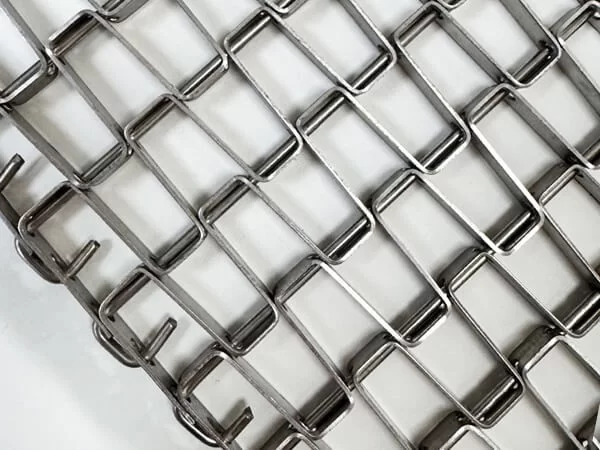
Deploying Flat Wire Conveyor Belt systems for large-scale industrial baking and drying of grain-based products, ensuring uniform heat distribution across the belt surface.

Brand Story

Global Development Journey of Yangzhou Jiao Yang Mesh Belt Manufacturing Co., Ltd.

Foundational Excellence

Established with a focus on precision metallurgy, we began by solving the fundamental problem of belt drift in early industrial conveying systems.

Technological Breakthrough

Developed the proprietary balanced weave technique, allowing our belts to run straight without the need for constant mechanical correction.

Global Expansion

Expanded our reach into the North American market, tailoring our product line to meet the specific climate and regulatory needs of Canadian industries.

Quality Certification

Achieved international quality standards, ensuring every mesh belt we produce meets the rigorous durability requirements of heavy-duty manufacturing.

Future Vision

Committed to driving the evolution of mechanical transmission through sustainable materials and smart-conveying integration worldwide.

Comprehensive Conveying Portfolio for Canada

A complete range of stainless steel transmission solutions engineered for Canadian industrial resilience.

Common Questions from Canadian Industrial Clients

Expert answers to the most technical challenges in mechanical transmission components.

How does the Balanced Spiral Conveyor Belt handle temperature swings in Canada?

Our belts use premium 304 and 316 stainless steel, which has a low thermal expansion coefficient, ensuring the belt remains stable and balanced whether it's in a -40°C freezer or a 300°C oven.

What makes a Compound Balanced Weave Belt superior for automotive lines?

The compound weave provides enhanced lateral stability and a flatter surface, which is critical for moving precise automotive components without causing misalignment or surface scratches.

Can Honeycomb Conveyor Belts be used for high-drainage food applications?

Yes, the honeycomb structure maximizes open area, allowing for rapid fluid drainage and air circulation, making it ideal for Canadian seafood and produce processing plants.

What is the lifespan of a Flat Wire Conveyor Belt in a high-salt environment?

By utilizing AISI 316L stainless steel, our flat wire belts provide exceptional resistance to chloride-induced pitting, significantly extending the operational life in coastal Canadian facilities.

How do I choose between a standard Stainless Steel Wire Mesh Belt and a balanced version?

Standard mesh is suitable for simple transport; however, if your application involves high speeds or precise tracking requirements, we recommend a balanced weave to prevent belt drift.

Are your belts compliant with Canadian CFIA food safety standards?

Absolutely. All our stainless steel mesh belts are manufactured from food-grade materials with smooth finishes to prevent bacterial accumulation, fully aligning with CFIA hygiene guidelines.

Request a Technical Consultation

Get professional guidance on selecting the right mechanical transmission components for your facility in Canada.

Contact Us Now

If you are interested in our products, you can choose to leave your information here, and we will be in touch with you shortly.