Industrial Conveying Solutions for Hungary HighPerformance Compound Balanced Weave Belt

  • Home
  • Global Service
  • Industrial Conveying Solutions for Hungary HighPerformance Compound Balanced Weave Belt

Industrial Conveying Solutions for Hungary: High-Performance Compound Balanced Weave Belt

Precision-engineered mechanical transmission components designed to optimize production efficiency across Hungary's diverse manufacturing landscape.

Industrial Conveying Solutions for Hungary: High-Performance Compound Balanced Weave Belt

Integrating advanced metallurgy and precise weaving techniques to deliver durable, heat-resistant, and low-friction conveyor systems tailored for Hungarian industrial standards.

Current State of Mechanical Transmission in Hungary

Analyzing the demand for high-durability mesh belts in Central Europe's industrial hub.

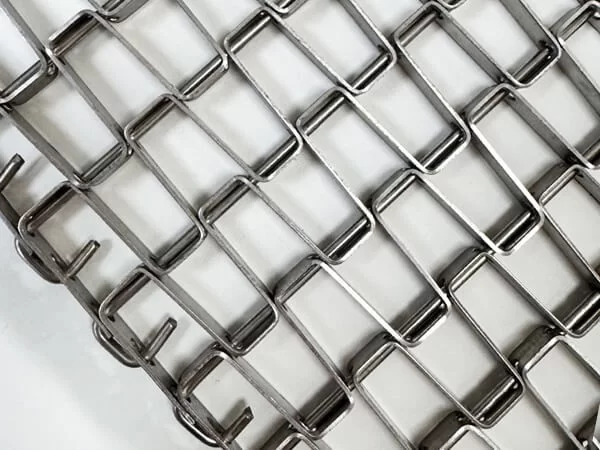
Hungary's manufacturing sector, particularly in the automotive and food processing industries, is undergoing a massive transition toward automation. The demand for a reliable Stainless Steel Wire Mesh Belt has surged as factories in Budapest and Győr upgrade their production lines to meet strict EU hygiene and durability standards.

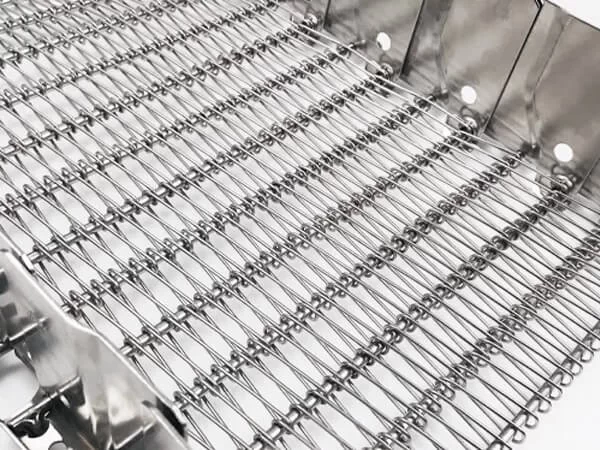
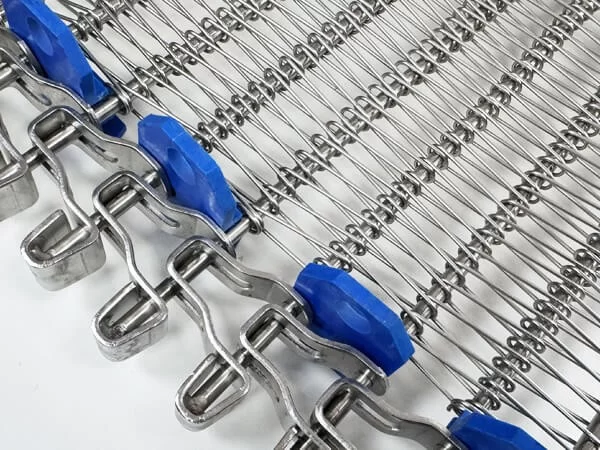
The local climate, characterized by continental temperature fluctuations, requires materials that maintain structural integrity under thermal stress. Consequently, the adoption of the Balanced Spiral Conveyor Belt has become essential for spiral cooling and freezing applications, ensuring consistent product quality despite external environmental changes.

Economic growth in the region has shifted focus toward "Industry 4.0," where traditional transmission components are replaced by precision-engineered belts. This shift emphasizes a need for minimal maintenance and high stability, driving the popularity of specialized weaves that reduce lateral drift and wear on mechanical guides.
Evolution and Trajectory of Conveyor Technology

From traditional steel meshes to intelligent, high-stability transmission systems.

Market Development History

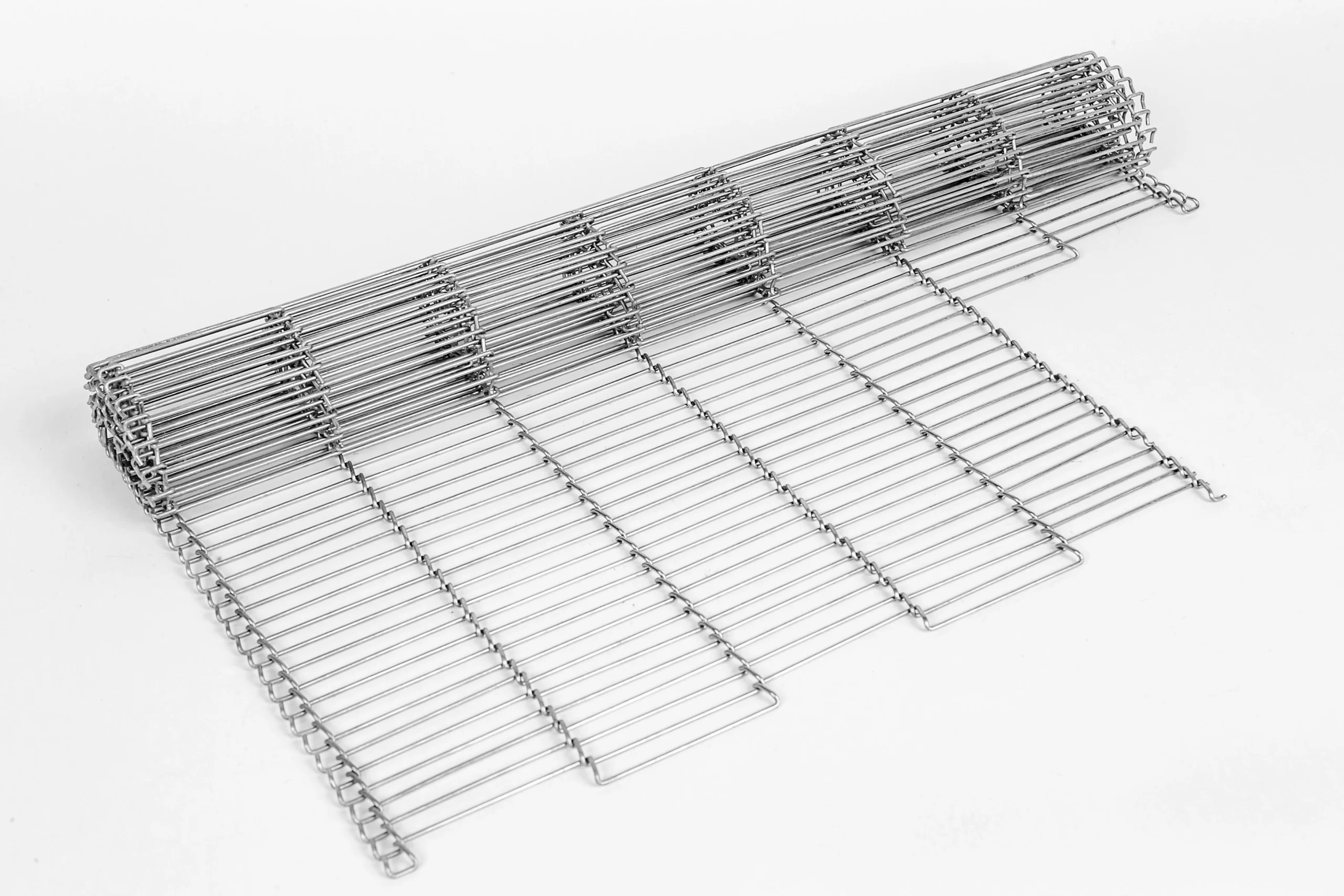
In the early 2000s, Hungarian factories relied primarily on basic steel belts. However, by 2010, the introduction of the Flat Wire Conveyor Belt revolutionized the industry by providing a smoother surface for fragile products, reducing damage rates in pharmaceutical packaging.

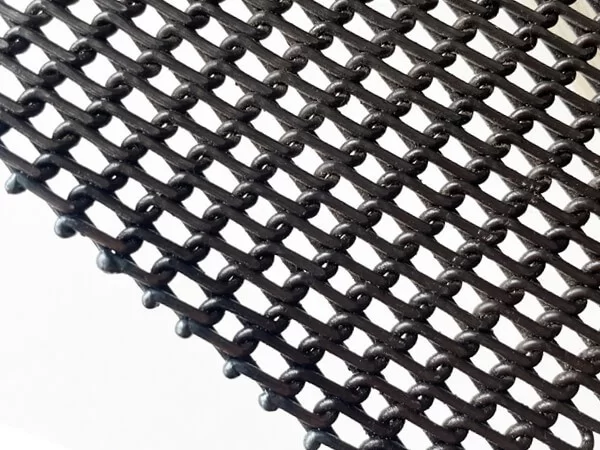
Between 2015 and 2020, the focus shifted toward energy efficiency. The engineering of the Honeycomb Conveyor Belts allowed for superior airflow and heat distribution, which significantly lowered the energy consumption of industrial drying ovens across the region.

Today, the trajectory is defined by "Hyper-Stability." The modern era is dominated by composite structures and balanced weaves that eliminate the need for frequent tracking adjustments, allowing for 24/7 continuous operation in high-throughput environments.

Future Development Trends

Integration of Smart Sensing

The next 3-5 years will see belts embedded with wear-sensing technology, allowing Hungarian plant managers to predict failure before it occurs, shifting from reactive to predictive maintenance.

Ultra-High Temperature Alloys

As chemical processing evolves, we expect a surge in demand for specialized alloys that can withstand temperatures exceeding 1000°C without losing tensile strength or warping.

Modular Customization

Google search trends indicate a rising interest in "modular conveyor parts," suggesting a move toward belts that can be quickly repaired or modified on-site to minimize downtime.

Industry Trends and Future Outlook

Driving the next generation of mechanical transmission in Central Europe.

Sustainable Metallurgy
Increased use of recycled high-grade stainless steel to meet EU Green Deal standards.
Precision Tracking
Implementation of self-aligning weave patterns to eliminate mechanical tracking errors.
Hybrid Materiality
Combining stainless steel with high-temp polymers for specific chemical resistance.
AI-Driven Design
Using generative design to optimize weave density for specific load-bearing needs.

Industry Outlook

The future of mechanical transmission in Hungary is inextricably linked to the automotive battery sector. The rapid expansion of EV plants requires conveyors that are not only heat-resistant but also electrically neutral and chemically inert to prevent contamination of sensitive cells.

We anticipate a shift toward highly specialized, small-batch custom belts. Rather than "one size fits all," the industry will move toward tailored solutions where the weave pattern is optimized for the specific viscosity and temperature of the product being transported.

Localized Application Scenarios in Hungary

Real-world deployments across various Hungarian industrial sectors.

1. Automotive Component Heat Treatment

In the industrial zones of Győr, Stainless Steel Wire Mesh Belt systems are used for the continuous tempering of engine components, ensuring uniform heat distribution and preventing deformation.

2. Bakery and Confectionery Production

Hungarian food producers utilize Balanced Spiral Conveyor Belt technology for space-efficient proofing and cooling of traditional pastries, maximizing throughput in limited urban factory spaces.

3. Pharmaceutical Tablet Drying

High-precision Flat Wire Conveyor Belt setups are deployed in Budapest's pharma hubs to transport sensitive tablets through drying tunnels without causing surface abrasion.

4. Industrial Glass Tempering

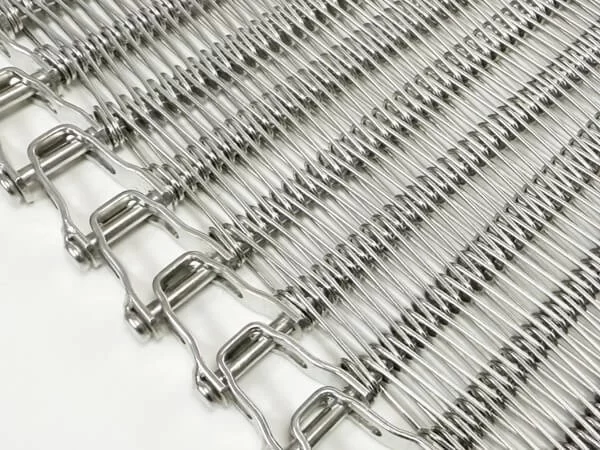
The construction material sector employs Compound Balanced Weave Belt systems to move large glass sheets through high-temperature rollers, ensuring zero-slip stability.

5. Agricultural Grain Processing

For the drying of premium Hungarian grains, Honeycomb Conveyor Belts provide the necessary ventilation and drainage, reducing drying time and energy costs.

Brand Story

Global Development Journey of Yangzhou JiaoYang Mesh Belt Manufacturing Co., Ltd.

Foundational Excellence

Started with a mission to solve the problem of premature belt wear in heavy-duty manufacturing, focusing on high-tensile steel weaves.

Technological Pivot

Expanded into balanced and spiral technologies to address the global demand for space-saving industrial conveyor systems.

European Expansion

Established strategic supply chains in Europe, ensuring that Hungarian and German factories receive precision components with minimal lead times.

Quality Standardization

Achieved international certifications, ensuring all belts meet strict ISO and EU food-grade safety requirements.

Vision for the Future

Leading the transition toward "Zero-Maintenance" conveyor systems through innovative material science and AI-assisted design.

Complete Conveyor Product Portfolio for Hungary

A comprehensive range of mechanical transmission solutions tailored for Central European industry.

Frequently Asked Questions in the Hungarian Market

Expert answers to common technical queries regarding mesh belt selection.

How to choose the right Stainless Steel Wire Mesh Belt for high-temperature ovens?

For high-temperature applications in Hungary, we recommend Grade 310 or 316 stainless steel. The choice depends on the atmospheric composition (oxidizing or reducing) and the peak operating temperature to prevent scaling.

What are the advantages of a Balanced Spiral Conveyor Belt in food production?

The balanced design eliminates the "drift" common in standard spiral belts, ensuring that products are transported vertically without shifting, which is critical for consistent cooling of baked goods.

Can Compound Balanced Weave Belt handle heavy industrial loads?

Yes, the compound weave is specifically engineered to combine the strength of a heavy-duty mesh with the stability of a balanced weave, making it ideal for automotive part transport.

How do Honeycomb Conveyor Belts improve energy efficiency in drying?

The open honeycomb structure allows for maximum airflow penetration from both above and below, reducing the total time required for drying and thus lowering electricity costs.

When should I use a Flat Wire Conveyor Belt over a woven mesh?

Flat wire belts are preferred when the product requires a smooth, non-marking surface or when the application involves high-pressure washing and requires easier cleaning.

What is the typical lifespan of mesh belts in Hungarian industrial environments?

Depending on the material and load, our belts typically last 3-7 years. Regular lubrication of the drive sprockets and periodic tension checks can further extend this lifespan.

Ready to Optimize Your Production Line?

Our technical experts are ready to provide custom conveyor solutions for your facility in Hungary.

Contact Us Now

If you are interested in our products, you can choose to leave your information here, and we will be in touch with you shortly.