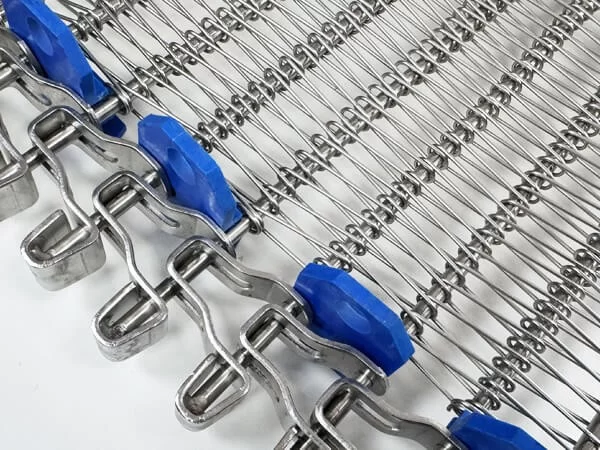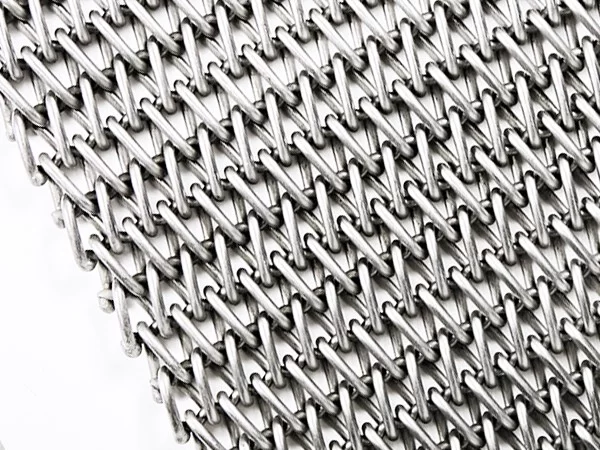
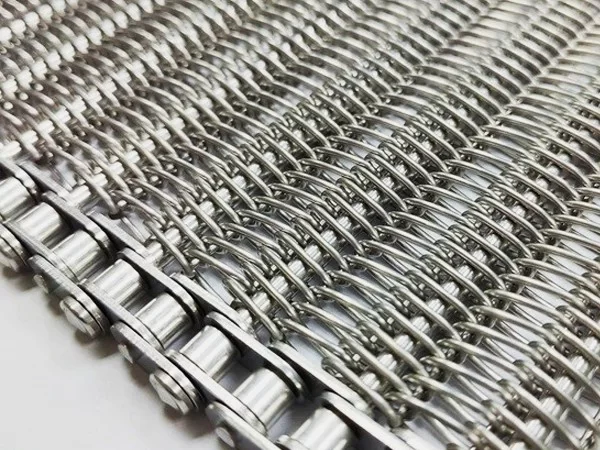
Nigeria's manufacturing sector currently faces a critical intersection of rapid growth and environmental hardship. The high humidity and salinity of coastal regions like Lagos accelerate the oxidation of standard carbon steel components, making the adoption of Stainless Steel Wire Mesh Belt essential for maintaining hygiene and durability in food and pharma plants.
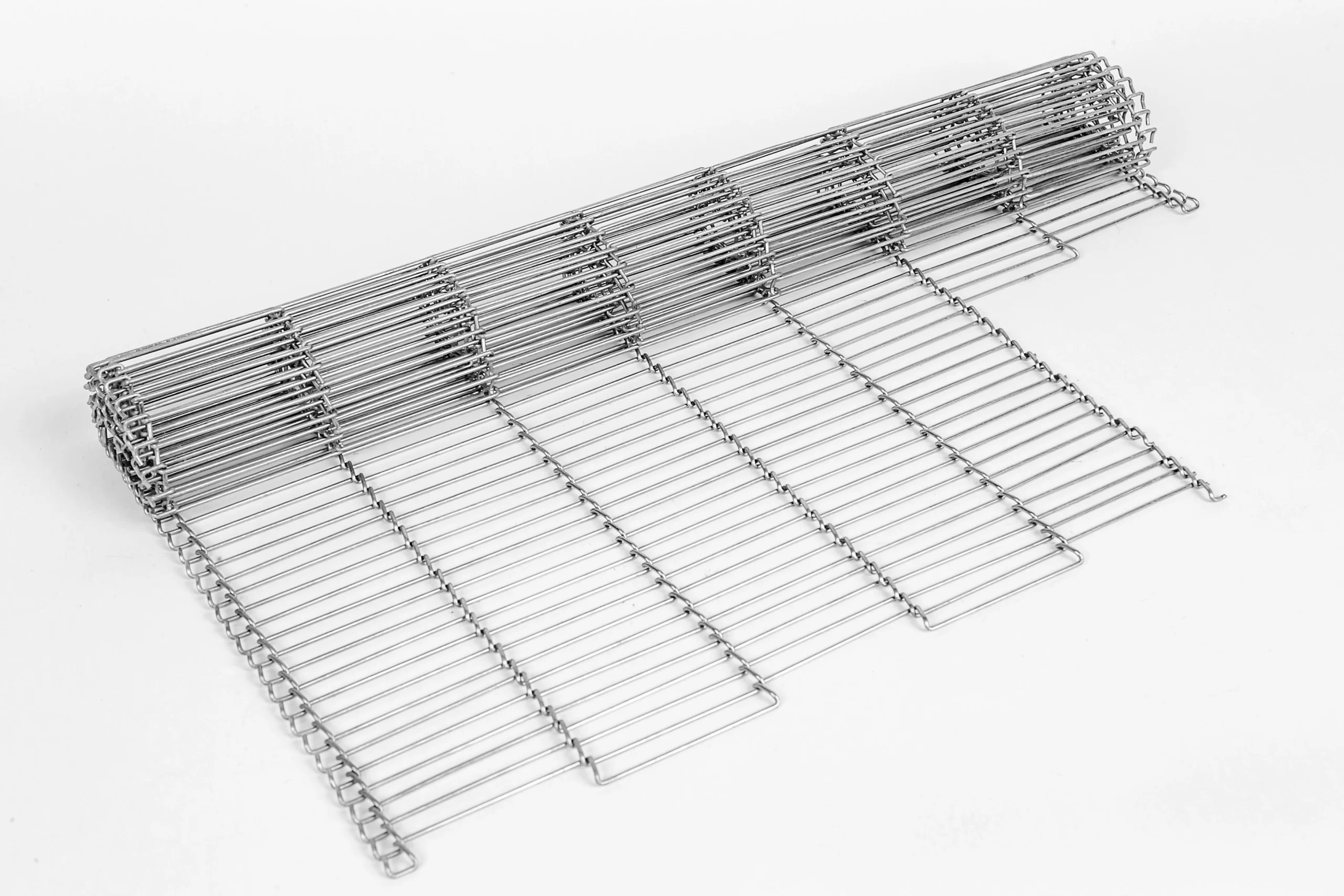
Economically, the shift toward localized processing of agricultural products (such as cassava and palm oil) has increased the demand for specialized belts. However, many facilities still rely on legacy equipment that lacks the precision of a Compound Balanced Weave Belt, leading to higher maintenance costs and frequent downtime.
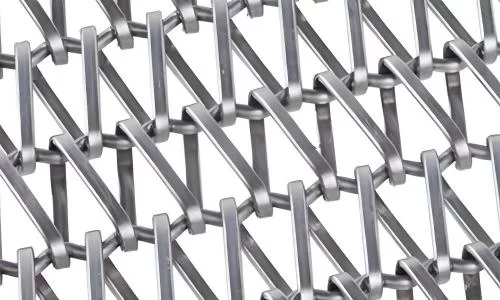
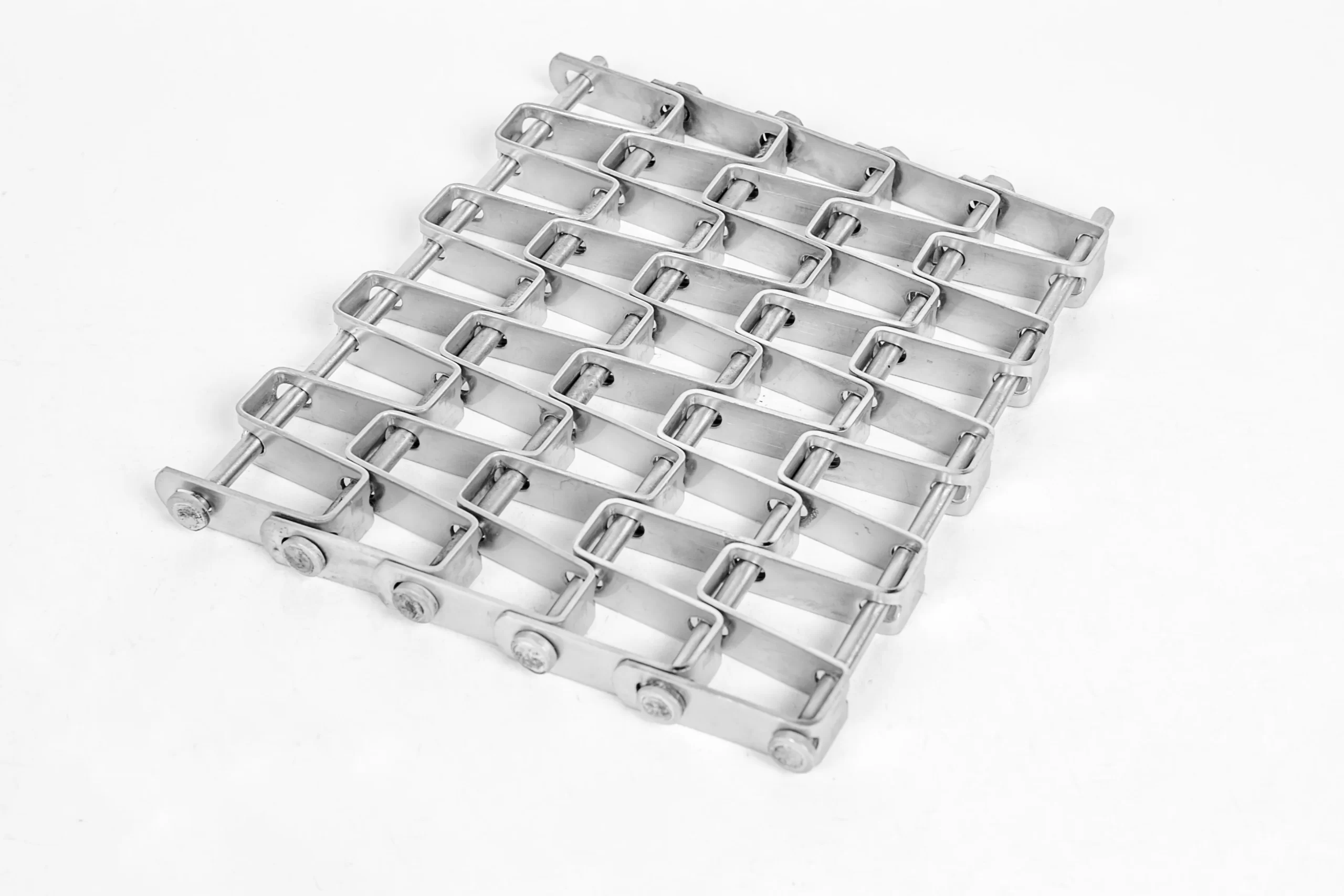
Furthermore, the volatility of power grids in Nigeria necessitates the use of energy-efficient mechanical transmission parts. Lightweight yet strong materials, such as those found in Honeycomb Conveyor Belts, are becoming the preferred choice to reduce motor load and energy consumption.