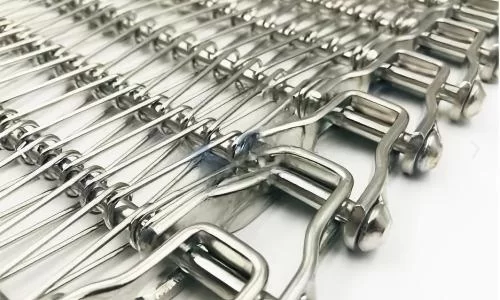
Advanced Conveying Solutions for Ethiopia’s Industrial Growth with Balanced Spiral Conveyor Belt

  • Home
  • Global Service
  • Advanced Conveying Solutions for Ethiopia’s Industrial Growth with Balanced Spiral Conveyor Belt

Advanced Conveying Solutions for Ethiopia's Industrial Growth with Balanced Spiral Conveyor Belt

High-performance mechanical transmission components engineered to optimize Ethiopia's emerging food processing and textile manufacturing sectors.

Advanced Conveying Solutions for Ethiopia's Industrial Growth with Balanced Spiral Conveyor Belt

Integrating precision-engineered Stainless Steel Wire Mesh Belt technology to enhance production efficiency and hygiene standards across Ethiopian industrial zones.

The Industrial Landscape of Ethiopia: Conveying Challenges

Analyzing the intersection of mechanical transmission needs and local environmental factors in Ethiopia.

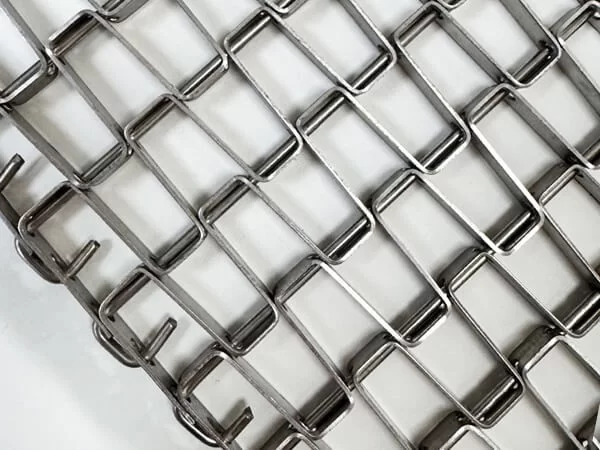
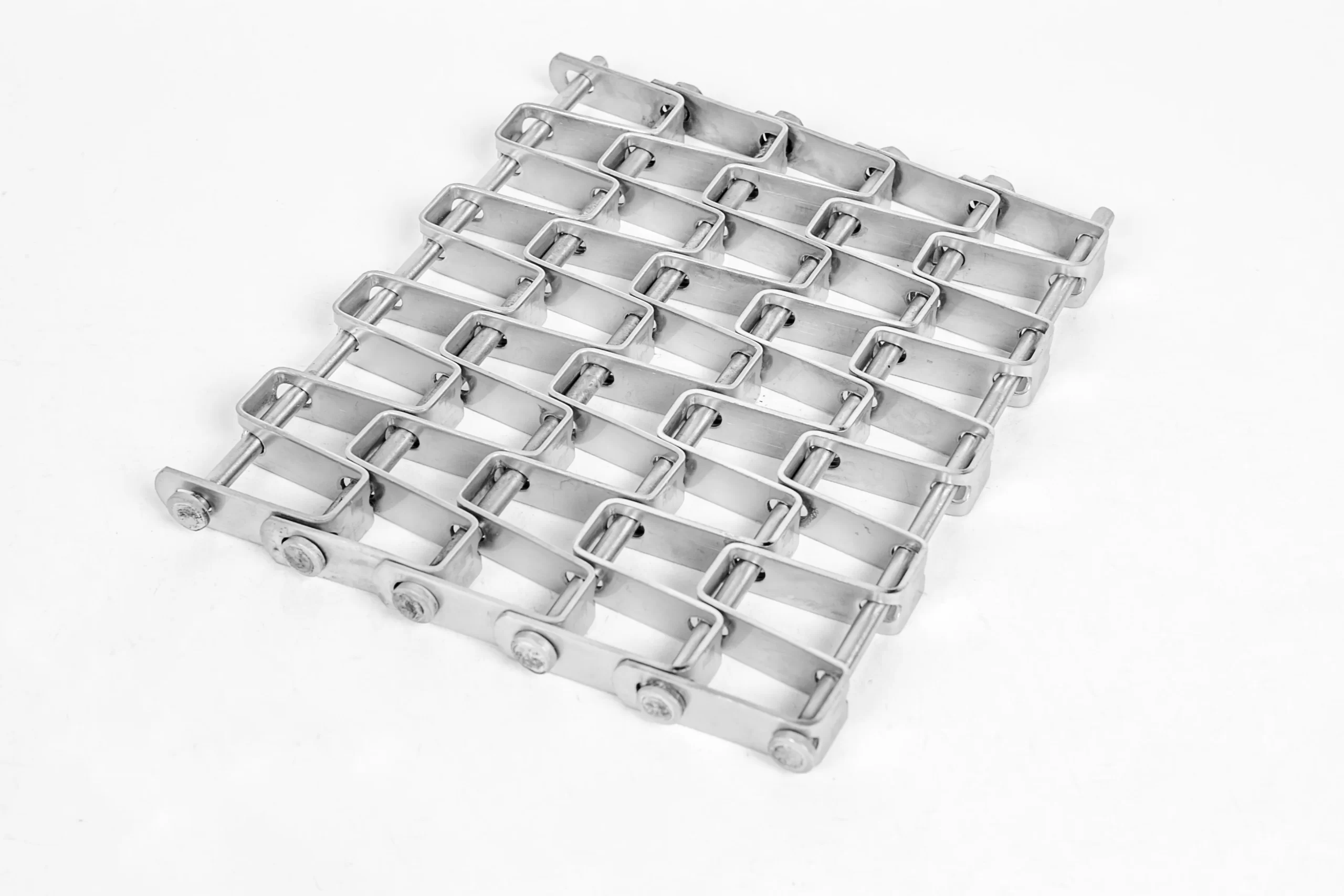
Ethiopia is currently undergoing a rapid industrial transformation, particularly within its specialized Industrial Parks. However, the high humidity in certain highland regions and the dusty environments of the lowland plains pose significant wear and tear challenges for standard conveyor systems, making the adoption of Flat Wire Conveyor Belt essential for durability.

The local food processing sector, specifically coffee and grain handling, requires strict adherence to international hygiene standards. The reliance on legacy machinery often leads to inefficiency, creating a critical demand for Honeycomb Conveyor Belts which provide superior airflow and drainage for drying and cooling processes.

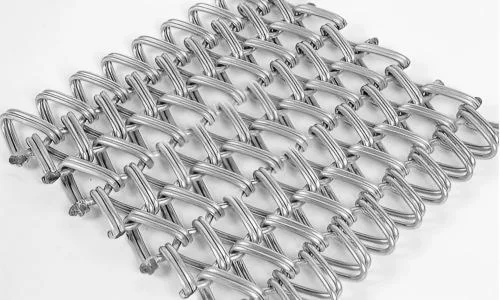
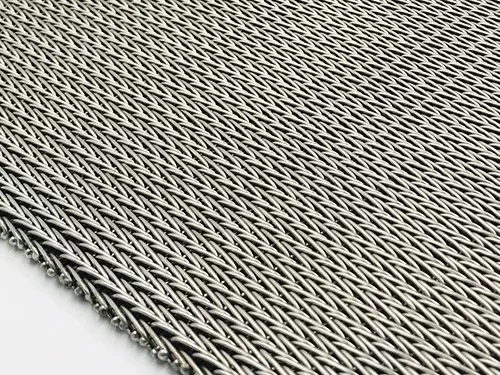
Moreover, the volatility of power grids in some regions necessitates mechanical components that reduce friction and energy consumption. By implementing a Compound Balanced Weave Belt, Ethiopian manufacturers can achieve smoother transit and reduced motor strain, lowering operational costs in a competitive market.
Evolution of Transmission Technology in East Africa

From basic rubber belts to precision-engineered stainless steel mesh systems.

Market Development History

Prior to 2010, the Ethiopian manufacturing sector relied heavily on basic rubber and PVC belts, which suffered from frequent failures due to heat and chemical exposure in the agro-processing sector.

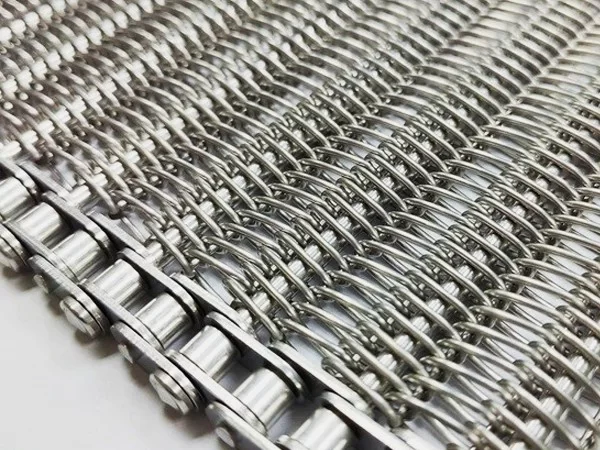
Between 2012 and 2020, the shift toward "Industrial Park" models introduced European and Asian machinery, bringing the first wave of Stainless Steel Wire Mesh Belt systems to handle higher temperature loads and sterile requirements.

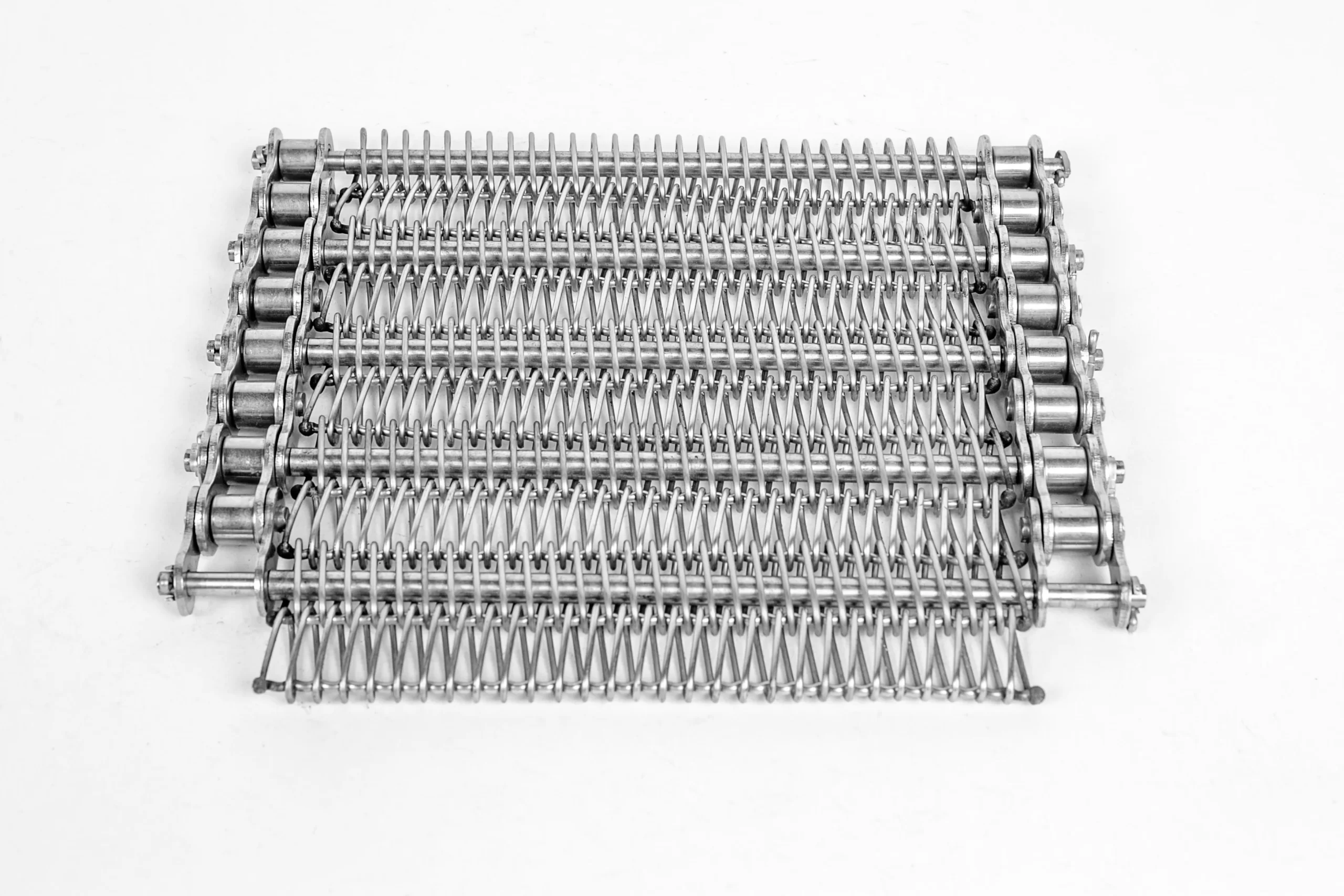
From 2021 to the present, there has been a strategic pivot toward specialized weaving patterns. The industry has moved from general-purpose belts to application-specific solutions like the Balanced Spiral Conveyor Belt to maximize vertical space in urban factories.

Future Development Trends

Smart Material Integration

Integration of sensors within the mesh structure to monitor belt tension and wear in real-time, reducing unplanned downtime in Ethiopian plants.

Modularized Rapid Replacement

A shift toward modular designs that allow local technicians to replace damaged sections without replacing the entire conveyor line.

Energy-Efficient Weave Geometry

Development of low-friction weave patterns that specifically target the reduction of electricity consumption in energy-constrained regions.

Strategic Outlook for Ethiopian Mechanical Transmission

Predicting the technological trajectory of the conveyor industry in Ethiopia over the next 5 years.

Agro-Industrial Scaling
Increased adoption of Honeycomb Conveyor Belts for Ethiopia's expanding coffee and oilseed processing plants.
Precision Automation
Transition toward Compound Balanced Weave Belt systems to facilitate automated sorting and packaging.
Vertical Optimization
Higher utilization of Balanced Spiral Conveyor Belt to save footprint in dense industrial zones.
Corrosion Resistance
Increased demand for high-grade Flat Wire Conveyor Belt in chemical and pharmaceutical plants.

Industry Outlook

Based on Google search trends for "industrial automation Africa," there is a significant uptick in queries regarding stainless steel conveying systems. Ethiopia is positioned to become a regional hub, necessitating belts that can handle varied throughputs and extreme temperatures.

We anticipate that the integration of E-E-A-T principles in technical procurement will lead Ethiopian firms to seek certified, high-durability components that reduce the total cost of ownership over a 10-year cycle.

Localized Application Scenarios in Ethiopia

Real-world implementations of mechanical transmission components in the Ethiopian market.

01. Coffee Bean Roasting & Cooling

Using Honeycomb Conveyor Belts in Addis Ababa roasting plants to ensure uniform cooling of beans through maximum airflow, preventing clumping and maintaining flavor profiles.

02. Textile Fabric Heat Setting

Implementing Stainless Steel Wire Mesh Belt in Hawassa Industrial Park for high-temperature fabric curing, ensuring the belt remains tension-stable under extreme heat.

03. Spiral Baking & Proofing

Utilizing Balanced Spiral Conveyor Belt in commercial bakeries to maximize output within limited floor space, allowing for continuous vertical proofing.

04. Grain Milling & Transport

Deploying Flat Wire Conveyor Belt for the heavy-duty transport of raw grains, providing a robust surface that resists abrasion from husks and seeds.

05. Meat Processing & Blanching

Applying Compound Balanced Weave Belt in food processing lines to maintain perfect product alignment during high-speed washing and blanching stages.

Brand Story

Global Development Journey of Yangzhou Jiao Yang Mesh Belt Manufacturing Co., Ltd.

Foundational Precision

Established with a mission to solve the fragility of early conveyor systems, focusing on the metallurgy of high-grade stainless steel.

Technical Diversification

Expanded our portfolio to include complex weaves, solving the "belt drift" problem for international food processors.

Global Expansion

Began exporting to emerging markets, adapting our designs to meet the specific climatic and power challenges of regions like Ethiopia.

Quality Certification

Achieved international standards for food-grade safety and mechanical durability, becoming a trusted partner for global OEMs.

Future-Proofing Industry

Today, we focus on sustainable manufacturing, reducing material waste while increasing the lifespan of every mesh belt we produce.

Comprehensive Conveying Portfolio for Ethiopia

A curated selection of high-performance belts designed for East African industrial requirements.

Ethiopia Industrial Conveyor FAQ

Expert answers to common technical queries regarding wire mesh belt systems in the local market.

How does the humidity in Ethiopia affect Stainless Steel Wire Mesh Belt longevity?

We use high-grade AISI 304 and 316 stainless steel, which provides exceptional corrosion resistance against the humid conditions found in the Ethiopian highlands, ensuring a longer lifespan than carbon steel alternatives.

What is the best alternative to rubber belts for coffee processing in Addis Ababa?

The Honeycomb Conveyor Belts are the ideal choice, as they offer superior ventilation for cooling coffee beans and are much easier to sanitize than porous rubber belts.

Can a Balanced Spiral Conveyor Belt reduce the footprint of my textile factory?

Yes, by utilizing vertical space for processes like cooling or proofing, the spiral design significantly reduces the required floor area compared to traditional linear conveyors.

How do I prevent tracking issues with a Compound Balanced Weave Belt?

Our balanced weave ensures consistent tension across the width of the belt. Regular inspection of the drive sprocket and proper alignment during installation are key to maintaining a straight path.

Is a Flat Wire Conveyor Belt suitable for heavy-duty grain transport?

Absolutely. The flat wire construction provides high structural integrity and load-bearing capacity, making it perfect for transporting bulk agricultural products across Ethiopian milling plants.

What maintenance is required for mesh belts in dusty industrial zones?

Regular cleaning with pressurized air or water is recommended to prevent dust accumulation in the weave, which can otherwise cause premature friction and wear on the conveyor frame.

Request an Industrial Consultation

Optimize your production line with world-class mechanical transmission components delivered directly to your facility in Ethiopia.

Contact Us Now

If you are interested in our products, you can choose to leave your information here, and we will be in touch with you shortly.