Advanced Industrial Conveying Solutions for Equatorial Guinea with Balanced Spiral Conveyor Belt

  • Home
  • Global Service
  • Advanced Industrial Conveying Solutions for Equatorial Guinea with Balanced Spiral Conveyor Belt

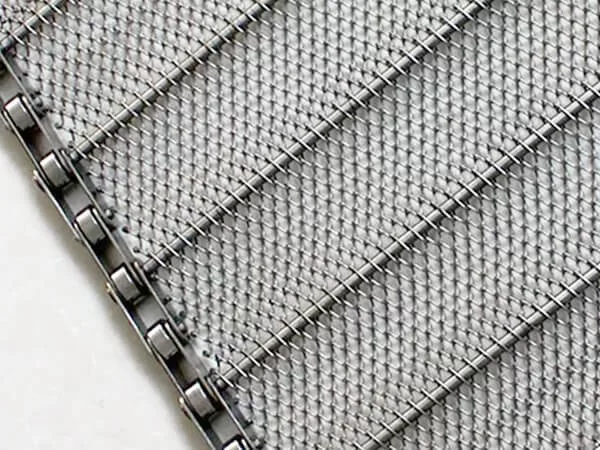
Industrial Conveying Solutions for Equatorial Guinea: Compound Balanced Weave Belt

High-performance mechanical transmission components engineered to withstand the humid tropical climate and industrial demands of Equatorial Guinea's growing manufacturing sector.

Industrial Conveying Solutions for Equatorial Guinea: Compound Balanced Weave Belt

Providing specialized stainless steel transmission solutions designed for maximum durability and precision in the heart of Africa's Gulf of Guinea region.

Current State of Conveyor Technology in Equatorial Guinea

Analyzing the intersection of tropical environmental challenges and industrial growth.

Equatorial Guinea's manufacturing landscape is heavily influenced by its equatorial climate, characterized by extreme humidity and high saline air near coastal industrial hubs. This environment accelerates the corrosion of standard carbon steel components, making the adoption of high-grade Stainless Steel Wire Mesh Belt systems a critical necessity for operational longevity.

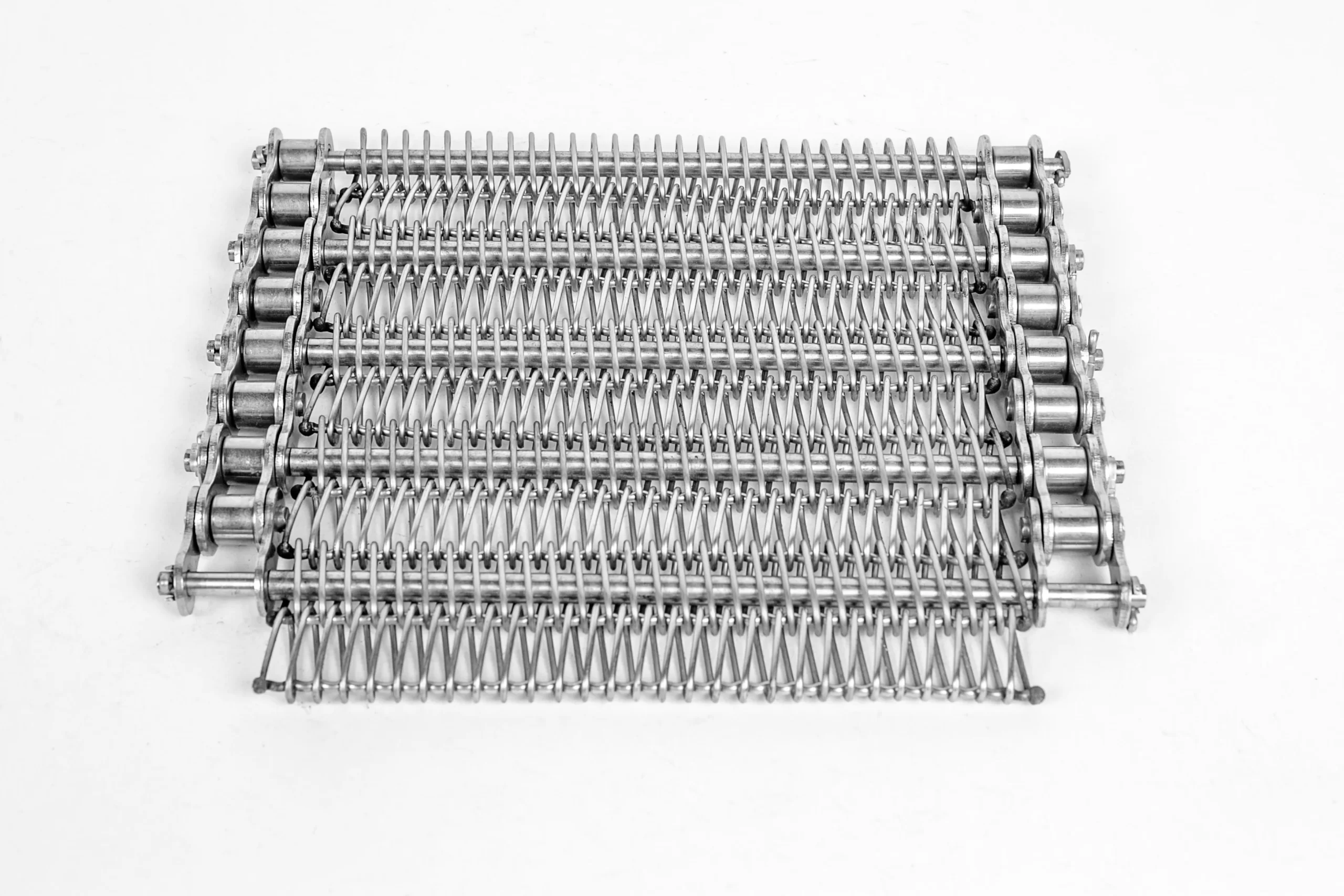
Currently, many local processing plants in the agro-industrial and oil-related equipment sectors rely on imported machinery. However, there is a growing shift toward specialized components like the Balanced Spiral Conveyor Belt to optimize space in smaller facility footprints while maintaining high throughput for drying and cooling processes.

The local industry is transitioning from manual material handling to automated transmission. The integration of Flat Wire Conveyor Belt technologies is becoming standard in food processing and chemical plants to meet international hygiene standards and reduce downtime caused by belt slippage or corrosion.
Evolution and Trajectory of Transmission Components

From basic rubber belts to precision-engineered balanced weaves.

Market Development History

In the early 2000s, the industrial sector in Equatorial Guinea primarily utilized basic rubber and PVC belts. These materials suffered significantly from UV degradation and heat stress, leading to frequent failures and high maintenance costs in tropical heat.

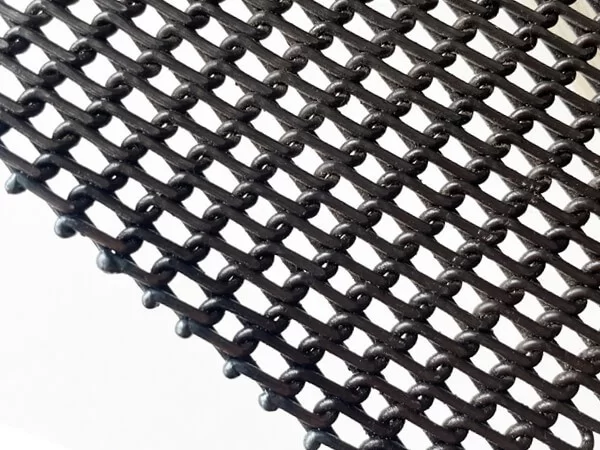
Between 2010 and 2020, the market saw the introduction of basic stainless steel meshes. The adoption of Honeycomb Conveyor Belts marked a turning point, offering superior stability and airflow for industrial ovens and cooling tunnels used in local cocoa and palm oil processing.

Today, the focus has shifted toward "balanced" technology. The transition to the Compound Balanced Weave Belt represents the modern era, where tracking issues are eliminated through precision weaving, reducing mechanical wear on the drive systems.

Future Development Trends

Integration of Smart Monitoring

Future systems will incorporate IoT sensors directly into the mesh structure to monitor tension and wear in real-time, specifically targeting the high-stress environments of Equatorial Guinea's oil refineries.

Advanced Metallurgy for Saline Resistance

We expect a shift toward Mo-alloyed stainless steels to further combat the aggressive chloride-induced pitting common in the coastal regions of Malabo and Bata.

Energy-Efficient Low-Friction Weaves

The trend is moving toward reduced coefficient-of-friction designs to lower the energy consumption of heavy-duty conveyor motors, aligning with global green manufacturing goals.

Industrial Trends and Future Outlook

Strategic foresight for mechanical transmission in West Africa.

Climate-Resilient Materials
Shift toward high-nickel alloys to prevent corrosion in high-humidity tropical zones.
Automation Integration
Increased demand for precision belts compatible with CNC and PLC-driven systems.
Modularization
Rapid replacement modular belts to minimize production downtime in remote areas.
Sustainability Focus
Using 100% recyclable stainless steel to reduce the ecological footprint of local industry.

Industry Outlook

Based on search trend analysis for "Industrial Automation Africa," there is a projected 15% annual increase in demand for high-precision conveyor components in the Gulf of Guinea. The move toward industrial diversification in Equatorial Guinea will drive the need for more complex belt geometries.

The convergence of food safety regulations and oil sector modernization means that belts providing both high temperature resistance and zero-contamination—like balanced weave designs—will dominate the market by 2028.

Localized Application Scenarios in Equatorial Guinea

Practical implementation of advanced mesh belts across key local industries.

01. Tropical Fruit and Cocoa Processing

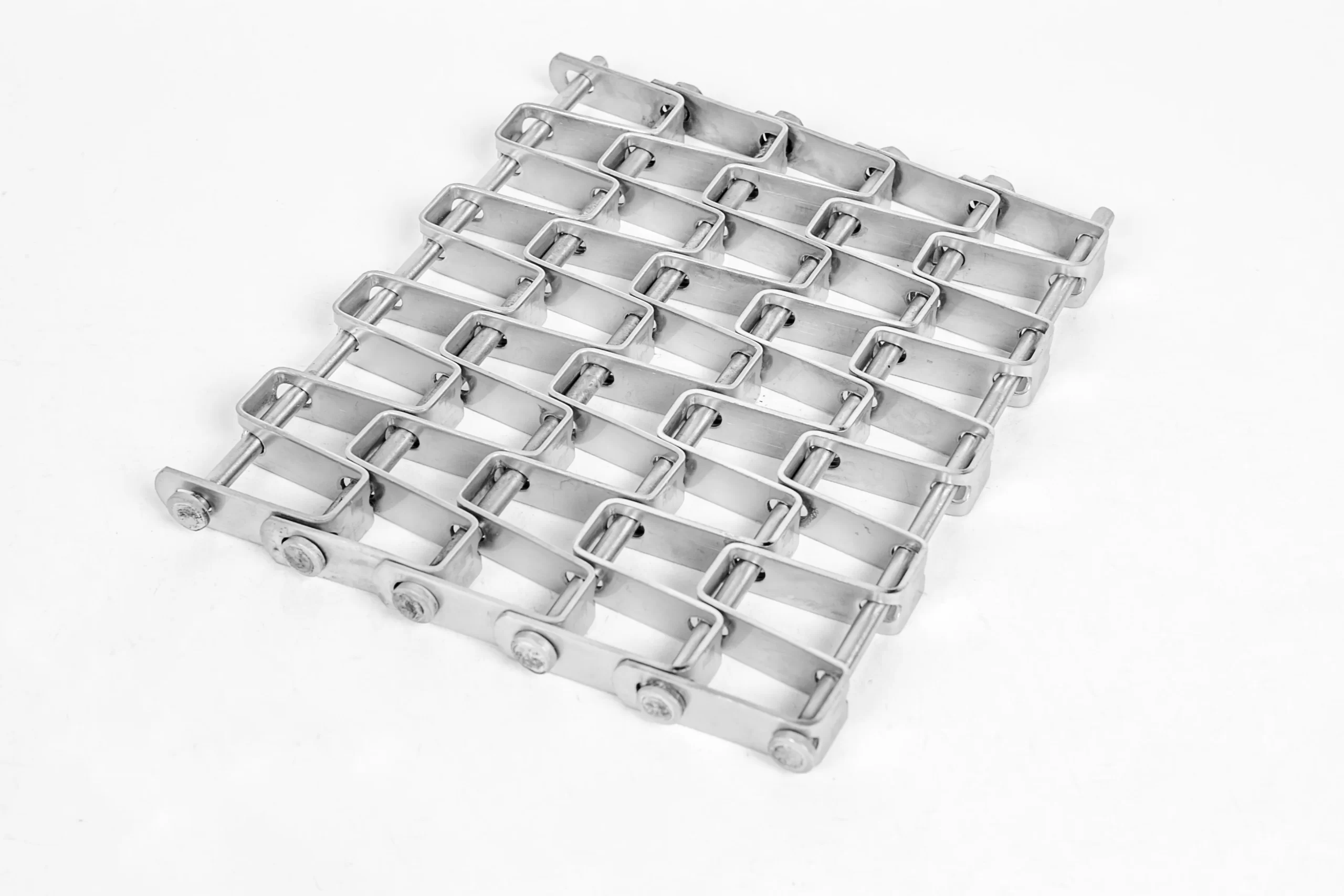
Utilizing Honeycomb Conveyor Belts for optimized airflow during the drying phase of cocoa beans, ensuring uniform temperature distribution and preventing mold in high-humidity environments.

02. Coastal Seafood Packaging

Implementation of Stainless Steel Wire Mesh Belt systems in fish processing plants near Malabo to ensure maximum corrosion resistance against salt-spray and rigorous hygiene compliance.

03. Oil and Gas Component Coating

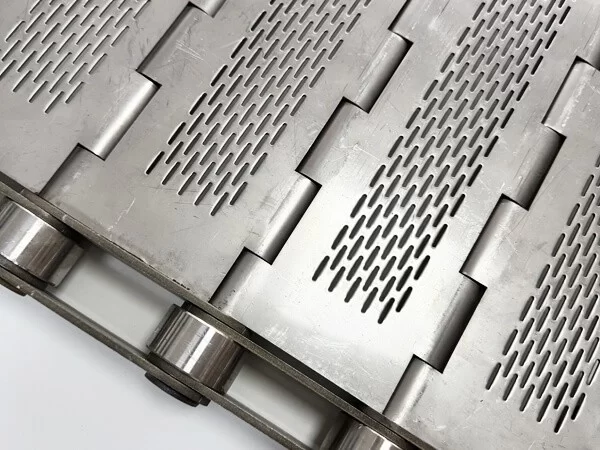
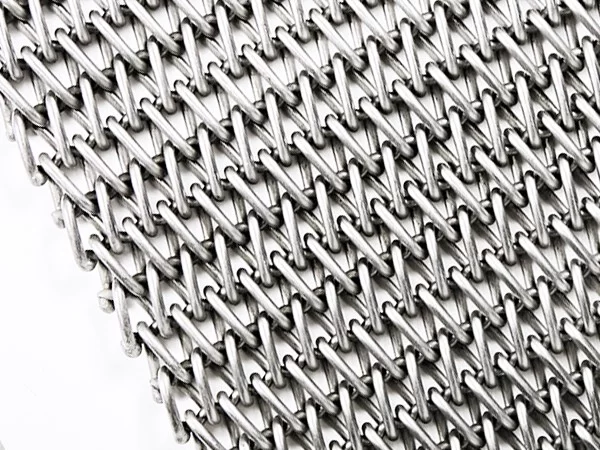
Deploying Flat Wire Conveyor Belt for the transport of heavy mechanical parts through industrial curing ovens, providing the necessary load-bearing capacity and heat stability.

04. Palm Oil Refinery Logistics

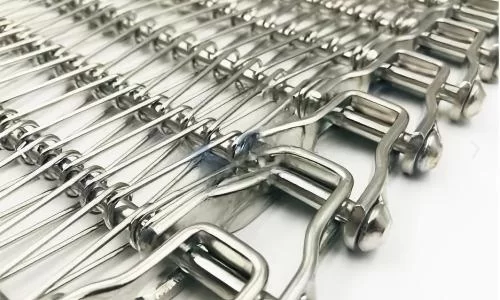
Integration of Compound Balanced Weave Belt for continuous transport of refined products, eliminating belt drift and reducing manual alignment labor.

05. Industrial Spiral Cooling Systems

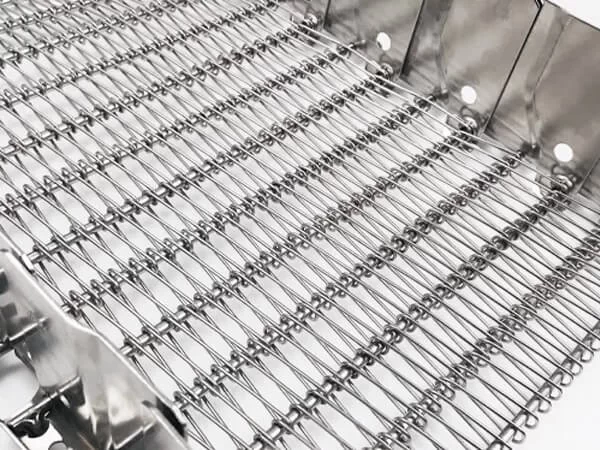
Using Balanced Spiral Conveyor Belt in bakery and confectionery production to maximize vertical space and ensure consistent cooling times for products.

Brand Story

Global Development Journey of Yangzhou Jiao Yang Mesh Belt Co., Ltd.

Foundational Excellence

Established with a focus on precision metallurgy, we began by solving the core problem of belt instability in high-temperature industrial environments.

Technological Breakthroughs

Developed proprietary balanced weave technologies that revolutionized how belts track on conveyors, reducing maintenance by 40% for our clients.

Global Expansion

Expanded our footprint into the African market, adapting our stainless steel grades to withstand extreme equatorial humidity and saline air.

Quality Standardization

Achieved international certifications ensuring every mesh belt meets global food safety and industrial durability standards.

Future-Ready Innovation

Currently pioneering the next generation of lightweight, ultra-strong alloys to further improve energy efficiency in global manufacturing.

Complete Product Portfolio for Equatorial Guinea

A comprehensive range of stainless steel conveying solutions tailored for the Gulf of Guinea's industrial needs.

Common Questions from Our Equatorial Guinea Partners

Technical guidance and support for local industrial operations.

Which stainless steel grade is best for the humid climate of Malabo?

For the high humidity and saline air in Malabo, we recommend AISI 316 or 316L stainless steel for our Stainless Steel Wire Mesh Belt products, as it provides superior resistance to chloride-induced pitting.

How does a Balanced Spiral Conveyor Belt save space in local plants?

The Balanced Spiral Conveyor Belt allows for vertical transport and processing (like cooling or proving) within a compact cylinder, reducing the total facility footprint significantly.

Can Honeycomb Conveyor Belts handle high-temperature baking?

Yes, our Honeycomb Conveyor Belts are engineered for high thermal stability and optimal airflow, making them ideal for industrial baking and drying ovens.

What prevents the Compound Balanced Weave Belt from drifting?

The Compound Balanced Weave Belt uses a symmetrical weave pattern that ensures equal tension across the width, naturally keeping the belt centered without constant manual adjustment.

Are Flat Wire Conveyor Belts suitable for heavy oil refinery parts?

Absolutely. The Flat Wire Conveyor Belt is designed for high load-bearing capacity and stability, making it the preferred choice for heavy industrial parts transport.

How often should I replace mesh belts in an equatorial environment?

Depending on the grade of stainless steel and the aggressiveness of the chemicals used, we recommend a comprehensive tension and wear check every 6 months to ensure maximum operational safety.

Request a Technical Consultation

Optimize your production line with world-class transmission components. We provide tailored shipping and technical support specifically for industrial projects in Equatorial Guinea.

Contact Us Now

If you are interested in our products, you can choose to leave your information here, and we will be in touch with you shortly.