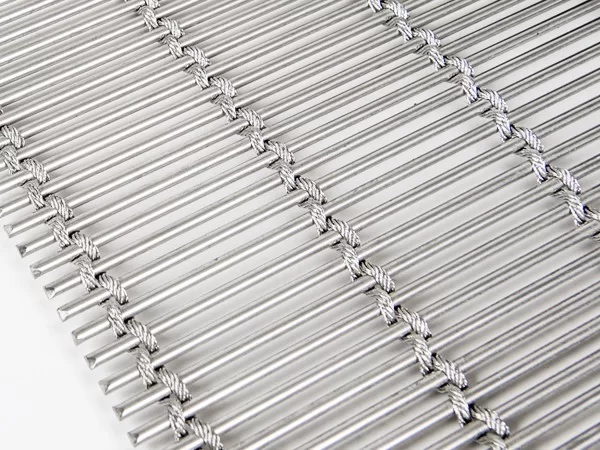
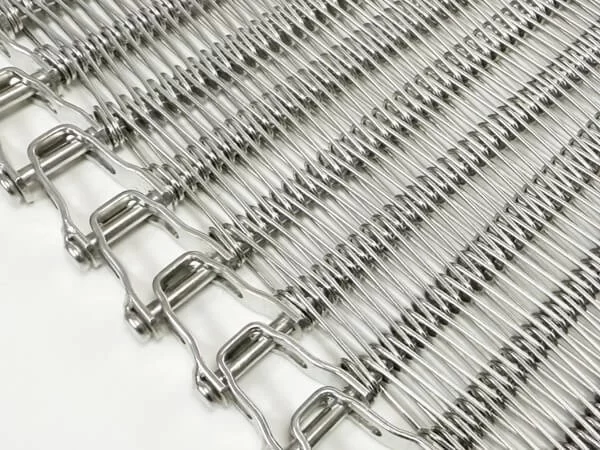
Advanced Conveying Solutions for Mauritius Compound Balanced Weave Belt Integration

  • Home
  • Global Service
  • Advanced Conveying Solutions for Mauritius Compound Balanced Weave Belt Integration

Advanced Industrial Conveying Solutions for Mauritius featuring Balanced Spiral Conveyor Belt

Optimizing manufacturing efficiency in Mauritius with high-precision, corrosion-resistant mechanical transmission components for the food and textile industries.

Advanced Industrial Conveying Solutions for Mauritius featuring Balanced Spiral Conveyor Belt

Providing the Mauritius manufacturing sector with cutting-edge Stainless Steel Wire Mesh Belt systems designed for extreme durability and hygiene compliance in tropical coastal environments.

Manufacturing Landscape in Mauritius: The Challenge of Corrosion

Analyzing the operational environment of mechanical transmission parts in the Indian Ocean region.

Mauritius possesses a unique manufacturing landscape dominated by sugar processing and textile exports. However, the island's high humidity and salty maritime air create an aggressively corrosive environment for standard steel components. This makes the implementation of a high-grade Flat Wire Conveyor Belt essential for maintaining structural integrity and reducing unplanned downtime in coastal factories.

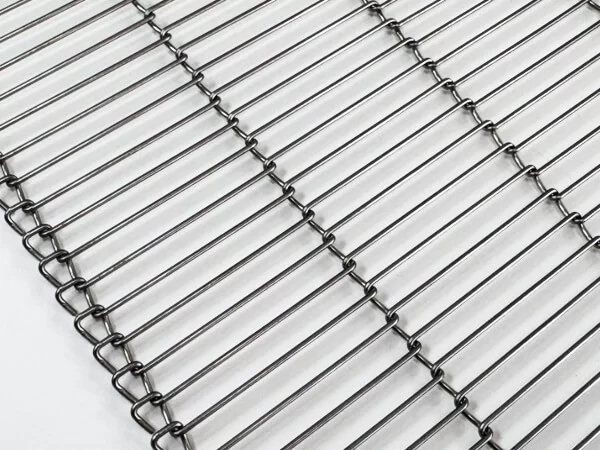
The local industry is currently transitioning from manual labor to semi-automated systems. This shift requires precision-engineered components like the Compound Balanced Weave Belt, which ensures stable transport of goods without tracking issues, effectively overcoming the challenges of legacy machinery often found in Mauritian industrial zones.

Furthermore, the stringent food safety standards required for export to the EU mean that Mauritian food processors are increasingly abandoning carbon steel in favor of Honeycomb Conveyor Belts. These specialized designs provide optimal airflow and drainage, critical for the island's processed seafood and tropical fruit sectors.
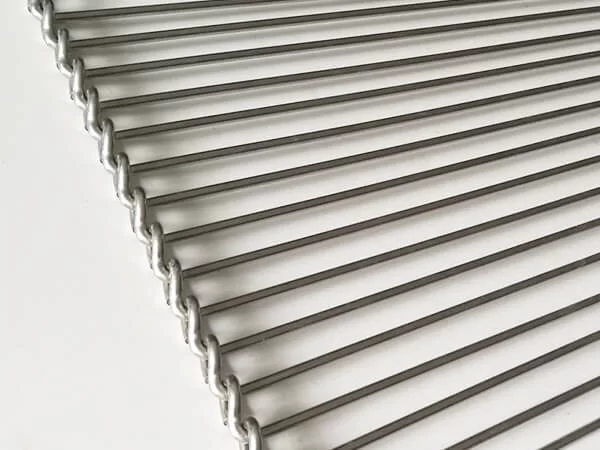
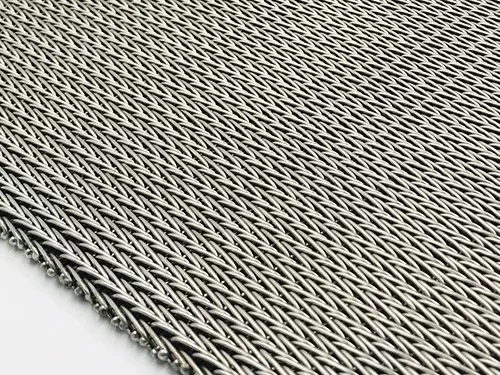
Evolution of Transmission Components in Mauritius

From traditional rubber belts to high-performance stainless steel mesh.

Market Development History

Prior to 2010, the Mauritian manufacturing sector relied heavily on basic rubber and PVC conveyor systems. These materials frequently degraded under the intense tropical heat and chemical exposure, leading to frequent replacements and contamination risks in food production lines.

Between 2010 and 2020, there was a strategic shift toward early-stage stainless steel adoption. The introduction of basic wire weaves improved durability, but issues with belt drift and uneven tensioning persisted, necessitating more sophisticated engineering solutions for the local textile and agri-food plants.

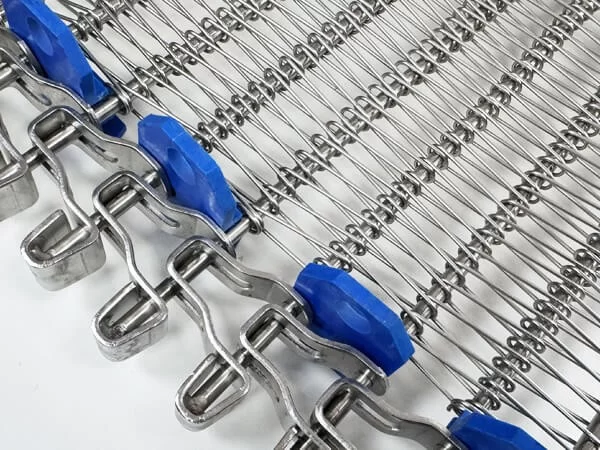
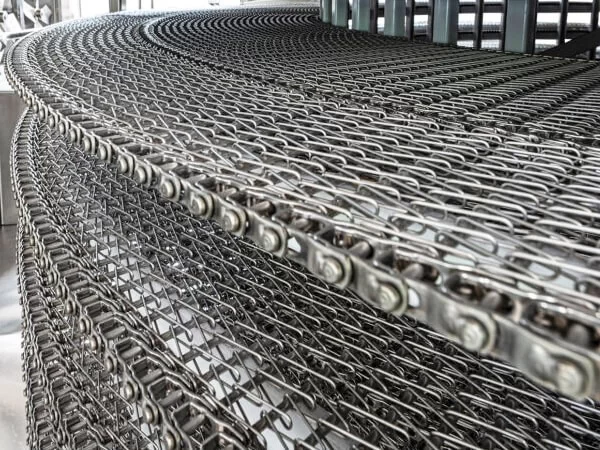
Since 2020, the market has entered the era of precision weaving. The adoption of the Balanced Spiral Conveyor Belt has revolutionized vertical cooling and frying processes in the food industry, allowing for maximum space utilization in compact Mauritian factory layouts.

Future Development Trends

Integration of Smart Monitoring

We anticipate a trend toward integrating IoT sensors within mesh belts to monitor tension and wear in real-time, reducing maintenance costs for Mauritian operators.

Advanced Metallurgy for Saline Environments

Future iterations will likely see the use of super-duplex stainless steels to further enhance resistance against the high salinity of the Mauritius coast.

Modular System Standardization

There is a growing demand for modular, easy-to-replace sections of Honeycomb Conveyor Belts to minimize production halts during maintenance.

Industry Trends and Future Outlook

Strategic projections for the mechanical transmission sector in Mauritius.

Eco-Efficient Materials
Shift toward 100% recyclable stainless steel to align with Mauritius' green economy goals.
Automation Synergy
Seamless integration of balanced weave belts with automated PLC sorting systems.
Hygiene Optimization
Advanced honeycomb structures reducing biofilm buildup in seafood processing.
Logistics Efficiency
Optimizing belt width and pitch for high-density Mauritian urban warehouses.

Industry Outlook

Based on Google search trends for "industrial automation Africa," there is a significant spike in demand for durable conveyor components in the Indian Ocean region. Mauritius is emerging as a hub for high-value food processing, which will drive the demand for specialized Stainless Steel Wire Mesh Belt solutions over the next 3-5 years.

The trajectory points toward a "zero-maintenance" philosophy, where high-investment, long-life components like the Compound Balanced Weave Belt will replace the current cycle of frequent, cheap replacements, ultimately lowering the total cost of ownership for local manufacturers.

Localized Application Scenarios in Mauritius

Tailored mechanical transmission solutions for diverse Mauritian industries.

1. Sugar Refinery Crystallization

Utilizing Flat Wire Conveyor Belt for the transport of hot sugar crystals, ensuring heat dissipation and corrosion resistance against sulfuric acidic residues.

2. Frozen Seafood Processing

Deployment of Honeycomb Conveyor Belts in blast freezing tunnels for tuna and shrimp, allowing uniform cold air circulation and rapid freezing.

3. Textile Drying and Curing

Using Compound Balanced Weave Belt in industrial ovens to ensure fabric remains flat and tension-free during high-temperature setting processes.

4. Tropical Fruit Dehydration

Implementation of Balanced Spiral Conveyor Belt for space-saving vertical drying of pineapple and mango slices in compact facility footprints.

5. Pharmaceutical Packaging

Applying high-precision Stainless Steel Wire Mesh Belt for the sterile transport of medical components, meeting global hygiene standards for export.

Brand Story

Global Development Journey of Yangzhou Jiao Yang Mesh Belt Co., Ltd.

Foundation of Excellence

Established with a mission to solve the problem of premature belt failure in harsh industrial environments through precision metallurgy.

Technical Innovation

Developed proprietary weaving techniques to create the first generation of perfectly balanced belts, eliminating the need for constant manual tracking.

Global Market Expansion

Expanded operations to the African and Indian Ocean markets, adapting products to meet the specific humidity and salinity challenges of coastal regions.

Quality Certification

Achieved international food-grade and industrial certifications, ensuring our belts are suitable for the world's strictest export markets.

Sustainable Future

Currently leading the transition toward eco-friendly manufacturing processes and long-life components to reduce global industrial waste.

Complete Product Portfolio for the Mauritius Market

A comprehensive range of high-durability conveying solutions engineered for the African industrial climate.

Common Questions for Mauritius Industrial Clients

Expert answers to the most pressing technical concerns regarding wire mesh belts.

How does the Stainless Steel Wire Mesh Belt resist saline corrosion in Mauritius?

We use high-grade AISI 304 and 316 stainless steel, which form a passive chromium oxide layer that protects the belt from the chloride-rich air common in Mauritius.

Can a Balanced Spiral Conveyor Belt fit in small-scale food plants?

Yes, the spiral design is specifically intended to maximize vertical space, allowing Mauritian SMEs to increase production capacity without expanding their factory footprint.

What are the maintenance requirements for Honeycomb Conveyor Belts?

Maintenance is minimal; they primarily require periodic rinsing to remove organic buildup, making them ideal for the high-hygiene requirements of the seafood industry.

Does the Compound Balanced Weave Belt prevent tracking drift?

Absolutely. The compound weave is engineered to maintain center alignment automatically, significantly reducing the need for manual adjustment in textile curing lines.

Is the Flat Wire Conveyor Belt suitable for high-temperature sugar refining?

Yes, our flat wire belts are designed to withstand extreme thermal cycling without warping, ensuring a consistent flow of material in sugar crystallization processes.

What lead times should Mauritian companies expect for custom mesh belts?

Depending on the complexity of the weave and the total length, typical lead times range from 2-4 weeks, with streamlined shipping options to the Port Louis harbor.

Ready to Upgrade Your Production Line?

Contact our engineering team for customized conveyor solutions tailored to the industrial needs of Mauritius.

Contact Us Now

If you are interested in our products, you can choose to leave your information here, and we will be in touch with you shortly.